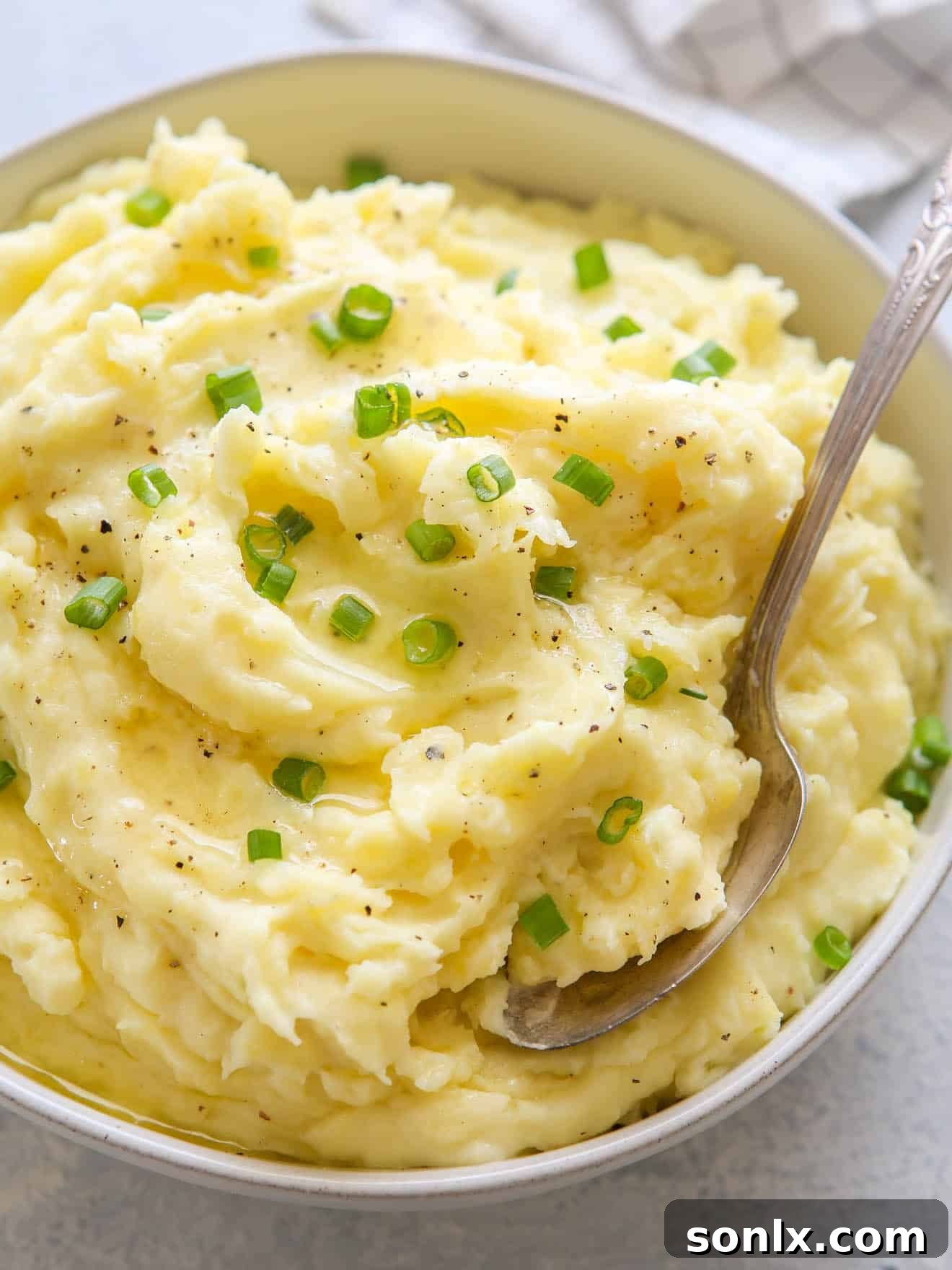
How to Make the Best Mashed Potatoes: Your Guide to Creamy, Fluffy Perfection
Discover the secrets to making the BEST mashed potatoes you’ve ever tasted! This recipe transforms a classic side dish into an unforgettable culinary experience, offering unparalleled richness, flavor, and a wonderfully light, fluffy texture. With just a few simple yet crucial details, you’ll master the art of perfect mashed potatoes, learning the ideal ingredients, techniques for achieving ultimate creaminess, and even how to prepare them in advance for stress-free entertaining.
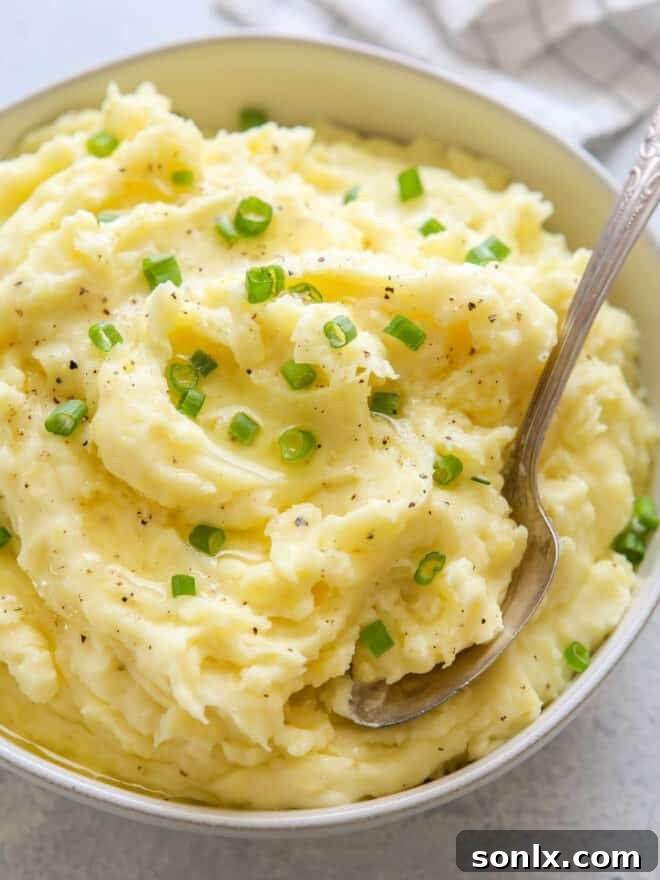
Mashed potatoes hold a special place in my heart, ranking among my all-time favorite comfort foods. Having prepared and savored countless batches over the years, I can confidently say that this recipe delivers truly exceptional results. These aren’t just good mashed potatoes; they’re the kind that will have everyone asking for seconds, a testament to thoughtful preparation and quality ingredients.
What makes these mashed potatoes stand out? They strike the ideal balance of flavors and textures: incredibly rich, lusciously creamy, bursting with savory goodness, and irresistibly fluffy. Their versatility makes them the perfect accompaniment to virtually any meal, from a simple weeknight dinner to the grandest holiday feasts. Imagine them gracing your Thanksgiving table – they are truly that special!
Table of Contents
- Essential Ingredients for Stellar Mashed Potatoes
- The Magic of Yukon Gold Potatoes: Why They’re Superior
- Mastering Mashed Potatoes: A Step-by-Step Guide
- Choosing the Right Tools for Your Mashed Potatoes
- Preparing Mashed Potatoes Ahead of Time
- Creative Variations and Serving Inspirations
- The Ultimate Mashed Potato Recipe
- Mashed Potatoes: Frequently Asked Questions
- Explore More Potato Side Dishes
Essential Ingredients for Stellar Mashed Potatoes
You might be surprised to learn that achieving phenomenal mashed potatoes requires only four core ingredients. That’s right – simplicity is key to unlocking their natural deliciousness!
- Yukon Gold Potatoes: These are non-negotiable for the best mashed potatoes, and I’ll explain why in detail below. Their unique characteristics are crucial for the desired texture and flavor.
- Salted Butter: Potatoes, by nature, can be quite bland. Using quality salted butter not only imparts a luxurious richness but also jumpstarts the seasoning process, building a robust flavor foundation.
- Heavy Cream (preferred) or Whole Milk: The choice between heavy cream and whole milk will influence the final richness and creamy consistency. Heavy cream provides a more indulgent flavor and a silkier texture, while whole milk offers a lighter but still satisfying creaminess. For the ultimate experience, heavy cream is highly recommended.
- Salt and Freshly Ground Black Pepper: Proper seasoning is paramount. Salt enhances all the other flavors, bringing them to life, while fresh black pepper adds a subtle warmth and aromatic depth. Don’t underestimate their power!
While many recipes might suggest additions like cream cheese, sour cream, or even garlic powder for extra creaminess or flavor, this recipe proves they are simply unnecessary. By focusing on these four fundamental, high-quality ingredients, you’ll achieve an unparalleled depth of flavor and texture that speaks for itself. Resist the urge to overcomplicate; these simple components create the most harmonious and delicious mashed potatoes imaginable.
The Magic of Yukon Gold Potatoes: Why They’re Superior
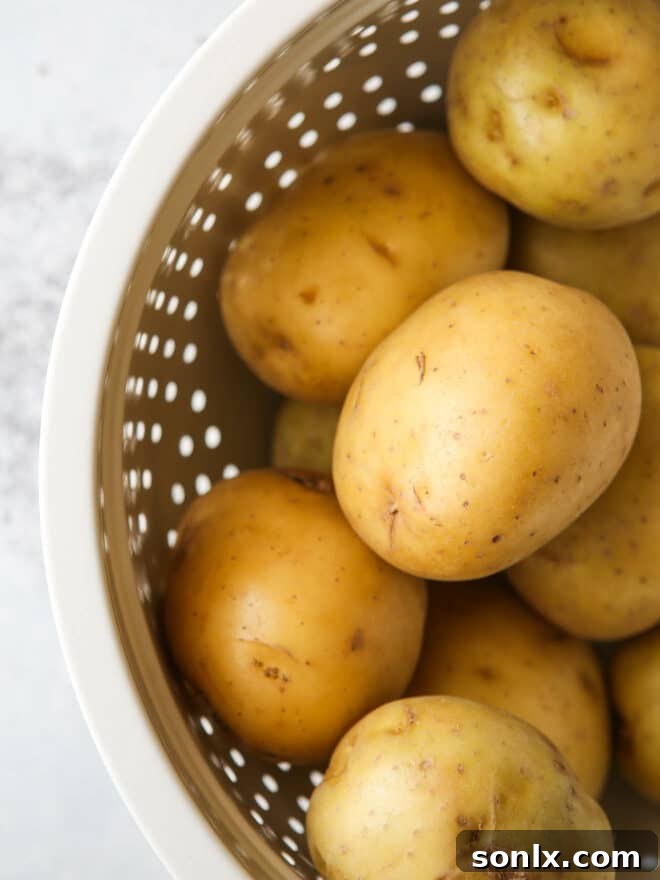
If you’re wondering what truly elevates a plate of mashed potatoes from good to extraordinary, the answer often lies in the potato variety. For consistently superior results, Yukon Gold potatoes are unequivocally the best choice. Here’s why:
- Inherent Buttery Flavor: Yukon Gold potatoes possess a naturally rich, buttery flavor profile that other potatoes simply can’t match. This means they require less added butter or cream to taste incredibly delicious, allowing their natural goodness to shine through. They are truly delicious all on their own!
- Ideal Starch Content for Creaminess: These medium-starch potatoes strike the perfect balance between waxy and floury varieties. Their starch content ensures that once mashed, they become wonderfully thick and creamy without turning gummy. They break down beautifully, creating that coveted smooth consistency.
- Low Water Absorption: Unlike some other varieties (like russets), Yukon Golds don’t absorb excessive amounts of water during boiling. This crucial characteristic prevents your mashed potatoes from becoming watery, soggy, or unpleasantly sticky and gummy – common pitfalls that can ruin the texture.
If you’ve primarily used russet or red potatoes for your mashed creations in the past, making the switch to Yukon Golds will be a game-changer. This simple ingredient swap alone can dramatically improve the flavor, richness, and overall texture of your mashed potatoes, transforming them into a dish you’ll be proud to serve.
Expert Tip: Yukon Gold potato skins are notably thin and delicate. This means you have the option to leave them on for a slightly more rustic appearance and added texture, saving you valuable prep time. For the silkiest, smoothest mashed potatoes, however, peeling them is recommended.
Mastering Mashed Potatoes: A Step-by-Step Guide to Perfection
Achieving truly perfect mashed potatoes isn’t complicated, but it does involve following a few key steps with precision. This detailed guide will walk you through each stage, ensuring your mashed potatoes are consistently light, fluffy, and full of flavor.
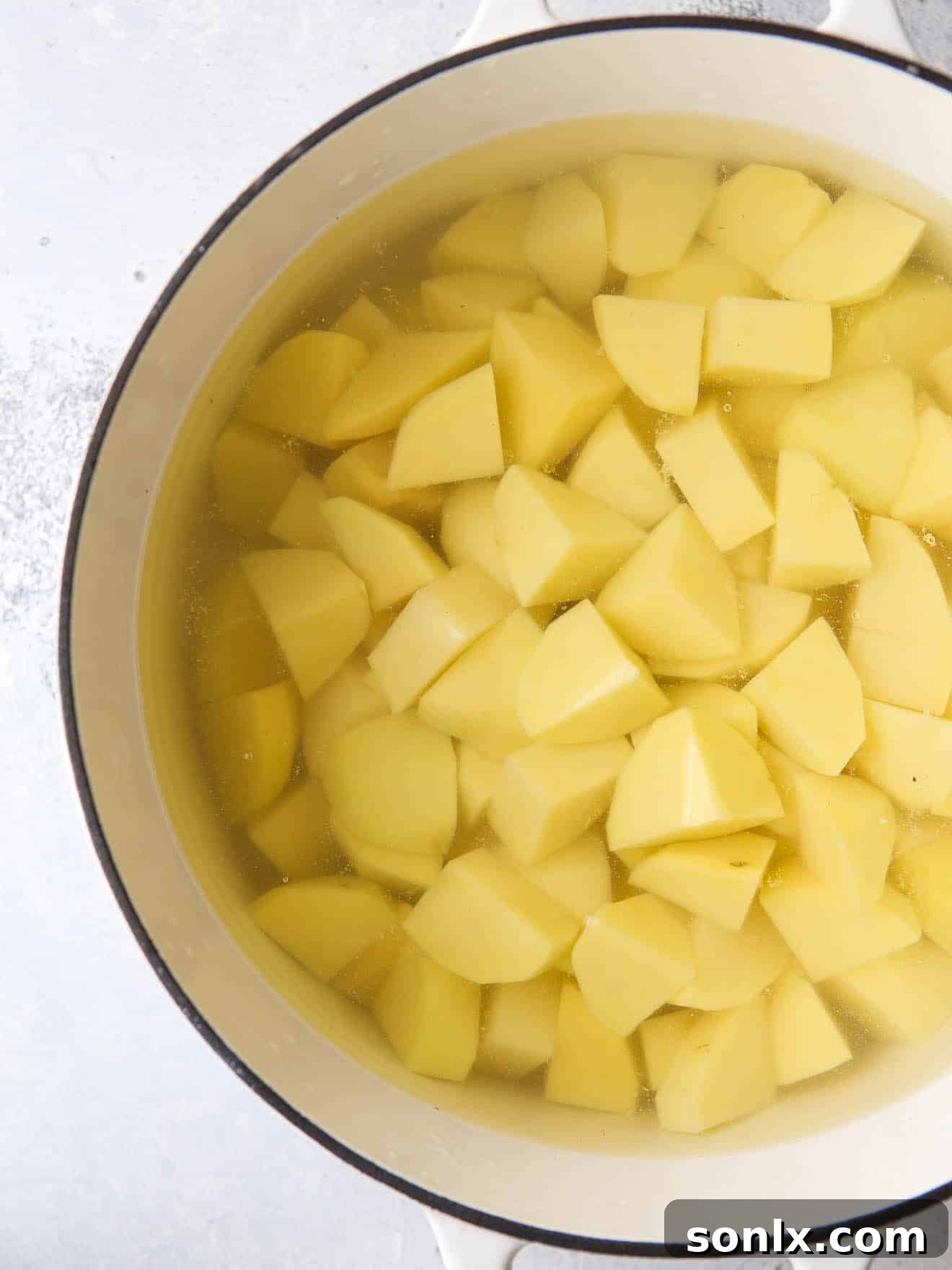
- Prepare the Potatoes with Uniformity: Begin by peeling your Yukon Gold potatoes if you desire the smoothest possible texture. While their skins are thin enough to be left on, peeling yields a more refined consistency. Once peeled (or not), chop the potatoes into roughly 1 to 1½ inch chunks. The critical detail here is to keep the pieces as uniform in size as possible. This ensures that all the potato chunks cook evenly, preventing some from becoming overcooked and mushy while others remain undercooked and firm.

Uniformly chopped potatoes ensure even cooking, a crucial step for perfect mashed potatoes. - Start with Cold, Salted Water: Place your uniformly chopped potatoes into a large pot. Cover them with cold water, ensuring the water level is about an inch above the potatoes. Crucially, add a generous amount of salt to the water at this stage. Starting with cold water allows the potatoes to cook more evenly, heating gradually from the outside in. If you start with hot water, the outside cooks faster, potentially turning mushy while the inside remains hard. The salt in the water seasons the potatoes from within as they cook, enhancing their flavor significantly. Bring the water to a rolling boil, then reduce the heat slightly and let the potatoes simmer for approximately 20 minutes, or until they are just fork-tender. Test them by easily piercing a piece with a fork. Be vigilant: Do not overcook the potatoes, as this will cause them to absorb excess water, leading to a watery and less flavorful mash.
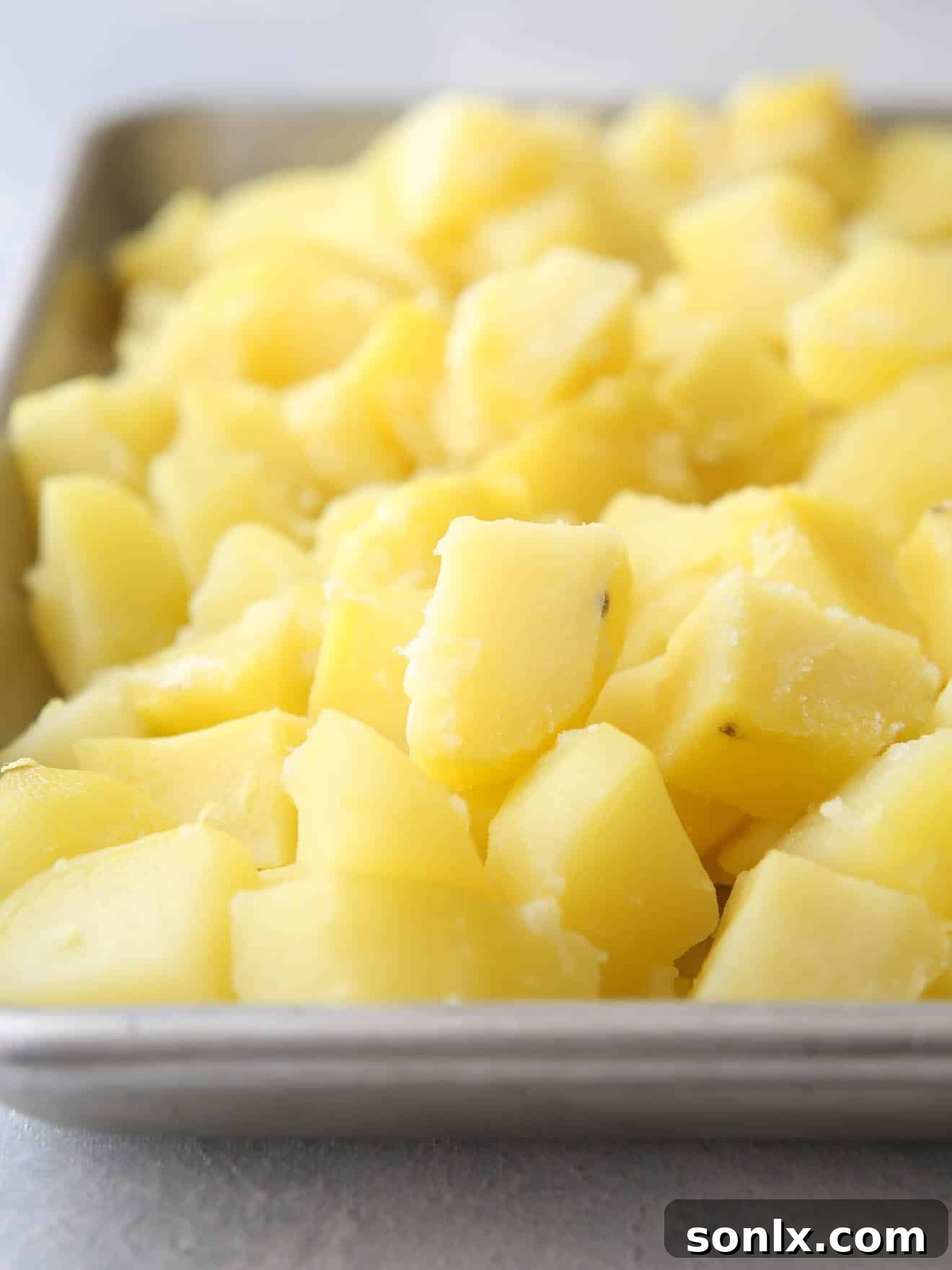
- Dry the Potatoes in the Oven (Optional but Recommended for Ultimate Fluffiness): Once cooked, thoroughly drain the potatoes. For an exceptionally smooth and fluffy result – a technique often overlooked but highly effective – spread the drained potatoes evenly onto a baking sheet. Place the sheet pan into a preheated 350°F (175°C) oven for about 10-15 minutes. This step helps to evaporate any residual surface moisture from the potatoes. Dry potatoes are then better able to absorb the rich butter and cream, resulting in a significantly smoother, creamier, and lighter final product. While this is an extra step I don’t always do for a quick weeknight meal, it makes a noticeable difference for truly impressive mashed potatoes.
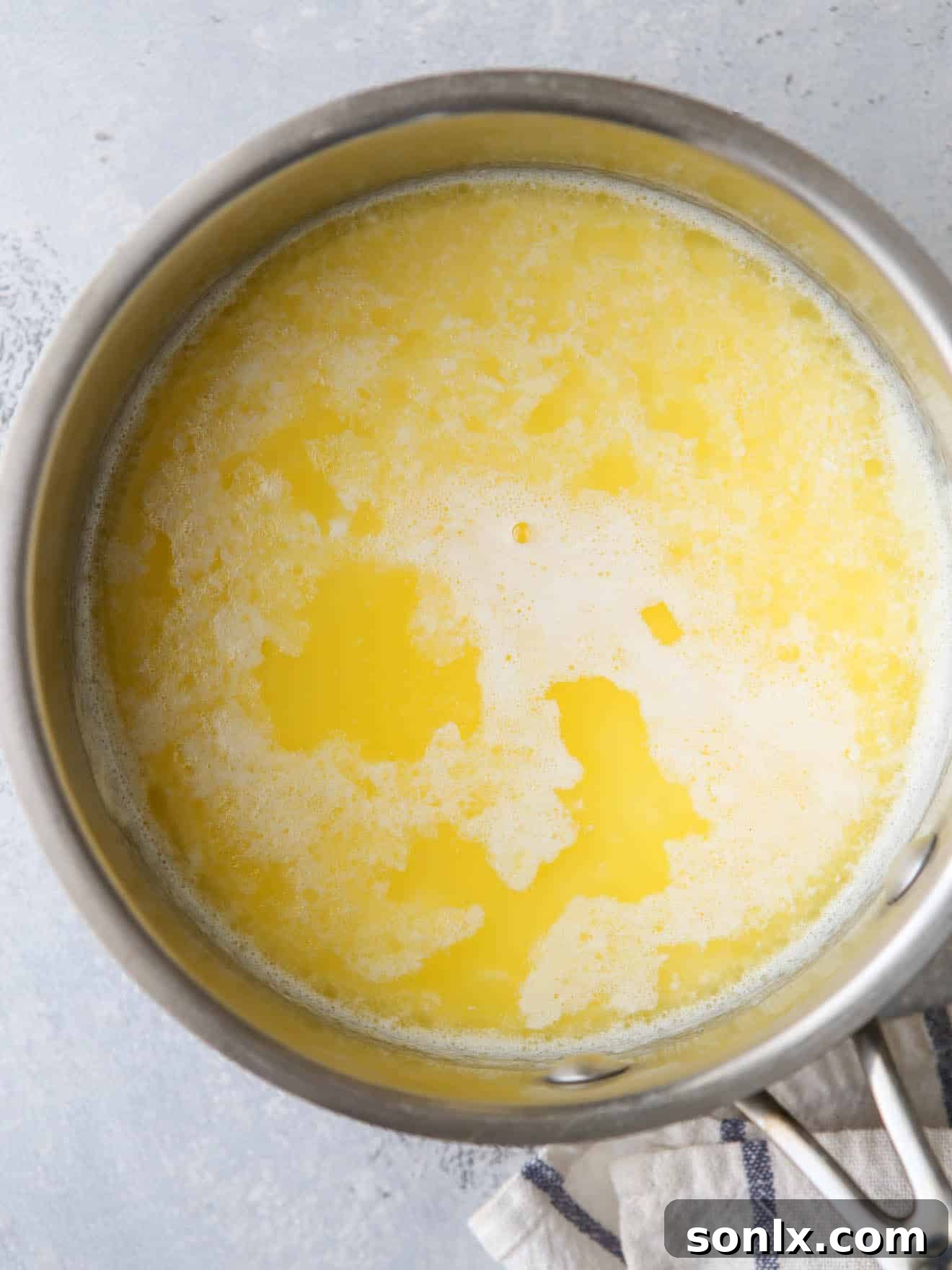
Drying potatoes in the oven removes excess moisture, ensuring a fluffier, creamier mash. - Warm the Butter and Cream/Milk: A few minutes before you are ready to mash the potatoes, combine your butter and heavy cream (or whole milk) in a small saucepan. Gently heat this mixture over low heat on the stove until the butter is fully melted and the mixture is warm, but not boiling. This warm dairy mixture is a game-changer because potatoes absorb warm liquids more readily and efficiently than cold ones. This means you won’t have to overwork the potatoes to incorporate the dairy, which helps maintain their light and fluffy texture. An added bonus is that this step helps keep your finished mashed potatoes piping hot.
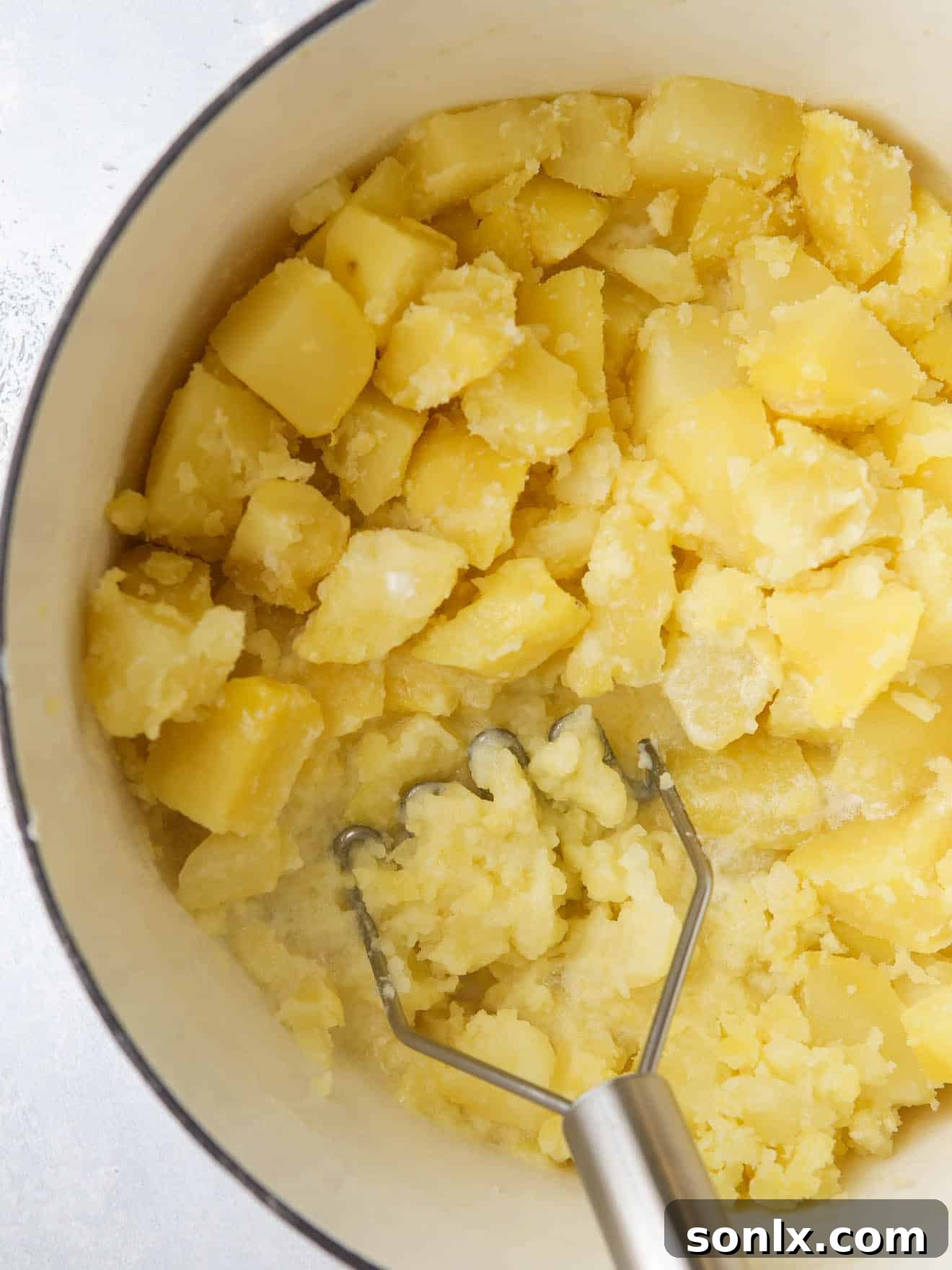
Gently warming the dairy and butter helps the potatoes absorb them more easily. - Mash Gently, Avoid Overworking: Transfer the dried potatoes back into the empty pot or a large mixing bowl. Add approximately half of the warmed butter and cream mixture. Begin mashing with your preferred tool (more on this below). Mash until the potatoes are mostly broken down and a somewhat smooth consistency starts to form. Then, gradually add the remaining dairy mixture, continuing to mash only until the potatoes are smooth and creamy. The key here is to avoid overworking the potatoes. Over-mashing can break down too many starch cells, releasing excess starch that will make your mashed potatoes gluey, heavy, and unappetizingly gummy. The goal is a light, airy, and fluffy texture, not a sticky paste.
Mash gently and avoid overworking the potatoes to prevent a gummy texture. - Season to Perfection: Once mashed, it’s time to fine-tune the seasoning. Start by adding about one teaspoon of salt and ½ teaspoon of freshly ground black pepper. Stir well and then, most importantly, taste the mashed potatoes. Potatoes require a generous amount of salt to really bring out their rich, buttery flavor. Don’t be shy; adjust the seasoning as needed, adding small amounts of salt and pepper until the flavor truly pops and reaches your desired balance. Proper seasoning is the difference between good and great mashed potatoes.
- Serve Immediately and Enjoy: Mashed potatoes are at their absolute best when served fresh and hot. While I’ll share some make-ahead tips below, for peak texture and flavor, serve them straight from the pot. They are incredibly delicious on their own, or you can elevate them further with a variety of delectable toppings.
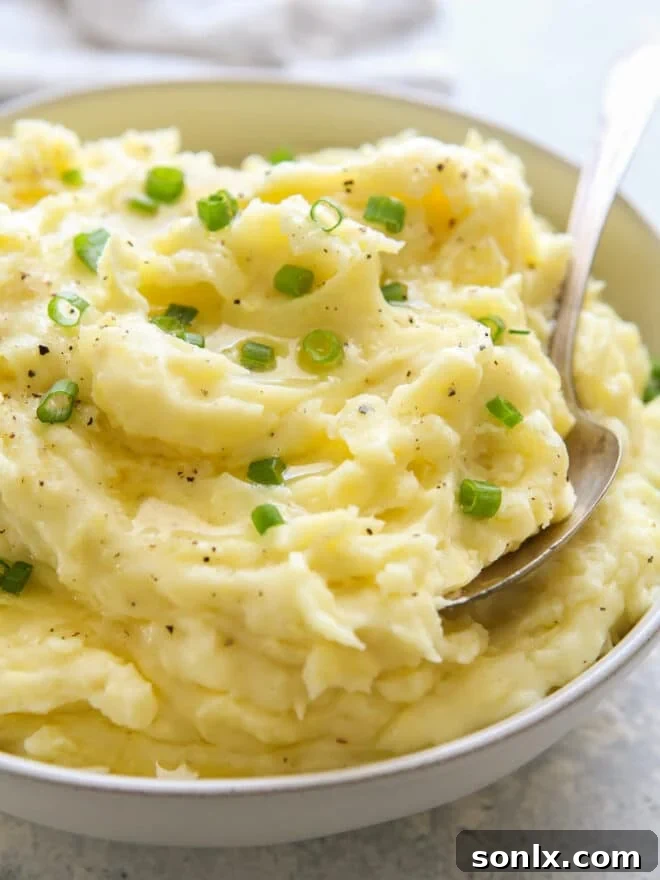
Choosing the Right Tools for Your Mashed Potatoes
The tool you choose for mashing can impact the final texture of your potatoes, though perhaps not as dramatically as some might claim. Here are the most common options:
- Classic Potato Masher: This is the most common and often preferred tool for home cooks. It produces a fluffy mash with a pleasing, slightly rustic texture, which I personally love. It’s simple, effective, and doesn’t require extra fuss.
- Potato Ricer: A ricer pushes cooked potatoes through small holes, creating very fine, rice-like strands. This method is excellent for achieving an incredibly smooth and lump-free texture, as it breaks down the potato cells without overworking them.
- Food Mill: Similar to a ricer, a food mill processes potatoes through a perforated disc, producing an exceptionally smooth and light consistency. It’s also great for pureeing other vegetables.
- Hand-Held Electric Mixer: While often advised against due to the risk of overworking and creating gummy potatoes, a hand-held electric mixer can be used judiciously for a very smooth finish.
Many recipes emphatically state that you must use a potato ricer or a food mill to achieve perfectly creamy mashed potatoes. However, I’ve found this to be largely untrue for most home cooking needs. I have consistently used only a classic potato masher for years, primarily because I prefer not to clutter my kitchen with single-use gadgets. My mashed potatoes are always wonderfully creamy and fluffy, and I’ve never had any complaints!
If you prefer a truly silken texture that’s difficult to achieve with just a hand masher, here’s a tip: start by using a classic potato masher to break up the larger potato chunks. Once mostly mashed, switch to a hand-held electric mixer on a low setting and mix for just 30-60 seconds. This brief, gentle whisking will smooth out any remaining lumps without over-processing, helping you achieve that ultra-creamy, yet still light and fluffy, consistency.
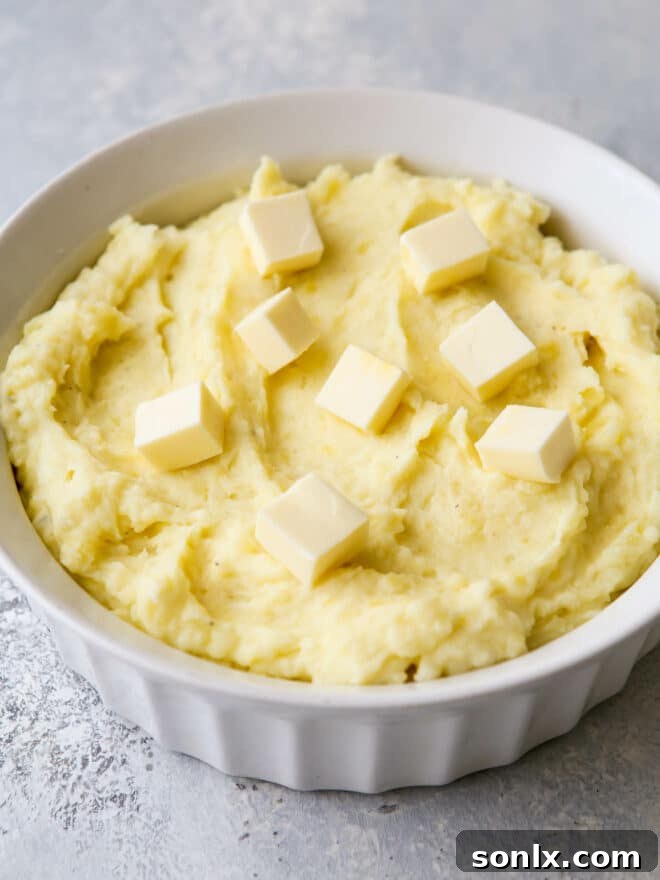
Preparing Mashed Potatoes Ahead of Time: Smart Strategies
Mashed potatoes are often a staple at holiday gatherings or special dinners, and knowing how to prepare them in advance can be a huge time-saver. Here are two excellent methods for making them ahead:
Method 1: Up to 4 Hours in Advance (Keep Warm)
If you need to prepare your mashed potatoes a few hours before serving, the ideal approach is to follow the recipe as written, completing all steps. Once mashed, transfer the hot potatoes to a slow cooker set to the “warm” setting. Stir them occasionally to ensure even heating and to prevent the edges from drying out. This method keeps them perfectly warm, creamy, and ready to serve for up to 4 hours, making it perfect for entertaining.
Method 2: More Than 4 Hours in Advance (Refrigerate and Reheat)
For preparation further in advance, or for utilizing leftovers, this method works wonderfully. Prepare the mashed potatoes according to the recipe instructions. Once finished, transfer them into a greased casserole dish. For extra richness and to help maintain moisture during reheating, dot the top with an additional 2 tablespoons of cubed salted butter. Cover the dish tightly with aluminum foil and store it in the refrigerator for up to several days. To reheat, preheat your oven to 350°F (175°C). Place the covered casserole dish in the oven and warm for approximately 30 minutes, or until heated through. Remove from the oven, stir vigorously until smooth and creamy again, and then serve. This technique is also fantastic for reheating mashed potato leftovers, ensuring they taste almost as good as freshly made!
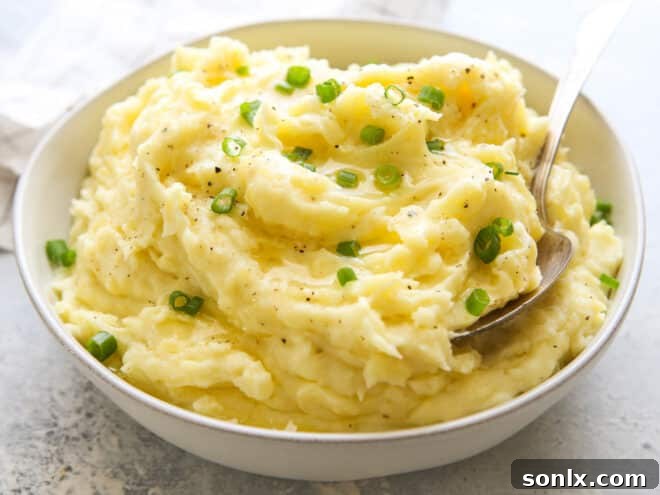
Creative Variations and Serving Inspirations
While these mashed potatoes are truly exquisite on their own, a few simple additions can customize them to your taste or complement your meal beautifully.
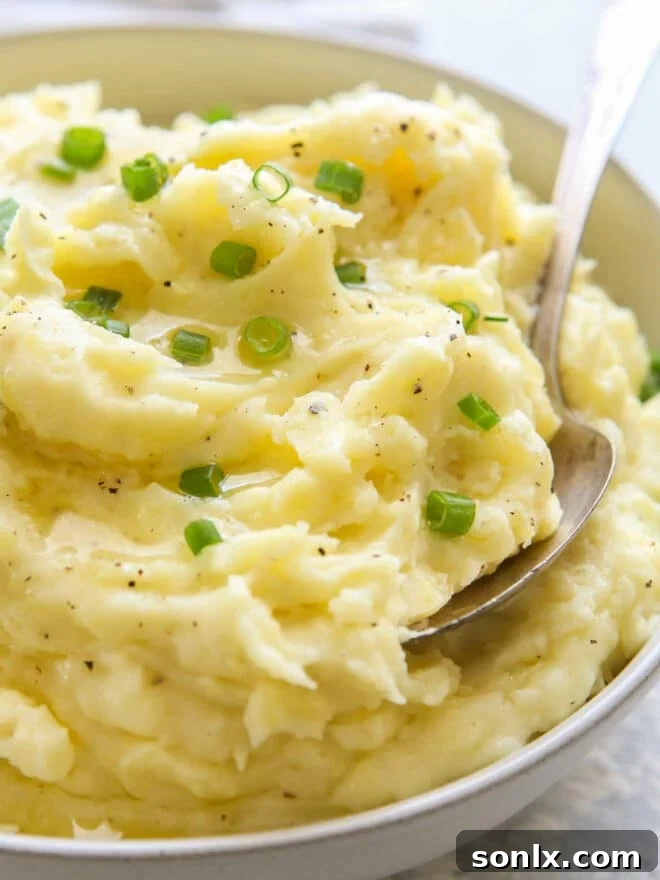
- Elegant Garnishes: For a delightful presentation and extra flavor, finish your bowl of mashed potatoes with a pat of butter, allowing it to melt into the warm, creamy surface. For additional visual appeal and a burst of freshness, sprinkle finely chopped chives, scallions, fresh parsley, or a generous grind of black pepper over the top just before serving. A dash of paprika can also add a nice color.
- Flavorful Mix-Ins: Get creative with additions stirred directly into the warm mashed potatoes. Consider minced roasted garlic for a mellow, savory depth, finely chopped fresh herbs like rosemary or thyme for aromatic notes, or grated Parmesan cheese for a sharp, umami boost. You can also experiment with a hint of nutmeg for a classic French touch, or a touch of horseradish for a subtle kick.
- Do These Potatoes Need Gravy? Absolutely not! These mashed potatoes are so rich and flavorful that they stand perfectly well on their own. Their inherent deliciousness means they don’t rely on gravy to complete the experience. However, if you adore gravy (and who doesn’t?), they provide a magnificent base for your favorite homemade gravy, a savory pan sauce, or even a rich mushroom sauce. They pair beautifully with roasted meats, poultry, and hearty vegetarian dishes.
The Ultimate Mashed Potato Recipe
This recipe was originally created for Go Bold with Butter. See the original post here.
How to Make the Best Mashed Potatoes
Servings: 8 servings
Prep Time: 20 mins
Cook Time: 20 mins
Total Time: 40 mins
Here’s how to easily make the BEST mashed potatoes ever. They’re delicious, so full of flavor and super light and fluffy. Just a few small but important details will take this classic side dish from good to amazing!
Ingredients
- 4 lbs Yukon gold or yellow potatoes, peeled and chopped into 1-1½ inch pieces
- ½ cup salted butter
- 1 cup heavy cream or whole milk
- 1 teaspoon salt, or to taste
- ½ teaspoon freshly ground black pepper
Equipment
- Vegetable masher
- Colander
- Chef’s knife
- Hand mixer (optional, for ultra-smooth texture)
Instructions
- Add chopped potatoes to a large pot of salted cold water.
- Bring to a boil, then reduce heat slightly and simmer for about 20 minutes until potatoes are just fork tender. Drain potatoes thoroughly.
- (Optional but Recommended Step) Spread drained potatoes into an even layer on a sheet pan. Toast in a 350°F (175°C) oven for 10-15 minutes. This crucial step dries out the potatoes, allowing them to absorb the dairy better and resulting in a super smooth, fluffy texture.
- Just before you’re ready to mash the potatoes, warm butter and cream/milk in a saucepan over low heat until the butter is melted and the mixture is warm.
- Return potatoes to the pot and add about half of the warm butter mixture, along with the initial amounts of salt and pepper. Use a potato masher to mash until mostly smooth. Add the remaining butter mixture and continue to mash until smooth and creamy. For the absolute lightest and silkiest potatoes, you may use an electric mixer on low speed for about 30-60 seconds for this final mixing stage. Be very careful not to overwork the potatoes, or they will become gummy and heavy.
- Taste and adjust seasoning with additional salt and pepper as needed.
- Serve immediately while hot, or keep warm in a slow cooker for up to 4 hours.
Notes
- Peel potatoes if you want a super smooth texture. Yukon Gold skins are soft enough to leave on for a more rustic feel.
- Yukon Golds are highly recommended for the best flavor and texture. If using russets, they must be peeled. Red potatoes can be used with skins on, but they will be more noticeable in the final texture.
- To make more than 4 hours in advance: Place prepared mashed potatoes in a greased casserole dish and top with an additional 2 tablespoons of cubed butter. Cover with foil and store in the fridge for up to several days. To reheat, warm in a 350°F (175°C) oven for 30 minutes, or until heated through. Stir until smooth and serve.
- Optional garnishes: Pats of butter, finely chopped fresh chives, scallions, parsley, or freshly cracked black pepper.
Nutrition Information (per serving, approximate):
- Calories: 252kcal
- Carbohydrates: 30g
- Protein: 7g
- Fat: 13g
- Saturated Fat: 8g
- Cholesterol: 34mg
- Sodium: 428mg
- Potassium: 977mg
- Fiber: 6g
- Sugar: 2g
- Vitamin A: 404IU
- Vitamin C: 26mg
- Calcium: 106mg
- Iron: 7mg
Cuisine: American
Course: Side Dish
Author: Annalise Sandberg
Mashed Potatoes: Frequently Asked Questions
While Yukon Golds are highly recommended for their buttery flavor and creamy texture, you can certainly use russet or red potatoes if that’s what you have on hand or prefer. The recipe instructions remain largely the same. Just be aware that the final texture and flavor will differ slightly. Russet potatoes, being higher in starch, tend to be very fluffy but require peeling for a smooth mash. Red potatoes can be left unpeeled, but their skins are a bit thicker than Yukon Golds and will result in a more noticeable, slightly chunkier texture.
I have not personally tested this specific recipe with dairy alternatives, as the rich flavor of real butter and cream is central to its appeal. However, if you are experienced with dairy-free cooking and have high-quality plant-based butter substitutes and unsweetened plant-based milks or creams (like oat milk, almond milk, or cashew cream) that you enjoy the flavor of, feel free to experiment. The results will likely vary in richness and texture compared to the original, but you can still achieve a delicious dairy-free version.
It’s a common challenge: chilled mashed potatoes can sometimes develop an “off” flavor and a drier texture due to starch changes. The key to successful reheating is to reintroduce moisture and flavor. For individual servings, a microwave works well: place potatoes in a microwave-safe bowl, add a splash of milk or cream and a small pat of butter, then heat in 30-second intervals, stirring thoroughly until smooth and hot. For larger portions, reheating in the oven (as detailed in the “Make-Ahead” section above) is ideal. Always taste and adjust the seasoning with additional salt and pepper after reheating, as this often helps restore their fresh flavor.
Don’t let any delicious mashed potatoes go to waste! They are wonderfully versatile for creating new dishes. Some fantastic recipe suggestions for using up leftover mashed potatoes include savory mashed potato pancakes, comforting loaded mashed potato casserole, and hearty shepherd’s pie (where mashed potatoes form a delectable topping). They can also be incorporated into croquettes, bread, or even added to soups for extra creaminess.
Explore More Potato Side Dishes
If you’re a fan of potatoes, you’ll love these other fantastic side dish ideas that are perfect for any occasion: