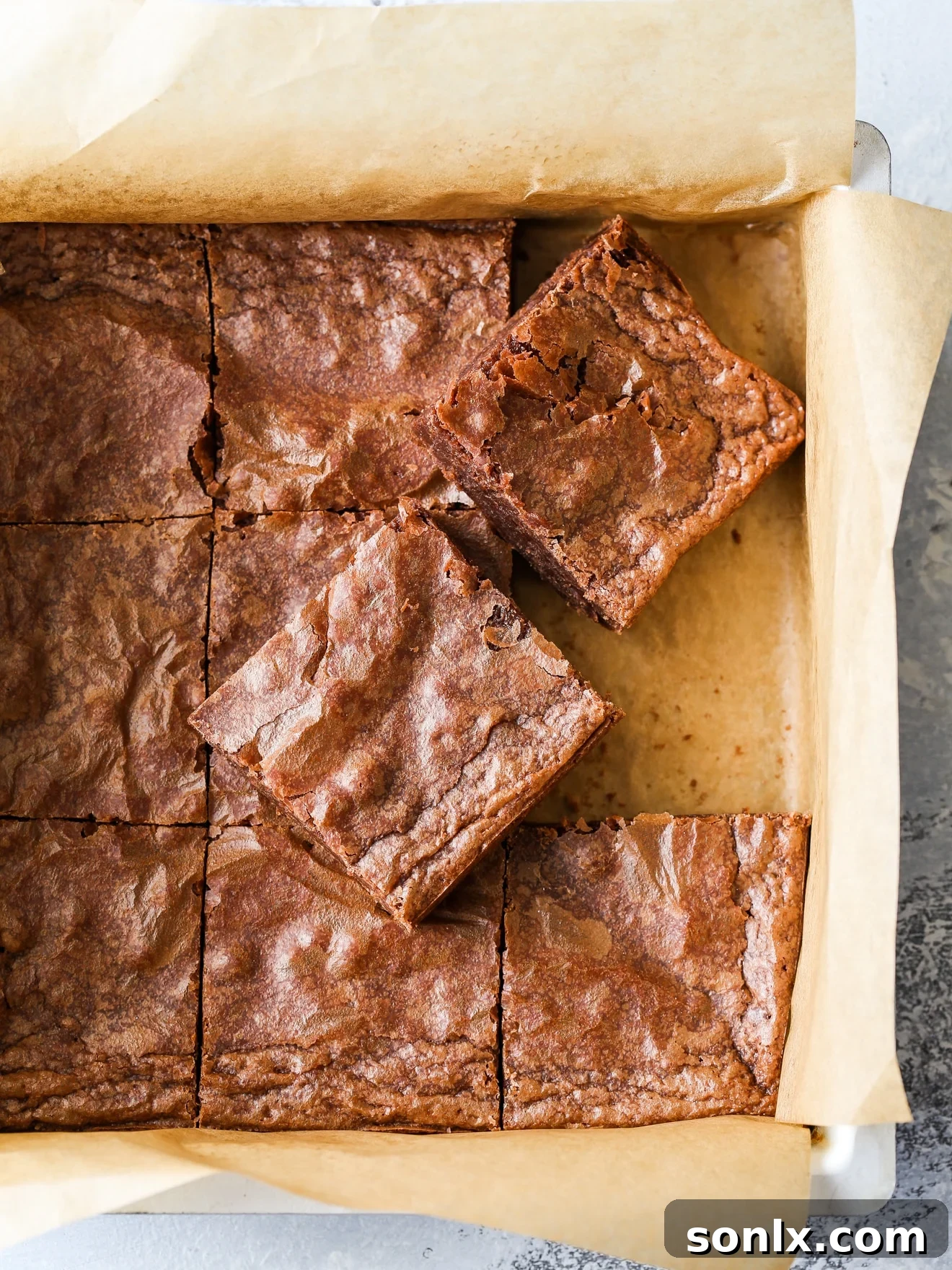
Are you tired of cakes sticking to pans, cookies fusing to baking sheets, or messy cleanup after a delightful baking session? Imagine a simple, indispensable tool that can transform your kitchen experience, making baking smoother, cleaner, and infinitely more enjoyable. Enter parchment paper – the unsung hero of countless bakers and home cooks worldwide. From preventing delicate cake layers from adhering to the pan to ensuring your brownies lift out effortlessly and keeping your baking sheets spotless, parchment paper is truly your best friend in the kitchen.
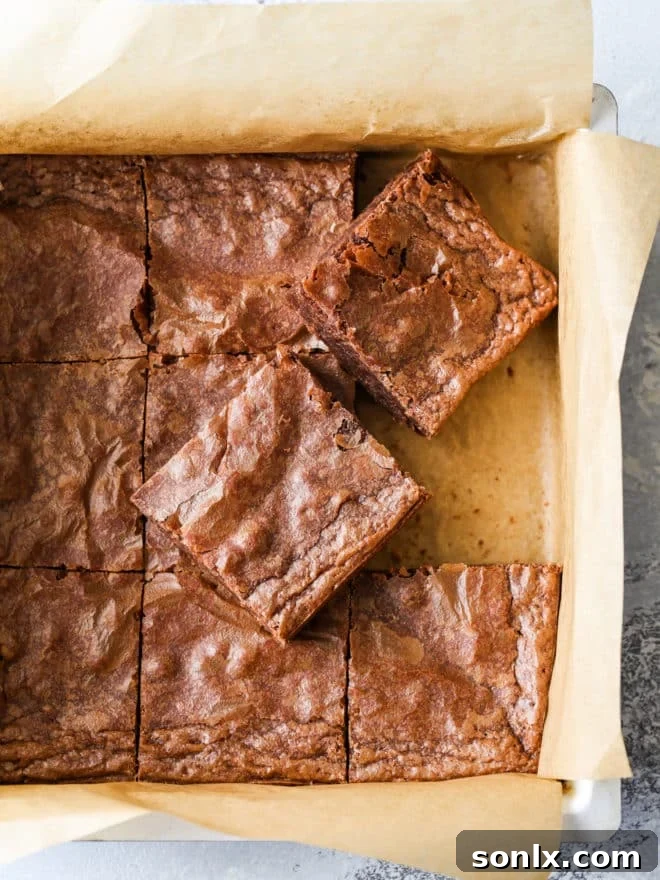
In my own culinary journey, discovering the magic of parchment paper was nothing short of an epiphany. It quickly became an absolute necessity, a non-negotiable item I always keep stocked in my pantry. I simply can’t imagine baking without it now. If you’ve ever wrestled with stubbornly stuck baked goods or spent precious time scrubbing greasy pans, this comprehensive guide is crafted just for you. Prepare to revolutionize your baking routine and embrace a world where every bake is a success, and every cleanup is a breeze!
Table of Contents
- Essential Parchment Paper Products I Use
- Why Parchment Paper is a Baking Game Changer
- How to Master Parchment Paper in Your Baking
- For Cookies, Biscuits, and Scones
- For Cakes
- For Brownies, Bars, and Breads
- Creative & Unexpected Uses for Parchment Paper
- Sustainable Baking: Reducing Parchment Paper Waste
- Frequently Asked Questions About Parchment Paper
Essential Parchment Paper Products I Use
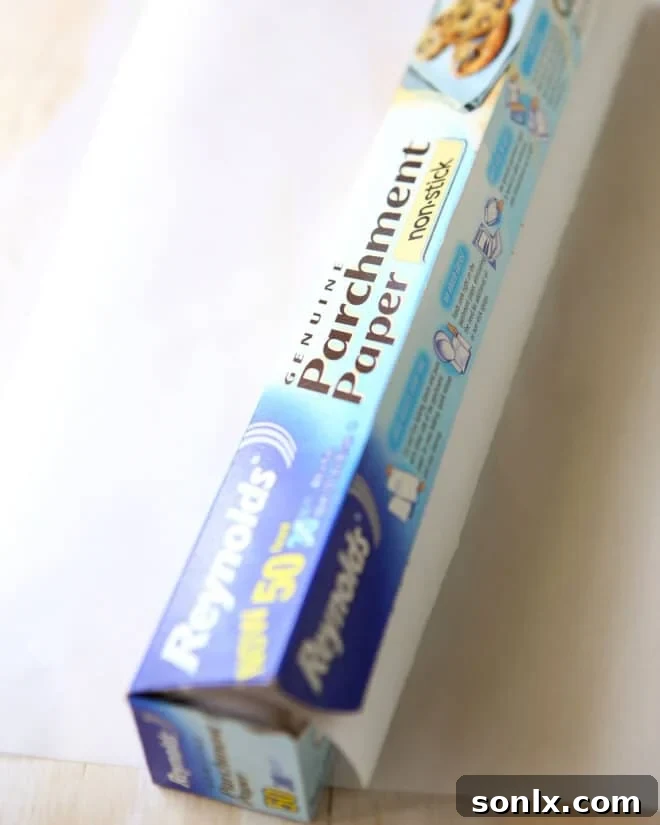
To help you get started or enhance your existing parchment paper arsenal, here are the specific products I personally own and rely on for my regular baking endeavors. These versatile options cover almost every baking scenario, ensuring you always have the right tool for the job. (Note: These are affiliate links, which means I may earn a small commission if you make a purchase through them, at no extra cost to you.)
- Standard Roll of Parchment Paper: This is your fundamental workhorse. A large roll allows you to custom-cut sheets to any size or shape, perfect for lining irregular pans, creating makeshift piping bags, or crafting unique food packets. Its flexibility makes it incredibly versatile.
- Pre-cut Parchment Paper Sheets (12×16-inch): For busy bakers, these pre-cut sheets are a lifesaver. Sized perfectly for standard half-sheet baking pans, they eliminate the need for measuring and cutting, saving valuable time. They can also be easily folded or trimmed to fit 9×13-inch pans or other common bakeware.
- Half-sheet Pan Parchment Paper Sheets (9×13-inch): Specifically designed for smaller baking tasks or quarter-sheet pans, these sheets are ideal for small-batch cookies, roasting smaller portions of vegetables, or preparing ingredients without excessive waste.
- Parchment Paper Rounds (8-inch) and (9-inch): Say goodbye to painstakingly tracing and cutting circles for your cake pans. These pre-cut rounds ensure a perfect fit every time, guaranteeing your cake layers release flawlessly and maintain their pristine shape. Essential for any serious cake baker.
- Parchment Paper with Easy-Lift Handles: This ingenious product takes convenience to the next level. Available in various sizes, these sheets feature extended flaps that act as handles, allowing you to effortlessly lift delicate baked goods like brownies, bars, or even loaves of bread straight out of the pan. It significantly reduces the risk of breakage and simplifies cooling and slicing.
While specialized sizes like cake rounds are often found at dedicated baking supply stores or readily available online, you can usually locate basic parchment paper rolls and sheets at your local grocery store. Check the aisle typically stocked with plastic wrap, aluminum foil, and other kitchen wraps – they are often priced very affordably, making them an accessible staple for every kitchen.
Why Parchment Paper is a Baking Game Changer
Beyond its simple appearance, parchment paper offers a multitude of benefits that elevate the entire baking process, making it an indispensable tool for both novice and experienced bakers alike. Understanding these advantages will help you appreciate why it’s a must-have item.
- Superior Non-Stick Performance: Unlike greasing and flouring, which can sometimes fail, parchment paper provides a consistent, reliable non-stick surface. This ensures that even the most delicate cookies, cakes, and pastries slide off effortlessly, preserving their shape and texture.
- Effortless Cleanup: One of the biggest time-savers in the kitchen, parchment paper acts as a barrier, preventing food residue from sticking to your pans. After baking, simply remove the paper and discard it, leaving your baking sheets and pans virtually spotless. This drastically reduces scrubbing time and effort.
- Even Baking and Browning: Parchment paper helps to distribute heat more evenly across the baking surface. This can lead to more uniform browning and prevent the bottom of your baked goods from overcooking or burning, especially beneficial for delicate items like cookies and meringues.
- No Need for Grease or Flour: For many recipes, using parchment paper eliminates the need for unhealthy cooking sprays, butter, or flour to prep your pans. This not only saves on ingredients but also reduces the risk of adding unwanted flavors or textures to your baked goods.
- Versatility Across Many Applications: As we’ll explore, parchment paper isn’t just for lining baking sheets. Its heat-resistant and non-stick properties make it suitable for a wide array of uses, from intricate cake designs to savory roasting and even food storage.
- Easy Transfer and Handling: The ability to lift an entire batch of cookies, a delicate cake, or a heavy pan of brownies out of the pan using parchment paper as a sling is a huge advantage. This minimizes handling delicate items directly and makes cooling and slicing much simpler.
How to Master Parchment Paper in Your Baking
Once you understand the fundamental advantages, learning the specific techniques for incorporating parchment paper into your various baking projects will become second nature. Here’s a detailed look at how to leverage its power for different types of baked goods.
For Cookies, Biscuits, and Scones
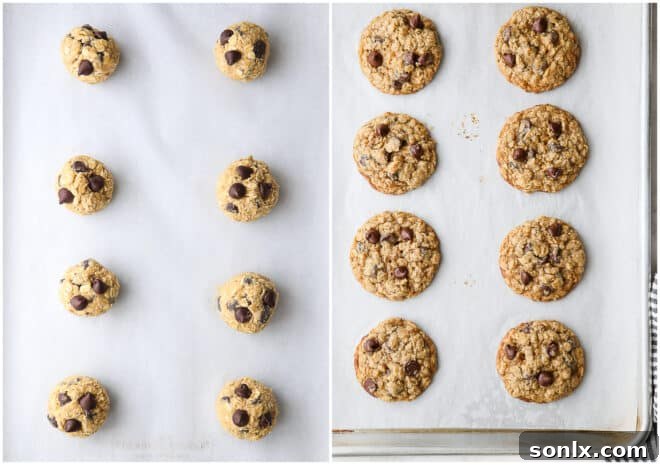
Achieving perfectly baked cookies, biscuits, and scones starts with a properly lined baking sheet. Placing your dough or rounds directly onto a piece of parchment paper ensures a completely non-stick surface. This is critical for preventing delicate items from sticking, especially those with high sugar content that can caramelize and adhere to the pan. Unlike cooking spray, parchment paper provides a uniform surface that promotes even heat distribution, resulting in consistent browning across the entire batch. Furthermore, it helps prevent excessive spreading for certain cookie types, maintaining their desired shape and thickness.
The cleanup for these items becomes incredibly easy. Once your batch is done, simply slide the parchment paper off the baking sheet and discard it. Your pan remains clean and ready for the next batch, allowing for quick, successive baking without needing to wash the pan in between. For optimal results, ensure the parchment paper lies flat on the baking sheet, with no creases or folds that could affect the shape of your baked goods.
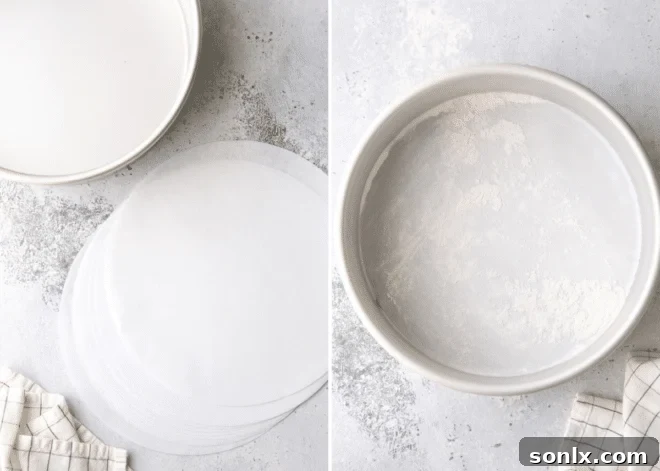
For Cakes
The secret to flawlessly releasing cakes from their pans, every single time, lies in the strategic use of parchment paper. This simple step can prevent the heartache of a beautiful cake tearing or crumbling upon removal. I personally never skip this crucial step, especially for delicate layer cakes or elaborate designs.
You have a couple of excellent options: for ultimate convenience, pre-cut parchment rounds perfectly fit common cake pan sizes, requiring no effort beyond placing them in the bottom of the pan. Alternatively, you can easily create your own liners by placing your cake pan on a roll of parchment paper and tracing around its base with a pencil. Cut out the circle and place it in the bottom of the pan. After lining the bottom, it’s a good practice to lightly grease and flour the sides of the pan, or use a baking spray, to ensure a smooth release from all angles. With parchment paper at the base, your cake is absolutely guaranteed to come out in one perfect piece, preserving its structural integrity and presentation for frosting and serving.
For Brownies, Bars, and Breads
Parchment paper transforms the process of extracting delicate baked goods from deep, four-sided pans into a simple, stress-free operation. This is your ultimate secret weapon for achieving perfect brownies, bars, and certain types of quick breads. The key technique involves creating a “parchment sling.”
To do this, measure a piece of parchment paper to match the width of your pan’s longest side. Crucially, ensure the paper is long enough to line the entire bottom of the pan, extend up the two opposing sides, and leave a generous overhang of a few inches on each end. Press the parchment paper firmly into the corners and along the sides of the pan before pouring in your batter. The overhang will serve as convenient handles.
When your baked good is ready to be removed, simply use these overhanging parchment handles to gently lift the entire block straight out of the pan. This method is particularly invaluable for items like brownies and various dessert bars. For best results with these types of baked goods, always allow them to cool completely within the pan before attempting to lift them. Warm brownies and bars are incredibly soft and prone to buckling or tearing, whereas fully cooled items will be firm and hold their shape beautifully once removed.
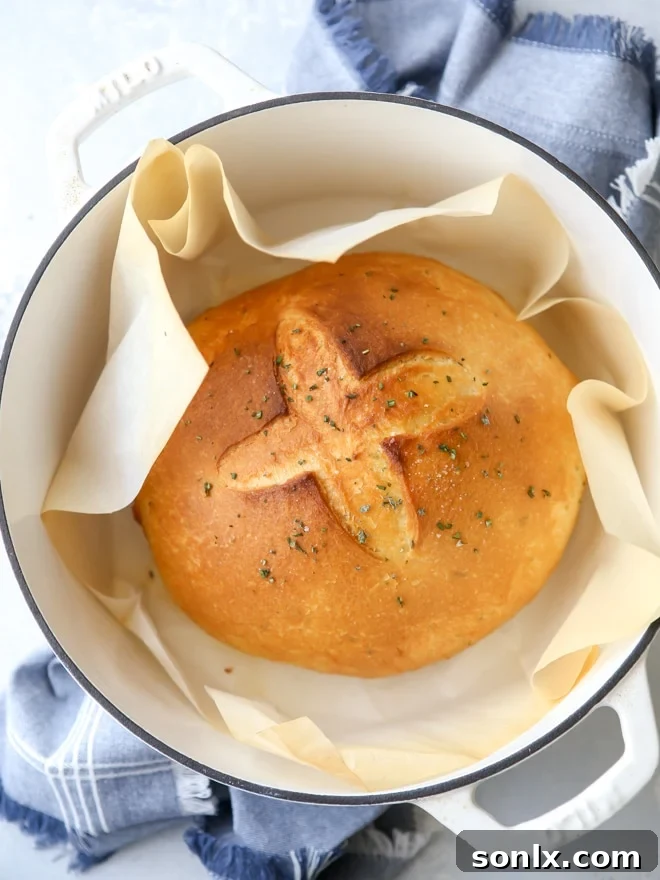
Creative & Unexpected Uses for Parchment Paper
The utility of parchment paper extends far beyond just lining baking sheets for cookies and cakes. Its heat-resistant, non-stick, and pliable nature makes it incredibly versatile for numerous other kitchen tasks, both sweet and savory.
- Lining Pie Crust for Par-baking: When par-baking a pie crust (partially baking it before adding filling), parchment paper is ideal for holding down pie weights or dried beans. The trick to getting it to lie perfectly flush without gaps is to first crumple the parchment paper into a ball, then gently un-crumple it. This makes it more pliable and allows it to conform more easily to the curves of your pie pan, ensuring even pressure on the crust to prevent shrinkage and bubbling.
- Creating Homemade Cupcake and Muffin Liners: If you find yourself without paper cupcake liners, parchment paper comes to the rescue! Simply cut squares of parchment paper (around 5-6 inches, depending on muffin tin size) and press them into the muffin tin cups. The paper will naturally form a protective barrier for your batter, preventing sticking and making removal a breeze. It’s a fantastic hack for impromptu baking.
- Lining Pans for Freezing Items: Parchment paper is excellent for flash-freezing individual items. Whether it’s cookie dough balls, freshly baked goods, or delicate fresh berries, lining a sheet pan with parchment before freezing prevents items from sticking to the pan and each other. This ensures they freeze separately, making it easy to transfer them to freezer bags or containers later without clumps. It also helps prevent freezer burn on delicate items.
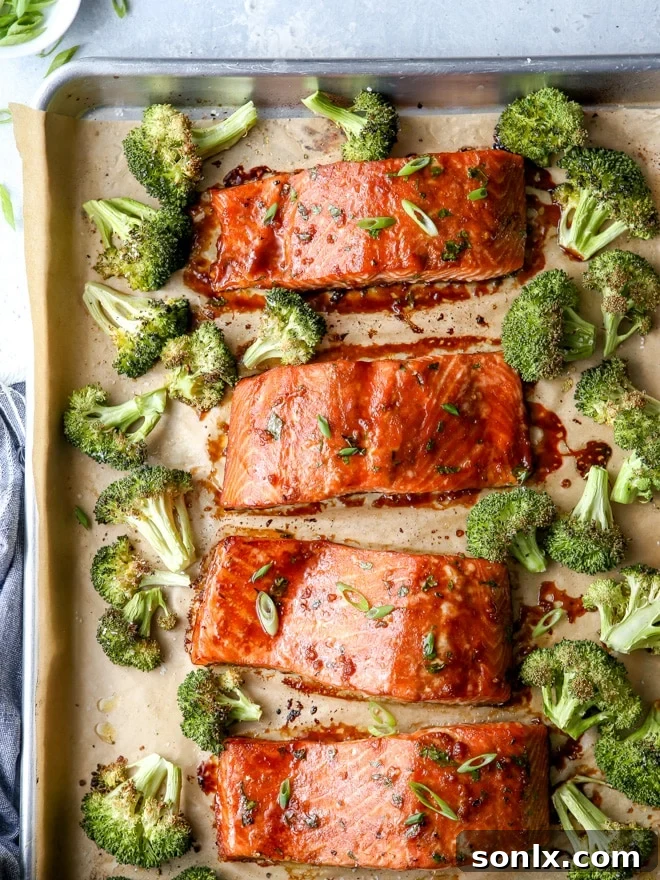
- Savory Baking and Roasting: Don’t limit parchment paper to just sweets! It’s equally effective for savory dishes. Lining any baking pan with parchment when roasting vegetables, chicken pieces, fish, or sheet pan dinners prevents food from sticking and creates an effortless cleanup. It can also help retain moisture, leading to juicier results for meats and preventing delicate vegetables from burning.
- Creating Parchment Paper Cones/Piping Bags: In a pinch, a square of parchment paper can be rolled into a cone, perfect for piping small amounts of icing, melted chocolate, or even savory sauces for intricate garnishes.
- Separating Layers for Storage: When storing baked goods like cookies, brownies, or crepes, placing a sheet of parchment paper between each layer prevents them from sticking together, preserving their presentation and making it easy to retrieve individual portions.
- Making “En Papillote” (in Parchment) Meals: This classic French cooking method involves cooking food inside a sealed parchment paper packet. It steams the food in its own juices and seasonings, resulting in incredibly flavorful and moist dishes with virtually no cleanup. Perfect for fish and vegetables.
Sustainable Baking: Reducing Parchment Paper Waste
While parchment paper offers incredible convenience, it’s understandable to be mindful of its environmental impact. Fortunately, there are several practical ways to reduce your consumption and minimize waste without sacrificing its benefits in your kitchen.
- Re-use Parchment Paper: One of the easiest and most effective ways to reduce waste is to simply re-use parchment paper. Sheets used for baking cookies, especially if they are only lightly browned and not heavily soiled with sticky residues or strong flavors, are excellent candidates for multiple uses. After baking, allow the paper to cool, then gently wipe off any crumbs. Fold it up neatly and store it for your next baking session. You’ll be surprised how many times a single sheet can be used, significantly extending its life cycle. However, avoid reusing paper that’s heavily greased, significantly darkened, or has absorbed strong odors from previous bakes.
- Opt for Recycled or Compostable Parchment Paper: As environmental awareness grows, more brands are offering eco-friendly parchment paper options. Look for products explicitly labeled as recycled (often unbleached) or compostable. While conventional parchment paper is typically coated with silicone, which makes it non-biodegradable in home composts, some brands are developing truly compostable alternatives. Always check the packaging for specific disposal instructions.
- Invest in a Silicone Baking Mat: For many applications where you would use parchment paper on a baking sheet, a silicone baking mat (like Silpat) is an excellent, reusable alternative. These mats provide a superior non-stick surface, can withstand high temperatures, and are incredibly durable, lasting for hundreds of uses. They are easily washable with soap and water and can be used over and over again, making them a fantastic long-term investment for reducing disposable paper waste. They function identically to a sheet of parchment paper for cookies, pastries, roasting vegetables, and more.
Frequently Asked Questions About Parchment Paper
No, they are distinctly different products and cannot always be used interchangeably. The primary difference lies in their coating: parchment paper is coated with silicone, making it heat-resistant and non-stick, while wax paper is coated with paraffin wax. This wax will melt and burn in a hot oven, potentially smoking and affecting the flavor of your food. Wax paper is best suited for no-bake applications, such as wrapping sandwiches, separating layers of candies or baked goods for storage, or lining surfaces when working with messy ingredients like chocolate or dough that don’t require heat.
Parchment paper is designed to be oven-safe up to certain temperatures, which are usually specified by the manufacturer. Most brands advertise their products as safe up to 425°F (218°C), and sometimes even higher. While I have personally used it in ovens slightly hotter than 425°F for short periods, it’s important to be aware that at temperatures above 400°F (204°C), the edges of the paper will likely start to brown and become brittle. Exceeding 425°F (218°C) often results in more noticeable browning and potentially slightly charred edges. It is crucial never to expose parchment paper to an open flame, such as under a broiler or on a grill, as it can ignite.
If you find yourself without parchment paper, several alternatives can work depending on your specific baking needs. Silicone baking mats are an excellent, reusable substitute for lining baking sheets for cookies, pastries, and roasting vegetables, offering superior non-stick properties. For lining pans where a non-stick surface is crucial, greased aluminum foil can also work. You can either spray regular aluminum foil with non-stick baking spray or cooking oil, or purchase pre-greased foil products designed for baking. Additionally, simply greasing and flouring your pans thoroughly is a traditional method that works for many cake and bread recipes, though it requires more cleanup.
Yes, you can use parchment paper in an air fryer, but with important caveats. Ensure the parchment paper is properly sized and weighted down by food to prevent it from flying up and touching the heating element, which could cause a fire. Never preheat an air fryer with empty parchment paper inside. It’s best to use air fryer-specific parchment liners that are perforated and sized correctly, as these are designed to allow air circulation and fit snugly without excess paper. Always ensure food covers the entire surface of the parchment to keep it secure.
Generally, parchment paper does not significantly affect baking time or temperature. Its primary function is to provide a non-stick surface and facilitate cleanup. Because it’s a thin layer, it doesn’t create a substantial thermal barrier that would alter cooking times. However, it can help to prevent the bottoms of baked goods from over-browning, which might slightly change how quickly an item reaches its desired doneness, but typically not enough to warrant adjusting your recipe’s instructions. Always follow the recipe’s recommended baking temperature and cooking time.
Embrace the simplicity and efficiency that parchment paper brings to your kitchen. With its exceptional non-stick properties, effortless cleanup, and remarkable versatility, it’s more than just a kitchen liner—it’s an essential tool that empowers you to bake with confidence and joy. Happy baking!