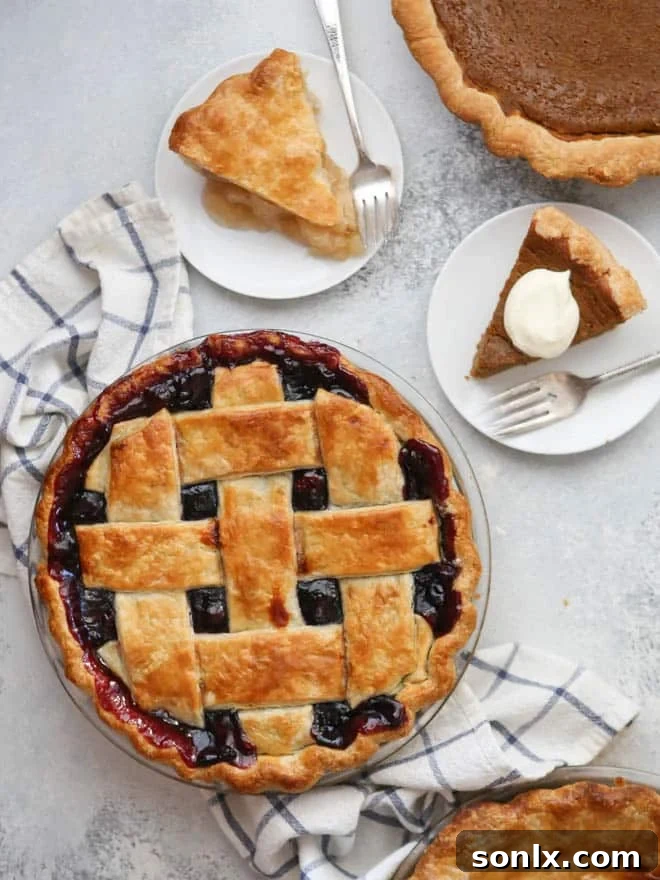
Baking a perfect pie is a truly rewarding experience, but the journey to that golden, flaky crust and perfectly set filling can sometimes be fraught with common pitfalls. Few kitchen mishaps are as disheartening as a pie that doesn’t quite live up to expectations, leaving you with a cracked crust, a soggy bottom, or a runny filling. We’ve all been there, staring at a pie that promised so much but delivered frustration.
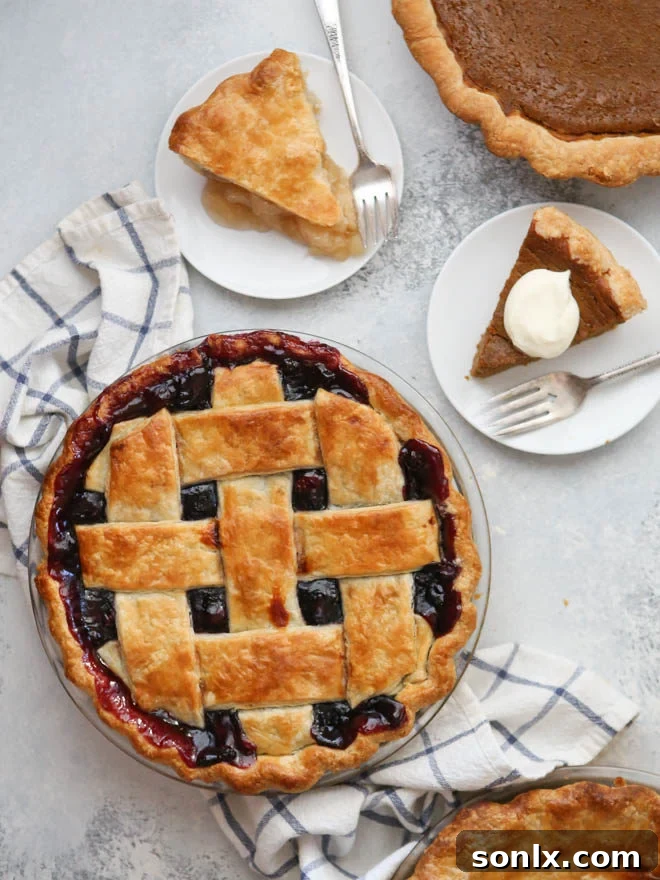
Through countless pies baked over the years, I’ve gathered a treasury of tried-and-true techniques that consistently lead to success. It’s true what they say: practice refines your skills. However, you don’t need years of experience to master pie baking. This guide distills those learnings into straightforward, actionable tips designed to tackle the most prevalent issues home bakers face. From effortlessly rolling out delicate dough to achieving that ideal balance of a crisp crust and a luscious, stable filling, these aren’t complicated culinary secrets. They are simply invaluable insights, gleaned from trial and error, that collectively make all the difference. Whether you’re a novice embarking on your first pie adventure or a seasoned baker looking to perfect your craft, I’m confident these expert tips will elevate your pie game, helping you bake a truly perfect pie every time.
Table of Contents
- What are the Most Frustrating Issues When Baking a Pie?
- Preventing Cracked Pie Dough
- Keeping Pie Dough from Sticking to the Counter
- Easily Transferring Pie Dough into a Pie Dish
- Keeping Pie Crust from Shrinking in the Oven
- How to Know When a Pie is Perfectly Baked
- Preventing Pie Crust from Burning
- Preventing a Soggy Bottom Pie Crust
- Ensuring a Perfectly Set Pie Filling
- Essential Pie Baking Resources
- Delicious Pie Recipes to Try
Note: This post contains affiliate links, which means I may earn a small commission if you make a purchase through them, at no extra cost to you.
What are the Most Frustrating Issues When Baking a Pie?
To truly understand the common struggles of pie enthusiasts, I recently polled my Facebook community. With hundreds of responses, a clear pattern emerged, highlighting the top 8 problems that consistently vex home bakers. These are the critical areas where precision and technique can make all the difference between a good pie and a truly exceptional one:
- Pie dough that cracks and crumbles during rolling.
- Pie dough that stubbornly sticks to the counter, making it impossible to work with.
- The delicate task of transferring rolled-out pie dough from the work surface to the pie dish.
- Pie crust that shrinks or slumps unattractively down the sides of the pan during baking.
- The uncertainty of knowing precisely when a pie is perfectly baked through.
- Crust edges that burn or brown too quickly before the filling is fully cooked.
- The dreaded soggy bottom crust, which compromises the texture and enjoyment of the pie.
- A runny pie filling that fails to set properly once sliced, leading to a messy dessert.
These are precisely the challenges we will address in this comprehensive guide. Let’s delve into practical solutions to overcome each of these common pie baking frustrations and ensure your next pie is a triumph!
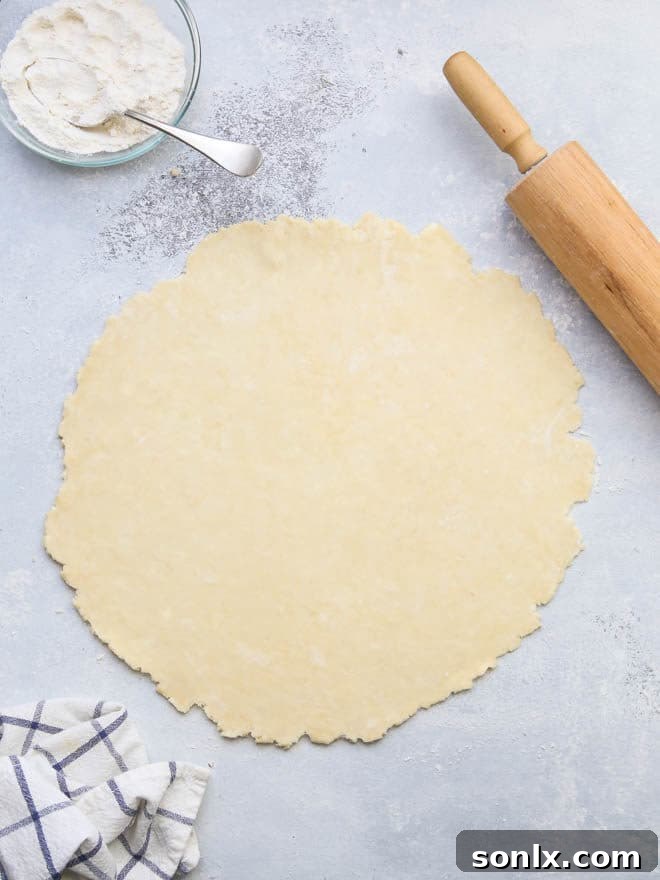
Preventing Cracked Pie Dough
A pie crust that cracks and crumbles as you try to roll it out can be incredibly disheartening, making the simple act of preparing your pie dish feel like an uphill battle. This issue often stems from dough that is either too dry or too cold, lacking the flexibility needed for a smooth rollout. A crumbly dough not only complicates handling but can also result in an uneven, less appealing final crust. Understanding how to achieve the right dough consistency and temperature is key to avoiding this common frustration and ensuring a beautifully smooth base for your pie.
Expert Tips to Keep Your Pie Dough from Cracking:
- Achieve Optimal Hydration: When making your dough, ensure you add just enough liquid. The dough should come together into a cohesive ball when gently pressed with your hands. While a few loose crumbs are acceptable, all dry ingredients should be thoroughly incorporated without the dough becoming overly sticky. Insufficient liquid is a primary cause of cracking.
- Temper Your Dough: Cold dough is stiff and prone to cracking. Allow your chilled dough to sit at room temperature for about 10-15 minutes before rolling. This brief tempering period softens the butter slightly, making the dough more pliable and significantly easier to roll without resistance or breakage.
- Skillful Crack Repair: Should cracks appear despite your best efforts, don’t despair! Lightly moisten your fingers with a tiny bit of water and gently press the cracked edges together. The moisture helps the dough stick. Once repaired, dust lightly with flour and continue rolling. This technique seamlessly mends the dough, preserving its integrity.
Keeping Pie Dough from Sticking to the Counter
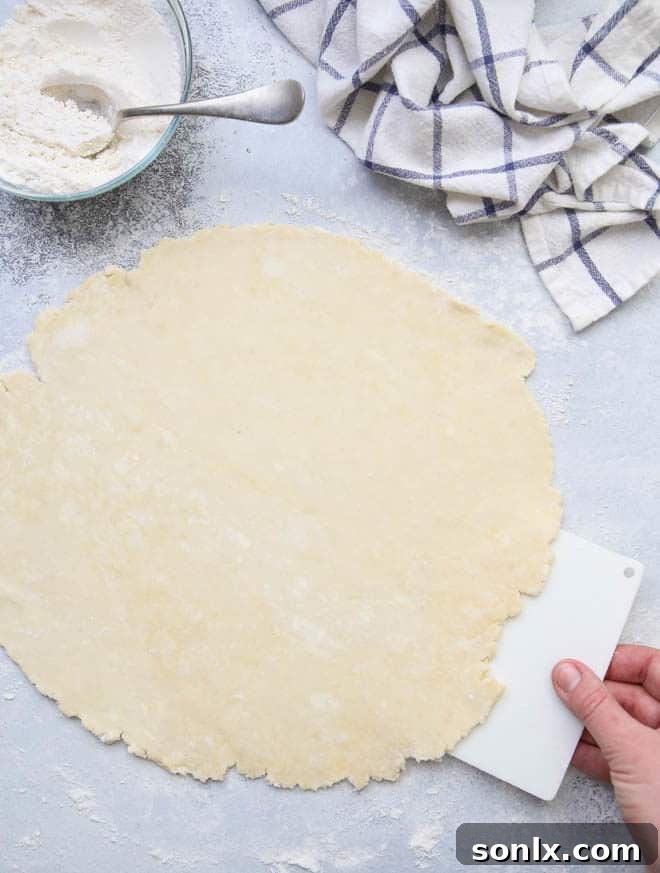
A pie dough that adheres stubbornly to your work surface is a frequent source of frustration. Not only does it make rolling and shaping incredibly difficult, leading to tears and stretching, but it can also be an indicator that your dough is too wet. Overly wet dough often translates to a tough, rather than delicate and flaky, baked crust. Preventing sticking is essential for maintaining the dough’s integrity and achieving that coveted tender, buttery texture in your finished pie.
Effective Strategies to Keep Pie Dough from Sticking During Rolling:
- Precision with Liquid: During dough preparation, add liquid sparingly, one tablespoon at a time. The goal is to just bring the dough together. Over-hydrating is the quickest way to end up with a sticky, unmanageable dough that sticks to everything.
- Generous Flour Dusting: Liberally flour your work surface, the top of your pie dough, and your rolling pin. A small bowl of flour kept nearby is a baker’s best friend. This creates a protective barrier, preventing adhesion as you roll.
- Rotate and Lift Frequently: This is a game-changer! After a few rolls, gently lift and rotate the dough a quarter turn. This ensures no single spot gets stuck for too long, allows you to re-flour underneath if needed, and helps create a perfectly round shape.
- Utilize a Bench Scraper: For any stubborn spots that still cling, a bench scraper is an indispensable tool. It allows you to gently and effectively loosen the dough without tearing it, making cleanup easier and preserving your crust.
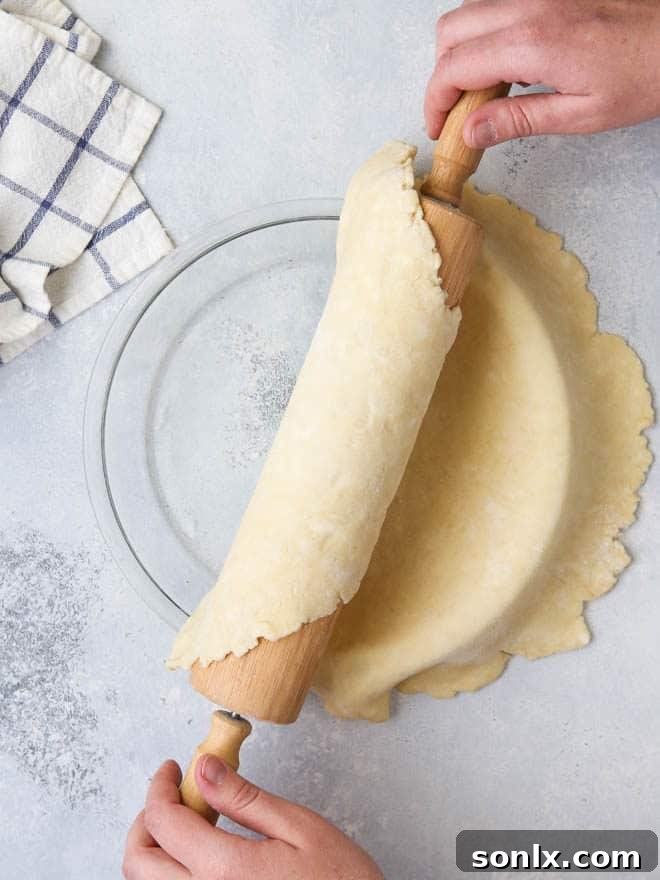
Easily Transferring Pie Dough into a Pie Dish
Once you’ve successfully rolled out your beautiful, pliable pie dough, the next critical step is transferring it seamlessly into the pie dish. This can often be a delicate maneuver, as mishandling can lead to stretching, tearing, or misshaping the dough, ultimately affecting the final appearance and texture of your pie. However, with a few clever techniques, this seemingly tricky task becomes remarkably simple and stress-free, ensuring your perfectly rolled crust lands gracefully in its new home.
Two Foolproof Methods for Transferring Rolled-Out Pie Dough:
- The Rolling Pin Method: Position your rolling pin near one edge of your rolled-out pie crust. Gently drape and roll the dough over the rolling pin, gathering it carefully. Once the dough is mostly wrapped around the pin, center the rolling pin over your pie dish. Slowly unroll the dough, letting it gracefully settle into the dish. This technique provides excellent control and minimizes stretching.
- The Folding Method: For a slightly quicker transfer, gently fold your rolled dough into quarters. This makes the dough more compact and manageable. Carefully lift the folded dough with both hands and place it into the center of your pie dish. Then, gently unfold the dough, first in half, then into quarters, easing it into the contours of the pan without stretching.
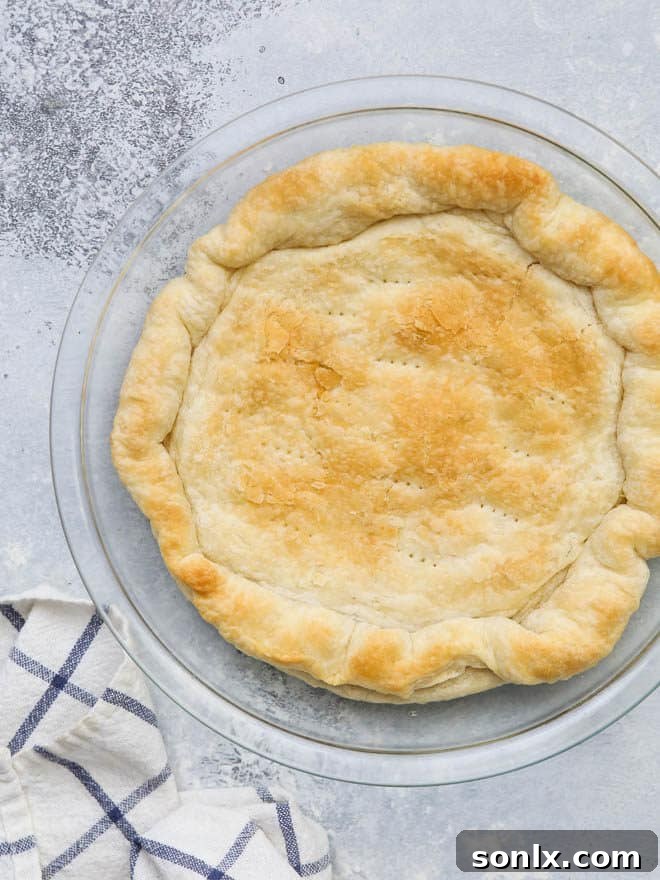
Keeping Pie Crust from Shrinking in the Oven
The frustration of a pie crust shrinking or slumping down the sides of the pan during baking is a common lament, particularly when you need to par-bake (blind bake) a crust before adding a filling. This often happens with pies like a classic pumpkin pie, where the crust needs to be partially cooked, or with no-bake fillings, such as in a decadent banana cream pie, where the crust is fully baked before filling. Without the structural support of a filling, the crust can lose its shape. Luckily, there are proven steps to prevent this unsightly shrinkage and maintain a beautifully formed edge.
Follow These Essential Steps to Prevent Pie Crust Shrinkage:
- Thorough Chilling is Key: After fitting the dough into your pie dish and crimping the edges, place the entire pie dish in the freezer for at least 30 minutes. This solidifies the fats in the dough, preventing them from melting too quickly in the oven and causing the crust to slump.
- Use Pie Weights Effectively: Line the frozen crust with parchment paper or greased foil, ensuring it’s pressed snugly against the bottom and sides. Fill this lining with ceramic pie weights, dried beans, or uncooked rice. These weights provide the necessary support to hold the crust in place as it bakes.
- Initial Bake with Weights: Bake the crust with the weights for about 30 minutes in a preheated oven (usually 400°F/200°C). This initial bake sets the crust’s structure.
- Final Bake Without Weights: Carefully lift out the foil and weights. Return the crust to the oven for another 5-10 minutes, or until the bottom appears set and lightly golden. This step ensures the bottom crust is fully cooked and ready for your filling.
For more detailed instructions and helpful visual guides, refer to my comprehensive tutorial on how to blind bake a pie crust.
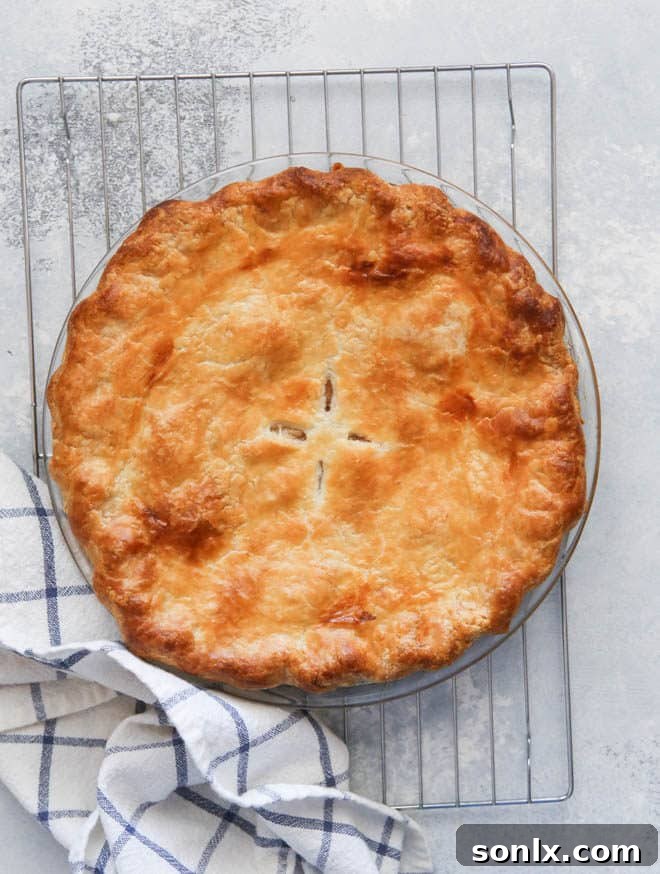
How to Know When a Pie is Perfectly Baked
Determining the doneness of a pie can be one of the most nerve-wracking aspects of pie baking. With typical baking times ranging from 45 to 60 minutes or even longer, it’s easy to second-guess yourself—either pulling it too soon and ending up with an undercooked filling, or leaving it in too long “just to be sure,” risking a burnt crust. The secret lies in understanding how both the crust and the filling behave when perfectly baked, ensuring a delicious outcome every time.
Clear Indicators to Know When Your Pie is Done:
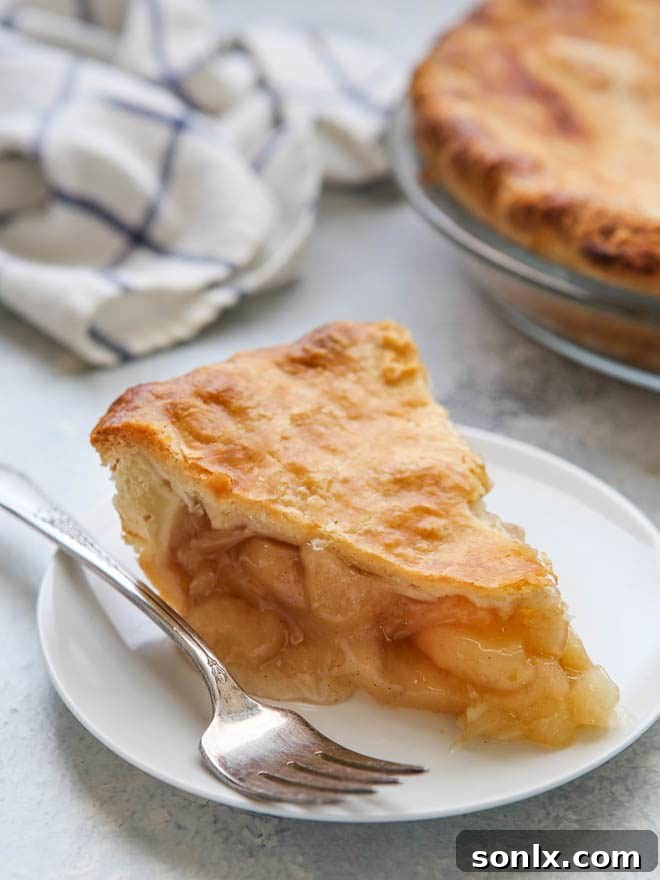
- For Fruit-Filled Pies: When baking pies rich with fruit, like a delightful apple pie, the key indicator is a visibly bubbling filling. This bubbling signifies that the starches in your thickening agent (typically flour, cornstarch, or tapioca) have fully activated and cooked, ensuring your filling will set beautifully as it cools.
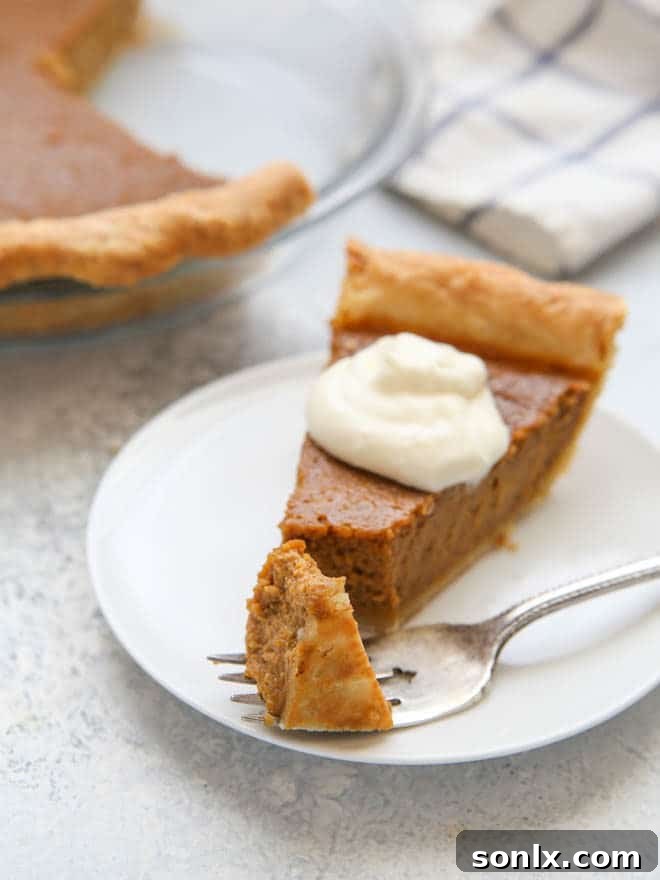
- For Custard or Egg-Based Pies: Pies such as pumpkin or a rich pecan pie require a different approach. The pie is done when the edges appear firmly set and the center exhibits only a slight, barely perceptible jiggle when gently shaken. Resist the urge to overbake; the center will continue to set and firm up as the pie cools completely.
- The Golden Crust Standard: Regardless of the filling, a perfectly baked pie should always boast a beautiful, golden-brown crust. This color indicates proper caramelization and crispness, contributing significantly to the pie’s overall appeal and texture.
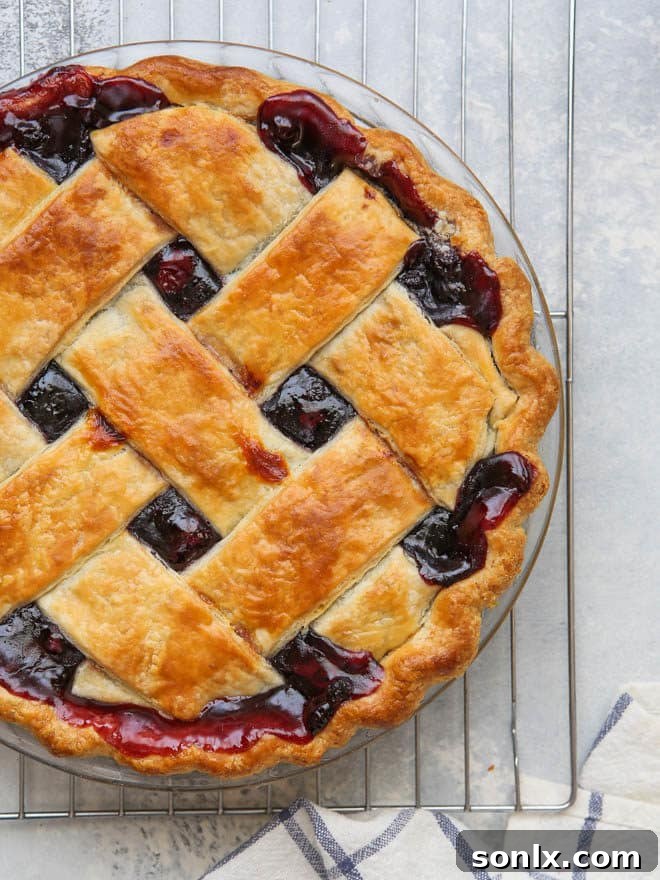
Preventing Pie Crust from Burning
One of the most disheartening moments in pie baking is discovering that your beautiful crust has browned too quickly, even burnt, while the filling is still raw and under-baked. This imbalance can force a difficult choice: remove the pie prematurely and risk an unset filling, or continue baking and sacrifice the crust. Fortunately, this common dilemma has simple, effective solutions that allow both your crust and filling to reach their perfect doneness simultaneously, ensuring a pie that’s golden all over and cooked through.
When Your Pie Crust Browns Too Quickly, Implement These Strategies:
- Full Pie Foil Shield: If the entire top crust or a crumb topping is already a perfect golden brown but the filling still needs more time, loosely tent the entire pie with a sheet of aluminum foil. This gentle covering will deflect direct heat, preventing further browning while allowing the filling to continue cooking to perfection.
- Targeted Edge Protection: Often, it’s just the delicate edges of the pie crust that brown faster than the rest. To protect these vulnerable spots, fold a square sheet of foil into quarters, then carefully cut out the center point, creating a circular hole when unfolded. Place this homemade foil shield over the pie, exposing the center while guarding the edges. Alternatively, for reusable convenience, invest in a dedicated pie crust shield.
Preventing a Soggy Bottom Pie Crust
The infamous “soggy bottom” is arguably one of the most disheartening outcomes in pie baking. A gummy, under-baked, or wet bottom crust can completely undermine the flaky, tender perfection of a pie, turning an otherwise delightful dessert into a textural disappointment. This common issue often arises from moisture from the filling seeping into the raw dough or insufficient heat reaching the bottom of the pie. Fortunately, preventing a soggy bottom is entirely achievable with a few strategic adjustments, ensuring your crust is wonderfully crisp from top to bottom.
Reliable Tips for Preventing a Soggy Bottom Pie Crust:
- Assemble Just Before Baking: To minimize the time liquid filling has to soak into the raw dough, assemble your pie right before it goes into a preheated oven. Ensure your oven is at the correct temperature and any top crust or lattice is rolled out and ready for quick assembly. This reduces direct contact time between the wet filling and the dough.
- Blind Bake for Wet Fillings: For pies with very liquid fillings, such as pumpkin or custard pies, blind baking the crust beforehand is a crucial step. This pre-cooks the dough, creating a protective barrier against moisture absorption.
- Utilize the Bottom Rack: Baking your pie on the bottom rack of the oven (or moving it there once the top has achieved sufficient browning) allows for more direct heat transfer to the base of the pie dish. This promotes faster cooking and crisping of the bottom crust, preventing sogginess.
- Choose the Right Pie Dish: The material of your pie dish significantly impacts heat conduction. Metal pie dishes (especially dark metal) and ceramic pie dishes are excellent choices as they conduct heat efficiently and evenly, ensuring the bottom crust bakes thoroughly and prevents sogginess.
Ensuring a Perfectly Set Pie Filling
There’s nothing quite as disappointing as slicing into a freshly baked pie only to find the filling has failed to set, creating a runny, soupy mess. This not only makes for unappealing and difficult-to-serve slices but often contributes to a soggy bottom crust. A perfectly set filling is the hallmark of a well-made pie, providing a satisfying texture and ensuring the flavors are beautifully contained. Achieving this ideal consistency comes down to a few critical factors that are easy to control with the right knowledge.
Key Strategies to Prevent a Runny Pie Filling:
- Adhere Strictly to the Recipe: The most crucial step is to follow your chosen recipe’s instructions precisely. Thickening agents like flour, cornstarch, or tapioca are carefully measured to achieve a specific consistency. Altering their amounts, or other ingredients like sugar (which can draw out moisture), will directly impact the filling’s ability to set properly.
- Avoid Ingredient Substitutions Without Guidance: If you’re tempted to substitute ingredients (e.g., honey for corn syrup, or tapioca for cornstarch), it’s best to seek out a recipe specifically developed and tested with that alternative. Different ingredients behave differently, and a direct, unresearched swap can lead to an unset filling.
- Patience is a Virtue – Cool Completely: This is often the hardest tip to follow, but it’s paramount: allow your pie to cool completely before cutting. While tempting to slice into a warm pie, the filling needs ample time to set and firm up. For fruit pies, this can be several hours at room temperature; for custard pies, it might be even longer, sometimes requiring refrigeration. To speed up the process, chilling the pie in the refrigerator for an hour or two after it has cooled to room temperature can help. If you wish to serve a warm pie, let it cool completely first, then gently re-warm it in a 350°F (175°C) oven, covered with foil, for about 20-30 minutes.
Essential Pie Baking Resources
Deepen your understanding and refine your skills with these invaluable guides. From crafting the perfect dough to advanced techniques, these resources cover every aspect of pie making, empowering you to bake with confidence and achieve consistent success.
- How to Make Foolproof Flaky Pie Crust
- How to Blind Bake Pie Crust for Perfect Results
- Making Pie Crust in the Food Processor: A Quick Guide
- Tips for Prepping and Storing Pie Crust in Advance
- My Favorite Essential Pie Baking Tools
Delicious Pie Recipes to Try
Now that you’re equipped with the knowledge to tackle common pie problems, it’s time to put your skills to the test! Explore these incredible pie recipes, each promising a delectable experience for you and your loved ones. From rich and creamy to bright and fruity, there’s a perfect pie here for every occasion.