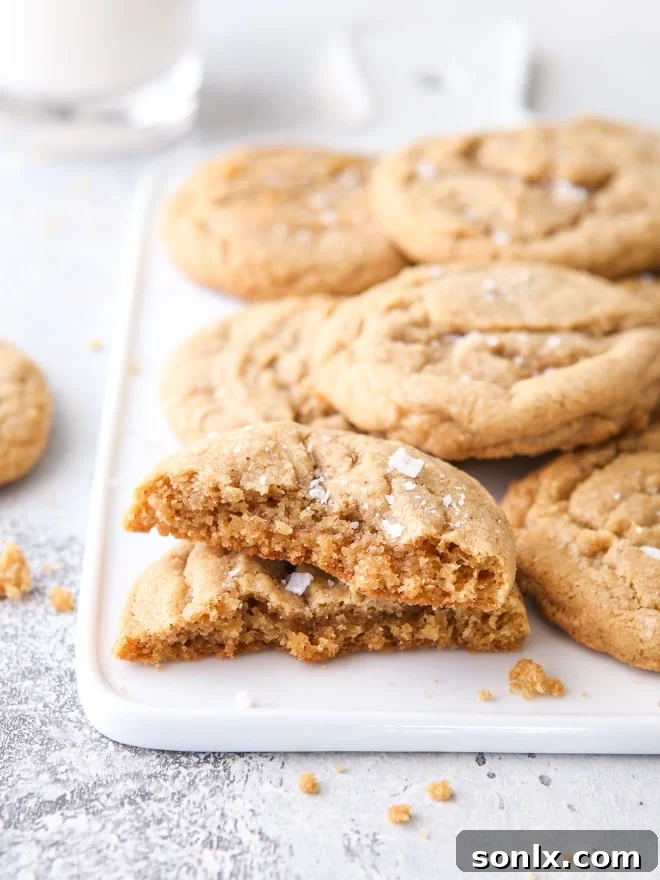
Welcome to a culinary revelation that challenges everything you thought you knew about your favorite dessert: the humble chocolate chip cookie. Prepare to have your taste buds awakened and your expectations transformed, because we’re diving deep into the world of cookies that deliberately omit the chocolate. Yes, you read that right – these are your beloved chocolate chip cookies, made without a single chip of chocolate. And trust us, you won’t even miss it. In fact, you might just prefer them this way.
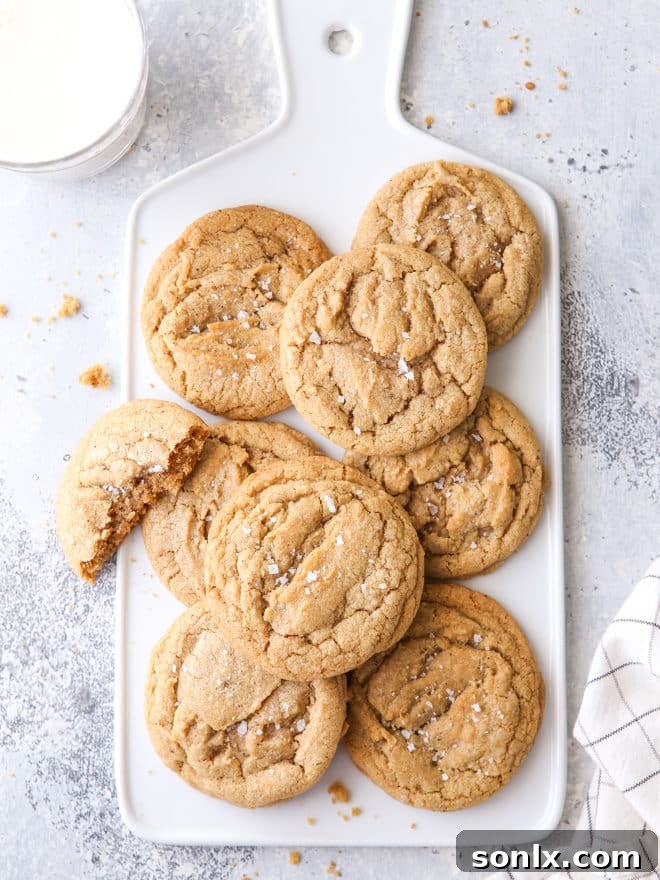
For years, this unique “chipless” cookie recipe has graced our digital pages, consistently surprising and delighting countless bakers and eaters alike. The initial reaction is almost always a skeptical furrow of the brow. “Why on earth would you make chocolate chip cookies without the chocolate chips?” people ask, their expressions a mix of confusion and mild offense. But the magic, dear friends, lies in the absence.
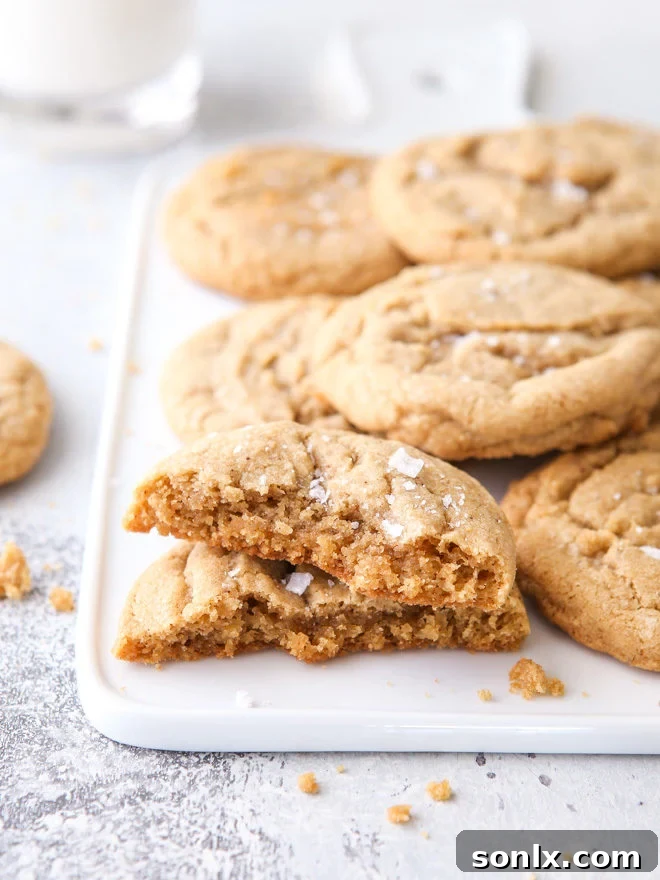
The truth is, these cookies possess such an incredible depth of flavor on their own that chocolate simply isn’t necessary. They are a celebration of rich butteriness, with profound nutty and butterscotch undertones, all thanks to the star ingredient: brown butter. Combined with a generous amount of brown sugar, this creates a symphony of taste that is both comforting and sophisticated. Each cookie offers a perfect textural contrast – crisp edges giving way to a wonderfully chewy, velvety interior. Without chocolate chips to interrupt this smooth, melt-in-your-mouth texture, every bite is pure, unadulterated cookie bliss. One taste, and we promise, you’ll be a convert.
Table of Contents
- The Revelation of Chipless Cookies
- Brown Butter: The Flavor Powerhouse
- Effortless Baking: No Mixer Required
- Mastering the Perfect Chipless Cookie Texture
- Customizing Your Chipless Masterpiece
- Baking Tips for Flawless Cookies
- Frequently Asked Questions About Chipless Cookies
- Other Irresistible Cookie Recipes to Explore
- The Ultimate Chocolate Chipless Cookies Recipe
The Revelation of Chipless Cookies
The idea of a chocolate chip cookie without the chocolate might seem counterintuitive at first glance. After all, the chocolate is right there in the name! However, the very foundation of a great chocolate chip cookie is its rich, chewy, and flavorful dough. This recipe puts that incredible dough front and center, allowing its true character to shine without any competition. Imagine a canvas of pure, delicious cookie flavor, enhanced rather than overshadowed.
Many cookie recipes rely heavily on the added texture and taste of chocolate chips to carry the dessert. But these chipless wonders prove that a cookie can be just as, if not more, captivating when its base ingredients are elevated. It’s a testament to the power of high-quality butter, sugar, and vanilla, expertly combined and transformed. The result is a cookie that’s both nostalgic and uniquely exciting, evoking the comfort of home baking while offering a fresh, sophisticated twist.
Brown Butter: The Flavor Powerhouse
The secret ingredient that elevates these cookies from good to absolutely extraordinary is brown butter, also known as beurre noisette. Since this recipe cleverly starts with melted butter (a deviation from many recipes that call for room-temperature butter), it provides the perfect opportunity to infuse an incredible depth of flavor. Why settle for plain melted butter when you can toast it to nutty perfection and boost the taste profile significantly?
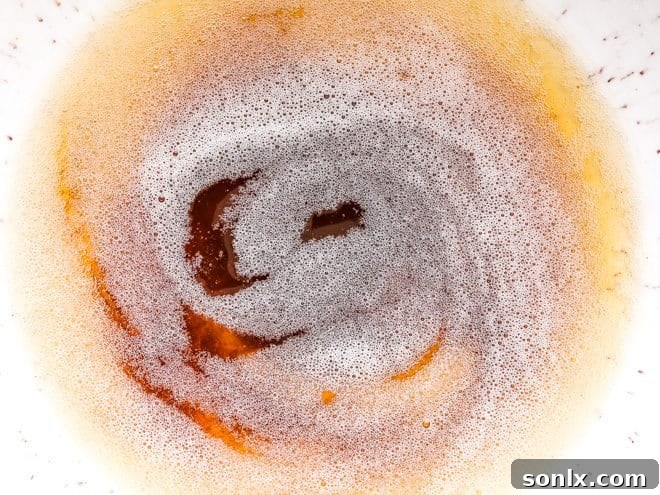
Brown butter is made by gently heating unsalted butter until its milk solids caramelize, turning a beautiful golden-brown color and releasing a rich, nutty, almost caramel-like aroma. This simple transformation adds layers of complexity to the cookies, giving them that irresistible butterscotch-y note that makes them so uniquely delicious. It’s a game-changer, especially in a recipe where the cookie dough itself is the star, as the brown butter provides the nuanced flavor traditionally contributed by chocolate.
baking tip: How to Brown Butter Perfectly
Browning butter is a straightforward process, but it requires a keen eye and quick action to prevent burning. Follow these steps for success:
- **Prep Your Butter:** Cut your unsalted butter into uniform cubes. This helps it melt evenly and prevents some parts from browning too quickly while others are still melting. Add the cubed butter to a light-colored saucepan over medium-low heat. A light-colored pan is crucial as it allows you to clearly see the color change of the milk solids.
- **Melt and Foam:** As the butter melts, it will begin to foam. This is normal. Stir frequently with a rubber spatula, making sure to scrape the bottom of the pan. This prevents the milk solids from sticking and burning, ensuring even browning.
- **Observe and Smell:** Continue to cook and stir. The foam will eventually subside, and you’ll start to see small, golden-brown specs forming at the bottom of the pan. Simultaneously, a wonderfully nutty, toasted aroma will fill your kitchen. This is your cue!
- **Remove Immediately:** The moment you see those golden-brown flecks and smell the nutty aroma, remove the saucepan from the heat immediately. Pour the browned butter into a separate heatproof bowl or container. Leaving it in the hot pan will cause it to continue cooking and potentially burn, which can impart an unpleasant bitter taste.
- **Cool and Use:** Allow the brown butter to cool for a few minutes before incorporating it into your recipe. You can use it right away for these cookies, or store it in the fridge for later use in other baking projects – it’s incredibly versatile!
The subtle shift in flavor from regular butter to brown butter is truly transformative, and once you master this technique, you’ll find yourself incorporating it into many of your favorite recipes.
Effortless Baking: No Mixer Required
What makes this cookie recipe even more appealing is its simplicity: no electric mixer is needed! Unlike many chocolate chip cookie recipes that rely on creaming butter and sugar, this method starts with melted (and browned!) butter and is mixed entirely by hand. This approach, borrowed and adapted from a fantastic technique popularized by sources like Cook’s Illustrated, makes the recipe incredibly accessible and reduces cleanup significantly. It’s perfect for bakers of all skill levels, or anyone who just wants a delicious cookie without the fuss.
Hand mixing also contributes to the final texture of the cookies. By avoiding excessive aeration, you achieve a denser, chewier cookie that doesn’t spread too much. The gentle mixing ensures that the ingredients are just combined, preventing overworking the flour, which can lead to tough cookies. The key steps are designed to build structure and texture:
- **Combine Wet Ingredients:** Start by mixing your cooled, melted browned butter with both granulated sugar and brown sugar, plus the vanilla extract. Stir these together thoroughly with a wooden spoon or sturdy spatula until they are well combined. The mixture will initially appear quite soft and greasy, which is exactly what you want.
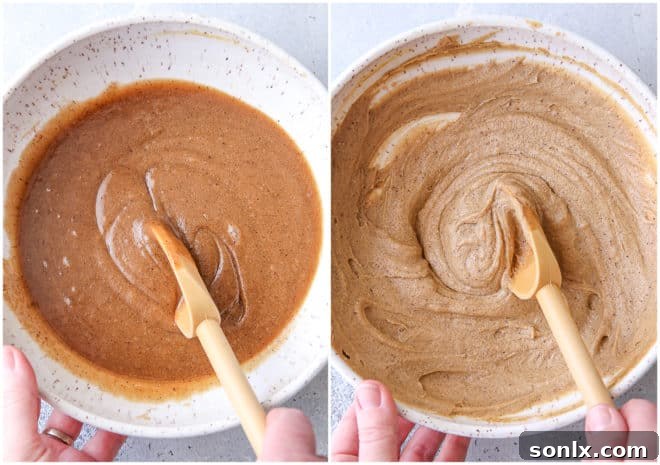
- **Introduce Eggs Gradually:** Add the large egg, followed by the extra large egg yolk, one at a time. After each addition, stir vigorously for about 30 seconds. You’ll notice a remarkable transformation as the mixture lightens in color and begins to thicken, becoming more emulsified and cohesive.
- **The Rest & Stir Technique:** Allow the batter to rest for a few minutes after the egg additions. This brief pause gives the sugars time to dissolve further and the liquids to fully hydrate. After resting, stir the batter vigorously again for another 30 seconds. This second vigorous stir further lightens the color and improves the overall texture, creating a smooth, glossy base for your cookies.
- **Fold in Dry Ingredients:** In a separate bowl, whisk together the all-purpose flour, baking soda, and salt. Add this dry mixture to your wet batter all at once. Stir by hand until just combined and no streaks of flour remain. This step will take a few minutes of steady stirring, and the dough will become thick and cohesive – perfect for scooping.
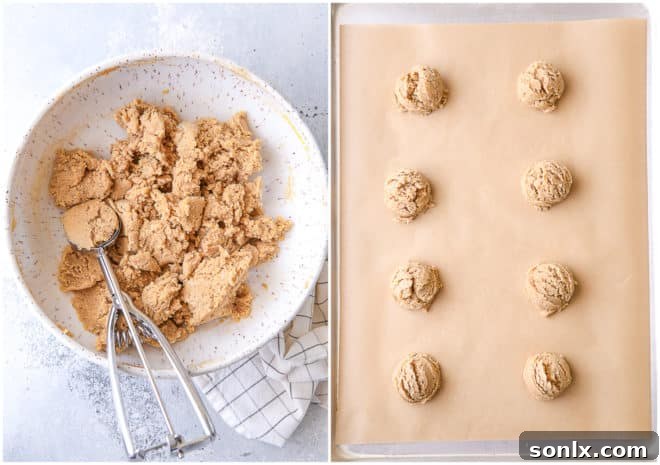
- **Scoop and Bake:** Portion the dough using a rounded tablespoon or a cookie scoop onto a parchment paper-lined cookie sheet. Bake for 9-11 minutes, or until the edges are golden brown but the centers are still slightly soft.
- **Optional Finish:** For an extra layer of flavor and a touch of gourmet appeal, sprinkle coarse sea salt over the warm, freshly baked cookies. This enhances the butterscotch notes and provides a delightful contrast.
Mastering the Perfect Chipless Cookie Texture
Achieving the ideal cookie texture is an art form, and these chipless wonders truly excel. The goal is a cookie with slightly crisp, golden-brown edges that yield to a wonderfully soft, chewy, and tender center. This balance is crucial and is carefully calibrated by the recipe’s specific ingredients and techniques.
The brown sugar, with its molasses content, plays a vital role in keeping the cookies moist and chewy. The addition of an extra egg yolk also contributes significantly to richness and chewiness, while helping to prevent the cookies from becoming too dry or crumbly. The absence of chocolate chips ensures a uniform texture throughout each cookie, allowing that velvety, buttery interior to be the star without any interruptions. Baking at 375°F (190°C) for a relatively short period (9-11 minutes) creates that coveted crisp edge while preserving a soft middle. It’s about knowing when to pull them from the oven – they might seem slightly underbaked, but they will continue to set as they cool, leading to that perfect chewy consistency.
The optional sprinkle of coarse sea salt isn’t just for aesthetics; it’s a flavor enhancer. The salt crystals provide a delightful counterpoint to the sweet, rich, and nutty notes of the cookie, amplifying their complexity and making each bite even more satisfying. It’s a small detail that makes a big impact on the overall experience.
Customizing Your Chipless Masterpiece
The question inevitably arises: “Can I add chocolate chips?” And while the entire premise of these cookies is to celebrate the non-chocolate experience, the answer is, of course, yes! If you simply cannot fathom a cookie without some form of chocolate, or if you’re looking to adapt this incredibly flavorful base dough into your new go-to chocolate chip cookie recipe, you absolutely can. Feel free to stir in 1 to 2 cups of your favorite chocolate chips or chunks – whether dark, milk, semi-sweet, or even white chocolate. Even we, the proponents of chipless cookies, admit to adding chocolate chips sometimes!
However, if you’re embracing the chipless concept but still desire a little something extra, there are many delightful non-chocolate mix-ins to consider. These additions can introduce new textures and flavors without overshadowing the exquisite brown butter base:
- **Nuts:** Toasted pecans, walnuts, or almonds can add a wonderful crunch and an additional layer of nutty flavor, complementing the brown butter beautifully.
- **Dried Fruits:** Chopped dried cranberries, cherries, or apricots can introduce a lovely tartness and chewiness.
- **Toffee Bits:** For an extra layer of caramel-like sweetness and a delightful crunch, toffee bits are an excellent choice.
- **Spices:** A pinch of cinnamon, nutmeg, or even a touch of cardamom can add warmth and aromatic complexity.
- **Other Chips:** Consider butterscotch chips for an intensified butterscotch flavor, or even cinnamon chips for a spiced twist.
When adding any mix-ins, ensure they are evenly distributed throughout the dough. Remember, the beauty of these cookies is their versatility, allowing you to experiment and create your own perfect chipless or customized cookie experience.
Baking Tips for Flawless Cookies
To ensure your brown butter chipless cookies turn out perfectly every time, keep these essential baking tips in mind:
- **Accurate Measurement:** Baking is a science, and precise measurements are crucial. Especially when it comes to flour, spoon it into your measuring cup and level it off with a straight edge rather than scooping directly from the bag, which can compact the flour and lead to too much flour.
- **Don’t Overmix:** Once the flour mixture is added, stir only until no dry streaks remain. Overmixing develops gluten, which can result in tough, dense cookies.
- **Don’t Skip the Rest:** The resting period after adding eggs is intentional. It allows the flour to fully hydrate and the sugars to dissolve, leading to a smoother batter and a better texture in the final cookie.
- **Parchment Paper is Your Friend:** Always line your baking sheets with parchment paper. This prevents sticking, promotes even baking, and makes for easy cleanup.
- **Chilling the Dough (Optional but Recommended):** While this recipe doesn’t explicitly require chilling, for thicker cookies with a chewier texture and more developed flavor, you can chill the dough for at least 30 minutes, or even overnight. This helps prevent excessive spreading.
- **Monitor Your Oven:** Oven temperatures can vary significantly. It’s always a good idea to use an oven thermometer to ensure your oven is preheated to the correct temperature. Bake one test cookie if you’re unsure about your oven’s hot spots.
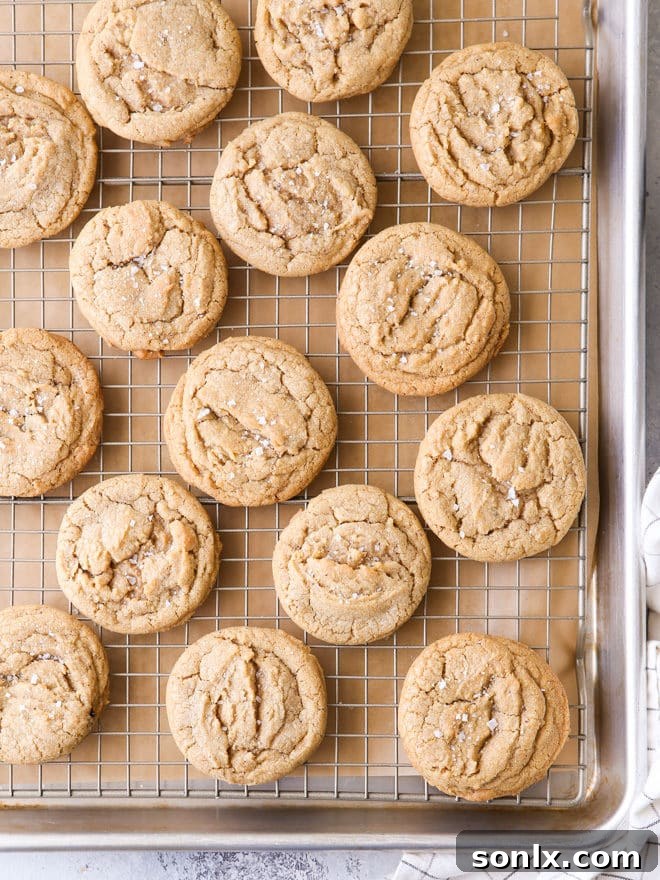
- **Cooling is Crucial:** Let the cookies cool on the baking sheet for a few minutes before transferring them to a wire rack. This allows them to set and firm up, preventing them from breaking apart.
Frequently Asked Questions About Chipless Cookies
Here are some common questions we hear about these delightful chipless cookies:
Q: Do these cookies taste like “regular” chocolate chip cookies without the chocolate?
A: They taste like the *best part* of a chocolate chip cookie – the dough! The brown butter and brown sugar create a rich, nutty, and butterscotch-like flavor that stands proudly on its own, offering a unique and incredibly satisfying experience that highlights the pure essence of a great cookie.
Q: Can I use salted butter instead of unsalted butter?
A: We highly recommend using unsalted butter for browning, as it gives you more control over the salt content in the recipe. If you only have salted butter, you can use it, but reduce the added salt in the recipe by about ¼ to ½ teaspoon to prevent the cookies from becoming too salty.
Q: How long do these cookies stay fresh?
A: When stored in an airtight container at room temperature, these cookies will remain fresh and delicious for 3-4 days. They tend to get chewier over time, which many people enjoy!
Q: Can I freeze the cookie dough?
A: Absolutely! Scoop the dough into balls and place them on a parchment-lined baking sheet. Freeze until solid, then transfer the frozen dough balls to a freezer-safe bag or container. They can be stored for up to 3 months. When ready to bake, you can bake them directly from frozen, adding a minute or two to the baking time.
Q: What’s the best way to store baked chipless cookies?
A: Once completely cooled, store the cookies in an airtight container at room temperature. For optimal freshness and chewiness, you can even place a slice of bread in the container with the cookies to help keep them soft.
Other Irresistible Cookie Recipes to Explore
If you’ve fallen in love with these chipless wonders and are looking for more cookie inspiration, here are some other fantastic recipes to try from our collection:
- Monster Cookies
- Caramel-Stuffed Chocolate Chip Cookies
- Chocolate Marshmallow Cookies
- Peanut Butter Chocolate Chip Cookies
This recipe was originally published in June 2015, and its enduring popularity is a testament to its simple genius. It’s a reminder that sometimes, less truly is more, especially when it comes to celebrating the fundamental deliciousness of a perfectly baked cookie. We invite you to cast aside your preconceived notions and experience the pure joy of a cookie that needs no chocolate to be utterly unforgettable.
The Ultimate Chocolate Chipless Cookies Recipe
Chocolate Chipless Cookies
These are the cookies you’ll reach for when you crave pure, unadulterated cookie perfection. Your favorite chocolate chip cookie recipe, reimagined without the chocolate chips, allowing the rich, nutty brown butter and deep butterscotch notes of the dough to truly shine. Prepare to be surprised by how much you adore these incredibly flavorful and perfectly chewy treats.
Pin Recipe
Leave a Review
Ingredients
- ▢ 10 tablespoons (140 grams) unsalted butter
- ▢ ¼ cup (50 grams) granulated sugar
- ▢ ¾ cup (160 grams) packed light or dark brown sugar
- ▢ 2 teaspoons vanilla extract
- ▢ 1 large egg
- ▢ 1 large egg yolk
- ▢ 1 ¾ cup (210 grams) all-purpose flour
- ▢ ½ teaspoon baking soda
- ▢ ½ teaspoon salt
- ▢ Coarse salt , for sprinkling (optional)
Instructions
-
Preheat your oven to 375°F (190°C). Prepare a large baking sheet by lining it with parchment paper; this prevents sticking and ensures even baking.
-
In a small, light-colored saucepan, melt the unsalted butter over medium heat. Continue to cook, stirring frequently with a rubber spatula, until the butter turns a rich golden-brown color and emits a nutty aroma. This usually takes about 3 minutes. Immediately remove the saucepan from the heat to prevent burning, and pour the browned butter into a large, heatproof mixing bowl. Allow it to cool for a few minutes before proceeding.
-
To the cooled browned butter, add the granulated sugar, brown sugar, and vanilla extract. Stir these ingredients vigorously with a wooden spoon or sturdy spatula until they are thoroughly combined. Next, add the large egg and the large egg yolk, one at a time. After each egg addition, stir the mixture for a full 30 seconds; you’ll notice the batter beginning to lighten in color and thicken slightly. Let the batter rest for approximately 5 minutes, then stir vigorously again for another 30 seconds. This step helps create a light, airy texture and better emulsification.
-
In a separate, medium-sized bowl, whisk together the all-purpose flour, baking soda, and salt until well combined. Add this dry ingredient mixture to the wet batter all at once. Stir by hand until there are no visible streaks of flour remaining and the dough comes together into a thick, cohesive mass. Be careful not to overmix at this stage.
-
Using a rounded tablespoon or a cookie scoop, drop portions of the dough onto your prepared baking sheet, leaving some space between each cookie. Bake for 9-11 minutes, or until the edges of the cookies are golden brown and set, but the centers still appear slightly soft and puffy. This indicates a perfectly chewy interior. Let the baked cookies cool on the pan for about 5 minutes before carefully transferring them to a wire rack to cool completely. If desired, sprinkle a pinch of coarse sea salt over the warm cookies immediately after removing them from the oven for an enhanced flavor.