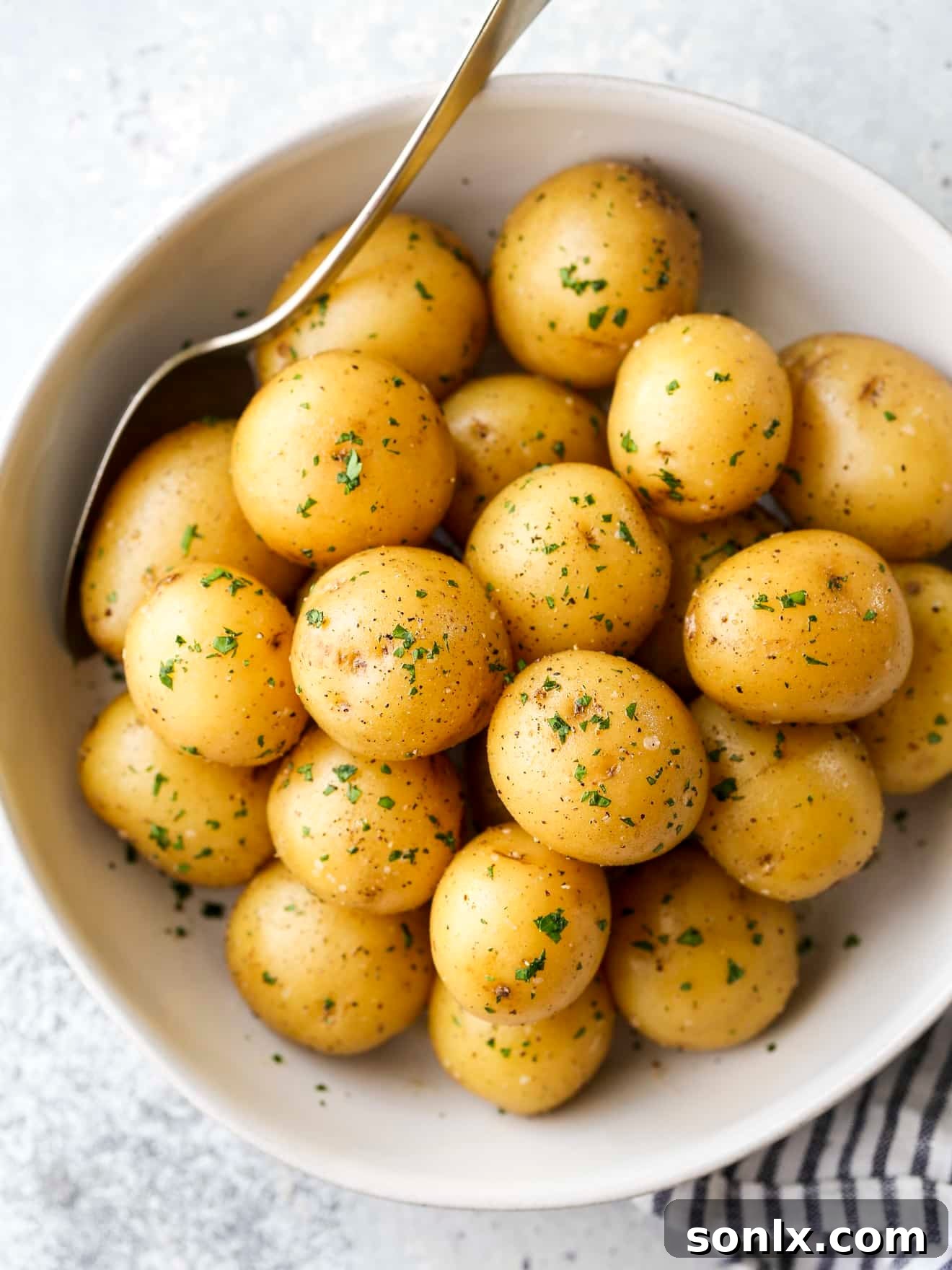
Buttery boiled potatoes are a simple and delicious side dish to any meal!
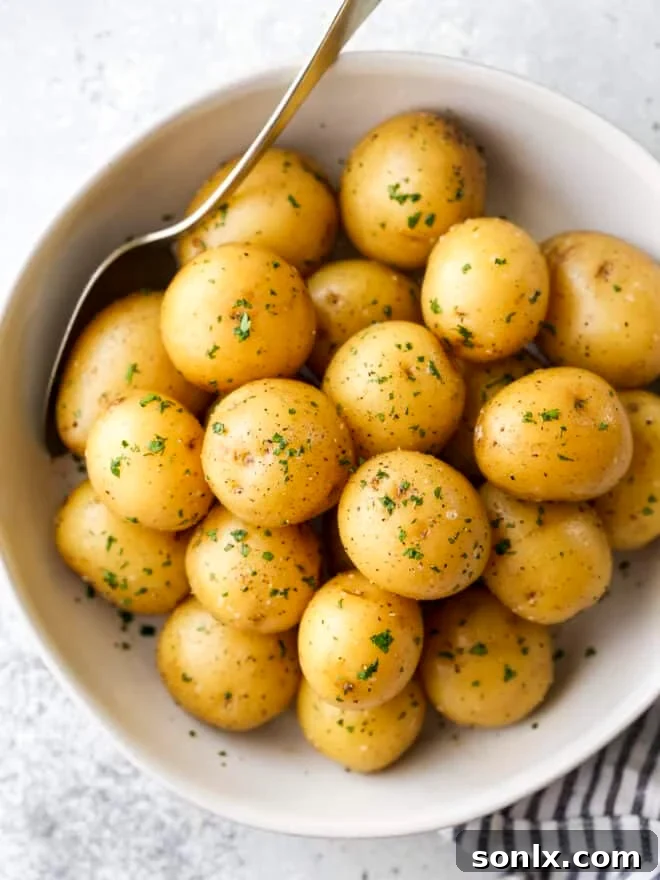
There’s a certain timeless comfort in a plate of perfectly cooked, buttery boiled potatoes. This humble side dish, often overlooked in favor of more elaborate preparations, holds a special place in kitchens around the world for its sheer simplicity, impressive versatility, and undeniable deliciousness. Imagine tender, fluffy potatoes, glistening with melted butter and seasoned just right – it’s an experience that effortlessly elevates any meal, from a casual weeknight dinner to an elegant holiday feast. In this comprehensive guide, we’ll walk you through the secrets to achieving the ultimate buttery boiled potatoes, ensuring they are always tender and flavorful, never mushy.
You are truly just a handful of basic ingredients away from crafting one of your family’s new favorite side dishes. Our buttery boiled potatoes recipe is a staple on countless tables because it excels in several key areas: it’s incredibly quick and easy to prepare, offers a delightful texture and taste, and boasts impressive adaptability. Whether you’re serving them alongside a hearty meatloaf, a crispy pan-fried chicken, or as an elegant accompaniment to a beautifully roasted turkey, these potatoes seamlessly fit into any menu. Our method ensures each potato piece is cooked to tender perfection, without ever becoming waterlogged or disintegrating. They’re generously coated in rich, melted butter and seasoned with precision, promising a burst of comforting flavor in every single bite. This isn’t just a recipe; it’s a foundational skill for home cooks everywhere, promising consistent results and satisfied diners.
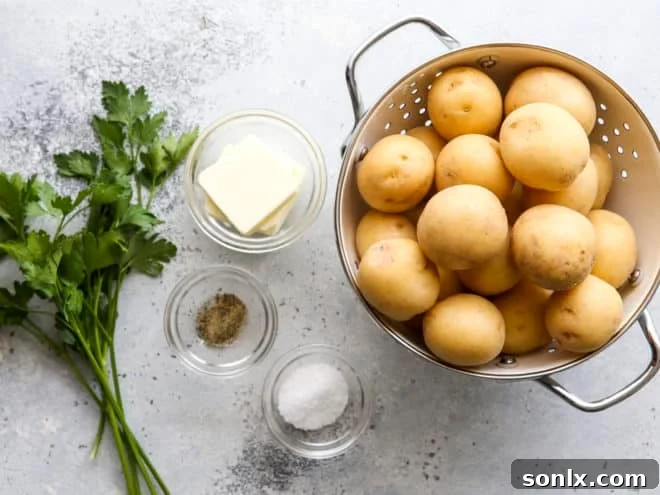
Essential Ingredients for Perfect Buttery Boiled Potatoes
Crafting these delightful buttery boiled potatoes requires just a few pantry staples, but selecting quality ingredients makes all the difference. While the list might seem short, understanding the role of each component is key to culinary success and achieving that perfect balance of flavor and texture.
- Potatoes: The undeniable star of our dish. The specific type you choose will significantly impact the final texture, so pay close attention to our detailed guide below. Generally, always look for firm, unblemished potatoes regardless of variety.
- Salted Butter: Butter is more than just a simple coating here; it’s a fundamental flavor enhancer that contributes rich moisture and a luxurious mouthfeel. Salted butter adds a layer of depth and seasoning that complements the potatoes beautifully. If you only have unsalted butter on hand, simply adjust the amount of additional salt you add later to taste, ensuring the potatoes are perfectly seasoned.
- Salt and Pepper: These aren’t merely for seasoning at the very end. Salt plays a crucial role throughout the entire cooking process. Using coarse salt for the boiling water helps infuse flavor from within each potato piece, a technique that yields far more delicious results than merely salting the surface post-cooking. Fine salt and freshly ground black pepper added at the end then enhance the surface taste and provide a well-rounded flavor profile.
- Fresh Parsley (Optional Garnish): While entirely optional, a sprinkle of fresh, finely chopped parsley adds a vibrant pop of color and a fresh, herbaceous note that brightens the entire dish. It’s an easy way to elevate both the presentation and the overall fresh appeal.
Choosing the Best Potatoes for Boiling: A Detailed Guide
The type of potato you select is paramount to the success of your buttery boiled potatoes. Different varieties have varying starch levels, which directly affect their texture once cooked. For this recipe, the goal is tender interiors that hold their shape without turning into a mealy, crumbly, or watery mash. Here’s a breakdown to help you choose wisely and achieve optimal results:
Yukon Gold, Yellow, or Gold Potatoes (Highly Recommended)
These varieties are our absolute top choice for buttery boiled potatoes, and for excellent reason. Yukon Golds, along with other yellow-fleshed varieties, strike a perfect balance between starchy and waxy characteristics. They boast a naturally creamy texture and a subtle, inherent buttery flavor, even before you add any additional butter! They cook up beautifully tender, yet remain firm enough not to fall apart, making them ideal for boiling and serving either whole or in robust chunks. Their relatively thin skin is also appealing and often doesn’t need to be removed, contributing both to nutritional value and a charming rustic appearance.
Red Potatoes
Similar to Yukon Golds in their waxy nature and moderate starch content, red potatoes are another excellent choice for this recipe. They have a firm, smooth texture and consistently hold their shape exceptionally well after boiling, making them perfect when you desire distinct, intact potato pieces, especially if planning to use them for potato salads later. Their thin, vibrant red skin adds a lovely visual contrast to the golden butter and optional green parsley, enhancing the dish’s aesthetic appeal.
Fingerling Potatoes or New Potatoes
For a more elegant and sophisticated presentation, particularly for special occasions, holiday meals, or when serving individual portions, fingerling or new potatoes are a fantastic option. These smaller, often elongated varieties can be boiled whole, skin-on, providing a stunning visual appeal and a delicate, tender texture. They naturally cook faster due to their reduced size, making them a convenient and quick option when time is a consideration. Their natural sweetness and firm flesh make them a gourmet choice that truly shines in this simple preparation.
Avoid Russet Potatoes for Boiling (Generally Recommended)
While russet potatoes (also commonly known as baking potatoes) are undeniably wonderful for preparations like mashing or baking due to their high starch content and fluffy texture, they tend to break down and become overly mealy or crumbly when subjected to boiling. If your aim is to achieve distinct, tender potato pieces that retain their shape, russets are usually not the best fit for this particular recipe. However, if you genuinely prefer a very soft, almost mashed potato-like consistency directly from boiling, they can be used with extremely careful monitoring to prevent complete disintegration.
Potato Size and Preparation
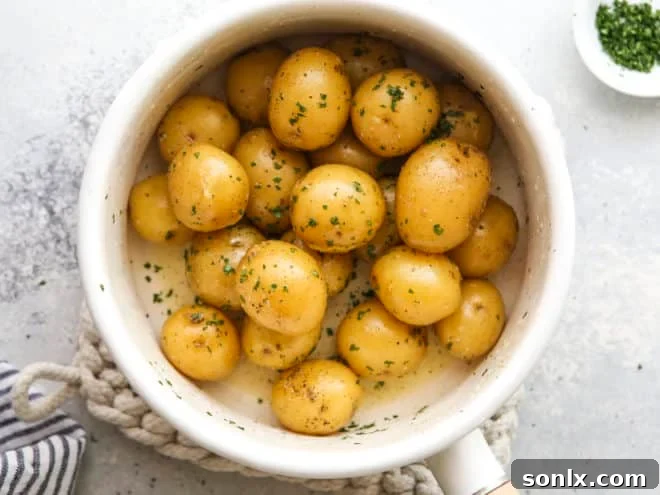
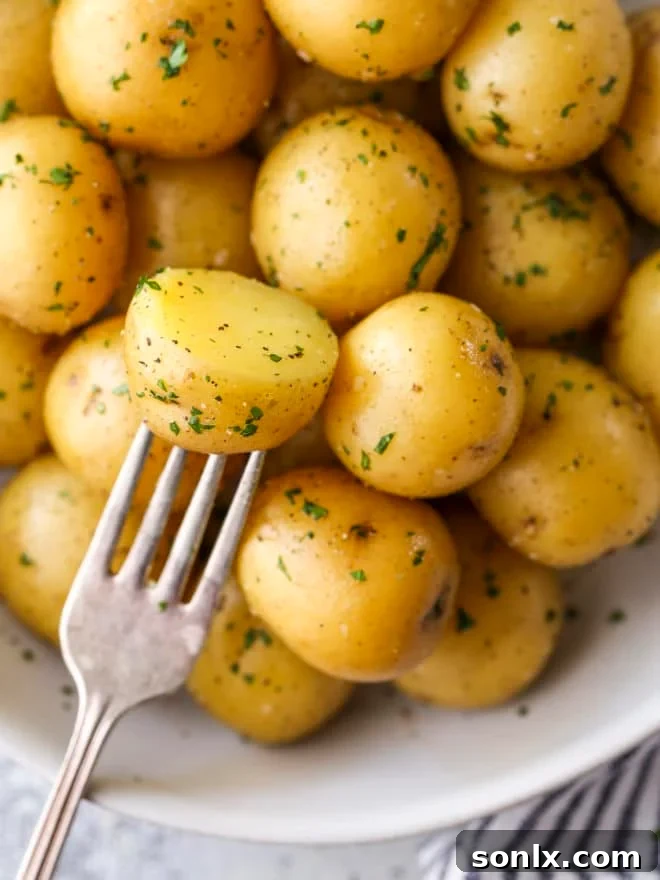
For efficient everyday meals, feel free to use larger potatoes and cube them into uniform 1-inch pieces. The consistency in size is absolutely critical for ensuring all pieces cook evenly at the same rate. For a more refined or fancier touch, as often showcased in the accompanying images, mini, new, or fingerling potatoes left whole present beautifully and create a more upscale aesthetic. The decision to peel or not to peel is entirely yours and often depends on the potato variety and personal preference. Many cooks prefer to leave the skin on for added nutrients, fiber, and that desirable rustic appeal, especially with thin-skinned varieties. Just ensure they are thoroughly scrubbed clean prior to cooking.
The Art of Boiling Potatoes: Step-by-Step Perfection
Boiling potatoes might appear to be a straightforward task, but there are specific techniques and nuances that can elevate them from merely good to truly exceptional. Follow these detailed steps for consistently perfect, buttery-tender results every single time, ensuring your potatoes are flavorful from the inside out and boast an ideal texture.
-
Prepare Your Potatoes Meticulously
Begin by thoroughly washing your chosen potatoes under cold running water. Use a vegetable brush to remove any dirt, soil, or debris, especially if you plan to leave the skin on. If you’re using larger potatoes, chop them into uniform 1-inch pieces. This consistency in size is absolutely critical for ensuring all pieces cook at the exact same rate, preventing some from being undercooked while others become overdone. If utilizing mini, new, or fingerling potatoes, you can conveniently leave them whole. Make a conscious decision whether to peel them; thin-skinned varieties like Yukon Golds or red potatoes often taste excellent and retain more beneficial nutrients with their skins left intact.
-
Initiate with Cold Water and Generously Salt
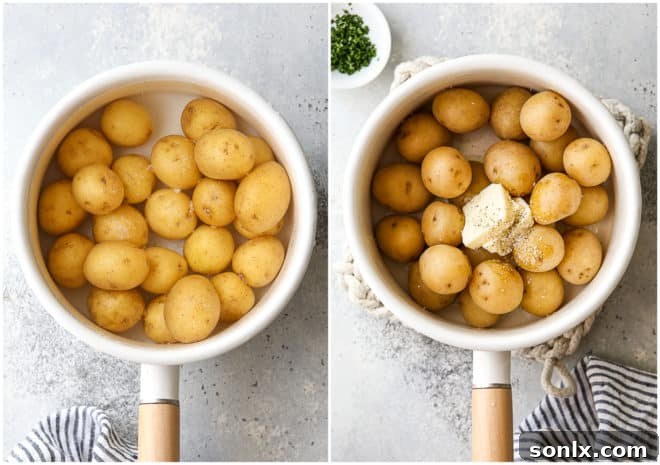
Place the prepared potatoes in a medium to large pot. The fundamental key here is to always start with cold water. Cover the potatoes with cold water by approximately 1 inch. Adding potatoes to already boiling water can shock them, causing the outsides to cook too quickly and turn mushy before the centers have a chance to become tender, inevitably leading to unevenly cooked results. Now, and this is an absolutely crucial step for deep flavor, season the water generously with salt. Potatoes are notorious for being bland without proper seasoning, and they absorb salt most effectively as they cook, infusing flavor from the inside out. Do not be shy with the salt; a good rule of thumb is about 1 to 1.5 teaspoons of coarse salt per quart of water. This initial salting is where your potatoes will acquire their essential foundational seasoning.
-
Bring to a Boil, Then Reduce to a Gentle Simmer Until Tender
Place the pot on the stovetop over high heat and bring the water to a vigorous, rolling boil. Once the water is boiling strongly, immediately reduce the heat to a gentle, steady simmer. This prevents the potatoes from tumbling violently and breaking apart. Cook the potatoes until they are impeccably fork-tender. This means that a fork should easily slide into the center of a potato piece with minimal resistance, but the potato should not be disintegrating or falling apart. Depending on the size and type of potatoes used, this typically takes anywhere from 15 to 25 minutes. Larger chunks will naturally require a longer cooking time, while smaller whole potatoes will cook more quickly. Always test a few pieces to ensure they are all uniformly cooked through.
-
Thoroughly Drain for Optimal Texture
Once the potatoes have reached their perfectly tender state, carefully and thoroughly drain them in a colander. It is absolutely important to allow as much excess water as possible to drain away. For an even drier, fluffier result, you can gently return the drained potatoes to the empty hot pot over very low heat for a minute or two, gently shaking or tossing the pot. This crucial step helps to evaporate any remaining surface moisture, preventing waterlogged potatoes and ensuring that the butter adheres beautifully and evenly, rather than simply sliding off.
-
Finish with Butter and Additional Seasoning
Return the well-drained, dry potatoes to the still-warm pot. Immediately add your chosen salted butter, along with additional salt and freshly ground black pepper to taste. Start with the recommended amounts in the recipe card and adjust as needed, tasting as you go. Stir gently but thoroughly, allowing the residual heat from the potatoes and the pot to melt the butter completely, coating every single piece evenly. The ultimate goal is for each potato to be glistening, richly infused with buttery goodness, and perfectly seasoned from surface to core.
-
Serve Immediately for the Best Experience
Buttery boiled potatoes are a dish that is truly at its absolute best when served piping hot and fresh off the stove. The combination of warmth, melt-in-your-mouth texture, and fresh butter is unparalleled. Garnish with a generous sprinkle of fresh chopped parsley for an added layer of flavor and a vibrant visual appeal, if desired. Enjoy the simple, comforting perfection of this timeless side dish!
Expert Tips for Unforgettable Buttery Boiled Potatoes
While the process for making buttery boiled potatoes is inherently simple, a few expert tips can elevate your dish from merely good to absolutely unforgettable. Paying close attention to these details will ensure consistently delicious and perfectly textured results every time you prepare them.
-
Selecting and Storing Potatoes Wisely
When you’re at the grocery store or market, always make sure to look for potatoes with smooth, unblemished skin that are firm to the touch. It’s important to avoid any potatoes that have soft spots, shriveled areas, green patches (which indicate the presence of solanine, a natural toxin), or sprouts. For optimal freshness and longevity, store your potatoes in a cool, dark, and dry place, such as a pantry, cellar, or a cupboard that’s away from direct sunlight and any strong-smelling items like onions. Proper storage helps prevent them from sprouting, turning green prematurely, and significantly extends their shelf life while maintaining their quality.
-
The Critical Importance of Starting with Cold Water
This particular tip is non-negotiable for achieving perfectly and evenly cooked potatoes. Always place your cut or whole potatoes into the pot first, and then cover them completely with cold water. As the water slowly heats up to a boil, the potatoes cook uniformly from the outside all the way to their center. If, conversely, you were to drop them into already boiling water, the exterior would cook and soften much faster than the interior, invariably resulting in unevenly cooked potatoes – mushy on the outside, yet still hard and undercooked in the middle. This cold start ensures a consistent texture throughout.
-
Never Forget to Salt the Water!
This is arguably the most critical step for infusing truly flavorful boiled potatoes. Potatoes are notoriously bland without proper seasoning, and they absorb flavor most effectively from the cooking liquid. Generously salting the water means that the salt permeates the potatoes as they cook, seasoning them deeply from the inside out, rather than just on the surface. This technique achieves a much more profound and integrated flavor than merely seasoning with salt and pepper at the very end. A good indicator is that the cooking water should taste noticeably salty, similar to a mild soup broth.
-
Cut for Consistency and Enhanced Speed
If you’re using larger potatoes and cubing them, it is essential to ensure that your pieces are roughly the same size (for example, consistent 1-inch cubes). This meticulous attention to size consistency is paramount because it ensures that all the potato pieces cook at precisely the same rate, preventing the frustrating scenario where some are still undercooked while others have already turned to mush. Additionally, cutting them into smaller, uniform pieces also significantly reduces the overall cooking time, making this an even quicker and more convenient side dish for those busy weeknights.
-
Serve Immediately for Peak Flavor and Texture
Buttery boiled potatoes are undeniably a dish meant to be enjoyed fresh off the stove. My experience has shown that they generally don’t reheat particularly well; they tend to lose their delicate, tender texture and much of their vibrant, fresh flavor if made ahead of time and subsequently reheated. The butter can congeal and separate, and the potatoes themselves can become either dry and starchy or overly soft and watery. For the ultimate culinary experience, plan to serve these potatoes as soon as they are coated in butter and seasoned to perfection. If you do happen to have leftovers, consider repurposing them into another delicious dish, such as a hearty potato salad, crispy pan-fried potato hash, or even adding them to a flavorful frittata, rather than simply attempting to reheat them as is.
Frequently Asked Questions About Buttery Boiled Potatoes
Here are answers to some common questions you might have when preparing this classic and comforting side dish, designed to help you achieve the best possible results.
-
Can I use unpeeled potatoes?
Absolutely! For thin-skinned varieties like Yukon Golds, red potatoes, or new potatoes, leaving the skin on adds valuable nutritional benefits, fiber, and contributes a desirable rustic charm to the dish. Just ensure you scrub them thoroughly clean under running water before you begin the cooking process to remove any dirt or impurities.
-
How can I prevent my potatoes from becoming mushy?
Several factors can contribute to mushy potatoes: primarily, using overly starchy varieties (like Russets), cooking them at too high a boil (a gentle simmer is key), or simply overcooking them past their tender point. Stick to waxy or all-purpose potatoes, always maintain a gentle simmer, and crucially, test for doneness with a fork – remove them from the heat as soon as they are easily pierced but still hold their shape.
-
What if I don’t have salted butter on hand?
No problem at all! If you only have unsalted butter, simply use it as specified in the recipe. Then, when you’re coating the potatoes at the end, make sure to add an extra pinch or two of salt along with the black pepper. Taste and adjust the seasoning as necessary to achieve your desired flavor balance.
-
Can I add other seasonings or fresh herbs to this recipe?
Yes, this recipe is wonderfully adaptable and encourages customization! Beyond salt, pepper, and the suggested parsley, consider experimenting with a pinch of garlic powder, onion powder, smoked paprika, or dried dill for different aromatic profiles. Fresh chives, chopped rosemary, or thyme can also be delightful alternatives or additions to parsley, offering distinct herbaceous notes.
-
How long do cooked potatoes typically last in the refrigerator?
While these buttery boiled potatoes are unequivocally best served immediately, any leftovers can be safely stored in an airtight container in the refrigerator for up to 3 to 4 days. As mentioned, their texture might change slightly upon reheating due to the nature of boiled potatoes, but they can still be deliciously repurposed into other dishes.
More Delicious Side Dish Ideas to Complement Your Meals
Looking for other fantastic accompaniments to your main courses? Explore these other delectable and highly rated side dish recipes that are sure to please any palate:
- The Best Mashed Potatoes
- Classic Rice Pilaf
- Cheesy Scalloped Potatoes
- Simple Buttered Noodles
Buttery Boiled Potatoes Recipe
Rating: 4 from 1 review
Recipe Summary
Servings: 8 servings
Prep Time: 5 mins
Cook Time: 20 mins
Total Time: 25 mins
Ingredients
- 1 lb potatoes, chopped or use mini/fingerling
- 2 tablespoons salted butter
- 1 teaspoon coarse salt, plus more for boiling the potatoes
- ¼ teaspoon ground black pepper
Instructions
-
Place potatoes in a medium pot and cover with cold water. Season generously with salt.
-
Bring to a boil, then reduce heat slightly and simmer until potatoes are fork tender, about 20 minutes (time will depend on size of potatoes).
-
Drain potatoes and return to pot. Add butter, salt and pepper and stir gently until the potatoes are covered with butter.
-
Serve immediately, with chopped parsley if desired.
Notes
- Gold/yellow/Yukon potatoes are my favorite variety for this recipe but any will do.
- For everyday meals I use regular potatoes, but when I want the dish to look a little nicer I’ll use mini or fingerling potatoes.
Nutrition Information (per serving)
Calories: 25kcal, Carbohydrates: 1g, Protein: 1g, Fat: 3g, Saturated Fat: 2g, Cholesterol: 8mg, Sodium: 316mg, Sugar: 1g, Vitamin A: 87IU
Recipe Details
Cuisine: American
Course: Side Dish
Author: Annalise Sandberg