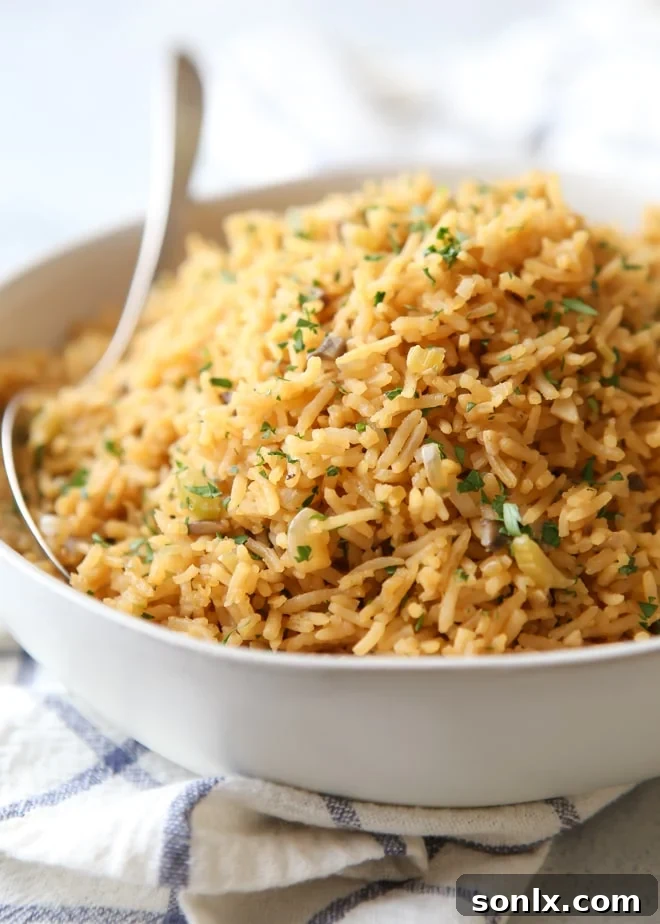
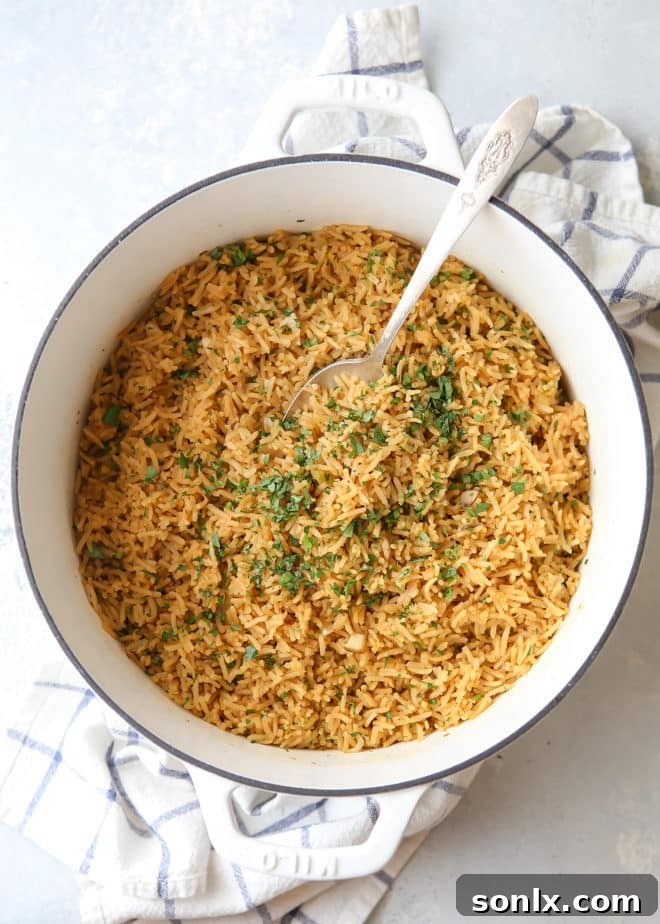
Unlock the secret to an unforgettable side dish with this incredible recipe for the best homemade rice pilaf. Infused with rich butter, vibrant vegetables, fragrant herbs, and perfectly balanced seasonings, this recipe transforms ordinary rice into an extraordinary culinary experience. It’s an elevated accompaniment that promises to complement and enhance any main course, turning a simple meal into something truly special.
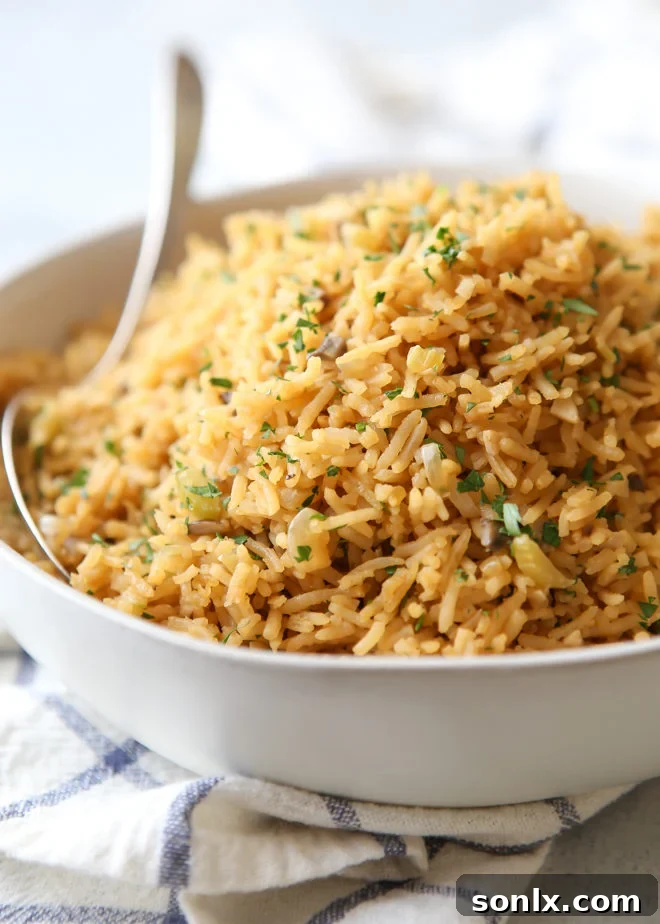
My journey into the world of elevated rice dishes began in culinary school, where rice pilaf quickly became one of my foundational specialties. Throughout my training, we consistently prepared rice pilaf to accompany various main dishes each week. Its inherent simplicity, combined with its ability to feel incredibly gourmet, made it a constant favorite. A decade later, this recipe remains a staple in my kitchen, a testament to its timeless appeal and consistent deliciousness.
Unlike plain steamed rice, which serves as a neutral base, this easy homemade rice pilaf boasts a depth of flavor that stands proudly on its own. The magic happens when the rice is cooked directly in savory broth, enriched with sweet butter, aromatic onions, crisp celery, earthy mushrooms, and a medley of fresh herbs. While it requires just a few extra minutes of preparation compared to basic rice, the flavor payoff is immense and utterly worth the effort. Prepare to elevate your next dining experience with this sensational rice pilaf recipe!
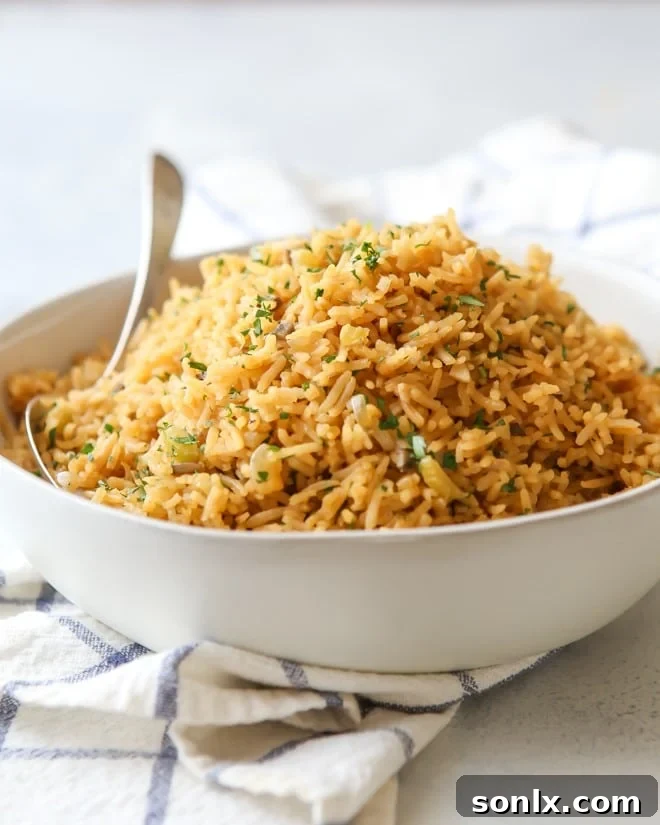
“Thank you for a great and reliable recipe – outcome as shown – simple but better than any others I use in the past. ⭐⭐⭐⭐⭐“ — from reader Richard
“This was delicious! The rice was buttery as it was fried and we added lots of great veggies and some shrimp. We will make it many times. Thanks! ⭐⭐⭐⭐⭐“ — from reader Tarheel Cook
Table of Contents
- What is Rice Pilaf?
- Why Make Homemade Rice Pilaf?
- Essential Rice Pilaf Ingredients
- The Best Way to Make Fluffy Rice Pilaf
- Pro Tips for Perfect Pilaf
- Rice Pilaf Recipe FAQs
- What to Serve with Rice Pilaf
- Get the Full Recipe
What is Rice Pilaf?
At its core, rice pilaf is a delectable rice dish prepared by cooking rice in a seasoned broth rather than plain water. This fundamental difference is what imparts its signature flavor and texture. Historically, pilaf has roots in Central Asian, Middle Eastern, and South Asian cuisines, with countless regional variations. The technique often involves sautéing the rice in butter or oil with aromatics (like onions, celery, and garlic) before adding the hot liquid. This sautéing step, known as toasting, helps to prevent the grains from sticking together and contributes to a beautiful, light, and fluffy texture. Unlike sticky steamed rice, perfectly cooked pilaf should have distinct grains that are tender yet separate, creating a delightful mouthfeel.
The beauty of rice pilaf lies in its versatility. While traditional versions might be simple, featuring just a few vegetables and spices, modern interpretations allow for endless customization. It’s a dish that can be as humble or as elaborate as you desire, always delivering comforting flavors and a satisfying texture. The broth acts as a flavor foundation, infusing every grain with richness, while the added butter or oil ensures a silky finish and helps carry the flavors of the vegetables and herbs.
Why Make Homemade Rice Pilaf?
In a world of convenient instant options, you might wonder why go the extra mile for homemade rice pilaf. The answer lies in the unparalleled flavor, superior texture, and complete control over ingredients that only a homemade version can offer. Store-bought mixes often contain artificial flavors, excessive sodium, and preservatives. When you make pilaf from scratch, you’re crafting a dish that is fresh, wholesome, and bursting with natural goodness.
Beyond health benefits, homemade rice pilaf offers a culinary reward. The process of gently sautéing the vegetables until tender, toasting the rice to a beautiful translucence, and then simmering it to perfection creates layers of flavor that simply cannot be replicated by adding a seasoning packet to plain water. It transforms a humble grain into a sophisticated side dish that tastes profoundly better, feels more luxurious, and earns genuine compliments at the dinner table. Plus, mastering this simple technique opens up a world of possibilities for future culinary experimentation.
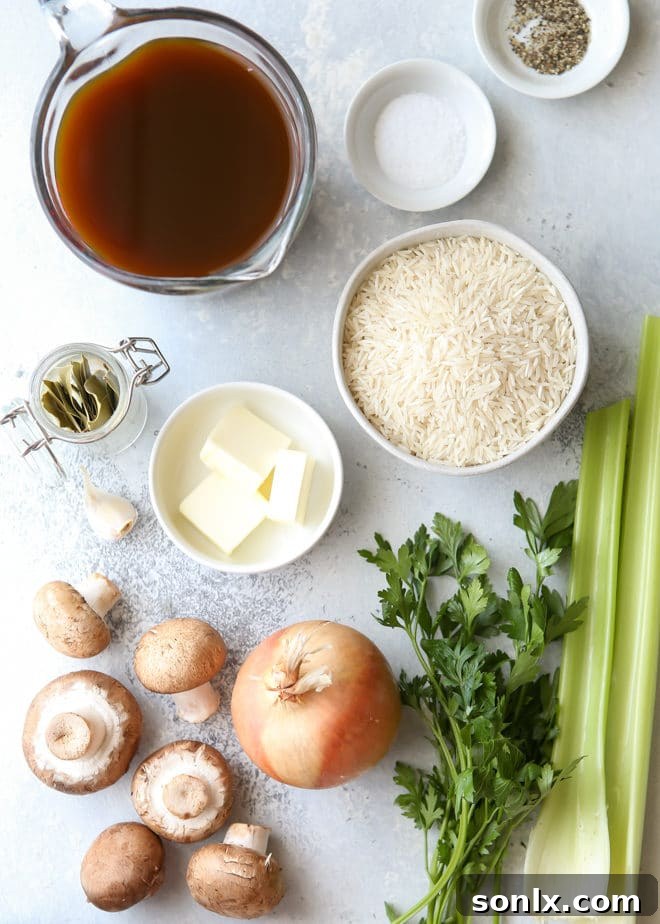
Essential Rice Pilaf Ingredients
Creating an exceptional rice pilaf starts with selecting the right ingredients. Each component plays a vital role in building the dish’s signature flavor and texture. Here’s a closer look at what you’ll need and some tips for choosing and substituting:
- Butter or Olive Oil: The fat forms the foundation of your pilaf’s flavor. Butter lends a rich, creamy, and slightly nutty taste that many find irresistible, perfect for a classic, comforting pilaf. If you prefer a lighter profile or want a dairy-free option, olive oil works wonderfully, adding a subtle fruity note. You can also use a combination of both for a balanced approach. The fat is crucial for sautéing the vegetables and toasting the rice, which helps prevent sticking and enhances the overall texture.
- Aromatic Vegetables: These provide the foundational flavors that elevate plain rice. In this recipe, I use a delicious combination of onions, celery, mushrooms, and garlic.
- Onions and Celery: Often referred to as part of the “holy trinity” in many cuisines, they add a sweet, savory depth. Chop them very finely so they almost melt into the rice, distributing their flavor evenly.
- Mushrooms: Cremini or button mushrooms add an earthy umami dimension. They sauté beautifully, releasing moisture and then browning to deepen their flavor.
- Garlic: A staple for its pungent, aromatic qualities. Add it towards the end of the vegetable sauté to prevent burning, which can turn bitter.
- Other Options: Feel free to customize! Shallots offer a milder, more delicate onion flavor. Finely diced carrots add sweetness and color. Peas or corn can be stirred in at the end for a pop of freshness and color.
- Long-Grained Rice: While pilaf can be made with various grains, long-grain white rice is ideal for its ability to cook up fluffy and separate.
- Jasmine Rice: Known for its fragrant aroma and soft texture.
- Basmati Rice: Features a distinct nutty aroma and longer grains that stay separate beautifully.
- Other Grains: While liquid ratios will vary, you can experiment with medium-grain rice or even grains like orzo pasta (often combined with rice in Mediterranean pilafs), farro, or quinoa for different textures and nutritional profiles. Remember to adjust cooking liquid and time accordingly. Rinsing your rice before cooking can also help achieve a fluffier texture by removing excess starch.
- Broth: This is where your pilaf gets its incredible depth of flavor. Using broth instead of water is a non-negotiable for a truly flavorful pilaf.
- Chicken Broth: The most common choice, offering a universally appealing savory base.
- Vegetable Broth: Excellent for a vegetarian or vegan version, or if you prefer a lighter flavor.
- Beef Broth: Adds a richer, deeper, more robust flavor, pairing well with heartier meats.
- Choosing Your Broth: Opt for low-sodium broth to control the seasoning yourself. High-quality homemade broth will yield the best results, but good store-bought options are perfectly fine.
- Seasonings: Don’t be shy with these; they bring the pilaf to life!
- Salt and Pepper: Crucial for enhancing all the other flavors. Taste and adjust as needed. Coarse salt adds a robust seasoning.
- Bay Leaf: Adds a subtle, savory, almost woodsy aroma that infuses the rice during cooking. Remember to remove it before serving.
- Fresh Parsley: Stirred in at the end, it brightens the dish with a fresh, herbaceous note and a vibrant green color.
- Other Herbs & Spices: Consider adding a sprig of fresh thyme or rosemary during the simmer for an aromatic twist. A pinch of turmeric can add a golden hue and mild earthy flavor. A dash of paprika or a touch of a spice blend (like a Middle Eastern Baharat) can introduce more complex notes.
The Best Way to Make Fluffy Rice Pilaf
This method, honed during my culinary school days, is the foolproof way to achieve perfectly fluffy, flavorful rice pilaf every time. It focuses on building layers of flavor and ensuring the ideal texture. Follow these steps for consistently delicious results:
- Prep Vegetables and Gather Ingredients. Precision in chopping is key for harmonious flavors and textures. Dice your onions, celery, and mushrooms very small, almost to a mince. This ensures they soften thoroughly and blend seamlessly into the rice without being overtly chunky, distributing their savory essence throughout the dish. Have all your other ingredients measured and ready to go – this makes the cooking process smooth and enjoyable.
- Sauté Vegetables and Toast Rice. In a heavy-bottomed saucepan or Dutch oven, melt the butter (or heat olive oil) over medium heat. Add your finely chopped onions, celery, and mushrooms. Cook them gently for about 5-7 minutes, stirring occasionally, until they are tender and have just begun to develop a light golden color. This caramelization adds depth of flavor. Next, add the minced garlic and cook for just 1 minute more until fragrant – be careful not to burn it. Then, add the dry, uncooked rice to the pan. Sauté the rice with the vegetables and butter for 2-3 minutes, stirring constantly. You’ll notice the grains becoming slightly translucent around the edges and developing a nutty aroma. This toasting step is crucial; it helps each grain retain its individual shape, preventing a sticky, mushy result.
- Add Remaining Seasonings and Broth. Once the rice is perfectly toasted and the aromatics are fragrant, stir in the coarse salt and ground black pepper. Pour in the specified amount of chicken, beef, or vegetable broth. Stir everything together gently, making sure to scrape up any flavorful browned bits (fond) from the bottom of the pot. Increase the heat to high and bring the mixture to a rapid boil.
- Simmer, Covered, for 15 Minutes. As soon as the broth reaches a rolling boil, add the bay leaves, then immediately reduce the heat to low (or medium-low, just enough to maintain a very gentle simmer). Crucially, cover the pot tightly with a lid. The seal must be snug to trap the steam. Allow the rice to simmer undisturbed for exactly 15 minutes. Resist the urge to lift the lid and peek, as this releases the vital steam needed for proper cooking.
- Rest for 5 Minutes. After 15 minutes of simmering, turn off the heat completely. Keep the pot covered and let the rice rest for an additional 5 minutes. This resting period is essential. It allows the remaining steam to finish cooking the rice gently, ensuring every grain is fully tender, and gives the moisture time to redistribute evenly, resulting in a perfectly fluffy texture.
- Fluff and Serve. Once rested, remove the lid. Discard the bay leaves. Using a fork, gently fluff the rice from the bottom up. This separates the grains and incorporates air, giving the pilaf its signature light texture. Stir in the fresh chopped parsley for a burst of color and fresh flavor. Give it a taste test and add more salt or pepper if needed. Serve your exquisite homemade rice pilaf immediately as a stunning side dish!
Pro Tips for Perfect Pilaf
Achieving consistently perfect rice pilaf is easy once you know a few tricks. Here are some professional tips to ensure your pilaf is always fluffy, flavorful, and never mushy:
- Measure Precisely: Rice to liquid ratios are critical. For long-grain white rice, a general rule is 1 part rice to 2 parts liquid. Stick to the recipe’s measurements for best results, especially if using a specific type of rice.
- Rinse Your Rice (Optional, but Recommended): Rinsing rice under cold water until the water runs clear helps remove excess starch. This can lead to a fluffier, less sticky pilaf. While not strictly necessary for pilaf (as toasting also helps), it can give an extra edge to the texture.
- Don’t Skimp on Sautéing: The initial sautéing of vegetables and rice in butter or oil is where much of the flavor is built. Ensure vegetables are softened and slightly caramelized, and the rice is toasted until translucent before adding liquid. This step is key for flavor and texture.
- Hot Broth is Best: Using hot or warm broth (rather than cold) when adding it to the rice helps maintain a consistent temperature and brings the pot back to a simmer faster, leading to more even cooking.
- Tight Lid, No Peeking: The steam trapped inside the pot is what cooks the rice. A tight-fitting lid is crucial. Resist the temptation to lift the lid during the simmering process, as this releases steam and can result in undercooked or unevenly cooked rice.
- Don’t Rush the Rest: The 5-minute rest period off the heat is non-negotiable. It allows the steam to fully absorb into the grains and ensures they become perfectly tender and separate, preventing mushiness and promoting that desired fluffy texture.
- Fluff with a Fork: Always use a fork to fluff the rice. A spoon can mash the grains, leading to a denser texture. Gently rake through the rice to separate and aerate it.
- Adjust Seasoning at the End: Broths vary in salinity. Always taste your pilaf after it’s fluffed and before serving. Add more salt and pepper as needed to perfect the flavor balance.
- Experiment with Aromatics: While onions, celery, and garlic are classic, don’t hesitate to try other aromatics like leeks, bell peppers, or even finely diced carrots for different flavor profiles.
Rice Pilaf Recipe FAQs
Yes, this recipe can certainly be adapted for other types of rice and grains, but you’ll need to adjust the liquid amount and cooking time accordingly. Brown rice, for example, typically requires more liquid (often 2.5 to 3 cups of liquid per 1 cup of brown rice) and a longer cooking time (around 40-50 minutes of simmering, plus a longer rest). For best results with alternative grains like Basmati, Jasmine, Arborio, or even grains like quinoa or couscous, I highly recommend following the package instructions for liquid ratios and cooking times, substituting the water with flavorful broth as in this pilaf method. The sautéing of aromatics and toasting of the grain remains a key step for flavor development.
Absolutely! Rice pilaf is a fantastic make-ahead dish. To prepare it in advance, follow the instructions as written. If serving within a few hours, you can keep it warm for up to 4 hours in a slow cooker or Instant Pot set to its “warm” function. For longer storage, allow the pilaf to cool completely after cooking, then transfer it to an airtight container and store in the refrigerator for up to 5 days. When ready to reheat, you can use the microwave: add a tablespoon or two of water or broth per cup of rice, cover, and microwave, stirring occasionally, until heated through. Alternatively, reheat in the oven: place the pilaf in a casserole dish, add a few tablespoons of water or broth, cover tightly with foil, and bake at 350°F (175°C) for about 20-30 minutes, or until warmed through. The added liquid helps restore moisture loss and prevents the rice from drying out.
Integrating protein into your rice pilaf transforms it from a side dish into a more substantial, one-pot meal. If desired, you can add up to 1 pound of ground beef or turkey, or chopped chicken breast. To do this, cook the meat in a tablespoon of butter or oil in the pot before adding your vegetables. Brown the meat thoroughly, then drain any excess fat before proceeding with the recipe as written, starting with adding the vegetables. For cooked proteins, such as leftover roasted chicken, sautéed shrimp, or even canned chickpeas (for a vegetarian option), you can stir them in at the very end after the rice has been fluffed, allowing them to warm through for a few minutes before serving. This ensures the cooked proteins don’t become overcooked or rubbery.
Yes, it’s very easy to adapt this recipe for vegetarian or vegan diets. Simply substitute the butter with olive oil or another plant-based oil. Ensure you use a high-quality vegetable broth instead of chicken or beef broth. All the vegetables and herbs in the recipe are naturally plant-based, making this conversion straightforward and delicious.
Several factors can lead to sticky or mushy rice. The most common culprits include: using too much liquid, lifting the lid too often during simmering (releasing steam), not toasting the rice thoroughly enough, or not allowing it to rest after cooking. Over-stirring during cooking can also release excess starch, contributing to stickiness. For future attempts, ensure precise liquid measurements, resist peeking, toast the rice until translucent, and always include the resting period.
What to Serve with Rice Pilaf
This versatile rice pilaf pairs beautifully with a wide array of main dishes. Its rich, savory flavor and fluffy texture make it an ideal accompaniment for everything from simple roasted meats to elegant seafood. Here are some of my favorite pairings:
- Simplest Lemon-Herb Roasted Salmon: The brightness of lemon and herbs in the salmon will beautifully complement the savory pilaf.
- Pork Chops with Sage Butter Sauce: The earthy notes of sage and the richness of butter in the pork sauce will harmonize perfectly with the pilaf.
- Easy Skillet Chicken with Herb Butter Sauce: A comforting and flavorful chicken dish that finds its ideal partner in this herb-infused rice.
- Garlic Herb Roasted Tri-Tip Steak: The robust flavors of roasted steak and mushrooms are perfectly balanced by the subtle richness of the pilaf.
- Roasted Lamb or Lamb Chops: The savory and slightly gamey flavor of lamb is a classic pairing for rice pilaf, especially with hints of rosemary or mint.
- Grilled Vegetables: For a lighter meal, serve the pilaf alongside a medley of seasonal grilled vegetables like asparagus, bell peppers, or zucchini.
- Hearty Stews or Goulash: The pilaf can act as a wonderful absorbent base for rich, saucy stews, soaking up all the delicious flavors.
Find more main dish options in my full main dish recipe index. This rice pilaf is truly a blank canvas for your culinary creativity!
Get the Full Recipe

Classic Rice Pilaf
Pin Recipe
Leave a Review
Ingredients
- 3 tablespoons butter
- ½ cup chopped onion
- ¼ cup chopped celery
- ½ cup chopped cremini or button mushrooms
- 1 clove garlic minced
- 2 cups long grain rice
- 1 ½ teaspoons coarse salt
- 1 teaspoon ground black pepper
- 4 cups chicken beef, or vegetable broth
- 2 bay leaves
- Chopped parsley
Instructions
-
In a Dutch oven or large pot, melt the butter over medium heat. Add the chopped onion, celery, and mushrooms. Cook, stirring occasionally, until the vegetables have softened and just started to turn a light golden brown, which should take about 5-7 minutes.
-
Add the minced garlic to the pot and cook for 1 minute more until fragrant, being careful not to let it burn.
-
Stir in the long-grain rice, salt, and pepper. Continue to cook for 2-3 minutes, stirring constantly, until the rice grains start to look slightly transparent around the edges and develop a nutty aroma.
-
Pour in the broth. Increase the heat to high and bring the mixture to a rolling boil, scraping any browned bits from the bottom of the pot.
-
Once boiling, add the bay leaves to the pot. Immediately cover the pot with a tight-fitting lid and decrease the heat to low (or medium-low) to maintain a very gentle simmer.
-
Let the rice simmer, completely covered and undisturbed, for about 15 minutes. Avoid lifting the lid during this time to keep the steam trapped.
-
After 15 minutes, turn off the heat. Leave the rice covered and let it sit for an additional 5 minutes. This resting period allows the remaining steam to fully absorb, resulting in perfectly fluffy grains.
-
Remove the lid. Discard the bay leaves and use a fork to gently fluff the rice, separating the grains. Stir in the chopped parsley. Taste and adjust seasoning with more salt or pepper if needed. Serve immediately and enjoy your perfectly cooked rice pilaf!