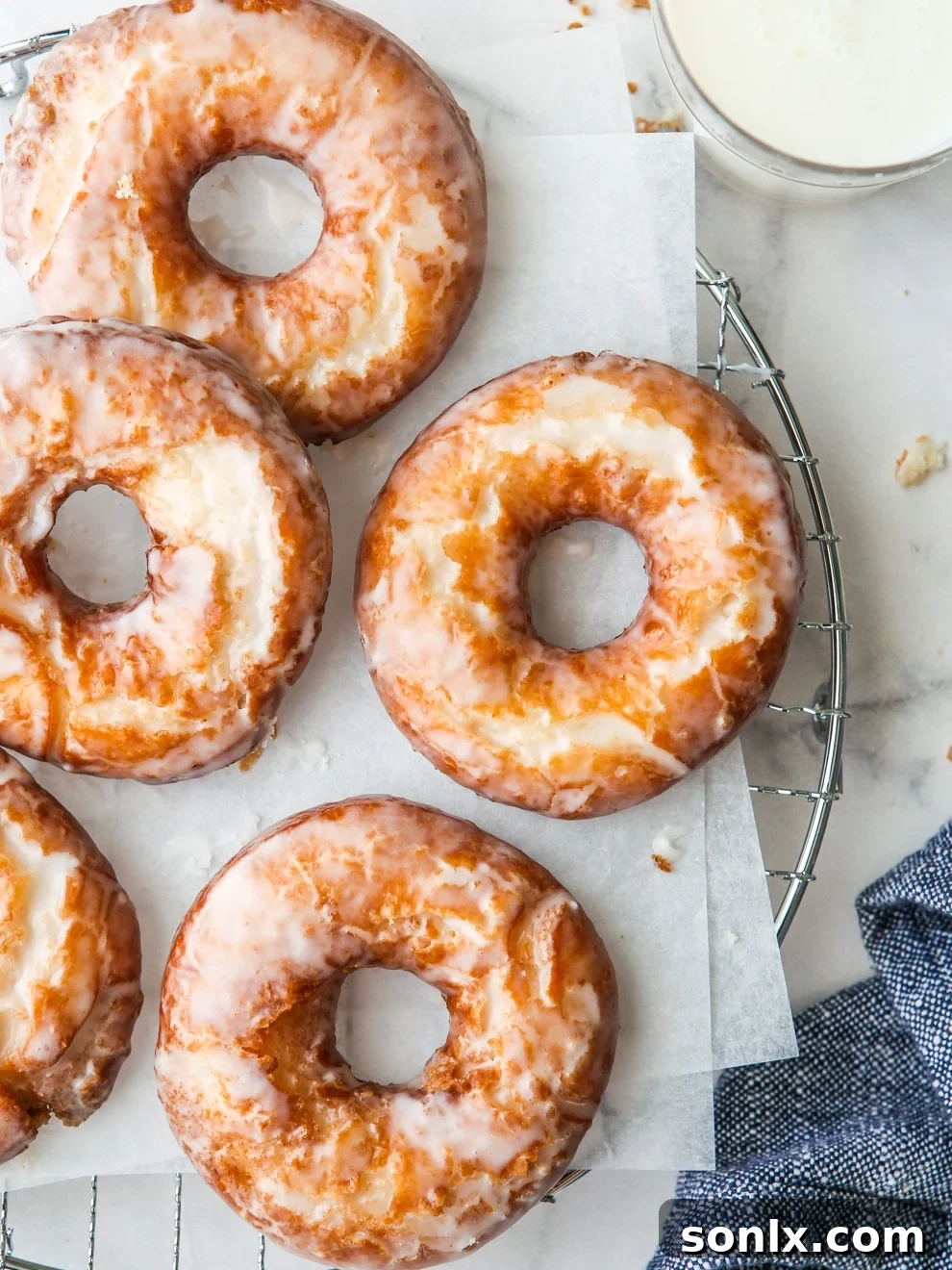
Classic Old-Fashioned Buttermilk Doughnuts: A Guide to Homemade Perfection
Unlock the secret to bakery-quality treats right in your own kitchen with these incredible old-fashioned buttermilk doughnuts. Imagine biting into a doughnut that’s incredibly soft and tender on the inside, with a perfectly crisp, subtly cracked exterior, all generously coated in a sweet, translucent vanilla glaze. These aren’t just any doughnuts; they are the quintessential glazed cake doughnuts you dream of, and the best part? They require no yeast, making them surprisingly straightforward to prepare at home, even if you’re a beginner to the world of deep frying.
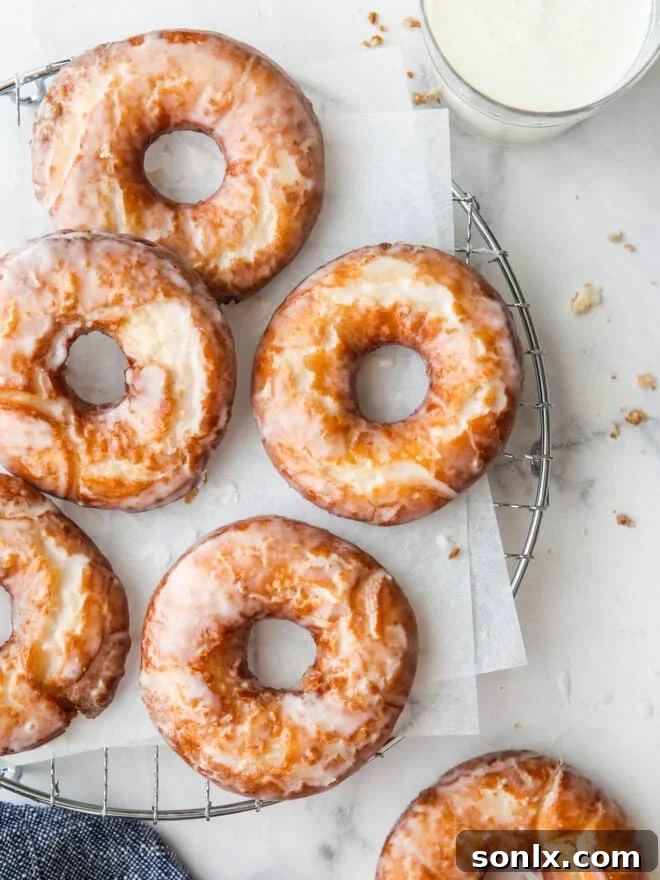
If you’ve ever felt intimidated by the idea of frying your own doughnuts, now is the time to conquer that culinary fear! This detailed old-fashioned buttermilk doughnut recipe is specifically designed to be beginner-friendly. We’ll walk you through each step, ensuring a delicious outcome. You’ll likely find most of the necessary ingredients already stocked in your pantry, and because this recipe relies on baking powder instead of yeast, there’s no long proofing time, making the dough a breeze to prepare and handle.
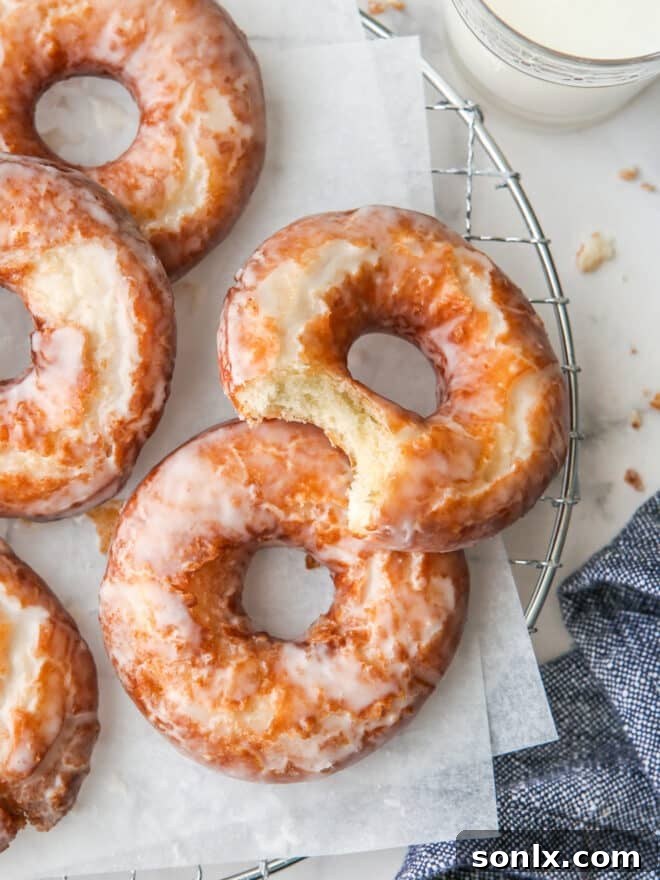
The magic of these particular doughnuts lies in their distinctive texture. As they fry, they develop a delicate, slightly crispy outer crust that often forms charming little cracks – these cracks are perfect for cradling the pools of rich vanilla glaze, allowing it to seep into every delicious crevice. Inside, you’ll discover a wonderfully soft, moist, and cake-like crumb that melts in your mouth. This recipe is designed for a perfect small batch, yielding approximately 8 delectable doughnuts, just enough to share with loved ones or to savor all by yourself over a leisurely weekend morning.
Table of Contents
- What Makes Old-Fashioned Doughnuts Special?
- Essential Ingredients for Perfect Buttermilk Doughnuts
- Step-by-Step Guide to Making Homemade Buttermilk Doughnuts
- Mastering the Deep Fryer: Tips for Success
- Expert Recipe Tips for Flawless Doughnuts
- Creative Serving and Storage Ideas
- More Doughnut Recipes to Explore
- Old-Fashioned Buttermilk Doughnuts: Full Recipe
What Makes Old-Fashioned Doughnuts Special?
Often affectionately known as “cake doughnuts,” old-fashioned doughnuts stand apart from their yeast-risen counterparts due to their unique leavening agent: baking powder. This choice results in a denser, more tender crumb that truly lives up to the “cake” in their name, offering a delightful contrast to the airy chewiness of yeast doughnuts. Our recipe takes this classic to the next level by incorporating several key ingredients:
- Cake Flour: This finely milled flour, with its lower protein content, is the secret to achieving that coveted extra-tender, melt-in-your-mouth texture that makes these doughnuts irresistible.
- Buttermilk: Beyond adding a subtle tangy flavor that complements the sweetness, buttermilk reacts with the baking powder to create a wonderfully light and fluffy interior.
- A Pinch of Nutmeg: This seemingly small addition makes a significant impact. Nutmeg doesn’t overpower; instead, it provides a warm, comforting background note that elevates the overall flavor profile, giving the doughnuts that authentic, old-school charm.
The perfect finishing touch is a simple, glossy vanilla glaze. It not only adds sweetness but also creates that signature crackled appearance and a satisfying sheen that beckons you to take a bite. Together, these elements combine to create a doughnut that is rich in flavor, tender in texture, and utterly delightful.
Essential Ingredients for Perfect Buttermilk Doughnuts
Gathering your ingredients is the first step towards creating these delectable treats. Here’s a quick overview of what you’ll need. The full, detailed recipe with exact measurements can be found at the end of this article:
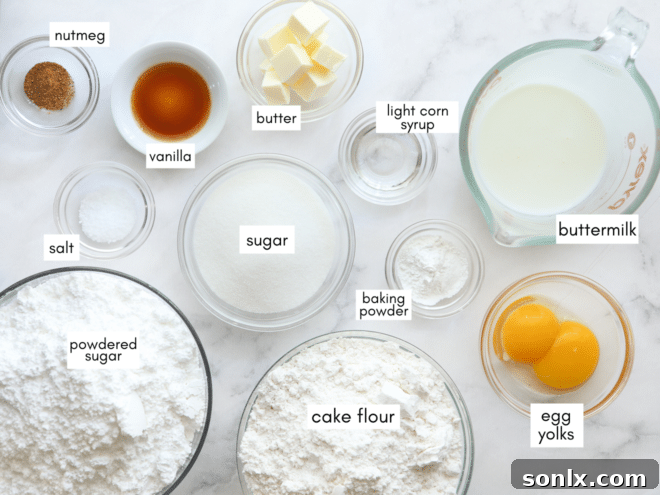
For the Doughnuts:
- Cake Flour: Essential for a tender crumb.
- Baking Powder: The primary leavening agent for that cake-like lift.
- Salt: Balances the sweetness and enhances flavor.
- Ground Nutmeg: A crucial ingredient for authentic old-fashioned flavor. Freshly grated is highly recommended for the best aroma.
- Granulated Sugar: For sweetness and texture.
- Unsalted Butter (cubed): Adds richness and moisture.
- Large Egg Yolks: Contributes to the tender texture and rich color without adding excess moisture from egg whites.
- Buttermilk: Provides tanginess and reacts with the baking powder.
- Canola or Vegetable Oil: For frying. Choose a neutral oil with a high smoke point.
For the Vanilla Glaze:
- Powdered Sugar (sifted): Forms the base of the smooth glaze. Sifting prevents lumps.
- Light Corn Syrup: Adds shine and prevents the glaze from becoming too brittle.
- Salt: A tiny pinch to balance the sweetness.
- Vanilla Extract: For classic vanilla flavor.
- Hot Water: To achieve the perfect glaze consistency.
Having all your ingredients measured and ready before you begin will make the entire process smoother and more enjoyable. This technique is often referred to as “mise en place” and is a hallmark of efficient baking!
Step-by-Step Guide to Making Homemade Buttermilk Doughnuts
Making delicious doughnuts at home involves a few distinct steps, but rest assured, each one is manageable and rewarding. Follow this guide carefully, and you’ll soon be enjoying your very own batch of homemade old-fashioned buttermilk doughnuts.
- Prepare the Dough: The Foundation of Flavor
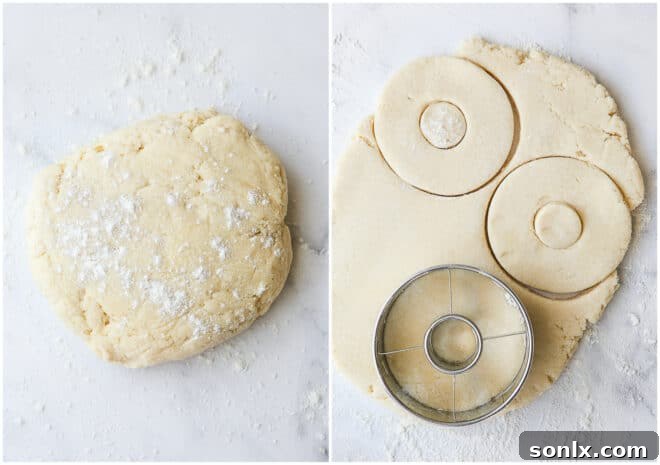
Start by combining your butter and granulated sugar. Beat them together until the mixture lightens in color and takes on a sandy, crumbly texture. This creaming process incorporates air, which contributes to the doughnut’s lightness. Next, add the egg yolks one at a time, beating well after each addition until the mixture is pale and creamy. In a separate bowl, sift your dry ingredients – cake flour, baking powder, salt, and nutmeg. Sifting ensures there are no lumps and helps distribute the leavening agents evenly. Gradually add the sifted dry ingredients to your wet mixture in three additions, alternating with the buttermilk. Begin and end with the dry ingredients, mixing just until the dough is uniform. It’s perfectly normal for the dough to be quite sticky at this stage; resist the urge to add more flour, as this can make your doughnuts tough.
- Chill and Rest: The Key to Handling
Once your dough is mixed, cover the bowl tightly with plastic wrap and transfer it to the refrigerator. Allow the dough to chill for at least 1 hour, or ideally, up to 24 hours. This crucial chilling period helps firm up the sticky dough, making it much easier to roll and cut. It also allows the flour to fully hydrate, contributing to a more tender final product.

- Roll and Cut: Shaping Your Doughnuts
When your dough is sufficiently chilled, generously flour your work surface. Turn the dough out and roll it to an even thickness of about 1/2-inch. Precision here helps ensure even cooking. Use a dedicated doughnut cutter for classic shapes, or if you don’t have one, two different-sized round cutters (one large for the doughnut and a smaller one for the hole) will work perfectly. Dip your cutters into flour as needed to prevent sticking, especially with sticky dough. Carefully transfer the cut doughnuts to a parchment-lined baking sheet.
- Fry the Doughnuts: Golden Perfection
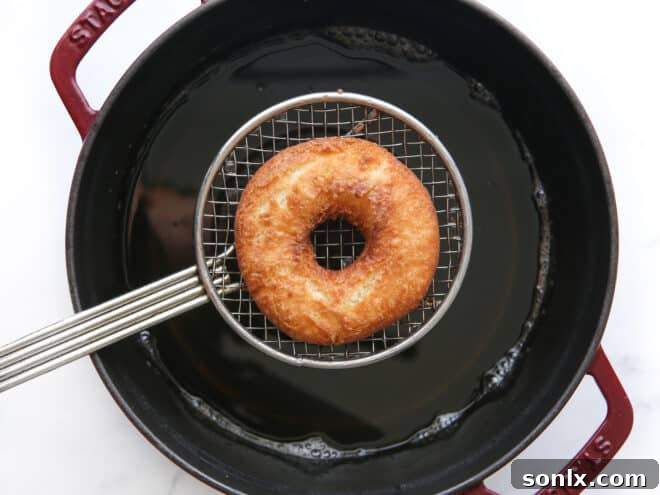
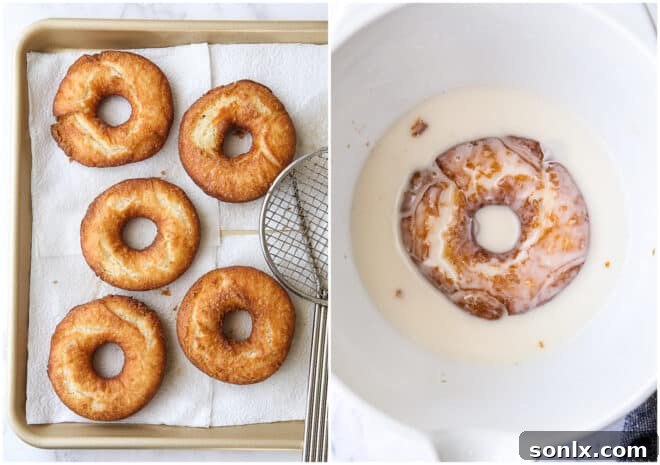
Heat a heavy-bottomed pot (like a Dutch oven) with at least 2-4 inches of canola or vegetable oil. Use a deep-fry thermometer to monitor the oil temperature, aiming for a steady 350°F (175°C). Maintaining the correct temperature is vital for well-cooked, non-greasy doughnuts. Once the oil is hot, carefully lower the doughnuts into the pot, frying in small batches to avoid overcrowding. Overcrowding will drop the oil temperature and lead to soggy doughnuts. Fry each side for about 2 minutes, or until they turn a beautiful golden brown. Doughnut holes will cook faster, typically around 1 minute per side. Use a slotted spoon or spider strainer to remove the fried doughnuts and place them on a wire rack lined with paper towels to drain excess oil.
- Glaze with Vanilla: The Sweet Finish
While the doughnuts are still warm (but not piping hot), prepare your vanilla glaze. In a bowl, whisk together powdered sugar, light corn syrup, vanilla extract, a pinch of salt, and hot water until you achieve a smooth, pourable consistency. The hot water helps the sugar dissolve and creates a wonderfully glossy glaze. Dip each doughnut into the glaze, flipping to coat both sides completely. Allow any excess glaze to drip off, then place the glazed doughnuts on a cooling rack set over a baking sheet. This setup helps catch drips and allows the glaze to set properly for about 10-20 minutes, giving them that beautiful, crisp shell.
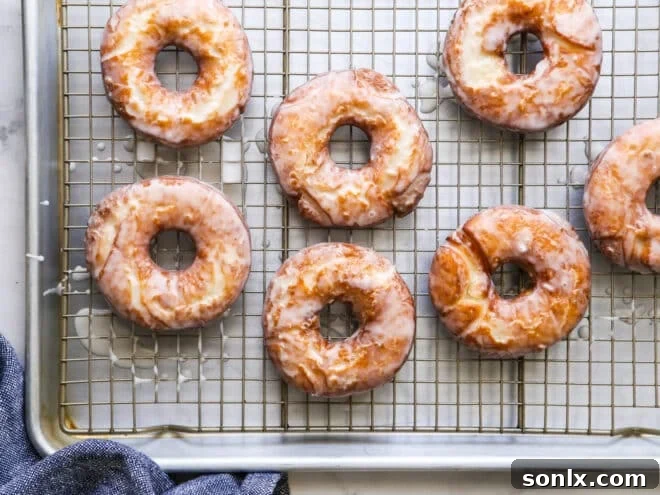
And there you have it! Freshly made, perfectly glazed old-fashioned buttermilk doughnuts, ready to be enjoyed. There’s truly nothing quite like the taste of a warm, homemade doughnut.
Mastering the Deep Fryer: Tips for Success
Deep frying can seem daunting, but with a few simple techniques, you can achieve perfect results safely and consistently. These tips are invaluable for any home cook looking to deep fry with confidence:
Baking Tip: Deep Frying Essentials
- Choose the Right Pot: Always use a heavy-bottomed pot, such as a Dutch oven. Its thick bottom distributes heat evenly and helps maintain a stable oil temperature, crucial for consistent frying.
- Generous Oil Depth: Ensure your pot contains at least 2-4 inches of oil. This allows your doughnuts to float freely and cook evenly without touching the bottom, which can lead to burning.
- Temperature is Key: A deep-fry thermometer is your best friend. It allows you to know the exact temperature of the oil, preventing guesswork and ensuring optimal frying conditions.
- Maintain Ideal Temperature: Aim to fry your doughnuts between 350-375°F (175-190°C), as specified in the recipe. Adjust the heat as needed to maintain this range. If the oil is too cool, your doughnuts will absorb too much oil, becoming greasy and heavy. If it’s too hot, they’ll burn on the outside before cooking through, resulting in a raw interior.
- Don’t Overcrowd the Pot: Fry your doughnuts in small batches. Crowding the pot will drastically lower the oil temperature, leading to undercooked or greasy doughnuts. Working in batches ensures consistent temperature and perfect results every time.
- Prioritize Safety: Always wear an apron to protect your clothing from splatters. Use a slotted spoon or spider strainer to carefully lower, flip, and remove doughnuts from the hot oil. Always keep children and pets away from the stovetop while frying.
- Proper Oil Disposal: Once you’re finished frying, turn off the heat and allow the oil to cool completely to room temperature. Never pour hot oil down the drain, as it can solidify and cause plumbing issues. Instead, pour the cooled oil through a funnel into a sturdy container with a secure lid and discard it with your regular trash. Alternatively, you can save and strain clean, cooled oil for future frying if it hasn’t been overheated or used excessively.
Expert Recipe Tips for Flawless Doughnuts
Even with a straightforward recipe, a few insider tips can make all the difference, transforming a good batch of doughnuts into a truly exceptional one:
- Buttermilk Substitute: If you find yourself without buttermilk, don’t fret! You can easily make a substitute. For 1/3 cup buttermilk, simply add 1 teaspoon of white vinegar or lemon juice to a measuring cup, then fill the rest of the way with regular milk (any fat percentage is fine) to reach the 1/3 cup mark. Let it sit for 5-10 minutes until it slightly curdles. While the recipe suggests increasing to 1/2 cup sour cream as an alternative, the milk-and-acid trick is often more convenient for the exact quantity needed.
- The Unsung Hero: Nutmeg: While technically optional, the addition of nutmeg is highly recommended. It provides a subtle, warm, and inviting aroma and flavor that is quintessential to old-fashioned doughnuts. It won’t overtly announce its presence, but its absence would certainly be noticed. For the absolute best flavor, use freshly grated nutmeg if possible; it offers a vibrancy that pre-ground varieties often lack.
- No Thermometer? No Problem (Almost): A deep-fry thermometer is ideal, but if you don’t have one, you can test the oil temperature with a small piece of dough or a doughnut hole. If it immediately sizzles and rises to the surface, the oil is ready. If it sinks and no bubbles appear, the oil is too cold. If it darkens too quickly, the oil is too hot. Adjust heat accordingly.
- Glazing Aid: For easier dipping and flipping of doughnuts in the glaze, a simple toothpick or a chopstick can be a remarkably handy tool. It provides better grip and prevents your fingers from getting too messy.
- Storage Best Practices: These old-fashioned buttermilk doughnuts are undeniably at their peak of freshness and flavor on the day they are made. The glaze is perfectly crisp, and the interior is tender. However, they will still keep well in an airtight container at room temperature for several days. To revive them slightly, a quick zap in the microwave for 10-15 seconds can soften them up.
- Re-emphasizing Oil Disposal: We mentioned this earlier, but it’s important enough to reiterate. Always ensure cooking oil has completely cooled to room temperature before handling. Pour it through a funnel into a container with a secure lid (an old milk jug or plastic bottle works well) and dispose of it in the trash. Never pour oil down your sink drain to avoid costly plumbing blockages and environmental harm.
Creative Serving and Storage Ideas
Once your old-fashioned buttermilk doughnuts are perfectly glazed and set, the real fun begins: enjoying them! Here are some ideas to make the most of your homemade treats:
Serving Suggestions:
- Classic Pairing: There’s nothing quite like a warm, freshly glazed doughnut with a cup of hot coffee, tea, or a cold glass of milk. The simple combination is pure comfort.
- Brunch Star: Serve them as part of a decadent weekend brunch spread. They pair wonderfully with fresh fruit, bacon, and eggs.
- Doughnut Sandwich: For an indulgent treat, slice a doughnut in half horizontally and fill it with a scoop of vanilla ice cream or a dollop of whipped cream and berries.
- Dessert Platter: Cut larger doughnuts into quarters and arrange them on a dessert platter for a crowd, alongside other sweet treats.
Enhancements and Variations:
While the vanilla glaze is classic, don’t hesitate to experiment:
- Chocolate Glaze: Melted chocolate or a cocoa powder-based glaze can transform these into a chocolate lover’s dream.
- Cinnamon Sugar: Instead of glazing, toss warm doughnuts in a bag with cinnamon sugar for a different, equally delicious coating.
- Sprinkles: Add colorful sprinkles to the wet glaze for a festive touch, especially if making them for a celebration.
- Citrus Zest: A little lemon or orange zest added to the vanilla glaze can provide a bright, zesty contrast.
Storage Tips for Freshness:
As mentioned, these doughnuts are truly best enjoyed on the day they are made. The glaze is at its crispest, and the crumb is most tender. However, if you have leftovers:
- Airtight Container: Store them in an airtight container at room temperature for up to 2-3 days. This prevents them from drying out too quickly.
- Avoid Refrigeration: Refrigerating doughnuts can actually make them stale faster and toughen their texture, so it’s generally not recommended for these cake doughnuts.
- Quick Refresh: If they’ve lost a bit of their initial softness, a brief warming in the microwave (about 10-15 seconds) can work wonders, making them slightly warm and tender again.
Embrace the joy of homemade baking and experiment with these delightful old-fashioned buttermilk doughnuts!
More Doughnut Recipes to Explore
If you’ve enjoyed making these old-fashioned buttermilk doughnuts and are eager to expand your doughnut-making repertoire, here are a few other delicious recipes to consider trying:
- Yeast-Raised Doughnuts: Dive into the world of airy, chewy yeast doughnuts with this versatile recipe.
- Sourdough Apple Fritters: A delightful twist, these fritters combine tangy sourdough with sweet apples for a uniquely flavorful fried treat.
- Lemon Cinnamon-Sugar Doughnut Holes: For a smaller, bite-sized indulgence with a bright citrusy kick, these doughnut holes are perfect.
Old-Fashioned Buttermilk Doughnuts: Full Recipe

Old-Fashioned Buttermilk Doughnuts
Servings: 8 doughnuts
Prep Time: 15 minutes
Cook Time: 15 minutes
Chill Time: 1 hour
Total Time: 1 hour 30 minutes
Homemade doughnuts with a doughnut shop taste!
Ingredients
For the Doughnuts:
- 2 ¼ cup (225 grams) cake flour
- 1 ½ teaspoon baking powder
- 1 teaspoon salt
- ½ teaspoon ground nutmeg (freshly grated/ground preferred)
- ½ cup (100 grams) granulated sugar
- 2 tablespoons unsalted butter, cubed
- 2 large egg yolks
- ⅓ cup (80 ml) buttermilk
- Canola or vegetable oil, for frying
For the Vanilla Glaze:
- 3 ½ cup (350 grams) powdered sugar, sifted
- 1 ½ teaspoon light corn syrup
- ¼ teaspoon salt
- ½ teaspoon vanilla extract
- ⅓ cup (80 ml) hot water
Equipment
Electric mixer
Doughnut cutter or biscuit cutter
Heavy-bottomed pot
Candy/deep fry thermometer
Instructions
To make the doughnuts:
- In a bowl, sift together the cake flour, baking powder, salt, and nutmeg.
- In the bowl of a stand mixer fitted with a paddle attachment, beat the butter and sugar together until the mixture resembles coarse wet sand. Add the egg yolks and mix until thick and pale yellow in color, about 3-4 minutes.
- Add the flour mixture to the bowl in 3 additions, alternating with the buttermilk, starting and ending with the dry ingredients. Scrape the sides of the bowl down as necessary. The dough will be sticky.
- Cover with plastic wrap and chill for 1 hour and up to 24 hours.
- On a generously floured surface, roll out the chilled dough to about ½ inch thick. Use a doughnut cutter or two differently sized round cutters to cut out 3-4 inch doughnuts, dipping the cutters into flour as necessary to prevent sticking.
- Pour the oil into a heavy-bottomed pot to at least 2-4 inches deep. Insert a thermometer and heat to 350°F (175°C) over medium-high heat.
- Add the doughnuts to the heated oil a few at a time, being careful not to overcrowd the pot. Fry on each side for about 2 minutes until golden brown, monitoring to ensure they don’t burn. Doughnut holes will fry about 1 minute on each side.
- Remove with a slotted spoon and set on paper towels to drain.
- Fry the remaining doughnuts, adjusting heat as needed to maintain 350°F (175°C).
To make the glaze:
- Mix all glaze ingredients in a bowl with a whisk until smooth.
- Dip each warm doughnut into the glaze, flipping to cover both sides completely.
- Place the glazed doughnuts on a wire rack above a sheet pan to catch any excess glaze. Let sit for 10-20 minutes until the glaze is set.
- Doughnuts are best the day they are made but will keep in an airtight container at room temperature for a few days.
Notes
- The addition of nutmeg adds something extra to these doughnuts. You can leave it out, but it’s highly recommended for authentic flavor. Freshly ground nutmeg is preferred.
- If you have a larger stand mixer, mixing the small amounts of butter and sugar can be difficult as the paddle might not reach effectively. In this case, you can perform this step by hand with a fork, mashing the butter and sugar together until coarse and sandy.
Recipe adapted from Top Pot Hand-Forged Doughnuts.
Nutrition Facts (per doughnut)
Calories: 288kcal, Carbohydrates: 62g, Protein: 4g, Fat: 3g, Saturated Fat: 2g, Cholesterol: 38mg, Sodium: 253mg, Potassium: 86mg, Fiber: 1g, Sugar: 44g, Vitamin A: 113IU, Calcium: 37mg, Iron: 1mg
Cuisine: American
Course: Breakfast, Dessert
Author: Annalise Sandberg
Have you tried this recipe?
I’d love to hear about it! Leave a rating and review below, or take a photo and tag it on Instagram @completelydelicious with #completelydelicious.
This recipe was originally published in 2012. Photos have been updated, and slight improvements to the recipe have been made for an even better baking experience.