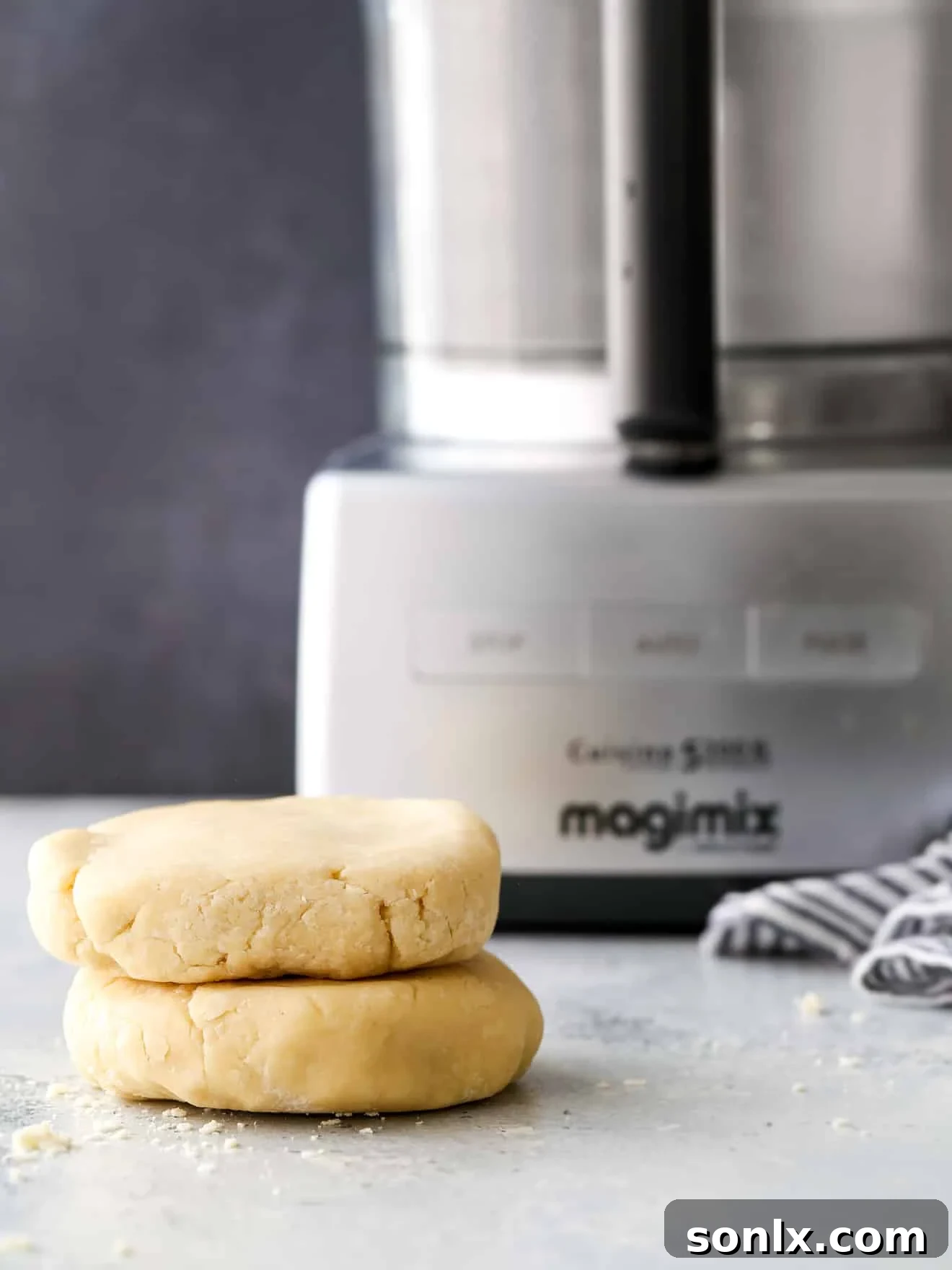
Creating a perfectly flaky, irresistibly tender, and utterly delicious pie crust doesn’t have to be an arduous task. Forget the traditional methods that can be time-consuming and messy. This guide will show you how to master the art of making an exceptional pie crust right in your food processor, making homemade pie more accessible than ever before!
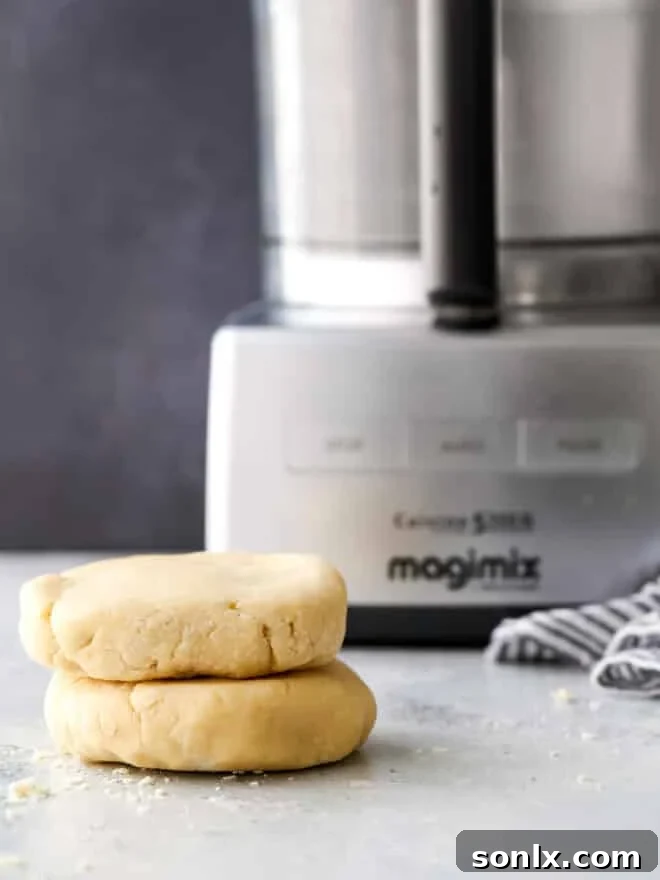
There are days when the thought of preparing pie crust from scratch feels daunting. The meticulous cutting of butter by hand, the careful mixing to avoid overworking the dough, the inevitable mess – it can all feel like too much. That’s precisely why the food processor becomes your ultimate kitchen savior!
This innovative pie dough method not only dramatically cuts down on preparation time and effort but consistently delivers a beautifully flaky, rich, all-butter double pie crust. Once you experience the convenience and superior results of this technique, it’s highly probable it will become your preferred way to make homemade pie crust. Many home bakers, including myself, have adopted this method as their go-to for its reliability and ease.
Table of Contents
- Why a Food Processor for Pie Crust?
- Essential Ingredients for Perfect Pie Crust
- Step-by-Step: How to Make Pie Crust in a Food Processor
- Expert Tips and FAQs for Food Processor Pie Crust
- Delicious Pie Recipes to Try with Your New Crust
- More Pie Baking Resources
- Food Processor Pie Crust Recipe
Still not convinced? Hear what fellow bakers are saying about this incredibly easy food processor pie crust:
“I never thought I could make a good pie crust until I tried this! It’s the easiest, tastiest way to get perfect dough. My first chicken pot pie was a huge success. Thank you! ⭐⭐⭐⭐⭐” —Barbara J.
“Absolutely perfect crust every single time. At 70, I’ve tried countless recipes, and this is by far the easiest and most reliable one I’ve ever used. Goodbye to store-bought, refrigerated crusts! ⭐⭐⭐⭐⭐” —Arliene
“For the first time, I actually made a pie crust I’m truly proud of! No mess, no fuss, and a perfect pie at the end. This recipe is a keeper forever! ⭐⭐⭐⭐⭐” —Elisa
Why a Food Processor for Pie Crust?
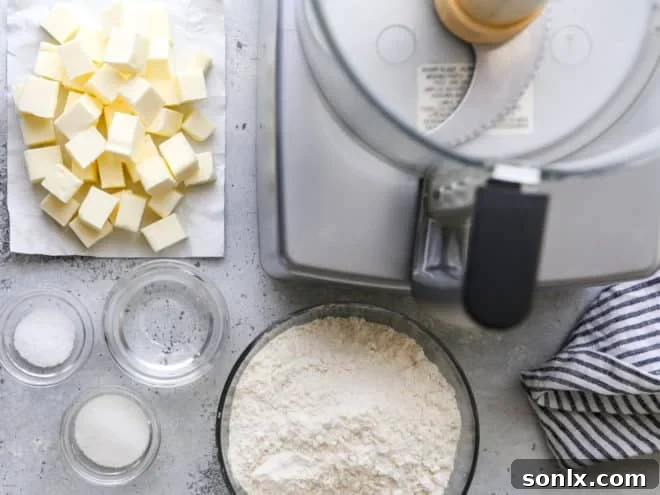
Traditional pie crust methods often involve cutting cold butter into flour by hand or with a pastry blender, a process that can be messy, strenuous, and prone to overworking the dough if not done quickly. The beauty of using a food processor lies in its ability to accomplish this task rapidly and efficiently, keeping the butter cold and minimizing gluten development. This results in an incredibly flaky and tender crust with minimal effort. It’s the perfect solution for busy bakers or anyone looking for a more streamlined approach to homemade pastry.
Essential Ingredients for Perfect Pie Crust
Achieving a truly remarkable pie crust starts with high-quality ingredients and understanding their role. Here’s what you’ll need for this foolproof recipe:
- All-Purpose Flour: The foundation of our crust. It provides the structure and texture. Ensure you measure it correctly (using the “spoon and sweep” method) to avoid a dense or dry dough.
- Butter: This is key for flavor and flakiness. I often use salted butter for an enhanced flavor profile, but unsalted butter works perfectly fine. The most crucial aspect is that your butter must be ice-cold and cut into cubes. Cold butter creates pockets of steam in the oven, leading to those coveted flaky layers.
- Granulated Sugar: Optional, but highly recommended for dessert pies. A touch of sugar adds a subtle sweetness and helps with browning, contributing to a more appealing golden crust. For savory pies, you can omit it.
- Salt: Essential for balancing flavors and enhancing the taste of both sweet and savory fillings. Don’t skip it!
- Ice Water: The binding agent for the dough. Just like the butter, the water must be ice-cold. This keeps the butter firm and prevents the dough from becoming tough by limiting gluten development. If you’re feeling adventurous or want to explore other flavors, consider using buttermilk for an incredibly tender crust, like my famous buttermilk pie crust recipe.
- A Food Processor: This is the star of our show! This recipe is specifically formulated for use with a food processor. If you prefer a traditional, hands-on approach, you might explore my foolproof flaky pie crust recipe instead. A 10-cup food processor is ideal for this recipe, allowing ample space for ingredients to combine evenly. However, you can often manage with a slightly smaller model if that’s what you have.
With these simple ingredients and your trusty food processor ready, let’s dive into making the easiest, flakiest pie crust you’ve ever had!
Step-by-Step: How to Make Pie Crust in a Food Processor
Follow these easy steps to create a perfect pie crust that’s ready for your favorite fillings:
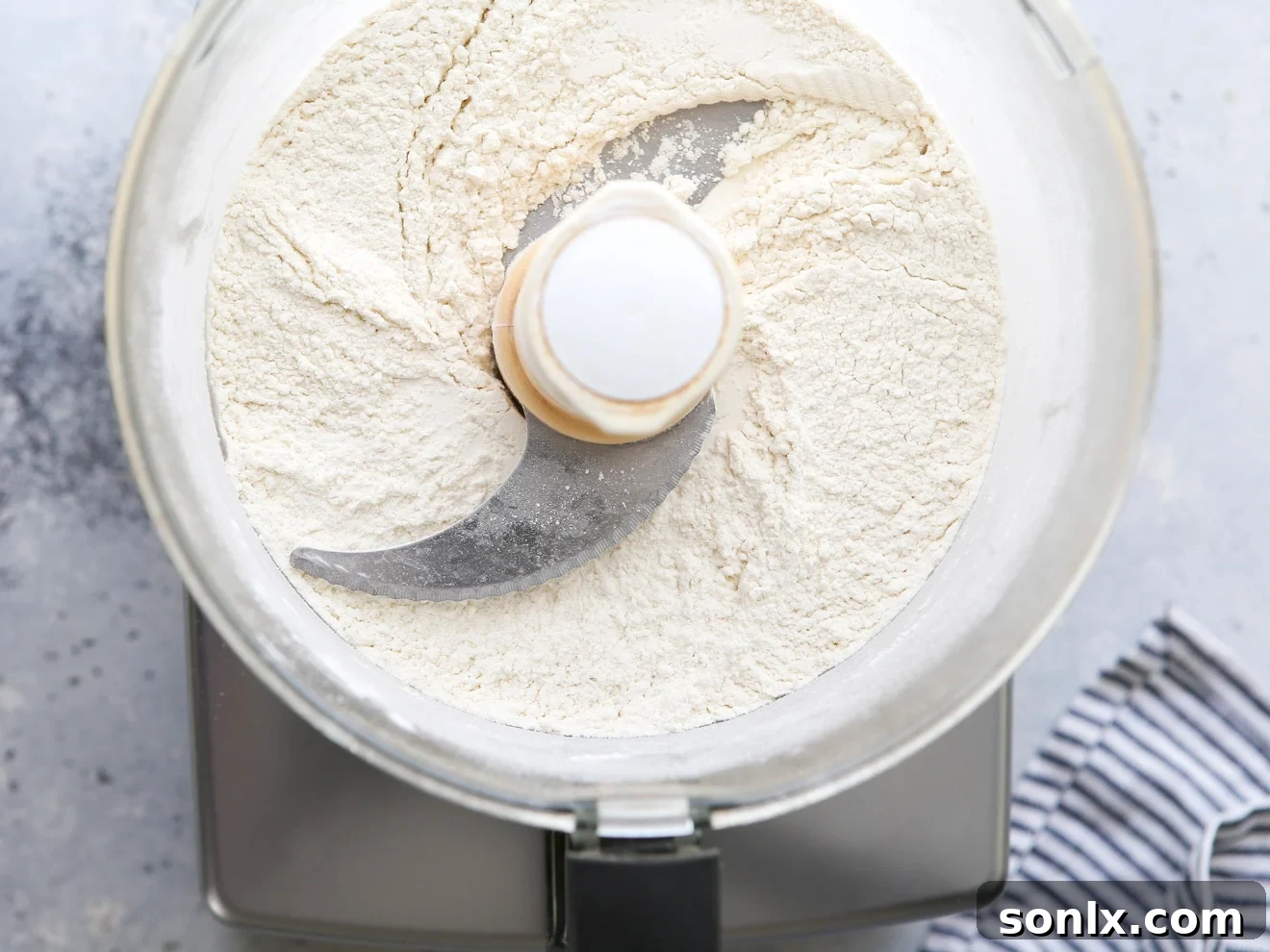
- Combine Dry Ingredients: Place the all-purpose flour, salt, and granulated sugar (if you’re using it for a sweet pie) into the bowl of your large food processor, fitted with the standard S-shaped metal blade. Pulse a few times – usually 3-5 quick pulses – just until these ingredients are well combined and evenly distributed. This ensures all the dry components are mixed before the butter is added.

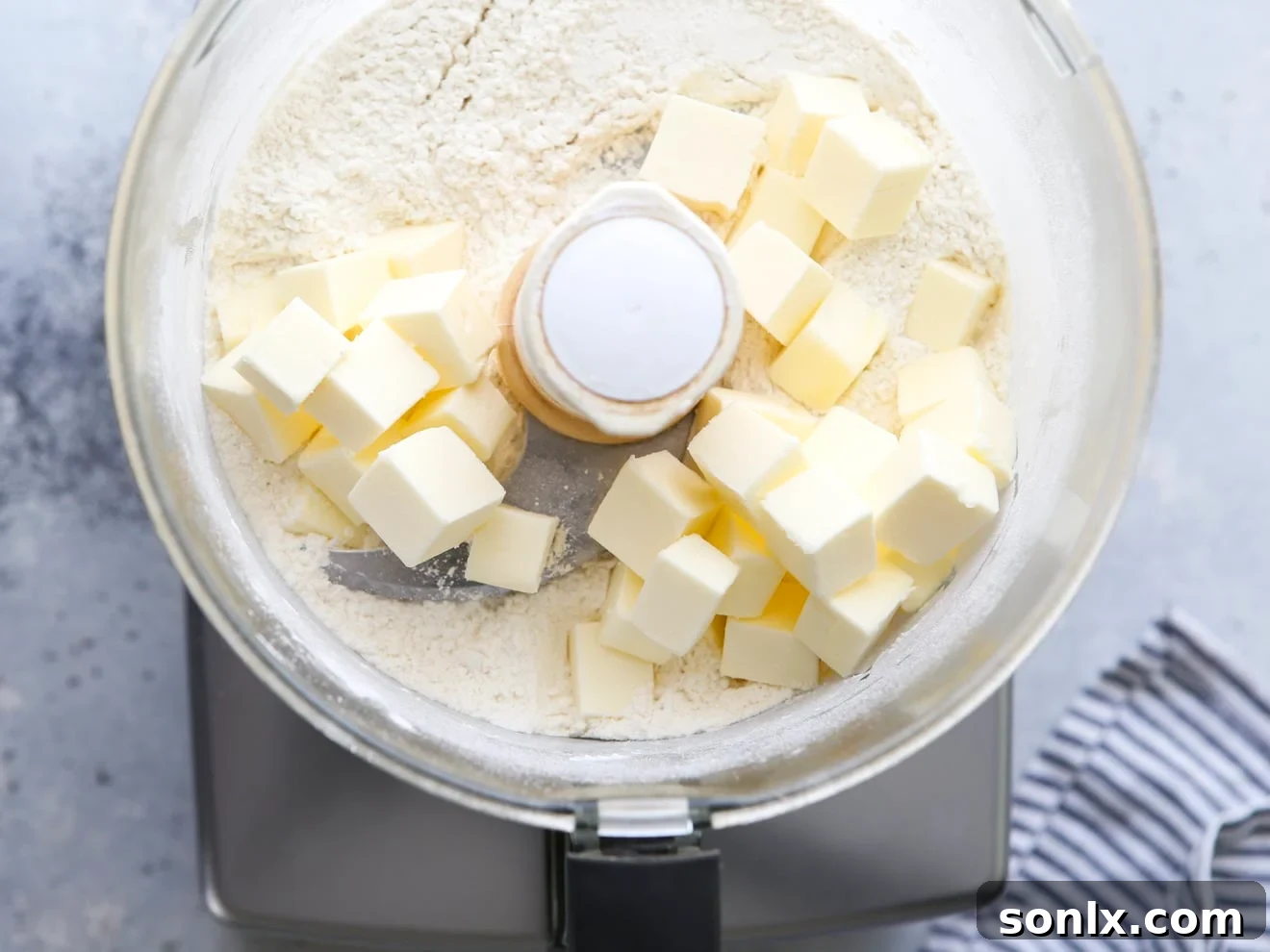
- Incorporate the Cold Butter: Add the cubed, ice-cold butter directly into the dry ingredients in the food processor. Pulse the mixture 3-5 times in quick bursts. The goal is to break down the butter until the largest pieces are roughly the size of large peas, with smaller pieces resembling coarse meal. It’s perfectly fine to have some slightly larger butter chunks; these will melt during baking and contribute to extreme flakiness. Avoid over-processing at this stage, as the butter will be further broken down when the liquid is added.
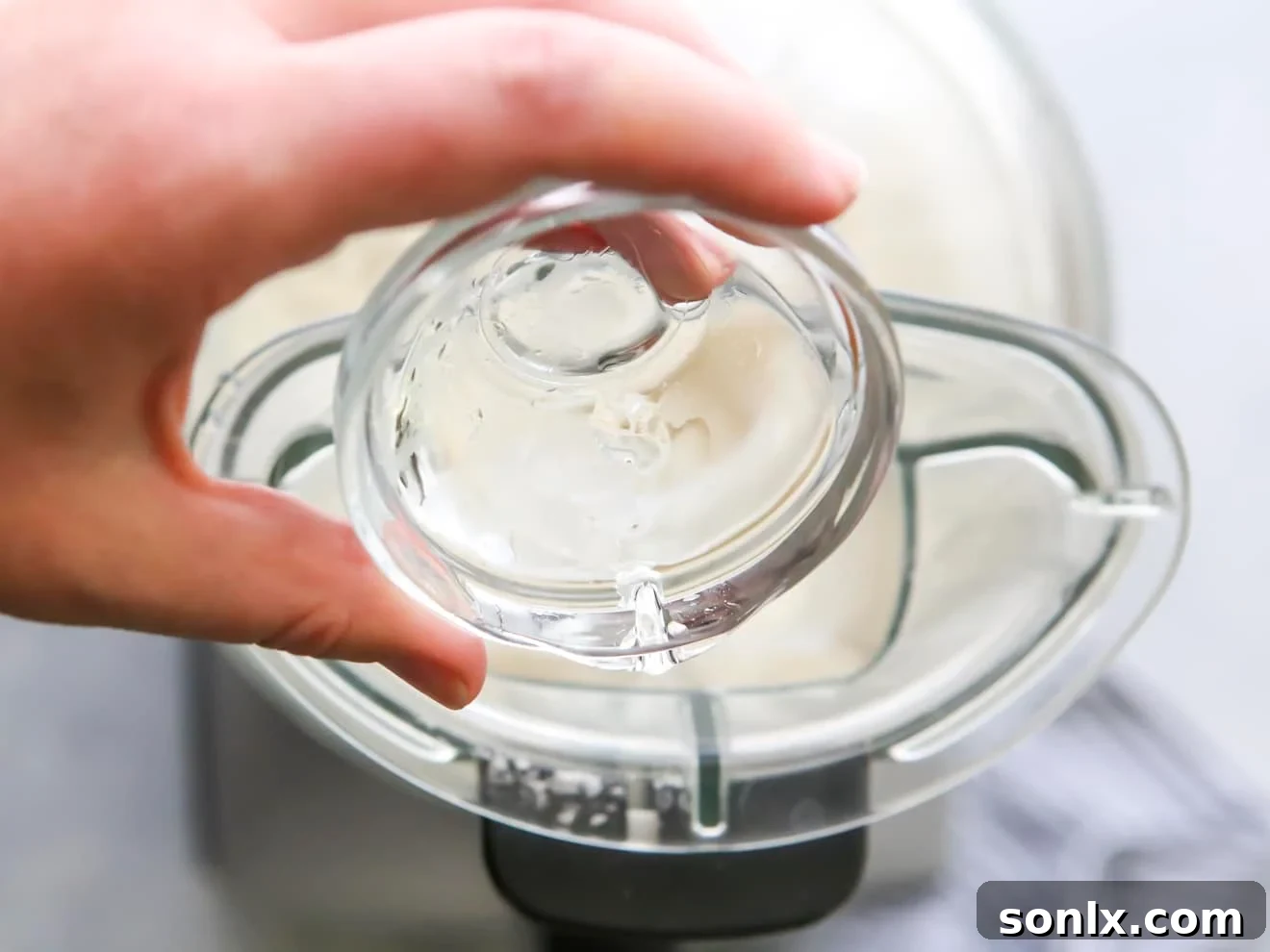
- Add the Ice Water: With the food processor running, gradually pour the ice-cold water through the feed tube. It’s important to add the water steadily to ensure it distributes evenly. The machine should run for only a few seconds after all the liquid has been added. You’ll notice a change in the sound of the food processor as the dough starts to come together.
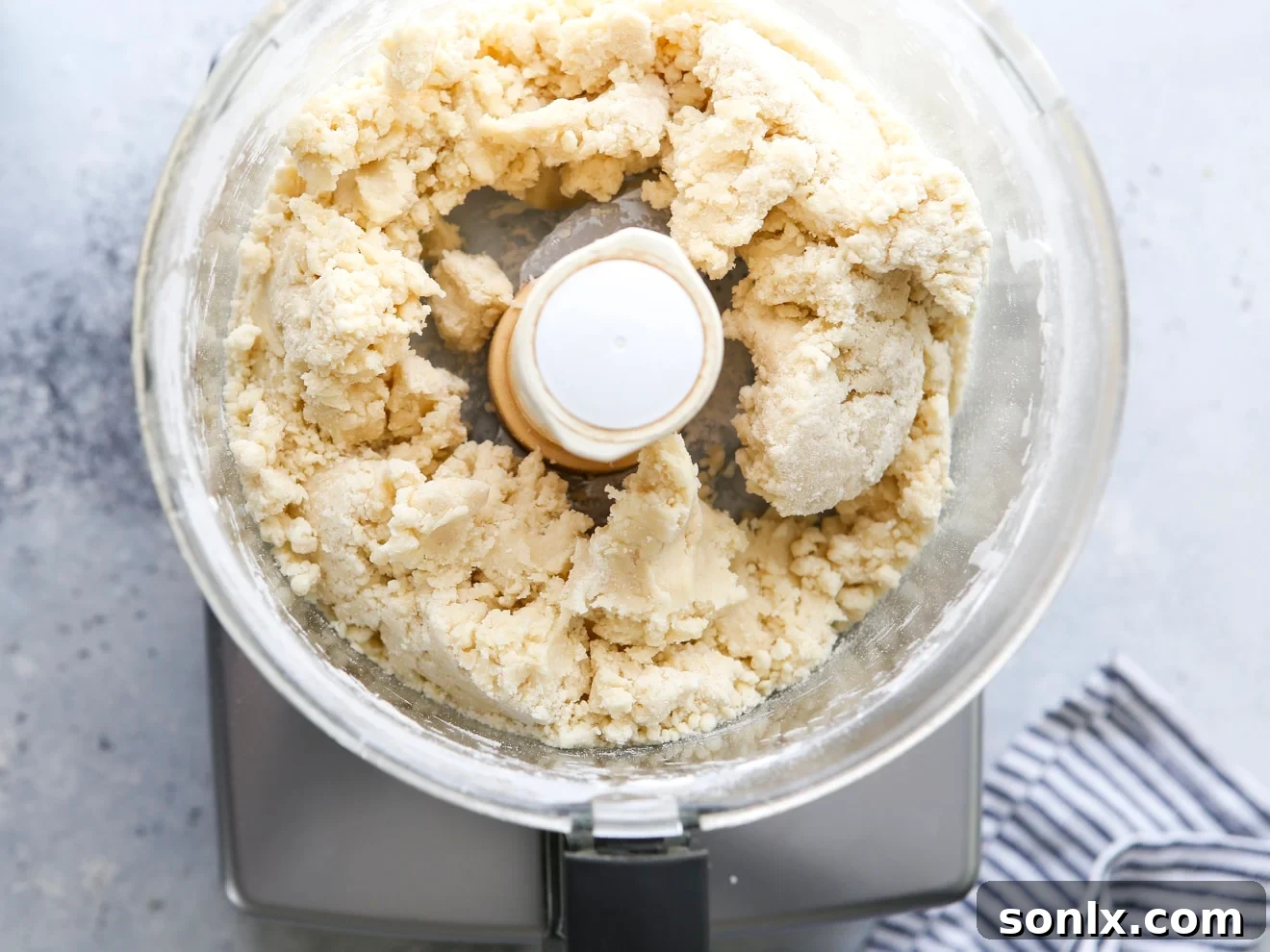
- Process Until Just Combined: After adding all the liquid, let the food processor run for just a few more seconds – typically less than 10 seconds in total for this step. The mixture should begin to clump together, forming pea-sized aggregates and some larger, shaggy clumps. The sound of the food processor will deepen and become somewhat louder as the dough starts to gather.
- Critical: Do Not Overmix! This is perhaps the most vital step. The dough should absolutely NOT form a complete ball in the food processor. Overmixing develops too much gluten, which leads to a tough, chewy crust instead of a tender, flaky one. The dough will look somewhat loose and crumbly, but when you pinch a piece between your fingers, it should hold together easily. Refer to the accompanying photos for a visual guide.
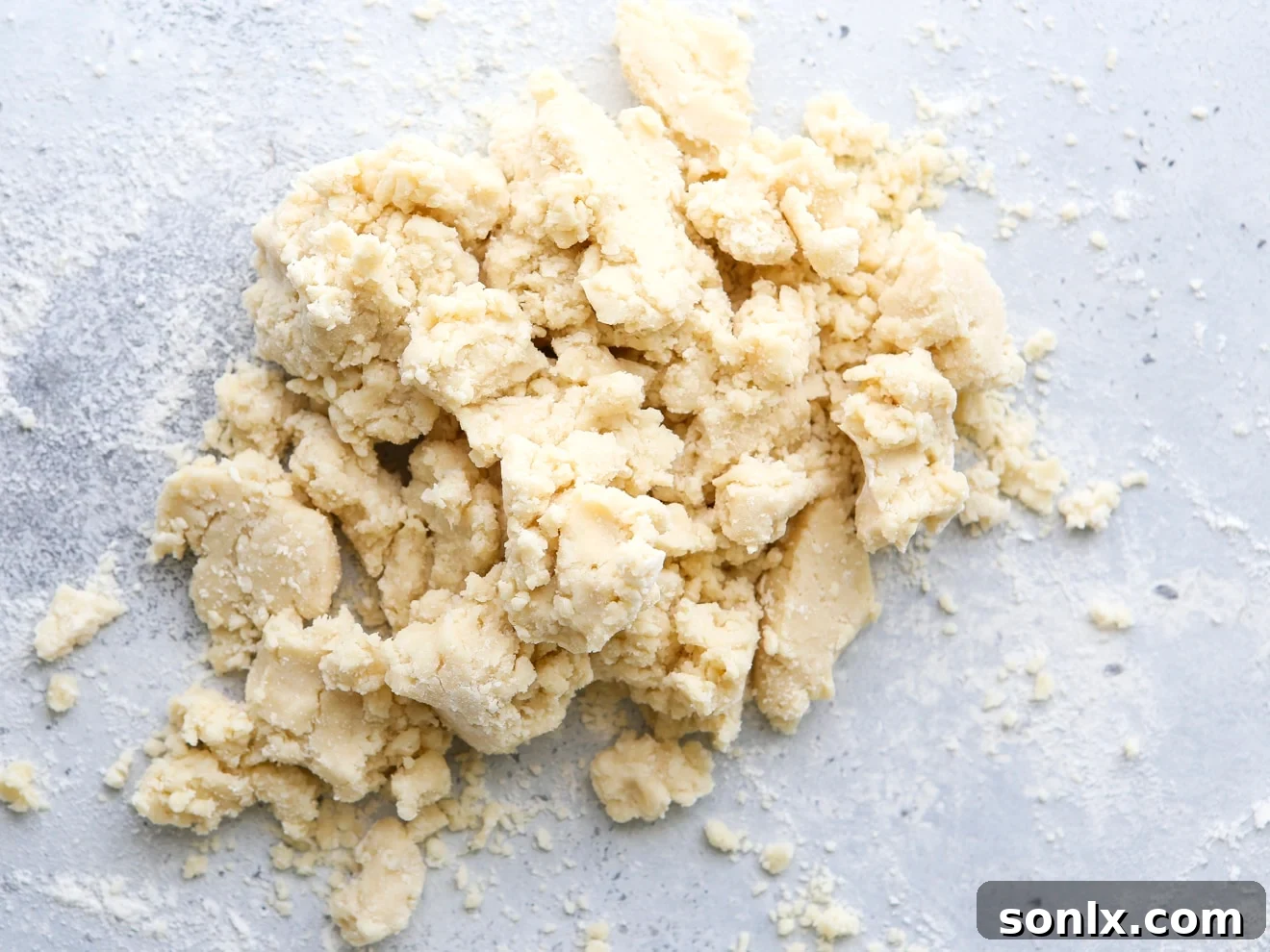
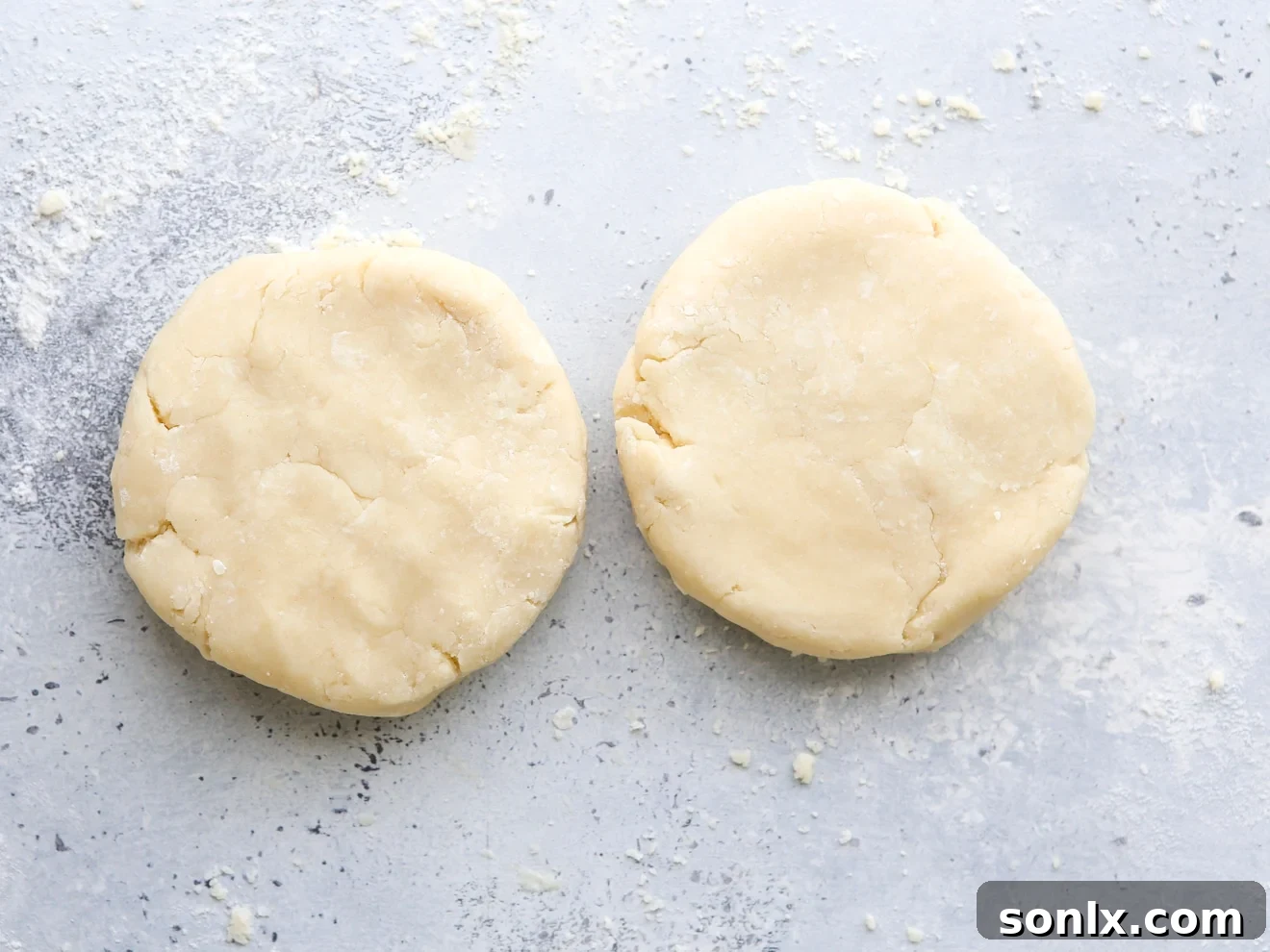
- Form into Disks: Gently transfer the crumbly dough onto a clean, lightly floured work surface. Using your hands, quickly gather the dough and divide it into two equal portions. Form each portion into a flat disk. Avoid kneading the dough excessively; simply press it together until it holds its shape. If the dough seems too dry and won’t come together, sprinkle an additional tablespoon of ice water over it, one tablespoon at a time, and continue to gently press until it forms a cohesive disk.
- Chill the Dough: Wrap each disk tightly in plastic wrap. The dough must chill in the refrigerator for a minimum of 1-2 hours. This resting period is crucial; it allows the gluten to relax, the butter to firm up, and the moisture to evenly distribute, resulting in a more manageable dough that is easier to roll out and produces a flakier crust. You can store the chilled dough in the fridge for 3-5 days or freeze it for up to 2 months.
Expert Tips and FAQs for Food Processor Pie Crust
To ensure your pie crust turns out perfect every time, keep these tips and answers to common questions in mind:
For optimal results and ease of blending, I highly recommend using a 10-cup food processor or larger. While you might be able to manage with a smaller one, a larger capacity ensures all ingredients are processed evenly without overcrowding, which can lead to uneven butter distribution or overmixing. My personal favorite is the Magimix food processor, which has served me well for years. Alternatively, Cuisinart offers excellent options, and for a more budget-friendly yet reliable choice, consider models from Hamilton Beach. *Affiliate links help support this site.
Always use the standard S-shaped multi-purpose blade that comes with your food processor. This blade is designed for chopping, mixing, and blending, making it ideal for cutting butter into flour quickly and efficiently.
The most common reason for sticky dough is adding too much liquid. It’s crucial to trust the process: the dough will look crumbly and appear too dry after adding the initial ⅓ cup of water, but it will come together as you gently work it with your hands. Another possibility is that the dough has become too warm, causing the butter to soften. Always start with very cold cubed butter and work quickly. If your dough feels warm at any point, simply wrap it in plastic and refrigerate it for 15-20 minutes to firm up the butter again.
If, after forming the dough into disks by hand, it still won’t hold together, it indicates a lack of moisture. You can rectify this by sprinkling additional ice water over the dough, one tablespoon at a time, and continuing to gently press it together. Crucially, avoid adding extra liquid during the food processor steps, as it’s very easy to add more than needed and end up with sticky dough. Only add more water by hand as a last resort. Also, ensure your flour is measured correctly; too much flour can lead to an excessively dry dough. Learn how to measure flour correctly for best results.
Once formed into disks and wrapped tightly in plastic wrap, pie crust can be stored in the refrigerator for up to 5 days, though I find it’s best used within 3 days for optimal freshness and texture. For longer storage, you can freeze pie crust for a few months or even more. When freezing, double-wrap the disks in plastic wrap and then place them in a freezer-safe bag to prevent freezer burn. When you’re ready to use frozen dough, simply transfer it to the refrigerator overnight to thaw gradually.
This recipe is specifically developed for an all-butter pie crust, which yields a rich flavor and beautiful flakiness. While you can substitute some or all of the butter with vegetable shortening or lard for different textures (often resulting in a very tender and crumbly crust), the amount of liquid needed might vary, and the flavor profile will change. If experimenting, start with slightly less liquid and add more as needed.
Once chilled, your dough will be firm. Let it sit at room temperature for about 10-15 minutes to soften slightly, making it easier to roll without cracking. Lightly flour your work surface and rolling pin. Roll from the center outwards, rotating the dough frequently to prevent sticking and to create an even circle. If the dough starts to stick, add a tiny bit more flour. If it becomes too warm and soft, pop it back into the fridge for 10 minutes to firm up again before continuing.
Delicious Pie Recipes to Try With Your New Crust
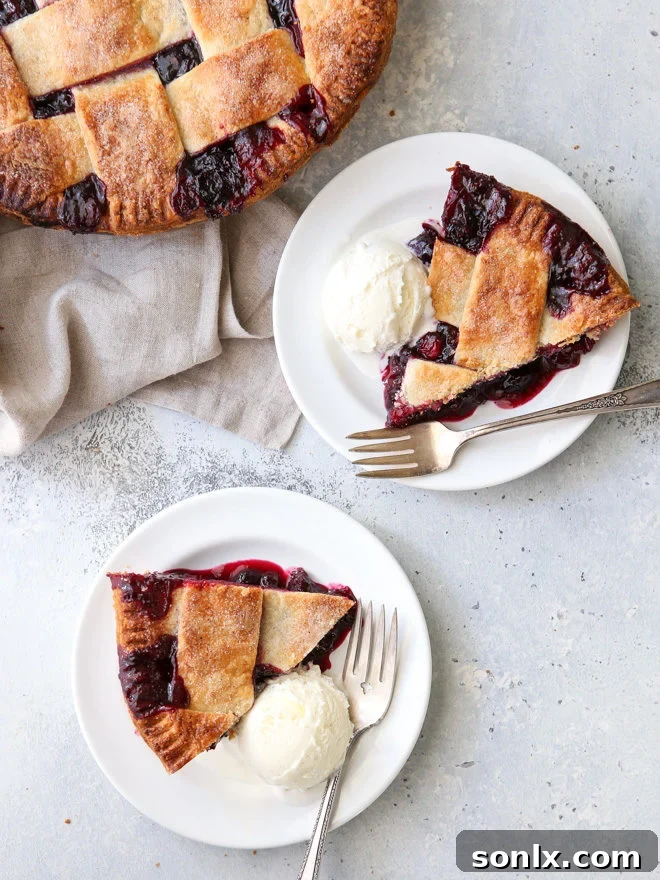
Now that you’ve mastered the art of making a flawless pie crust, it’s time to fill it with something truly spectacular. This versatile all-butter crust is the perfect foundation for a wide array of sweet and savory pies. Here are some of my all-time favorite pie recipes that pair wonderfully with this food processor crust:
- Cranberry Blueberry Pie: A perfect balance of sweet and tart, ideal for any season.
- Mile High Apple Pie: Classic comfort food with a towering filling and aromatic spices.
- Sweet Cherry Pie: A vibrant, juicy pie bursting with fresh cherry flavor.
- Strawberry Rhubarb Pie: The quintessential spring dessert, offering a delightful tang.
- Classic Pumpkin Pie: A holiday staple, rich and creamy with warm spices.
More Pie Baking Resources
Looking to elevate your pie-making skills even further? Explore these helpful resources for additional tips and tools that will make you a pie-baking pro:
- Top tips for baking pies: Essential advice for achieving perfect results, from blind baking to preventing soggy bottoms.
- My favorite pie tools: A curated list of equipment that makes pie baking easier and more enjoyable.
Food Processor Pie Crust Recipe

How to Make Pie Crust in a Food Processor
2 pie crusts
10 mins
1 hr
1 hr 10 mins
Ingredients
- 2 ½ cups (300 grams) all-purpose flour, measured with “spoon and sweep method”
- 1 tablespoon granulated sugar (optional, for sweet pies)
- 1 teaspoon salt
- 1 cup (226 grams) unsalted butter, cold and cubed
- ⅓ cup (75 grams) ice cold water
Equipment
Instructions
- Put the flour, sugar (if using), and salt in a large food processor fitted with the metal blade and pulse a few times to combine.
- Add the cubed butter and quick pulse 3-5 times until butter is broken up and the smallest pieces are the size of large peas. It’s okay if you still have some larger pieces, as these contribute to flakiness.
- Begin to gradually add ⅓ cup of ice-cold water through the top feed tube. Continue pouring while running the food processor until all the water has been added and the mixture begins to come together (you’ll notice a change in the sound). Stop processing before it forms a complete ball. The mixture should look crumbly but hold together when pinched. This entire step should take less than 10 seconds.
- Turn the dough out onto a clean, lightly floured surface. Divide it into two equal portions and use your hands to gently form each portion into a flat disk. If the dough is too crumbly to come together, sprinkle 1 tablespoon of ice water at a time over the dough, pressing gently until it forms a cohesive disk.
- Once formed into disks, wrap each tightly in plastic wrap and chill in the fridge for at least 1-2 hours and up to 3-5 days. For longer storage, pie crust freezes very well for up to 2 months. Double-wrap in plastic wrap to prevent freezer burn, and thaw overnight in the fridge before using.
- Use your perfectly flaky pie crust as desired with your favorite pie recipes.
Notes
- This recipe makes two 9-inch pie crusts, enough for two single-crust pies or one double-crust pie.
- Explore more pie crust recipes: For a more traditional, hands-on approach, check out my tutorial on how to make the flakiest pie crust. You can also find my buttermilk pie crust variation here, which is my absolute favorite for fruit pies!
- This food processor method has been tested primarily with traditional all-butter pie crusts. Using other fats or altering the recipe significantly may yield different results.
American
Dessert
Annalise Sandberg
Note: This tutorial was originally published in 2020. While the core recipe and method remain consistent, the instructions and tips have been significantly expanded and improved for enhanced clarity and comprehensive guidance, ensuring you achieve the best results with your food processor pie crust.