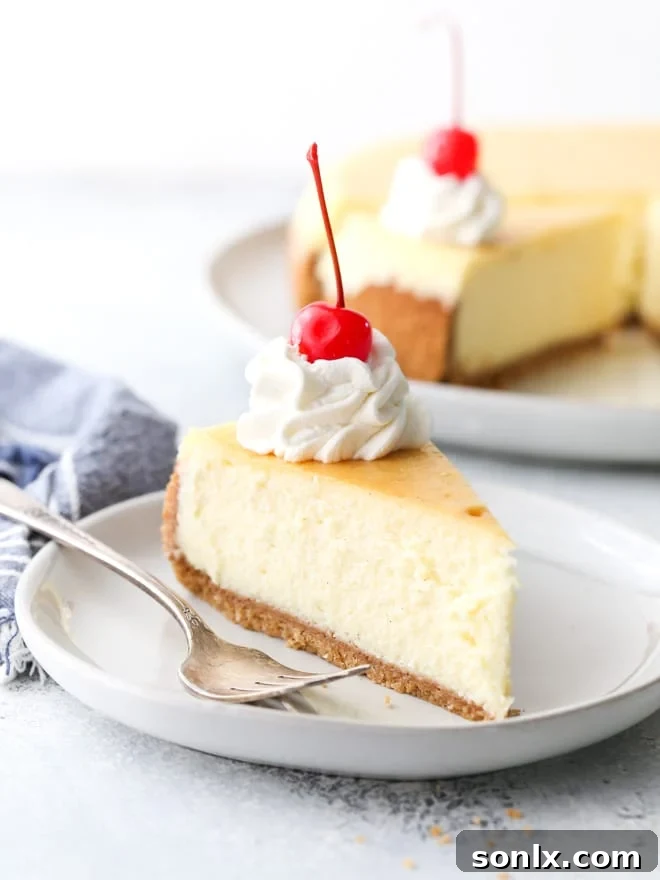
Achieving that perfectly smooth, crack-free, and sumptuously creamy cheesecake is the dream of every baker. Many believe it’s a difficult feat, often resulting in disappointing cracks or uneven textures. However, the secret weapon to consistently perfect cheesecake lies in a simple, yet incredibly effective technique: the water bath. This method might sound intimidating, but it’s remarkably easy and promises to elevate your cheesecake baking from good to extraordinary. In this comprehensive guide, we’ll demystify the water bath, explore its benefits, equip you with the right materials, and walk you through a foolproof process to ensure your cheesecake emerges from the oven looking and tasting divine.
Mastering the Water Bath: Your Ultimate Guide to Perfect, Crack-Free Cheesecake
Baking a cheesecake often comes with the fear of unsightly cracks and a dry texture. The solution, used by professional bakers for centuries, is the water bath—also known as a bain-marie. This gentle baking method creates a moist, even-temperature environment in your oven, crucial for delicate desserts like cheesecake that rely on the slow, even coagulation of eggs. Without a water bath, the harsh, dry heat of a conventional oven can cause the cheesecake to bake too quickly around the edges while the center remains undercooked, leading to expansion and contraction that inevitably results in cracks. Embrace this simple technique, and you’ll unlock the secret to cheesecakes that are not only delicious but also visually flawless.
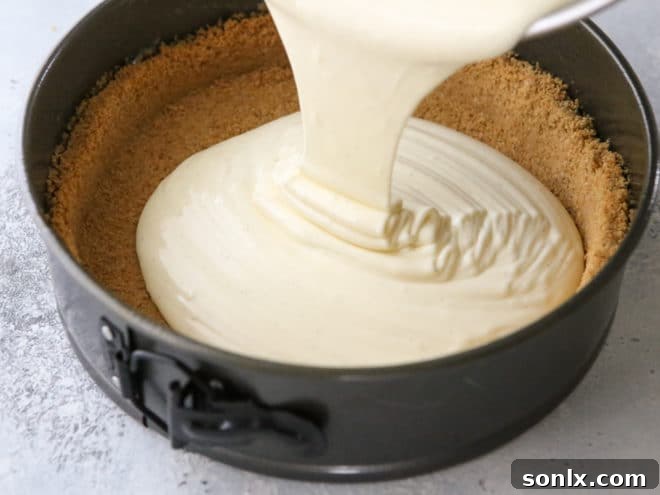
Table of Contents
- What Exactly is a Water Bath?
- Unlocking the Benefits: Why Use a Water Bath for Cheesecake?
- Essential Materials You’ll Need for a Water Bath
- Step-by-Step Guide: How to Make an Easy Water Bath for Cheesecake
- Troubleshooting: What if My Cheesecake Still Cracks?
- Beyond the Basics: Expert Tips for Cheesecake Perfection
- Irresistible Cheesecake Recipes to Try
What Exactly is a Water Bath?
At its core, a water bath (or bain-marie) is a method of baking or cooking food in a container that is placed within a larger pan of hot water. This larger pan, often a roasting pan, then goes into the oven. The concept is quite straightforward: your cheesecake pan sits submerged partially in hot water, creating a buffer that shields the delicate dessert from the direct, intense heat of the oven. This indirect heat transfer is what makes all the difference.
Imagine the dry, circulating air in a conventional oven. For a robust roast chicken, this is perfect. But for something as delicate and egg-rich as a cheesecake, it can be detrimental. The high heat can cause the exterior of the cheesecake to bake and set too quickly, while the interior is still expanding. This uneven cooking creates tension within the custard, leading to those unwelcome cracks across the surface as it cools and contracts. A water bath acts like a mini-steamer, ensuring a consistently moist and temperate environment. The water can only reach a certain temperature (its boiling point), which means the cheesecake is cooked gently and evenly, allowing the egg proteins to set gradually and smoothly. This technique is not exclusive to cheesecakes; it’s also commonly used for other custard-based desserts like crème brûlée, flans, and even certain savory pâtés, all of which benefit from a tender, uniform texture.
Unlocking the Benefits: Why Use a Water Bath for Cheesecake?
The advantages of using a water bath for your cheesecake extend far beyond simply preventing cracks. This seemingly small step has a profound impact on the overall quality of your finished dessert, transforming it into a truly professional-grade treat.
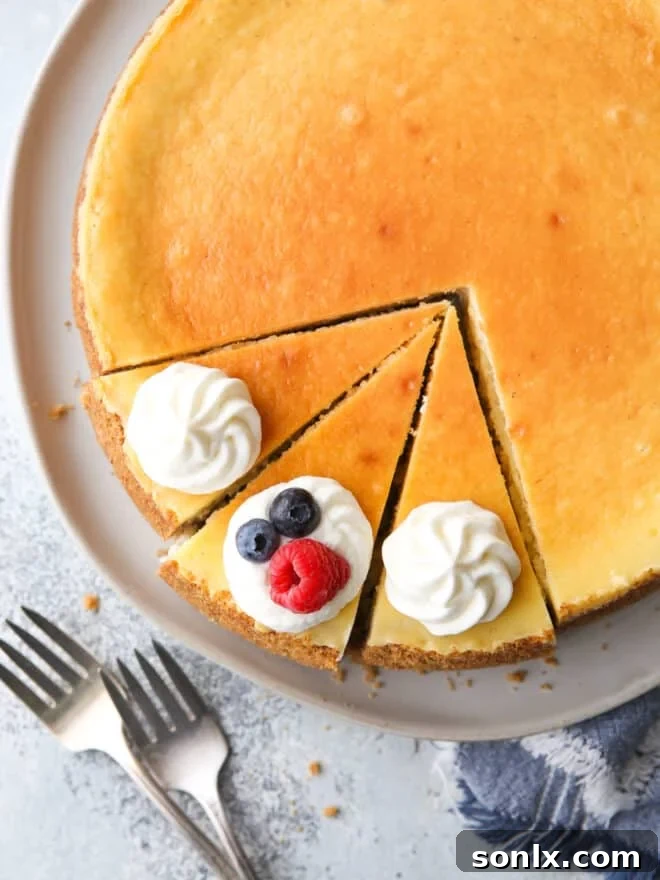
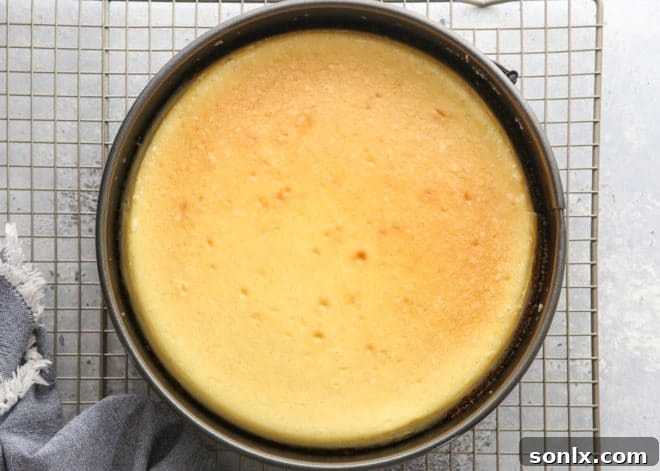
- Smooth, Crack-Free Surface: This is arguably the most celebrated benefit. By surrounding the cheesecake with moist, gentle heat, the water bath prevents the surface from drying out and setting too quickly. The custard expands and sets slowly and uniformly, eliminating the internal stress that causes cracks to form during baking and cooling. You’ll achieve that coveted, perfectly smooth top every time.
- Luxuriously Creamy Texture: The moist environment of the water bath prevents the cheesecake from overbaking, which can result in a dry, crumbly, or rubbery texture. Instead, the gradual cooking ensures that the delicate egg proteins set into a silky, velvety custard that melts in your mouth. Your cheesecake will have an incredibly rich and decadent mouthfeel that’s impossible to achieve with dry heat.
- Even Baking from Edge to Center: Without a water bath, the edges of a cheesecake tend to bake much faster than the center, often resulting in an overcooked, tougher perimeter and a wobbly, underbaked middle. The water bath provides a uniform temperature around the entire pan, ensuring that the cheesecake bakes evenly throughout. This means no more dry edges or gooey centers—just consistent perfection.
- Prevents Sinking and Collapsing: Cheesecakes often puff up in the oven and then sink dramatically as they cool, sometimes creating an undesirable crater in the center. The gentle, consistent heat and gradual cooling provided by a water bath minimize this effect. The custard sets more stably, and the slower temperature transition during cooling helps maintain its structure, resulting in a beautifully leveled surface.
Once you experience the difference a water bath makes, you’ll wonder how you ever baked cheesecake without it. It’s a small investment of effort that yields significant rewards in taste, texture, and presentation.
Essential Materials You’ll Need for a Water Bath
You’ll be pleased to know that setting up a water bath doesn’t require any exotic equipment. Most of what you need is likely already in your kitchen drawers. However, choosing the right items and understanding their purpose is key to success:
- 9×3-inch Springform Pan (recommended) or a Round Cake Pan:
- Springform Pan: This is the ideal choice for cheesecakes. Its removable sides allow for effortless release and beautiful presentation without flipping or damaging the delicate edges. However, springform pans are notorious for not being perfectly watertight at the base, which means a crucial waterproof barrier is needed.
- Round Cake Pan: If you don’t have a springform pan, a standard round cake pan can work. The challenge is unmolding the cheesecake, which often requires chilling it thoroughly and then inverting it onto a plate (or lining it with parchment paper for easier lifting). Ensure it’s deep enough for your cheesecake recipe.
- Large Roasting Pan: This will be the outer pan that holds the hot water.
- Choose a roasting pan that is significantly larger than your cheesecake pan, allowing enough space for the water to circulate around the sides.
- It should also be deep enough to accommodate at least 1-2 inches of water, reaching about halfway up the side of your cheesecake pan. Standard metal roasting pans are perfect as they conduct heat efficiently.
- A Reliable Waterproof Barrier: This is the most critical component for springform pans to prevent water from seeping into your cheesecake. There are several effective methods:
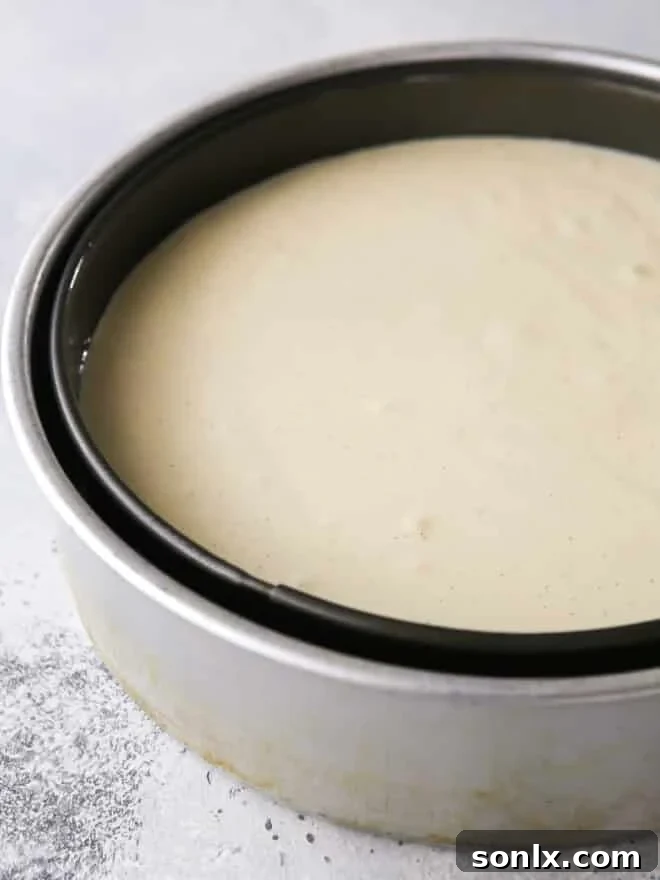
- The “Pan-in-Pan” Method (Highly Recommended): This is my absolute preferred technique for its reliability and ease. Place your 9-inch springform pan inside a 10-inch round cake pan. The outer cake pan acts as an impenetrable barrier, completely protecting your cheesecake from water leaks. It’s reusable, sturdy, and offers peace of mind. (Watch a quick video on why it works so great here).
- Heavy-Duty Aluminum Foil: A popular and accessible method. You’ll need several sheets of heavy-duty foil. Wrap your springform pan tightly with at least two to three layers of foil, ensuring it extends well up the sides—above the anticipated water level in the roasting pan. Crimp the edges tightly to create a seal. While effective, foil can sometimes tear or not seal perfectly, leading to potential leaks if not done meticulously. (See a video tutorial on foil wrapping here).
- Slow Cooker Plastic Liner Bag: Some bakers use a large, food-safe oven bag or slow cooker liner bag. Place your springform pan inside the bag, gather the top, and tie it securely above the pan. This creates a waterproof seal. It’s a convenient option but is single-use and can be less stable than the pan-in-pan method. (Learn more about this method here).
Step-by-Step Guide: How to Make an Easy Water Bath for Cheesecake
Once you have your materials ready, setting up the water bath is a straightforward process. Follow these steps for a stress-free experience and a perfectly baked cheesecake:
- Prepare Your Cheesecake Crust and Filling: First things first, prepare your cheesecake according to your chosen recipe. This includes pressing the crust into the bottom of your springform pan and then pouring in the creamy filling. Ensure the filling is smooth and free of large air bubbles by gently tapping the pan on the counter a few times. (You can find my classic cheesecake recipe here).
- Protect Your Springform Pan: This is the crucial waterproofing step.
- If using the Pan-in-Pan Method: Simply place your filled 9-inch springform pan directly into the larger 10-inch cake pan. No wrapping, no fuss! This is done after the cheesecake is prepared and ready for baking.
- If using Heavy-Duty Aluminum Foil: Wrap the outside of your springform pan (before adding the crust and filling) with at least 2-3 layers of heavy-duty foil. Make sure the foil extends several inches above the rim of the pan and is crimped very tightly around the base and sides to form a waterproof seal. Double-check for any tears or gaps.
- If using a Slow Cooker Liner Bag: Place the cheesecake-filled springform pan inside the bag, ensuring the bag comes up high around the sides. Gather the top of the bag and tie it securely to create a watertight seal, well above the cheesecake’s surface.
- Place Protected Pan into Roasting Pan: Carefully center your protected cheesecake pan (either wrapped in foil, in a cake pan, or inside a bag) into the large roasting pan. Ensure there’s ample space around the sides for the water.
- Transfer to the Oven (Crucial Tip!): This step often gets overlooked but is essential for safety and convenience. Carefully transfer the *empty* roasting pan (with the cheesecake pan inside, but no water yet) into your preheated oven. Placing it in the oven first prevents you from having to carry a heavy pan full of sloshing hot water.
- Add Hot Water to the Roasting Pan: Once the roasting pan is securely on the oven rack, carefully pour hot (not boiling, but very warm) tap water into the roasting pan. Pour it around the cheesecake pan, being careful not to splash any water onto the cheesecake itself. The water level should come up about 1 to 2 inches (2.5 to 5 cm) along the sides of your springform pan. Hot water helps maintain a more consistent temperature from the start, minimizing the thermal shock to the cheesecake.
- Bake, Cool, and Chill: Bake the cheesecake according to your recipe’s instructions. Once baking is complete, turn off the oven but leave the cheesecake in the water bath inside the oven with the door slightly ajar for about 30-60 minutes. This gradual cooling process is another critical step in preventing cracks. After this initial cooling, carefully remove the roasting pan from the oven, then lift the cheesecake pan out of the water bath. Remove the protective barrier (foil, outer pan, or bag). Let the cheesecake cool completely on a wire rack at room temperature before transferring it to the refrigerator to chill for at least 4-6 hours, or preferably overnight. Thorough chilling is essential for the cheesecake to fully set and achieve its perfect firm yet creamy texture.
That’s it! While it involves a few extra steps compared to baking without a water bath, the process is straightforward and undeniably worth the effort. By following these suggestions for how to make a water bath, I promise your cheesecake will be nothing short of silky smooth, exquisitely creamy, and visually stunning.
Troubleshooting: What if My Cheesecake Still Cracks?
Even with the best intentions and a perfectly executed water bath, sometimes a stubborn crack might appear. Don’t despair! It happens to the best of us, and it certainly doesn’t mean your cheesecake is ruined. In fact, it will still taste absolutely delicious. The most common reasons for cracks, even with a water bath, are:
- Overbaking: Even in a water bath, overbaking can dry out the cheesecake and cause it to crack.
- Too Rapid Cooling: Removing the cheesecake from the oven or water bath too quickly can cause a sudden temperature change, leading to cracks.
- Overmixing the Batter: Incorporating too much air into the cream cheese mixture can cause the cheesecake to puff up too much and then collapse and crack.
If your cheesecake does crack, remember that flavor is paramount, and appearance can always be enhanced! Simply cover the cheesecake with a generous layer of delicious toppings. A rich dollop of perfectly whipped cream, a decadent drizzle of chocolate sauce, a vibrant fruit compote, or fresh berries can effortlessly conceal any imperfections. No one ever has to know your little secret, and they’ll be too busy enjoying the amazing taste to notice anything but perfection.
Beyond the Basics: Expert Tips for Cheesecake Perfection
While the water bath is a game-changer, combining it with a few other best practices will ensure your cheesecake is consistently spectacular:
- Use Room Temperature Ingredients: Ensure your cream cheese, eggs, and any other dairy ingredients are at room temperature. This allows them to combine smoothly without lumps and incorporates less air into the batter, which is essential for a smooth texture and preventing cracks.
- Do Not Overmix: Mix the cheesecake batter only until just combined. Overmixing incorporates too much air, which will cause the cheesecake to puff up excessively during baking and then deflate and crack as it cools. Mix on low speed, scraping down the sides of the bowl frequently.
- Don’t Open the Oven Door Frequently: Resist the urge to peek! Opening the oven door lets out the accumulated steam and moist heat, causing fluctuations in temperature that can shock the cheesecake and lead to uneven baking or cracks.
- Cool Gradually: As mentioned in the steps, allow the cheesecake to cool slowly in the oven with the door slightly ajar. This gradual temperature transition is crucial for preventing cracks.
- Chill Thoroughly: A cheesecake is not truly finished until it has been properly chilled. Allow it to refrigerate for at least 6-8 hours, or ideally overnight. Chilling allows the cheesecake to firm up, fully set, and develop its rich, full flavor.
By incorporating these simple yet effective tips into your cheesecake baking routine, along with the reliable water bath method, you’ll be well on your way to creating desserts that will impress even the most discerning palates. Happy baking!
Irresistible Cheesecake Recipes to Try
Now that you’re armed with the knowledge and confidence to master the water bath, it’s time to put your skills to the test! Explore these delightful cheesecake recipes, each promising a perfect, creamy result when baked with the water bath technique: