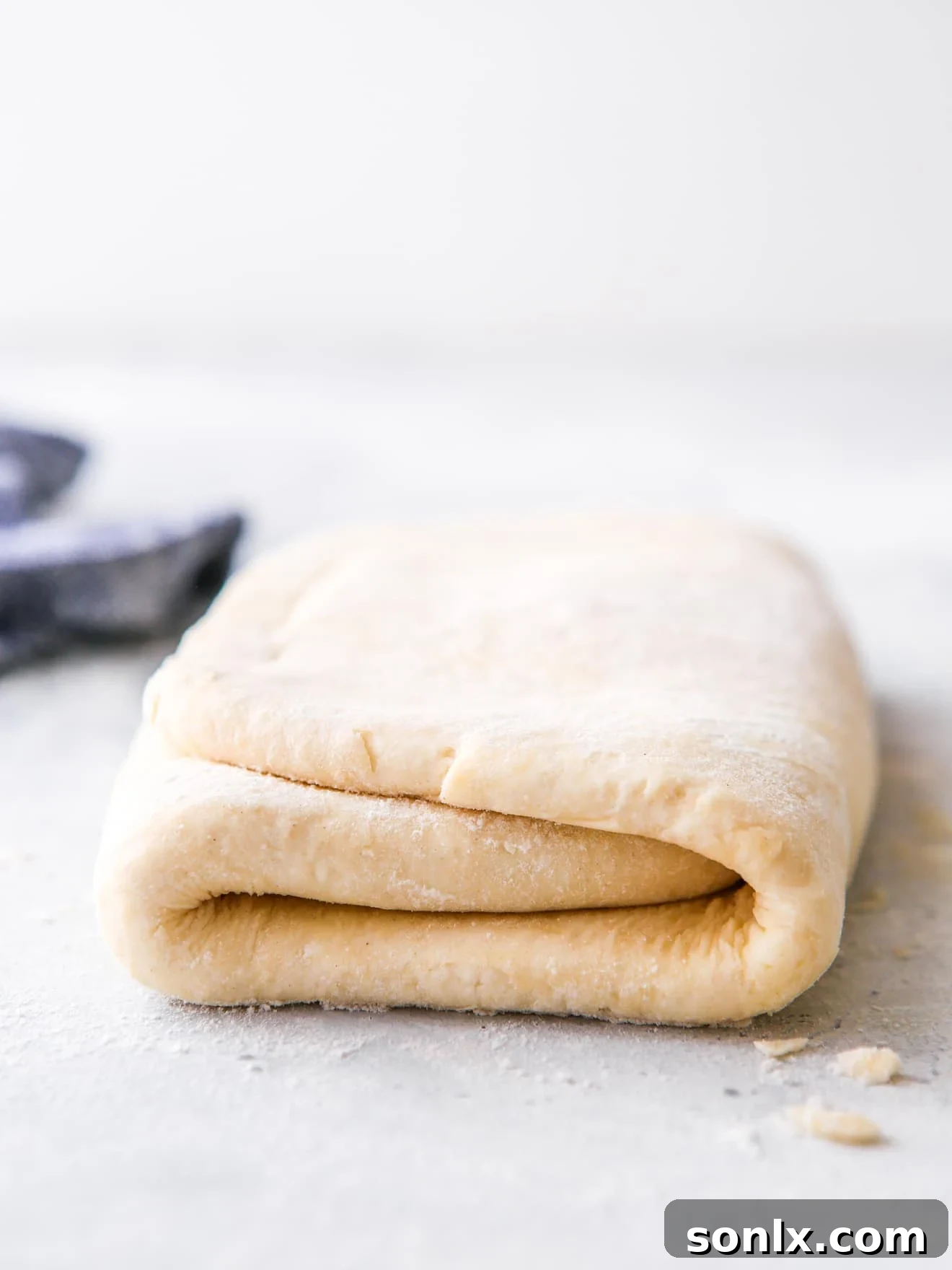
Mastering Homemade Puff Pastry: Your Ultimate Guide to Flaky Perfection
Embarking on the journey of making puff pastry at home might seem daunting, but it doesn’t have to be! This comprehensive guide and simplified recipe will demystify the process, empowering even novice bakers to create incredibly flaky, buttery, and utterly delicious puff pastry from scratch. Forget the intimidation; prepare to unlock a world of culinary possibilities with this accessible method.
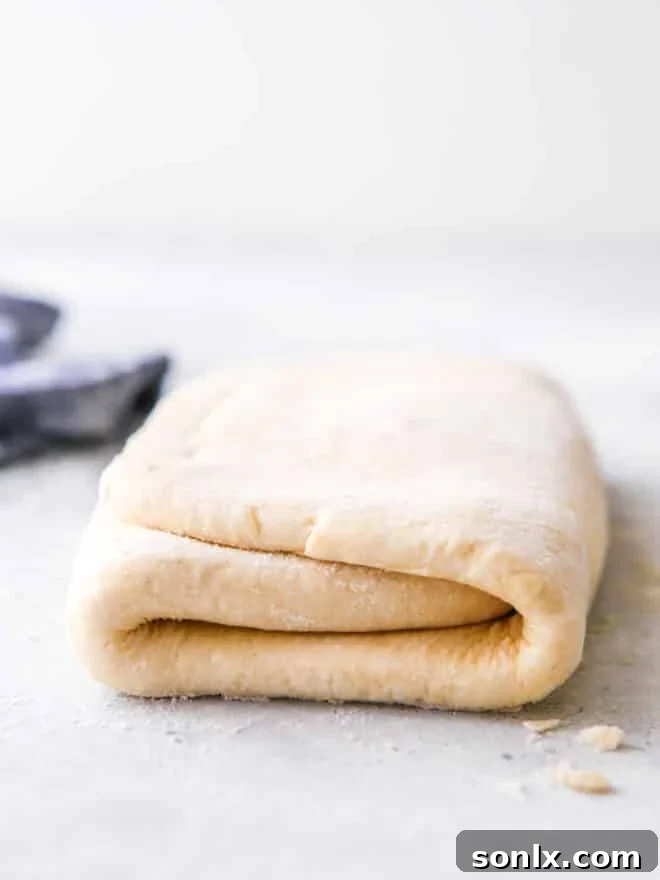
Why Choose Homemade Puff Pastry Over Store-Bought?
We’ve all been there – grabbing a box of frozen puff pastry from the grocery store. It’s convenient, and frankly, I do it too sometimes! However, if you’ve never experienced the joy and superior quality of homemade puff pastry, you’re in for a delightful revelation. The difference in flavor, texture, and overall baking experience is truly remarkable.
Homemade puff pastry boasts a richness and depth of flavor that store-bought versions simply cannot match. Each bite offers a symphony of delicate, airy layers, crispy golden edges, and a moist, buttery interior that elevates any sweet or savory creation. While the idea of making it from scratch might conjure images of pastry school, our shortcut recipe ensures you achieve professional-level results without the exhaustive effort. It’s a rewarding endeavor that promises to impress both you and your guests.
What Exactly Is Puff Pastry? Understanding the Magic of Lamination
Puff pastry, often referred to as “pâte feuilletée” in French, is a light, exceptionally flaky pastry renowned for its dramatic rise and multitude of delicate layers. This incredible texture is achieved through a fascinating process called lamination. Lamination involves repeatedly folding and rolling dough with layers of butter, creating alternating thin sheets of dough and fat. As the pastry bakes, the butter melts and releases steam, which then pushes the dough layers apart, resulting in that signature airy, puffed effect.
Traditionally, making puff pastry involves encasing a solid block of butter within the dough and meticulously rolling and folding it. Our easy puff pastry recipe simplifies this by incorporating cold, cubed butter directly into the dry ingredients, much like making a pie crust. This ingenious shortcut drastically reduces prep time and effort without compromising on the magnificent flaky outcome. Once the butter is evenly distributed within the flour, you’ll add water to form a shaggy dough, then proceed with the crucial rolling and folding steps. Don’t worry; we’ll guide you through every turn, ensuring success!
Essential Ingredients for Perfect Puff Pastry
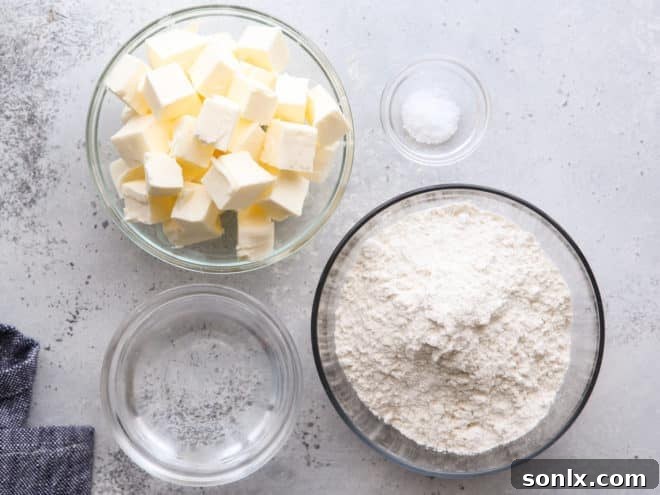
The beauty of puff pastry lies in its simplicity, requiring just a few basic ingredients. The key is their quality and temperature.
- All-Purpose Flour: Provides the structure for your dough. Ensure it’s fresh and unbleached for best results.
- Salt: Enhances the flavor of both the flour and the butter, balancing the richness.
- Unsalted Butter: The star of the show! Use high-quality, cold unsalted butter. Its fat content and consistency are crucial for creating those distinct, flaky layers. Using unsalted butter allows you to control the overall saltiness of your pastry.
- Ice-Cold Water: Essential for hydrating the dough without warming the butter. The colder the water, the better your chances of maintaining those separate butter pockets.
The Golden Rule: Keep Everything Cold
This is arguably the most critical tip for achieving beautifully flaky puff pastry. The magic of lamination relies on the butter remaining in distinct pieces within the dough. These cold butter pockets create steam when heated in the oven, which then forces the layers of dough apart, resulting in a light, airy, and flaky texture. If the butter melts and incorporates too much into the flour, you’ll end up with a tough, dense crust rather than delicate layers.
To ensure your butter stays firm and separate:
- Start Cold: Always begin with butter that is thoroughly chilled and cubed, and water that is ice-cold.
- Chill Your Tools: For an extra edge, consider chilling your flour, mixing bowl, and even your pastry blender in the refrigerator for 15-30 minutes before you start.
- Work Quickly: Minimize the time your hands are in contact with the dough, as body heat can quickly warm the butter.
- Don’t Be Afraid to Chill: It’s perfectly normal, and often necessary, to pause during the rolling and folding process. If your dough feels too soft, sticky, or the butter appears to be melting, simply place it in the freezer for 20-30 minutes (or the fridge for an hour) to re-chill before continuing. This short break is a small investment for a big payoff in flakiness.
Step-by-Step Guide: Crafting Your Easy Homemade Puff Pastry
Let’s roll up our sleeves and create some amazing puff pastry!
Step 1: Incorporate Cold Butter into Dry Ingredients
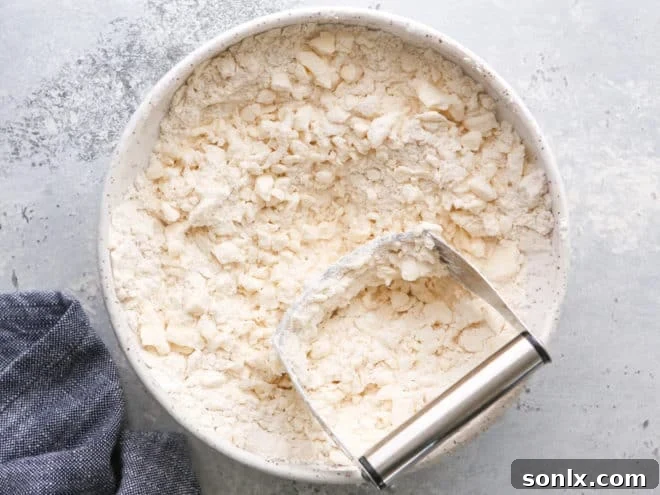
In a large mixing bowl, combine the all-purpose flour and salt. Add your cold, cubed unsalted butter to the flour mixture. Using a pastry blender, two knives, or even your fingertips, cut the butter into the dry ingredients. The goal is to break the butter into small, pea-sized pieces, with some slightly larger chunks still visible. Avoid overworking the butter; larger pieces will contribute to more distinct layers, while tiny pieces might melt too quickly. This step is crucial for establishing the individual butter pockets that will create the pastry’s signature puff.
Step 2: Form the Shaggy Dough
Pour about half of the ice-cold water into the flour and butter mixture. Mix gently with a spatula or wooden spoon until just incorporated. Then, add the remaining cold water. Continue to mix until the dough barely starts to come together. At this stage, it will look quite crumbly and shaggy, not smooth. This “shaggy” appearance is exactly what you want, as it indicates the butter is still in distinct pieces. Turn the dough out onto a clean, lightly floured surface and gently press it together with your hands, just enough to form a cohesive mass. Avoid kneading, as this develops gluten and makes the dough tough.
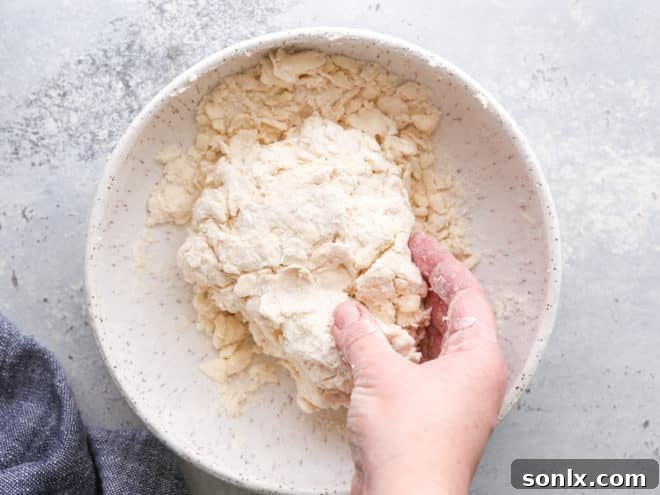
Step 3: Shape and Roll the Dough
Gently press the shaggy dough into a rough rectangular shape. Lightly flour your work surface and your rolling pin (a French rolling pin works wonderfully for even pressure). Roll the dough out into a rectangle approximately 8×14 inches, or about the size of a sheet of legal paper. Don’t stress about perfect measurements, but aim to keep the edges as straight as possible. As you roll, flour the counter and rolling pin sparingly as needed to prevent sticking. Too much added flour can make the pastry dry and diminish its delicate quality. A bench scraper can be incredibly helpful for lifting and moving the dough, and for keeping it from sticking to the counter.
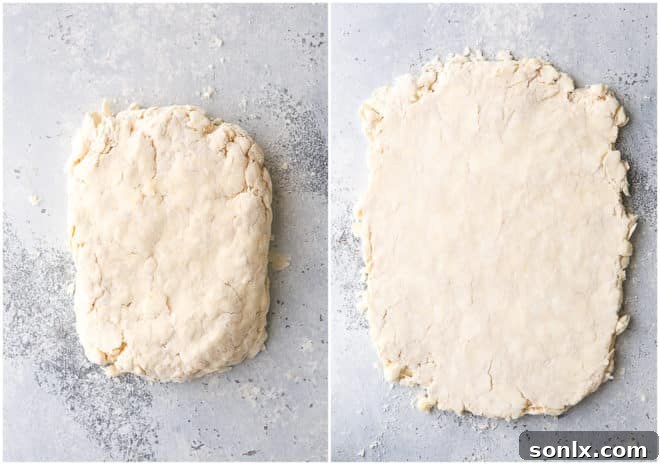
Step 4: Perform the First “Turn” (Folding)
This step is where the lamination truly begins. Imagine you’re folding a letter: take the bottom third of your rolled-out dough and fold it up onto the middle third. Then, take the top third of the dough and fold it down over the middle, completing your three-fold ‘letter’. Now, gently flip the folded dough seam-side down. Rotate the dough 90 degrees so that a short edge is facing you. This entire process of rolling, folding into thirds, flipping, and rotating constitutes one “turn.” You’ll notice the dough is still quite shaggy during this first turn, but trust the process – it will smooth out beautifully with subsequent turns.
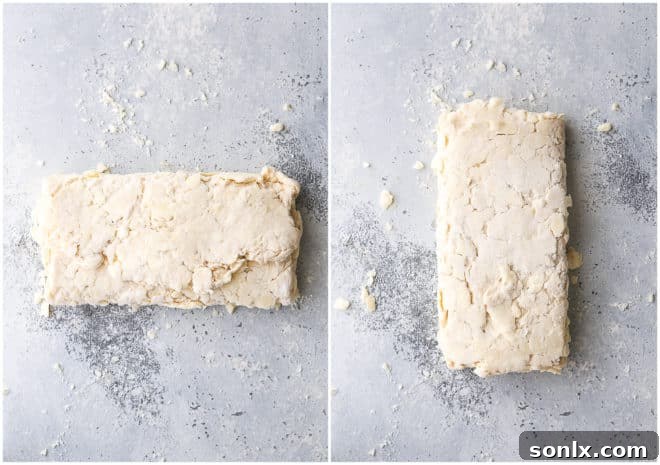
Step 5: Complete the Remaining Turns
You’ve completed your first turn! Now, repeat the rolling, folding, and rotating process five more times, for a total of six turns. After each turn, ensure your dough is rotated 90 degrees so you’re always rolling from a short edge. This consistent rotation helps create even layers. As you progress, the dough will become noticeably smoother and more pliable. You might still see small flecks of butter, especially during earlier turns, which is perfectly fine.
Remember the Cold Rule: If at any point the dough becomes too warm, difficult to handle, sticky, or the butter seems to be oozing, immediately place it in the freezer for about 20-30 minutes to re-chill. This is a common and recommended practice to ensure optimal flakiness. Patience during chilling will be amply rewarded!
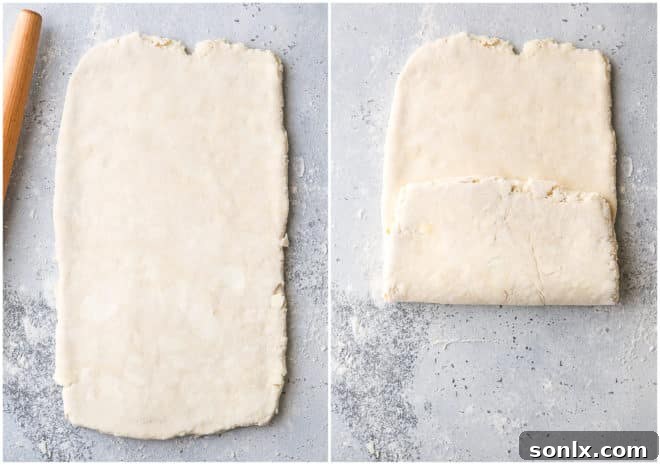
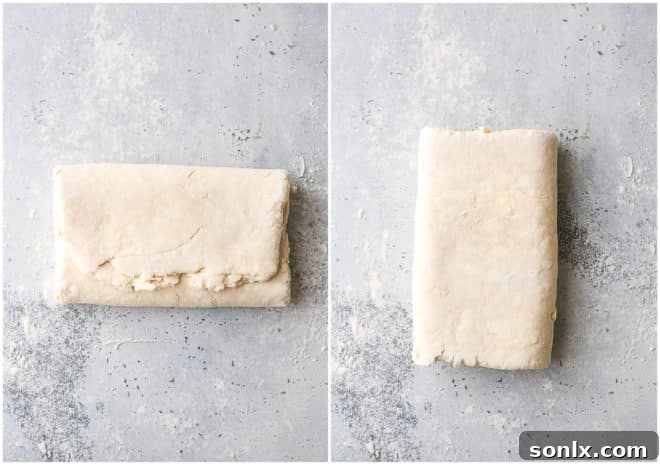
After six turns, your dough should be beautifully smooth and elastic. Although you can’t see them, you’ve meticulously crafted 18 distinct layers of butter and dough, ready to expand and create that incredible puff and flake in the oven.
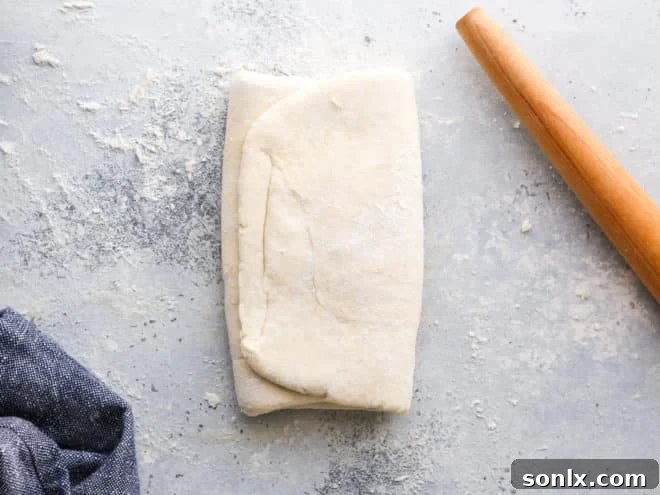
Chilling and Freezing Your Homemade Puff Pastry
Once your 6 turns are complete, the puff pastry dough needs a final, thorough chill before it’s ready for use. This allows the gluten to relax and the butter to firm up completely. Wrap the dough tightly in plastic wrap and refrigerate for at least 1 hour, or up to 2 days. This chilling period is crucial for easy handling and optimal puff.
One of the many advantages of homemade puff pastry is how well it freezes! To store for longer periods, double-wrap the dough securely in plastic wrap, then place it in a freezer-safe bag. It can be frozen for up to one month or even longer if properly sealed. When you’re ready to use it, simply thaw the dough in the refrigerator overnight, or at room temperature for about 30 minutes, until it’s pliable but still cold.
Unleashing Your Creativity: Delicious Recipes with Homemade Puff Pastry
Congratulations, you’ve mastered the art of easy homemade puff pastry! Now comes the fun part: turning your masterpiece into delectable treats. The versatility of puff pastry is truly remarkable, allowing for a wide array of sweet and savory dishes.
Here are some simple and incredibly delicious ideas to get you started:
- Cream Cheese Danishes: A classic breakfast or brunch pastry featuring a creamy, tangy filling nestled in flaky layers.
- Easiest Nectarine Puff Pastry Tart: Showcase seasonal fruits like nectarines, peaches, berries, or apples on a crisp puff pastry base.
- Easy Chocolate Croissants (Pains au Chocolat): Recreate the magic of a French bakery with buttery pastry wrapped around rich chocolate.
- Easy Puff Pastry Sticky Buns: A sweet, gooey indulgence perfect for a weekend breakfast.
- Savory Appetizers: Cut squares of pastry, top with cheese, herbs, or pesto, and bake for quick and elegant appetizers.
- Sausage Rolls: Wrap seasoned sausage meat in strips of puff pastry for a satisfying snack or party food.
- Pot Pie Topping: Elevate your favorite chicken or beef pot pie with a golden, flaky puff pastry crust.
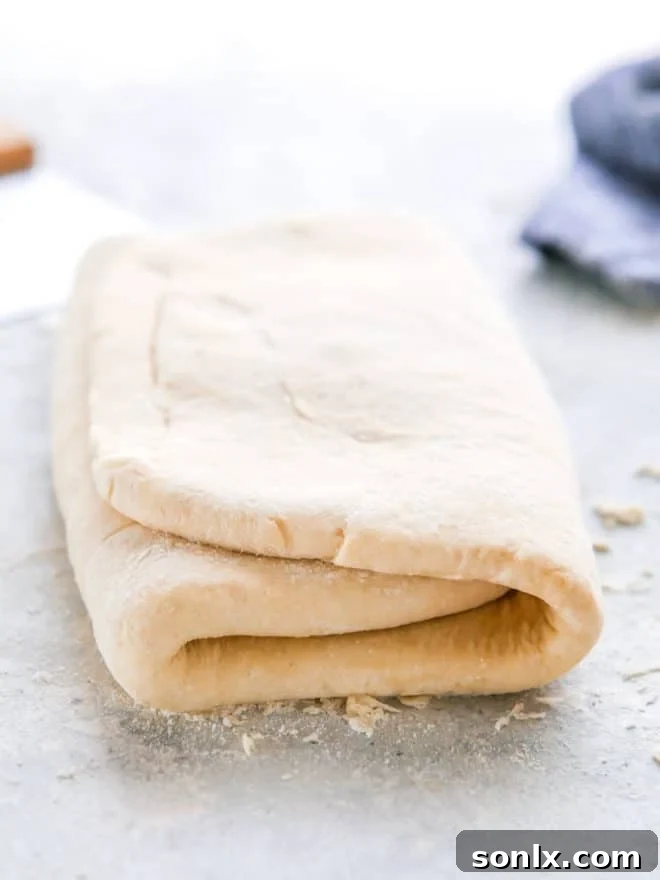
Essential Tools for Puff Pastry Success
While minimal tools are needed, having the right equipment can make the process smoother and more enjoyable:
- Large Mixing Bowl: For combining ingredients.
- Pastry Blender: Excellent for cutting butter into flour without overworking it.
- Rolling Pin: A sturdy rolling pin, especially a French rolling pin (tapered ends), offers great control for even rolling.
- Bench Scraper: Invaluable for cleaning your work surface, lifting sticky dough, and ensuring clean folds.
- Plastic Wrap: Essential for chilling and storing your dough.
- Clean Work Surface: A large, cool surface (like marble or granite) is ideal for rolling dough.
⭐
⭐
⭐
⭐
Easy Puff Pastry Recipe
10
servings
5 mins
30 mins
35 mins
Pin Recipe
Leave a Review
Ingredients
- 2 cups all-purpose flour (240 grams)
- ½ teaspoon salt
- 1 ¼ cups cold unsalted butter, cubed (2 ½ sticks, 283 grams)
- ½ cup cold water (118 grams)
Instructions
-
Combine flour and salt in a bowl and toss with the cold cubed butter. Use a pastry blender to cut the butter into smaller pieces into the dry ingredients. Cut until smallest butter pieces are about the size of peas; it’s okay if some large butter pieces remain.
-
Add ½ of cold water to the bowl and mix until incorporated, then add remaining water. Use a spatula/spoon and then your hands to bring the dough together. It will be very crumbly and shaggy. Dump dough out on a clean surface and continue to work it together until it just forms a cohesive mass.
-
Shape dough into a rectangle, then use a floured rolling pin to roll out to about the size of a sheet of legal paper (8×14 inches). No need to be exact, but try to maintain a rectangular shape.
-
Fold the bottom third of the dough up onto the middle third, then fold the top third over on top, like you would fold a letter. Then flip the dough seam side-down, and rotate it 90° so the short edge is facing you. This entire sequence completes your first “turn”.
-
Roll the dough again out to about the size of a sheet of legal paper. Fold into thirds, then flip and rotate again. Repeat this process until you have rolled, folded, and rotated a total of 6 times. Pause to chill the dough in the freezer for 20-30 minutes as needed if it becomes too warm or sticky (see Notes).
-
Chill the puff pastry dough completely before using, at least 1 hour and up to 2 days in the fridge.
Notes
- Puff pastry freezes exceptionally well. Double wrap in plastic or a ziplock bag and freeze for up to a month or more. Thaw in the fridge overnight or at room temperature for 30 minutes before using.
- It is possible to make this puff pastry in one sitting, as long as the butter doesn’t get too soft or appear melted at all. However, it’s often best to pause somewhere in the process to put the dough in the freezer for 20-30 minutes (or fridge for 1 hour) to ensure the butter remains cold before resuming with the folding and rolling.
- To keep ingredients as cold as possible, consider chilling your flour, salt, mixing bowl, and pastry blender in the refrigerator for 15-30 minutes before you begin.
Carbohydrates: 19g,
Protein: 3g,
Fat: 23g,
Saturated Fat: 15g,
Cholesterol: 61mg,
Sodium: 120mg,
Potassium: 34mg,
Fiber: 1g,
Sugar: 1g,
Vitamin A: 709IU,
Calcium: 11mg,
Iron: 1mg
Have you tried this recipe?
I’d love to hear about it! Leave a rating and review below, or take a photo and tag it on Instagram @completelydelicious with #completelydelicious.