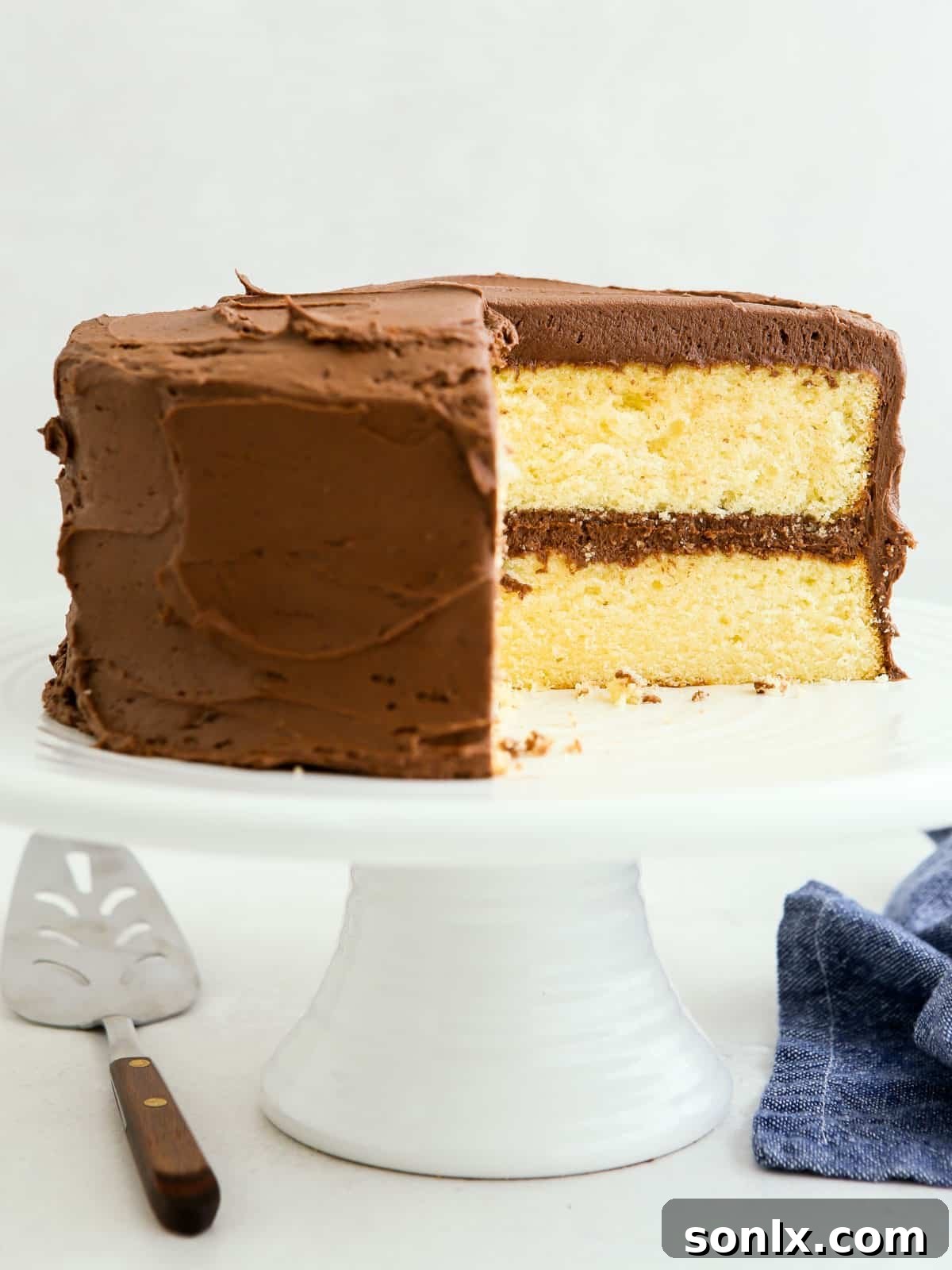
Through countless hours of baking, triumphs, and a few learning experiences in the kitchen, I’ve distilled my knowledge into 10 essential cake baking tips. These proven techniques are designed to help you consistently achieve cakes with a wonderfully tender texture, perfectly even layers, and a genuinely stress-free baking process every single time.
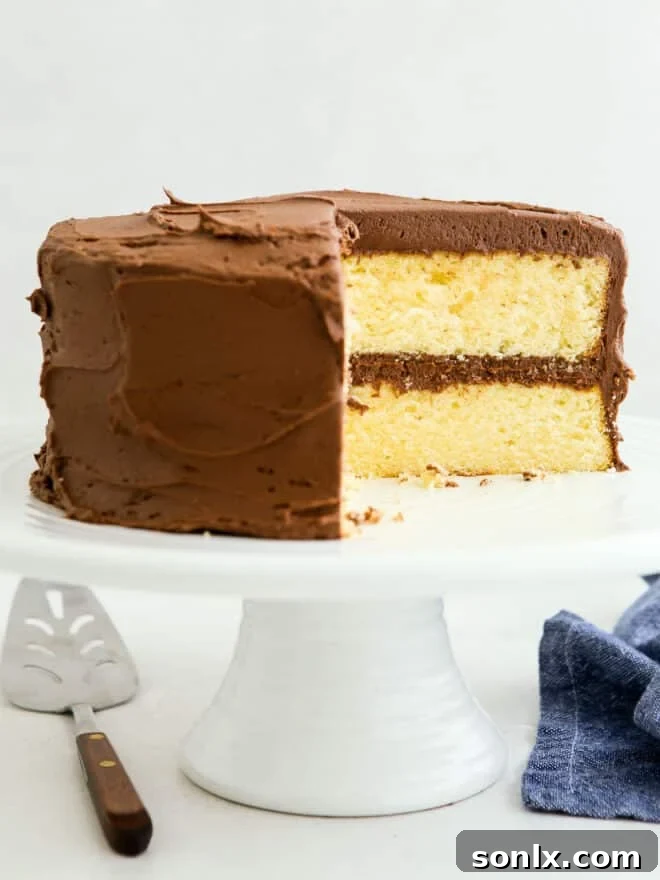
My baking journey has involved crafting a vast array of cakes: celebratory birthday cakes, elegant wedding cakes, convenient sheet cakes, delightful snack cakes, and charming bundt cakes, to name a few. While the recipes and aesthetics may vary dramatically, the underlying approach I employ remains constant. These are the subtle, yet consistent, habits that collectively make a profound difference in the outcome of any cake. They transform a good cake into an exceptional one.
None of these tips are overly complex or require advanced culinary skills. In fact, they are remarkably straightforward. However, when integrated into your baking routine, they become the cornerstone for cakes that bake uniformly, stack flawlessly, and taste every bit as incredible as they look. If you’re seeking to elevate your cake baking confidence and achieve more reliable, impressive results with each attempt, these foundational practices are the perfect starting point.
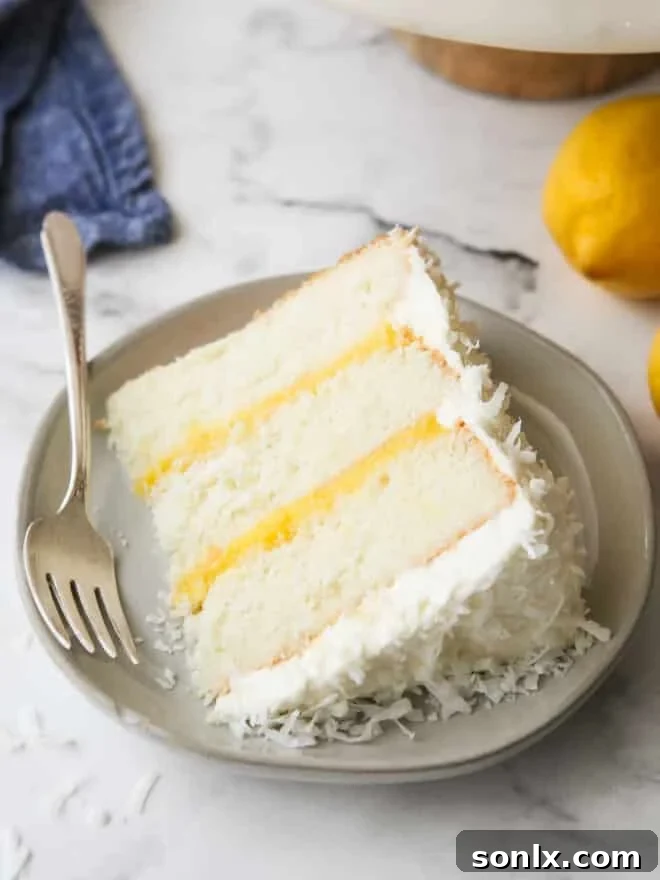
Mastering Cake Baking: My Top 10 Essential Practices
Here’s a concise overview of the steadfast cake-baking habits I rely on for consistent success. You can click on any tip below to navigate directly to its detailed explanation, or simply continue scrolling to explore them all.
- Ensure Dairy and Eggs are at Room Temperature
- Precisely Measure Ingredients Using a Digital Scale in Grams
- Opt for Salted Butter for Enhanced Flavor
- Utilize Cake Flour When the Recipe Specifies It
- Always Sift Your Dry Ingredients
- Bake in Light-Colored Metal Pans
- Line Cake Pans with Parchment Paper
- Weigh Cake Batter in Pans for Perfectly Even Layers
- Confirm Doneness with the Gentle Finger Press Test
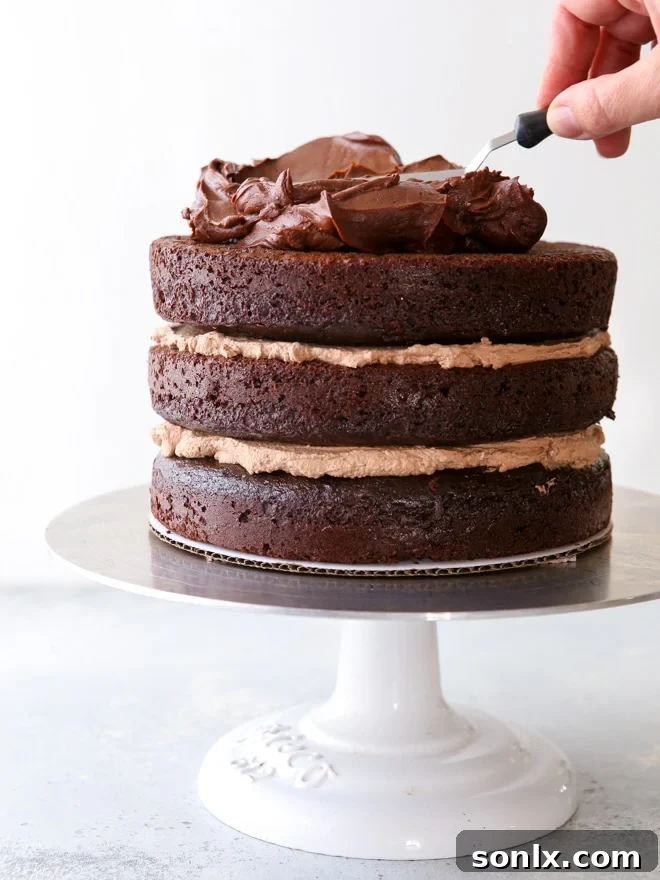
- Chill Cake Layers Before Assembling and Frosting
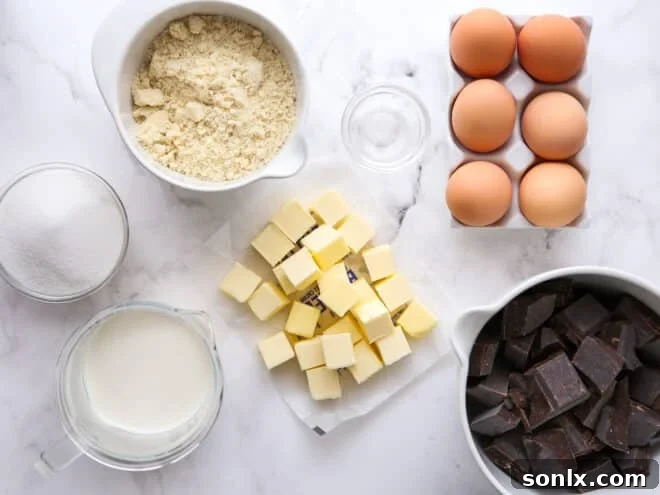
1. Ensure Dairy and Eggs are at Room Temperature
This might seem like a small detail, but bringing your dairy and eggs to room temperature is a game-changer for cake texture. Room-temperature ingredients emulsify much more effectively, blending together into a smooth, cohesive batter with minimal mixing. This means you need to beat the batter less, which in turn prevents over-development of gluten and results in a significantly softer, more tender cake crumb. Furthermore, cold ingredients can drastically lower the overall temperature of your batter. When a cold batter enters a hot oven, it takes longer to come up to temperature, which can inhibit the chemical reactions of leaveners and negatively impact the cake’s rise and overall structure. I make it a consistent habit to remove butter, eggs, and any dairy products (like milk or buttermilk) from the refrigerator approximately 30 to 60 minutes before I plan to start baking. This simple preparatory step ensures optimal results.
Pro Tip: Did you forget to pull your ingredients out in advance? Don’t fret! You can quickly bring eggs to room temperature by placing them in a bowl of warm water for 5-10 minutes. For butter, cut it into small pieces to speed up the process, or gently microwave for very short bursts (5-10 seconds) until slightly softened. Similarly, for cream cheese, cutting it into cubes can help it soften faster.
2. Precisely Measure Ingredients Using a Digital Scale in Grams
One of the most impactful improvements you can make to your baking, especially for cakes, is ensuring consistent and accurate ingredient measurements. A digital kitchen scale provides unparalleled accuracy, leading to more predictable and successful baking outcomes. Unlike cup measurements, which can vary wildly depending on how ingredients are scooped and leveled (especially true for flour, where a cup can easily differ by an ounce or more depending on compaction), a gram measurement on a scale is always exact. This precision eliminates guesswork and is crucial for maintaining the delicate balance of ingredients that defines a perfect cake structure and texture.
Bonus reasons to embrace a kitchen scale: Beyond accuracy, using a scale streamlines your baking process considerably. Many ingredients can be added directly into your mixing bowl, zeroing out the scale after each addition, which drastically reduces the number of dirty dishes. This method is also faster and significantly minimizes the chance of “goof-ups,” such as wondering, “Have I added 2 cups or 3?” The clarity and efficiency a scale offers are truly transformative.
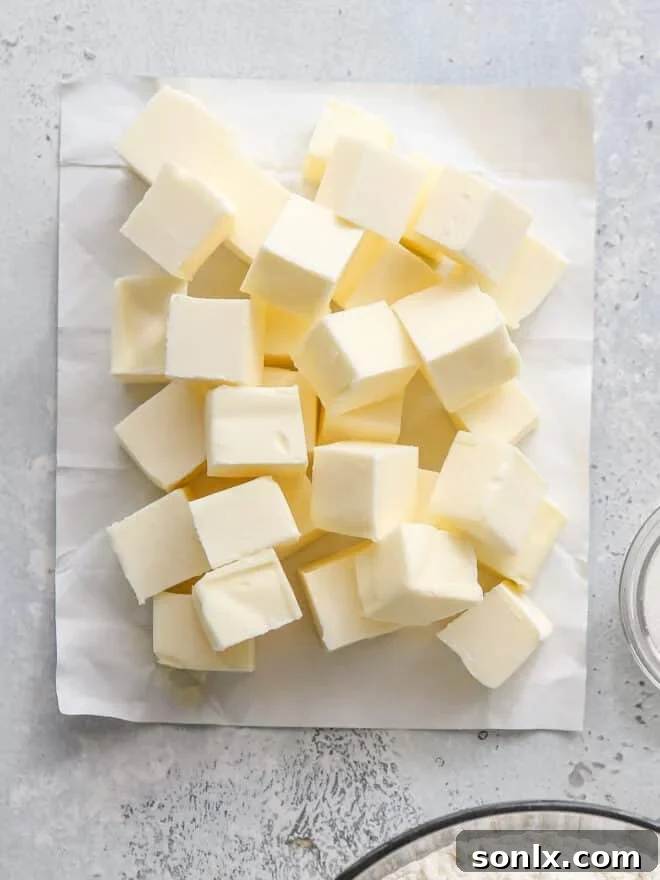
3. Opt for Salted Butter for Enhanced Flavor
While many recipes traditionally call for unsalted butter, this is a “must” that has recently become a staple in my kitchen. I now almost exclusively bake with salted butter. Starting with salted butter inherently introduces a foundational layer of flavor, which profoundly enhances the overall taste profile of your cake. The salt acts as a natural flavor enhancer, brightening other ingredients and creating a more complex and satisfying palate. It subtly balances the sweetness, preventing the cake from tasting one-dimensional. If your recipe already includes additional salt, there’s no need to omit it or worry about the cake becoming overly salty; the amount of salt in salted butter is typically well-balanced and complements other ingredients beautifully.
4. Utilize Cake Flour When the Recipe Specifies It
When a recipe specifically calls for cake flour, it’s for a very good reason, and it truly makes a noticeable difference in the final product. Cake flour has a significantly lower protein content compared to all-purpose flour, which translates to less gluten development during mixing. Less gluten results in a much softer, more delicate, and finer crumb structure, characteristic of truly tender cakes. Substituting all-purpose flour when cake flour is specified will often lead to a denser, chewier cake. While it might still be delicious, it won’t achieve the ethereal lightness and tenderness intended by the recipe. Always use cake flour if you can.
Smart Substitution Tip: If you find yourself without cake flour, you can create a reasonable substitute. For every 1 cup of cake flour required, measure out 3/4 cup plus 2 tablespoons of all-purpose flour, then remove 2 tablespoons of that flour and replace them with 2 tablespoons of cornstarch. Sift this mixture together thoroughly to ensure it’s well combined before using.
5. Always Sift Your Dry Ingredients
Sifting dry ingredients – encompassing flour, cocoa powder, baking powder, baking soda, and spices – is a simple yet crucial step that significantly impacts the quality of your cake. This process helps to break up any lumps that may have formed in the ingredients and, more importantly, ensures that all the dry components are evenly distributed throughout the mixture. This even distribution is vital for uniform leavening and prevents pockets of concentrated leavener or flour in the batter. A well-sifted mixture allows the dry ingredients to combine quickly and smoothly with the wet ingredients, requiring less stirring. Less stirring means less gluten development, which directly contributes to a lighter cake with a more uniform and tender texture, especially beneficial for delicate recipes.
Efficient Sifting Method: Position a large mesh strainer directly over your mixer bowl. Place the bowl on a kitchen scale and weigh all your dry ingredients, zeroing out the scale between each addition. Then, sift them all through the strainer directly into the bowl. This method saves time and reduces cleanup.
6. Bake in Light-Colored Metal Pans
The type of pan you use is just as critical to a cake’s success as the recipe itself. Light-colored metal pans, particularly those made from aluminum, are superior for baking cakes because they conduct heat gently and evenly. This results in a consistently baked cake with a beautiful, golden-brown crust. In contrast, dark-colored metal pans absorb more heat, which can cause the edges and bottom of your cake to brown excessively or even burn before the center is fully cooked. I also advise against using glass or ceramic baking dishes for cakes, as these materials do not conduct heat as efficiently or evenly as metal, often leading to inconsistent baking and denser textures.
I highly recommend investing in quality aluminum Fat Daddio cake pans. For taller, more dramatic cakes, 8-inch pans are ideal. If you prefer wider, slightly shorter layers, 9-inch pans work wonderfully.
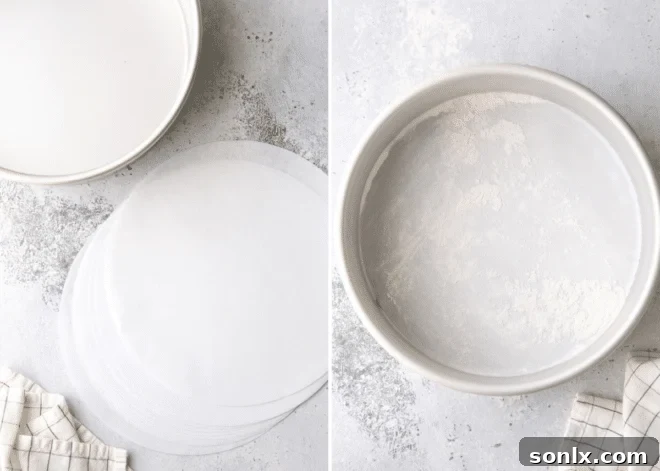
7. Line Cake Pans with Parchment Paper
While greasing a cake pan is a good initial step, greasing and then lining it with parchment paper is an indispensable practice that guarantees a clean release every single time. I consistently line the bottom of my greased cake pans with a parchment paper circle. This creates a non-stick barrier that ensures the cake slides out effortlessly once baked and cooled. The only exception to this rule is when baking in intricately shaped bundt cake pans, which are designed to be thoroughly greased and floured. There’s truly nothing more disheartening in baking than lovingly crafting a beautiful cake only to have it stick to the pan and break apart upon removal, ruining its presentation.
Time-Saving Tip: While you can certainly cut parchment rounds from larger sheets or rolls, I find the convenience and precision of pre-cut parchment rounds to be invaluable. They fit perfectly and save precious preparation time.
8. Weigh Cake Batter in Pans for Perfectly Even Layers
Here’s another fantastic application for your trusty kitchen scale! When baking a layer cake, achieving uniform layers is paramount for both even baking and a professional, polished appearance. I utilize my scale to weigh the cake batter as I divide it among the prepared pans. This simple step ensures that each pan receives precisely the same amount of batter, leading to layers that bake at an identical rate and rise to the exact same height. The result is a cake that stacks beautifully without needing excessive trimming or leveling, making the assembly process much smoother and contributing to a more aesthetically pleasing final product.
Practical Weighing Advice: If you know the tare weight of your mixing bowl (or can zero out the scale with the empty bowl), you can weigh the total batter and then easily divide that number by the number of pans you’re using to determine the exact amount for each. Alternatively, a more flexible approach is to measure as you go. I typically start by adding approximately 1 lb (or 455 grams) of batter to each of my pans and then adjust as needed to ensure they are all equal. This method allows for minor corrections to achieve perfect balance.
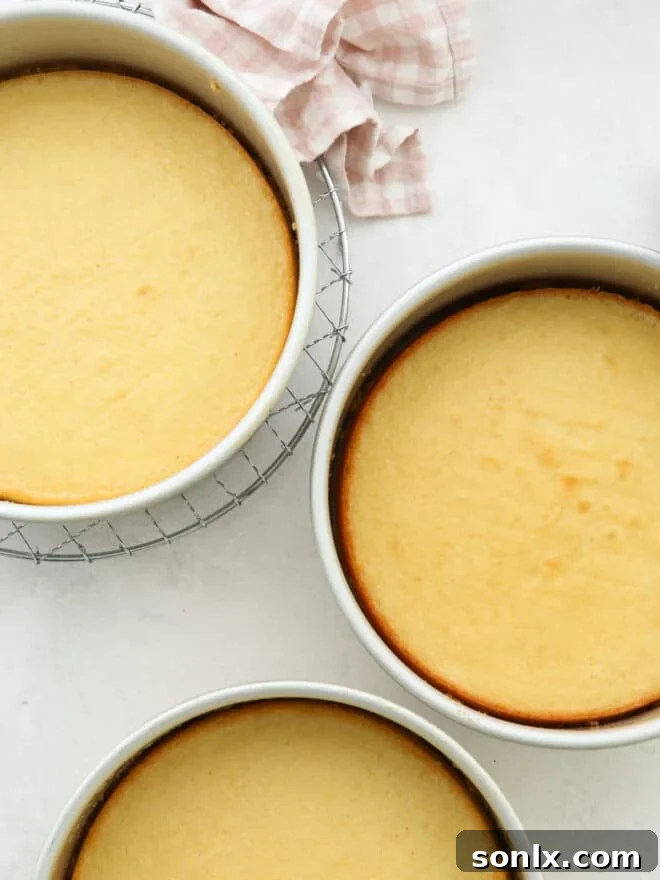
9. Confirm Doneness with the Gentle Finger Press Test
While toothpicks and thermometers have their place, my preferred method for testing cake doneness is a simple, intuitive finger press. I begin by observing through the oven door, looking for the cake tops to appear dry, lightly golden, and set. Once they reach this stage, I gently open the oven and lightly tap and press the center of the cake with my fingertip. If the cake feels firm and springs back resiliently under my finger, it’s a reliable indication that the centers are fully baked and the cake is done. If, however, the cake feels squishy, sinks in easily, or leaves a noticeable indentation, it requires another few minutes in the oven. This tactile test is incredibly accurate and helps prevent both underbaked, gooey centers and overbaked, dry cakes.
10. Chill Cake Layers Before Assembling and Frosting
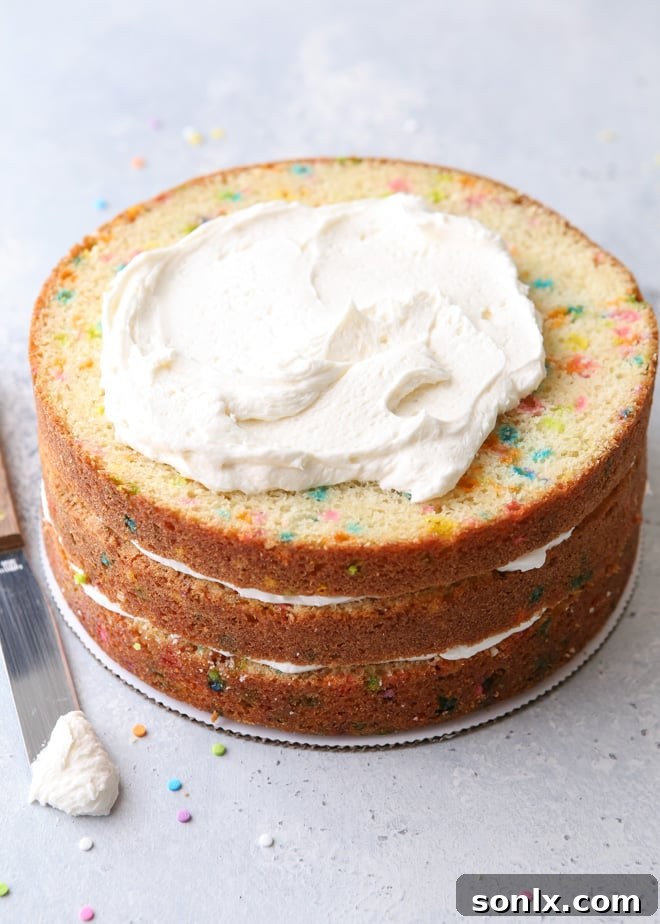
This final tip is crucial for a smooth and satisfying cake decorating experience. Warm or even room-temperature cake layers are inherently delicate, prone to crumbling, and can be challenging to handle without damaging them. Chilling your cake layers significantly increases their structural integrity, making them much sturdier, far easier to level evenly, and considerably simpler to frost. The cold temperature solidifies the butter and other fats in the cake, making the crumb less fragile. Even a relatively short chill period of 30 to 60 minutes in the refrigerator can dramatically reduce the stress and mess associated with stacking and decorating a layer cake, allowing for cleaner cuts, smoother frosting application, and a more professional finish. For complex designs or very soft cakes, chilling overnight is even better.
Further Resources for Your Baking Journey
- My Recommended Essential Cake Tools: Discover the must-have gadgets and equipment that will make your cake baking even more successful.
- How to Properly Store and Freeze Cake Layers: Learn the best techniques to preserve your baked cake layers for future use, saving time and ensuring freshness.
- A Step-by-Step Guide: How to Build and Assemble a Layer Cake: Master the art of stacking, filling, and crumb coating for a beautifully constructed cake.
Feeling inspired and ready to put these tips into practice? Dive into my comprehensive collection of cake and cupcake recipes here to find your next baking adventure!