Baking is often perceived as an art, a delicate balance of ingredients and technique. Yet, beneath the surface of every perfectly risen loaf or tender crumb lies a fascinating world of scientific principles. Understanding these principles empowers bakers to move beyond simply following recipes to truly mastering their craft, creating consistently delicious treats. Today, we’re delving into the heart of this culinary science by exploring the indispensable role of flour in baking—unraveling its composition, diverse functions, and profound impact on various baked goods, from crusty breads to delicate pastries.
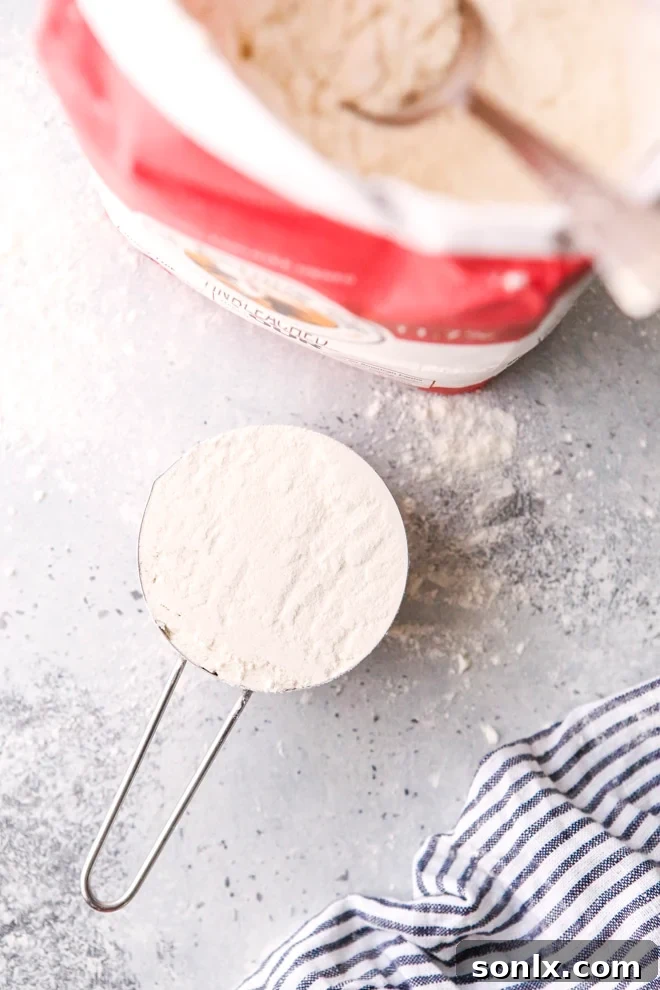
Flour might appear to be a straightforward ingredient, a simple white powder used ubiquitously in nearly every traditional baking recipe. Indeed, recipes that eschew flour are very much the exception rather than the rule. But have you ever paused to consider what flour truly is, beyond its basic appearance, and why it is so profoundly essential to the baking process?
It’s far more than just a foundational “base” for forming doughs and batters. Flour is an intricate blend of components, primarily proteins, starches, and enzymes, along with smaller amounts of lipids, vitamins, and minerals. The way a baker skillfully manages the interactions of these complex elements is what transforms raw ingredients into the delightful alchemy we call baking. Join us as we uncover how flour fundamentally influences the structure, texture, and rise of everything from hearty breads and chewy cookies to airy cakes and flaky pastries, unlocking the secrets to consistent baking success!
Table of Contents
- What is Flour? The Core Ingredient
- How and Why Flour is Essential in Baking
- Gluten-Forming Proteins: The Key to Structure and Rise
- Starches: The Unsung Heroes of Final Structure
- Enzymes and Lipids: Subtle but Significant Roles
- Exploring Different Types of Flour
- Wheat Flour Varieties: A Closer Look
- Non-Wheat Flours: Gluten-Free and Beyond
- Bleached vs. Unbleached Flour: What’s the Difference?
- Choosing the Best Flour for Your Baking Project
- Precision in the Kitchen: How to Measure Flour
- Keeping it Fresh: How to Store Flour
- The Takeaway: Flour as Your Baking Ally
- Further Exploration
What is Flour? The Core Ingredient
When most people hear the word “flour,” their minds immediately conjure images of “wheat flour.” This is indeed the most common type, produced by finely grinding the kernels, or “berries,” of wheat grains. However, understanding the intricate composition of a wheat berry is crucial to grasping how wheat flour behaves and functions within our beloved baked goods.
The wheat berry, or kernel, is a marvel of nature, thoughtfully structured into three distinct parts, each contributing unique properties to the flour derived from it:
- The outermost layer is known as the bran. This tough, protective casing is rich in dietary fiber, B vitamins, and essential minerals. While it offers significant nutritional benefits, its fibrous nature can interfere with gluten development in baking, leading to denser baked goods.
- The largest component, residing just beneath the bran, is the endosperm. Comprising roughly 80-85% of the kernel’s weight, the endosperm is primarily a reservoir of starches and proteins. It’s the powerhouse that fuels the nascent plant’s growth and, in baking, forms the bulk of the flour’s structure, elasticity, and eventual set.
- Nestled within the kernel is the germ, the embryonic part of the wheat plant, responsible for germination and growth. Though small (around 2-3% of the kernel), the germ is packed with healthy fats (lipids), B vitamins, vitamin E, and antioxidants. Its fat content means that whole wheat flour, which contains the germ, is more susceptible to rancidity over time compared to refined white flour.
The type of flour produced depends entirely on which parts of the wheat berry are included in the milling process. Traditional white flour, often referred to as “refined flour,” is made by meticulously grinding solely the endosperm into a fine, pale powder. The bran and germ are removed during milling, resulting in a flour with a longer shelf life, a lighter texture, and a more neutral flavor profile. In stark contrast, whole wheat flour is crafted from the entire kernel—the bran, endosperm, and germ are all milled together. This inclusion provides a more robust, nutty flavor, a darker color, and a significantly higher nutritional profile due to the fiber, vitamins, and minerals concentrated in the bran and germ. However, the presence of these components also impacts its baking characteristics, often resulting in denser products and requiring adjustments in recipes.
How and Why Flour is Essential in Baking
Flour is the architectural backbone of most baked goods, with its proteins, starches, enzymes, and even the trace amounts of vitamins, minerals, and fats each playing a vital, interconnected role. While the nutritional components contribute to the overall health benefits and subtle flavors, it’s primarily the proteins and starches that define the structural integrity and textural characteristics of the final product. Proteins are the architects of volume, texture, and appearance, providing the elasticity and framework for expansion. Starches, on the other hand, are the stabilizers, responsible for absorbing moisture and setting the structure once heat is applied, ensuring that your creation holds its shape even after it leaves the oven.
Gluten-Forming Proteins: The Key to Structure and Rise
The magical transformation in baking often hinges on specific proteins found within wheat flour, namely “glutenin” and “gliadin.” While flour itself does not contain gluten, these two proteins, when combined with moisture and mechanical action (like mixing or kneading), bond together to form a complex elastic network known as gluten. This network is what gives dough its characteristic stretchiness and strength, allowing it to be kneaded, stretched, and shaped without tearing.
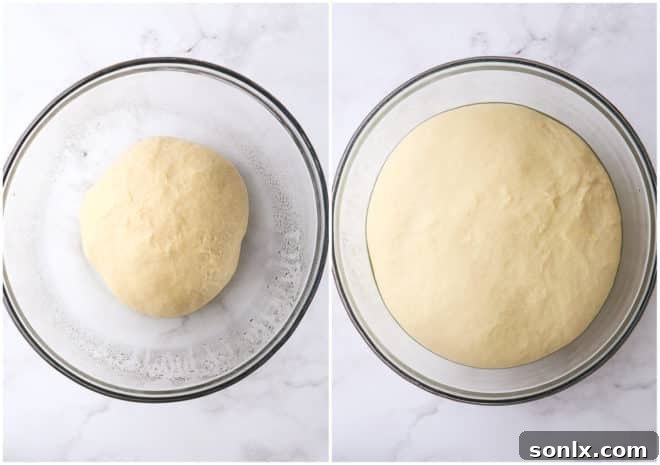
The development of this gluten network is critical because it has a unique ability: it can trap gases produced by leavening agents. Whether it’s the carbon dioxide released by yeast during fermentation or the gases generated by chemical leaveners like baking powder and baking soda, the gluten network acts like millions of tiny balloons, expanding and holding these gases, which in turn causes the dough or batter to rise. The more robust and well-developed the gluten network, the greater its capacity to trap gas, leading to a higher, airier final product with a desirable chewy texture.
Several factors profoundly influence gluten development, most notably mixing time and the presence of fat in the dough or batter. The longer a dough is mixed or kneaded, the more time the glutenin and gliadin proteins have to align and form stronger, more extensive, and more organized gluten bonds. This is why bread doughs are typically kneaded for extended periods, vigorously working the dough to encourage strong gluten development for that desirable chewy texture and significant rise. Conversely, fat plays an inhibitory role in gluten formation. Lipids coat the individual protein strands, preventing them from fully bonding with each other. This weakening effect results in a more tender, less elastic gluten network, crucial for delicate baked goods.
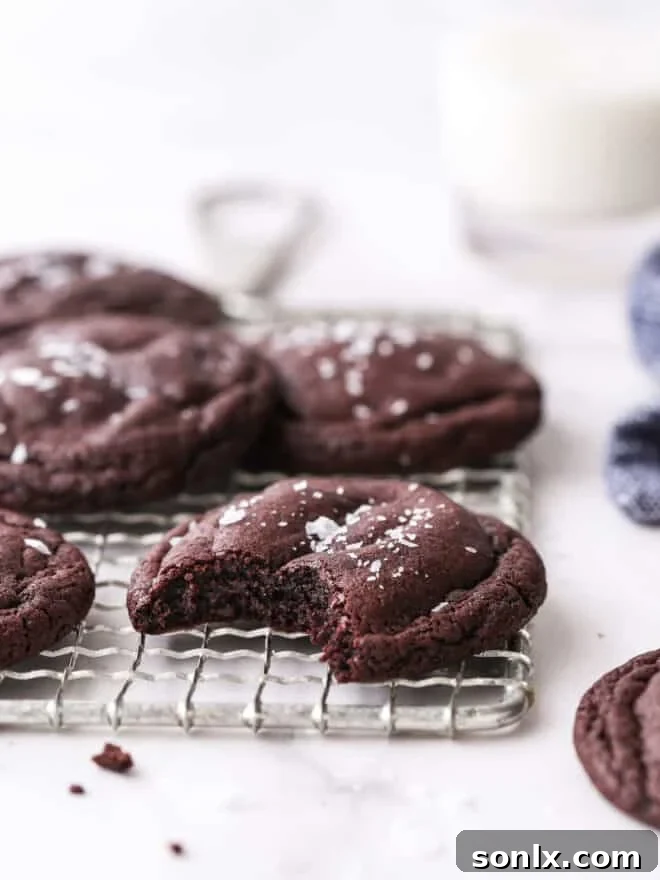
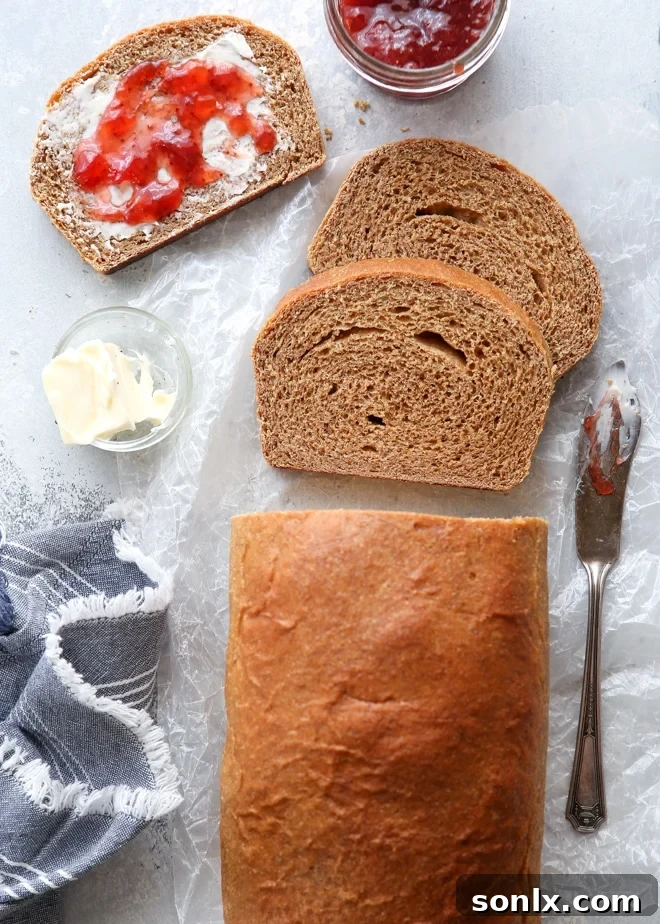
Consider the stark contrast between a rustic loaf of bread and a delicate cookie or cake. For bread, we intentionally knead yeast dough vigorously to cultivate a powerful gluten structure, essential for trapping the yeast’s gases and achieving a magnificent rise and chewy texture in the oven. In most yeast bread recipes, the fat content is relatively low, further promoting strong gluten development. On the other hand, when baking cookies or cakes, our aim is typically a light, tender, and often crumbly end product. To achieve this, we consciously avoid overmixing the batter, thereby minimizing gluten development and preventing a tough texture. Additionally, cakes and cookies often contain a higher proportion of fats (butter, oil), which naturally tenderize the crumb by inhibiting gluten from forming excessively strong bonds. This careful manipulation of gluten is one of the baker’s most powerful tools, allowing for a vast range of textures and structures in baked goods.
Starches: The Unsung Heroes of Final Structure
While gluten-forming proteins often steal the spotlight for their dramatic role in rise and elasticity, it is the starches that constitute the vast majority of flour’s composition (around 70-80%) and are absolutely critical for setting the final structure of baked goods. Starches are complex carbohydrates, essentially long chains of glucose molecules, stored in granular form within the endosperm of the wheat berry.
Most importantly, starches perform a vital function by absorbing moisture during the baking process and then solidifying to set the finished product through a phenomenon known as gelatinization. As the temperature of the dough or batter rises above approximately 140°F (60°C), the starch granules begin to swell, eagerly absorbing water from their surroundings. They eventually burst, releasing their amylose and amylopectin molecules, which then form a viscous, gel-like matrix. This process transforms the liquid batter into a more solid, sponge-like structure. As the product cools, this gel solidifies, providing the rigid framework that holds the baked good together. Without this gelatinization, a cake would collapse into a puddle, and bread would remain a shapeless, unset mass. Furthermore, during baking, starches on the surface of baked goods undergo dextrinization, a non-enzymatic browning reaction that contributes to the desirable golden crust and complex, caramelized flavors.
Enzymes and Lipids: Subtle but Significant Roles
Beyond proteins and starches, flour also contains enzymes and lipids that play supporting, yet important, roles in the baking process. Enzymes, particularly amylase, are naturally present in flour. Amylase works to break down complex starches into simpler sugars, such as maltose. These simpler sugars are crucial as a food source for yeast during fermentation, directly impacting the rate of rise and contributing to the flavor development of yeasted doughs. If a flour has too little amylase, yeast struggles; too much, and the dough can become sticky and difficult to handle. Lipids, or fats, though present in small amounts (especially concentrated in whole wheat flour’s germ), contribute to flavor, richness, and can extend the shelf life of baked goods by slowing down staling. As mentioned, fats also play a significant role in inhibiting gluten development, contributing to a more tender crumb.
Exploring Different Types of Flour
The vast world of flour extends far beyond a single “white powder.” Flours are broadly categorized by their origin (e.g., wheat, rice, almond) and, particularly for wheat flours, by their protein content, which directly dictates their best use in baking. Understanding these distinctions is paramount for selecting the right flour for your desired outcome and achieving specific textures and structures.
Wheat Flour Varieties: A Closer Look
Here’s a comparative overview of the most common wheat flour types, highlighting their unique characteristics and ideal applications:
| Flour Type | Protein Range* | Best Uses | Notes |
|---|---|---|---|
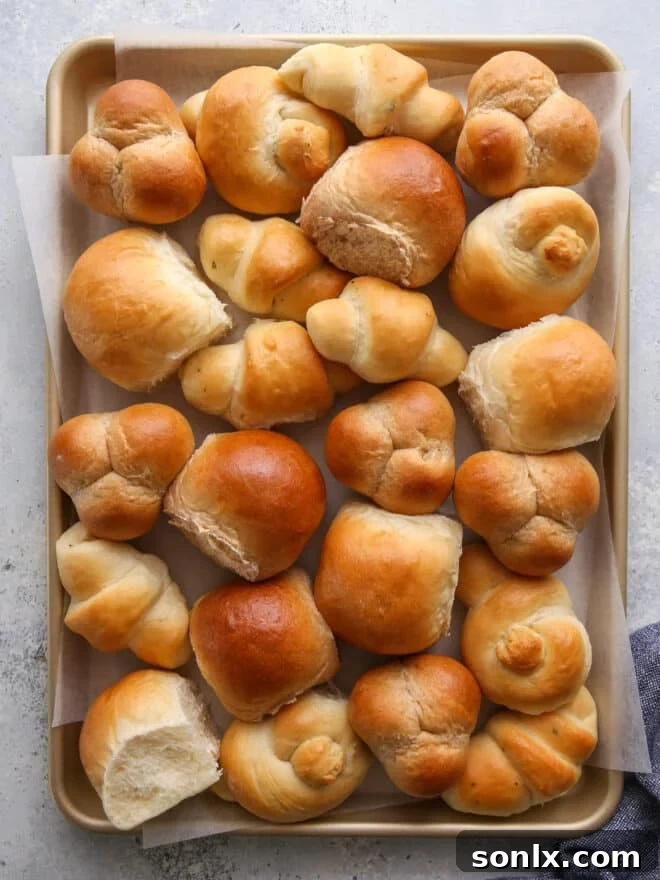
| Bread Flour | 12-15% | Yeast breads, pizza dough, bagels, chewy rolls | This high-protein flour is milled from hard wheat varieties. Its elevated protein content facilitates strong gluten development, which is essential for trapping fermentation gases and creating the desirable chewy texture and significant rise characteristic of yeast-leavened products. |
| All-Purpose (AP) Flour | 10-12% | General baking: cookies, cakes, muffins, quick breads, pie crusts, thickening sauces | A versatile middle-ground flour, often a blend of hard and soft wheats, offering a good balance of protein for a wide array of baking tasks. It’s designed to be used in countless recipes where specific flour types aren’t critical. |
| Self-Rising Flour | 10-12% | Biscuits, pancakes, some quick breads, specific southern US recipes | Essentially all-purpose flour that has been pre-mixed with precise amounts of leavening agents (typically baking powder) and salt. While convenient, it requires careful recipe adaptation and should not be substituted for plain flour without adjustments. |
| Cake Flour | 6-8% | Cakes, cupcakes, some tender pastries, sponge cakes | This very low-protein flour, milled from soft wheat, is often chlorinated. Chlorination further weakens gluten and enhances the starch’s ability to absorb moisture and sugar, resulting in exceptionally tender, light, and fine-crumbed baked goods. |
| Pastry Flour | 8-9% | Pie crusts, tarts, biscuits, some cookies, delicate shortbreads | Slightly higher protein than cake flour but lower than all-purpose, pastry flour strikes a balance. It provides enough structure for flaky, tender pastries without developing too much gluten, preventing a tough or excessively crumbly result. |
| Whole Wheat Flour | 13-14% | Whole grain breads, muffins, rustic desserts, sourdough starters | Made from the entire wheat kernel (bran, endosperm, germ), offering high fiber, vitamins, and a nutty flavor. Despite its high protein content, the sharp edges of the bran and the fat in the germ interfere with gluten network formation, often requiring more liquid and/or longer proofing times for optimal rise. |
| High-Gluten Flour | 14-15%+ | Artisan breads, bagels, pizza dough, certain enriched breads (e.g., brioche), chewy breadsticks | This flour boasts an extremely high protein content, facilitating maximum gluten development. It’s ideal for creating incredibly chewy textures and for applications requiring a very strong, elastic dough that can withstand long fermentation periods and heavy inclusions. |
| Gluten-Free Flour & Blends | Varies (often lower) | Gluten-free breads, cakes, cookies, pastries, batters for frying | These are typically blends of various non-wheat flours and starches (e.g., rice, tapioca, potato, corn, almond, millet), often combined with binders like xanthan gum, guar gum, or psyllium husk to mimic the structural integrity and elasticity traditionally provided by wheat gluten. |
*It’s important to remember that the exact protein content can fluctuate. Factors such as the specific brand you use, its milling process, the region where the wheat was cultivated, and even environmental conditions during harvest can lead to slight variations. Always check the nutrition label if precise protein content is critical for your recipe.
Non-Wheat Flours: Gluten-Free and Beyond
The definition of “flour” extends far beyond wheat. A diverse array of grains, legumes, nuts, and seeds can be ground into flours, each offering unique flavors, textures, and nutritional profiles. Popular examples include ancient grains like spelt, einkorn, kamut, rye, buckwheat, teff, and sorghum, as well as chickpea (garbanzo bean) flour, rice flour, corn flour, almond flour, and coconut flour, among many others.
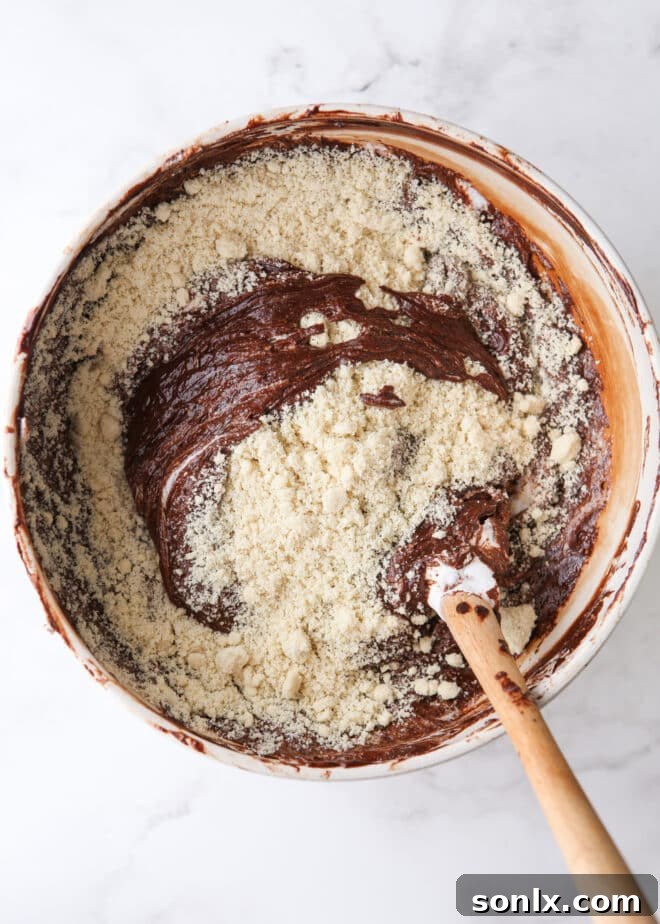
Many of these non-wheat flours lack the gluten-forming proteins (glutenin and gliadin) characteristic of wheat, or they possess different protein structures that don’t form an elastic network. This absence of gluten means they behave very differently in baking and often require specific techniques and recipes. For instance, almond flour adds richness, moisture, and a tender crumb but cannot provide structure on its own, while coconut flour is extremely absorbent and requires significant liquid adjustments. Rye flour, though it contains some gluten-like proteins, forms a dense, sticky dough due to its pentosans. To achieve desirable results in recipes typically calling for wheat flour, non-wheat flours often need to be carefully blended with other flours and starches, and frequently require the addition of binders like xanthan gum, guar gum, or psyllium husk to mimic the structural properties of gluten. This makes gluten-free baking a distinct and specialized culinary field, demanding a different understanding of ingredient interactions.
Bleached vs. Unbleached Flour: What’s the Difference?
The terms “bleached” and “unbleached” refer to how flour is whitened and aged. Naturally, freshly milled flour has a slightly yellowish tint due to carotenoid pigments. It whitens over time as it oxidizes through exposure to air. This natural aging process also serves to enhance its gluten-forming potential and overall flour strength, leading to improved baking performance. However, because this natural process is time-consuming for industrial production, chemical agents are frequently used to accelerate both the whitening and aging. Common bleaching agents include benzoyl peroxide (primarily for color) and chlorine gas (for color and to alter starch structure, common in cake flour).
While chemical bleaching achieves a consistently whiter flour with specific baking properties, it can have several implications. These chemicals may subtly alter the flavor profile of the flour, sometimes imparting a slightly metallic or chemical aftertaste. More significantly, the bleaching process can diminish some of the flour’s natural nutritional value, including certain vitamins and antioxidants. For bakers who prioritize natural ingredients and wish to avoid chemical treatments, opting for “unbleached” flour is the preferred choice. Unbleached flour typically has a slightly off-white or creamy color and a more neutral, cleaner flavor profile, reflecting its natural aging process. It’s generally considered a more natural product with excellent baking qualities for most purposes.
Choosing the Best Flour for Your Baking Project
Navigating the array of flour options can seem daunting, but the most crucial piece of advice for any baker is simple: Always follow the recipe’s instructions meticulously! A well-developed recipe will explicitly specify the ideal type of flour required—whether that’s all-purpose, bread flour, cake flour, or another specialty type. Recipes are carefully balanced, and using the wrong flour can drastically alter the texture, rise, and overall success of your baked good, leading to unexpected and often undesirable outcomes like a tough cake or a dense cookie.
Beyond adhering to the specified type, your choice of a particular brand of flour often comes down to a combination of quality, price, and local availability. Different brands can sometimes have slight variations in protein content or milling consistency, which can impact very sensitive recipes. Here are some of my consistently reliable recommendations that have proven excellent results in my own baking:
- King Arthur Baking Company: Renowned for its exceptionally consistent protein levels and superior performance across a wide range of baking applications. While it may sometimes be a slightly more expensive option, its reliability often justifies the cost, especially for foundational ingredients. It’s my top recommendation for all-purpose flour and bread flour when consistent, high-quality results are paramount.
- Bob’s Red Mill: This brand offers an impressive and extensive selection, including both traditional wheat flours and an unparalleled variety of specialty and gluten-free flours (such as almond, oat, rye, or various GF blends). Their products are widely distributed and can typically be found in most grocery stores, making them a readily accessible choice. I turn to Bob’s Red Mill whenever a recipe calls for a specific non-wheat flour or a unique grain blend.
- Gold Medal: A widely available and budget-friendly option that consistently delivers good results for everyday baking. While it might not always offer the same premium consistency as King Arthur for highly sensitive or artisan recipes, it’s a solid, dependable choice for a vast majority of home baking projects. It serves as my excellent second choice after King Arthur, particularly for general baking needs.
- Swan’s Down Cake Flour: If a recipe specifically calls for cake flour, this brand is often the gold standard. It’s typically easy to find in most grocery stores, often located near cake mixes. Its exceptionally low protein content and fine texture are specifically designed to yield the most tender, airy, and delicate cakes imaginable. I highly recommend using it whenever a recipe specifies cake flour to achieve the intended light and tender crumb.
Precision in the Kitchen: How to Measure Flour
Achieving successful baked goods hinges on precise ingredient measurements, and flour is no exception. Recipe developers meticulously balance the ratios of all ingredients—liquid, fat, sugar, and flour—to ensure the desired texture, rise, and flavor. Unfortunately, one of the most common pitfalls I observe among home bakers is the incorrect measurement of flour, which can lead to dense cakes, tough cookies, or dry breads, even if all other steps are followed perfectly.
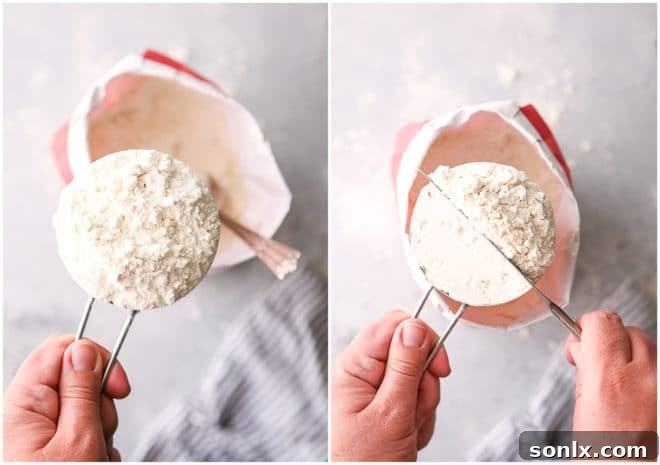
When flour is simply scooped directly from its bag with a standard measuring cup, it becomes compacted, meaning you inadvertently add significantly more flour than the recipe intends. This excess flour throws off the delicate balance of ingredients, often resulting in a product that is too dry or too stiff. To avoid this common mistake, the “spoon and sweep” method is highly recommended for volume measurements: use a spoon to lightly aerate the flour in its container, then gently spoon it into your measuring cup until it’s overflowing, and finally, level off the excess with a straight edge or the back of a knife. You can click here for a detailed visual guide on how to measure flour correctly using this method.
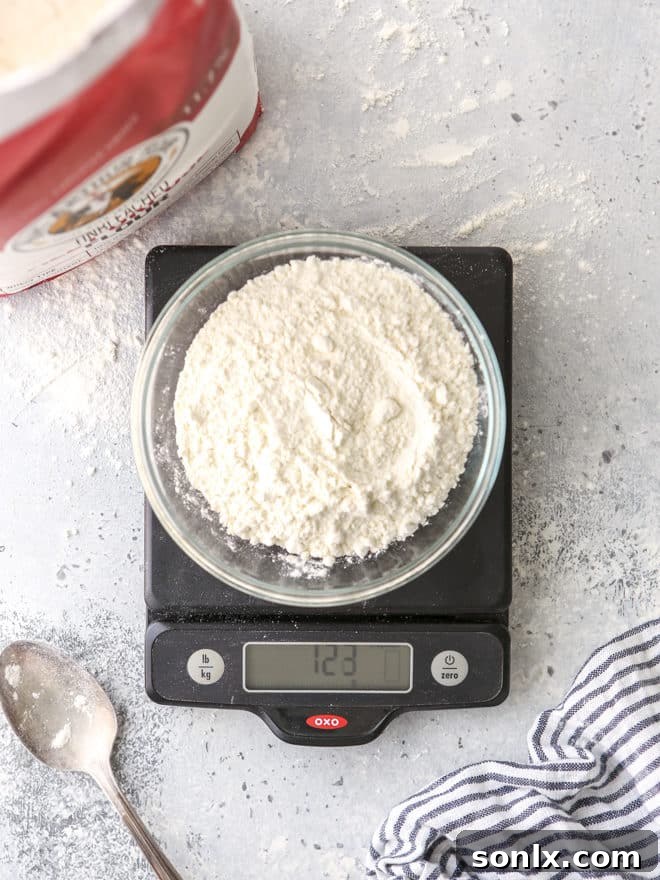
However, for the ultimate accuracy and consistency, especially in baking, I cannot stress enough the value of investing in a good quality digital kitchen scale. Measuring by weight (grams or ounces) eliminates the variables of compaction, differing flour densities, and human error, ensuring you get the exact right amount of flour every single time. This precision leads to far more predictable, consistent, and delicious results. Many modern baking recipes, including all of mine, thoughtfully provide both volume (cups) and weight (grams) measurements to empower you with this precision and help you achieve professional-level baking at home.
Keeping it Fresh: How to Store Flour
Flour, despite its dry appearance, is not immune to spoilage and does not have an indefinite shelf life. It’s a perishable ingredient that can readily absorb moisture from the air, as well as unwanted odors and flavors from its surroundings, which can compromise its baking performance and taste. Proper storage is paramount to maintaining its freshness and ensuring your baked goods taste their best.
For most types of white all-purpose flour, it’s best to store it in an air-tight container. This prevents moisture absorption and shields it from pantry pests and odors. Keep this container in a cool, dry, and dark place, such as a pantry or cabinet, away from direct sunlight or heat sources. Under these ideal conditions, white flour can remain fresh for up to 6 months. Exposure to light, heat, or humidity will accelerate its deterioration. Whole wheat flour, however, requires even more careful consideration. Because it contains the wheat germ, which is rich in natural fats, whole wheat flour is more susceptible to going rancid due to oxidation. To prevent this, if you plan to store whole wheat flour for more than a few months, it’s highly recommended to refrigerate it in an airtight container, or even freeze it for extended periods (up to a year).
Tip: Always trust your senses. Before using flour, give it a quick sniff. If your flour smells musty, bitter, faintly like old paint, or chemicals, it has likely gone past its prime and should be immediately discarded. Using spoiled flour will negatively impact the flavor and quality of your baked goods, imparting off-notes that cannot be masked.
The Takeaway: Flour as Your Baking Ally
What might appear to be a simple, inert powder is, in fact, the dynamic foundation of nearly all baked goods. Flour, with its intricate balance of proteins, starches, enzymes, and other components, is responsible for the crucial elements of texture, rise, and nuanced flavor. Its role is so profound that mastering its nuances is akin to unlocking a higher level of baking proficiency. By understanding the fundamental differences between various flour types and precisely how they behave and interact within a dough or batter, you will gain an invaluable level of confidence. This knowledge empowers you to approach any recipe with greater insight, troubleshoot potential issues, and ultimately, bake anything and everything with consistent success and joy. Embrace the science, and elevate your baking!
Further Exploration
For those eager to deepen their understanding of flour and the fascinating science behind baking, here are some of the comprehensive resources I utilized during the research and writing of this article:
- All About Wheat Flour from BakeWithZing: A foundational read on wheat flour’s characteristics and uses, detailing the milling process and components.
- Protein Percentage in Flour: Why It Matters from King Arthur Baking: An insightful article directly from a leading flour producer on the critical importance of protein content in various baking applications.
- “Bakewise: The Hows and Whys of Successful Baking” by Shirley O. Corriher: A highly acclaimed book that delves deep into the scientific principles of baking, offering practical advice grounded in chemistry.
- “I’m Just Here for More Food” by Alton Brown: A fun and educational approach to cooking and baking science, known for its accessible explanations and engaging style.