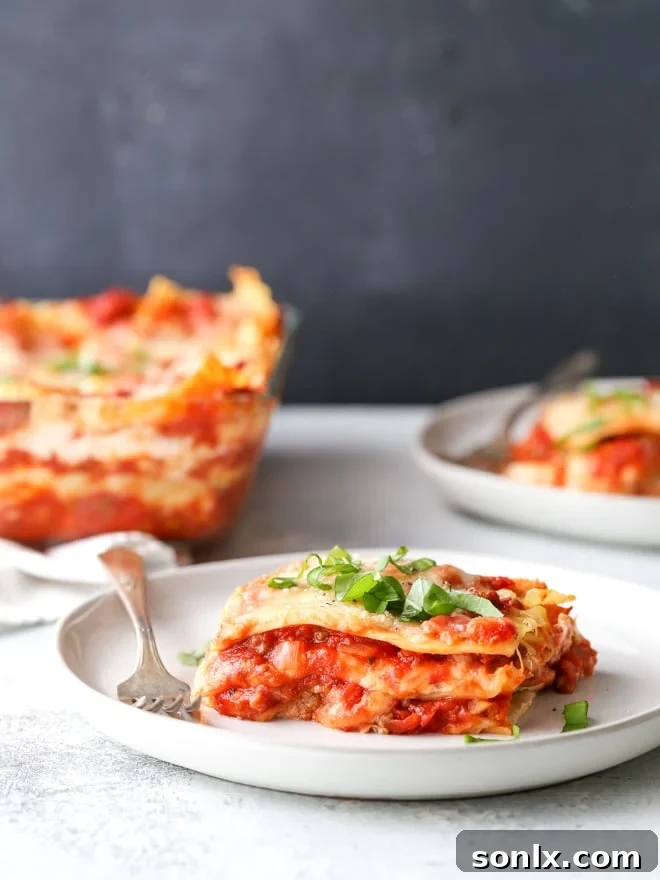
There are few dishes that evoke the comforting embrace of home quite like a classic lasagna. More than just a meal, it’s a culinary hug, a celebration of rich flavors and satisfying textures meticulously layered together. This definitive recipe for homemade meat lasagna embodies everything you cherish about this Italian staple: tender pasta, a robust, slow-simmered meat sauce, and an abundance of creamy ricotta, melted mozzarella, and sharp Parmesan cheese. It’s a dish that warms the soul, brings people together, and proves that creating restaurant-quality Italian fare right in your own kitchen is not only achievable but also incredibly rewarding. Forget complicated twists or fleeting trends; this is an homage to traditional Italian-American lasagna, a timeless masterpiece crafted with love and simplicity. Whether you’re a seasoned chef or a kitchen novice, this recipe is designed to guide you effortlessly through the process, ensuring a perfect, cozy, and utterly delicious outcome every single time.
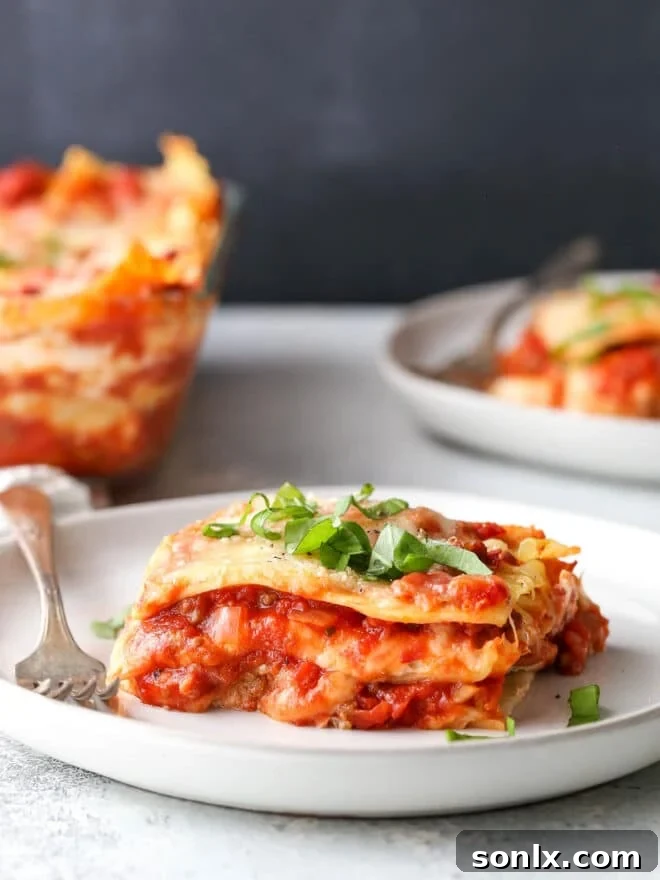
There’s a timeless allure to lasagna, a culinary masterpiece that has graced dinner tables for generations. Its enduring popularity stems from its incredible ability to satisfy both the palate and the soul. This particular rendition is a heartfelt tribute to the classic, “no-frills” lasagna – a steadfast beacon of Italian-American comfort food. We steer clear of modern interpretations or lighter substitutions, opting instead for the rich, authentic flavors that have made this dish legendary. It’s a celebration of carefully constructed layers, each contributing to a symphony of taste and texture: perfectly cooked lasagna noodles, a deeply savory homemade meat sauce, and a generous, bubbling trifecta of creamy ricotta, stringy mozzarella, and sharp Parmesan cheeses.
This isn’t just a recipe; it’s an invitation to experience the pure, unadulterated joy of traditional lasagna, making it an ideal centerpiece for any gathering. Imagine serving this magnificent dish at your next dinner party, as a comforting Sunday family meal, or even transforming a regular weeknight into a special occasion. We are confident it will be met with universal acclaim and requests for seconds, cementing its place as a cherished family favorite for years to come.
Table of Contents
- Essential Ingredients for the Perfect Classic Lasagna
- Crafting Your Perfect Homemade Lasagna: A Step-by-Step Guide
- Simplify Your Meal Planning: Make-Ahead Lasagna Instructions
- The Perfect Accompaniments: What to Serve with Your Lasagna
- Get the Full Recipe
Essential Ingredients for the Perfect Classic Lasagna
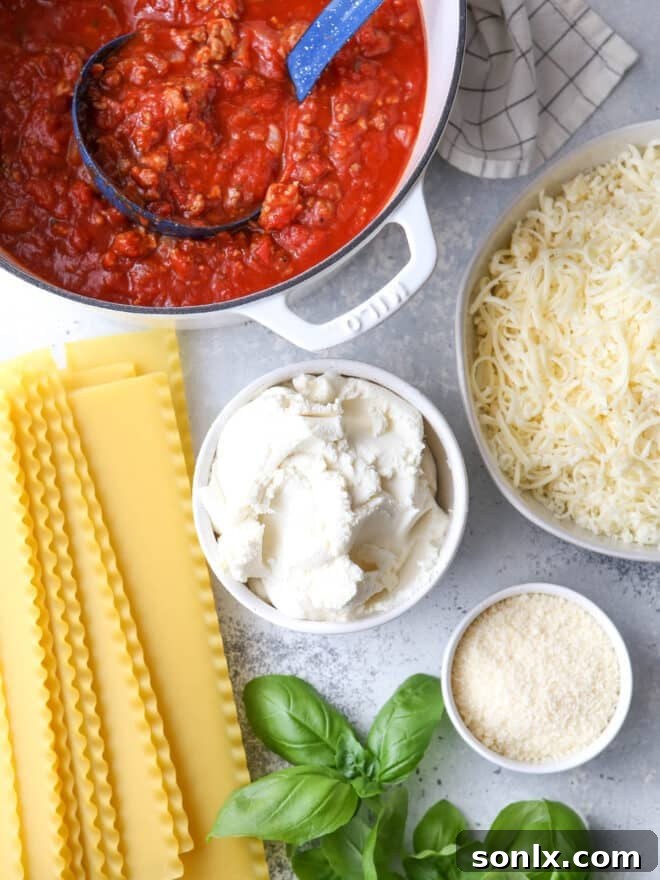
Crafting an authentic homemade lasagna, brimming with flavor and texture, starts with selecting the right ingredients. While this recipe is made entirely from scratch and requires a bit of assembly time, the process is straightforward, and the phenomenal results are undoubtedly worth every moment. Here’s a detailed look at the core components you’ll need to bring this culinary delight to life:
- A Rich Meat Medley (1 pound total): For an unparalleled depth of flavor, we highly recommend a combination of ground sausage, ground beef, and ground pork. The sausage adds a spiced savoriness, the beef provides a classic hearty foundation, and the pork contributes richness and tenderness. Aim for approximately 1/3 pound of each for a balanced profile. If a blend isn’t feasible, a single pound of any one of these meats will still yield a delicious sauce, though the layered complexity might be slightly different.
- Aromatics – Onion and Garlic: These foundational ingredients are non-negotiable for building a flavorful meat sauce. Finely chopped onion and minced garlic slowly cooked create a sweet, aromatic base that infuses the entire sauce with warmth and depth.
- Quality Tomato Products: A blend of canned crushed tomatoes and tomato sauce forms the backbone of our rich ragu. Crushed tomatoes provide texture and body, while tomato sauce ensures a smooth, cohesive consistency, marrying all the flavors together beautifully.
- Fresh or Dried Herbs: Herbs are essential for that quintessential Italian taste. Freshly chopped basil, rosemary, or thyme will elevate your sauce with vibrant, aromatic notes. If fresh herbs aren’t available, a good quality dried Italian seasoning blend works wonderfully, too. Remember that dried herbs are more concentrated, so use about a third of the amount compared to fresh.
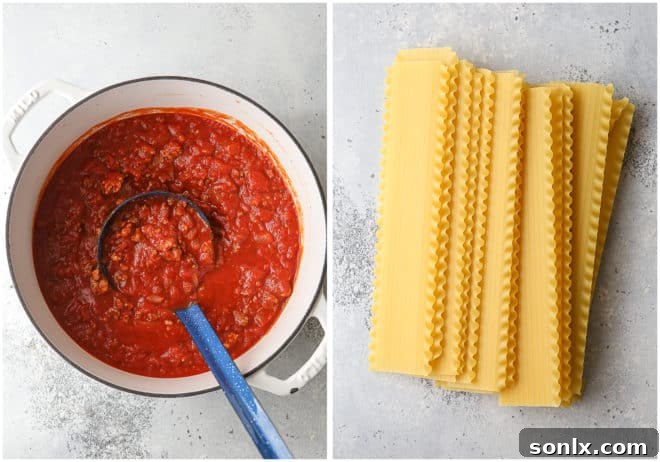
- Lasagna Noodles (about 1 pound): The pasta layers are crucial. To simplify the process and save valuable time, we strongly endorse using “no-boil” lasagna noodles. These require no pre-cooking before assembly and achieve the perfect al dente texture directly in the oven, absorbing moisture from the sauce for an incredibly tender result. If you prefer traditional noodles, boil them to an al dente stage (still firm to the bite) before layering.
- Three Cheese Blend: A classic lasagna demands a generous trio of cheeses:
- Ricotta Cheese (2 pounds): This creamy, mild cheese forms the heart of the lasagna’s cheese layer. Whole milk ricotta is preferred for its rich texture and flavor, but part-skim works too. For a slight variation, good quality cottage cheese can be substituted.
- Mozzarella Cheese (1 pound): The ultimate melting cheese, mozzarella provides that iconic gooey stretch when sliced. Freshly shredded mozzarella melts more evenly and tastes superior to pre-shredded, which often contains anti-caking agents.
- Parmesan Cheese (½ cup): Grated or shredded Parmesan adds a sharp, salty, umami kick, particularly when sprinkled on top to form a golden, bubbly crust.
- Seasonings: Don’t forget salt and freshly ground black pepper to perfectly balance and enhance all the flavors in both the meat sauce and the ricotta mixture.
Crafting Your Perfect Homemade Lasagna: A Step-by-Step Guide
Creating a homemade lasagna, while seemingly intricate, is a thoroughly enjoyable and rewarding process. It involves a few distinct stages, each contributing to the final magnificent result. We’ll break it down into simple, manageable steps, providing you with the confidence to assemble this classic dish:
- Develop the Flavorful Meat Sauce: The heart of any great lasagna is its ragu. Begin by browning your chosen blend of meats, ensuring a rich, savory foundation. Following this, onions and garlic are sautéed until tender and fragrant, creating an aromatic base. Finally, crushed tomatoes and tomato sauce are added, along with a medley of herbs and seasonings. This mixture is then simmered gently, allowing the flavors to deepen and meld, transforming into a robust, concentrated sauce that will infuse every layer of your lasagna with incredible taste. Don’t rush this step; the longer it simmers, the richer it becomes.
- Prepare Your Components: While your meat sauce is simmering, efficiently prepare the remaining elements. This involves shredding your mozzarella and Parmesan cheeses if using blocks (a crucial step for superior melt) and preparing your ricotta mixture with fresh basil and seasonings. If you’re opting for traditional lasagna noodles instead of the convenient no-boil variety, now is the time to cook them to an al dente stage according to package instructions. Proper preparation ensures a smooth and enjoyable assembly process.
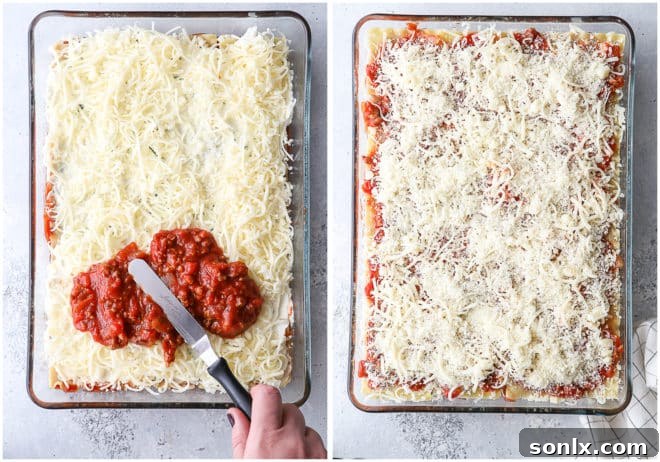
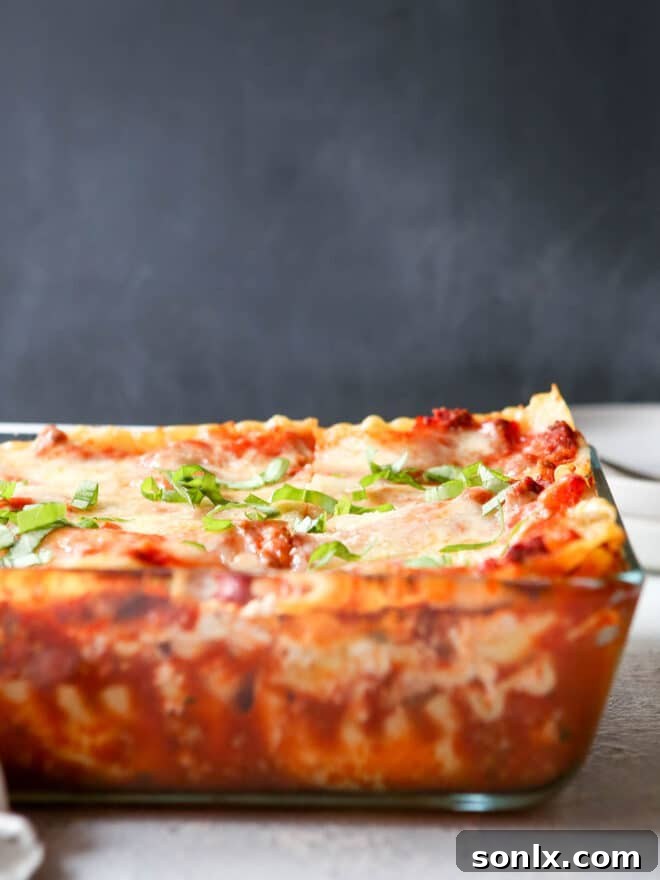
- Master the Art of Layering: This is where the magic truly happens. The fundamental layering sequence for a perfect lasagna is sauce, noodles, then cheese, and repeating this pattern. In a standard 9×13-inch casserole dish, you’ll typically achieve three full, generous layers. For those who prefer an even taller, more dramatic lasagna, consider using a smaller, deeper baking pan. The key is to distribute each component evenly, ensuring every bite contains a harmonious balance of flavors and textures. Start with a thin layer of sauce on the bottom to prevent noodles from sticking and to provide moisture from the start.
- Bake to Golden Perfection: Once assembled, your lasagna is ready for its transformation in the oven. Initially, it’s covered with aluminum foil to trap moisture, allowing the noodles to cook thoroughly and the flavors to meld without the top burning. After about an hour at 350°F (175°C), the foil is removed for the final 20 minutes of baking. This crucial step allows the top layer of cheese to turn a beautiful golden brown and become wonderfully bubbly, adding an irresistible crust and visual appeal to your dish.
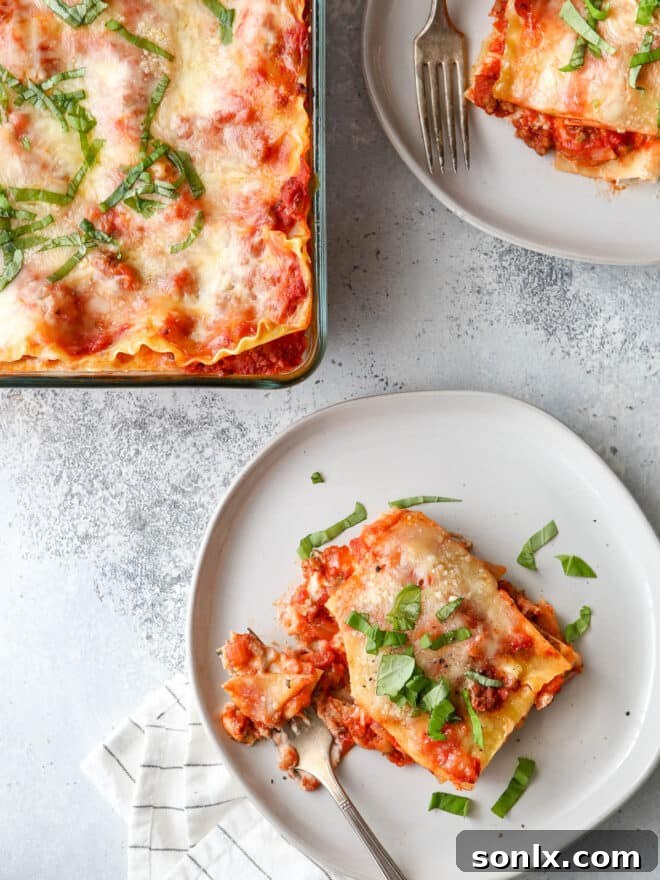
- The Essential Resting Period: Perhaps the most overlooked, yet vital, step in making lasagna is allowing it to rest after baking. While it might be tempting to slice into it immediately, resisting for at least 15-20 minutes is paramount. This resting time allows the hot, bubbling cheese and sauce to set, preventing the layers from sliding apart when cut. The result? Clean, distinct, and visually appealing slices that hold their shape beautifully, all while remaining wonderfully hot and ready to enjoy.
Simplify Your Meal Planning: Make-Ahead Lasagna Instructions
Lasagna isn’t just a delicious meal; it’s also incredibly versatile, making it an ideal candidate for meal prepping. Its ability to store beautifully in both the refrigerator and freezer, and to reheat without compromising flavor or texture, makes it a favorite among busy home cooks. Preparing lasagna in advance can save you significant time on a busy weeknight or when hosting guests, allowing you to enjoy the company without the last-minute kitchen rush.
Refrigerator Storage (Unbaked Lasagna): You can fully assemble your lasagna up to three days before you plan to bake it. After assembling, cover the baking dish tightly with plastic wrap to prevent it from drying out or absorbing odors. Store it in the coldest part of your refrigerator. When you’re ready to bake, simply remove the plastic wrap and bake as directed in the recipe. If baking directly from the fridge, you might need to add an extra 5-10 minutes to the initial covered baking time to ensure it heats through evenly.
Freezer Storage (Unbaked Lasagna): For longer-term planning, assembled unbaked lasagna freezes exceptionally well for up to one month. To prepare for freezing, wrap the baking dish first with a layer of plastic wrap, pressing it down to remove any air, and then with a layer of heavy-duty aluminum foil. This double layer helps prevent freezer burn. When you’re ready to enjoy, remove the plastic wrap (but keep the foil cover) and bake directly from frozen. You’ll need to increase the initial covered baking time by approximately 20-30 minutes to ensure the lasagna thaws and cooks properly before removing the foil for browning.
Freezer Storage (Baked Lasagna): If you have leftover baked lasagna or wish to prepare an entire batch for future meals, ensure it cools completely to room temperature first. Then, wrap individual portions or the entire dish (if well-cooled) with plastic wrap and then foil, freezing for up to one month. To reheat, remove the plastic wrap, cover loosely with foil, and warm in a 350°F (175°C) oven for 30-45 minutes, or until it’s thoroughly heated through and bubbling. For best results, avoid multiple re-freezing cycles.
The Perfect Accompaniments: What to Serve with Your Lasagna
A hearty, classic lasagna is often a complete meal in itself, but pairing it with the right side dishes can elevate your dining experience, adding freshness, texture, and balance. Here are some thoughtfully selected suggestions to transform your baked lasagna into an unforgettable feast:
- Crisp Caesar Salad: The rich, savory nature of lasagna is beautifully complemented by the bright, tangy flavors of a classic Caesar salad. Its crisp romaine lettuce, garlicky croutons, and creamy Parmesan dressing provide a refreshing contrast, cutting through the richness of the pasta and cheese. It’s a perfect palate cleanser that adds a vibrant, fresh element to your meal.
- Buttery Garlic Green Beans: For a simple yet elegant vegetable side, buttery garlic green beans are an excellent choice. Their slight crunch and savory garlic notes offer a wonderful textural and flavor counterpoint to the soft, layered lasagna. They’re quick to prepare and add a touch of healthful greenery to your plate.
- Warm, Crusty Breadsticks: No Italian-inspired meal is truly complete without something to sop up every last drop of that delectable meat sauce. Easy no-knead breadsticks are a fantastic option – their soft interior and lightly crisp crust are perfect for this purpose. Alternatively, a simple loaf of garlic bread or focaccia would also be divine.
- A Light, Fruity Wine: While not a food, consider a complementary beverage. A medium-bodied red wine like a Chianti or a lighter Sangiovese pairs wonderfully with the robust flavors of a meat lasagna. If you prefer white wine, a crisp Pinot Grigio or Sauvignon Blanc can offer a refreshing contrast.
- Lemon Olive Oil Cake for Dessert: To conclude your Italian feast on a high note, a light and bright dessert like a Lemon Olive Oil Cake is ideal. Its citrusy zest and subtle sweetness provide a refreshing finish without being overly heavy, perfectly balancing the richness of the main course.
Get the Full Recipe

Average rating: 5 out of 5 stars from 1 review
Classic Homemade Lasagna
Servings: 12 servings
Prep Time: 45 minutes
Cook Time: 1 hour
Rest Time: 15 minutes
Total Time: 2 hours
This classic meat lasagna is filled with layers of pasta, homemade meat sauce, and lots of ricotta, mozzarella, and parmesan cheese.
Pin Recipe
Leave a Review
Ingredients
Meat Sauce:
- 1 tablespoon olive oil
- ⅓ lb sausage
- ⅓ lb ground pork
- ⅓ lb ground beef
- ½ onion, chopped
- 2 cloves garlic, minced
- 28 oz canned crushed tomatoes
- 15 oz canned tomato sauce
- ½ teaspoon salt, plus more to taste
- ¼ teaspoon ground black pepper
- 1 tablespoon fresh herbs such as basil, rosemary, or thyme, chopped (or 1 teaspoon dried, such as Italian seasoning)
Lasagna Assembly:
- 2 lbs ricotta cheese, preferably whole milk ricotta
- 1 tablespoon fresh basil, chopped
- 2 teaspoons salt
- ½ teaspoon ground black pepper
- About 1 lb lasagna noodles, boiled till al dente or use “no-boil”
- 1 lb mozzarella cheese, shredded
- ½ cup grated or shredded Parmesan cheese
- Fresh basil, for garnish
Instructions
To Make Meat Sauce:
- Add 1 tablespoon olive oil to a medium pot set over medium-high heat. Add sausage, pork, and beef and cook until browned and almost done all the way through, about 5 minutes. Drain any excess fat.
- Add the chopped onion to the pot. Cook until onions are soft and translucent, about 4-5 minutes. Add minced garlic and cook for 1 minute more until fragrant, being careful not to burn it.
- Pour crushed tomatoes and tomato sauce into the pan, along with the salt, pepper, and herbs. Stir well to combine all ingredients.
- Bring the sauce to a gentle boil, then reduce heat to low and simmer for about 20 minutes, allowing the flavors to meld and the sauce to thicken slightly. Taste and adjust seasoning with more salt and pepper if needed. Remove from heat.
To Assemble Lasagna:
- Preheat oven to 350°F (175°C) and lightly grease a 9×13-inch baking or casserole dish.
- In a medium bowl, combine the ricotta cheese with the chopped fresh basil, 2 teaspoons of salt, and ½ teaspoon of ground black pepper. Mix thoroughly.
- Spread a thin, even layer of the prepared meat sauce over the bottom of the greased pan.
- Arrange a single layer of lasagna noodles over the sauce, breaking a few as needed to cover the entire pan snugly.
- Dollop approximately half of the ricotta mixture over the noodles and gently spread it into an even layer.
- Evenly sprinkle about one-third of the shredded mozzarella cheese over the ricotta.
- Repeat these layers: another layer of noodles, the remaining half of the ricotta mixture, and another third of the mozzarella cheese.
- Add a third layer of noodles. Top this with the remaining meat sauce, ensuring it’s spread evenly over the noodles.
- Finish by sprinkling the remaining mozzarella cheese and all of the Parmesan cheese generously over the top.
- Cover the baking dish tightly with aluminum foil and bake for about 35 minutes.
- Remove the foil and continue to bake for an additional 15-20 minutes, or until the sauce is bubbling around the edges and the cheese on top is beautifully golden brown and melted.
- Remove the lasagna from the oven and, crucially, let it rest for 15-20 minutes before slicing and serving. This resting period allows the layers to set, making for cleaner, more distinct slices.
- Store any leftovers in an airtight container in the refrigerator for up to 1 week.
Notes
- You likely will not need all 1 lb of lasagna noodles; always have a bit extra on hand.
- While a combination of sausage, pork, and beef will produce a richer, more complex sauce, it is perfectly acceptable to use 1 lb of just one kind of meat (e.g., all ground beef) if preferred.
- To Make Ahead: Assembled but unbaked lasagna can be covered tightly with plastic wrap and stored in the refrigerator for up to 3 days. Bake as directed, adding about 5-10 minutes to the covered baking time if baking directly from the fridge.
- To Freeze (Unbaked): Cover the assembled unbaked lasagna with a layer of plastic wrap, then a layer of heavy-duty aluminum foil, and freeze for up to 1 month. When ready to bake, remove the plastic wrap (but keep the foil cover) and bake directly from frozen, adding approximately 20-30 minutes to the initial covered baking time.
- To Freeze (Baked): Ensure the baked lasagna is completely cooled. Cover with plastic wrap and foil, then freeze for up to 1 month. To reheat, remove plastic wrap, cover loosely with foil, and warm in a 350°F (175°C) oven for 30-45 minutes, or until it’s thoroughly heated through and bubbling. For best results, avoid multiple re-freezing cycles.
Nutrition Information (per serving, estimated)
Calories: 548kcal, Carbohydrates: 39g, Protein: 31g, Fat: 30g, Saturated Fat: 15g, Cholesterol: 98mg, Sodium: 1223mg, Potassium: 615mg, Fiber: 3g, Sugar: 6g, Vitamin A: 947IU, Vitamin C: 9mg, Calcium: 439mg, Iron: 3mg
Cuisine: Italian | Course: Main Course | Author: Annalise Sandberg
Have you tried this recipe?
I’d love to hear about it! Leave a rating and review below, or take a photo and tag it on Instagram @completelydelicious with #completelydelicious.