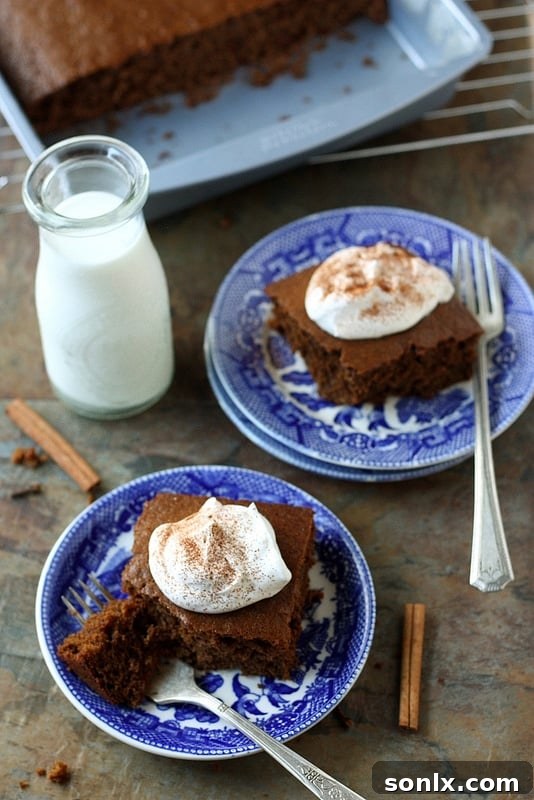
There’s a certain magic that gingerbread conjures, especially as the days grow shorter and the festive season approaches. The aroma of warm spices, the deep, rich sweetness of molasses, and the promise of a comforting treat create an irresistible pull. While many gingerbread recipes exist, offering everything from crisp cookies to dense loaves, there’s one particular variation that stands out for its unique flavor and intriguing history: Lafayette Gingerbread. This tender cake, brimming with molasses and an exquisite blend of warm spices, offers a culinary journey that’s both deeply satisfying and wonderfully nostalgic. Served with a dollop of freshly whipped cream, it transforms into a dessert that truly embodies the spirit of the holidays, perfect for sharing with loved ones or savoring in quiet moments.
Discovering Culinary Excellence: A Memorable Winter Menu Tasting at Pallet
Just last month, I had the distinct pleasure of attending a winter menu tasting at Pallet, a relatively new culinary gem nestled in the heart of Salt Lake City. From the moment I stepped through its doors, the restaurant exuded a sophisticated yet inviting ambiance, setting the stage for an evening of gastronomic delight. The entire event was a symphony of flavors and textures, with each dish thoughtfully crafted and beautifully presented. (For a glimpse into that evening, you can see some Instagram photos here and here.) Every plate was a testament to Pallet’s commitment to exceptional cuisine, and while the entire menu was superb, one particular dessert left an indelible impression, soaring above the rest in its sheer deliciousness.
It was a generously sized slice of intensely spiced gingerbread, artfully paired with delicate poached pears. The table shared a single serving, alongside a myriad of other delectable treats. Despite only managing a few precious bites amidst the shared indulgence, the gingerbread’s profound flavor lingered, sparking an immediate desire for more. Its moist crumb, the assertive yet balanced spice profile, and the subtle sweetness of the accompanying pears created a truly harmonious and unforgettable experience. I wished, at that moment, that I could have kept the entirety of that remarkable gingerbread to myself, to savor every single crumb.
The Historical Allure of Lafayette Gingerbread: A Legend Reborn
The server at Pallet introduced this extraordinary dessert as Lafayette Gingerbread, a name that piqued my curiosity immediately. I had explored numerous gingerbread variations over the years, but this specific appellation was entirely new to me. My culinary detective instincts kicked in, and I embarked on an online quest to uncover its secrets. What I found was a fascinating tale that lends this gingerbread an air of historical charm and makes it even more special.
Legend has it that this particular gingerbread recipe earned its name from none other than General Lafayette, the esteemed French aristocrat and military officer who played a crucial role in the American Revolutionary War. The story goes that in 1784, during a visit to America, Lafayette was served this exceptional gingerbread by George Washington’s mother. He was said to have been so utterly enchanted by its unique flavor and comforting warmth that he fell deeply in love with it. This historical anecdote adds a layer of rich heritage to what is already a truly exceptional baked good, connecting us to a pivotal moment in American history through the simple pleasure of a dessert. The version I’m sharing here comes remarkably close to the one served at Pallet, capturing the essence of that storied gingerbread.
What Sets Lafayette Gingerbread Apart? A Symphony of Flavors
So, what exactly distinguishes Lafayette Gingerbread from its many cousins in the gingerbread family? While the exact historical recipe may be lost to time, the characteristics that define this particular variation are quite clear and contribute to its remarkable depth of flavor and tender texture. It’s an experience far removed from the crispy, chewy gingerbread cookies often associated with the name; this is a true cake, designed for moistness and a soft, yielding crumb.
Beyond the customary generous helping of dark, robust molasses and the classic warming spices like fiery ginger and comforting cinnamon, this recipe gains an extraordinary boost from a couple of unexpected, yet crucial, ingredients: buttermilk and fresh orange juice with its fragrant zest. The buttermilk isn’t just a liquid component; its slight acidity reacts with the baking soda, contributing to a wonderfully tender crumb and adding a subtle tang that balances the sweetness of the molasses. It also ensures a moist cake that stays fresh longer. The addition of fresh orange juice and, especially, orange zest, is a stroke of genius. The citrus notes cut through the richness of the molasses and spices, brightening the overall flavor profile and adding an aromatic complexity that elevates this gingerbread far beyond the ordinary. It’s this harmonious blend of deep, earthy sweetness, spirited spice, and bright citrus that makes Lafayette Gingerbread an absolute revelation for gingerbread aficionados, truly perfect for cozy gatherings during the cooler months and an essential addition to any holiday dessert spread.
baking tip:The Art of Alternating Wet and Dry Ingredients in Baking
Many classic baking recipes, particularly those for cakes, instruct you to alternate adding the wet and dry ingredients to your creamed butter and sugar mixture. This isn’t just an arbitrary step; it’s a fundamental technique that significantly impacts the final texture and consistency of your baked goods.
Why is this alternation so important? Adding all the liquid ingredients at once to the creamed butter and sugar can cause the mixture to separate or curdle. This happens because fat and water don’t easily mix, and a sudden influx of liquid can break the emulsion created by creaming. This separation can lead to a greasy, dense cake. Conversely, adding all the dry ingredients at once results in a very thick batter that is difficult to mix thoroughly without overdeveloping the gluten in the flour. Overmixing gluten leads to a tough, rubbery cake texture, which is the antithesis of a tender cake.
By adding ingredients in stages, you allow the flour to absorb the liquid gradually, preventing separation and facilitating smoother gluten development. Begin and end with the dry ingredients (e.g., dry-wet-dry-wet-dry). This method ensures that the batter remains emulsified and pliable, allowing for proper aeration and a more consistent, tender crumb. Stir gently after each addition, mixing only until just combined to avoid overworking the gluten.
baking tip:The Importance of Room Temperature Ingredients
For most baking recipes, especially cakes like this Lafayette Gingerbread, using room temperature ingredients (butter, eggs, buttermilk) is crucial for achieving the best results. Cold ingredients simply don’t emulsify or mix as effectively as those that have been allowed to come to room temperature.
Room temperature butter, for instance, creams much more easily with sugar, allowing air to be incorporated efficiently. This air creates tiny pockets that expand in the oven, contributing to a light and fluffy texture. Cold butter, on the other hand, resists creaming, leading to a denser batter and a less tender cake. Similarly, cold eggs can cause a batter to curdle and affect the consistency, while room temperature eggs integrate seamlessly. Plan ahead by taking your butter, eggs, and buttermilk out of the refrigerator at least 30-60 minutes before you begin baking to allow them to warm up. This simple step can make a significant difference in the final outcome of your gingerbread.
baking tip:Avoiding the Pitfall of Overmixing Your Batter
One of the most common mistakes in cake baking, and a crucial one to avoid when making Lafayette Gingerbread, is overmixing the batter. Once you add the flour to the wet ingredients, the gluten proteins in the flour begin to develop when agitated with liquid. While some gluten development is necessary for structure, too much will result in a tough, chewy, and less tender cake.
The goal is to mix only until the ingredients are just combined and no streaks of dry flour remain. As soon as the flour is incorporated, stop mixing. Overmixing can also cause tunnels and an uneven texture in your cake. Use a gentle hand or a low speed on your stand mixer, and don’t be tempted to keep beating the batter beyond what’s necessary. A perfectly mixed batter will yield a cake with a delicate, moist, and tender crumb, allowing the rich molasses and spice flavors of this gingerbread to truly shine through.
Lafayette Gingerbread: A Classic Holiday Treat
Pin Recipe
Leave a Review
Ingredients
- ½ cup unsalted butter , at room temperature (113 grams)
- ½ cup packed light or dark brown sugar (110 grams)
- 1 cup molasses (225 ml)
- 3 large eggs
- 3 cups all-purpose flour (375 grams)
- 2 tablespoons ground ginger
- 1 ½ teaspoon ground cinnamon
- 1 teaspoon ground nutmeg
- 1 teaspoon baking soda
- ¾ cup buttermilk (175 ml)
- ⅓ cup freshly squeezed orange juice (75 ml)
- Zest of 1 orange
- Whipped cream , for serving
Instructions
-
Preheat your oven to 350°F (175°C). Prepare a 9×13 inch baking pan by greasing it thoroughly and dusting it with flour to prevent sticking.
-
In the bowl of a stand mixer fitted with a paddle attachment, beat the softened unsalted butter and packed brown sugar on medium-high speed until the mixture becomes light, fluffy, and pale in color. This creaming process incorporates air, essential for a tender cake. Next, add the rich molasses and mix until it is thoroughly incorporated, ensuring a uniform dark hue. Gradually add the large eggs, one at a time, mixing well after each addition to fully integrate them into the batter. Scrape down the sides of the bowl as needed to ensure everything is evenly combined.
-
In a separate, medium-sized bowl, whisk together the all-purpose flour, ground ginger, ground cinnamon, ground nutmeg, baking soda, and the fragrant orange zest. Ensure all dry ingredients are well combined. In another small bowl or measuring cup, whisk together the fresh orange juice and the buttermilk until smooth. With the mixer on low speed, add the dry ingredients to the butter mixture in three alternating additions, starting and ending with the dry ingredients. In between each dry addition, add a portion of the buttermilk mixture. Mix only until just combined after each addition, being careful not to overmix the batter, which can lead to a tough gingerbread. A few streaks of flour are acceptable; they will disappear with minimal mixing.
-
Gently pour the prepared batter into the greased and floured baking pan, spreading it evenly with a spatula. Bake in the preheated oven for 40-45 minutes, or until a wooden toothpick inserted into the center of the cake comes out clean. This indicates it is fully cooked through. Once baked, remove the gingerbread from the oven and let it cool in the pan for about 10-15 minutes before carefully inverting it onto a wire rack to cool completely. For an extra touch of indulgence, serve slices of warm or cooled Lafayette Gingerbread with a generous dollop of freshly whipped cream, if desired.