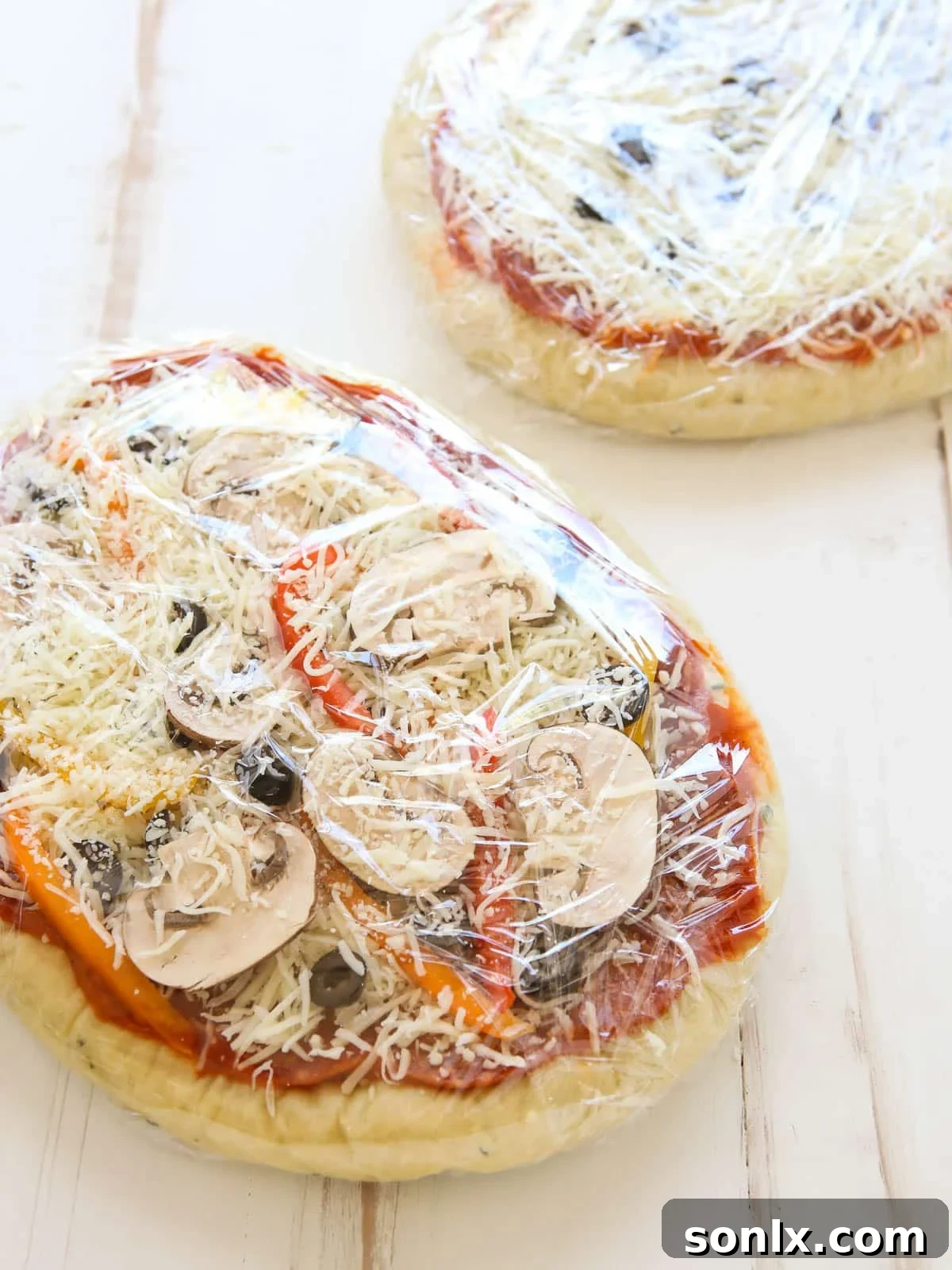
There’s nothing quite like the satisfaction of a homemade pizza – the crisp, flavorful crust, the perfectly melted cheese, and your favorite toppings, all crafted to perfection. While the thought of homemade pizza often conjures images of weekend projects, what if we told you that you could enjoy this culinary delight any night of the week with minimal effort? Enter the art of freezing homemade pizza! It’s an absolute game-changer for meal prep enthusiasts, busy families, and anyone who loves the convenience of a frozen meal without compromising on taste or quality. Forget those bland, store-bought frozen options; your homemade creations, when properly frozen, emerge from the oven tasting just as fresh and delicious as if they were made moments ago.
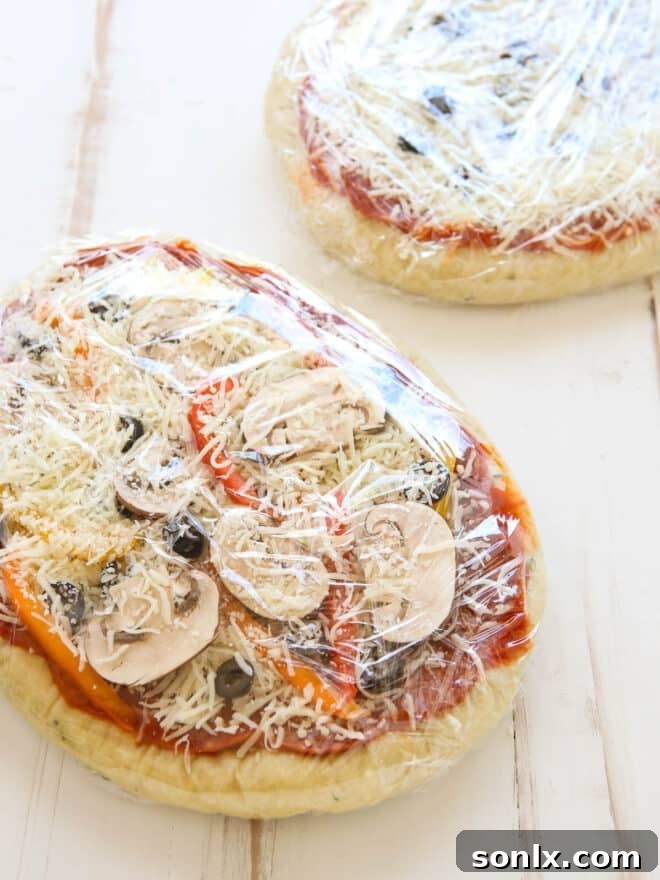
Think of freezing homemade pizza as an extension of smart meal prepping, much like batch-cooking casseroles, soups, or stews. It’s a fantastic way to ensure a wholesome, satisfying dinner is always within reach, eliminating last-minute cooking stress. Imagine having a pizza night come together in less than 30 minutes, without the usual fuss of preparing fresh dough or chopping toppings from scratch. This level of convenience is truly a dream come true for many households, allowing you to reclaim valuable time while still enjoying gourmet flavors at home.
The next time you decide to embark on a homemade pizza adventure, consider this simple yet transformative strategy: double your recipe. Make an extra pizza (or two!) and stash half of your culinary efforts in the freezer for a rainy day. Your future self, craving a quick yet gourmet meal, will undoubtedly thank you for this foresight. This comprehensive guide will walk you through the seamless process of freezing homemade pizza, ensuring every slice retains its fresh-baked charm and delicious flavor, transforming your meal routine with delicious, ready-to-bake options.
Table of Contents
- The Ultimate Guide to Freezing Homemade Pizza
- Crafting Your Perfect Pizza Dough
- The Secret to a Crispy Crust: Par-baking
- Layering on the Flavor: Choosing and Adding Toppings
- Mastering the Freeze: Wrapping for Long-Term Freshness
- Baking Your Frozen Pizza to Perfection
- Frequently Asked Questions About Frozen Pizza
- Grab the Easy Freezer Pizza Recipe
- More Homemade Pizza Inspirations
This comprehensive guide was initially penned in 2015, born from practical experience while meal prepping for my second child. It has been thoroughly updated in 2025 with enriched instructions, expanded FAQs, and a wealth of helpful, modern tips to perfect your homemade frozen pizza experience, making it even easier to enjoy your favorite meal anytime.
The Ultimate Guide to Freezing Homemade Pizza
Embarking on the journey of freezing homemade pizza is simpler than you might imagine, and the rewards are immeasurable. This step-by-step guide will not only demonstrate how effortlessly you can stock your freezer with delectable pizzas, ensuring a ready supply of quick meals, but also how to bake them directly from frozen to achieve a taste and texture indistinguishable from freshly made. We’ll delve into the nuances of each stage, from dough preparation to the final bake, to guarantee a perfect pizza every time. Furthermore, we’ll cover the optimal techniques for reheating any kind of leftover pizza, ensuring every bite is as enjoyable as the first, reducing food waste and maximizing flavor.
Crafting Your Perfect Pizza Dough
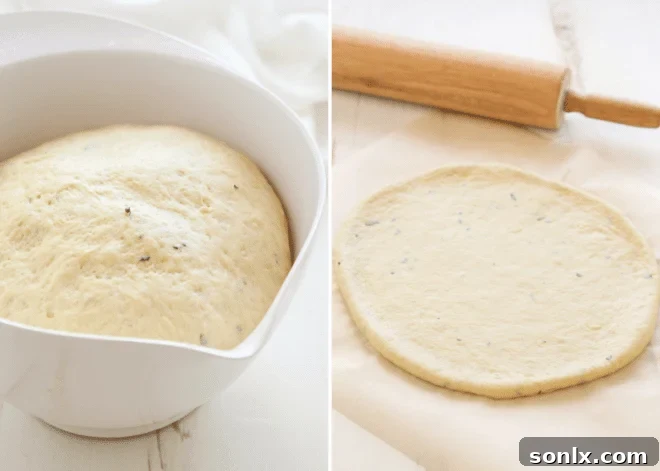
Every exceptional pizza begins with an outstanding crust. The foundation of your homemade frozen pizza’s success lies in your choice and preparation of the dough. While opting for a homemade pizza crust offers unparalleled flavor and texture, readily available fresh store-bought options, such as those from specialty grocery stores or even pre-made dough balls, can also serve as an excellent starting point for convenience, especially on busy days. Consider the type of crust you prefer: thin and crispy, thick and chewy, or a happy medium, as this will influence your dough selection.
If you’re inclined to create your dough from scratch, which I highly recommend for the freshest taste, I suggest exploring my basic pizza dough recipe (featured in these illustrative photos) or my personal favorite, the easy no-knead pizza dough recipe. Both yield wonderfully pliable and flavorful crusts perfect for freezing, requiring minimal effort for maximum reward. Once you’ve selected your preferred dough, proceed with its preparation according to the specific recipe instructions, ensuring it has completed its initial rise and is at room temperature before handling for optimal elasticity and ease of rolling.
Expert Tip: Customization is key to making frozen pizzas that cater to everyone’s preferences! Feel free to create pizzas of any size – from charming individual mini pizzas, ideal for single servings or lunchboxes, to grand family-sized options that can feed a crowd. Just remember that the baking time will need to be adjusted accordingly when it’s time to transform them from frozen delights to baked masterpieces, typically ranging from 8-15 minutes depending on their dimensions.
The Secret to a Crispy Crust: Par-baking
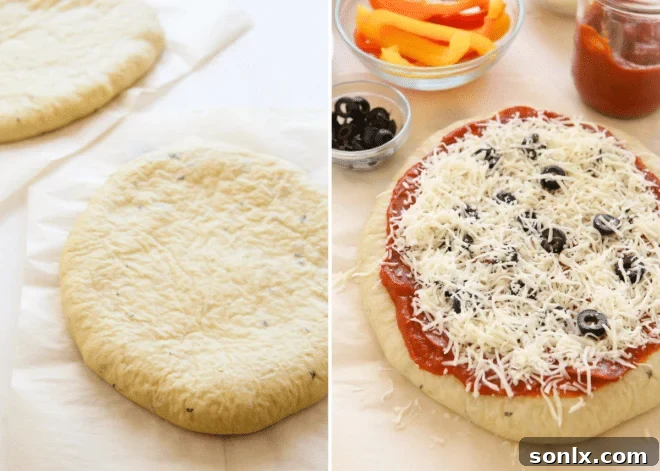
The single most crucial step in achieving a phenomenal homemade frozen pizza that rivals fresh delivery is par-baking the crust. This technique involves partially baking the pizza dough on its own before you add any toppings and send it to the freezer. Why is this so vital? Par-baking serves a critical function: it creates a protective barrier, preventing the dreaded “soggy bottom” that often plagues frozen pizzas. Pizza dough contains a significant amount of moisture, and if frozen raw with toppings, this moisture can migrate into the crust during freezing and thawing, resulting in a gummy, unappetizing texture. By drying out some of the moisture in the dough beforehand, you ensure that when your pizza is finally baked from frozen, it develops a perfectly crisp base, full of flavor, and never soft or soggy.
To par-bake, begin by preheating your oven to a high temperature, typically around 450°F (230°C). Roll out your pizza dough to your desired thickness and shape. Carefully transfer it to a baking sheet lined with parchment paper – this prevents sticking and makes transfer easier. Bake for a brief 4-5 minutes. The goal here is for the dough to puff up slightly and the surface to appear dry and set, but it should remain very pale with no browning whatsoever. This partial cook sets the structure without cooking it through, creating a solid base for your toppings. Once par-baked, remove the crust from the oven and allow it to cool completely to room temperature. This cooling step is absolutely critical before adding any sauce or toppings, as residual heat could cause condensation, leading to moisture accumulation and defeating the purpose of par-baking.
Layering on the Flavor: Choosing and Adding Toppings
Once your par-baked crust is perfectly cool, it’s time for the fun part: layering on your favorite toppings! This is where your culinary creativity truly shines. Start with a generous, but not overly thick, layer of your preferred pizza sauce, spreading it evenly across the par-baked crust, leaving a small border for the crust. Next, sprinkle on your shredded cheese. While mozzarella is a classic choice for its superior melt, don’t shy away from blends with provolone, cheddar, or a touch of grated parmesan for added depth and complexity of flavor. Finally, arrange your chosen toppings aesthetically and evenly.
When selecting toppings for a pizza destined for the freezer, it’s important to consider their moisture content and how they will fare after enduring the freezing, thawing, and reheating process. The right choices will ensure your pizza maintains its delicious integrity:
- Meats: All meat toppings, such as cooked sausage, crispy pepperoni, crumbled bacon, grilled chicken, or seasoned ground beef, must be fully cooked and drained of any excess fat before being added to your pizza for freezing. Raw meats will not cook sufficiently during the relatively short final baking time of a frozen pizza and could pose a health risk.
- Vegetables: Most vegetables freeze remarkably well. Classic choices like sliced mushrooms (lightly sautéed to remove moisture), bell peppers, red onions, and black olives are excellent choices. However, high-moisture vegetables, such as fresh tomato slices, raw spinach, or zucchini, can release excess water upon thawing and baking, potentially leading to a slightly watery or soggy pizza. If using these, consider patting them very dry with a paper towel or lightly sautéing them beforehand to reduce their water content.
- Herbs: Dried herbs, such as oregano, thyme, and red pepper flakes, are perfect for freezing as they maintain their potency. Fresh, delicate herbs like basil, fresh oregano, or arugula are best added *after* the pizza has been baked and is hot out of the oven, as freezing will diminish their vibrant flavor, color, and crisp texture.
- Sauce: Stick to a standard, thicker pizza sauce. Avoid overly watery sauces or oil-based pestos that might separate or become greasy during the freezing and reheating process.
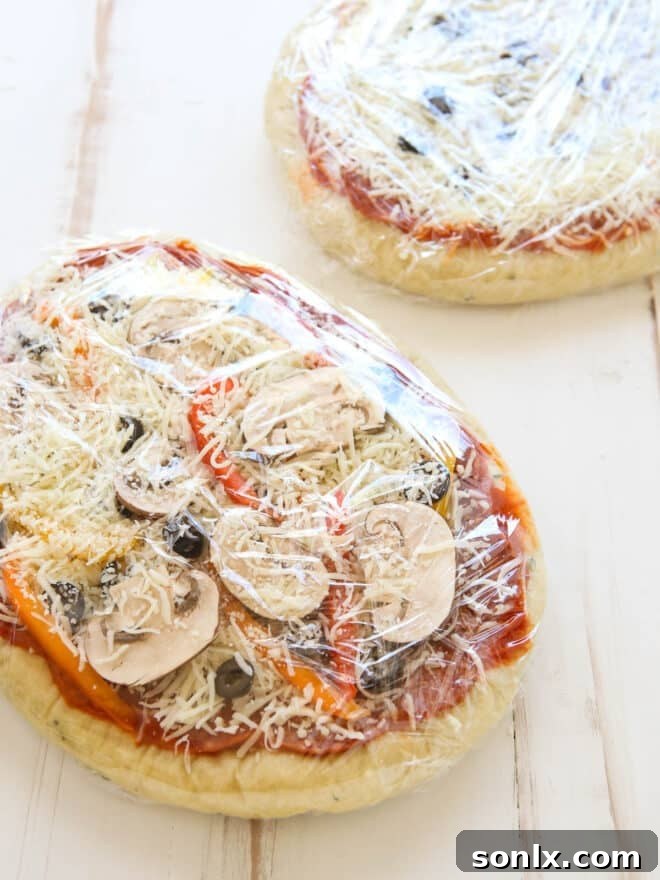
Mastering the Freeze: Wrapping for Long-Term Freshness
Proper wrapping is paramount to protecting your homemade frozen pizza from the detrimental effects of freezer burn, which can severely compromise both its flavor and texture. The ultimate goal is to create an impenetrable, airtight seal around your pizza, shielding it from the dry, frigid air of the freezer. For optimal protection, double-wrap your prepared pizzas with meticulous care. This can be achieved by using two layers of heavy-duty plastic wrap, ensuring every inch of the pizza, including the crust edges, is completely covered with no exposed areas. Alternatively, after an initial, snug layer of plastic wrap, you can slip the entire pizza into a large, heavy-duty freezer bag, or wrap it again with aluminum foil. This latter method is particularly effective for smaller, individual-sized pizzas or slices.
Once thoroughly wrapped, gently place the pizzas flat in the freezer. This crucial step prevents them from bending, getting crushed, or becoming misshapen before they are fully solid. Once frozen solid (after a few hours), they can be stacked to save space, but ensure they remain well-protected to maintain their integrity. Homemade frozen pizzas can be safely stored for up to 2 months. However, for the absolute best quality, flavor, and texture, aiming to consume them within 4-6 weeks is ideal. Always remember to label your pizzas clearly with the date they were made and the type of pizza (e.g., “Pepperoni Pizza – 10/26/2025”) to save you guesswork and ensure you use them within their prime.
Crucial Tip: The key to preserving maximum flavor and preventing freezer burn is to eliminate as much air as possible from around the pizza during wrapping. When using freezer bags, take the extra minute to press out all excess air before sealing. This simple but effective step creates a vacuum-like seal that significantly extends the quality and deliciousness of your frozen culinary creations, keeping your pizza from drying out, its toppings fresh, and its crust intact.
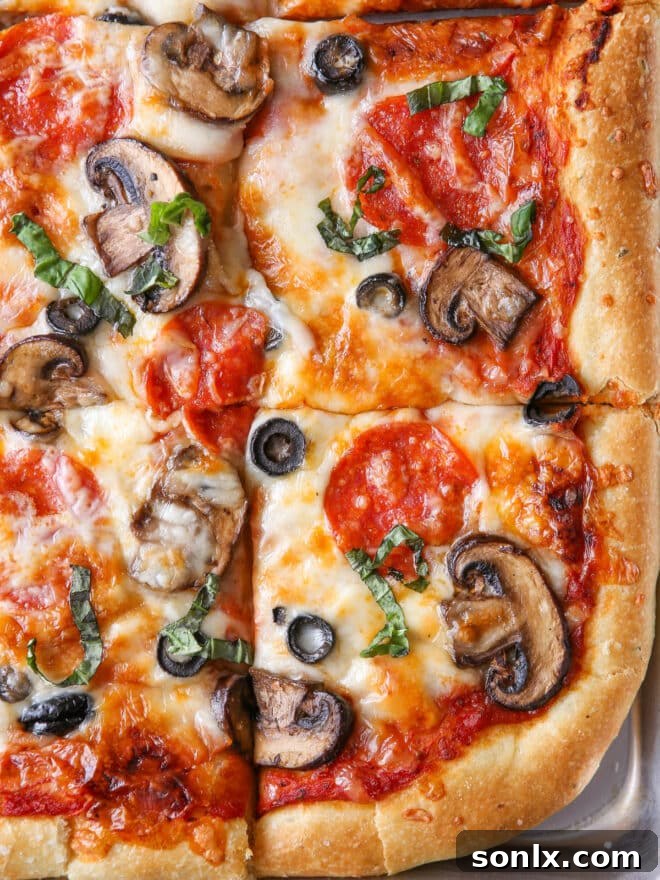
Baking Your Frozen Pizza to Perfection
The moment has arrived! When you’re ready to indulge in your homemade frozen pizza, resisting the urge to thaw it first is crucial – always bake directly from frozen for the best results. Thawing can introduce excess moisture, leading to a less crispy crust. Preheat your oven to a blazing 500°F (260°C). This high heat is absolutely essential for achieving a crispy crust, perfectly melted cheese, and thoroughly heated toppings in a short amount of time. While the oven preheats, carefully unwrap your frozen pizza(s).
Place them on a sheet pan lined with parchment paper for easy cleanup, or for an even crispier bottom that mimics a brick oven, place them directly onto a preheated pizza steel or pizza stone. A pizza steel or stone conducts and retains heat exceptionally well, transferring intense heat directly to the crust and significantly enhancing its crispness. Bake for approximately 10-15 minutes. It is vital to keep a close eye on your pizza during this stage; baking time can vary based on your specific oven’s calibration, the size and thickness of your pizza, and the quantity and type of toppings. You’re looking for a beautiful golden-brown crust, bubbling, gloriously melted cheese, and sizzling toppings. Once it reaches this state of perfection, carefully remove it from the oven, let it cool for a minute or two (to avoid burning your mouth!), slice into your desired portions, and savor every delicious bite of your convenient, homemade masterpiece!
Frequently Asked Questions About Frozen Pizza
While virtually any type of pizza can be frozen, the success of certain toppings can vary significantly. Generally, most common pizza toppings like pepperoni, fully cooked sausage, sliced olives, mushrooms (especially if sautéed first), and bell peppers freeze wonderfully without much issue. However, some ingredients with high water content, such as fresh tomato slices, raw spinach, or pineapple, may release additional moisture during the freezing and thawing process, potentially leading to a slightly watery or soggy texture on your pizza. For these, consider patting them very dry or lightly cooking them before freezing. Delicately fresh toppings like arugula or fresh basil are always best added immediately after the pizza has finished baking, as freezing will diminish their vibrant flavor, color, and crisp texture.
Absolutely, you can freeze a fully baked homemade pizza. This is often done with leftover slices. However, for the ultimate “fresh-baked” taste and texture, especially when creating pizzas specifically for freezing, the par-baking method outlined in this guide is highly recommended as it yields a superior crust. If you choose to freeze a fully cooked pizza, wrap it securely in the same manner (double-wrapped for airtightness to prevent freezer burn). When ready to reheat, bake it from frozen in an oven preheated to 450°F (230°C) until the cheese is beautifully melted and the crust is crisp again, typically 8-10 minutes. This method is excellent for conveniently saving and enjoying individual leftover slices too!
Reheating refrigerated leftover pizza often results in a soggy crust if done improperly in a microwave. To revive its crispy bottom and melt the cheese to gooey perfection, several methods work wonders. For a quick and efficient reheat that delivers excellent crispness, an air fryer at 360°F (180°C) for just a few minutes (3-5 minutes, depending on thickness and size of the slice) is an unbeatable option. Alternatively, place your slice in a hot cast iron pan or any non-stick skillet over medium heat for 1-2 minutes until the bottom crisps up. Then, add a tablespoon of water to the pan (being careful not to pour it directly on the pizza) and immediately cover with a lid. The steam trapped inside will perfectly melt the cheese and gently re-warm the toppings, creating a surprisingly fresh-tasting result.
Yes, absolutely! Homemade pizza dough, prior to being rolled out and topped, freezes exceptionally well. This is another fantastic meal prep hack for busy cooks. After its first rise, divide your dough into individual portions or balls. Lightly coat each dough ball with a little olive oil to prevent sticking, then wrap them tightly first in plastic wrap, followed by a layer of aluminum foil or placed into a heavy-duty freezer bag. Store for up to 1-2 months. To use, transfer the frozen dough to the refrigerator to thaw overnight, or allow it to thaw for several hours on your kitchen counter. Let the dough come completely to room temperature (this might take an hour or two) before attempting to roll it out and use it; this makes it much more pliable and easier to work with, preventing it from snapping back.
Absolutely, an air fryer can be a convenient and highly effective tool for baking smaller frozen homemade pizzas, provided they fit comfortably within the air fryer’s basket without overcrowding. For best results, preheat your air fryer to 360°F (180°C). Place the unwrapped frozen pizza directly into the basket – you may need to cut larger pizzas into quarters or halves to fit them properly. Bake for 8-10 minutes. It’s important to check on the pizza every few minutes, especially towards the end of the cooking time, to ensure the crust is turning golden brown and crispy and the cheese is fully melted and bubbling without burning the toppings. This method is especially great for individual-sized pizzas or quick single-serving snacks when you don’t want to heat up the main oven.
Grab the Easy Freezer Pizza Recipe

How to Freeze Homemade Pizza
1 large pizza
10 mins
10 mins
5 mins
25 mins
Pin Recipe
Leave a Review
Ingredients
-
1 lb
pizza dough , homemade or quality store-bought, at room temperature -
½ cup
pizza sauce -
2 cups
shredded cheese , such as mozzarella, provolone, or a blend -
2 cups
your choice of toppings , e.g., cooked pepperoni, sautéed mushrooms, sliced olives, bell peppers (see notes for best choices)
Equipment
Instructions
-
1. Prepare the Dough: If using a homemade pizza crust recipe, prepare the dough according to its specific instructions. Ensure it has completed its initial rise and is at room temperature for easy handling and elasticity.
-
2. Par-bake the Crust: Roll out your pizza dough into your desired shape and thickness (a large circle or rectangle is typical) and carefully transfer it to a baking sheet lined with parchment paper. Bake in a preheated oven at 450°F (230°C) for 4-5 minutes. The dough should puff slightly and its surface should appear dry and set, but it must remain pale, without any browning.
-
3. Cool & Top: Allow the par-baked crust to cool completely to room temperature (this is crucial to prevent sogginess). Once cool, evenly spread a layer of pizza sauce, then sprinkle generously with shredded cheese, and arrange your chosen toppings evenly across the surface.
-
4. Wrap & Freeze: To prevent freezer burn and preserve optimal freshness, double-wrap the prepared pizza(s) tightly in two layers of plastic wrap, ensuring an airtight seal. For smaller pizzas, you can then place them into a large ziplock freezer bag, pressing out as much air as possible before sealing. Lay pizzas flat in the freezer until solid, then they can be stacked. Store for up to 2 months. Remember to label with the date and pizza type.
-
5. Bake from Frozen: When you’re ready to enjoy, preheat your oven to a high 500°F (260°C). Place the unwrapped frozen pizza(s) directly onto a sheet pan lined with parchment paper, or for an exceptionally crispy crust, onto a preheated pizza stone or steel. Bake until the crust is golden brown and the cheese is beautifully bubbly and melted, usually about 10-15 minutes, depending on the pizza’s size and the density of its toppings. Enjoy immediately after a brief cooling period!
Notes
- All meat pizza toppings (such as cooked sausage, pepperoni, bacon, grilled chicken, etc.) should be fully cooked and drained of any excess fat before assembling the pizza for freezing. The final baking time from frozen is not sufficient to cook raw meats thoroughly.
- This method is incredibly versatile for all pizza sizes. Whether you make small individual pizzas or larger family-sized pies, the principles for par-baking and freezing remain the same. Just be sure to adjust your final baking time as needed based on the pizza’s dimensions and thickness.
- For high-moisture vegetables like fresh tomatoes or raw spinach, consider lightly sautéing them or patting them very dry to minimize water release during freezing and baking, which helps prevent a soggy crust.
- To prevent toppings from sticking to the plastic wrap and ensuring easier handling, you can flash-freeze your assembled pizzas uncovered on a baking sheet for 1-2 hours until they are solid. Then, remove them and proceed with the double-wrapping as instructed.
Have you tried this recipe?
I’d love to hear about it! Leave a rating and review below, or take a photo and tag it on Instagram @completelydelicious with #completelydelicious.
More Homemade Pizza Inspirations