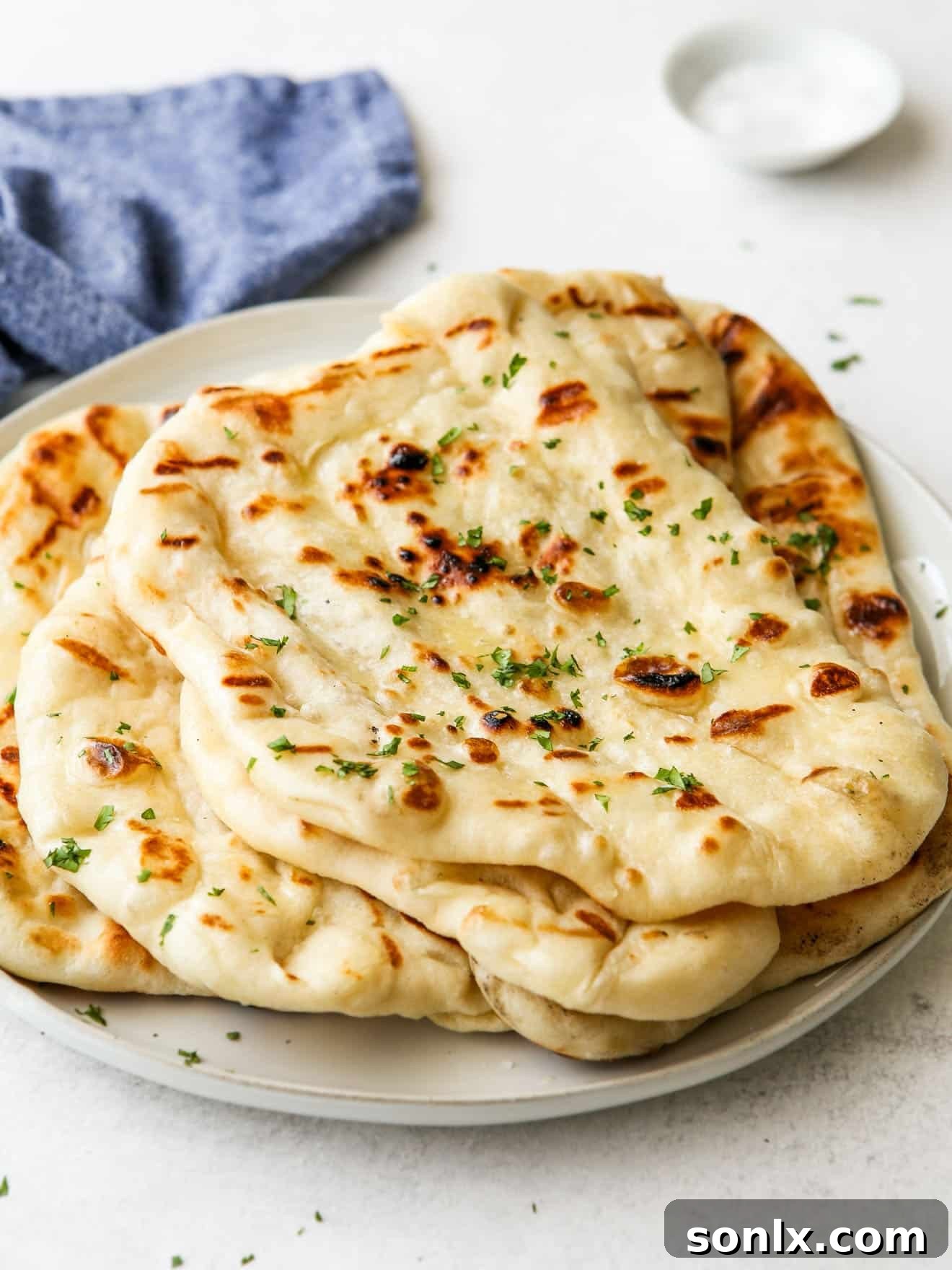
Unlock the secret to adding incredibly fresh, warm, and utterly delicious homemade bread to any meal with this remarkably easy grilled flatbread recipe. Requiring just a handful of staple pantry ingredients, this dough boasts a short rise time and is incredibly forgiving, making it a perfect project for bakers of all skill levels. Seriously, it’s almost impossible to get wrong!
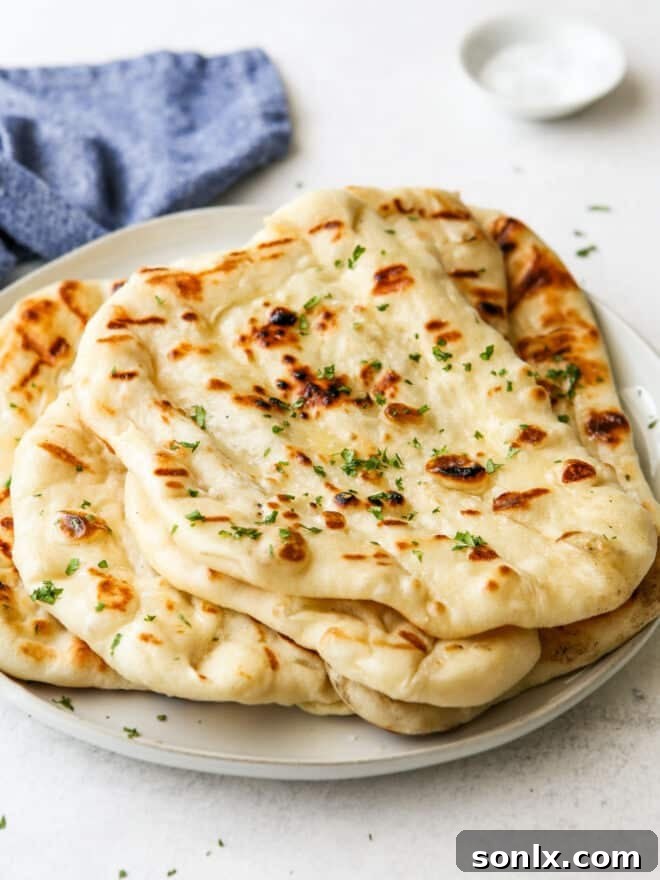
While I particularly adore making this grilled flatbread during the warmer months, especially since it doesn’t require heating up your kitchen with an oven, its versatility makes it a fantastic addition to your culinary repertoire year-round. Imagine serving it as a delightful side dish to nearly any main course, pairing it with your favorite creamy dips, or even transforming it into a rustic, customized flatbread pizza. The possibilities are truly endless!
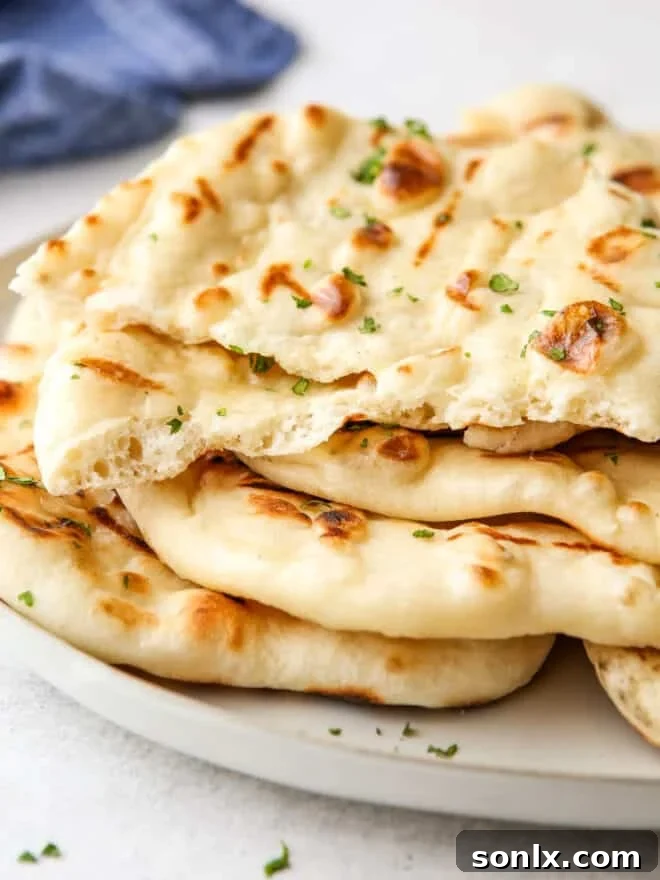
At its heart, this recipe begins with a simple, yeast-risen dough, meticulously crafted to achieve the perfect balance of texture and flavor. This dough is then rolled out thinly, allowing it to cook quickly and evenly on a hot grill or in a trusty cast iron skillet. The magic happens as it cooks: the exterior develops a beautiful, crisp texture with enticing, slightly charred spots, while the inside remains wonderfully soft, light, and delightfully chewy. The resulting flavor and texture are simply exquisite, elevating any meal it accompanies.
Table of Contents
- Essential Ingredients for Your Homemade Flatbread
- Bread Flour Versus All-Purpose Flour: Understanding the Difference
- Mastering the Art of Grilled Flatbread: Step-by-Step
- Creative Flavor Variations for Your Flatbread
- Versatile Ways to Serve Grilled Flatbread
- Planning Ahead: Make-Ahead Flatbread Tips
- Get the Detailed Grilled Flatbread Recipe
Essential Ingredients for Your Homemade Flatbread
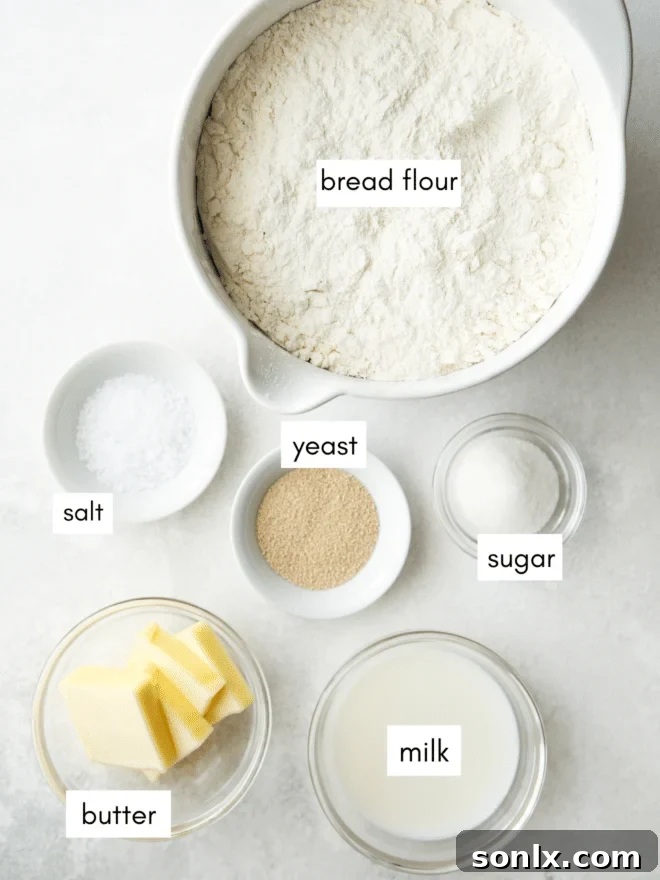
Crafting the perfect grilled flatbread starts with a foundation of simple, accessible ingredients. Most of these items are likely already in your pantry, highlighting the effortlessness of this homemade bread recipe. Each component plays a vital role in achieving that sought-after chewy texture and rich flavor. From the active yeast that gives the dough its airy lift to the choice of flour that defines its structure, every ingredient contributes to a truly satisfying culinary experience.
Bread Flour Versus All-Purpose Flour: Understanding the Difference
When it comes to crafting exceptional grilled flatbread, the type of flour you choose can significantly influence the final texture. Bread flour, with its notably higher protein content (typically 12-14%), is often considered ideal for this recipe, as well as for many other yeast-risen baked goods. This elevated protein level is crucial because it leads to greater gluten development during the kneading process. Stronger gluten networks result in a more robust and elastic dough that can capture and hold more gas produced by the yeast, allowing for a superior rise and contributing to a wonderfully chewy yet light and airy flatbread.
If you happen to have bread flour stocked in your pantry, I wholeheartedly recommend utilizing it for this recipe. The distinctive texture and impressive structure it imparts will truly elevate your flatbread. However, don’t let the absence of bread flour deter you! All-purpose flour, a pantry staple in most kitchens, will absolutely work. I’ve thoroughly tested this recipe with both types of flour, and while bread flour undeniably yields a slightly chewier and more resilient result, the difference in the final product isn’t dramatically stark. You’ll still achieve a delicious and satisfying flatbread with all-purpose flour.
A quick note on flour absorption: It’s important to remember that all-purpose flour typically absorbs less liquid than bread flour due to its lower protein content. Therefore, if you opt to use all-purpose flour, you might need to adjust the amount slightly. Be prepared to add as much as 1/4 cup more flour to your dough to achieve the correct consistency – a soft, pliable, and slightly tacky dough that pulls away from the sides of the bowl during kneading.
Mastering the Art of Grilled Flatbread: Step-by-Step
Creating homemade grilled flatbread is a rewarding experience, and following these detailed steps will ensure a perfect batch every time. This process is designed to be straightforward and enjoyable, even for those new to working with yeast doughs.
- Activate the Yeast: Begin by combining the specified amount of warm water with either active-dry yeast or instant/quick-rise yeast in a small bowl. The water should be warm to the touch, ideally between 105°F and 115°F (40°C-46°C) – think bathwater temperature. If using active-dry yeast, allow this mixture to sit undisturbed for about 5 minutes. You’ll know the yeast is alive and active when it becomes foamy and frothy on the surface, indicating it’s ready to work its magic. Instant yeast typically doesn’t require this proofing step, but a brief wait won’t hurt.
- Prepare and Knead the Dough to Perfection: In a large mixing bowl (or the bowl of a stand mixer fitted with a dough hook), combine the flour, salt, and granulated sugar. Once the yeast mixture is foamy, add it to the dry ingredients along with the milk. Stir everything together with a sturdy spoon or a dough whisk until a shaggy, somewhat sticky dough forms. Now comes the kneading! If using a stand mixer, set it to low speed and let it knead for approximately 6-8 minutes. If kneading by hand, turn the dough out onto a lightly floured surface and knead vigorously for a similar duration. The goal is to achieve a dough that is smooth, elastic, and, if using a stand mixer, mostly clears the sides of the bowl. It should be soft and slightly tacky, but not overly sticky. Resist the urge to add too much extra flour at this stage, as it can make your flatbread tough.
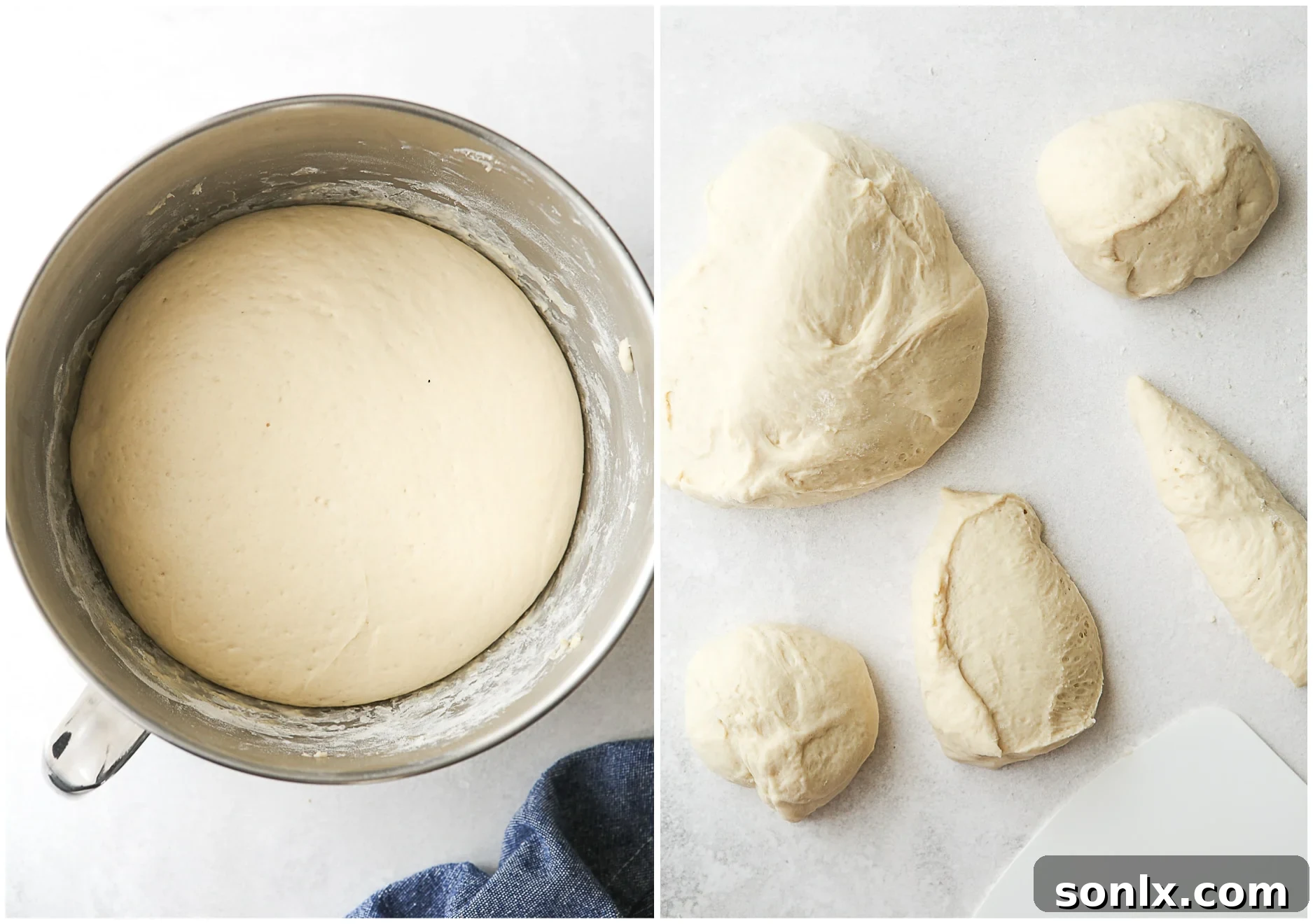
- First Rise: Allowing the Dough to Develop Flavor: Once kneaded, gather the dough into a ball and place it in a lightly oiled bowl, turning it once to coat. Cover the bowl tightly with plastic wrap or a clean kitchen towel. Allow the dough to rise in a warm, draft-free spot for approximately 30-60 minutes, or until it has roughly doubled in size. This crucial step allows the yeast to ferment, developing the complex flavors and airy texture that define exceptional flatbread.
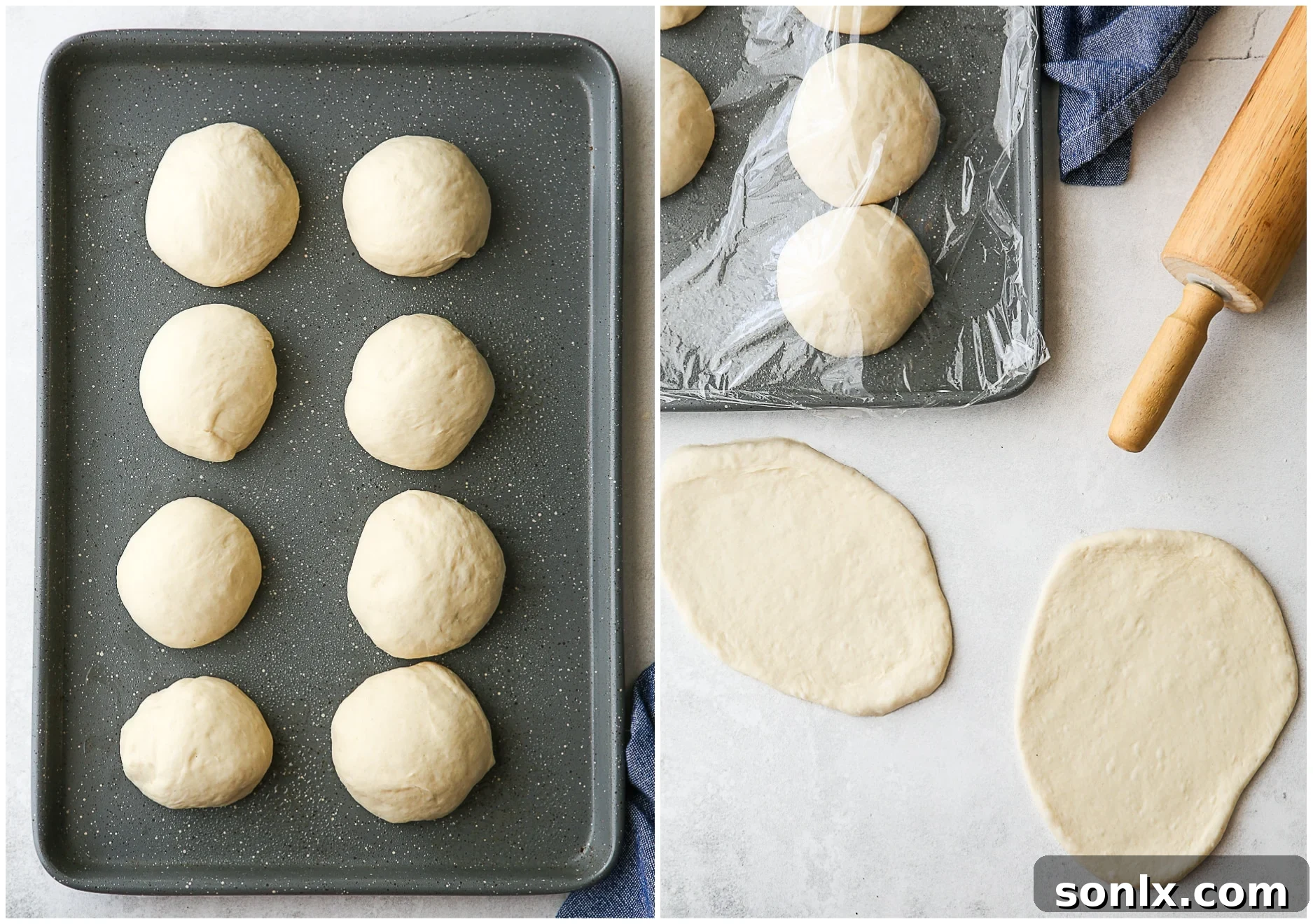
- Divide and Shape for Consistent Flatbreads: Gently punch down the risen dough to release the accumulated gases. This step also helps redistribute the yeast and creates a finer crumb structure. Turn the dough out onto a lightly floured surface and divide it into 8 equal portions. If you prefer larger flatbreads, you can divide it into 6 portions instead. To ensure even cooking and presentation, try to make each portion as uniform in size as possible. Rolling each portion into a tight ball before the next step can also help create a smoother final product.
- Roll Out Each Portion Thinly: Take one portion of dough and, using a rolling pin on a lightly floured surface, roll it out as thinly as you possibly can. The thinner the dough, the crisper the final flatbread will be, while still retaining a soft interior. Don’t worry too much about achieving a perfect circle; irregular shapes are part of the rustic charm of homemade flatbread. Whether you keep them round or opt for more oblong shapes, the focus is on consistent thinness. As you roll, you can transfer the rolled-out flatbreads to parchment-lined baking sheets, making sure to keep them covered with plastic wrap to prevent them from drying out while you roll the remaining portions.
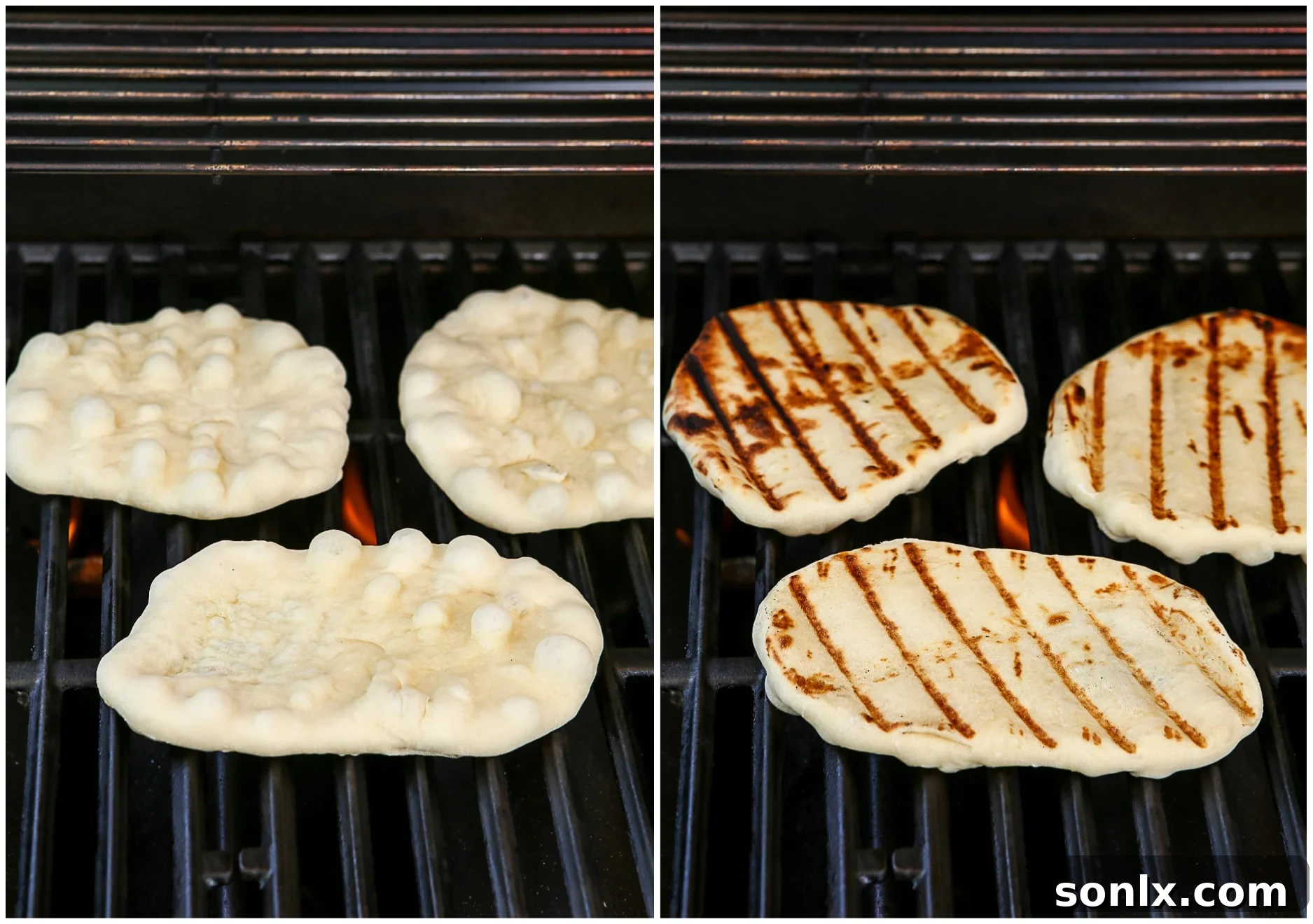
- Cook on the Grill or Cast Iron Skillet: Preheat your grill or a heavy cast iron skillet to medium-high heat. Once hot, lightly brush one side of a rolled-out flatbread with melted butter or olive oil. Immediately place that oiled side face down onto the hot cooking surface. Cook for approximately 2-4 minutes, watching carefully to ensure they don’t burn. You’ll see bubbles forming on the surface, and the bottom should be beautifully golden brown with some desirable charring. While the first side cooks, brush the uncooked side with more butter or olive oil. Flip the flatbread and cook for another 2-3 minutes on the second side until it’s also golden and cooked through. Continue this process in batches until all your flatbreads are cooked.
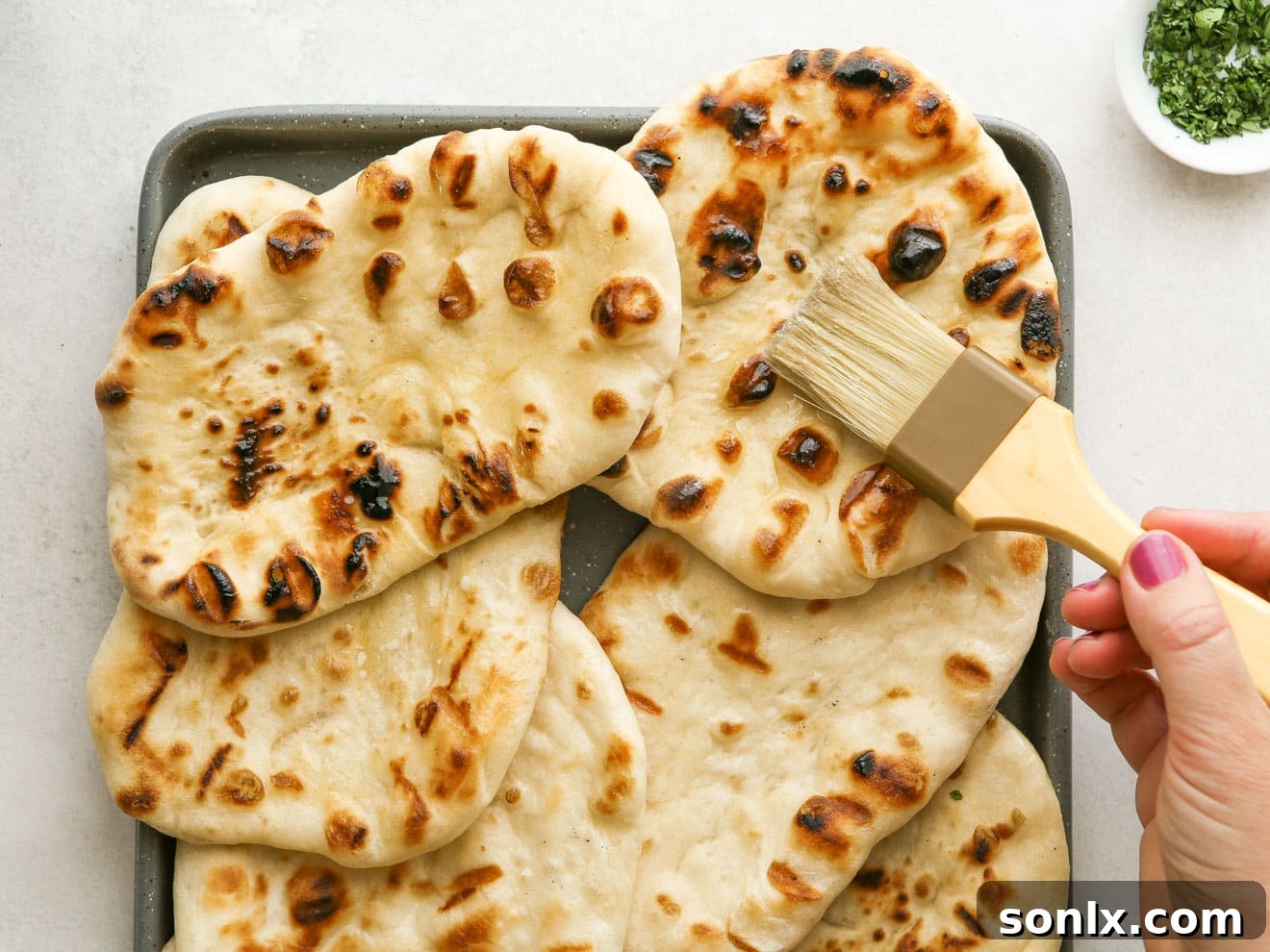
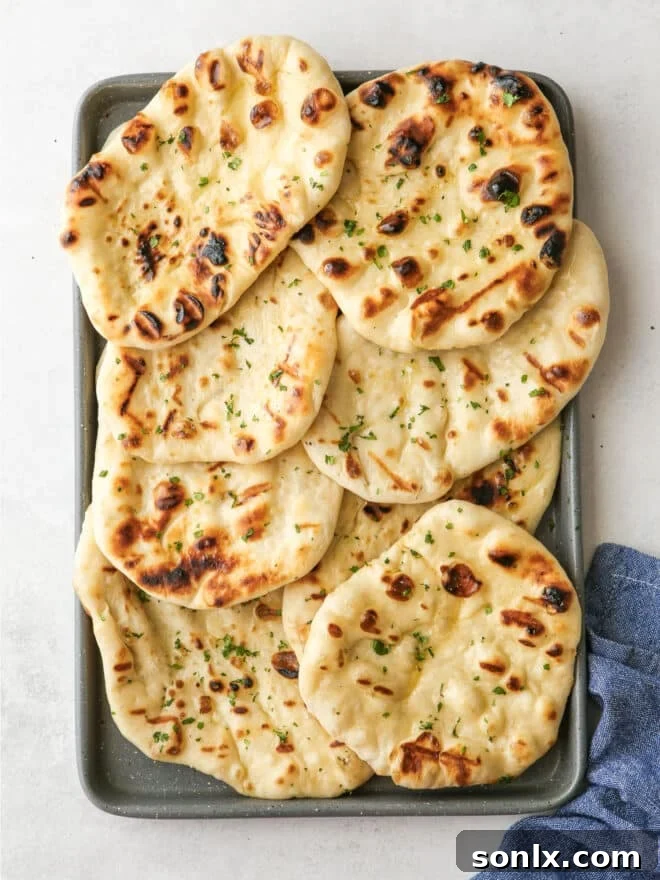
- Brush with Butter/Oil and Serve Immediately: As soon as each flatbread comes off the grill or skillet, while it’s still piping hot, give it another generous brush with melted butter or olive oil. This not only enhances the flavor but also keeps the flatbread soft and pliable. For an extra touch of gourmet appeal, sprinkle with fresh herbs like chopped chives or parsley, or a dash of flaky sea salt. Serve your homemade grilled flatbreads immediately to enjoy their optimal flavor and texture!
Creative Flavor Variations for Your Flatbread
While this grilled flatbread recipe is undeniably delicious in its simplest form, its neutral base makes it an excellent canvas for culinary creativity. Infusing additional flavors into the dough or adding toppings just before serving can transform your basic flatbread into a gourmet experience tailored to any palate or meal. Don’t be afraid to experiment and discover your new favorite combination!
- Herbal Infusion: Incorporate up to 1 tablespoon of finely chopped fresh herbs (such as rosemary, thyme, oregano, or chives) or their dried counterparts directly into the dough during the kneading phase. Alternatively, brush the hot flatbreads with herb-infused olive oil after cooking for a burst of aromatic flavor. Garlic powder or finely minced fresh garlic (up to 1 tablespoon) can also be added to the dough for a savory kick.
- Savory Mix-Ins: Elevate the savory profile by mixing in up to 1/4 cup of other flavorful ingredients. Consider sun-dried tomatoes (chopped), briny chopped olives, or finely grated hard cheeses like Parmesan, Asiago, or even a sharp cheddar. These additions will lend a wonderful depth of flavor and texture to each bite.
- Spicy Enhancements: For those who enjoy a little heat, a pinch of red pepper flakes can be kneaded into the dough. Alternatively, a drizzle of chili oil or a sprinkle of cayenne pepper can be added after cooking.
- Sweet Delights: While typically savory, flatbread can also venture into sweet territory. Instead of butter/oil, brush with cinnamon sugar or a light honey glaze immediately after cooking. This creates a wonderful base for dessert flatbreads.
- Get Creative: The beauty of flatbread is its adaptability. Think beyond these suggestions! Consider a sprinkle of everything bagel seasoning, sesame seeds, poppy seeds, or even finely chopped caramelized onions for unique flavor profiles. The key is to ensure any additions are finely chopped or grated so they distribute evenly throughout the dough and don’t interfere with the rolling process.
Versatile Ways to Serve Grilled Flatbread
One of the most appealing aspects of homemade grilled flatbread is its incredible versatility. It can effortlessly transition from a simple snack to a sophisticated main course, making it a true kitchen hero. Here are a plethora of ideas for how to serve this delightful bread, ensuring it never gets boring:
- As a Standalone Snack, Appetizer, or Side Dish: Enjoy the flatbread warm and unadorned for a simple, comforting treat. For appetizers, pair it with a variety of dips. Classic choices like creamy hummus, smoky baba ghanoush, or vibrant guacamole are always winners. You could also serve it with a fresh tzatziki, a spicy muhammara, or a simple olive oil and balsamic vinegar dip for an elegant touch.
- Transform it into Delicious Wraps: Flatbread makes an excellent, soft, and pliable wrap for various fillings. Stuff it with grilled chicken or beef, falafel, roasted vegetables, or even scrambled eggs for a hearty breakfast wrap. Enhance the flavors with fresh lettuce, sliced tomatoes, cucumbers, crumbled feta, and a drizzle of ranch dressing, a zesty vinaigrette, or a rich tahini sauce.
- Create Quick & Easy Flatbread Pizzas: This is a fantastic way to utilize leftover flatbread or to whip up a speedy meal. Spread your grilled flatbread with your favorite pizza sauce, scatter with mozzarella cheese, and add your preferred toppings – pepperoni, mushrooms, bell peppers, onions, or even some leftover cooked chicken. Return it to a hot grill (indirect heat) or pop it under the broiler for a few minutes until the cheese is bubbly and melted and the crust is crisp.
- A Unique Base for Salads: For an interesting textural contrast, use grilled flatbread as the base for a hearty salad. Top a piece of warm flatbread with a generous mound of your favorite greens, crisp vegetables, grilled protein, and a flavorful dressing. The flatbread acts as an edible, satisfying plate that soaks up all the delicious juices.
- Unexpected Sweet Dessert Flatbreads: Don’t limit flatbread to savory applications! Spread warm flatbread with sweet spreads like Nutella, peanut butter, almond butter, or a fruit compote. Garnish with fresh berries, sliced bananas, chopped nuts, a sprinkle of cinnamon, or chocolate chips for a delightful and unconventional dessert.
PRO TIP: To keep your freshly grilled flatbread warm and soft until serving, wrap it snugly in a clean kitchen towel. A tortilla warmer is also an excellent tool for this purpose. If you need to reheat flatbread, a quick warm-up in a dry skillet over medium heat for a minute or two per side will restore its soft, pliable texture and pleasant warmth.
Planning Ahead: Make-Ahead Flatbread Tips
While grilled flatbread is undoubtedly at its peak flavor and texture when served immediately, piping hot and fresh from the grill, busy schedules often call for some advanced preparation. The good news is that you can absolutely prep this recipe ahead of time, ensuring a quick and easy grilling session later without compromising too much on quality. The joy of warm, homemade bread can still be yours, even on a weeknight!
To prepare the dough in advance, simply follow the recipe instructions for making and kneading the dough as written. Once the dough has completed its first rise and has been gently punched down, instead of rolling it out immediately, divide it into your desired portions (8 for standard size, or 6 for larger flatbreads). Roll each portion into a smooth ball. Place these dough balls on a lightly greased sheet pan, ensuring they have a little space between them. Cover the sheet pan tightly with plastic wrap to prevent the dough from drying out, and then you have a couple of options for storage:
- Refrigerate: For short-term storage, the dough balls can be refrigerated for up to 24 hours. The cold temperature will significantly slow down the yeast activity.
- Freeze: For longer storage, you can freeze the dough balls for up to one month. Once the dough balls are firm and completely frozen on the sheet pan (this prevents them from sticking together), transfer them to a freezer-safe ziplock bag or airtight container for more compact freezer storage.
When you’re ready to cook your make-ahead flatbread, remember a crucial step: allow the dough to thaw completely (if frozen) and come to room temperature. This reawakens the yeast and relaxes the gluten, making the dough much easier to roll out and ensuring a tender final product. Simply place the chilled or frozen dough balls on a lightly floured surface, cover them loosely, and let them sit at room temperature for 1-2 hours (longer if frozen) until soft and pliable. Once at room temperature, proceed with rolling and grilling as directed in the main recipe instructions.
With these make-ahead tips, you can enjoy the comforting taste of fresh grilled flatbread with minimal effort on demand, perfect for impromptu gatherings or a special weeknight treat.
Get the Detailed Grilled Flatbread Recipe
This timeless recipe, originally shared in July 2010, continues to be a favorite for its simplicity and exceptional results. Below, you’ll find the comprehensive instructions and ingredient list to create your own batch of perfect grilled flatbread.

Grilled Flatbread
Servings: 8 servings
Prep Time: 15 mins
Cook Time: 15 mins
Rise Time: 30 mins
Total Time: 1 hr
Grilled flatbread is an easy way to add fresh and delicious homemade bread to a meal!
Pin Recipe
Leave a Review
Ingredients
- 2 ¼ teaspoons active-dry yeast or instant yeast (1 envelope, 7 grams)
- 1 cup warm water
- ¼ cup milk, whole or 2% (57 grams)
- 3 cups bread flour, plus more as needed (360 grams)
- 1 tablespoon granulated sugar
- 2 teaspoons salt
- ¼ cup melted butter or olive oil (56 grams)
- Chopped chives or parsley, for garnish (optional)
Equipment
Instructions
- Combine the yeast and warm water in a small bowl and let sit for 5 minutes until foamy.
- Add the yeast mixture to a large bowl (or bowl of stand mixer) along with milk, flour, sugar and salt. Combine with spoon or dough whisk to make a shaggy dough. Knead by hand or with electric mixer fitted with a dough hook for 5-7 minutes until dough is soft and smooth and clears the edges of the bowl. If needed, add more bread flour a few tablespoons at a time. (The dough should be very soft and tacky, but shouldn’t come off and stick to your fingers.)
- Cover dough and let rise for 30-60 minutes in a warm, draft-free place.
- Preheat grill or cast iron skillet to medium-high heat.
- Gently punch down the dough to release gases, then divide into 8 equal portions. Roll each out as thin as you can. Use greased or parchment-lined sheet pans to store dough rounds and rolled out flatbread as needed while you’re working. Keep covered with plastic wrap so they don’t dry out.
- Brush one side of the disk of dough with the melted butter or olive oil and immediately place that side face down on the grill or cast iron pan. Allow to cook for about 3-4 minutes until bubbly and bottom is browned (watch so they don’t burn!). Brush the other side with butter/olive oil, flip over, and cook for another 2-3 minutes. Batch cook as needed until all the flatbreads are done.
- Serve immediately. Brush with more melted butter or olive oil, and sprinkle with parsley or chives before serving, if desired. See notes for additional flavor ideas.
Notes
- This recipe makes 8 single-serving portions. If you’d like larger pieces of flatbread, divide into 6 larger balls of dough.
- To cut into 8 equal portions, use a bench scraper to cut dough in half, cut each of those halves in half again to make 4 pieces, and then halve each of those to create 8 total pieces.
- Only brush rolled out flatbread with butter or oil right before putting them on the grill, as they get sticky and hard to work with if you do it much beforehand.
- Flavor variations, add to dough or on top before serving:
- Up to 1 tablespoon of herbs (dried or fresh) or garlic.
- Up to 1/4 cup of sun-dried tomatoes, chopped olives or grated cheese like parmesan or asiago.
- Or, get creative and add whatever you’d like!
Nutrition Information (per serving, approximate):
- Calories: 233 kcal
- Carbohydrates: 36g
- Protein: 6g
- Fat: 7g (Saturated Fat: 4g, Polyunsaturated Fat: 1g, Monounsaturated Fat: 2g, Trans Fat: 0.2g)
- Cholesterol: 16mg
- Sodium: 631mg
- Potassium: 69mg
- Fiber: 1g
- Sugar: 2g
- Vitamin A: 191IU
- Vitamin C: 0.003mg
- Calcium: 19mg
- Iron: 0.4mg
Cuisine: Mediterranean
Course: Snack, Side Dish
Author: Annalise Sandberg
Have you tried this recipe? I’d love to hear about it! Leave a rating and review below, or take a photo and tag it on Instagram @completelydelicious with #completelydelicious.