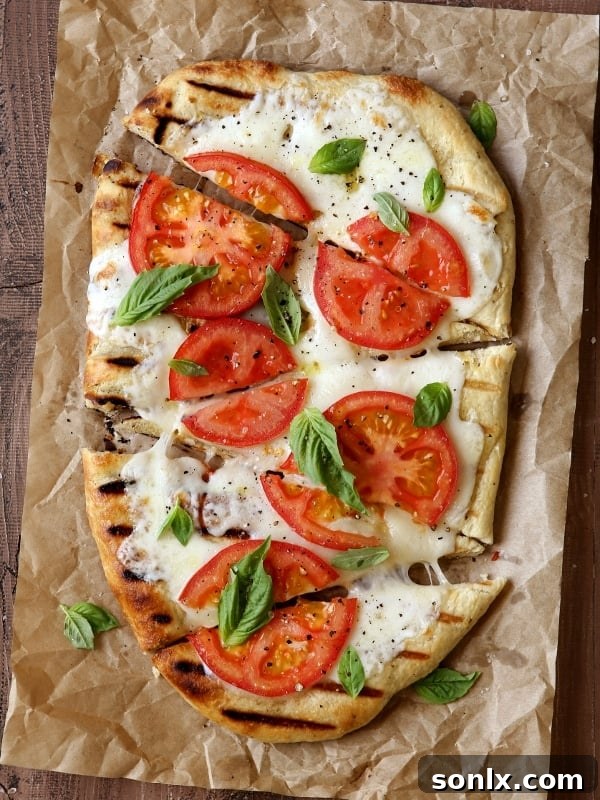
Forget turning on your oven and embrace the incredible flavor of pizza baked directly on your grill! It’s a surprisingly simple method that yields a delightfully crispy crust and a unique smoky taste you won’t get anywhere else. Get ready to learn how to grill pizza at home like a true culinary expert, transforming your backyard into your favorite pizzeria.
Pizza night is a beloved tradition in many households throughout the year, a reliable crowd-pleaser for any occasion. However, when the hot summer months arrive, the thought of firing up the indoor oven and heating your kitchen can be less than appealing. Thankfully, you don’t have to sacrifice your pizza cravings when the temperatures rise! You can effortlessly cook delicious pizza outdoors on a grill, offering a fantastic solution that keeps your kitchen cool while delivering an unforgettable meal.
Grilling pizza is not only easy and quick, but it also infuses your culinary creations with an extra boost of irresistible smoky flavor and a perfectly crispy, slightly charred crust. This method creates a unique texture and taste profile that’s distinct from oven-baked pizza. The direct heat of the grill ensures a rapid cook, giving you a bubbling, cheesy masterpiece in mere minutes. This comprehensive guide will walk you through every step, ensuring you master the art of grilling pizza right in your own backyard. From preparing the dough to selecting the freshest toppings and expertly managing the grill’s heat, we’ll cover everything you need to know for a successful and incredibly delicious experience.
How to Grill Pizza: A Step-by-Step Guide for Outdoor Perfection
Grilling pizza might sound intimidating at first, but with a few simple techniques and careful preparation, you’ll be churning out delicious, restaurant-quality pies in no time. The key is to have everything ready and to understand the quick cooking process on the grill. Follow these detailed steps to achieve perfect grilled pizza every time, making it your new summer staple.
Step 1: Preparing Your Pizza Dough for the Grill
The foundation of any great pizza is its dough, and grilled pizza is no exception. The right dough will provide that coveted crispy-chewy texture and a sturdy base for your toppings. You have several excellent options for dough, depending on your preference and available time:
- Store-bought Dough: Many supermarkets and local pizzerias offer fresh pizza dough in their refrigerated sections. This is a wonderfully convenient option that saves significant time and effort. Look for dough that feels soft, elastic, and has come to room temperature for easier handling.
- Your Favorite Homemade Recipe: If you have a go-to homemade pizza dough recipe that you love and trust, by all means, use it! Ensure it’s well-risen and rested, making it pliable and easy to work with.
- Tried-and-True Recipes: For those looking for reliable homemade options, consider trying my basic pizza dough recipe for a classic, robust crust. Alternatively, for a simpler approach that still delivers fantastic results with minimal fuss, my no-knead pizza dough recipe is an excellent choice. Both are proven winners for grilled applications, offering great flavor and texture.
Once you’ve chosen and prepared your dough, here’s how to get it grill-ready:
- Divide the Dough: If your chosen dough recipe yields more than one pizza (for instance, my recipes typically make two 10-inch pizzas), divide the risen dough in half. Working with smaller portions makes the dough more manageable on the grill and allows for culinary creativity with varied toppings on each pie. If your dough is designed for a single larger pizza, you can skip this division step.
- Roll or Stretch Out the Dough: On a lightly floured surface (or using a thin layer of cornmeal or semolina to prevent sticking), gently roll or stretch your dough into a rough circular or oval shape. Aim for a consistent thickness of about 1/4 to 1/2-inch. Don’t fret if it’s not a perfect circle; an oddly shaped, rustic pizza adds to its charm and homemade appeal. The key is an even thickness to ensure uniform cooking.
- Brush with Olive Oil: Liberally brush one side of each rolled-out dough portion with high-quality olive oil. This step is critically important for two reasons: it prevents the dough from sticking to the hot grill grates, and it helps achieve that desirable golden-brown, wonderfully crispy crust with delicious char marks.
Step 2: Preparing Your Toppings & Ensuring Mise en Place
The grilling process for pizza is incredibly fast – often just a few minutes per side. Once your pizza dough hits the hot grates, you’ll have only a short window to add your toppings before it’s time to remove it. This means that having all your ingredients prepped, organized, and within arm’s reach (a culinary concept known as “mise en place”) is absolutely essential for a smooth, stress-free, and successful grilling experience. Think of it as a culinary race against the clock where every second counts!
- Pre-Cook Meats and Hardy Vegetables: Ingredients that require longer cooking times, or those you want to ensure are fully cooked and tender, must be prepared ahead of time. This includes raw sausage, chicken, bacon, mushrooms, onions, bell peppers, or dense vegetables like broccoli florets. Sautéing, roasting, or grilling them partially before adding them to the pizza ensures they are heated through and perfectly tender by the time the crust is perfectly cooked. Slice these items thinly or chop them into small, bite-sized pieces for quicker heating on the pizza.
- Chop, Shred, and Measure All Other Toppings: Dice, slice, or shred all your other desired toppings and have them ready in small bowls or neatly arranged on a large tray. This includes your favorite pizza sauce (classic tomato, pesto, or a simple olive oil and garlic base), cheeses (shredded mozzarella, fresh mozzarella torn into smaller pieces, provolone, parmesan, goat cheese, or feta), olives, pepperoni, or any other delicious additions. The goal is to be able to grab and scatter them efficiently.
- Additional Olive Oil: Don’t forget to have extra olive oil readily available, perhaps in a small bowl with a basting brush. This will be used for brushing the uncooked side of the dough once it’s on the grill.
- Consider Post-Grill Additions: Some delicate ingredients, like fresh basil leaves, tender arugula, a sprinkle of fresh chili flakes, or a drizzle of balsamic glaze, are best added *after* the pizza comes off the grill. This preserves their vibrant freshness, delicate texture, and intense flavor. Have these ready and waiting on your prep station.
A well-organized prep station not only prevents frantic scrambling but also ensures a beautifully topped, evenly cooked pizza that’s a joy to behold and devour.
Step 3: Setting Up Your Grill & Assembling Your Grilling Station
Proper grill preparation is paramount to preventing sticking and achieving that ideal crispy crust with beautiful char marks. While I primarily use a gas grill for pizza, the general principles of high, even heat and a clean cooking surface apply equally to charcoal grills, though specific timings and heat management techniques may vary slightly.
- Preheat Your Grill to Medium-High Heat: This is a critical step. You want your grill to be significantly hot, but not so scorching that it immediately incinerates the dough on contact. For a gas grill, aim for a target temperature of around 450-500°F (230-260°C). Allow at least 10-15 minutes for your grill to come up to temperature and for the grates themselves to get thoroughly hot. This ensures even cooking, creates those desirable grill marks, and prevents sticking. For charcoal grills, aim for a medium-hot fire with most coals glowing red, possibly creating a two-zone setup for more control.
- Clean the Grill Grates Thoroughly: Once your grill is hot, use a sturdy wire brush to thoroughly clean the grill grates. This removes any leftover food particles or residue that could cause your dough to stick, resulting in a frustrating and messy situation. A clean grate is a non-stick grate.
- Oil the Grates (Optional but Highly Recommended): After cleaning, lightly oil the hot grates. Use a paper towel or a folded cloth dipped in a high-smoke-point oil (such as canola, grapeseed, or vegetable oil). Using long-handled tongs, carefully rub the oiled towel over the hot grates. This adds an extra layer of non-stick protection and helps season the grill surface for optimal pizza cooking.
- Gather Essential Tools: Have these crucial tools within arm’s reach and ready for action. Speed and efficiency are your friends during the grilling process:
- Basting Brush: For applying olive oil to the dough on the grill.
- Long-Handled Tongs or a Large, Wide Spatula: Absolutely essential for safely flipping the partially cooked dough and carefully transferring the finished pizza off the hot grill.
- Sheet Pans (or Large Cutting Boards): Designate at least two: one clean sheet pan or cutting board to transport your raw, oiled pizza crusts out to the grill, and another clean one for bringing your hot, finished pizzas back inside. A third tray can be invaluable for holding all your prepped toppings, keeping everything organized and accessible.
- Pizza Cutter or Large Chef’s Knife: For slicing your culinary masterpiece once it’s off the grill.
- Set Up Your Grilling Station: Arrange your prepared toppings, essential tools, and clean sheet pans conveniently near the grill. This thoughtful setup streamlines the entire process, ensuring everything is at your fingertips when you need it most, allowing you to focus on the cooking rather than searching for ingredients.
Step 4: Grilling Your Pizza to Perfection
This is where the magic happens! The grilling process is incredibly quick and requires your full attention, so be ready to act efficiently and confidently to get the best results – a perfectly cooked crust with bubbly, melted toppings.
- Place Dough on Grill: Carefully transfer your pizza crust(s) onto the hot, oiled grill grates, ensuring the olive oil-brushed side is facing down. Use your hands or a large spatula to gently lay it down, stretching it slightly if needed to fit the grate. As soon as the first side is on, immediately brush the exposed, uncooked side of the dough with the remaining olive oil.
- First Side Cook (2-3 minutes): Close the grill cover to allow the heat to circulate evenly around the dough. Cook for approximately 2-3 minutes. This step is crucial for establishing the crust’s structure and flavor. Keep a very close eye on it! You’re looking for distinct golden-brown grill marks on the underside and for the dough to start bubbling slightly, indicating it’s cooking through. The dough should look mostly cooked but still soft and pliable enough to flip without breaking. Be extremely careful not to let it burn – if you see it charring too quickly, adjust your heat down or move it to a slightly cooler part of the grill, as all grills behave differently.
- Flip and Top Quickly: Using your long-handled tongs or a large, wide spatula, carefully and confidently flip the partially cooked pizza crust. The side that was just cooked should now be facing up, showcasing those beautiful grill marks. Work swiftly to spread your sauce evenly, add a generous layer of cheese, and then scatter your other prepared toppings across the pizza. Remember, speed is key here to prevent the underside from overcooking.
- Second Side Cook & Melting Cheese (2-3 minutes): Close the grill cover again immediately after topping. This crucial step creates an oven-like environment within your grill, allowing the cheese to melt beautifully and the toppings to heat through perfectly, while the second side of the crust finishes cooking and crisps up. Cook for another 2-3 minutes, or until the underside of the pizza is crisp and golden brown, and any cheese is fully melted, bubbly, and perhaps slightly caramelized.
- Remove and Finish: Using your spatula or tongs, carefully slide the finished pizza(s) off the grill and onto a clean sheet pan or cutting board. Now is the time for any final fresh toppings! Add delicate fresh herbs like basil or arugula, a sprinkle of flaky sea salt and freshly ground black pepper, or a drizzle of high-quality extra virgin olive oil. Slice your masterpiece into wedges and serve immediately to enjoy the incredible, smoky flavors of your homemade grilled pizza!
Tips for the Best Grilled Pizza Experience
To further enhance your grilled pizza skills and ensure consistent success, keep these expert tips in mind. Mastering grilled pizza is a journey of delicious discovery!
- Don’t Overload with Toppings: While it’s tempting to pile on every delicious topping you can imagine, too many toppings can lead to a soggy pizza that’s difficult to cook evenly on the grill. A lighter hand yields better results, allowing the crust to cook properly and shine. Less is often more with grilled pizza.
- Experiment with Heat and Timing: Every grill is unique, with its own hot spots and temperature quirks. The first few times you grill pizza, pay very close attention to the heat and adjust as needed. You might find your grill needs slightly less or more time per side than suggested. Don’t be afraid to experiment and trust your instincts.
- Have a Spray Bottle Handy: A spray bottle filled with water can be a lifesaver for managing sudden flare-ups if any grease or oil drips onto the flames. A quick spritz can extinguish small flames without dousing your pizza.
- Consider Using a Pizza Peel: While not strictly necessary, a pizza peel (especially a metal one lightly dusted with cornmeal or flour) can make transferring the raw dough to the grill and removing the cooked pizza much easier and smoother, minimizing the risk of tearing or dropping your pie.
- Employ Two-Zone Grilling (If Possible): If your grill allows, consider setting up a two-zone fire – one side with high direct heat and the other with medium or low indirect heat. You can start the crust on the hot side for a quick char and crispness, then move it to the cooler side to finish cooking with toppings, especially if you’re worried about burning the bottom before the cheese melts.
- Prep Like a Pro: We can’t stress this enough! The speed of grilled pizza means you need to be organized. Have everything chopped, measured, and within arm’s reach before the dough even touches the grill.
Serving Suggestions and Creative Topping Ideas
And there you have it! Now you’re equipped with all the knowledge on how to grill pizza like a seasoned pro. Say goodbye to a hot kitchen and enjoy fantastic homemade pizza all summer long. The versatility of grilled pizza means you can get as creative as you like with your toppings. While I often opt for lighter, simpler combinations during the warmer months, the possibilities are truly endless, catering to every palate.
For a perfect, fresh summer pie, consider classic combinations like a simple Margherita with fresh mozzarella, vibrant tomato slices, and fragrant basil leaves – so fresh, so simple, and incredibly delicious. Or venture into more adventurous territory with:
- BBQ Chicken Pizza: Use pre-cooked grilled chicken, tangy BBQ sauce, thinly sliced red onion, and smoked gouda cheese.
- Mediterranean Delight: A delightful mix of crumbled feta cheese, briny Kalamata olives, sun-dried tomatoes, and fresh oregano.
- Spicy Sausage & Pepper: Combine pre-cooked Italian sausage, thinly sliced bell peppers, sautéed onions, and a generous sprinkle of red pepper flakes for a kick.
- White Pizza with Herbs: A creamy base of ricotta, mozzarella, fresh garlic, and a touch of fragrant rosemary or thyme.
- Breakfast Pizza: Yes, you can even grill breakfast! Top with scrambled eggs, crispy bacon bits, and sharp cheddar cheese.
- Prosciutto and Arugula: Grill the crust with mozzarella, then top with fresh prosciutto and a mound of peppery arugula after it comes off the grill.
Fire up the grill, gather your ingredients, and get your pizza on! Your taste buds (and your cool kitchen) will undoubtedly thank you for this delightful culinary adventure.

How to Grill Pizza
Grilling pizza at home is an easy and rewarding experience, perfect for warm weather!
Servings: 2 (approximately 9-inch pizzas)
Prep Time: 10 minutes
Cook Time: 6 minutes
Total Time: 16 minutes
Ingredients
- Pizza dough, store-bought or homemade (consider no-knead version for convenience)
- ¼ cup (60 ml) olive oil
- Desired toppings: variety of cheeses, pre-cooked meats, pre-sautéed or thinly sliced vegetables, and fresh herbs
Equipment
- Tongs
- Pastry brush (or basting brush)
- Sheet pans (for ingredient transport and finished pizzas)
- Large spatula
- Wire grill brush
- Pizza cutter (optional)
Instructions
- Preheat your grill to medium-high heat (approximately 450-500°F or 230-260°C). Clean the grates thoroughly and lightly oil them.
- Divide your pizza dough in half. Roll or stretch each piece into a rough circular shape, about 1/4 to 1/2 inch thick. Brush one side of each dough circle generously with 1 tablespoon of olive oil.
- Carefully place the first pizza dough onto the hot grill, with the olive oil-brushed side facing down. Immediately brush the top (uncooked) side of the dough with another tablespoon of olive oil. Close the grill cover.
- Cook for 2-3 minutes. Check for distinct golden-brown grill marks on the underside and for the dough to start puffing slightly. Adjust heat as necessary to prevent burning, as grill temperatures can vary.
- Using a spatula or tongs, quickly and carefully flip the pizza dough. Promptly spread your desired pizza sauce, add cheese, and then your prepped toppings evenly over the grilled side. Close the grill cover again.
- Continue to cook for another 2-3 minutes, or until the underside of the pizza crust is crispy and browned, and the cheese is fully melted and bubbly.
- Remove the finished pizza from the grill and transfer it to a clean cutting board or sheet pan. Add any final fresh toppings such as basil or arugula, slice into wedges, and serve immediately. Repeat for the second pizza.
Notes
- Due to the rapid cooking speed on the grill, it is absolutely essential that all toppings (especially raw meats and hardy vegetables) are cooked, chopped, and prepped in advance.
- Grill temperatures and cooking times can vary significantly between different models and types of grills. It may take a few attempts to perfectly calibrate the ideal timing and heat settings for your specific grill to achieve your desired crust crispness.
- This recipe was developed and tested primarily on a gas grill. While other types of grills (such as charcoal grills) can certainly be used, you might need to make adjustments to cooking times and heat management strategies.
- A light dusting of cornmeal or semolina on your pizza peel or sheet pan can greatly assist in preventing the raw dough from sticking when transferring it to the hot grill.
- For a crispier crust, ensure your grill is adequately preheated and the grates are clean and lightly oiled.
Cuisine: Italian
Course: Main Course
Author: Annalise Sandberg