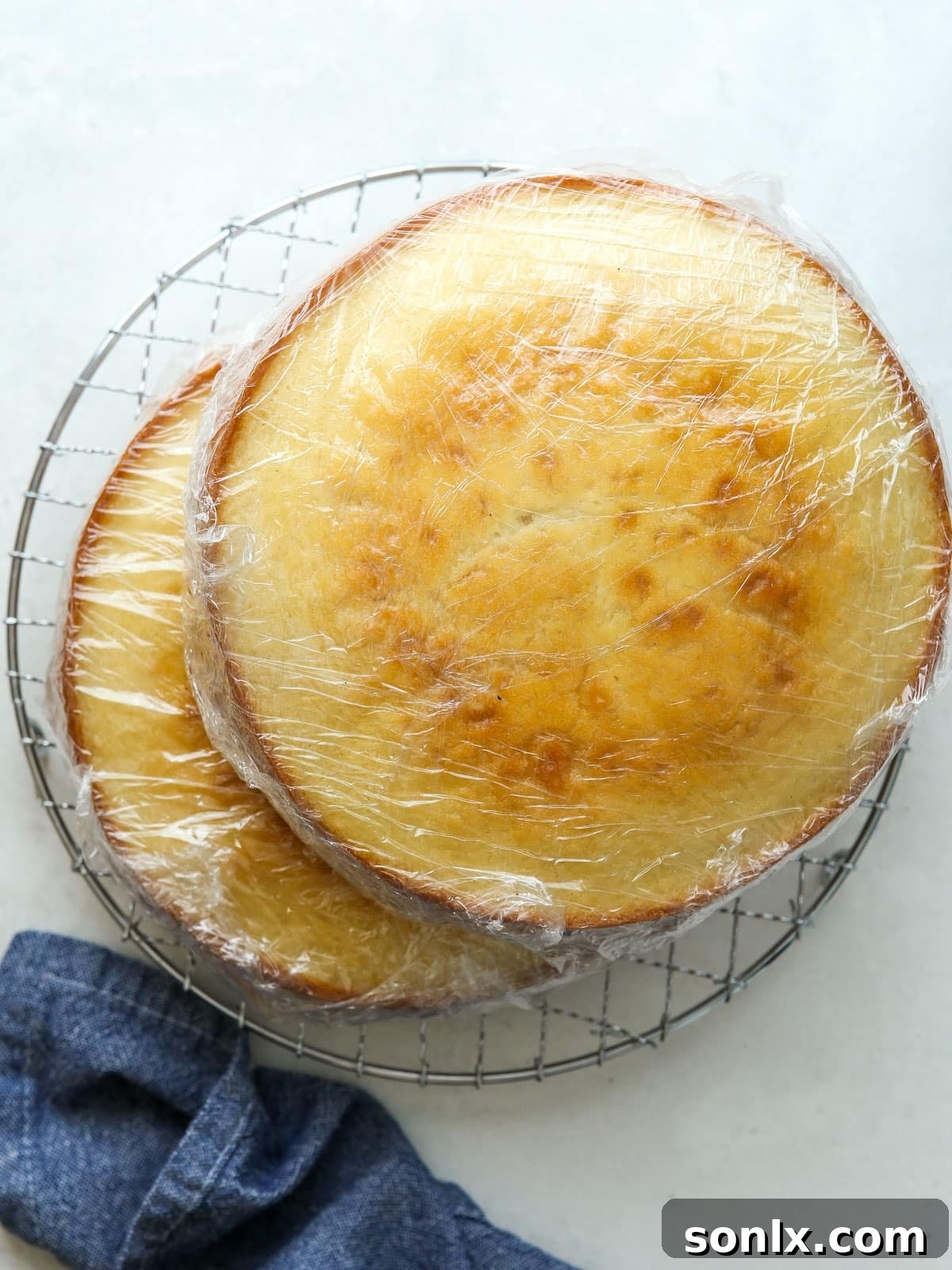
Unlock the secrets to preserving the irresistible freshness, moistness, and delicious flavor of your homemade cake layers. This comprehensive guide reveals expert techniques for how to store and freeze cake layers, empowering you to bake ahead, streamline your process, and assemble show-stopping layer cakes exactly when you desire.
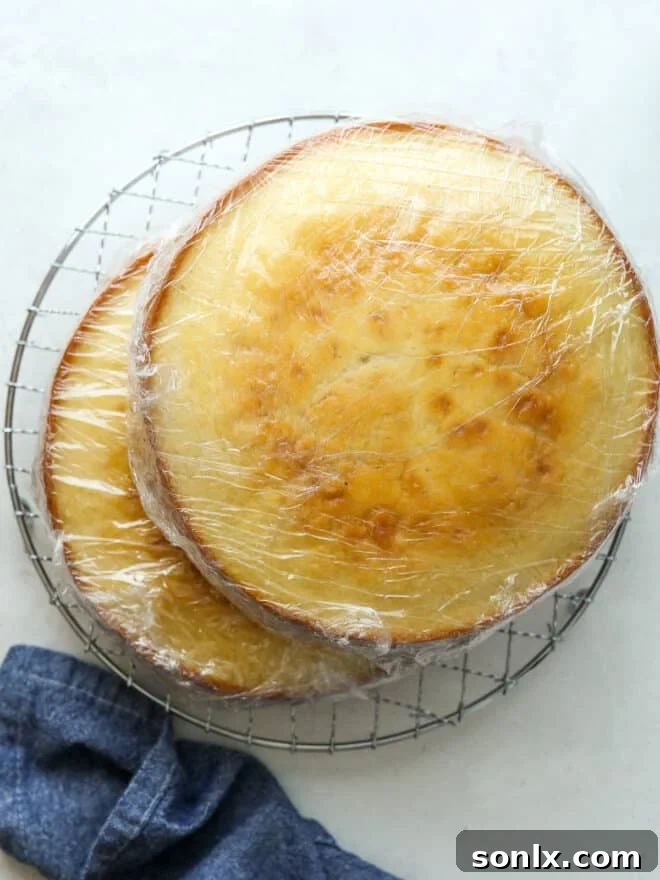
As a passionate home baker, you’ve likely asked: What’s the best way to store cake layers—in the fridge or freezer? Can you store baked cake layers at room temperature? How long will they last without losing their delightful texture? These are incredibly common and valid questions. The desire to plan ahead for a special occasion cake, coupled with the commitment to serving the freshest possible dessert, drives these inquiries.
In my own kitchen, I rarely bake and frost a cake on the same day. This approach offers immense flexibility and significantly reduces stress. Consequently, I frequently rely on various storage methods for unfrosted cake layers, whether it’s the refrigerator, freezer, or even at room temperature. The practical, tried-and-true storage tips shared here are ones I use constantly, ensuring every cake I create is as perfect as it can be.
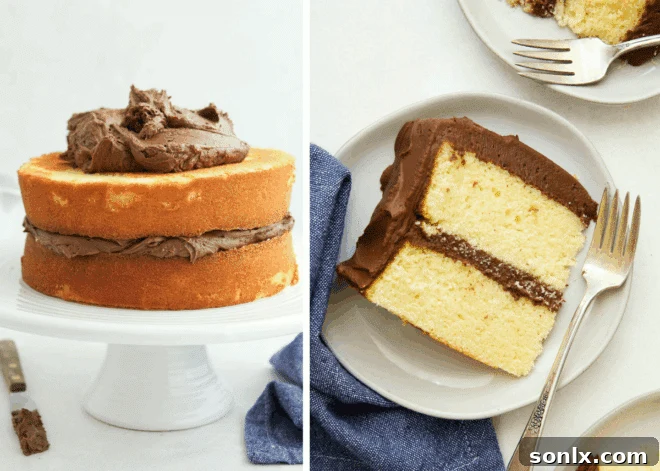
Table of Contents
- Why I Don’t Bake & Frost Cakes on the Same Day
- Cake Layer Storage Quick Guide
- How to Store Cake Layers at Room Temperature
- How to Store Cake Layers in the Fridge
- How to Store Cake Layers in the Freezer
- Additional Cake Storage FAQs
- More Essential Cake Baking Tips
Why I Don’t Bake & Frost Cakes on the Same Day
Separating the baking and frosting stages of a cake is a game-changer for any baker. It transforms a potentially daunting, all-day task into a relaxed and enjoyable process. Here’s why I swear by this method for keeping cake fresh and making cake preparation more manageable:
- You Can Plan and Think Ahead: Preparing your cake layers in advance, even a month or more, provides immense flexibility. This allows you ample time to conceptualize your cake design, gather unique ingredients, or even tackle other demanding party preparations without the pressure of a looming deadline. Imagine effortlessly creating a stunning birthday cake without the last-minute scramble!
- It Splits Up the Work and Reduces Stress: Baking a cake from scratch, including making the batter, baking, cooling, leveling, making frosting, and decorating, can be exhausting. By breaking it into distinct phases, you avoid spending an entire stressful day in the kitchen. You might bake one evening, make the frosting the next day, and then assemble and decorate on a third. This approach makes complex cakes feel more approachable and keeps the joy in baking.
- It’s Easier to Level and Frost Cold Cake Layers: This is a professional baker’s secret! Cold cake layers, whether straight from the fridge or thawed from the freezer, are significantly firmer and sturdier. This reduced fragility means they are much less likely to crumble, tear, or lose their shape when you’re leveling them with a serrated knife or applying a crumb coat of frosting. The firm texture allows for cleaner cuts and a smoother, more precise frosting application, leading to a much more professional-looking finished cake.
Cake Layer Storage Quick Guide
Before we delve into the specifics of each method, here’s a handy quick guide summarizing your options for storing unfrosted cake layers to keep them perfectly fresh and moist. This table provides an at-a-glance overview of how long cake layers last and essential tips for each storage approach.
| Storage Method | How Long Cake Layers Last | Essential Tips for Freshness |
|---|---|---|
| Room Temperature | Up to 24 hours | Ensure cakes are completely cooled. Wrap each layer very tightly in several layers of plastic wrap. Store in a cool, dry place away from direct sunlight or heat sources to prevent drying. |
| Refrigerator | Up to 24-48 hours | Cool completely, then wrap tightly in plastic wrap. Store on a flat surface to avoid squishing. Using chilled cake layers directly from the fridge makes them easier to handle and frost. |
| Freezer | 1-3 months (up to 6 months in ideal conditions) | Once completely cooled, double-wrap each layer in plastic wrap or use one layer of plastic wrap followed by an airtight freezer bag. Thaw thoroughly at room temperature or in the fridge overnight before unwrapping and using. |
When I need to store baked cake layers overnight or for a maximum of 24 to 48 hours, I typically choose between the fridge or a cool spot at room temperature, depending on my schedule. However, for any more advanced make-ahead prep—especially if I’m planning days, weeks, or even months ahead—the freezer is always my preferred method for ensuring the cake layers remain incredibly fresh and moist.
How to Store Cake Layers at Room Temperature
Storing cake layers at room temperature is generally reserved for very short-term needs. My primary use for room temperature storage is allowing cakes to cool down completely after baking before I prepare them for longer-term storage in the fridge or freezer. As mentioned, I much prefer frosting a cake when the layers are cold and sturdy, making them far easier to handle.
That said, it is absolutely possible to store unfrosted cake layers at room temperature if you plan to use them within a day. To do so, follow these crucial steps:
- Ensure Complete Cooling: This is paramount. Warm cake layers will create condensation when wrapped, leading to a soggy texture and potential mold growth. Let your cake layers cool entirely on a wire rack, which can take several hours depending on their thickness.
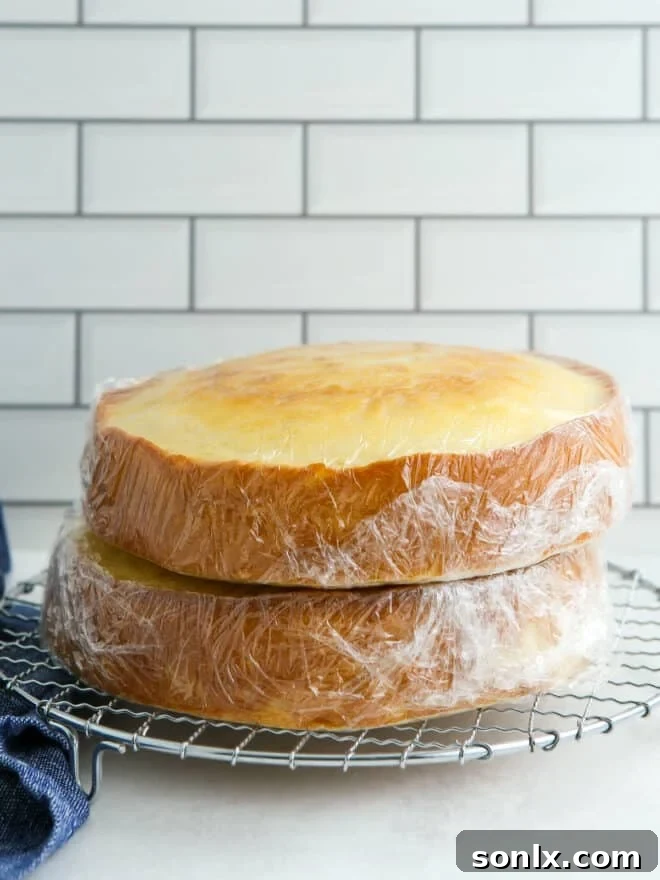
- Wrap Tightly: Once cooled, wrap each individual cake layer very tightly in at least two layers of plastic wrap. The goal is to create an airtight seal that prevents any air from reaching the cake, which is the primary culprit for drying it out. For extra protection, you can even use a layer of aluminum foil over the plastic wrap.
- Choose the Right Spot: Store the wrapped layers in a cool, dry pantry or on your countertop, away from direct sunlight, heat-generating appliances, or extreme temperature fluctuations.
- Use Promptly: For optimal freshness, moisture, and flavor, use these tightly wrapped cake layers within 24 hours. After this period, even well-wrapped cakes will begin to lose their initial fresh texture and might start to dry out, though they will still be edible.
How to Store Cake Layers in the Fridge
The refrigerator offers another excellent short-term solution for storing individual cake layers. Similar to room temperature storage, proper preparation is key to maintaining quality. This method is ideal for delays of up to 24-48 hours or for firming up cakes before a complex decorating session.
Here’s how to effectively store cake layers in the fridge:
- Cool Completely: Just like with room temperature storage, allow your cake layers to cool completely to room temperature on a wire rack before refrigerating.
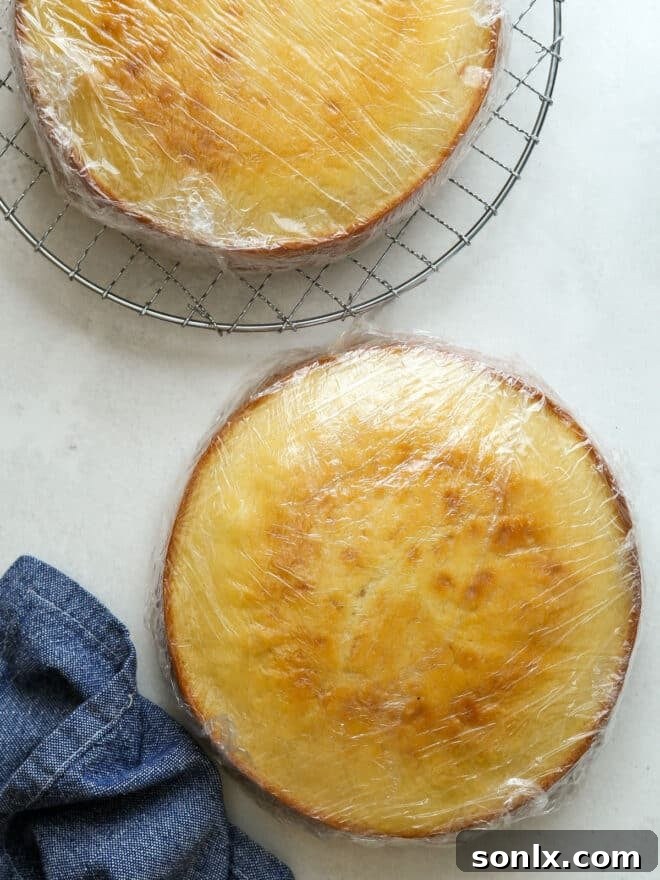
- Wrap Thoroughly: Cover each individual cake layer with plastic wrap, ensuring it’s sealed as tightly as possible to prevent air exposure and absorption of fridge odors.
- Placement is Key: If you have multiple cake layers or if your cake is particularly delicate (like a light sponge), it’s best to place them side by side on a flat surface in the fridge. Avoid stacking them directly on top of each other, as the weight can compress or squish the bottom layers. If stacking is necessary, place a piece of cardboard or a plate between each layer.
- Mind the Environment: The refrigerator’s cold and relatively dry environment can, counterintuitively, accelerate the staling process of most cakes. While useful for short periods, extended refrigeration is generally not recommended for unfrosted cake layers.
- Duration: Cakes should typically be stored in the fridge for no more than 24-48 hours for optimal taste and texture.
Why Cake Goes Stale Faster in the Fridge: This phenomenon, known as “starch retrogradation,” is a key factor in how cakes age. When cake is baked, the starch molecules in the flour absorb water and “gelatinize,” creating the wonderfully soft, moist texture we all love. As the cake cools and sits, these starch molecules naturally begin to firm up and crystallize again. The cold temperatures inside a refrigerator significantly accelerate this crystallization process. This firming up makes the cake taste dry and stale much faster than if it were left at room temperature (assuming it’s well-wrapped). For this reason, use the fridge primarily for very short-term storage or for firming cakes before frosting, but avoid prolonged refrigeration if you want to preserve maximum freshness.
How to Store Cake Layers in the Freezer
The freezer is undeniably your best friend when it comes to storing unfrosted cake layers for extended periods while maintaining their “just-baked” quality. It effectively halts the starch retrogradation process, meaning your cake layers will remain incredibly moist, fresh, and delicious for months on end – typically 1 to 3 months, though some bakers successfully keep them for up to 6 months with proper wrapping.
Mastering freezer storage is a valuable skill that offers unparalleled convenience and ensures you always have perfectly fresh cake layers on hand. Here’s a detailed guide to freezing your cake layers:
- Achieve Complete Cooling: This step cannot be overstated. Your cake layers must be cooled completely to room temperature before wrapping and freezing. Even a little residual warmth can lead to condensation inside the wrapping, which will turn into ice crystals in the freezer. These ice crystals can then make your cake soggy upon thawing or contribute to freezer burn.
- Double-Wrap for Protection: This is the most critical step to prevent freezer burn and preserve moisture.
- First Layer: Tightly wrap each individual cake layer in a layer of plastic wrap, pressing it gently against the cake surface to remove as much air as possible. Ensure no part of the cake is exposed.
- Second Layer: For an additional barrier against freezer burn, wrap the plastic-wrapped cake layer again with a second layer of plastic wrap, or place it inside a heavy-duty freezer-safe ziplock bag. Alternatively, aluminum foil can be used as the second protective layer over the plastic wrap. The goal is to create an impenetrable shield against circulating freezer air.
- Add Sturdiness and Prevent Damage:
- Cardboard Cake Rounds: If you plan to stack multiple layers in the freezer or if your freezer space isn’t perfectly flat, place a cardboard cake round between each wrapped layer. This provides structural support and prevents the cakes from getting squished or adhering to each other during storage.
- Airtight Containers: For even greater protection, especially for delicate layers, you can place the double-wrapped cake layers into a rigid, airtight freezer-safe container.
- Label and Date: Always label your wrapped cake layers with the type of cake (e.g., “Vanilla Cake,” “Chocolate Cake”) and the date they were frozen. This helps you keep track of their freshness and prevents them from languishing in the freezer indefinitely.
- Freeze Flat: Place the wrapped and labeled cake layers on a flat surface in the freezer until they are completely solid. Once frozen solid, they can be stacked more easily to save space.
Thawing Frozen Cake Layers Properly:
The thawing process is just as important as the freezing process to maintain your cake’s quality and prevent sogginess:
- Gradual Thawing is Best: Remove the frozen, wrapped cake layers from the freezer and place them on your kitchen counter at room temperature.
- Keep Them Wrapped: This is crucial. Allow the frozen cake layers to thaw completely while still in their plastic wrap. This usually takes several hours (3-6 hours, depending on cake size and room temperature) or even overnight. As they thaw, condensation will form on the outside of the plastic wrap. This is perfectly normal.
- Why Keep Wrapped During Thawing: If you unwrap the cake layers while they are still frozen or even partially frozen, the condensation will form directly on the cake surface, making it wet and potentially soggy. By keeping them wrapped, the condensation forms on the plastic, and the cake absorbs its own moisture as it gradually comes to room temperature, ensuring it remains moist and fresh.
- Unwrap When Fully Thawed: Once the cake layers are completely thawed and have reached room temperature, you can unwrap them and proceed with leveling, frosting, and decorating.
- Level After Thawing: Do not level or trim your cake layers before freezing. Keeping the outer “crust” of the cake provides an additional protective barrier that helps seal in moisture during freezing. Furthermore, you’ll find it much easier and cleaner to level or cut cake layers when they are still slightly firm after thawing, rather than when they are soft and prone to crumbling.
Additional Cake Storage FAQs
Yes, you absolutely can freeze a fully frosted cake, which is a fantastic way to prepare for special events or save leftovers. This method works best with sturdier frostings that hold up well to freezing and thawing, such as buttercream, ganache, or cream cheese frosting. Delicate frostings like whipped cream or meringue-based frostings tend not to freeze well due to their high moisture content or delicate structure. To freeze a frosted cake, first chill it in the refrigerator until the frosting is completely firm. Then, wrap the entire cake exceptionally well in multiple layers of plastic wrap, followed by a layer of aluminum foil. For ultimate protection, place it in a sturdy cake box before freezing for up to 1-2 months. To thaw, transfer the still-wrapped cake to the refrigerator overnight. Once thawed, bring it to room temperature for a few hours before serving to ensure the best flavor and texture.
Yes, for short-term storage (up to 24-48 hours), an airtight container can be a suitable alternative or a supplement to plastic wrap. Ensure the container is truly airtight and snugly fits the cake layers to minimize air exposure. While effective, plastic wrap often provides a tighter, more customized seal directly against the cake surface, which is superior for preventing drying, especially in the refrigerator. For freezer storage, always double-wrap in plastic first, then place in an airtight container for added protection against freezer burn.
If the cake layers are properly wrapped and frozen, the answer is a resounding no! When thawed correctly, your cake layers will taste just as fresh, moist, and delicious as the day they were baked. The key is preventing freezer burn by ensuring an airtight seal and following the correct thawing procedure. Freezing effectively pauses the staling process, preserving the original quality.
No, it is highly recommended that you do not perform any cutting, leveling, or trimming of your cake layers before you freeze them. The outer “crust” of the cake acts as a natural protective barrier, helping to seal in moisture and prevent freezer burn. Furthermore, cake layers are much easier to level, trim, and handle when they are still slightly firm and cold, just after thawing. This allows for cleaner cuts and less crumbling.
Absolutely! Cupcakes can be frozen using the exact same principles as cake layers. Once completely cooled, place unfrosted cupcakes in a single layer in a freezer-safe ziplock bag or airtight container. Remove as much air as possible before sealing. They can be frozen for up to 1 month. Thaw them at room temperature while still wrapped in the bag/container, then frost and decorate as desired.
Preventing freezer burn is paramount to maintaining the quality of your frozen cake layers. The main defense is to ensure your cake layers are exceptionally well-wrapped. They should have at least a double layer of plastic wrap, pressed tightly against the cake surface to eliminate air pockets. Alternatively, you can use one layer of plastic wrap followed by an airtight freezer ziplock bag or a layer of aluminum foil. Additionally, always make sure the cakes are completely cool before wrapping, label them with the date, and aim to use them within 1 to 3 months for optimal freshness, though they can often last up to 6 months with perfect wrapping. Limiting the time the freezer door is open can also help maintain a consistent temperature, further reducing the risk of freezer burn.
More Essential Cake Baking Tips
Elevate your cake baking skills even further with these valuable tips:
- How to Keep Cake from Sticking to the Pan: Two Reliable Methods
- Achieving Perfectly Flat Cake Layers Every Time
- The Art of Frosting a Layer Cake for a Flawless Finish
- Mastering the Construction of a Beautiful Layered Cake