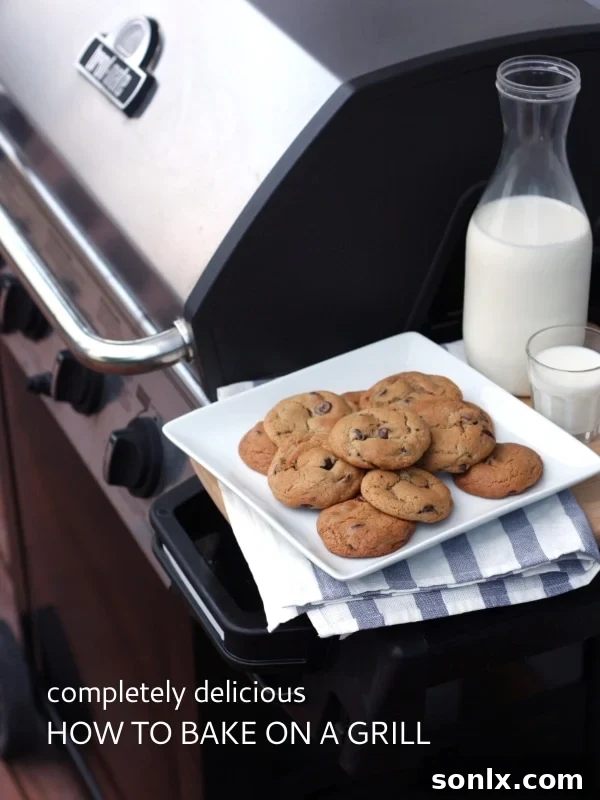
Unlock the secret to a cooler kitchen this summer by mastering the art of baking on your outdoor grill! Say goodbye to turning on your oven and hello to delicious cookies, cobblers, and bread, all perfectly baked outdoors.
Master the Art of Baking on Your Grill This Summer
As the temperatures soar and the days stretch longer, the last thing anyone wants is a scorching hot kitchen. For many of us, the outdoor grill becomes the primary cooking tool during these sweltering months. But what if your grill could do more than just barbecue? What if it could become your summer oven, transforming raw dough into golden-brown perfection without heating up your entire house?
This summer, I embarked on an exciting culinary experiment: baking on the grill. The idea struck me one particularly hot afternoon, and after a bit of research and a dash of creativity, I discovered that not only is it possible, but it’s surprisingly simple and incredibly effective. In fact, it was such a success that I might not use my indoor oven for the rest of the season!
If you’re ready to embrace a cooler kitchen and expand your grilling prowess, keep reading. This comprehensive guide will equip you with all the best tips, techniques, and insights for successfully using your outdoor grill to bake an array of delightful goodies, from crunchy cookies and comforting cobblers to artisan bread and much more.
Why Bake on the Grill? The Ultimate Summer Solution
Baking on the grill offers a multitude of benefits, especially during the warmer months, making it a truly smart choice for any home cook:
- Keep Your Kitchen Cool: This is arguably the biggest advantage. By moving your baking outdoors, you prevent your internal oven from radiating heat throughout your home, saving on air conditioning costs and keeping your living space comfortable.
- Energy Efficiency: Modern grills, especially gas models, can be surprisingly energy-efficient for baking, often heating up faster and requiring less energy for shorter bake times compared to a large indoor oven.
- Unique Flavor Profile: While not as pronounced as direct grilling, some baked items can pick up a subtle, delicious smokiness or char from the grill, adding an extra dimension to your dishes.
- Free Up Your Indoor Oven: If you’re hosting a large gathering or preparing multiple dishes, using the grill for baking frees up valuable oven space for other components of your meal.
- Outdoor Entertainment: There’s something inherently enjoyable about cooking and baking outdoors. It turns a routine chore into an interactive and pleasant experience, allowing you to spend more time enjoying your yard and fresh air.
- Versatility: Once you master the technique, your grill transforms into a highly versatile outdoor cooking station capable of handling everything from appetizers to desserts.
Essential Equipment for Grill Baking Success
While the concept of baking on a grill is straightforward, having the right tools can make all the difference between a frustrating attempt and a perfectly baked masterpiece. Here’s what you’ll need:
- A Covered Grill: Any grill with a lid will work for baking, as the lid is crucial for trapping and circulating heat, mimicking an oven’s enclosed environment. Gas grills generally offer more precise temperature control due to adjustable burners, making them slightly easier for beginners. Charcoal grills, however, are perfectly capable with a bit more attention to charcoal arrangement and vent management.
- An Accurate Thermometer: Many grills come with a built-in thermometer, but their accuracy can vary. For precise baking, an oven thermometer placed inside the grill alongside your food, or a good quality probe thermometer for checking the grill’s ambient temperature, is highly recommended. This allows you to monitor the internal temperature reliably, ensuring consistent results.
- A Heat Buffer/Diffuser: This is a non-negotiable item. You absolutely cannot place your baking pan directly on the grill grates, as this would result in intense direct heat and burnt bottoms. A heatproof buffer creates an indirect barrier between the heat source and your bakeware. My preferred choice is a cast iron pan or skillet, but other excellent options include an inverted heavy-duty baking sheet, a pizza stone, or even a stack of heavy-duty foil pans (ensuring stability). This buffer evenly distributes heat and prevents scorching.
- Sturdy Bakeware: Use metal baking sheets, cast iron skillets, or ceramic baking dishes that are oven-safe and can withstand high temperatures. Avoid glass bakeware if possible, as it can be more prone to thermal shock when exposed to fluctuating grill temperatures.
- Long-Handled Tongs and Spatula: Essential for safely manipulating your buffer and bakeware within the hot grill.
- Heavy-Duty Oven Mitts: For obvious safety reasons.
- Aluminum Foil: Useful for tenting baked goods if they start browning too quickly on top.
Your Step-by-Step Guide to Baking on the Grill
The fundamental principle behind grill baking is transforming direct heat into indirect, circulating heat. While every grill behaves slightly differently, this general method will guide you to success. Patience and a few practice runs are key, so don’t be discouraged if it takes a couple of tries to get it perfect. Starting with simpler items like cookies is a great way to build confidence before moving on to more delicate bakes like cakes or bread.
1. Set Up for Indirect Heat
This is the most critical step for successful grill baking. You need to create a zone where your food is not directly exposed to the flame or charcoal, allowing the heat to circulate around it, much like an oven:
- For Gas Grills with Multiple Burners: If your grill has two or more burners, turn on only some of them, leaving the burners directly underneath where you plan to bake unlit. For instance, on a four-burner grill, you might turn on the two outside burners to medium-low and place your baking pan over the two unlit middle burners. On a two-burner grill, light one burner and place your bakeware over the unlit burner.
- For Single Burner Gas Grills: If you only have one burner, you’ll need to rely heavily on your heat buffer. Turn the burner to its lowest setting, place your substantial heat buffer directly over the flame, and then place your bakeware on top of the buffer.
- For Charcoal Grills: Arrange your lit charcoals in a ring around the perimeter of the grill, leaving the center empty. This “two-zone” method ensures that the heat radiates inward, cooking your food evenly without direct flame contact. Alternatively, you can bank the coals to one side and bake on the opposite side. Ensure the bottom vents are open for airflow and the lid’s top vent is positioned opposite the coals for proper heat circulation.
2. Preheat Your Grill to Temperature
Preheating is just as important for grill baking as it is for oven baking. Aim for a temperature approximately 25°F (about 14°C) higher than the desired baking temperature specified in your recipe. For example, if your cookie recipe calls for 375°F (190°C), try to preheat your grill to around 400°F (205°C). The reason for this slight overshoot is that the grill loses a significant amount of heat when the lid is lifted to insert your unbaked items, and it doesn’t recover as quickly or efficiently as an indoor oven. Allow your grill to preheat for 10-15 minutes to ensure a stable and consistent internal temperature.
3. Insert Your Items for Baking
Once your grill has reached the target temperature, it’s time to introduce your culinary creations. Place your chosen heat buffer (cast iron pan, pizza stone, inverted baking sheet) onto the grill grates over the indirect heat zone. Then, carefully slide your baking dish or sheet pan onto the buffer. Work quickly to minimize heat loss – lift the grill lid only for the brief moment it takes to position your bakeware inside, then close it immediately.
4. Monitor and Adjust Heat as Necessary
The key to successful grill baking lies in diligent monitoring. While it’s tempting to peek frequently, try to limit opening the lid, as each time you do, precious heat escapes. Aim for visual checks every 10-15 minutes, or as your recipe suggests for doneness. As you become more familiar with your specific grill, you’ll instinctively know when to check. If your baked goods appear to be browning too quickly, or conversely, not baking fast enough, adjust the heat accordingly. For gas grills, simply turn the burners up or down. For charcoal grills, adjust the top and bottom vents to control airflow and temperature. Remember, every grill is unique, so there are no universal temperature settings; you’ll need to learn your grill’s quirks.
For example, if you’re baking cookies that typically bake at 375°F, strive to maintain your grill’s internal temperature between 375°F and 400°F, making small adjustments as needed to keep it within this range.
5. Enjoy Your Freshly Baked Goods!
Once your baked goods are golden, fragrant, and cooked through according to your recipe’s specifications, carefully remove them from the grill using your long-handled tongs and sturdy oven mitts. Transfer them to a cooling rack to prevent the bottoms from becoming soggy. Then, sit back, relax, and savor the incredible taste of freshly baked treats, knowing you accomplished it all without turning on your oven. The aroma filling the air is a sweet reward for your efforts!
Recommended Baked Goods for the Grill
While almost anything you bake in an oven can be adapted for the grill, some items are particularly well-suited for this outdoor method. My favorites tend to be “sturdy” desserts that can handle a bit of rustic charm, such as cookies, galettes, and cobblers. Here are some fantastic recipe ideas to get you started on your grill baking adventure:
- Brown Butter Chocolate Chip Cookies (perfect for a first-time grill bake)
- Ultimate Summer Fruit Cobbler (a classic that shines with a hint of smoky flavor)
- Classic Apple Crisp (comfort food made easy outdoors)
- Mini Blueberry Galettes (individual pies that bake beautifully)
- Strawberry Skillet Pie (an excellent choice for a cast iron buffer/pan)
- Artisan Bread: Think no-knead bread in a Dutch oven, which thrives in the consistent indirect heat of a grill.
- Sheet Pan Dinners: While not strictly “baked goods,” the indirect heat method works wonderfully for roasted vegetables and proteins, proving the versatility of your grill oven.
Troubleshooting Common Grill Baking Issues
Even with the best preparation, you might encounter a few hiccups. Here are some common issues and how to address them:
- Uneven Baking: This is often due to hot spots in your grill. Try rotating your baking pan halfway through the baking time. Ensure your heat buffer is large enough and evenly distributing heat.
- Burnt Bottoms: The most common issue when the buffer isn’t sufficient or the heat is too direct. Double-check your indirect heat setup and ensure your buffer is thick and heat-resistant enough. You can also try placing a second layer of aluminum foil under your baking pan.
- Not Baking Through: If your items are browning on top but remaining raw inside, your grill temperature might be too high or too low, or the cooking time needs to be extended. An accurate thermometer is crucial here. Cover the top with foil if it’s browning too fast.
- Temperature Fluctuations: Wind can significantly affect grill temperature. Try to position your grill in a sheltered spot if possible. For charcoal grills, ensure your vents are properly managed; for gas, adjust burners slowly.
Final Tips for Grill Baking Success
- Start Simple: Begin with recipes you know well, like a favorite cookie or a simple loaf of bread. This familiarity will help you understand how your grill handles baking without the added complexity of a new recipe.
- Practice Makes Perfect: Don’t expect perfection on your first attempt. Each grill has its own personality, and learning to bake on yours is a journey.
- Keep it Clean: A clean grill performs better and heats more evenly.
- Safety First: Always use heat-resistant gloves and long tools. Be mindful of hot surfaces.
Embrace the challenge and the rewards of outdoor baking. With a little practice and these proven techniques, your grill will become your go-to oven, keeping your home cool and your stomach full of delicious, freshly baked treats all summer long. Happy grilling, and happy baking!