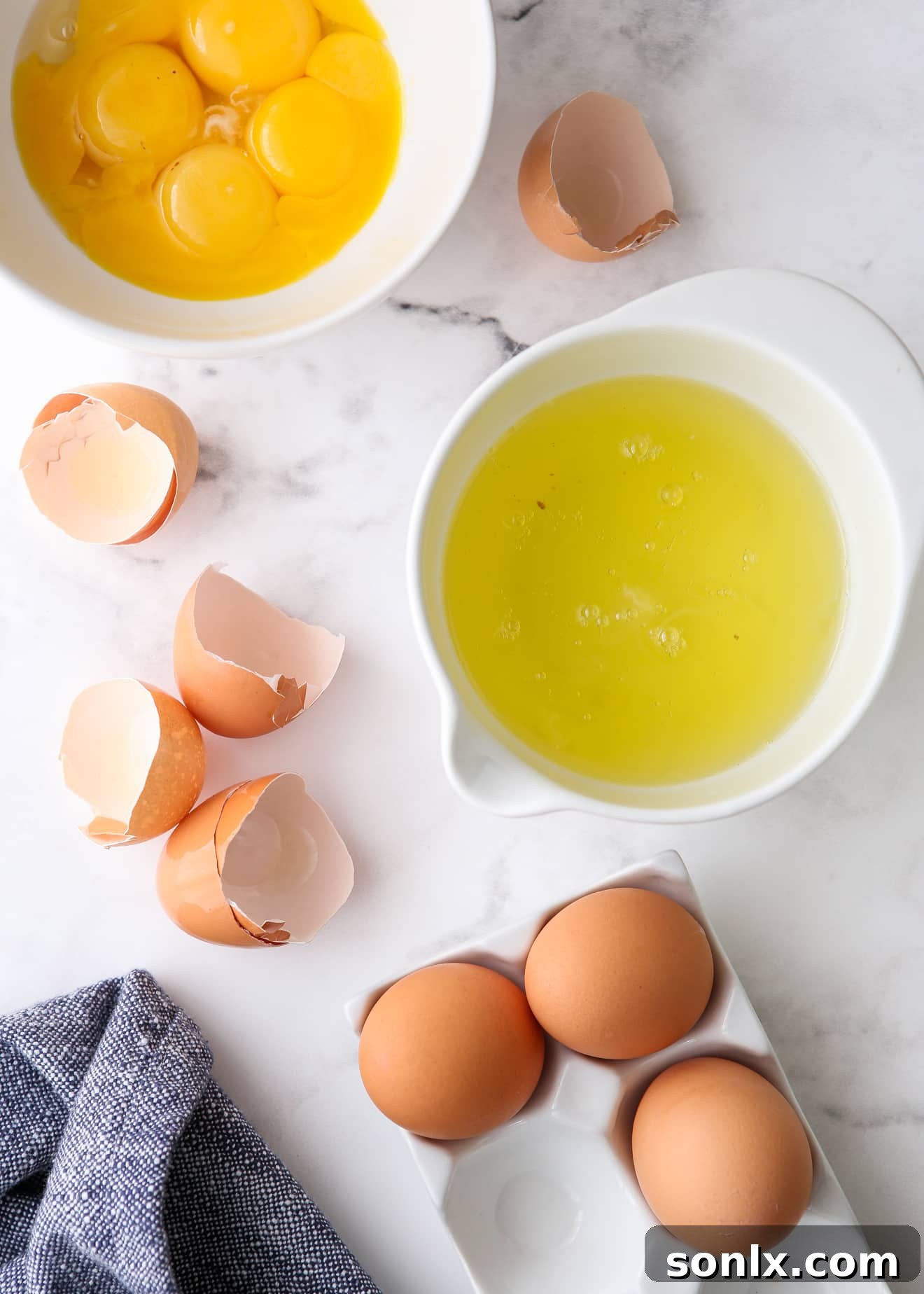
Unlock a significant secret to superior baking: using room temperature eggs. This seemingly minor detail can profoundly impact the texture, rise, and overall flavor of your favorite baked goods. Embracing the science behind this simple technique elevates your baking prowess, transforming everyday recipes into extraordinary culinary delights. Understanding why and how egg temperature matters is a game-changer for any aspiring or seasoned baker.
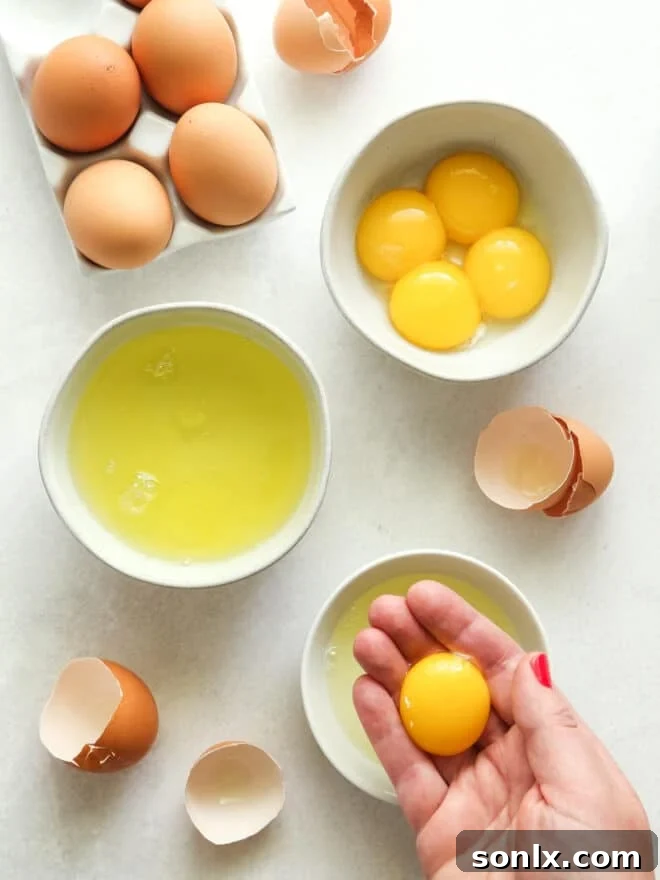
While not every recipe demands room temperature eggs – some, like many cookie or brownie recipes, show minimal difference – their impact becomes undeniable in specific applications. Recipes that truly shine with room temperature eggs include cakes, muffins, and other egg-heavy baked goods, as well as preparations involving whipping eggs or egg whites, such as soufflés, meringues, and delicate custards. For these, the distinction between cold and room temperature eggs can be the difference between a good result and a truly exceptional one.
Let’s delve into the fascinating reasons why using room temperature eggs can make such a dramatic difference in your baking!
Table of Contents
- Why Using Room Temperature Eggs Matters in Baking
- Recipes That Benefit from Room Temperature Eggs
- Defining “Room Temperature” for Eggs
- Quick Ways to Bring Eggs to Room Temperature
- Frequently Asked Questions About Egg Temperature
- Recipes That Call for Room Temperature Eggs
- More Essential Baking Resources

Why Using Room Temperature Eggs Matters in Baking
The science behind why room temperature eggs are preferred in many baking applications comes down to a few critical factors related to their physical properties and interaction with other ingredients. Understanding these points will empower you to make more informed choices in the kitchen:
- Achieving Superior Blending and Emulsification with Other Ingredients. Eggs are natural emulsifiers, helping to bind fats and liquids together into a smooth, cohesive mixture. At room temperature, the proteins and fats within the egg yolk and white are less viscous – meaning they are more fluid and pliable. This allows them to incorporate far more easily and uniformly with other ingredients, particularly fats like butter. When cold eggs are added to creamed butter and sugar, the sudden temperature drop can cause the mixture to seize or curdle, resulting in a lumpy, inconsistent batter. Room temperature eggs, however, meld seamlessly, creating a stable emulsion that leads to a finer, more tender crumb in the final baked good. This even distribution of ingredients is fundamental to achieving a perfectly smooth and homogenous dough or batter.
- Promoting Greater Volume and Aeration. This is perhaps one of the most crucial benefits, especially for light and airy baked goods. Egg whites, when at room temperature, have lower surface tension, allowing their proteins to relax and stretch more effectively. This increased elasticity enables them to whip up much faster, incorporating and holding significantly more air compared to cold egg whites. The result is a more stable foam with finer, more uniform air bubbles. This trapped air is what gives cakes, meringues, and soufflés their impressive lift and delicate texture. Cold eggs, being denser and more rigid, are resistant to aeration, leading to flatter, denser results. The improved aeration translates directly into a higher rise and a lighter, more ethereal texture.
- Ensuring Faster, More Even Baking and Desired Texture. Baking is a precise science, and temperature consistency is key. Introducing cold ingredients into a batter significantly lowers its overall temperature. When this colder batter then enters a hot oven, it creates a temperature shock. The oven’s heat must first warm the cold ingredients before the actual baking process can fully begin. This prolonged warm-up time can lead to uneven baking – the edges might cook faster and become dry or tough, while the center struggles to reach doneness. Conversely, using room temperature ingredients ensures that the batter starts at an optimal temperature, allowing it to heat up more evenly and consistently in the oven. This promotes a uniform rise, prevents cracks, particularly in delicate items like cheesecakes, and results in a perfectly cooked product with a consistent texture throughout, often reducing overall baking time and preventing issues like rubberiness or dryness.
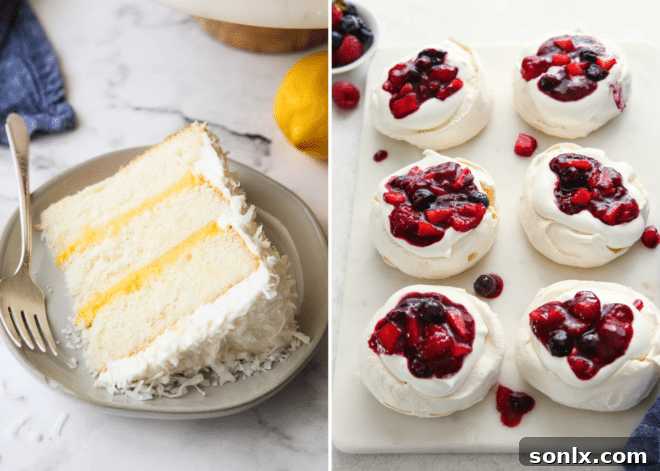
Recipes That Benefit from Room Temperature Eggs
The impact of egg temperature is most pronounced in recipes where the eggs play a pivotal structural or textural role. For these types of recipes, paying attention to egg temperature will yield noticeable improvements:
- Cakes and Cupcakes: Achieving a Taller Rise and Tender Crumb. When making cakes, especially those that rely on the creaming method (like butter cakes), room temperature eggs blend much more smoothly into the butter and sugar mixture. This creates a stable emulsion that can trap more air, resulting in a lighter, fluffier batter. This improved aeration translates to cakes and cupcakes that are significantly taller, possess a more even and delicate crumb structure, and have a wonderfully soft and tender texture. Less mixing is required to incorporate the eggs, which also helps prevent the development of gluten, ensuring a moist and airy final product rather than a dense or tough one.
- Soufflés, Meringues, and Recipes Requiring Whipped Egg Whites or Yolks: Optimal Volume and Stability. Any recipe that calls for whipped eggs, whether whites or yolks, will dramatically benefit from room temperature conditions. Egg whites at room temperature can be whipped to their maximum volume, creating a stable, airy foam that won’t collapse easily. This is crucial for meringues, pavlovas, angel food cakes, and soufflés, where the structure and height depend entirely on the strength of the whipped egg foam. Room temperature egg yolks also emulsify better, leading to richer, more stable custards and sauces. The result is unparalleled lightness, impressive height, and a beautifully delicate, melt-in-your-mouth texture.
- Cheesecakes, Crème Brûlée, and Other Baked Custards: Silky Smoothness and Crack-Free Perfection. For creamy desserts like cheesecakes and custards, a smooth, uniform texture is paramount. Room temperature eggs blend effortlessly into dairy mixtures, ensuring a homogenous batter free of lumps. This even consistency is key to preventing common issues like cracks in cheesecakes, which often occur due to uneven heating or cooling. With room temperature ingredients, custards will bake evenly, achieving that coveted silky-smooth texture without air pockets, curdling, or deflating as they cool. The gentle, consistent cooking process facilitated by balanced ingredient temperatures helps these delicate desserts set perfectly.
Defining “Room Temperature” for Eggs
When a recipe specifies “room temperature eggs,” it generally refers to eggs that are between 65–70°F (18–21°C). This range is typical of most comfortable kitchen environments. It’s a significant difference from eggs stored in the refrigerator, which typically hover around 40°F (4°C). This warmer temperature allows the egg proteins and fats to relax, making them more pliable and reactive in baking processes.
To achieve room temperature eggs, the simplest method is to remove them from the refrigerator approximately 30-60 minutes before you intend to use them. This duration usually allows them enough time to acclimate to your kitchen’s ambient temperature. Eggs are perfectly safe to be stored at room temperature for several hours (up to 2 hours according to USDA guidelines for safety, but typically longer is fine for practical baking preparation if used immediately after), so don’t hesitate to pull them out a bit earlier if your schedule allows for it. Planning ahead with this small step can significantly enhance your baking results.
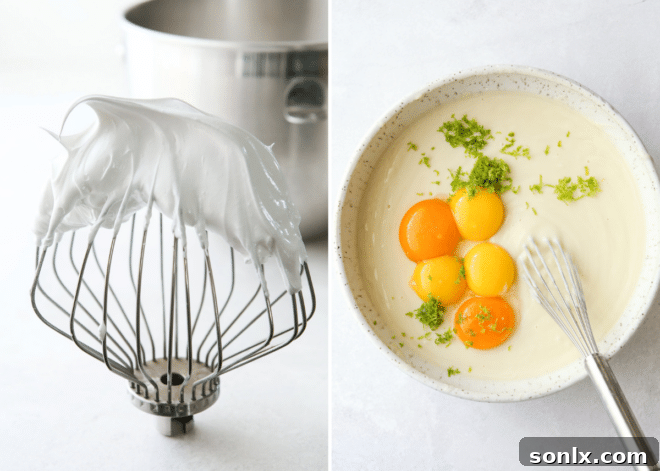
Quick Ways to Bring Eggs to Room Temperature
Forgot to take your eggs out of the fridge in advance? Don’t worry, there’s a simple and effective trick to get them to room temperature quickly without compromising your recipe:
Place your cold eggs directly into a small bowl. Carefully fill the bowl with warm tap water (not hot water, as excessively hot water can start to cook the eggs or prematurely denature their proteins, which you want to avoid). Ensure the eggs are fully submerged. Let them sit in the warm water for about 5 to 10 minutes. This gentle warm bath will quickly bring the internal temperature of the eggs up to the ideal room temperature range. After the soaking time, simply pat them dry before cracking them into your batter. This method is incredibly reliable and ensures your eggs are ready to perform their best in your baking endeavors, even when you’re short on time.
Frequently Asked Questions About Egg Temperature
Yes, absolutely! Room temperature egg whites are undeniably superior for whipping. Their proteins are more relaxed and elastic, allowing them to stretch further and incorporate air much more efficiently. This leads to a greater volume of foam, a more stable emulsion that holds its shape better, and finer, more uniform air bubbles. The resulting meringue or whipped egg whites will be lighter, more ethereal, and less prone to collapsing or deflating. While it’s generally easier to separate eggs when they are cold (as the yolks are firmer and less likely to break), it’s highly recommended to separate them straight from the fridge and then allow the whites (and yolks, if needed) to sit at room temperature for 30-60 minutes before whipping. This small step makes a significant difference in the final texture of your baked goods. Learn how to perfectly separate eggs here.
Certainly! While room temperature eggs are often preferred, there are many baking scenarios where using cold eggs is perfectly acceptable, or even advantageous. For instance, when making certain types of cookies that use the creaming method, some bakers prefer cold eggs to help keep the dough cooler. This can prevent over-softening of the butter and inhibit excessive spreading of the cookies in the oven, leading to a thicker, chewier cookie. Furthermore, many pastry recipes, such as pie crusts, tart doughs, or biscuits, specifically require cold ingredients (including eggs, if used) to achieve a flaky, tender texture by preventing the butter from fully incorporating into the flour. The cold butter creates steam pockets during baking, resulting in desirable flakiness. The key is always to follow your recipe’s instructions. If a recipe doesn’t specify, it’s generally safer to err on the side of room temperature for most cakes and custards, but cold eggs are definitely part of a baker’s toolkit for specific applications.
Yes, food safety is paramount, and eggs should not be left at room temperature for an extended period. The U.S. Department of Agriculture (USDA) recommends that fresh shell eggs should not be left unrefrigerated for more than 2 hours. Beyond this timeframe, the risk of bacterial growth, particularly from Salmonella, increases significantly. This is especially true if eggs are exposed to temperatures between 40°F and 140°F (4°C and 60°C), often referred to as the “danger zone” for food safety. While I might have my eggs out for several hours during a prolonged baking session, I am always mindful of this guideline and ensure they are used or returned to the refrigerator promptly. It’s crucial never to leave eggs out overnight, as this greatly escalates the risk of foodborne illness.
If you forget to use room temperature eggs, your baked goods might still turn out, but they may not achieve their full potential. You might notice a slightly denser texture in cakes, less volume in meringues, or a greater chance of curdling in batters where cold eggs are mixed with creamed butter. While it’s not usually catastrophic for the recipe, the desired lightness, even crumb, and smooth consistency might be compromised. For best results, it’s always worth taking the extra few minutes to bring your eggs to room temperature.
Recipes That Call for Room Temperature Eggs
Incorporating room temperature eggs into these recipes will undoubtedly elevate your baking. You’ll be amazed by the noticeable difference in texture, rise, and overall quality. This small, extra effort is truly a worthwhile investment in achieving baking perfection!
More Essential Baking Resources
- Mastering the Art of Separating Eggs
- Expert Tips for Achieving Perfect Whipped Meringue
- How to Temper Eggs and Understand Its Importance in Baking