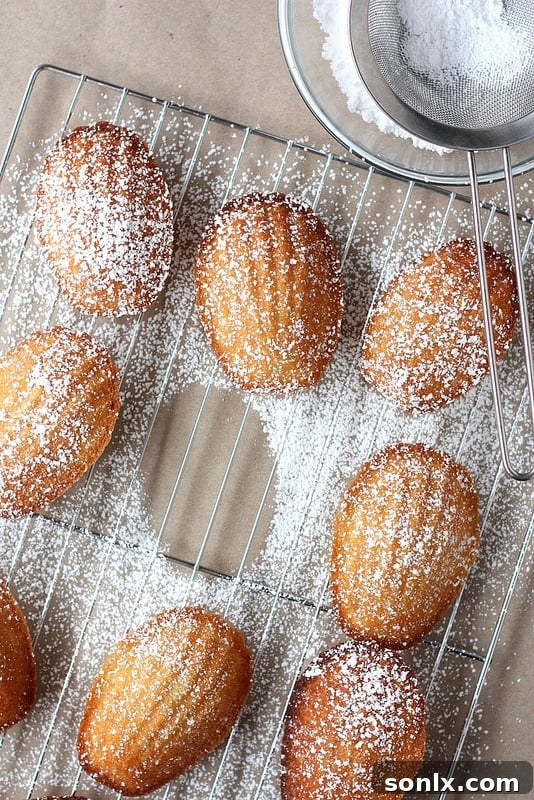
There are few pastries that evoke such a sense of delicate elegance and comforting simplicity as the Madeleine. These exquisite shell-shaped cakes, originating from the Lorraine region of France, are more than just a sweet treat; they are a timeless classic, a perfect companion to your morning coffee, afternoon tea, or a delightful finish to any meal. With their distinctive humped back and soft, tender crumb, Madeleines offer a unique texture that’s truly irresistible.
This recipe for Vanilla Bean Madeleines combines the luxurious aroma of real vanilla bean with the bright, zesty notes of lemon, creating a harmonious flavor profile that is both sophisticated and incredibly inviting. While they might appear fancy, making Madeleines at home is surprisingly straightforward, requiring just a few common ingredients and a specialized pan that quickly becomes a cherished kitchen tool. Whether you’re an experienced baker or just starting your culinary journey, these Madeleines promise a rewarding baking experience and a truly delicious result.
The Allure of Madeleines: More Than Just a Cookie
Often described as a cross between a cake and a cookie, Madeleines possess a texture that is uniquely their own. They are light and airy, yet moist and buttery, with a slightly crisp edge that gives way to a tender interior. The iconic shell shape, achieved through a specific Madeleine pan, isn’t just for aesthetics; it helps create the delicate structure and the characteristic “hump” on the reverse side, a hallmark of a perfectly baked Madeleine.
Their history is steeped in French tradition, with legends attributing their creation to a cook in the 18th century for Stanislas Leszczynski, the Duke of Lorraine. Regardless of their exact origin, Madeleines have secured their place as a beloved French patisserie, cherished for their understated elegance and comforting flavor. This recipe honors that tradition, focusing on premium ingredients to elevate the classic experience.
Why This Vanilla Bean Madeleine Recipe Will Become Your Favorite
What sets this recipe apart is its emphasis on capturing the pure, aromatic essence of vanilla bean, beautifully complemented by fresh lemon zest. Unlike recipes that solely rely on vanilla extract, using a whole vanilla bean infuses the batter with a deeper, more complex vanilla flavor that is simply unparalleled. The lemon zest adds a burst of freshness, preventing the Madeleines from being overly sweet and adding a subtle, bright counterpoint to the rich vanilla.
Furthermore, the steps are designed to be clear and approachable, ensuring success even for those new to baking Madeleines. From preparing the vanilla bean to the crucial step of chilling the batter, every detail is covered to help you achieve that coveted texture and flavor. These Madeleines are perfect for special occasions, yet simple enough to whip up for a spontaneous treat, making any moment feel a little more extraordinary.

Vanilla Bean Madeleines Recipe
Recipe Details
- Servings: 12 cookies
- Prep Time: 15 minutes
- Cook Time: 10 minutes
- Total Time: 25 minutes (plus 3 hours chilling time)
Delicate little cakes scented with lemon zest and vanilla bean. Perfect with a cup of coffee or tea.
Ingredients
- ⅔ cup all-purpose flour (83 grams)
- ¾ teaspoon baking powder
- Pinch of salt
- ½ cup granulated sugar (100 grams)
- Zest of 1 lemon
- 1 vanilla bean
- 2 large eggs
- ½ teaspoon vanilla extract
- 6 tablespoons unsalted butter, melted and cooled (85 grams)
Instructions
- In a small bowl, whisk together the flour, baking powder, and salt. Set aside. In a separate small bowl, combine the granulated sugar, finely grated lemon zest, and the scraped seeds from the vanilla bean. Using your fingertips, gently rub the zest and vanilla bean seeds into the sugar. This vital step helps to release the aromatic oils from the lemon and vanilla, infusing the sugar with incredible fragrance and flavor. This technique, often called “zesting into sugar,” significantly enhances the final taste of your Madeleines.
- In the bowl of a stand mixer fitted with a paddle attachment (or using a hand mixer), add the vanilla and lemon-infused sugar mixture along with the large eggs. Beat on medium-high speed for approximately 3 minutes, or until the mixture becomes pale in color and visibly thickens. This aeration process is key to achieving a light and airy texture in your Madeleines. Once thickened, stir in the vanilla extract. With a rubber spatula, carefully fold in the melted and cooled butter until just combined. Overmixing at this stage can lead to a tougher Madeleine. Finally, gradually fold in the dry flour mixture until no streaks of flour remain, being careful not to overmix. The batter should be smooth and cohesive.
- Cover the bowl containing the Madeleine batter with plastic wrap and refrigerate for at least 3 hours. This chilling period is crucial for two main reasons: it allows the flavors to meld and deepen, and it helps the Madeleines develop their signature “hump” during baking. A cold batter hitting a hot pan creates a steam burst that pushes the center upwards, forming that beloved hump.
- Once the batter has chilled, preheat your oven to 400°F (200°C). Prepare your Madeleine pan by generously greasing each shell cavity with butter or non-stick spray, then lightly flouring them. Tap out any excess flour. This step is essential to prevent sticking and ensure your beautiful Madeleines release easily from the pan, preserving their delicate shell design.
- Carefully spoon or pipe the chilled batter into each shell of the prepared Madeleine pan, filling them almost to the top. Avoid overfilling, as the batter will expand during baking. Place the pan in the preheated oven and bake for 10-12 minutes, or until the centers are visibly puffed into their iconic humps and the edges turn a beautiful golden brown. The Madeleines should look tender and slightly firm to the touch.
- Once baked, remove the pan from the oven and let the Madeleines cool in the pan for just a few minutes. This brief cooling period helps them firm up slightly before you attempt to remove them. Gently invert the pan onto a wire rack to release the Madeleines. Allow them to cool completely on the wire rack. While Madeleines are truly at their peak when enjoyed fresh and warm from the oven, any leftovers can be stored for up to 2 days in an airtight container at room temperature. For an extra touch of elegance, dust them with a light coating of powdered sugar just before serving.
Baking Tips for Perfect Madeleines
baking tip: How to Scrape Seeds from Vanilla Beans
- Place a vanilla bean on a clean cutting board.
- Using a sharp paring knife, carefully slice open the vanilla bean lengthwise, from one end to the other, without cutting all the way through the back. You want to expose the tiny seeds inside.
- Open the bean like a book. Use the back of your knife or a small spoon to gently scrape along the inside of each half of the pod, collecting all the sticky, aromatic seeds.
- Use these precious vanilla seeds immediately in your recipe to maximize their flavor and aroma.
- Don’t discard the pods! They still contain a wealth of flavor. You can use them to make your own vanilla extract by steeping them in alcohol, or create fragrant vanilla sugar by burying them in a jar of granulated sugar for a few weeks.
Achieving the Signature “Hump”
The distinctive hump on a Madeleine is a sign of a perfectly baked pastry. This is primarily achieved by the thermal shock of cold batter meeting a hot pan in a hot oven. Ensure your batter is thoroughly chilled (at least 3 hours, ideally overnight) and your oven is fully preheated to 400°F (200°C). Some bakers even recommend placing the empty Madeleine pan in the oven for a few minutes before adding the batter, though a well-preheated oven and chilled batter are usually sufficient.
The Importance of Greasing and Flourishing Your Pan
Madeleines are delicate and can stick easily. Even with a non-stick Madeleine pan, it’s crucial to thoroughly grease and flour each cavity. Use softened butter or a baking spray that contains flour. Ensure every crevice of the shell shape is coated. This step guarantees easy release and preserves the intricate pattern of your Madeleines.
Measuring Ingredients Accurately
Baking is a science, and precision matters, especially with delicate pastries like Madeleines. Using a kitchen scale to measure your flour and sugar by weight (as indicated in grams in the recipe) will yield the most consistent and best results. Volumetric measurements (cups and teaspoons) can vary based on how ingredients are packed, leading to inconsistencies in texture.
Serving Suggestions for Your Vanilla Bean Madeleines
While Madeleines are delightful on their own, especially when still slightly warm, there are many ways to enhance their enjoyment:
- Classic Dusting: A simple dusting of powdered sugar is the traditional and most elegant way to serve Madeleines.
- Coffee or Tea Companion: They are perfect for dipping into a hot cup of coffee, espresso, or your favorite tea. The slightly crisp edges and soft interior soak up just the right amount of liquid.
- Chocolate Dip: For a decadent treat, dip one end of a cooled Madeleine into melted dark or white chocolate and let it set on parchment paper.
- Fruit Accompaniment: Serve alongside a fresh berry compote, a dollop of whipped cream, or a scoop of vanilla bean ice cream for a more elaborate dessert.
- Breakfast Pastry: Enjoy them with fresh fruit and yogurt for a refined breakfast or brunch offering.
Variations to Explore
Once you’ve mastered the classic Vanilla Bean Madeleine, feel free to experiment with these delicious variations:
- Citrus Twist: Substitute the lemon zest with orange or lime zest for a different citrus aroma.
- Spiced Madeleines: Add a pinch of ground cardamom, cinnamon, or nutmeg to the dry ingredients for a warm, spiced flavor.
- Nutty Notes: Fold in a tablespoon of finely ground pistachios or almonds into the batter.
- Chocolate Chip Madeleines: Stir in a handful of mini chocolate chips (about ¼ cup) with the flour.
- Glazed Madeleines: Instead of powdered sugar, prepare a simple glaze by mixing powdered sugar with a little lemon juice or milk and drizzle over the cooled Madeleines.
Troubleshooting Common Madeleine Issues
- No Hump? The most common reason is insufficiently chilled batter or an oven that isn’t hot enough. Ensure your batter chills for the full recommended time and your oven is at the correct temperature.
- Sticking to the Pan? You likely didn’t grease and flour the pan thoroughly enough. Always be generous with butter and flour in every nook and cranny.
- Too Dry? Overmixing the batter or overbaking can lead to dry Madeleines. Mix until just combined and keep a close eye on them during baking; they cook quickly.
- Too Chewy? This also points to overmixing the batter, which develops the gluten too much. Fold the butter and flour gently until just incorporated.
Frequently Asked Questions
- Can I use vanilla extract instead of a vanilla bean?
- Yes, you can. Substitute 1 teaspoon of good quality vanilla extract for the vanilla bean. However, using a fresh vanilla bean will provide a richer, more complex, and truly authentic vanilla flavor that stands out in these delicate pastries.
- How long do Madeleines last?
- Madeleines are best enjoyed the day they are made, ideally within a few hours of baking, when their texture is at its peak. They can be stored in an airtight container at room temperature for up to 2 days, but they will gradually lose their delicate crispness.
- Can I freeze Madeleine batter?
- While it’s possible, it’s generally not recommended as freezing can affect the texture of the finished Madeleines and may result in a less pronounced “hump.” It’s best to prepare the batter fresh and chill it as directed.
- Can I freeze baked Madeleines?
- Yes, baked Madeleines can be frozen. Once completely cooled, arrange them in a single layer on a baking sheet and freeze until solid. Transfer them to an airtight freezer-safe bag or container for up to 1 month. Thaw at room temperature and refresh them in a warm oven for a few minutes to regain some crispness.
- What if I don’t have a Madeleine pan?
- A Madeleine pan is essential for achieving the iconic shell shape and characteristic hump. While you could technically bake a similar batter in a mini muffin tin, the result would be a mini cupcake, not a Madeleine. Investing in a good Madeleine pan is highly recommended for anyone who wishes to make these delightful pastries.
Nutrition Information (per cookie)
- Calories: 120kcal
- Carbohydrates: 14g
- Protein: 2g
- Fat: 7g
- Saturated Fat: 4g
- Cholesterol: 42mg
- Sodium: 12mg
- Potassium: 43mg
- Fiber: 1g
- Sugar: 8g
- Vitamin A: 215IU
- Calcium: 18mg
- Iron: 1mg
Recipe Origin
- Cuisine: French
- Course: Dessert
- Author: Annalise Sandberg
Baking Madeleines is more than just following a recipe; it’s an experience that brings joy and a touch of French sophistication to your kitchen. The aroma of vanilla and lemon filling your home is truly intoxicating, and the delicate bite of a freshly baked Madeleine is a reward in itself. We encourage you to try this recipe, embrace the process, and share these beautiful treats with loved ones.
Have you tried this recipe? We’d love to hear about it! Leave a rating and review below, or take a photo and tag it on Instagram @completelydelicious with #completelydelicious.