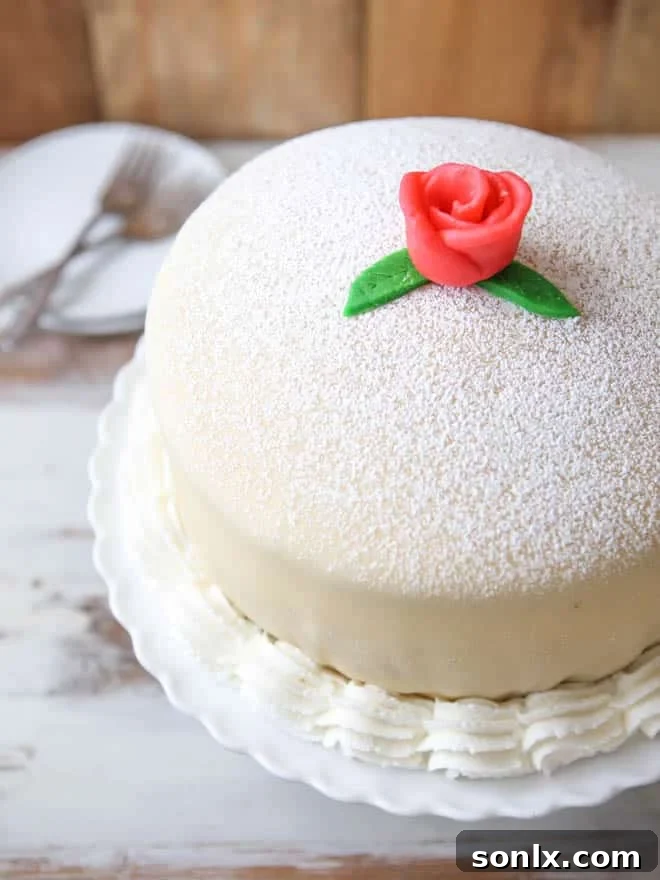
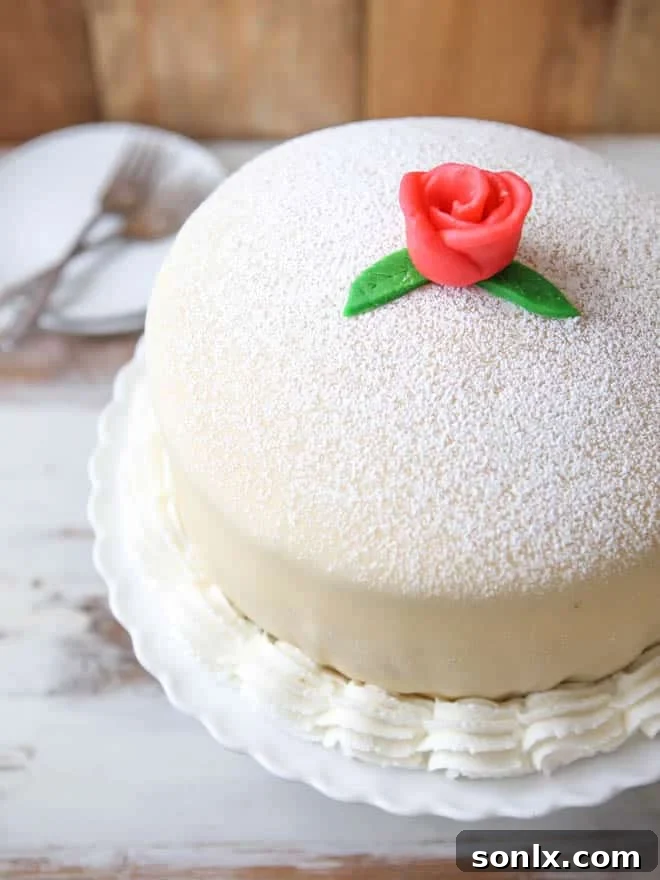
Prepare to be enchanted by a culinary masterpiece that seamlessly blends delicate flavors with stunning aesthetics: the Princess Cake, affectionately known in its native Sweden as Prinsesstårta. This isn’t just any cake; it’s a vibrant, dome-shaped celebration, a true work of art featuring layers of airy sponge cake, rich vanilla custard, bright raspberry jam, and generous billows of whipped cream, all elegantly enrobed in a smooth blanket of marzipan. Each slice promises a delightful journey through contrasting textures and harmonious tastes, making it a truly unforgettable dessert.
A Taste of Swedish Heritage: The Story Behind Prinsesstårta
The Prinsesstårta, or Princess Cake, holds a special place in the heart of Swedish culinary tradition, having been a cherished national icon since the mid-20th century. Its history is as charming as the cake itself, rooted in the early 1900s when it was supposedly created by Jenny Åkerström, a teacher of household skills, for the daughters of Prince Carl, Duke of Västergötland. These royal pupils—Princess Märtha, Princess Margaretha, and Princess Astrid—were reportedly so fond of this particular confection that it was named in their honor, forever cementing its regal status.
More than just a dessert, the Princess Cake embodies the essence of Swedish hospitality and the beloved tradition of “fika,” a daily ritual of coffee and cake shared with friends and family. It’s a staple at birthdays, baptisms, graduations, and national holidays, its characteristic dome shape and vibrant marzipan coating instantly recognizable and deeply nostalgic for many Swedes. While traditionally adorned with green marzipan, symbolizing growth and renewal, variations in color and decoration abound, allowing for personal expression while still honoring its classic charm. This cake isn’t merely food; it’s a piece of cultural heritage, an edible celebration that brings people together and marks life’s precious moments with sweetness and elegance.
The Exquisite Flavor Profile of the Princess Cake
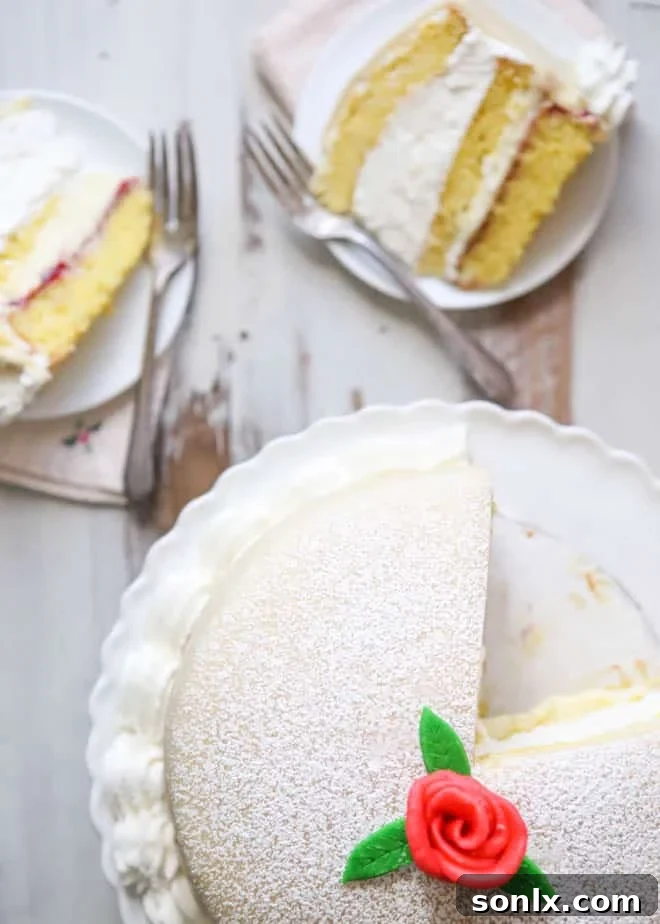
What truly sets the Princess Cake apart is its sophisticated symphony of flavors and textures. It’s a masterful composition where each element plays a vital role in creating a balanced and utterly delightful experience. The foundation is a remarkably light and airy sponge cake, offering a delicate sweetness that perfectly complements the fillings without being overly rich. Nestled within this tender embrace is a luxurious vanilla custard, smooth and creamy, providing a comforting, classic flavor that grounds the more vibrant components. Above this, a layer of tangy raspberry jam cuts through the richness, offering a burst of bright fruitiness that awakens the palate. Capping it all is a generous dome of freshly whipped cream, adding an ethereal lightness and melt-in-your-mouth quality, before the entire creation is meticulously wrapped in a thin, pliable layer of sweet almond marzipan. The marzipan, with its distinctive nutty flavor and slightly chewy texture, is the final flourish, sealing in the moisture and contributing a unique elegance that defines this regal dessert. It’s a delicate dance between sweet and tart, rich and light, making every bite an absolute pleasure.
A Beloved Family Tradition: Honoring a Mother’s Memory
For me, the Princess Cake transcends its status as a mere dessert; it is inextricably linked to cherished memories of my mother. This exquisite Swedish creation was her absolute favorite, a symbol of joy and celebration in our household. She possessed a wonderful appreciation for its delicate balance of flavors and its charming appearance, often choosing it from her beloved local bakery for special family occasions. I still remember the incredible effort she once made to ensure this cake was part of a significant milestone in my life. Upon the arrival of my first baby, she undertook an extraordinary journey, driving a precious Princess Cake all the way from Seattle to Salt Lake City. That act, fueled by love and a desire to share something truly special, perfectly encapsulated her generous spirit and the deep affection she held for her family and for this particular confection.
Baking in Remembrance
Today marks my mother’s birthday, a day filled with both joy and a poignant sense of loss, as it also falls just days before the first anniversary of her sudden passing. Sharing this Princess Cake recipe is my heartfelt tribute to her, a way to keep her memory alive and to celebrate the wonderful woman she was. Baking this cake, with its intricate layers and sweet embrace, has been a deeply personal and therapeutic experience. It allows me to reconnect with her through a shared love of baking and to honor the traditions she held dear. Every step, from whisking the custard to carefully shaping the marzipan, is a reflection of her enduring presence in my life and the beautiful legacy she left behind. It’s more than just a recipe; it’s a living memory, baked with love and gratitude.
Mastering the Princess Cake: From Challenge to Success
My journey with the Princess Cake hasn’t always been a smooth one. A few years ago, I attempted to bake one for my mother’s birthday, and to put it mildly, it was a spectacular failure. I still recall the utter mess: whipped cream oozing everywhere, and the marzipan, instead of being a smooth, elegant covering, was a torn and ragged disaster. It was disheartening, but the memory of that disastrous attempt only fueled my determination. This year, with her birthday approaching and the poignant anniversary of her passing, I vowed to get it right. This cake wasn’t just a recipe; it was a promise, a heartfelt tribute that I was determined to fulfill.
My Culinary Quest: Research and Adaptation
Armed with a renewed sense of purpose, I embarked on a thorough culinary quest. My starting point was a recipe adapted from the esteemed Martha Stewart, a reliable foundation for any ambitious bake. However, I knew that perfection lay in deeper understanding, so I cast a wider net, consulting numerous online sources. Blogs like SemiSwede and Global Table Adventure offered not only stunning visual examples but also invaluable practical tips that illuminated nuances of Swedish baking. The most transformative resource, however, was a Swedish video tutorial. Watching the precise techniques for assembly, particularly the delicate art of handling marzipan, demystified the process entirely. With all this research meticulously gathered and digested, I felt genuinely ready to tackle the Princess Cake again, confident that this time, success would be mine.
Crafting Your Princess Cake: Components and Assembly
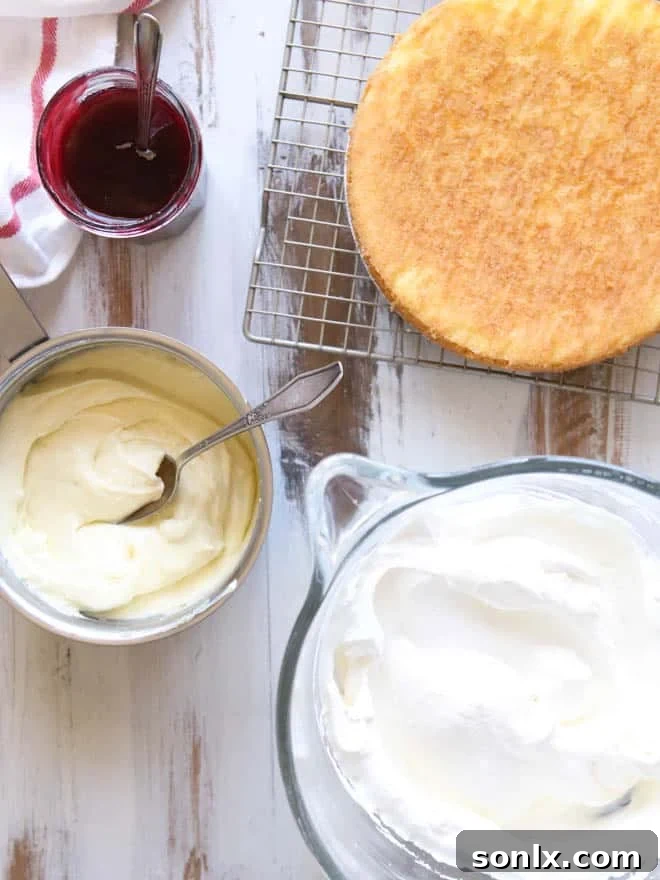
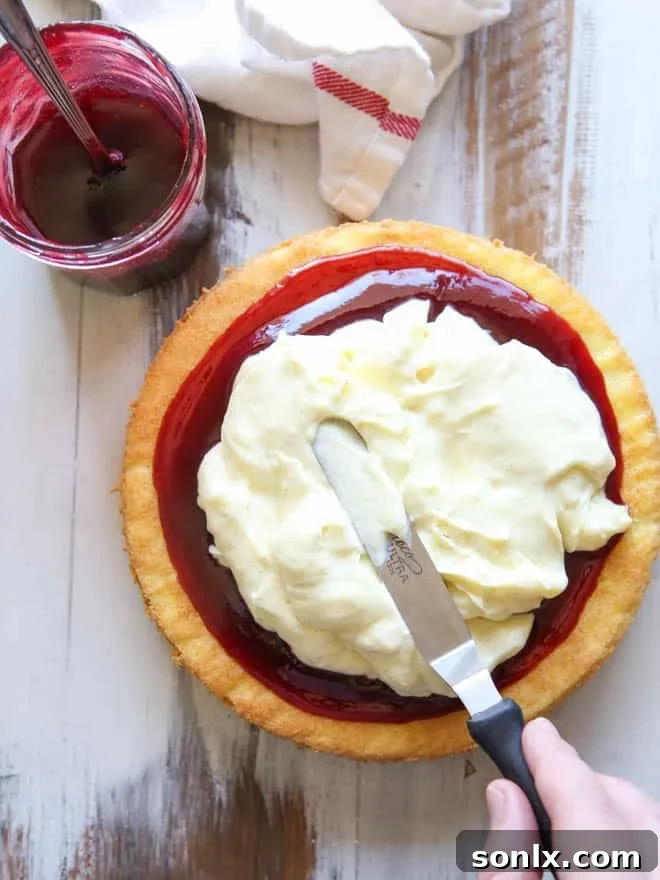
While the Princess Cake might appear intimidating at first glance, its creation is composed of several distinct, manageable steps. You’ll prepare the light sponge cake layers, craft the luscious vanilla pastry cream, whip the cream to fluffy perfection, and then conquer the art of rolling out the marzipan. Each of these components, though requiring patience and attention, is relatively simple and entirely achievable for bakers of all skill levels. The true magic, and perhaps the greatest challenge, lies in the assembly. This is where the individual elements come together to form a harmonious, celebratory whole.
The Art of Marzipan: Traditional vs. Personal Touch
Traditionally, the iconic Princess Cake is cloaked in a vibrant green marzipan, a hue that is instantly recognizable and deeply rooted in its Swedish origins. This bright green is often associated with spring and renewal, contributing to the cake’s festive appearance. However, in a nod to my mother’s preferences and the particular charm of her favorite bakery, I chose to leave my marzipan untinted. The bakery where she often purchased her cakes presented them with natural, uncolored marzipan, highlighting the pure almond essence and a more subdued elegance. This personal choice not only honors her memory but also demonstrates that while tradition is wonderful, a touch of individuality can make a beloved classic even more special.
Essential Baking Tip: Tempering Eggs for Perfect Custard
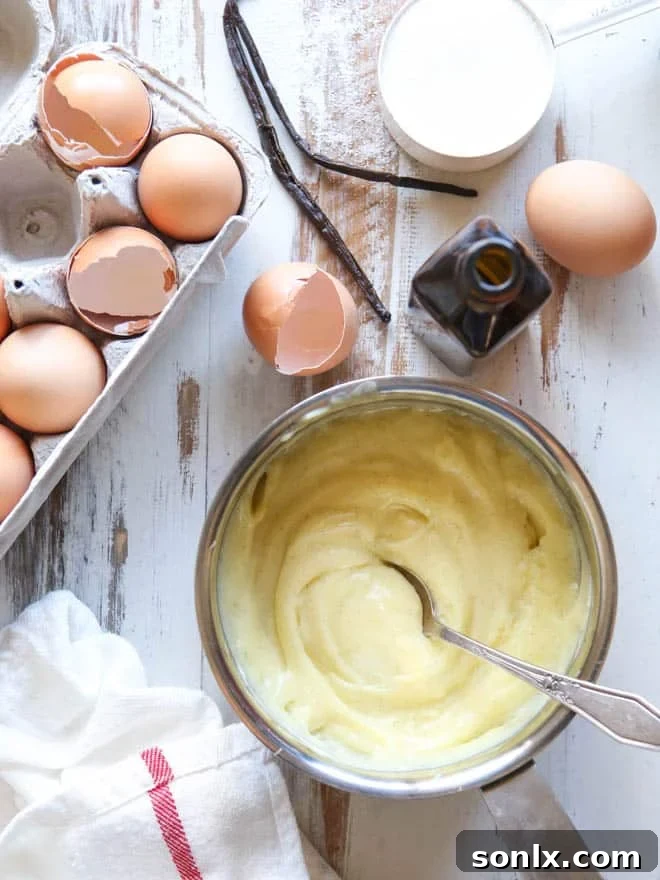
One of the critical steps in crafting the exquisite vanilla pastry cream for this Princess Cake, or indeed any delicate egg-based sauce or dessert, is mastering the art of tempering eggs. Tempering is a gentle, gradual process of raising the temperature of eggs before combining them with a hot liquid, such as milk or cream. This slow warming prevents the eggs from scrambling, ensuring your custard (or ice cream base, lemon curd, pudding, etc.) remains perfectly smooth and velvety, without any unwanted lumps or curdled texture.
To temper eggs, begin by heating your chosen liquid (milk, cream, etc.) in a saucepan until it just starts to steam gently around the edges. Meanwhile, in a separate bowl, whisk your eggs (or egg yolks, as specified in the recipe). Once the liquid is steaming, remove it from the heat and, while continuously whisking the eggs, slowly pour the hot liquid into the egg mixture in a thin, steady stream. The goal is to gradually warm the eggs without cooking them instantly. After the hot liquid has been fully incorporated into the eggs, return the entire mixture to the saucepan. Continue cooking over medium heat, stirring almost constantly, until the custard thickens to your desired consistency – usually enough to coat the back of a spoon. Even with careful tempering, some tiny lumps can sometimes form; a quick pass through a fine-mesh strainer ensures an impeccably silky-smooth pastry cream, ready to elevate your Princess Cake.
Assembling Your Royal Masterpiece: Tips for Success
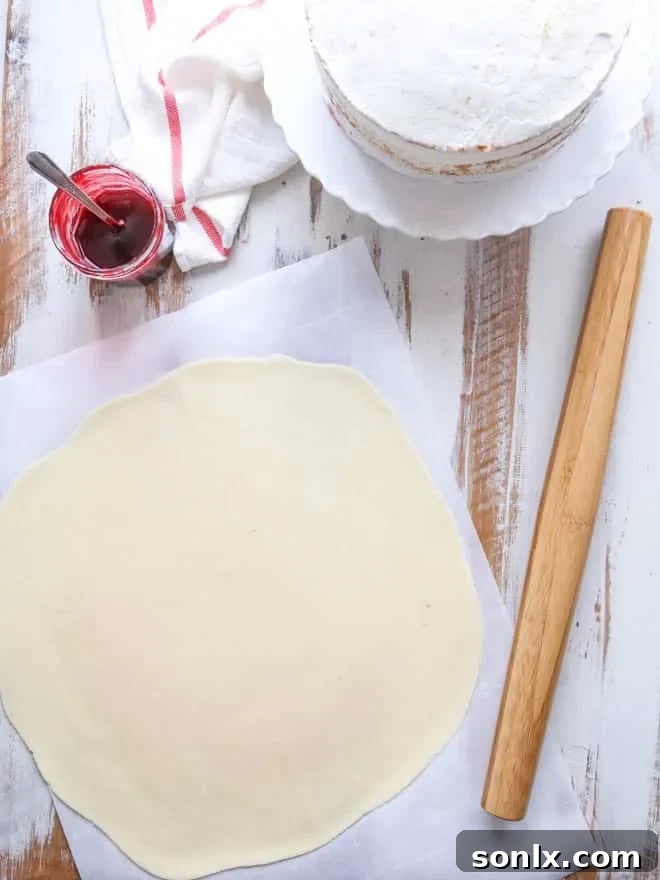
The assembly phase of the Princess Cake is where all the individual components unite, and it can be the most rewarding, albeit slightly challenging, part – especially if you’re new to working with marzipan, as I once was! The key is patience and a light touch. After layering your sponge cake with jam, pastry cream, and a generous dome of whipped cream, the moment of truth arrives with the marzipan. To avoid the mishaps I experienced in my first attempt, ensure your cake is thoroughly chilled; this makes the whipped cream dome firm and easier to cover. Roll your marzipan evenly and not too thinly on a surface dusted with powdered sugar, aiming for a diameter large enough to drape over the entire domed cake. Carefully rolling the marzipan onto your rolling pin and then unrolling it over the cake makes placement significantly easier. Gently smooth it over the contours of the cake with your hands, working out any air bubbles, and then trim the excess at the base. Remember, perfection isn’t the goal; the joy of creation is. If you find marzipan a little too daunting, or simply prefer a different finish, you can absolutely skip it! Instead, simply frost the entire cake with additional whipped cream for an equally delicious and elegant result. Either way, the internal layers of sponge, custard, and raspberry jam ensure a delightful experience.
My Princess Cake, while a triumph in my eyes compared to my past attempt, was far from being magazine-perfect. Yet, it radiated an undeniable homemade charm, and I savored every single bite. More importantly, I know, without a shadow of a doubt, that my mother would have adored it just as much, if not more, for the love and dedication poured into its creation. It was a beautiful way to connect with her, a delicious homage that transcended any minor imperfections.
A Heartfelt Thank You
This past year has presented its share of profound challenges, and I want to extend my deepest gratitude to all my friends, family, and incredibly supportive readers. Your unwavering love, encouragement, and kind words have been a beacon during a difficult time. You’ve helped lighten the burden and made this journey a little more bearable, and for that, my heart is truly full. Sharing a piece of this Princess Cake, a piece of my heart and my history, feels like the perfect way to acknowledge that immense support.
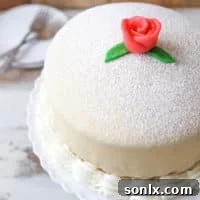
Princess Cake (Prinsesstårta)
Pin Recipe
Leave a Review
Ingredients
For the Sponge Cake:
- 1 ¼ cup cake flour (141 grams)
- ¼ cup + 2 tablespoons almond meal/flour (96 grams)
- ½ teaspoon salt
- 6 large eggs , room temperature
- 4 large egg yolks , room temperature
- 1 cup granulated sugar (200 grams)
- ½ cup unsalted butter , melted (113 grams)
For the Vanilla Pastry Cream:
- 2 cups whole milk (500 ml)
- ½ cup granulated sugar , divided (100 grams)
- Pinch salt
- 1 split vanilla bean , seeds scraped
- 3 large egg yolks
- 3 tablespoons cornstarch
- 1 tablespoon butter
- 2 teaspoons vanilla extract
For the Whipped Cream:
- 2 cups heavy whipping cream (500 ml)
- ⅓ cup powdered sugar (66 grams)
- 2 teaspoons vanilla extract
To Assemble the Cake:
- ½ cup seedless raspberry jam
- 2 7- ounce packages marzipan
- Pink gel food coloring , optional
- Green gel food coloring , optional
- Powdered sugar , for dusting
Instructions
To Make the Sponge Cake:
-
Preheat oven to 350 degrees F (175 C). Grease and flour three 8-inch cake pans and line with parchment paper. This step is crucial for easy removal of your delicate sponge layers.
-
In a medium bowl, thoroughly combine the cake flour, almond flour, and salt. Whisk them together to ensure an even distribution, then set aside.
-
Prepare a double-boiler: in a heat-proof bowl set over a pot of simmering water (ensuring the bowl does not touch the water), whisk together the eggs, egg yolks, and granulated sugar. Continue whisking gently until the mixture is warm to the touch (around 100-110°F or 38-43°C) and the sugar has completely dissolved. This process creates a stable base for a light sponge.
-
Remove the bowl from the heat. Using an electric mixer, beat the egg mixture on medium-high speed until it becomes pale, thick, and has doubled in volume, forming what is known as a ribbon stage (when the beater is lifted, the batter falls back in ribbons that hold their shape briefly on the surface). This usually takes about 4-5 minutes. Gently fold in the dry flour mixture in two additions, being careful not to deflate the airy batter. Finally, carefully fold in the melted butter until just combined. Overmixing will lead to a dense cake.
-
Divide the batter evenly among the three prepared cake pans. Bake for approximately 12-15 minutes, or until the tops are lightly golden and bounce back when gently pressed in the center. Allow the cakes to cool in their pans for about 10 minutes before carefully inverting them onto a wire rack to cool completely.
-
The cake layers can be prepared in advance to save time. Once completely cool, wrap each layer tightly in plastic wrap and store them in the refrigerator for up to 5 days, or freeze for longer storage.
To Make the Vanilla Pastry Cream:
-
In a medium saucepan set over medium heat, gently warm the whole milk, 1/4 cup of the granulated sugar, a pinch of salt, and the scraped vanilla bean seeds. Stir occasionally to prevent scorching and ensure the sugar dissolves. Heat until the mixture is barely steaming, but do not boil.
-
In a separate heatproof bowl, vigorously whisk together the egg yolks, the remaining 1/4 cup granulated sugar, and cornstarch until light in color and smooth. This creates a stable emulsion. Gradually add about half of the warmed milk mixture to the egg yolk mixture in a slow, steady stream while continuously whisking. This is the tempering process. Once fully incorporated, return the entire tempered mixture to the saucepan with the remaining milk. Place over medium-high heat and stir constantly with a whisk or a heat-resistant spatula until the mixture thickens significantly, about 4-5 minutes. It should coat the back of a spoon. Reduce heat and cook for 1 minute more, stirring, to ensure the cornstarch is fully cooked. Remove from heat and stir in the butter and vanilla extract until smooth and glossy.
-
For an impeccably smooth pastry cream, immediately pass the mixture through a fine-mesh strainer into a clean bowl. This will remove any small cooked egg bits or vanilla bean remnants. To prevent a skin from forming, press a piece of plastic wrap directly onto the surface of the pastry cream. Chill completely in the refrigerator for at least 2-3 hours, or until firm.
-
Like the cake layers, the pastry cream can be made ahead. Store it in an airtight container in the refrigerator for up to 5 days. Whisk briefly before using to restore its smooth consistency.
To Make the Whipped Cream:
-
In a large, chilled bowl using an electric mixer (or stand mixer with whisk attachment), beat the cold heavy whipping cream on medium-high speed until it begins to thicken and soft peaks form. Gradually add the powdered sugar and vanilla extract, then continue beating until stiff peaks are achieved. Be careful not to overbeat, as it can quickly turn to butter.
-
While fresh whipped cream is always best, it can be made a few hours ahead and stored in the fridge. For optimal results and stability, use it within 24 hours.
To Assemble the Cake:
-
Place one cooled sponge cake layer on your serving plate or cake stand. Spread the seedless raspberry jam evenly over the top, leaving a generous 1-inch border around the edge. This border will help contain the filling.
-
Carefully spread all of the vanilla pastry cream over the raspberry jam layer. If your pastry cream is too stiff from chilling, you can gently whisk in a spoonful or two of whipped cream to loosen it slightly for easier spreading.
-
Place the second cake layer on top of the pastry cream, pressing down gently to secure it.
-
Take about half of the whipped cream and pile it onto the center of the second cake layer. Using an offset spatula, shape it into a smooth, even dome. This dome is crucial for the classic Princess Cake appearance.
-
Carefully place the third and final cake layer on top of the whipped cream dome. Gently press down around the edges of the cake layer, allowing it to settle around the whipped cream and accentuate the dome shape. If the cake is at room temperature, it will be more pliable and less likely to crack.
-
With the remaining whipped cream, evenly cover the entire cake, smoothing it over the domed top and down the sides. This layer of whipped cream will help the marzipan adhere smoothly. Chill the assembled cake in the refrigerator for at least 30 minutes, or up to overnight, to firm up the whipped cream and make it easier to cover with marzipan.
To Cover the Cake with Marzipan:
-
On a clean work surface, liberally dust with powdered sugar to prevent sticking. Use your hands to knead the marzipan until it’s pliable and forms a smooth ball. Roll the marzipan out into a large, even disk, aiming for about 1/4 inch thickness. Be careful not to roll it too thin, as this increases the risk of tearing during transfer. If it starts to stick, add more powdered sugar. The disk should be large enough to completely cover your domed cake.
-
To transfer the marzipan, carefully roll it onto your rolling pin, using additional powdered sugar if necessary to prevent it from sticking to itself. Position the rolling pin over the chilled cake and gently unroll the marzipan, allowing it to drape over the entire domed surface.
-
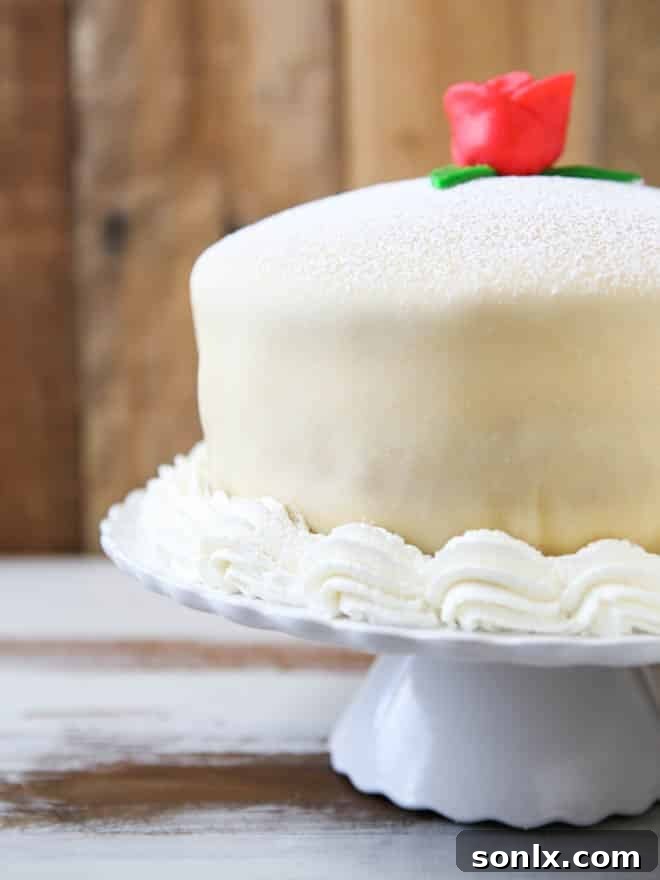
Using your hands, gently smooth the marzipan over the cake, molding it to the domed shape and pressing it against the sides. Trim any excess marzipan at the base of the cake with a sharp knife and set aside for decorations (if desired). Dust the finished cake liberally with powdered sugar for a classic, elegant finish. If there are any imperfections around the base where the marzipan meets the plate, you can pipe a small border of whipped cream to neatly cover them (as I did!).
-
To create a traditional marzipan rose for the top (optional), take some of the marzipan trimmings. If desired, tint a small portion with pink gel food coloring and knead until the color is uniform. Roll this colored marzipan into five marble-sized balls. Flatten each ball into a thin disk, which will form your petals. Roll one disk tightly to form the center of the rose, then progressively wrap the remaining petals around it, gently flaring out the edges as you go to create a realistic bloom. Pinch the bottoms together to secure, and trim any excess. Tint another small portion of marzipan green, roll it out, and cut into leaf shapes. Gently attach the leaves to the base of your rose and carefully place the finished rose on top of the powdered sugar-dusted cake.
Notes
- Marzipan can usually be found in the baking aisle of well-stocked grocery stores or specialty food shops. It is also readily available for purchase online.
- For visual guidance on the assembly, especially working with marzipan, I found this video tutorial to be exceptionally helpful.
Recommended Tools for Baking Excellence
To successfully create this delightful Princess Cake, having the right tools can make all the difference. Here are some essential items that will aid you in your baking journey:
- Stand Mixer or Handheld Electric Mixer: Indispensable for whipping eggs to the perfect ribbon stage for the sponge cake and achieving stiff peaks for the whipped cream.
- Three 8-inch Round Cake Pans: Ensures even baking for your sponge layers.
- Parchment Paper: Crucial for lining your cake pans, guaranteeing a clean release of the delicate sponge.
- Heat-Proof Bowl and Saucepan (for double-boiler): Essential for gently warming the egg mixture for the sponge and tempering eggs for the pastry cream.
- Fine-Mesh Sieve/Strainer: For sifting dry ingredients and ensuring a silky-smooth pastry cream.
- Whisks (Balloon and Flat): For combining ingredients and incorporating air.
- Rubber Spatulas: For gently folding in ingredients without deflating your batters and scraping bowls clean.
- Offset Spatula: Ideal for spreading jam, pastry cream, and whipped cream evenly and shaping the perfect dome.
- Rolling Pin: Necessary for rolling out the marzipan to an even thickness.
- Cake Turntable (Optional but Recommended): Makes assembling and covering the cake much easier and gives a professional finish.
- Sharp Knife: For trimming marzipan edges and slicing cake portions.