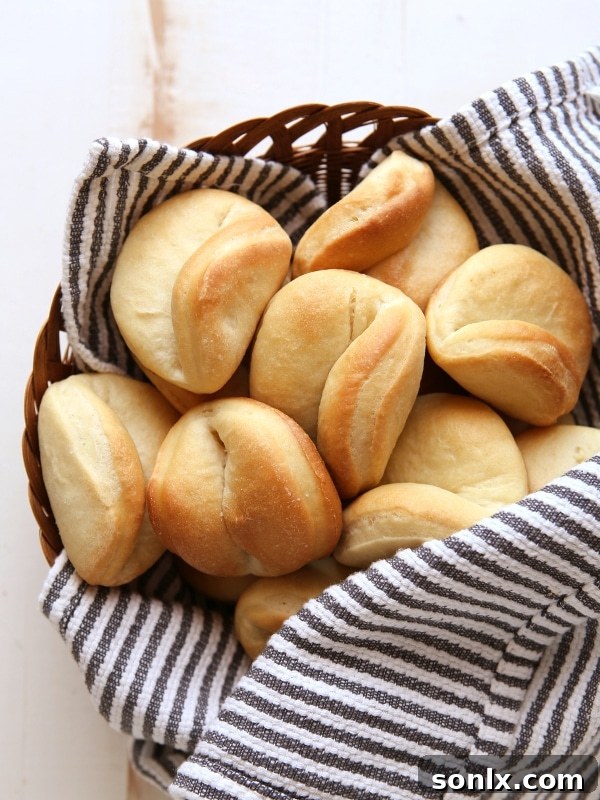
Soft and buttery Parker House Rolls are an absolute classic, a timeless symbol of warmth and comfort in any meal. While often associated with festive gatherings like Thanksgiving, these exquisite dinner rolls deserve a spot on your table year-round, transforming an ordinary meal into something truly special.
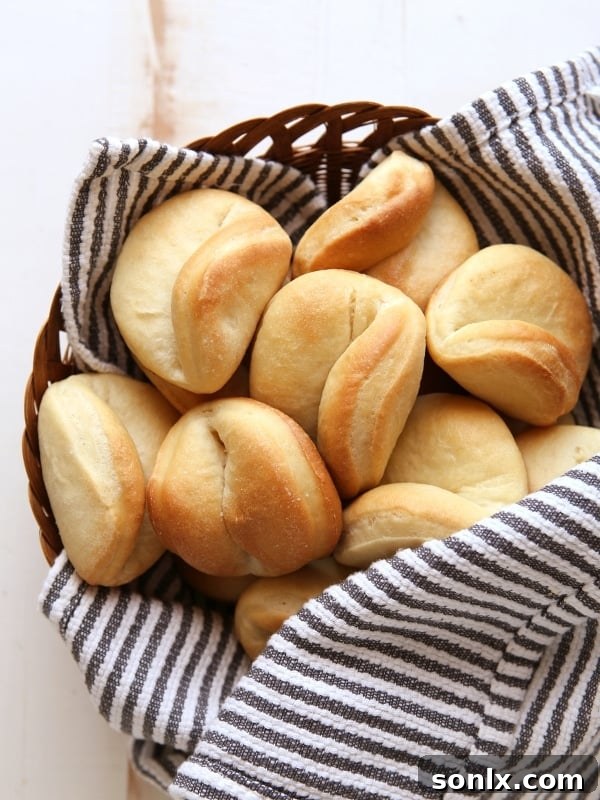
For many, holiday feasts, especially Thanksgiving, feel incomplete without a generous basket of fresh rolls. You might think the meal could get by without them, but you’d be missing out on a fundamental pleasure. What else will perfectly soak up every last drop of rich gravy and creamy mashed potatoes? What about that essential Thanksgiving leftovers sandwich the next day, nestled between two tender, buttery halves?
The truth is, you simply must have rolls. And while store-bought options can save time, nothing compares to the unparalleled taste and texture of homemade. The effort invested in baking these from scratch pays off tenfold, filling your kitchen with an inviting aroma and your plate with pure delight. Forget the shortcuts; these Parker House Rolls are a labor of love that promises extraordinary results.
These rolls are celebrated for their distinctive folded shape, incredibly soft crumb, and rich buttery flavor that melts in your mouth. Unlike many other dinner rolls, Parker House Rolls are made with a generous amount of butter and milk, contributing to their tender texture and decadent taste. Their unique crease, made by folding the dough over itself, allows for a beautiful browning on the outside while keeping the inside perfectly moist and fluffy. This makes them not just a side dish, but a star in their own right.
New to the world of roll baking? Don’t fret! While these rolls require a little time and patience, they are not at all difficult to master. The process is straightforward, and the rewarding outcome of fresh, warm rolls will make every minute worthwhile. If these specific rolls don’t quite fit what you’re looking for, feel free to scroll down for links to other delightful bread options. However, we believe this might just be the only roll recipe you’ll ever truly need. They are effortlessly soft, perfectly buttery, and the ideal accompaniment to any meal, whether it’s a grand holiday feast or a simple Sunday dinner.
The secret to these rolls lies in the careful balance of ingredients and the technique of kneading and rising. Using whole milk and ample butter ensures a rich, tender dough. Active-dry yeast is crucial for a good rise, leading to that coveted light and airy texture. While the recipe is structured and easy to follow, understanding each step enhances your baking success. Warming the milk, butter, sugar, and salt together creates a flavorful liquid base for the dough, but it’s vital to cool this mixture to lukewarm to avoid killing the yeast. The initial rise in a warm place develops the yeast and flavors, while the subsequent kneading builds the gluten structure, making the rolls delightfully chewy yet tender.
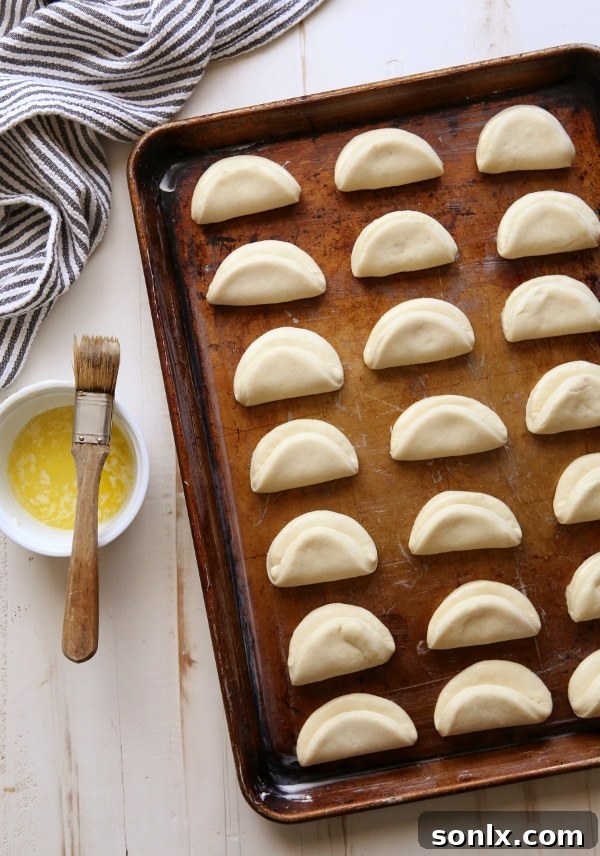
Baking Tip: 4 Ways to Prepare Parker House Rolls in Advance
Preparing rolls in advance can be a lifesaver, especially during busy holiday seasons. These methods ensure you can enjoy fresh, homemade rolls without last-minute stress.
- Rise the Bulk Dough in the Fridge Overnight: After kneading, place the dough in a generously greased bowl. Cover it tightly with plastic wrap to prevent a skin from forming and refrigerate overnight. The cold temperature slows down the yeast activity, allowing the dough to develop deeper flavors. The next morning, simply remove the dough, shape it into rolls, let them rise at room temperature until puffy, and then bake as directed. This method is excellent for splitting up the workload over two days.
- Rise the Shaped Rolls in the Fridge Overnight: Once you’ve shaped your rolls, arrange them in a greased baking dish or pan lined with parchment paper. Cover the pan securely with plastic wrap. Place it in the fridge overnight. On baking day, take the pan out of the refrigerator and let the rolls come to room temperature for about 1 to 1.5 hours, or until they look nicely puffed up. Then, proceed with baking. This method is perfect for having ready-to-bake rolls on hand.
- Freeze Unbaked Shaped Rolls Up to 2 Months in Advance: For maximum convenience, shape your rolls and place them on a parchment-lined pan, ensuring they don’t touch. Cover with plastic wrap and freeze for about an hour until firm. Once frozen, transfer the rolls to a heavy-duty freezer bag, removing as much air as possible, and store for up to two months. When ready to bake, arrange the frozen rolls in a greased baking dish. Thaw them at room temperature for a few hours, then let them rise until puffy before baking. This is a fantastic option for meal prepping and ensures homemade rolls are always within reach.
- Freeze Baked Rolls Up to 1 Month in Advance: Bake the rolls as usual and allow them to cool completely on a wire rack. Wrap them tightly in foil, then place the foil-wrapped rolls into a freezer-safe ziplock bag. Store in the freezer for up to one month. To serve, remove them from the bag and loosen the foil slightly. Warm the rolls in a 300°F (150°C) oven for 20-25 minutes, or until they are heated through and regain their soft texture. This method is ideal for last-minute serving without any prep work on the day.
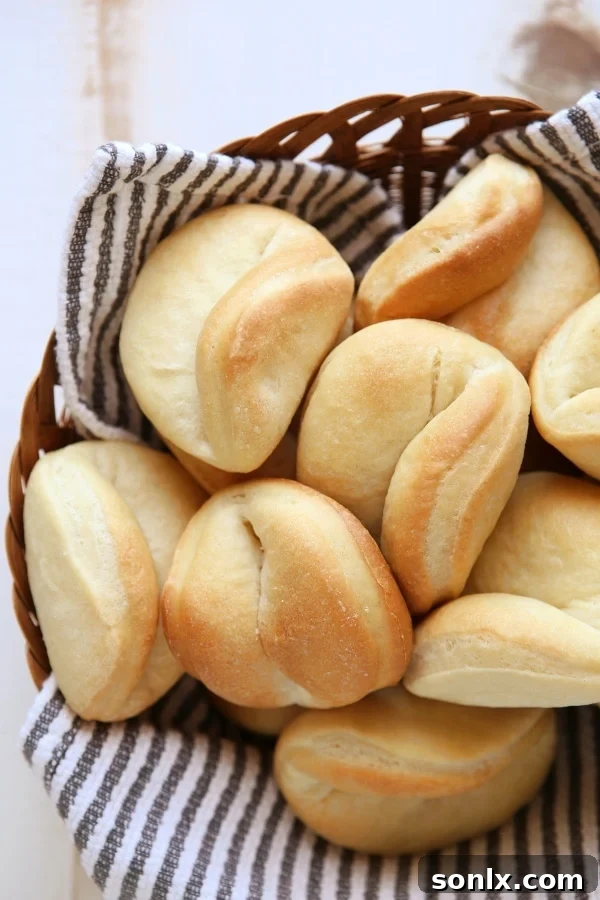
Parker House Dinner Rolls
Pin Recipe
Leave a Review
Ingredients
- 1 cup unsalted butter , divided (226 grams)
- 2 tablespoons granulated sugar
- 2 teaspoons coarse salt
- 2 cups whole milk (500 ml)
- ¼ cup warm water (60 ml)
- 1 envelope active-dry yeast (2 ¼ teaspoons)
- 5 ½-6 cups all-purpose flour (660-720 grams)
Instructions
-
In a medium saucepan over low heat, gently warm 4 tablespoons (1/4 cup) of the butter, sugar, salt, and milk until the butter is completely melted. Ensure the mixture doesn’t get too hot. Remove from heat and cool to lukewarm (around 100-110°F), which should take approximately 10 minutes. This lukewarm temperature is crucial for activating the yeast without killing it.
-
Meanwhile, in a separate small bowl, combine the warm water and yeast. Let this mixture sit undisturbed for about 5 minutes. You’ll know the yeast is active and healthy when it becomes slightly foamy on the surface. If it doesn’t foam, your yeast may be old or the water too cold/hot.
-
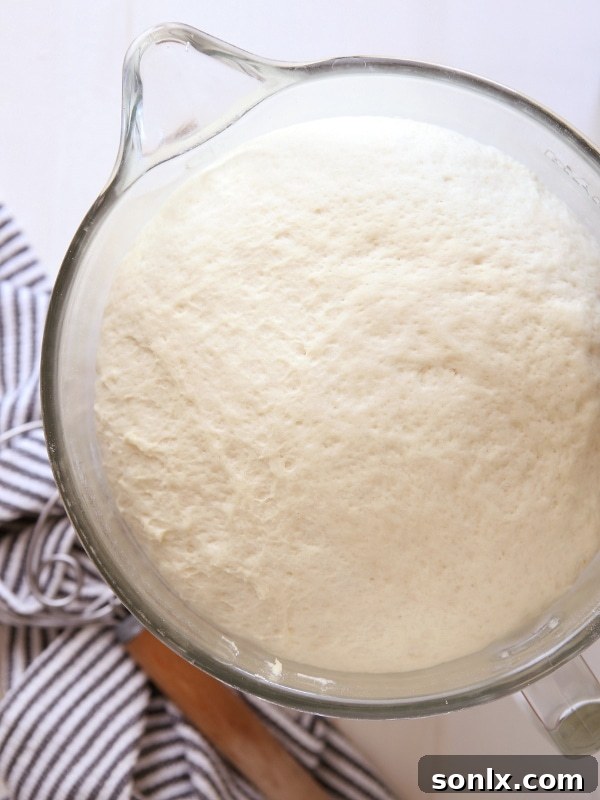
In a large mixing bowl, combine 3 cups of the all-purpose flour with the cooled milk mixture and the activated yeast mixture. Stir until a very wet, shaggy dough forms. Cover the bowl tightly with plastic wrap and place it in a warm, draft-free spot. Let it rise until it has visibly doubled in size, which typically takes about 1 hour. This initial rise helps develop flavor and texture.
-
Once the dough has doubled, transfer it to the bowl of a stand mixer fitted with a dough hook attachment. Begin adding the remaining flour, 1/2 cup at a time, while kneading on low speed. Continue adding flour until the dough is slightly tacky to the touch but cleanly pulls away from the sides of the bowl. You may not need all 6 cups of flour; stop when the dough reaches the right consistency. Increase the speed to medium-low and continue to knead the dough until it becomes smooth and elastic, approximately 7-8 minutes. Alternatively, you can mix and knead the dough by hand on a lightly floured surface until smooth and elastic.
-
Lightly grease a clean bowl with butter or cooking spray. Place the kneaded dough into the greased bowl, turning it once to coat. Cover the bowl with plastic wrap and let it rise again in a warm place until it has doubled in size, about 45-60 minutes. Once risen, gently punch down the dough to release the air and knead it a few times to redistribute the yeast. Cover it again and let it rest for 10 minutes; this resting period makes the dough easier to roll out.
-
Preheat your oven to 425°F (220°C). Melt the remaining 1/4 cup of butter. Prepare a large sheet pan by either brushing it generously with some of the melted butter or lining it with parchment paper for easy cleanup and to prevent sticking.
-
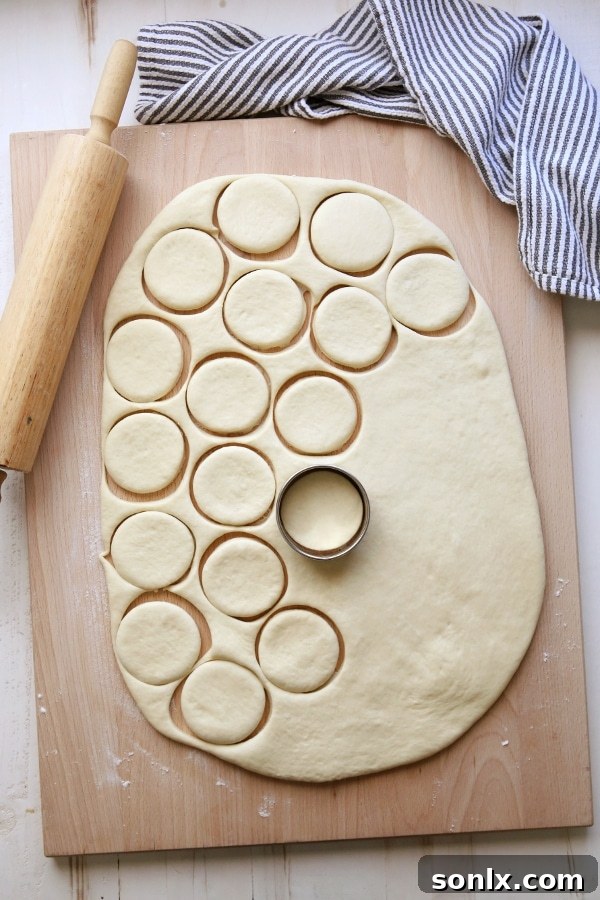
On a lightly floured surface, roll the dough out evenly to a thickness of approximately 1/3-inch. Use a 3-inch round cutter (or the rim of a glass) to cut out individual dough rounds. For each round, use the blunt side of a knife (like a butter knife) to create a crease just off the center, but without cutting all the way through. Brush one half of the round with a bit of the melted butter, then fold the unbuttered half over the buttered half, gently pressing to seal the edges and create the classic Parker House fold. Place the shaped roll onto the prepared sheet pan, leaving a little space between each. Repeat this process with the remaining dough rounds.
-
Brush the tops of the shaped rolls with more of the melted butter. Bake in the preheated oven for about 15 minutes, or until the tops of the rolls just begin to turn a beautiful golden brown and they are cooked through. Immediately upon removing them from the oven, brush the baked rolls with any remaining melted butter for an extra sheen and buttery flavor. Serve these irresistible rolls warm and enjoy!
Notes
Recipe adapted from the New York Times.
Beyond being a perfect companion for roasts and holiday meals, these Parker House Rolls excel as a base for mini sandwiches, a delightful dipper for rich soups and stews, or simply enjoyed on their own with an extra pat of butter and a sprinkle of flaky sea salt. Their versatile nature makes them suitable for a variety of culinary applications, proving that a simple roll can indeed be incredibly dynamic.
In conclusion, baking Parker House Rolls at home is a rewarding experience that yields an exceptionally delicious and versatile bread. Their tender crumb and rich, buttery flavor make them an unforgettable addition to any table. Don’t be intimidated by the process; with a little time and love, you’ll be serving up baskets of these heavenly rolls that will impress everyone. Give this recipe a try and elevate your baking game!
Other Great Roll Recipes to Explore
If you’ve mastered the Parker House Roll and are eager to expand your baking repertoire, here are some other fantastic roll recipes that are sure to delight:
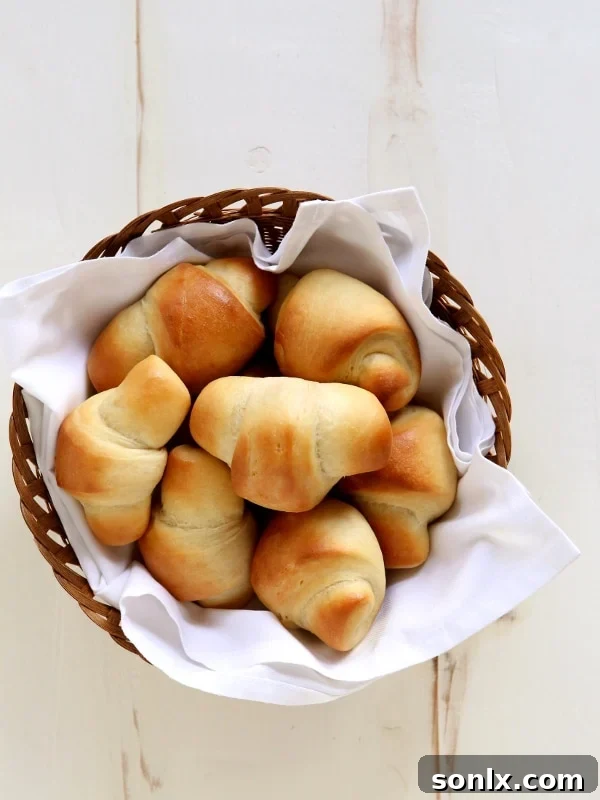
Crescent Dinner Rolls
Potato Dinner Rolls
Easy No-Knead Fairy Crescent Rolls
Good Old American White Rolls