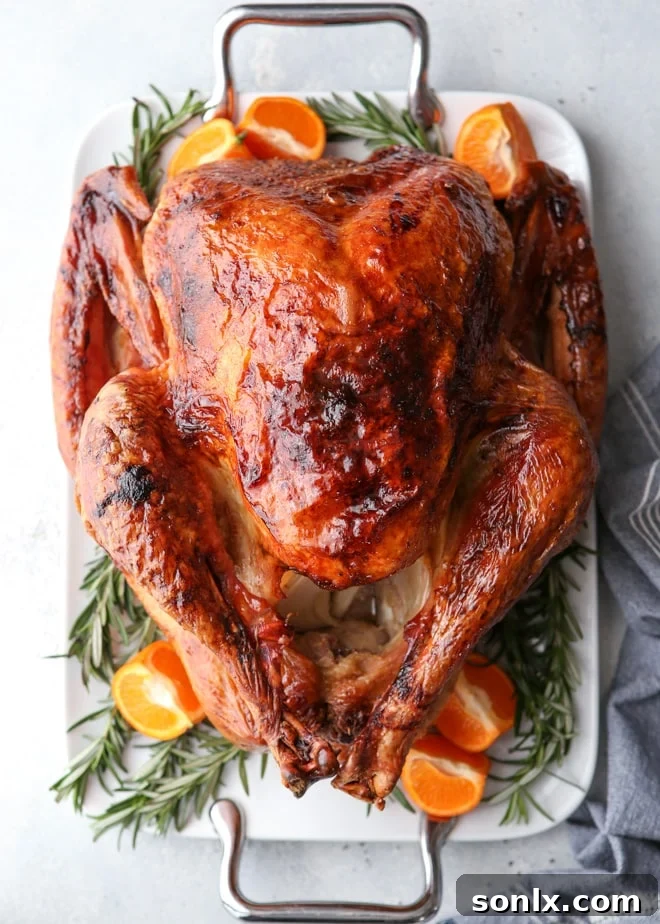
Unlock the secret to the most delectable holiday centerpiece with this extraordinary **dry-brined roasted turkey recipe**. Prepare to amaze your guests with a bird that boasts unparalleled flavor, incredibly moist and juicy meat, and the crispiest, most beautiful golden-brown skin imaginable. This isn’t just a recipe; it’s a guaranteed path to a show-stopping meal that will be remembered for years to come.
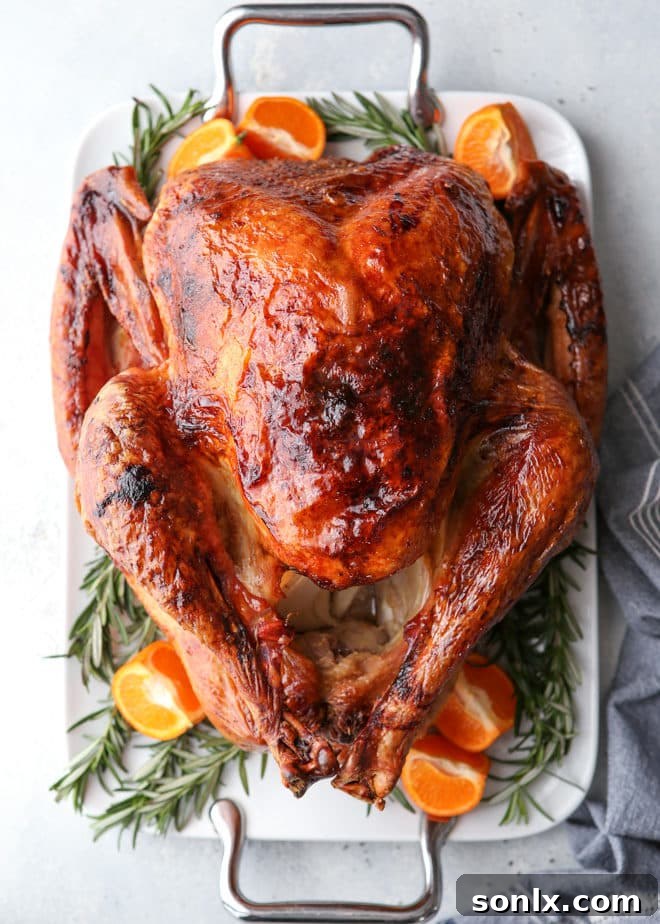
The thought of roasting a turkey for a significant holiday gathering like Thanksgiving or Christmas can often feel daunting, a culinary Everest for many home cooks. However, there’s absolutely no need for fear or intimidation. With this expertly crafted recipe, you’ll approach the task with newfound confidence, knowing that your main dish will not only taste exquisitely amazing but also present a visually stunning masterpiece on your dining table.
This revolutionary dry-brined turkey method is inspired by a groundbreaking recipe originally discovered in Bon Appetit years ago. It truly transformed my approach to preparing holiday turkey, forever altering my Thanksgiving traditions. Over time, it has been meticulously refined and perfected, and I am thrilled to finally share this ultimate guide with you. I can confidently say this is the BEST roasted turkey I have ever had, and soon, it will be yours too!
Table of Contents
- Why This is the Ultimate Roasted Turkey Recipe
- Dry Brine Versus Wet Brine: The Superior Choice
- Essential Ingredients for Your Perfect Turkey
- Mastering the Dry Brine Technique
- The Art of Roasting for Flawless Results
- Frequently Asked Questions for Turkey Success
- Perfect Pairings: Complementary Side Dishes
- Get the Full Dry-Brined Roasted Turkey Recipe
Why This is the Ultimate Roasted Turkey Recipe
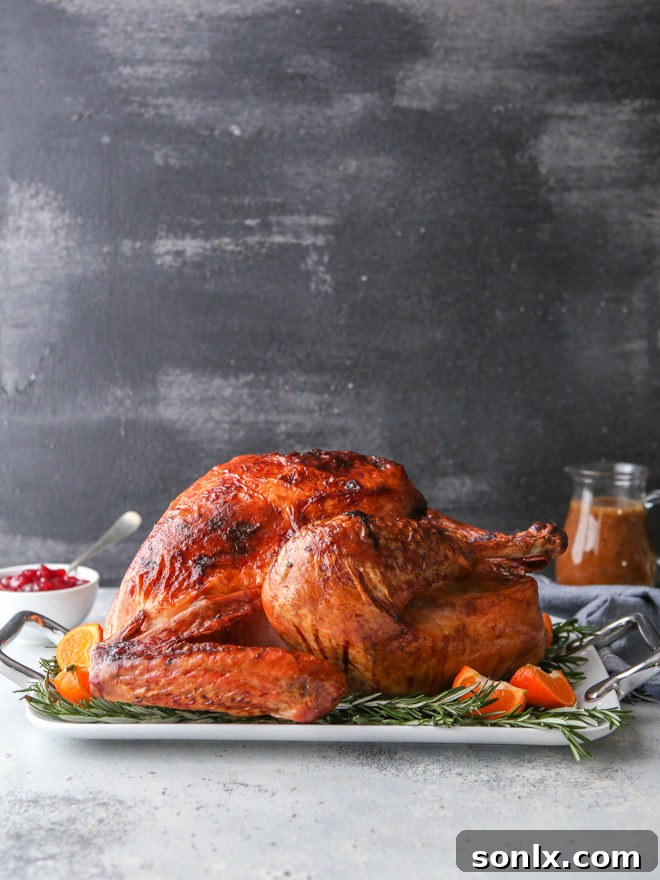
Beyond its striking visual appeal as a magnificent, show-stopping centerpiece, this turkey delivers an unparalleled culinary experience, offering incredibly moist, tender, and deeply flavorful meat with every bite. The secret lies in a carefully orchestrated process that ensures perfection from start to finish. Here’s a closer look at how we create this BEST-EVER roasted turkey:
- Embrace the “Dry Brine”: We initiate the flavor journey with a simple yet incredibly effective dry brine. This technique allows a meticulously crafted blend of salt, sugar, and spices to penetrate deep into the meat, seasoning it from within and ensuring consistent flavor throughout the entire bird.
- Strategic Overnight Rest: After applying the dry brine, the turkey is left to rest uncovered in the refrigerator overnight. This crucial step isn’t just about absorbing flavors; the salt actively works to tenderize the meat by breaking down its proteins, enhancing its ability to retain moisture during the high-heat roasting process. This results in an exceptionally juicy turkey.
- Uncovered Refrigeration for Crispy Skin: Leaving the turkey uncovered in the fridge serves a dual purpose: it allows the skin to thoroughly dry out. This dehydration is key to achieving that coveted, irresistibly crispy skin when the turkey goes into the hot oven, transforming it into a crackling, golden exterior.
- Basting with a Honey Glaze: As the turkey roasts, it’s regularly basted with a rich, aromatic honey glaze. This step elevates the flavor profile even further, adding layers of sweet and savory notes. More importantly, the sugars in the honey caramelize beautifully under the oven’s heat, creating that stunning, shiny, deep golden-brown skin that makes your turkey truly picture-perfect.
While these steps might sound extensive, rest assured that this recipe is remarkably straightforward and achievable for home cooks of all experience levels. Each stage contributes significantly to the final outcome, making the effort truly worthwhile for such an extraordinary holiday meal.
Dry Brine Versus Wet Brine: The Superior Choice
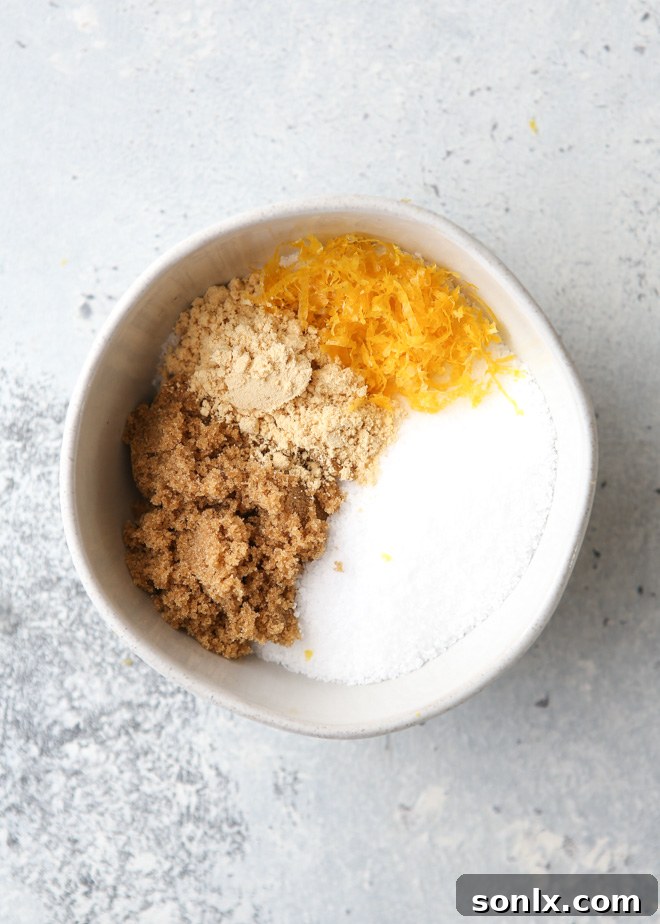
When it comes to preparing poultry, particularly a large bird like a turkey, brining is a popular technique to ensure moisture and flavor. However, the choice between a dry brine and a wet brine can significantly impact your results. A dry brine is fundamentally a simple yet potent rub composed of salt, sugar, and a blend of complementary spices, meticulously applied directly to the turkey’s surface and left to work its magic for approximately 24 to 36 hours before cooking. During this resting period, the salt in the brine draws out the turkey’s natural juices, mixes with the rub to create a concentrated flavor solution, and then, through the process of osmosis, these flavorful juices are reabsorbed back into the meat. This process not only infuses the turkey with incredible seasoning but also tenderizes the meat by altering its protein structure, enhancing its capacity to retain moisture and ensuring a succulent, juicy outcome.
In contrast, a wet brine involves submerging the entire turkey (or other meat) in a large container filled with a liquid solution infused with salt, sugar, and various aromatics. While effective, wet brining presents several logistical challenges and often falls short of the dry brine’s advantages. Here’s a compelling breakdown of why you should invariably choose a dry brine over a wet brine for your holiday turkey:
- Unmatched Simplicity and Convenience: Forget the hassle of finding an enormous container or cooler spacious enough to hold a large turkey and gallons of brining liquid, then attempting to fit it into an already packed refrigerator. A dry brine requires only a baking sheet with a wire rack and sufficient fridge space for the bird itself, making it significantly simpler to manage in any home kitchen.
- Minimal Mess and Reduced Stress: The thought of maneuvering a massive pot of raw turkey-infused liquid, attempting to drain it without spills or cross-contamination in your kitchen sink, is enough to deter many cooks. Dry brining eliminates this messy drama entirely, requiring only a quick pat dry before roasting.
- Achieve the Ultimate Crispy Skin: This is arguably the most significant advantage. A wet brine can leave the turkey skin waterlogged, making it incredibly difficult to achieve that desirable crispy, golden-brown texture in the oven. The dry brine, particularly when combined with an overnight uncovered rest in the refrigerator, actively works to dehydrate the skin, setting it up for an exceptionally crispy finish. You simply won’t encounter this challenge with a dry brine.
- Superior Flavor Penetration and Moisture Retention: Despite the absence of a liquid bath, a dry brine delivers equally, if not more, flavorful and moist results. The concentrated salt and spices are absorbed directly into the meat, ensuring deep and even seasoning. The tenderizing action of the salt helps the meat fibers trap moisture more effectively, guaranteeing a juicy turkey that rivals, and often surpasses, those prepared with a wet brine.
Essential Ingredients for Your Perfect Turkey
Crafting the perfect dry-brined roasted turkey begins with selecting high-quality ingredients that work in harmony to build incredible flavor. Here’s what you’ll need to gather:
- 12-15lb Turkey: The foundation of your holiday feast. The choice of a fresh or frozen bird, and your preferred source (local farm, organic, conventional), is entirely up to you. Just ensure it’s fully thawed if frozen before beginning the brining process.
- Coarse Salt (Diamond Crystal or Morton Kosher Salt): The cornerstone of our dry brine. These brands are preferred not only for their consistent quality but also because their coarse grain makes it significantly easier to achieve an even distribution over the turkey’s surface, ensuring balanced seasoning.
- Light or Dark Brown Sugar: A crucial component that enhances the turkey’s flavor profile, helps to keep the meat wonderfully moist, and, perhaps most importantly, contributes to the gorgeous browning and caramelization of the skin during roasting.
- Lemon (Zest and Halves): Poultry and citrus are a match made in culinary heaven. The vibrant lemon zest is incorporated into the dry brine for a bright, aromatic lift, while halved lemons are placed inside the turkey cavity to infuse additional fresh, zesty notes from within.
- Mustard Powder: This spice adds an intriguing layer of savory depth and subtle tang to the dry brine. It also acts as an excellent binder, helping the rub adhere uniformly to the turkey’s skin, ensuring every inch is coated in flavor.
- Onion and Fresh Garlic: These aromatic staples are indispensable for rounding out and profoundly enhancing the overall savory flavor of the turkey. Quartered onions and whole garlic cloves are typically placed within the cavity to impart their essence as the bird roasts.
- Fresh Herbs (Rosemary, Thyme, and Sage): Essential for that classic, comforting holiday aroma and taste. I highly recommend using a combination of all three for a complex herbal bouquet, but even one or two fresh varieties will yield fantastic results. Always opt for fresh herbs over dried for maximum fragrance and flavor; many grocery stores conveniently offer these bundled as a “Poultry Herb Blend.”
- Salted Butter: A powerhouse of flavor and richness. We utilize softened butter both in the luscious basting glaze and as a generous rub all over the turkey’s exterior before roasting, contributing immensely to its golden color and succulent texture.
- Honey: Beyond its natural sweetness, honey in the basting glaze is key for developing that stunning, glossy, golden-brown crust. Its sugars caramelize beautifully, adding a delicious depth of flavor.
- Red Wine Vinegar and Worcestershire Sauce: These two ingredients are vital for adding complexity, tang, and a desirable umami depth to the basting glaze. They balance the sweetness of the honey and enhance the overall savoriness, creating a truly irresistible finish.
Additional Spices for Customization: Feel free to personalize your dry brine by adding 1/2 to 1 teaspoon of other aromatic spices such as garlic powder, onion powder, finely chopped dried or fresh herbs, paprika (for color and mild pepperiness), and freshly ground black pepper for an extra kick.
Mastering the Dry Brine Technique
The dry brining process is simple, yet crucial for an exceptionally flavorful and moist turkey. Follow these steps carefully to ensure the best results:
- Thaw the Turkey Completely (if frozen): This step cannot be overstated: you cannot effectively dry brine a frozen turkey. For proper thawing in the refrigerator, allocate approximately 24 hours for every 4-5 pounds of turkey. For a 12-15lb bird, this typically translates to 2 to 3 full days. Plan meticulously to ensure your turkey is fully defrosted before you begin the brining process.
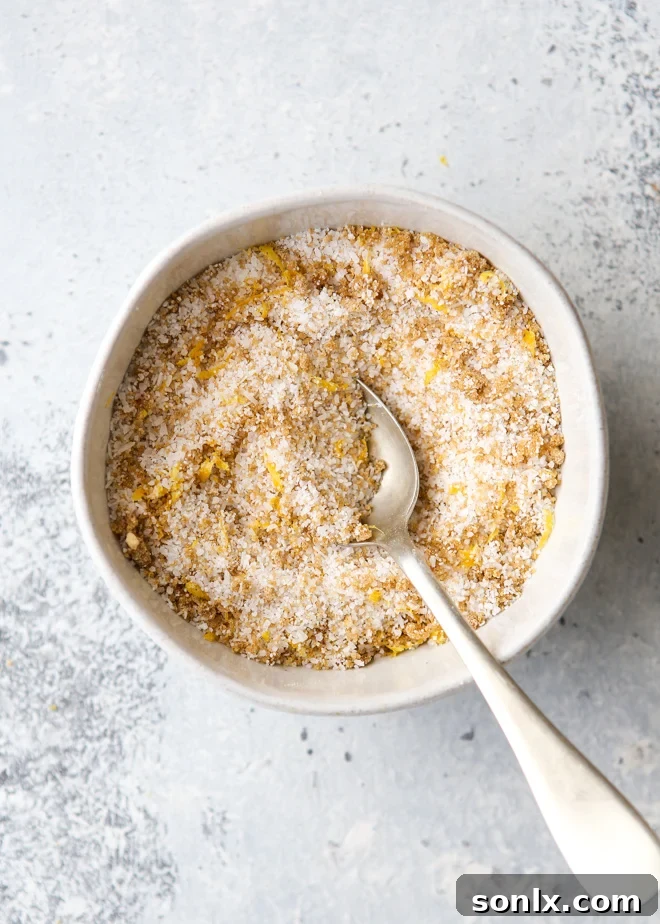
- Prepare the Dry Brine Mixture: In a small, clean bowl, combine the coarse salt, light or dark brown sugar, ground mustard powder, and the vibrant zest of one lemon. Mix these ingredients thoroughly until they are well combined. This is your powerful flavor rub.
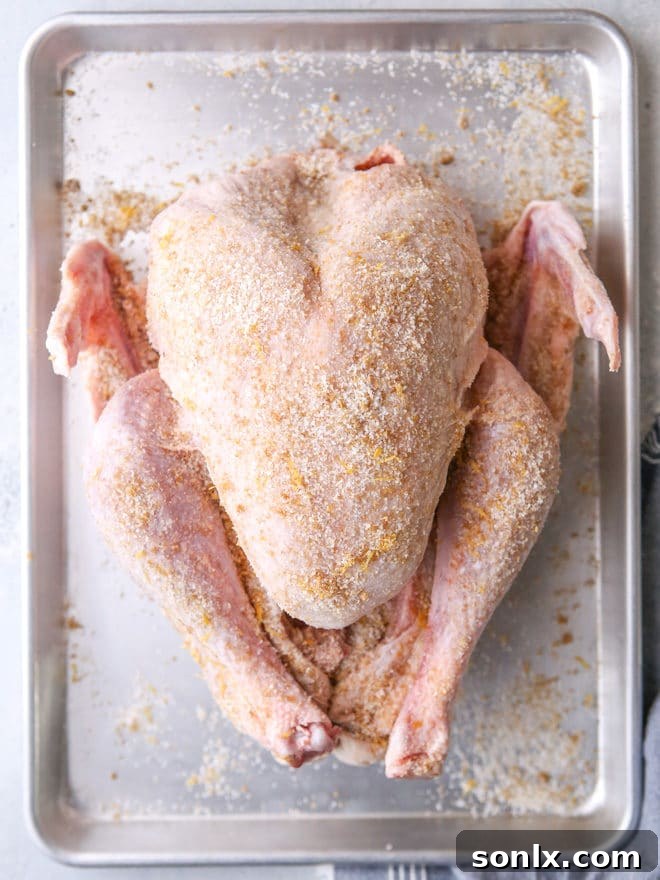
- Apply the Rub Evenly to the Turkey: First, ensure your workstation is set up for success. Place the thawed turkey on a sturdy rimmed baking sheet that has been lined with a wire rack. This rack is essential as it allows air to circulate freely around the entire turkey, facilitating the drying of the skin. Pat the turkey’s surface thoroughly dry with paper towels – a dry surface helps the rub adhere better. Now, using your hands, generously rub the prepared dry brine mixture evenly over every inch of the turkey, including under the wings, on the breast, legs, and even gently inside the cavity. Don’t be shy; ensure a thorough coating. It’s perfectly normal for some of the rub to fall onto the pan.
- Refrigerate Uncovered for Optimal Brining: Once the turkey is fully coated, place the baking sheet with the turkey, still uncovered, on the bottom shelf of your refrigerator. Positioning it on the bottom shelf is a critical food safety measure, preventing any potential drips from contaminating other foods below. Allow the turkey to rest and brine for a minimum of 12 hours, but ideally for about 24 hours. For larger turkeys, particularly those closer to 15 pounds, you can extend the brining period up to 36 hours for maximum flavor penetration and tenderization.
The Art of Roasting for Flawless Results
While dry brining infuses your turkey with incredible flavor and moisture, the roasting process is where the magic truly happens, transforming it into a golden-skinned, succulent masterpiece. Follow these detailed steps for the best roasted turkey you’ve ever presented:
- Prepare the Oven and Turkey: Begin by preheating your oven to a robust 450°F (232°C). While the oven heats, remove the dry-brined turkey from the refrigerator and let it sit at room temperature for 30 to 60 minutes. This crucial step helps remove some of the chill from the bird, allowing it to cook more evenly and preventing the exterior from overcooking before the interior is done.
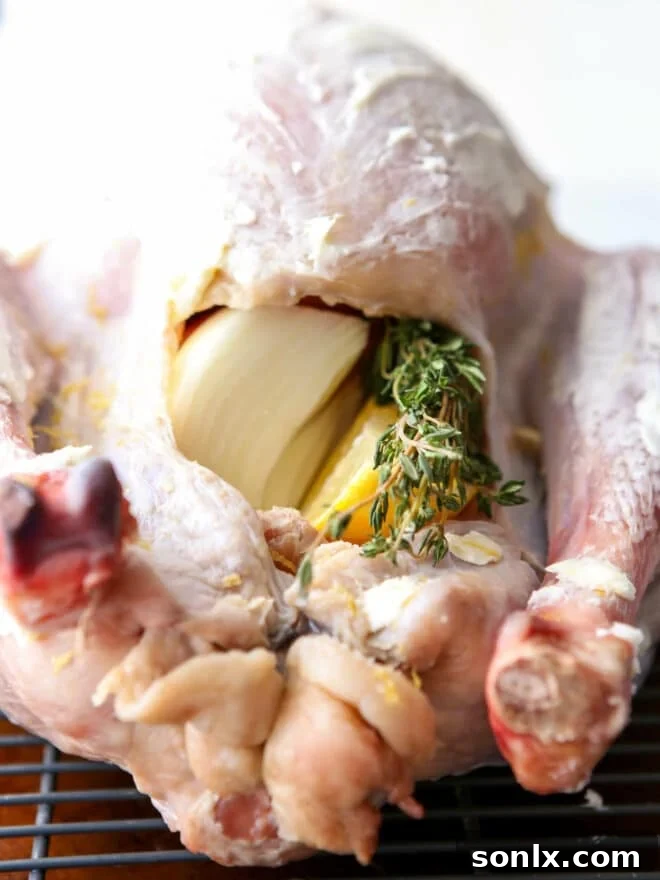
- Butter Rub and Cavity Stuffing: Do NOT rinse the dry brine off the turkey; that’s where all the flavor lives! Gently rub softened butter all over the entire exterior of the turkey, paying special attention to working some under the skin, especially over the breast meat. The butter aids in browning and adds rich flavor. Next, stuff the turkey’s cavity generously with the quartered onion, halved lemon, and fresh herbs (rosemary, thyme, sage).
- Truss and Position: Use kitchen twine to tie the turkey legs together securely. This helps the turkey cook more evenly and creates a more compact, appealing shape. Tuck the wings underneath the bird to prevent them from burning. Carefully transfer the turkey, still on its wire rack and rimmed baking sheet, to the preheated oven. Pour 1 cup of water into the bottom of the roasting pan (under the wire rack) to catch drippings and prevent them from burning, which can lead to bitter gravy.
- Initial High-Heat Roast: Roast the turkey at 450°F (232°C) for the initial 30 minutes. This high heat jumpstarts the browning process, developing that beautiful golden crust on the skin. Rotate the pan halfway through this initial stage to ensure even browning.
- Reduce Temperature and Prepare Glaze: After 30 minutes, reduce the oven temperature to 325°F (160°C). Continue to roast the turkey at this lower temperature. Meanwhile, prepare your basting glaze: In a small saucepan, combine melted butter, honey, red wine vinegar, minced garlic, Worcestershire sauce, and a few fresh herb stems. Heat this mixture gently over low heat for a few minutes until it begins to bubble slightly and thickens. Keep it warm for basting.
- Frequent Basting for Flavor and Color: Every 30 minutes or so, carefully open the oven and generously brush the turkey with the warm honey glaze. This continuous basting not only imparts incredible flavor and moisture but also helps to build that exquisite, shiny, golden-brown exterior. Add more water to the bottom of the roasting pan as needed to maintain a consistent level, ensuring drippings don’t burn. If you notice the turkey skin browning too quickly, loosely tent it with aluminum foil to prevent scorching while allowing the internal temperature to rise.
- Monitor Internal Temperature: The turkey is perfectly cooked when an instant-read thermometer inserted into the thickest part of the thigh (without touching bone) and the thickest part of the breast registers 160°F (71°C). The cooking time will vary based on your turkey’s size, but generally, expect an additional 60-120 minutes after the initial high-heat roast. Remember, the internal temperature will continue to rise to the recommended 165°F (74°C) as the turkey rests.
- Crucial Resting Period: Once the turkey reaches 160°F, carefully remove it from the oven, being mindful not to spill any precious drippings from the pan. Transfer the turkey to a clean cutting board or serving platter and loosely tent it with aluminum foil. Let the turkey rest undisturbed for a full 30 minutes. This resting period is absolutely critical; it allows the juices, which have migrated to the center of the bird during cooking, to redistribute throughout the meat. Cutting the turkey too soon will cause these juices to escape, resulting in dry slices. While your magnificent turkey rests, seize the opportunity to create this easy homemade turkey gravy from the flavorful pan drippings!
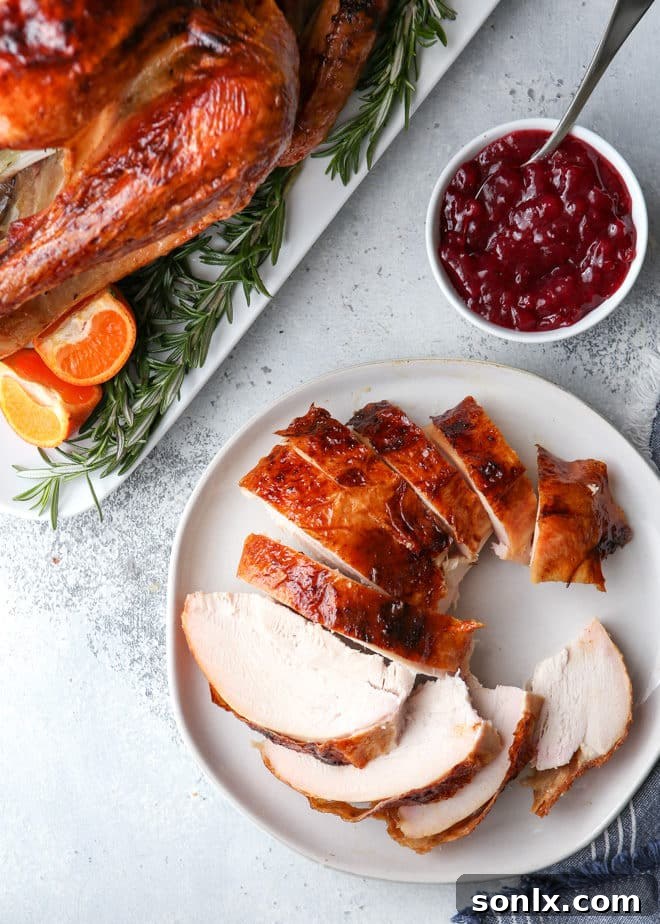
Then, carve your beautifully roasted turkey, serve it alongside your favorite holiday fixings, and savor every succulent, flavorful bite!
Frequently Asked Questions for Turkey Success
No, absolutely not! Rinsing off the dry brine would undo one of its primary benefits: creating that perfectly dry surface essential for developing super crispy skin during roasting. The magic of the dry brine is that the salt and flavors are absorbed into the meat, not just sitting on the surface. Simply pat the turkey dry after brining, and you’re ready to roast.
It’s a common concern, but no, your turkey will not be overly salty, provided you use the recommended amount of coarse salt for the size of your bird and avoid pre-salted turkeys. The salt applied across a wide surface area penetrates deeply and evenly throughout the turkey, rather than concentrating in one spot. This process seasons the meat thoroughly from within, resulting in a perfectly seasoned, not excessively salty, flavor. For a deeper dive into the science behind dry brining, you can consult resources like this informative article from Serious Eats.
Yes, absolutely! This dry brining technique works beautifully for smaller cuts of poultry, including turkey breasts. The principles remain the same – the salt will work to tenderize and season the meat, ensuring a juicy and flavorful turkey breast. Refer to the recipe notes for specific instructions on adjusting the brine quantities for a turkey breast.
Life happens! If you find yourself with a frozen turkey needing a quick thaw, you can submerge it in cold water, changing the water every 30 minutes to keep it below 40°F (4°C). A 12-pound turkey can thaw this way in approximately 6-8 hours. However, it’s crucial to understand that if you use this rapid thawing method, dry brining is NOT recommended as it increases the risk for bacterial growth if not handled perfectly. In this scenario, it is best to cook the turkey immediately after thawing. Skip the dry brine steps and proceed directly to the roasting instructions in this recipe.
While brining is beneficial, over-brining can have adverse effects. Leaving the dry brine on a turkey for an extended period beyond the recommended time can lead to a turkey that is overly salty and, paradoxically, can become dry or even develop a mushy texture due to excessive protein breakdown. It’s important to adhere to the specified brining times for your recipe: for a 12-15lb turkey, aim for a total of 12-24 hours, with a maximum of 36 hours for larger birds.
The most common reason for a dry turkey is overcooking. To prevent this, investing in a reliable instant-read thermometer is essential. Throughout the cooking process, regularly check the internal temperature in the thickest parts of the thigh and breast. Remove the turkey from the oven promptly when it reaches 160°F (71°C). Remember, the turkey will continue to cook and its internal temperature will rise by several degrees (carryover cooking) to the safe 165°F (74°C) while it rests.
Making delicious homemade gravy from your turkey drippings is an absolute must! I have a dedicated recipe that guides you through how to make quick and flavorful homemade turkey gravy. The best part? You can prepare it while your beautifully roasted turkey is resting, ensuring everything is ready to serve at the same time!
Reheating turkey effectively without drying it out requires a bit of care. The key is to introduce moisture, use a low and slow heat, and avoid any overcooking. To reheat turkey slices or pieces in the oven: Place them in a shallow baking dish, add a few tablespoons of turkey gravy or chicken broth to keep them moist, and cover the dish tightly with aluminum foil. Warm in a 325°F (160°C) oven for approximately 20 minutes, or until just heated through. To reheat in the microwave: Arrange turkey slices in a microwave-safe dish, add a splash of gravy or broth, and cover with a damp paper towel. Microwave at 50% power in 1-minute intervals, checking for warmth and stirring occasionally, until gently heated through.
Perfect Pairings: Complementary Side Dishes
No holiday turkey is complete without an array of delectable side dishes to complement its rich flavor. These carefully selected recipes are designed to perfectly pair with your dry-brined roasted turkey, creating a truly unforgettable feast.
Get the Full Dry-Brined Roasted Turkey Recipe
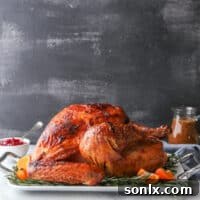
Dry-Brine Roasted Turkey
Pin Recipe
Leave a Review
Ingredients
Dry Rub
- 6 tablespoons coarse salt, Diamond Crystal or Morton Kosher preferred
- 3 tablespoons light or dark brown sugar
- Zest of 1 lemon
- 1 teaspoon ground mustard
For the Turkey
- 12-15 lb turkey, neck and giblets removed
- 1 onion, peeled and quartered
- 1 lemon, halved
- 1 small bunch fresh herbs, such as rosemary, thyme and sage
- 6-8 tablespoons butter, as needed, softened to room temperature
Glaze
- ¼ cup butter
- 2 tablespoons honey
- ¼ cup red wine vinegar
- 1 tablespoon Worcestershire sauce
- 3 cloves garlic, minced
- A few herb stems, such as rosemary, thyme and sage
Equipment
Instructions
To apply dry brine rub:
- Place turkey on a sheet pan lined with a wire rack and pat dry thoroughly with paper towels.
- Combine coarse salt, brown sugar, lemon zest, and ground mustard in a small bowl. Use your hands to generously apply this rub all over the turkey’s exterior, ensuring an even coating. Don’t worry if some falls off onto the pan.
- Place the turkey, uncovered, in the fridge for approximately 24 hours. A minimum of 12 hours is acceptable, but 24 hours is ideal. For larger turkeys (around 15lbs), you can extend the brining time up to 36 hours for deeper flavor penetration.
To roast the turkey:
- Preheat your oven to 450°F (232°C). Adjust your oven rack to the center position to ensure the turkey fits comfortably and cooks evenly. Remove the turkey from the fridge while the oven preheats, allowing it to come closer to room temperature for 30-60 minutes.
- Keep the turkey on the wire rack within its sheet pan; do not rinse the dry brine off. Rub the softened butter evenly over the entire turkey, including working some under the skin, especially on the breast. Stuff the cavity with the quartered onion, halved lemon, and fresh herbs.
- Tie the turkey legs together with kitchen twine and tuck the wings firmly underneath the breasts to prevent them from burning. Carefully transfer the sheet pan with the turkey to the oven. Pour 1 cup of water into the bottom of the roasting pan (beneath the wire rack) to prevent drippings from scorching.
- Roast at 450°F (232°C) for the initial 30 minutes, rotating the pan halfway through to ensure consistent browning.
- While the turkey roasts, prepare the glaze. Combine butter, honey, red wine vinegar, Worcestershire sauce, minced garlic, and fresh herb stems in a small saucepan. Cook over medium-low heat for a few minutes until the mixture bubbles gently and thickens slightly. Keep the glaze warm.
- After the initial 30 minutes, reduce the oven temperature to 325°F (160°C). Continue to roast the turkey, basting generously with the prepared glaze every 30 minutes. This will build layers of flavor and contribute to that beautiful golden-brown, crispy skin. Add more water to the roasting pan as needed to maintain a consistent liquid level. If the turkey begins to brown too quickly, loosely tent it with aluminum foil to prevent burning.
- Continue roasting until an instant-read thermometer inserted into the thickest part of both the thigh and breast registers 160°F (71°C). The total roasting time after the initial high-heat period will typically be about 60-90 minutes, depending on your turkey’s size and oven calibration. The skin should be deeply golden, crisp, and shiny.
- Once the turkey reaches 160°F, carefully remove it from the oven, ensuring no precious pan juices spill.
- Transfer the roasted turkey to a large cutting board or serving platter and loosely cover it with aluminum foil. Allow it to rest for at least 30 minutes before carving. This resting period is vital for the juices to redistribute, ensuring moist and tender slices.
- While the turkey rests, prepare homemade turkey gravy using the flavorful pan drippings. Serve immediately and enjoy your perfectly roasted turkey!
Notes
- Always confirm your turkey is NOT pre-salted, brined, or self-basting. Check the ingredient list on the packaging to ensure salt is not included. This is crucial to avoid an overly salty turkey.
- To thaw a frozen turkey, place it in the refrigerator, allowing approximately 24 hours per 4-5 pounds. A 12-15lb turkey will require 2-3 days to thaw completely. It’s acceptable if the turkey is still slightly frozen inside when you start the dry brine, but it should be mostly defrosted.
- This recipe is adaptable for smaller turkeys or turkey breasts. For a 6lb turkey breast, adjust the dry brine quantities to 1 tablespoon coarse salt, 1 teaspoon brown sugar, 1 teaspoon lemon zest, and 1/4 teaspoon ground mustard.
- This recipe was gratefully adapted and refined from the original Bon Appetit dry-rubbed roast turkey.
Calories: 525kcal, Carbohydrates: 9g, Protein: 70g, Fat: 22g, Saturated Fat: 7g, Cholesterol: 242mg, Sodium: 3901mg, Potassium: 804mg, Fiber: 1g, Sugar: 7g, Vitamin A: 699IU, Vitamin C: 17mg, Calcium: 57mg, Iron: 3mg
This recipe was originally published in November 2019 and has been updated for clarity and enhanced instructions.