Butter is far more than just a simple ingredient in baking; it’s a cornerstone that profoundly influences the flavor, texture, and overall success of your culinary creations. From the delicate flakiness of a croissant to the rich chewiness of a perfect cookie, butter plays an indispensable role. This comprehensive guide will delve deep into the world of baking with butter, exploring how different types, temperatures, and mixing techniques are crucial for achieving outstanding results in your kitchen.
Understanding the nuances of butter is essential for any aspiring or seasoned baker. Baking truly is a science, and appreciating butter’s vital contribution to everything from cakes and cookies to pies and pastries will elevate your skills and consistency.
- Did you know that the specific type of butter you choose can significantly impact your baked goods, especially in recipes where butter is a star ingredient?
- Are you aware that matching the butter’s temperature to the mixing method is often the single most critical factor in a recipe’s outcome?
- And perhaps surprisingly, do you know that “room temperature” butter is actually much cooler than most people imagine, designed for optimal performance?
Join us as we uncover everything you need to know about harnessing the power of butter in your baking!
Table of Contents
- Types of Butter in Baking
- Butter’s Multifaceted Role in Baking Recipes
- Flavor Enhancement: The Essence of Butter
- Creating Structure and Texture
- Contributing to Golden Caramelization
- The Science of Butter Temperature and Its Impact
- Achieving Perfect Room Temperature Butter
- Proper Storage for Optimal Butter Freshness
- Exploring Butter Substitutes
- Further Resources and Expert Tips
Types of Butter in Baking
Choosing the right type of butter can make a noticeable difference in your baked goods, especially when butter is a primary flavor or texture component.
Salted vs. Unsalted Butter: The Great Debate
Conventional baking wisdom strongly advises using unsalted butter. The primary reason is control: unsalted butter acts as a “blank slate,” allowing bakers to precisely manage the salt content in their recipes. The amount of salt in salted butter varies significantly between brands, making it difficult to achieve consistent results, particularly in delicate recipes where balance is key.
While precise control is ideal, many home bakers find that salted butter works perfectly fine in most everyday recipes without a dramatic difference in outcome. In fact, for certain treats like cookies, caramel sauces, or rice krispie treats, the subtle saltiness from salted butter can even enhance the flavor, creating a delightful sweet-and-salty profile. If you’re using salted butter in a recipe that calls for unsalted, a general rule of thumb is to reduce the added salt in the recipe by about half, though taste preferences will vary.
What is European-Style Butter?
Beyond salted and unsalted, you might encounter “European-style” butter. Traditional American butter typically contains around 80% butterfat. European-style butters, such as Kerrygold, boast a higher fat content—usually 82% or more. This seemingly small difference of 2-4% butterfat has a substantial impact. The higher fat content results in less water and more rich flavor, leading to a silkier texture in creams, a more tender crumb in cakes, and significantly flakier layers in pastries. When butter is the undisputed star, like in croissants, brioche, or delicate shortbread, European-style butter can deliver an unparalleled richness and superior texture that simply can’t be matched by its American counterpart.
While many recipes are developed and tested with standard American butter and yield excellent results, experimenting with European-style butter can provide that extra “oomph.” Consider trying it in recipes like brown butter shortbread, classic fudge brownies, or buttermilk pie crust to truly appreciate the difference in flavor and texture it can impart.
Cultured Butter and Ghee (Clarified Butter)
Some European-style butters are also “cultured,” meaning cream is fermented before churning, giving the butter a slightly tangier, more complex flavor profile. This adds another layer of depth, particularly appealing in artisanal breads and pastries. Additionally, clarified butter or ghee, which is pure butterfat with milk solids and water removed, finds its niche in certain baking applications where a higher smoke point or pure fat without browning is desired, though it’s less common for general-purpose baking.
Butter’s Multifaceted Role in Baking Recipes
Butter is truly a triple threat in the baking world, performing three crucial functions that are indispensable for creating delicious and beautifully textured treats:
- It imbues desserts and baked goods with incredible flavor and richness.
- It dictates the structure, texture, and rise of the finished product.
- It aids in achieving desirable browning and caramelization.
Flavor Enhancement: The Essence of Butter
It’s no secret that butter is synonymous with exquisite flavor. Beyond mere richness, butter possesses a unique, complex flavor profile that perfectly complements and enhances sweetness. Consider the contrast: olive oil, while flavorful, has a distinctive taste that can overwhelm certain delicate recipes. Vegetable shortening or oil, on the other hand, provide fat but largely lack the nuanced taste that butter brings to the table, often leaving baked goods feeling “flat” in flavor.
Butter’s relatively low melting point means it softens and melts right around body temperature, creating an exceptionally smooth, velvety, and flavorful “mouthfeel.” This sensation is deeply satisfying and pleasing, devoid of the greasy or waxy residue that can sometimes accompany other fats. The dairy notes and subtle sweetness of butter are integral to the comforting, irresistible taste of countless baked favorites.
Creating Structure and Texture
The way butter is incorporated into a recipe profoundly impacts the final texture and rise of a baked good. This is where butter’s unique physical properties at different temperatures truly shine.
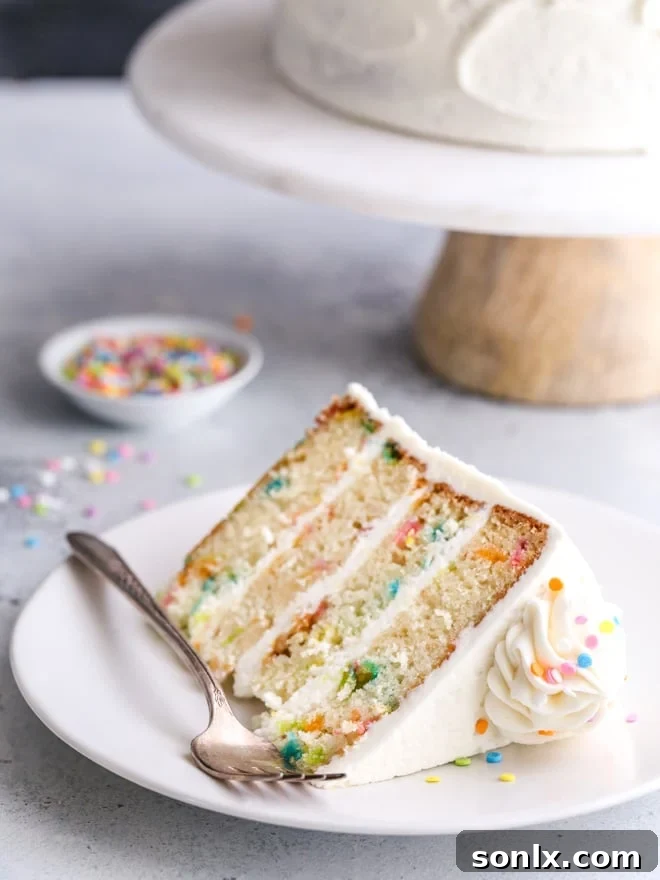
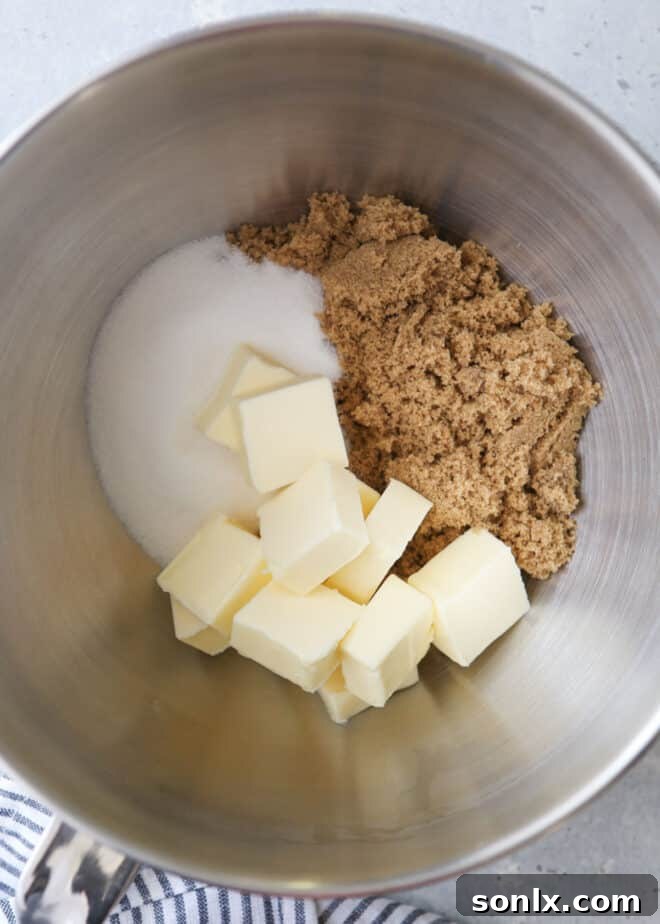
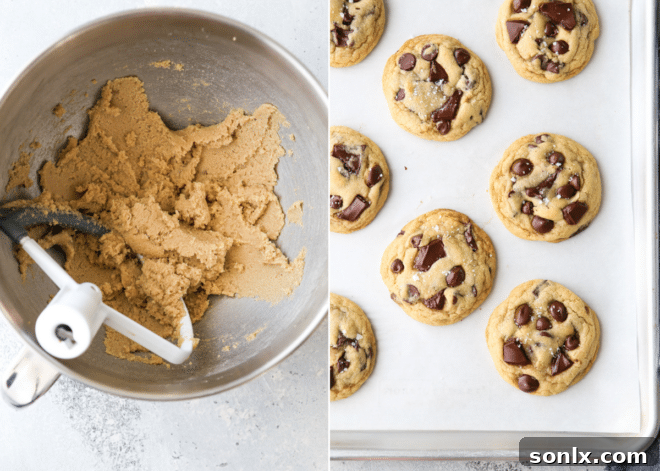
- Creaming Method (Room Temperature Butter): When softened, room-temperature butter is creamed together with sugar, it creates countless tiny air pockets. The sugar crystals cut into the butter, and as the mixture is beaten, air is trapped within the fat. These air pockets expand in the oven, providing lift and a tender, airy crumb in cakes, cookies, and quick breads. Without properly aerated butter, these baked goods would be dense and heavy.
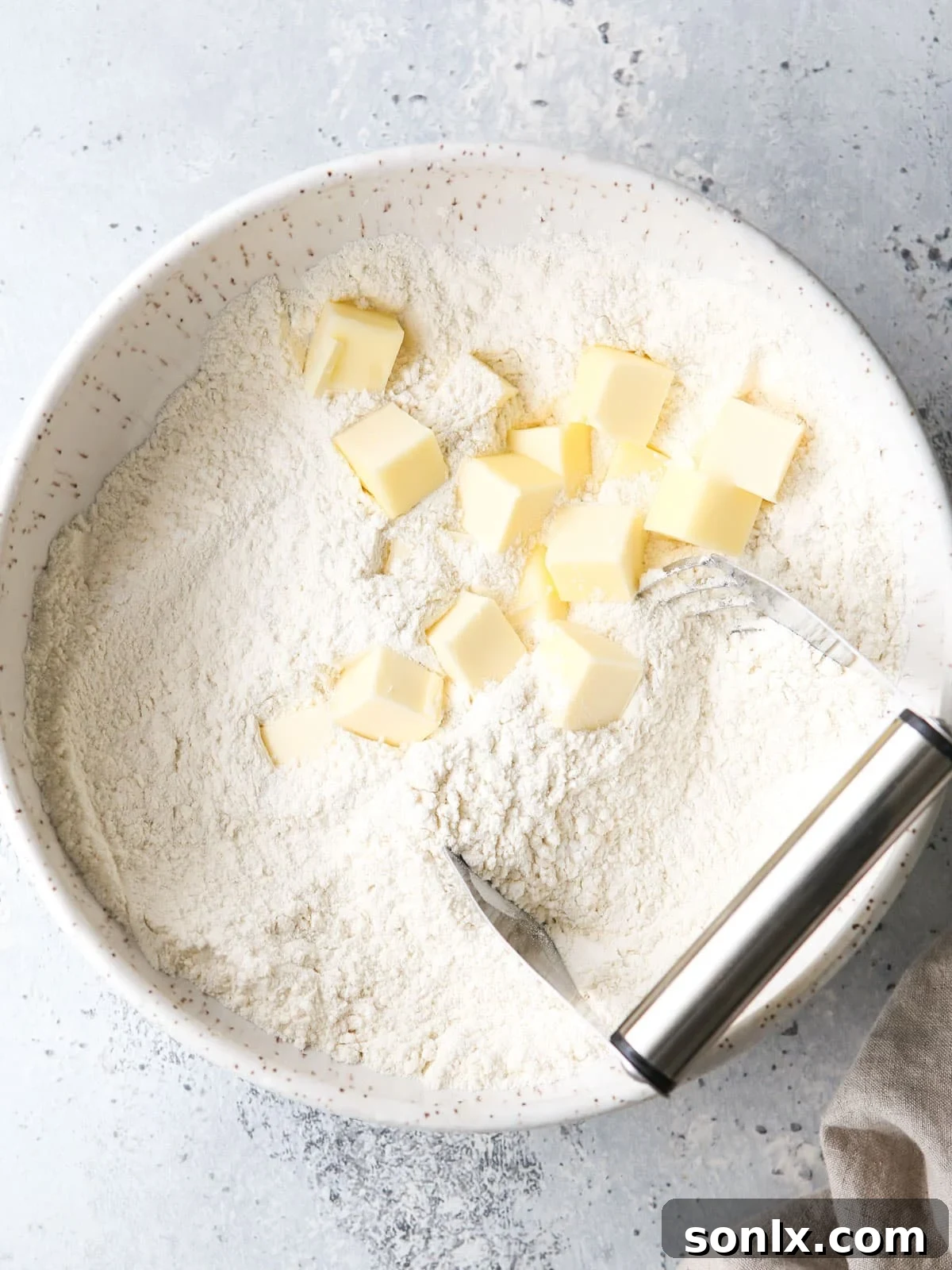
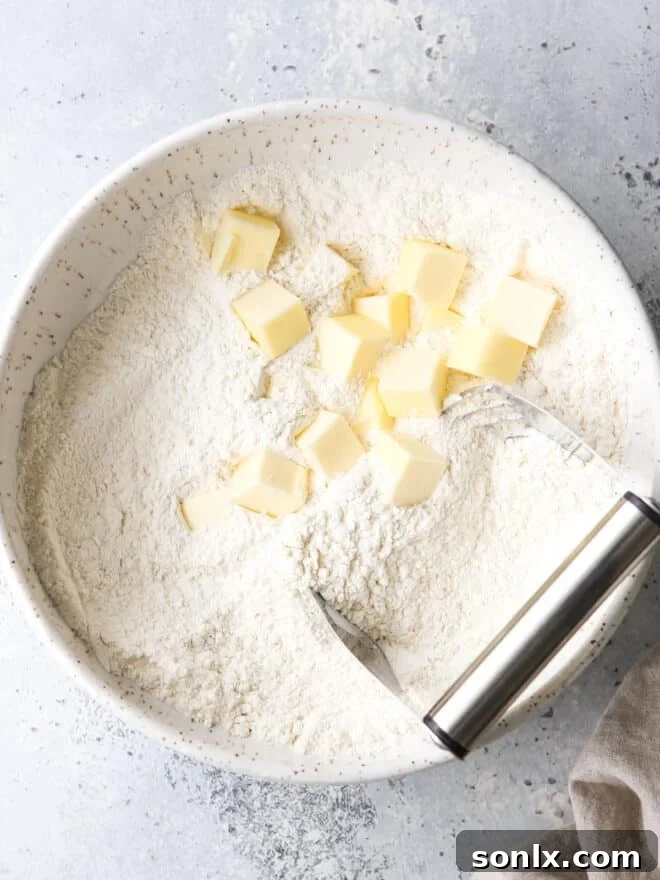
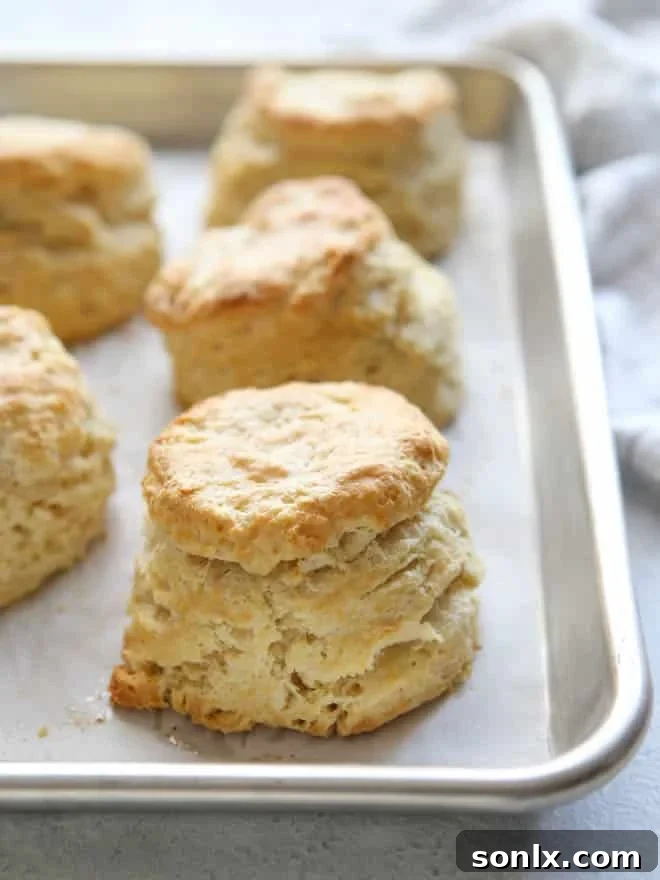
- Cutting in Cold Butter (Chilled Butter): For flaky pastries like pie crusts, biscuits, and scones, cold, solid butter is cut into the flour. As these small pieces of butter melt in the hot oven, they release steam, which creates distinct layers and pockets within the dough, separating the flour layers and resulting in an incredibly flaky and tender texture. If softened butter were used, it would fully incorporate into the dough, leading to a tough or crumbly texture rather than delicate layers.
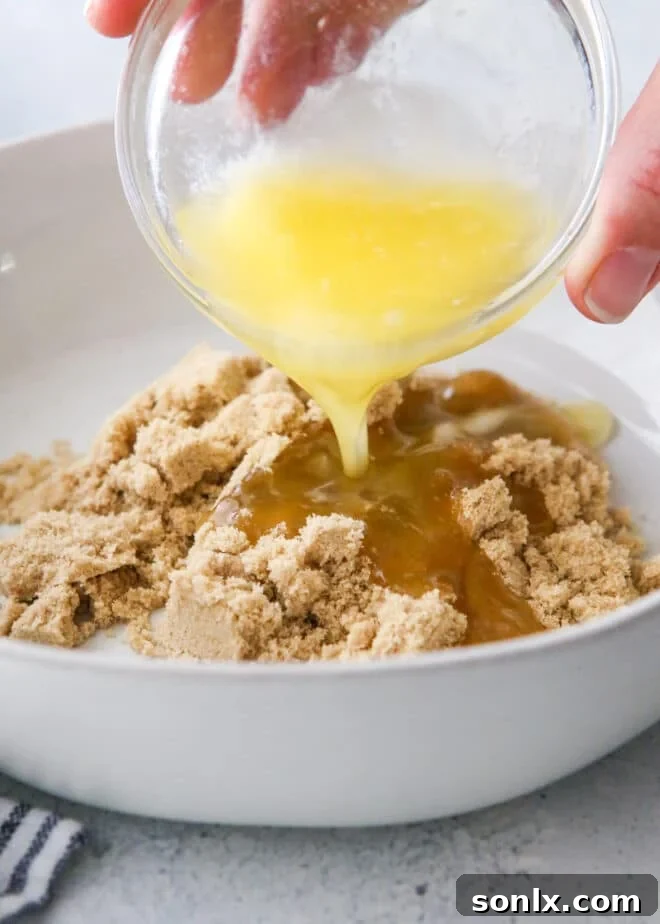
- Melted Butter: In some recipes, such as certain types of brownies, chewy cookies, and dense cakes, melted butter is preferred. It contributes moisture and richness, resulting in a denser, chewier texture compared to the aeration achieved with creaming. Melted butter acts more as a liquid binder, providing a uniform, moist crumb.
Contributing to Golden Caramelization
Butter’s unique composition also makes it a powerful ally in achieving beautiful browning and deep, complex flavors. Unlike pure fats like vegetable oil, butter is an emulsion that contains not just fat, but also water and crucial milk solids (proteins and sugars).
When butter heats up, particularly during baking, these milk solids undergo the Maillard reaction—a chemical process between amino acids and reducing sugars that creates hundreds of new flavor compounds and a rich, golden-brown color. This is what gives your cookies their perfectly caramelized edges, your cakes their golden crust, and why browning butter itself produces such an incredible depth of nutty flavor. Other fats, being pure fat, cannot achieve this same level of complex browning and toasted flavor, adding richness but lacking the full spectrum of taste that butter provides.
The Science of Butter Temperature and Its Impact
The temperature of your butter is not merely a suggestion; it’s a critical instruction that can dictate the success or failure of your entire recipe. Butter behaves very differently at various temperatures due to its unique crystalline structure.
Chilled Butter: The Secret to Flaky Pastries
For recipes demanding flakiness, such as pie crusts, biscuits, scones, and certain tarts, impeccably cold butter is non-negotiable. When butter is thoroughly chilled, its fat molecules remain solid and rigid. As these solid pieces are cut into flour and then baked, they create discrete pockets within the dough. In the hot oven, the butter melts and the water content rapidly converts to steam, which physically pushes apart the layers of dough, resulting in a wonderfully flaky, tender texture. If you use butter that is too soft or at room temperature, it will fully incorporate into the dough rather than forming distinct pockets, leading to a tough or dense result with no desirable flakiness.
Room-Temperature Butter: Essential for Tender Cakes and Chewy Cookies
Conversely, for beloved recipes like soft, chewy cookies, light and tender cakes, and fluffy frostings, precise room-temperature butter is paramount. At this temperature, butter reaches its “plastic” state – it’s soft enough to be easily creamed and beaten, allowing it to trap air efficiently, yet firm enough to hold that air structure. This trapped air is crucial for leavening, contributing to a soft, airy crumb and good rise in your baked goods. When combined with sugar in the creaming process, it creates a light, fluffy mixture. If the butter is too cold, it won’t cream properly, leading to a dense batter. If it’s too soft or even slightly melted, it won’t hold the air effectively, which can cause cookies to spread excessively or cakes to have a greasy, heavy texture.
Defining “Room Temperature” Butter: Cooler Than You Think
The term “room temperature” can be misleading. For butter, this ideal state is quite specific, typically between 65-68°F (18-20°C). At this temperature, butter should still feel cool to the touch, not warm. When gently pressed with your finger, it should yield slightly, leaving a shallow indentation, but your finger should not sink all the way through, nor should the butter look shiny or greasy. If you see any melted spots or glossiness, it’s too soft. Many recipes specify “room temperature” butter rather than “softened” butter precisely to avoid this common pitfall.
Melted Butter: For Density and Chewiness
Finally, melted butter also has its place in baking, playing a key role in certain types of cookies, fudgy brownies, dense cakes, moist muffins, and quick breads. In these applications, melted butter contributes significant moisture and richness, resulting in a chewier, denser, and often moister finished product. It acts as a liquid fat, binding ingredients together and distributing flavor evenly without incorporating air for leavening. This is why a fudgy brownie made with melted butter will be much denser than a cake made with creamed butter.
The bottom line for all butter temperatures is consistency and adherence to the recipe. Each recipe is formulated with a specific butter temperature in mind to achieve a particular texture. Trust the process!
Achieving Perfect Room Temperature Butter
While the easiest and most recommended method for bringing butter to room temperature is to simply leave it out, sometimes time is of the essence. Ideally, pull the required amount of butter from the refrigerator about an hour or two before you plan to bake. The exact time will depend on your kitchen’s ambient temperature—less time on a warm day, more on a colder one.
When you’re in a hurry, here are some effective (and cautious) suggestions to speed up the process:
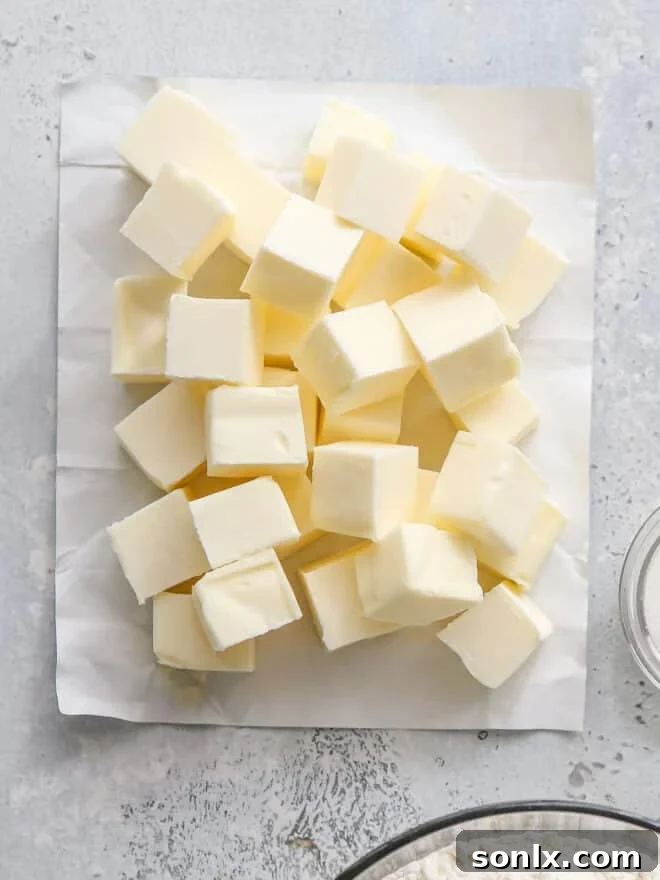
- Cube the Butter: Cutting butter into small, even cubes dramatically increases its surface area, allowing it to warm up more quickly and evenly. The smaller the cubes, the faster they will soften. Spread them out on a plate to prevent them from sticking together and to maximize air exposure.
- Utilize a Warm Environment: One clever trick is to fill a heat-proof glass bowl with very warm (but not boiling) water. Let it sit for a minute or two, then pour out the water and quickly dry the inside of the bowl. Immediately invert the warm bowl over your cubed butter on a plate. This creates a mini “sauna” that gently and quickly warms the butter. Alternatively, you can place the butter near a warm, recently used oven, rotating it periodically to ensure even softening.
- Microwave in Short Bursts (Use with Extreme Caution): This method should always be a last resort, as butter can go from perfectly room temperature to a melted puddle in mere seconds. Place the butter in a microwave-safe bowl and microwave on the lowest power setting (or defrost setting) for very short bursts—think 5-second intervals. After each burst, flip the butter to expose a different side and gently press it to check its softness. Stop immediately when it reaches the desired texture. Avoid full power at all costs.
Regardless of the method you choose, vigilance is key. It’s crucial not to over-soften your butter. Remember, it should still feel cool to the touch and only leave a slight indentation when pressed, without any shiny or melted spots. If your butter becomes too soft or greasy, it’s often better to start over with cold butter rather than proceeding, as over-softened butter can lead to significant textural issues in your final baked goods, such as excessive spreading or a greasy texture.
Proper Storage for Optimal Butter Freshness
Properly storing butter is essential to maintain its fresh flavor and extend its shelf life, preventing it from going rancid or absorbing unwanted odors.
- In the Refrigerator: For everyday use and short-term storage, butter should always be kept in the refrigerator. To prevent it from absorbing strong odors from other foods (butter is notoriously porous!), store it in its original airtight wrapper or transfer it to a sealed butter dish or container. When stored correctly, butter can last for up to 2-3 months in the fridge.
- In the Freezer: For longer-term storage, the freezer is your best friend. Butter freezes exceptionally well. For best results, keep it in its original packaging and then place the entire box or sticks into a freezer-safe bag or an additional layer of plastic wrap to provide an extra barrier against freezer burn and odor absorption. Frozen butter can maintain its quality for 6-9 months, and often even up to a year, without significant degradation in flavor or texture.
Remember that butter, like any dairy product, will eventually go bad. Using butter that has become rancid (often indicated by an off-flavor, soapy taste, or yellowed color) or has suffered from freezer burn (dry, crumbly texture, dulled flavor) will negatively impact the taste and quality of your baked goods. Always check your butter for freshness before incorporating it into your recipes.
Exploring Butter Substitutes
For those with dietary restrictions, allergies, or simply a preference for alternatives, there are various substitutes for butter available, and many yield delicious results in baking. Common alternatives include:
- Coconut Oil: Can often be used in a 1:1 ratio for melted butter, providing a rich flavor (though distinctly coconutty) and similar fat content.
- Applesauce: A fat-free option that adds moisture and a touch of sweetness, ideal for reducing fat in muffins and quick breads.
- Greek Yogurt: Adds moisture, a slight tang, and can reduce fat, suitable for certain cakes and muffins.
- Vegan Butter/Margarine: Specifically formulated to mimic the taste and texture of dairy butter, these are often the most direct substitutes for a 1:1 replacement in many recipes.
- Vegetable Oils (e.g., canola, grapeseed): Pure fats that add moisture but lack the flavor and specific functional properties (like creaming) of butter.
However, it’s crucial to understand that butter substitutes rarely behave identically to butter, especially in recipes where butter’s unique structure (e.g., for creaming or flakiness) is critical. While I am not an expert in the intricate chemistry of every butter substitute, and my recipes are typically tested with traditional dairy butter, I encourage experimentation if you are confident in your baking skills. If you’re looking to use an alternative, it’s often best to seek out recipes specifically developed with that substitute in mind. For example, searching for “chocolate chip cookies with coconut oil” or “vegan vanilla cake” will provide a much higher chance of success than directly substituting in a butter-based recipe. Understanding the specific functional differences a substitute offers will guide you towards better results.
Further Resources and Expert Tips
To continue your journey in mastering the art of baking with butter, explore these additional resources and tips:
- How to Brown Butter for Unforgettable Flavor
- Understanding the Purpose of Cutting Cold Butter into Dry Ingredients
- The Critical Importance of Creaming Butter and Sugar for Perfect Cookies
- Ensuring Your Butter is at the Absolutely Right Temperature Every Time
- When to Bake with Unsalted vs. Salted Butter: A Detailed Guide
By delving into these details, you’ll gain an even deeper appreciation for butter’s versatility and indispensable role in crafting truly exceptional baked goods. Happy baking!