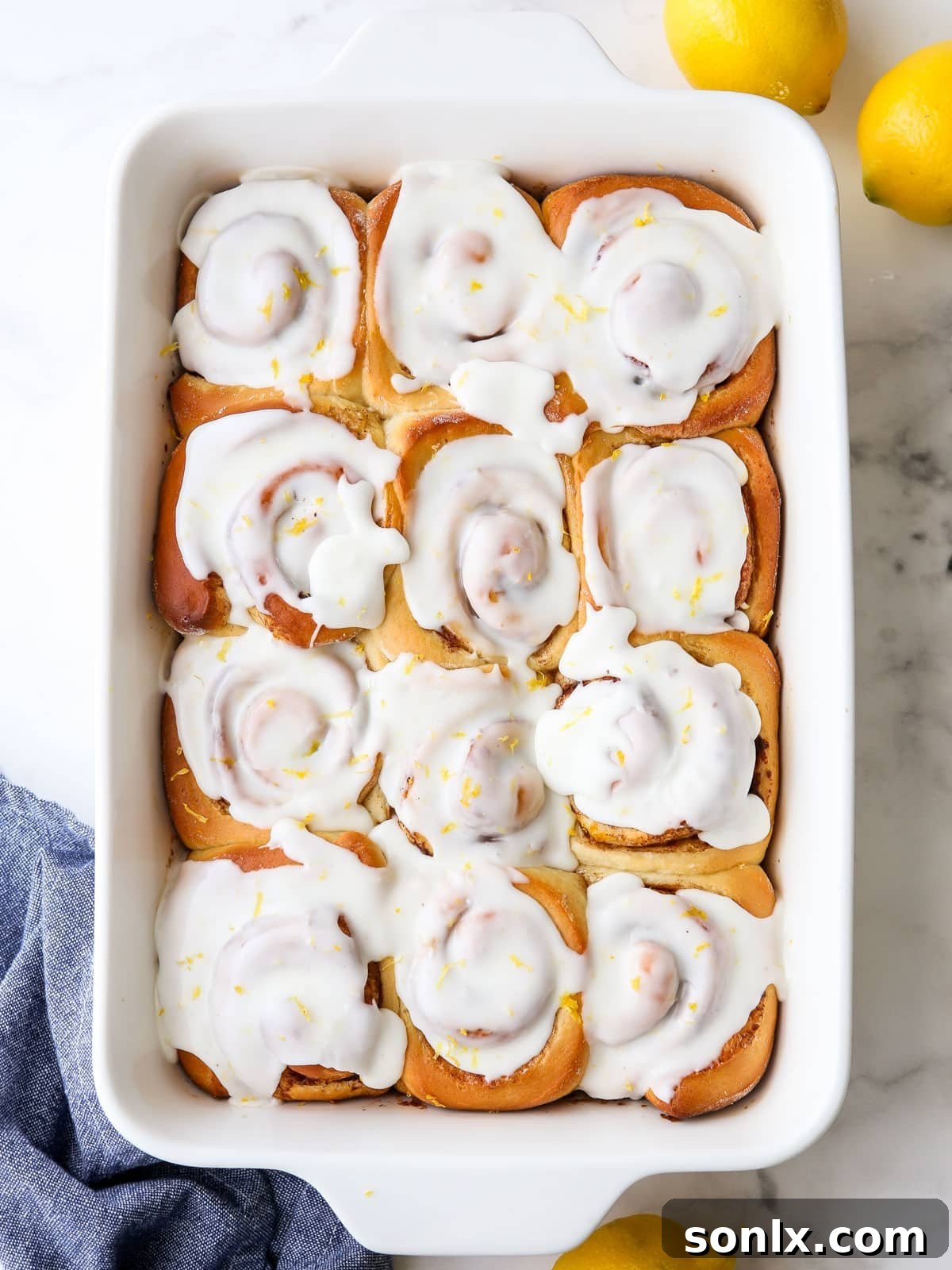
Brighten Your Day with Zesty Lemon Cinnamon Rolls: The Ultimate Spring Treat
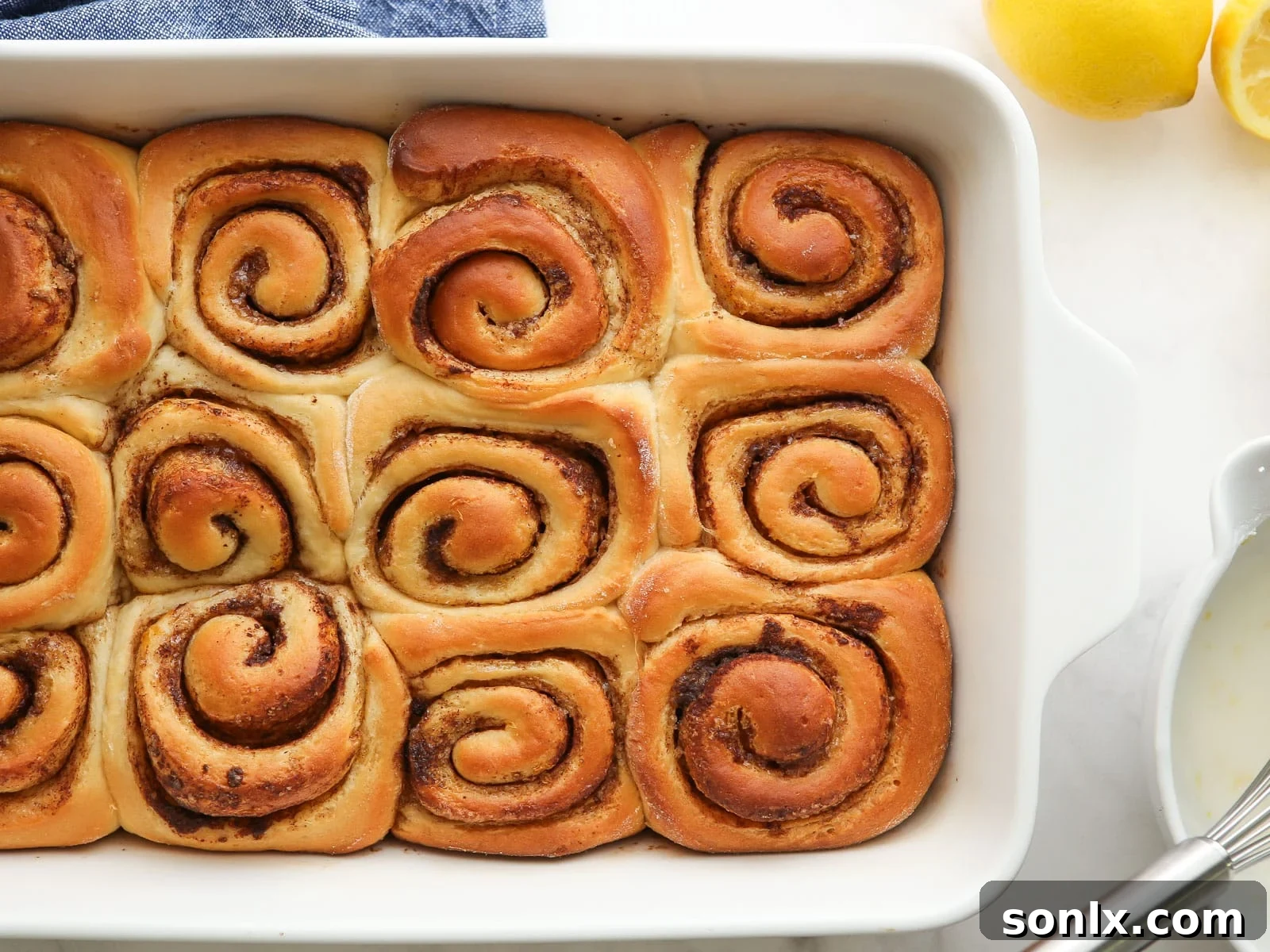
Imagine the warm, comforting embrace of freshly baked cinnamon rolls, but with an unexpected twist – a burst of sunny, vibrant lemon. Our homemade Lemon Cinnamon Rolls bring together the best of both worlds, infusing a beloved classic with a delightful citrusy zing that’s absolutely irresistible. These rolls are incredibly soft, wonderfully gooey, and topped with a sweet, tangy lemon glaze, making them an ideal treat to welcome the arrival of spring, or simply to add a touch of brightness to any day of the year.
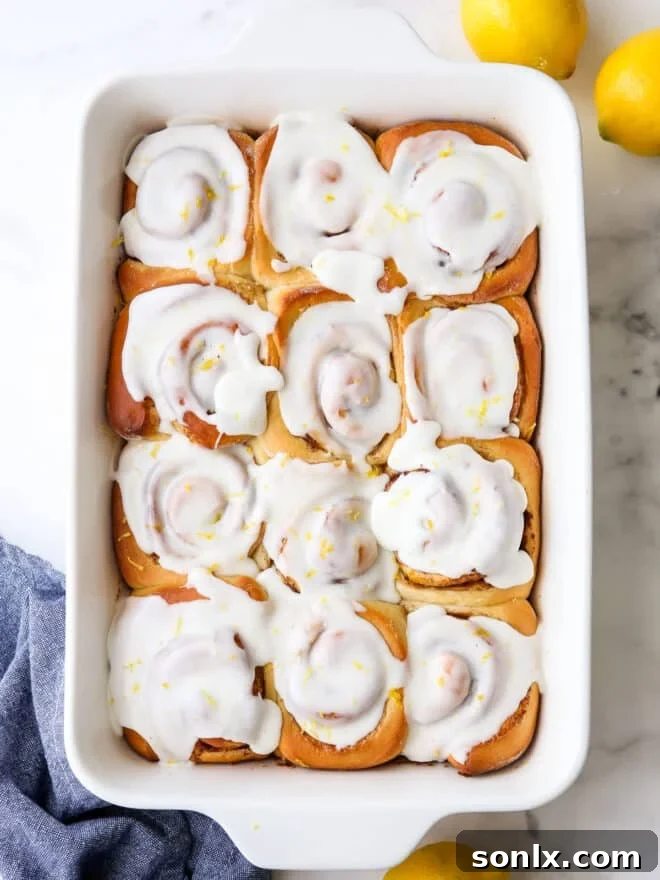
Let’s be clear: these aren’t just sweet rolls with lemon. This is a meticulously crafted recipe where the essence of lemon truly enhances the cinnamon experience. We’ve taken a classic cinnamon roll foundation, enriching the signature gooey cinnamon filling with copious amounts of fresh lemon zest. The magic doesn’t stop there; once baked to golden perfection, these fluffy rolls are generously drizzled with a homemade, sweet, and wonderfully zesty lemon glaze that ties all the flavors together beautifully.
The combination of lemon and cinnamon might sound unconventional to some, but trust us, it’s a culinary match made in heaven. The warm, comforting spice of cinnamon finds its perfect counterpart in the bright, refreshing acidity of lemon. This harmonious blend creates a flavor profile that is both cozy and invigorating, making these rolls feel simply divine. They are particularly delightful for chilly spring mornings when you crave something comforting yet light, though their deliciousness knows no season – they make a fantastic treat for any occasion, all year round!

Essential Ingredients for Your Lemon Cinnamon Rolls
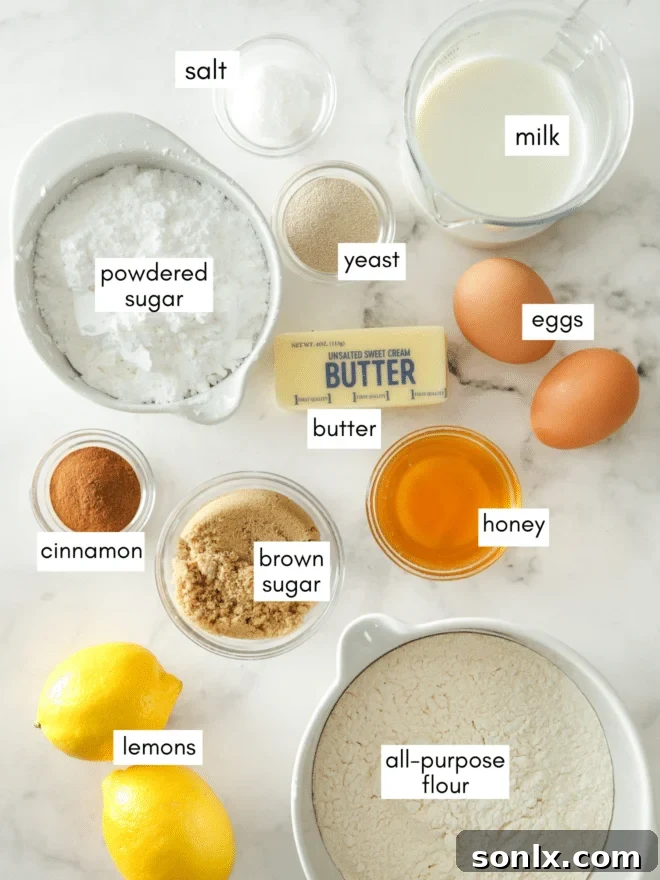
Crafting these exceptional lemon cinnamon rolls begins with a selection of fresh, high-quality ingredients. Each component plays a vital role in achieving that perfect balance of soft dough, gooey filling, and bright, zesty glaze. Before you start, gather everything you need to ensure a smooth and enjoyable baking process. You’ll find a detailed list with specific measurements in the full recipe card below, but here’s a quick overview of what to prepare:
- For the Dough: Unsalted butter, honey, whole milk, all-purpose flour, active-dry yeast (or instant yeast), salt, and large eggs. The quality of your yeast and the freshness of your dairy will significantly impact the dough’s rise and texture.
- For the Filling: Melted unsalted butter, packed light or dark brown sugar, fresh lemon zest (from 2 lemons for maximum flavor), and ground cinnamon. This combination creates the signature sweet and spiced core of the rolls, elevated by the bright citrus.
- For the Glaze: Powdered sugar, fresh lemon juice (for that irresistible tang), and additional lemon zest (from 1 lemon for extra aroma and visual appeal). This simple glaze provides the perfect finishing touch.
Having all your ingredients at room temperature, especially the eggs and milk, will help the dough come together more easily and rise more effectively. Freshly zested lemons are key for the bright, aromatic flavor profile that sets these rolls apart.
Step-by-Step Guide: How to Make Irresistible Lemon Cinnamon Rolls
Baking homemade cinnamon rolls, especially with a fresh lemon twist, is a rewarding experience. While it involves a few steps, each is straightforward and contributes to the incredible final product. Follow these detailed instructions to create soft, flavorful, and perfectly glazed lemon cinnamon rolls:
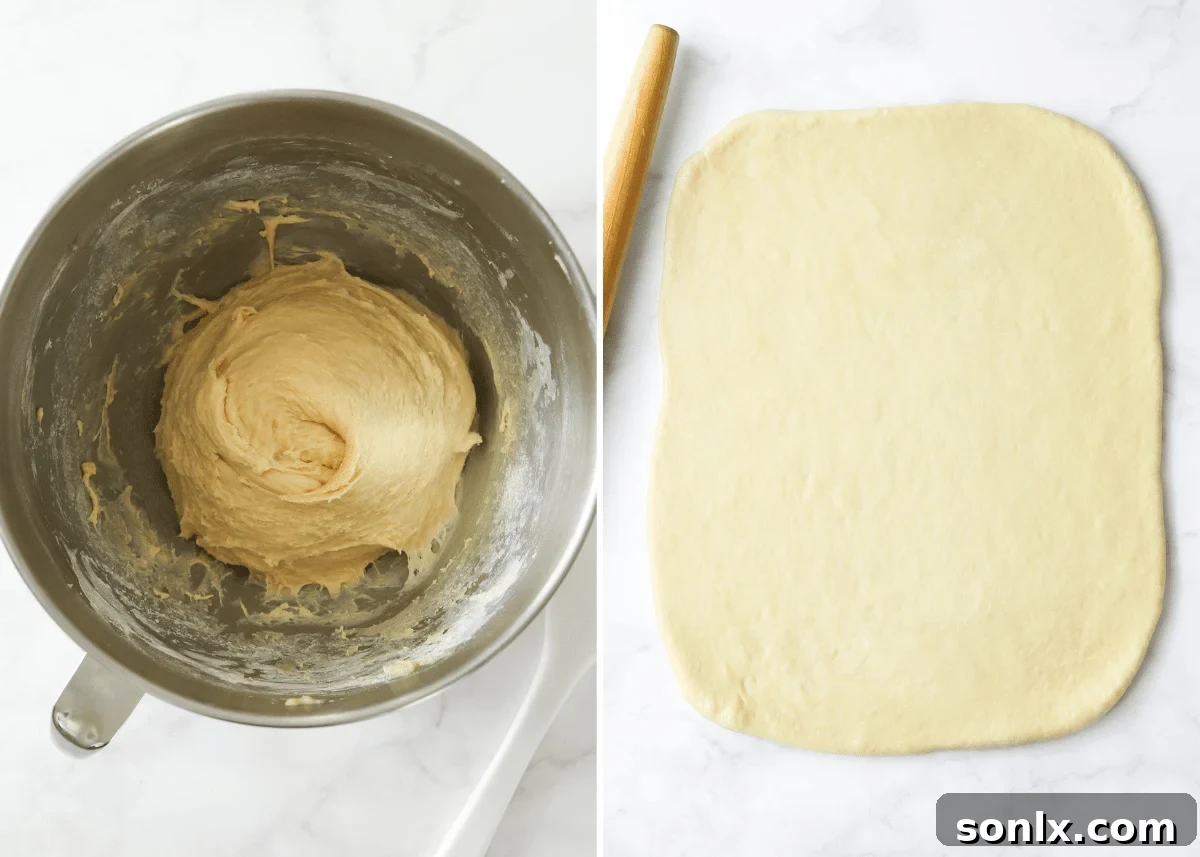
- Activate and Prepare the Dough: Begin by gently melting unsalted butter in a small saucepan over low heat. Once melted, remove from heat and stir in the honey and whole milk. Heat this mixture for just a minute or two, aiming for a temperature between 120-130°F (49-54°C). This warmth is crucial for activating the yeast without killing it. In a large mixing bowl (or the bowl of a stand mixer), combine a portion of the all-purpose flour with the active-dry yeast and salt. Add the warmed milk mixture and the eggs. If using a stand mixer, attach the dough hook and knead on low speed, gradually incorporating the remaining flour until the dough is smooth, elastic, and pulls away from the sides of the bowl while still being slightly tacky to the touch. If kneading by hand, turn the dough out onto a lightly floured surface and knead vigorously for 8-10 minutes.
- First Rise for Fluffy Dough: Lightly grease a clean bowl with a neutral oil or cooking spray. Transfer the kneaded dough to this bowl, turning it once to coat the entire surface. Cover the bowl tightly with plastic wrap or a clean kitchen towel. Place it in a warm, draft-free spot and let it rise until it has doubled in size, which typically takes about 1 to 1.5 hours, depending on your kitchen’s temperature. This first rise is essential for developing the dough’s flavor and achieving a light, airy texture.

- Craft the Zesty Cinnamon Filling: Once the dough has risen, gently punch it down to release the air. Turn it out onto a lightly floured surface and knead it a few times. Allow it to rest for about 15 minutes, covered, to relax the gluten. While it rests, prepare your aromatic filling: in a small bowl, combine the brown sugar, fresh lemon zest, and ground cinnamon. Roll the dough into a large rectangle, approximately 10×15 inches (25×38 cm). Brush the entire surface evenly with melted unsalted butter, then generously sprinkle the brown sugar-cinnamon-lemon zest mixture over the butter, spreading it right to the edges.
- Roll, Slice, and Shape: Starting from one of the long ends, carefully and tightly roll the dough into a snug log. The tighter you roll, the better the classic swirl shape will be. Once rolled, use either a very sharp, un-serrated knife or, for best results, a piece of unscented dental floss or clean thread to slice the log into 12 even rolls. This technique helps prevent squashing the delicate dough.
- Second Rise for Ultimate Fluffiness: Lightly grease a 9×13-inch (23×33 cm) baking dish. Arrange the sliced cinnamon rolls snugly in the prepared dish. Cover the dish with plastic wrap or a kitchen towel and allow the rolls to undergo their second rise in a warm place. They should become visibly puffed up and almost doubled in size, typically taking 30-45 minutes. During this time, preheat your oven to 350°F (175°C).
- Bake to Golden Perfection: Once the rolls have completed their second rise, remove the cover and transfer the baking dish to the preheated oven. Bake for approximately 20-25 minutes, or until the tops are beautifully golden brown and the rolls are cooked through and springy to the touch. Keep an eye on them to prevent over-baking, which can lead to dry rolls.
- Glaze with Zesty Lemon Icing: While the rolls are slightly cooling (they should still be warm, but not piping hot), prepare the lemon glaze. In a medium bowl, whisk together the powdered sugar, fresh lemon juice, and additional lemon zest until completely smooth and of a thick yet pourable consistency. If it’s too thick, add a tiny bit more lemon juice; if too thin, add a little more powdered sugar.
- Drizzle and Enjoy: Generously pour the zesty lemon glaze over the warm lemon cinnamon rolls. The warmth of the rolls will help the glaze melt slightly and seep into all the nooks and crannies, creating an even gooier experience. These lemon cinnamon rolls are absolutely best enjoyed fresh from the oven, while still warm and soft.
Baking Tip: The Secret to Perfectly Sliced Cinnamon Rolls
While a sharp knife can get the job done when slicing your cinnamon roll dough log, it often leads to squashed, uneven, and less attractive rolls, especially if your knife isn’t perfectly honed. For bakery-perfect rolls with clean, distinct swirls, I highly recommend using a simple trick:
Unscented dental floss or a piece of clean, strong thread. Measure out about 12-15 inches (30-38 cm) of floss or thread. Slide it underneath your rolled dough log at the desired cutting point, making sure it’s centered. Wrap the ends of the floss/thread around the top of the log, cross them over, and pull them tight in one swift motion. The floss will effortlessly cut through the dough, leaving a clean, perfectly round roll. Repeat this process at even intervals to create uniform rolls. This method is quick, easy, and guarantees beautifully shaped cinnamon rolls every time.
Expert Tips: How to Accelerate Your Dough’s Rise
Achieving a perfectly risen dough is fundamental to soft, fluffy cinnamon rolls. While simply covering your dough and letting it sit on the kitchen counter works well, cooler ambient temperatures can significantly slow down the rising process. If you’re short on time or your kitchen is a bit chilly, here are a few ingenious ways to create a warmer, more conducive environment for your dough to rise more quickly and efficiently:
- The Warm Oven Method: Preheat your oven to its absolute lowest setting (often around 170-200°F or 75-95°C) for just 2-3 minutes, then immediately turn it OFF. This creates a gentle warmth without baking the dough. Place your covered bowl of dough on the center rack and close the oven door. The residual heat will provide an ideal environment for a quicker rise. Just be sure the oven is off before placing the dough inside!
- The Microwave Warmth Trick: This is a super-fast way to create a miniature proofing box. Heat 1 cup of water in your microwave for 2-3 minutes until it’s boiling and steaming. Carefully remove the hot water (leaving the microwave warm and steamy). Immediately place your covered dough bowl inside the microwave and close the door. Do NOT turn the microwave on again. The trapped warmth and humidity will dramatically speed up the rise.
- Leverage Household Heat Sources: Get creative with existing warmth in your home. You can place the covered dough bowl:
- On top of a warm, recently used oven (not directly on a hot burner).
- On top of a running clothes dryer during its cycle.
- On a chair positioned safely over a heater vent (ensure it’s not too hot and there’s no direct contact with the heat source).
- In a sunny spot near a window, ensuring it’s not too hot that it could melt butter in the dough.
Remember, the goal is gentle warmth, not intense heat, to avoid prematurely baking or killing the yeast.

Planning Ahead: Make-Ahead Lemon Cinnamon Rolls
One of the best features of this lemon cinnamon roll recipe is its flexibility, allowing you to prepare most of the work the night before! This means you can wake up to fresh, warm cinnamon rolls without all the early morning fuss. Perfect for holidays, special brunches, or simply a relaxed weekend morning. Here’s how to do it:
After you have shaped the individual rolls and placed them neatly in your greased 9×13-inch baking pan, instead of letting them rise for the second time, cover the pan tightly with plastic wrap. Ensure the plastic wrap creates a good seal to prevent the dough from drying out. Transfer the covered pan to your refrigerator for up to 12-18 hours. The cold temperature will significantly slow down the yeast activity, allowing the dough to slowly develop flavor overnight.
The next morning, about 1 to 2 hours before you plan to bake, remove the pan from the refrigerator. Keep the plastic wrap on initially to allow the rolls to slowly come back to room temperature. This gradual warming is crucial. Once they’ve warmed up a bit (after about 30-60 minutes), you can remove the plastic wrap and let them finish their second rise in a warm spot, until they are visibly puffed and almost doubled in size. This final proofing step ensures your rolls will be light and airy. Once they’ve risen sufficiently, bake them according to the recipe instructions. This make-ahead method guarantees fresh, hot, and utterly delicious lemon cinnamon rolls right when you want them, with minimal effort on the day of serving.
Get Creative: Exciting Flavor Variations for Your Cinnamon Rolls
While these lemon cinnamon rolls are absolutely stellar on their own, the beauty of homemade baking lies in its adaptability! This recipe provides a fantastic base, and I hope it inspires you to experiment with different flavor combinations. Don’t be afraid to get creative and personalize your rolls. Here are a few additional variations to spark your imagination:
- Explore Other Citrus: Lemon isn’t the only citrus that pairs wonderfully with cinnamon. Try swapping out the lemon zest and juice for orange, blood orange, or even grapefruit. Each will offer a unique aromatic and tangy profile. An orange-cinnamon roll, for instance, would be wonderfully fragrant and slightly sweeter.
- Introduce More Spices: Elevate the spice blend beyond just cinnamon. A pinch of freshly grated nutmeg, ground cardamom, or even a touch of ginger can add depth and warmth to the filling. Cardamom, in particular, has a floral, citrusy note that would complement the lemon beautifully.
- Add Fresh or Frozen Fruit: Incorporate small fruits into the filling for an extra layer of flavor and texture. Fresh or frozen blueberries (no need to thaw) are a classic pairing with lemon and would be delicious. Raspberries or finely diced apples tossed with a bit of extra cinnamon could also work wonderfully. Just be mindful not to add too much moisture from fruit, which can make the rolls soggy.
- Nutty Additions: For a delightful crunch and nutty flavor, consider sprinkling finely chopped pecans or walnuts over the butter and sugar filling before rolling the dough.
- Cream Cheese Glaze Alternative: If you prefer a richer, tangier frosting, you can always make a classic cream cheese glaze instead of the simple lemon glaze. Just combine softened cream cheese, powdered sugar, a touch of vanilla, and a tablespoon or two of milk or lemon juice until smooth.
The possibilities are endless! Don’t hesitate to experiment with your favorite flavors and make these cinnamon rolls truly your own.
Lemon Cinnamon Roll Recipe: Frequently Asked Questions
What kind of yeast should I use for this recipe?
Both active-dry yeast and instant yeast (also commonly known as quick-rise or rapid-rise yeast) will work excellently for this lemon cinnamon roll recipe. If you opt for instant yeast, you might find that the dough requires only about half of the recommended rising time, as it’s designed to be faster acting. Otherwise, the final results in terms of flavor and texture will be very similar. Please note that this specific recipe has not been tested with fresh yeast.
Do I need to soak the yeast in warm water first?
While many traditional bread recipes call for proofing yeast in warm water first, this recipe utilizes what is known as the “dry blend method,” which I learned from Red Star Yeast. This method is a fantastic time-saver! If you are confident that your yeast is fresh and hasn’t expired, you can combine it directly with your dry ingredients. The key is to then add liquids (milk, butter, honey) that have been heated to 120-130°F (49-54°C). This warmer temperature effectively rehydrates and activates the yeast without the need for a separate proofing step, accomplishing the same goal while streamlining your process.
Why is there a range for the amount of flour needed?
The precise amount of flour required for dough recipes, including these lemon cinnamon rolls, can vary due to several factors. Humidity levels, the brand of flour, how tightly you pack your measuring cup, and even the size of your eggs can influence how much flour the dough absorbs. This is why I provide a range of 3 – 3½ cups. You’ll know you’ve added enough flour when the dough forms a cohesive ball, clears the sides of your mixing bowl, is still very soft and pliable, and remains slightly tacky to the touch but can be handled without excessive sticking to your hands. It’s crucial not to add too much flour, as this can result in tough, dense, and dry rolls. Always err on the side of using less flour and adding small amounts gradually until the desired consistency is achieved.
What is the best way to store cinnamon rolls?
Lemon cinnamon rolls, like most freshly baked goods, are truly at their peak the day they are baked – warm, soft, and gooey. However, leftovers can be stored in an airtight container at room temperature for up to 3 days. To restore their wonderful soft and fluffy texture, I highly recommend warming individual rolls for about 15-20 seconds in the microwave before serving. This brief warming revives the dough and melts the glaze slightly, bringing them close to their freshly baked glory.
Explore More Delicious Cinnamon Roll Recipes
If you’ve fallen in love with the joy of baking these lemon-infused delights, you’ll be thrilled to know that the world of cinnamon rolls is incredibly diverse! Here are a few other fantastic cinnamon roll variations to try, each offering a unique twist on the classic:
Get the Full Lemon Cinnamon Roll Recipe

Lemon Cinnamon Rolls
Servings: 12 rolls
Prep Time: 30 minutes
Cook Time: 25 minutes
Rise Time: 1 hour 30 minutes
Total Time: 2 hours 25 minutes
Adding fresh lemon to homemade cinnamon rolls is a great way to infuse a cozy classic with a little sunshine and zesty flavor. These lemon cinnamon rolls are so soft and delicious, and they’re an especially perfect treat for spring!
Pin Recipe |
Leave a Review
Ingredients
For the Dough:
- ¼ cup (60 grams) unsalted butter
- ¼ cup (85 grams) honey
- ⅔ cup (182 grams / 160 ml) whole milk
- 3-3½ cups (360-420 grams) all-purpose flour (see Notes for guidance)
- 1 packet (7 grams / 2¼ teaspoons) active-dry yeast
- 1 teaspoon salt
- 2 large eggs
For the Filling:
- ¼ cup (60 grams) unsalted butter, melted
- ⅓ cup (66 grams) packed light or dark brown sugar
- Zest of 2 lemons
- 2 teaspoons ground cinnamon
For the Glaze:
- 1½ cups (170 grams) powdered sugar, sifted
- 2-4 tablespoons fresh lemon juice (adjust for desired consistency)
- Zest of 1 lemon
Equipment
- Electric mixer (stand mixer with dough hook recommended)
- Dough whisk (optional, but helpful for initial mixing)
- Rolling pin
- 9×13-inch baking dish
- Small saucepan
- Large mixing bowl
- Instant-read thermometer (optional, but recommended for accuracy)
Instructions
To make cinnamon rolls:
- Melt the unsalted butter in a small saucepan over medium-low heat. Add the honey and whole milk, stirring to combine. Heat the mixture for approximately 1-2 minutes, or until its temperature reaches between 120-130°F (49-54°C). An instant-read thermometer will ensure accuracy here; do not exceed 140°F (60°C) to protect the yeast.
- In the bowl of a stand mixer fitted with a dough hook (or a large mixing bowl if kneading by hand), combine 1½ cups of the all-purpose flour, the active-dry yeast, and the salt. Pour in the warmed milk mixture and mix on low speed until the dry ingredients are just moistened. Add the large eggs one at a time, mixing after each addition until fully incorporated.
- Continue mixing on low, gradually adding the remaining flour ¼ cup at a time. Add just enough flour until the dough begins to clear the sides of the bowl, but still remains soft and slightly tacky to the touch. Avoid adding too much flour, as this can lead to dense rolls. Knead the dough in the mixer for an additional few minutes until it is completely smooth and highly elastic.
- Lightly grease a clean bowl. Transfer the dough to the greased bowl, turning it once to coat. Cover the bowl tightly with plastic wrap or a clean kitchen towel and place it in a warm, draft-free location. Allow the dough to rise until it has doubled in size, which should take about 1 hour.
- Once risen, gently punch down the dough to deflate it. Turn it out onto a lightly floured surface and knead it a few times to reshape. Cover it again with plastic wrap and let it rest for 15 minutes. This allows the gluten to relax, making the dough easier to roll. While the dough rests, prepare your filling ingredients.
- On a lightly floured surface, use a rolling pin to roll the dough into a large rectangle, roughly 10×15 inches (25×38 cm). Drizzle the melted unsalted butter evenly over the entire surface of the dough, extending to the edges. Evenly sprinkle the combined brown sugar, fresh lemon zest, and ground cinnamon over the buttered dough.
- Starting from one of the long ends, carefully and tightly roll the dough into a compact log. For clean, perfectly shaped rolls, use a sharp, un-serrated knife or, preferably, unscented dental floss or strong thread to cut the log into 12 equal rolls, about 1¼ inches (3 cm) thick.
- Arrange the sliced rolls in a lightly greased 9×13-inch (23×33 cm) baking pan, ensuring they are snuggled together but not overly crowded. Cover the pan with plastic wrap and let the rolls rise again in a warm place until they appear visibly puffed and almost doubled in size, approximately 30-45 minutes. During this second rise, preheat your oven to 350°F (175°C).
- Bake the lemon cinnamon rolls in the preheated oven for about 20-25 minutes, or until their tops are beautifully golden brown. Remove from the oven and let them cool slightly in the pan while you prepare the glaze.
To make glaze:
- In a medium bowl, whisk together the sifted powdered sugar with 2 tablespoons of fresh lemon juice. Continue whisking and add more lemon juice, 1 teaspoon at a time, until you achieve a thick but pourable glaze consistency. Stir in the zest of 1 lemon for enhanced flavor and aroma.
- Generously drizzle the prepared lemon glaze over the warm, freshly baked lemon cinnamon rolls. Serve immediately and enjoy their soft, zesty, and utterly delicious goodness!
Notes
- Yeast Type: Both active-dry yeast and instant yeast (quick-rise/rapid-rise) are suitable. Instant yeast may halve the rising time. This recipe has not been tested with fresh yeast.
- Flour Amount Variation: The exact amount of flour (3 – 3½ cups) needed can vary based on humidity and other factors. Add flour gradually until the dough is soft, elastic, and slightly tacky, but not overly sticky. Over-flouring leads to tough, dense rolls.
- Liquid Temperature is Key: When heating butter, milk, and honey, ensure the mixture’s temperature remains between 120-130°F (49-54°C). Do NOT exceed 140°F (60°C), as higher temperatures will kill the yeast, preventing your rolls from rising properly.
Nutrition Information (per roll, approximate)
- Calories: 194 kcal
- Carbohydrates: 28g
- Protein: 2g
- Fat: 9g
- Saturated Fat: 5g
- Cholesterol: 49mg
- Sodium: 214mg
- Potassium: 45mg
- Fiber: 1g
- Sugar: 27g
- Vitamin A: 298IU
- Vitamin C: 1mg
- Calcium: 30mg
- Iron: 1mg
Cuisine: American
Course: Breakfast, Dessert
Author: Annalise Sandberg
Have you tried this recipe?
I’d love to hear about it! Leave a rating and review below, or take a photo and tag it on Instagram @completelydelicious with #completelydelicious.
This recipe was originally published in March 2015. It has since been updated with enhanced photos, improved wording, and additional baking tips to ensure the best possible results.