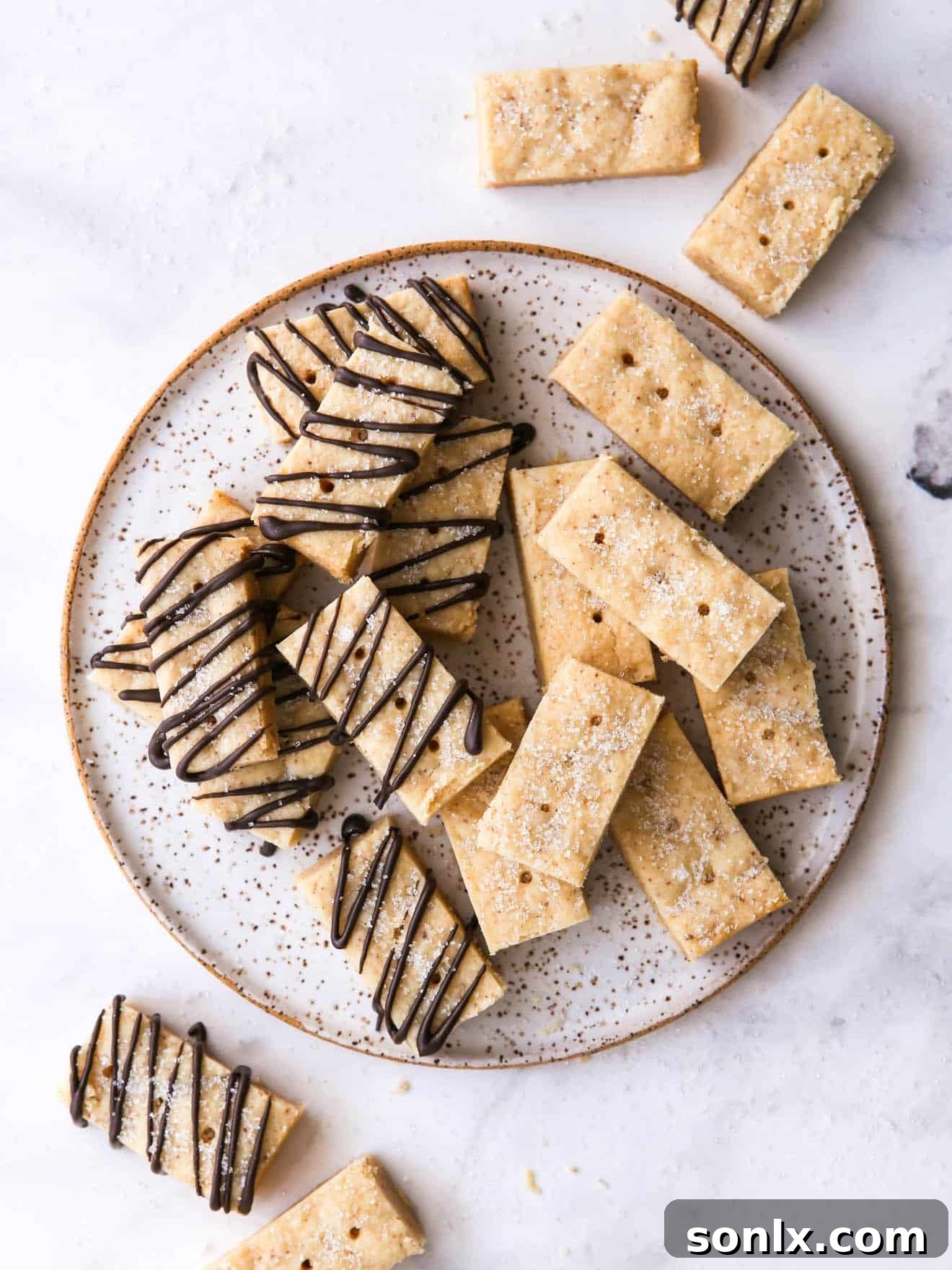
Brown Butter Shortbread: A Simple Recipe for Exquisite, Nutty Cookies
Prepare to elevate your baking experience with a truly remarkable treat: Brown Butter Shortbread. This recipe takes the beloved classic shortbread and infuses it with an incredible depth of flavor that is both nutty and subtly caramelized. Requiring only four basic ingredients, these melt-in-your-mouth cookies prove that simplicity often yields the most extraordinary results. Perfect for holiday gatherings, a cozy afternoon tea, or simply a delightful everyday indulgence, this press-in-the-pan method makes baking accessible and enjoyable for everyone.
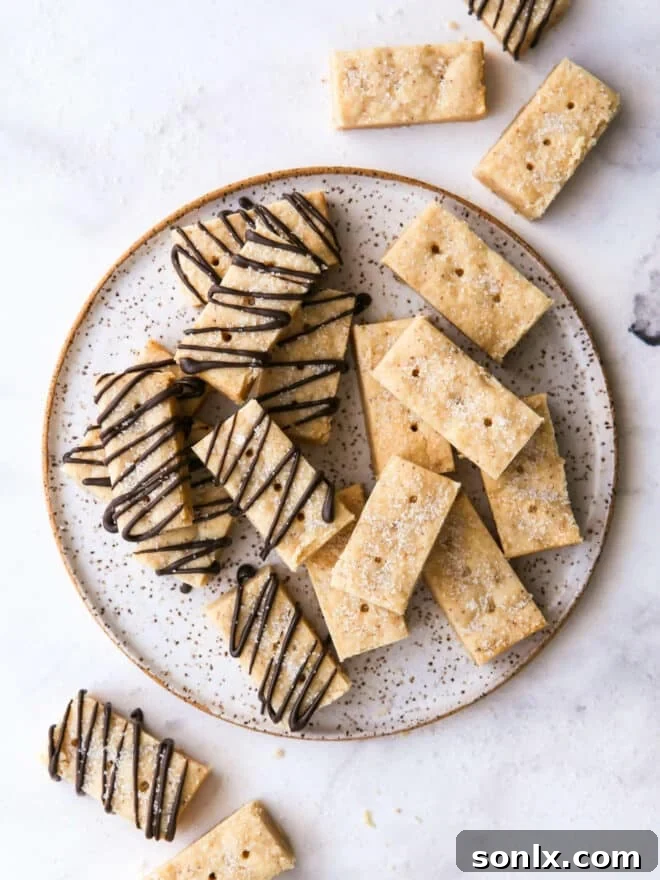
During festive seasons, while I adore experimenting with new recipes, there’s an undeniable comfort in revisiting and perfecting timeless classics. A craving for classic shortbread struck recently, but I envisioned a twist – something that would transform its already rich character into an even more captivating confection. The answer? Browning the butter. This ingenious step introduces a complex, toasty, and deeply aromatic profile that elevates these simple cookies to something truly special. Once you experience the irresistible aroma filling your kitchen and the exquisite taste on your palate, you’ll understand why this brown butter variation is destined to become a new favorite.
Beyond its incredible flavor, this recipe is celebrated for its ease. Forget the hassle of chilling dough or intricate rolling. By simply pressing the dough into a square pan, you streamline the baking process, making it wonderfully straightforward. This method is ideal for beginner bakers and seasoned pros alike who appreciate efficiency without compromising on taste. Enjoy these delectable brown butter shortbread cookies just as they are, or customize them with delightful toppings such as a delicate drizzle of melted chocolate, a sprinkle of coarse sanding sugar for a beautiful sparkle, or even a dash of festive sprinkles for a touch of whimsy. The possibilities are endless for making this classic shortbread your own culinary masterpiece.
Table of Contents
- What Exactly is Shortbread? The Art of Simplicity
- The Magic of Brown Butter: Why This Simple Step Changes Everything
- Essential Ingredients for Your Brown Butter Shortbread
- How to Perfectly Brown Butter: A Step-by-Step Guide
- Baking Your Brown Butter Shortbread: Step-by-Step Instructions
- Creative Variations and Flavorful Mix-ins for Your Shortbread
- Expert Baking Tips for Flawless Shortbread
- Serving Suggestions and Storage Tips
- Explore More Shortbread Cookie Recipes
- Get the Detailed Brown Butter Shortbread Recipe Card
What Exactly is Shortbread? The Art of Simplicity
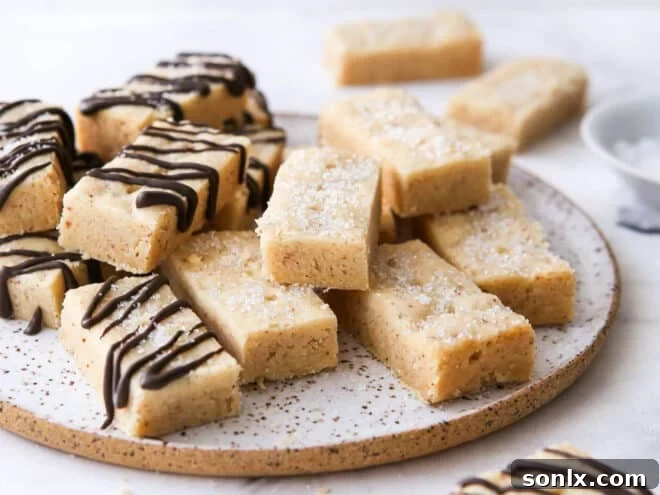
At its heart, classic shortbread is a testament to the beauty of simple ingredients and time-honored baking techniques. This beloved, crisp, and crumbly cookie-like treat is primarily composed of just three fundamental components: butter, sugar, and flour. What sets shortbread apart from many other cookies is its unique texture, derived from the intentional absence of chemical leavening agents such as baking powder or baking soda. This omission is deliberate, resulting in its characteristic dense, yet wonderfully tender and crumbly consistency. When you bite into a piece of perfectly made shortbread, you experience an initial crispness that quickly gives way to a delightful melt-in-your-mouth sensation, making it uniquely satisfying.
The flavor profile of traditional shortbread is predominantly dictated by the butter, making the quality of your butter absolutely paramount. A high-quality butter will impart a richer, creamier, and more authentic taste. This is precisely why introducing browned butter into the recipe has such a profound and transformative effect – it amplifies the inherent buttery goodness with layers of complex nutty and caramelized notes, offering an unparalleled depth of flavor. Shortbread is incredibly versatile, found in myriad shapes and sizes, from classic rounds and fingers to intricate molds. It also serves as a fantastic canvas for various additions, whether mixed directly into the dough or used as a topping, allowing for endless customization to suit any palate or occasion.
The Magic of Brown Butter: Why This Simple Step Changes Everything
Browning butter is more than just a technique; it’s an alchemical process that unlocks a world of flavor, transforming ordinary butter into a golden elixir. The process, often referred to as “beurre noisette” in French, involves gently cooking butter until its milk solids toast to a rich amber color. This seemingly minor step initiates the Maillard reaction, a complex chemical process responsible for creating those coveted deep, nutty, and caramelized flavors and aromas. It’s the same reaction that gives roasted meats and toasted bread their distinctive tastes.
When you brown butter, the water content evaporates, allowing the milk proteins and sugars to caramelize. This creates tiny, flavorful brown bits (the milk solids) that are packed with an intense, toasty essence. These browned solids are the secret to the exquisite depth of flavor. In a recipe like shortbread, where butter is the undisputed star ingredient, using brown butter amplifies its natural richness tenfold. It adds a sophisticated layer of hazelnut-like warmth and a subtle, almost savory sweetness that complements the simple nature of shortbread perfectly, making each bite an unforgettable experience. It’s a true game-changer for any recipe relying on butter for its primary flavor, and especially so for these irresistible brown butter shortbread cookies.
Essential Ingredients for Your Brown Butter Shortbread
One of the beauties of this brown butter shortbread recipe lies in its minimalist ingredient list. With just a handful of pantry staples, you can create a truly gourmet cookie that tastes far more complex than its components suggest. Each ingredient plays a crucial role in achieving that perfect tender crumb and rich, nutty flavor. Let’s take a closer look at what you’ll need, emphasizing quality and proper preparation:
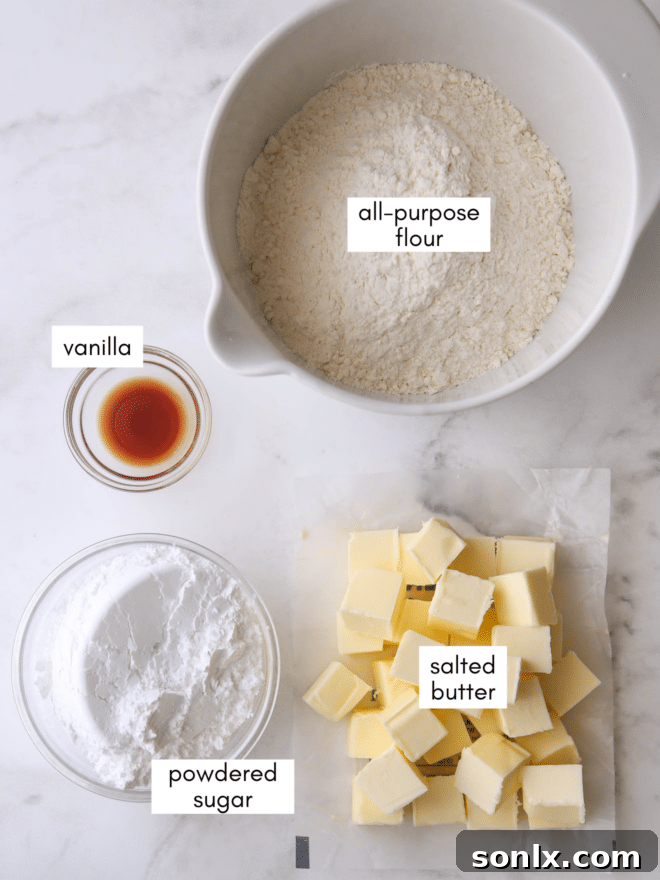
- Salted Butter: We highly recommend starting with good quality salted butter as our foundation. The salt content not only enhances the overall flavor profile but also provides a crucial balance against the sweetness, delivering a delightful depth. If you only have unsalted butter on hand, simply add 1/2 teaspoon of fine salt to your flour mixture to achieve a similar, perfectly balanced flavor. Since butter is the star, investing in a high-quality brand will truly make a difference in the final taste and texture of your shortbread.
- All-Purpose Flour: This forms the structural backbone of our shortbread, giving it shape and characteristic crumb. For optimal results and consistent texture, it’s vital to measure your flour correctly. We recommend using the “spoon and level” method: lightly spoon flour into your measuring cup until it overflows, then level off the excess with a straight edge (like a knife). This technique prevents over-packing the flour, which can lead to a dry, dense, and tough cookie texture.
- Powdered Sugar (Confectioner’s Sugar): Unlike granulated sugar, powdered sugar (also known as confectioner’s sugar) dissolves more seamlessly and completely into the butter, resulting in a finer, more tender crumb and a smoother, more uniform dough. This contributes significantly to the melt-in-your-mouth quality that shortbread is famous for. Sifting your powdered sugar before use can also prevent any lumps from forming in your dough, ensuring a silky smooth texture.
- Vanilla Extract: A touch of pure vanilla extract works wonders in complementing and amplifying the rich, nutty notes derived from the brown butter. It adds a warm, classic, and inviting aroma that makes these cookies even more irresistible. While optional for some, it truly rounds out the flavor profile.
- Optional Toppings: While perfect in their pure, buttery form, these brown butter shortbread cookies are also fantastic with a variety of thoughtful toppings. Consider coarse sanding sugar for a beautiful sparkle and a delicate crunch on top, a decadent drizzle of melted dark chocolate for a rich, sophisticated finish, or a sprinkle of flaky sea salt to further enhance and bring out the brown butter’s savory, complex notes.
Baking Tip: How to Perfectly Brown Butter – Your Essential Guide
Mastering the art of browning butter is a game-changer for many recipes, unlocking incredible depth of flavor. Here’s a detailed, step-by-step guide to achieving that perfect nutty aroma and golden hue without burning it:
- Prepare Your Butter and Pan: Start by cutting your cold butter into roughly 1-inch cubes. This allows it to melt more evenly, preventing some pieces from browning too quickly while others are still solid. Place the cubed butter in a light-colored saucepan over medium-low heat. A light-colored pan is crucial as it will help you clearly monitor the subtle color changes of the milk solids, which indicate the butter’s progress.
- Melt and Foam: As the butter melts, it will begin to sizzle and foam. This is normal as the water content starts to evaporate. Continuously stir the butter with a heatproof rubber spatula, making sure to regularly scrape the bottom and sides of the pan. This prevents the milk solids from sticking, accumulating, and burning unevenly.
- Observe Color and Aroma Changes: Continue cooking and stirring. The initial foam will gradually subside, and you’ll start to see tiny, amber-brown specs forming at the bottom of the pan. This is your cue! The butter itself will transition from a pale yellow to a golden hue, then to a rich, toasty brown. Simultaneously, a distinct, intoxicating nutty aroma, reminiscent of toasted hazelnuts or caramel, will begin to fill your kitchen. Pay close attention to both visual and olfactory cues.
- Remove Immediately: The moment you see those golden-brown bits and smell the distinct nutty fragrance, remove the saucepan from the heat immediately. Swiftly pour the browned butter, including all the flavorful browned bits (these are essential for flavor!), into a separate heatproof bowl or container. Leaving it in the hot pan risks it continuing to cook from residual heat and potentially burning, which would result in a bitter, unpleasant taste.
- Cool and Use: For this shortbread recipe, it’s crucial that the brown butter is cooled until it solidifies but remains soft and pliable, allowing it to be properly creamed with the sugar. To achieve this, place the bowl of browned butter in the refrigerator for approximately 15-20 minutes, or until it reaches a soft, spreadable consistency, similar to room-temperature butter. It should not be liquid, nor should it be rock hard. If it hardens completely in the fridge, simply let it sit at room temperature for a bit to soften before proceeding with the recipe.
Baking Your Brown Butter Shortbread: Step-by-Step Instructions
With your brown butter perfectly prepared and all ingredients measured, let’s dive into the straightforward process of creating these exquisite shortbread cookies. The beauty of this recipe lies in its simplicity and minimal fuss, yielding impressive and consistently delicious results every time.
- Brown Butter & Cool: As detailed in the “How to Perfectly Brown Butter” section above, prepare your butter by browning it. Once browned, transfer it promptly to a heatproof bowl and allow it to cool and solidify in the refrigerator for approximately 15-20 minutes. The key is for it to be completely solid but still soft enough to yield to pressure – think the consistency of softened cream cheese, not liquid, nor rock hard. If it becomes too hard, let it sit at room temperature for a short period to soften slightly. This specific texture is vital for proper creaming with the sugar.
- Prepare Your Pan & Preheat Oven: While the brown butter is cooling, preheat your oven to a precise 300°F (150°C). This low and slow temperature is essential for achieving shortbread’s delicate, tender texture. Lightly grease an 8-inch square baking pan. For effortless removal of your baked shortbread, line the bottom of the pan with a sheet of parchment paper, allowing a slight overhang on two opposite sides. These overhangs will serve as convenient “handles” for lifting the entire slab of shortbread out after baking and cooling.
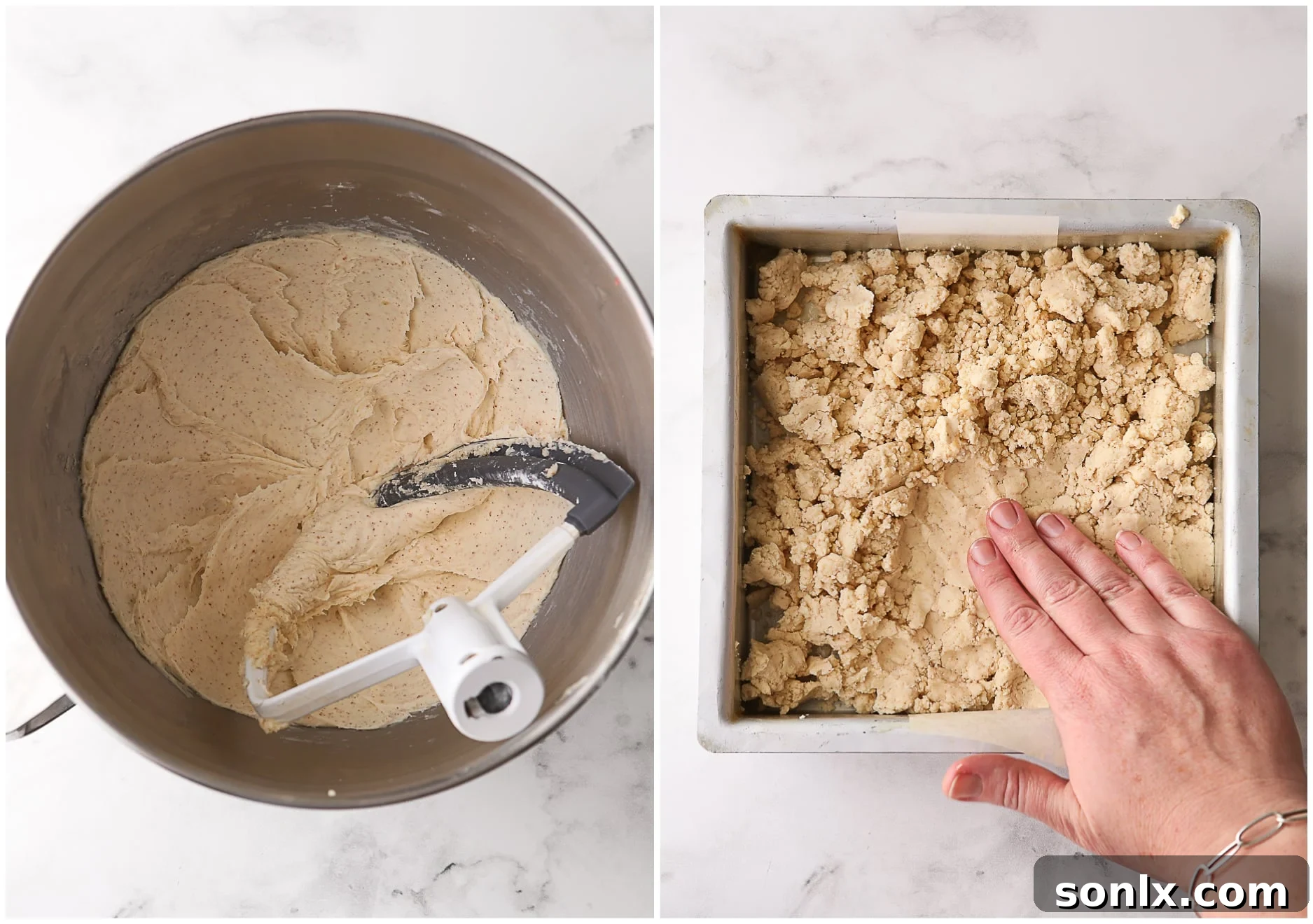
- Make the Shortbread Dough: In the bowl of an electric stand mixer fitted with a paddle attachment, combine the softened brown butter and the sifted powdered sugar. Beat these ingredients together on medium-high speed until the mixture becomes light, creamy, and visibly fluffy, which typically takes about 2-3 minutes. Remember to scrape down the sides of the bowl with your rubber spatula as needed to ensure everything is thoroughly incorporated. Next, add the vanilla extract and mix until just incorporated into the butter mixture. Finally, gradually add the all-purpose flour, mixing on low speed until a cohesive, yet crumbly dough forms. Be careful not to overmix at this stage, as excessive mixing can develop the gluten in the flour, leading to tougher, less tender cookies.
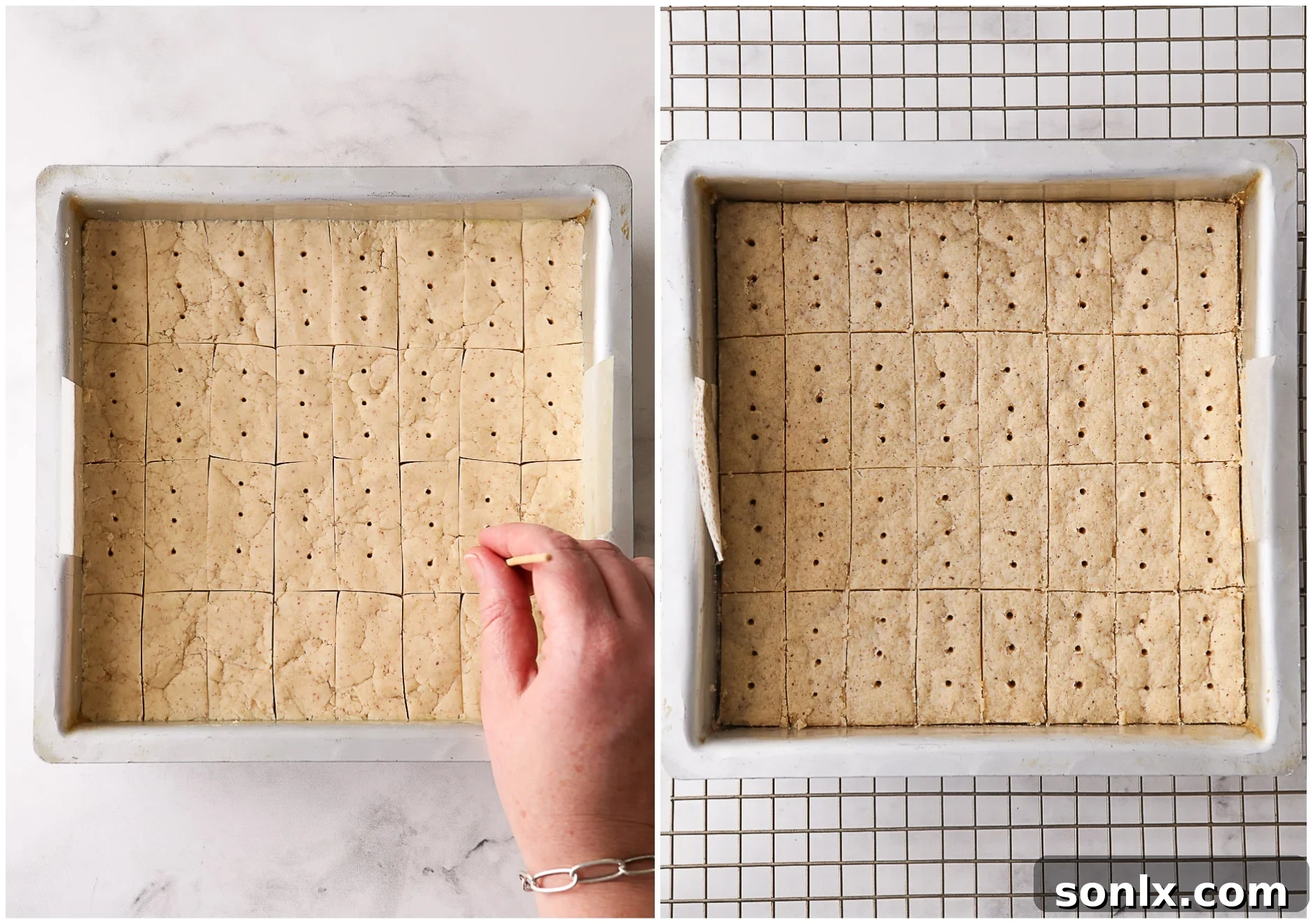
- Press, Score & Dock the Dough: Transfer the crumbly shortbread dough into your prepared 8-inch square pan. Using your fingertips or the flat bottom of a clean glass, gently and evenly press the dough across the entire pan, ensuring a uniform thickness from edge to edge. Next, take a sharp knife and gently score the dough. First, cut it into 16 equal squares, and then halve each square diagonally to create a total of 32 small rectangular portions. These scored lines will serve as a precise guide for slicing the baked cookies later. Finally, use a fork or a toothpick to “dock” the dough by piercing it with small holes evenly across the surface. These holes are essential as they create vents, allowing steam to escape during baking and preventing the shortbread from puffing up, thus maintaining its classic dense and wonderfully tender texture.
- Bake to Perfection: Carefully place the pan in your preheated 300°F (150°C) oven. Bake the shortbread for approximately 35-40 minutes. The visual cue for doneness is when the edges of the shortbread just begin to turn a very light golden brown. The center should still appear relatively pale but should feel firm to the touch. This low and slow baking process is crucial; it ensures a tender, melt-in-your-mouth texture rather than a hard, dry one. It is absolutely vital not to overbake, as this will result in hard, crunchy cookies, losing the signature delicate crumb expected of shortbread.
- Slice While Warm, Then Cool: Immediately upon removing the shortbread from the oven, while it is still wonderfully warm and pliable, use a sharp knife to retrace your scored lines. This action fully slices the cookies while they are soft. If you wait for the shortbread to cool completely, it will become too crisp and crumbly, making it difficult to cut cleanly without breakage. Once sliced, allow the shortbread to cool completely in the pan, set on a wire rack. This critical step is vital for the cookies to set properly, firm up to their final texture, and maintain their shape before handling.
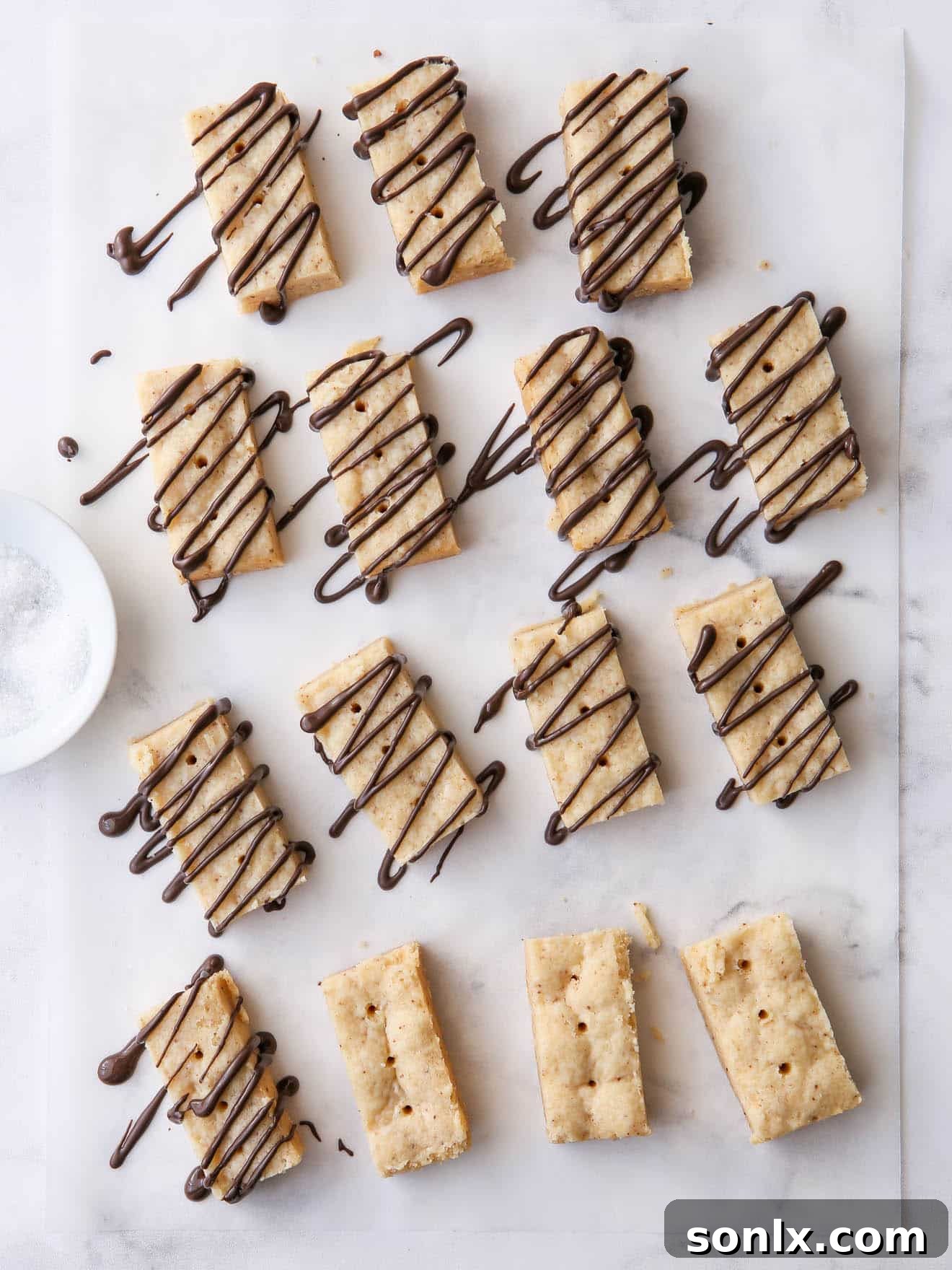
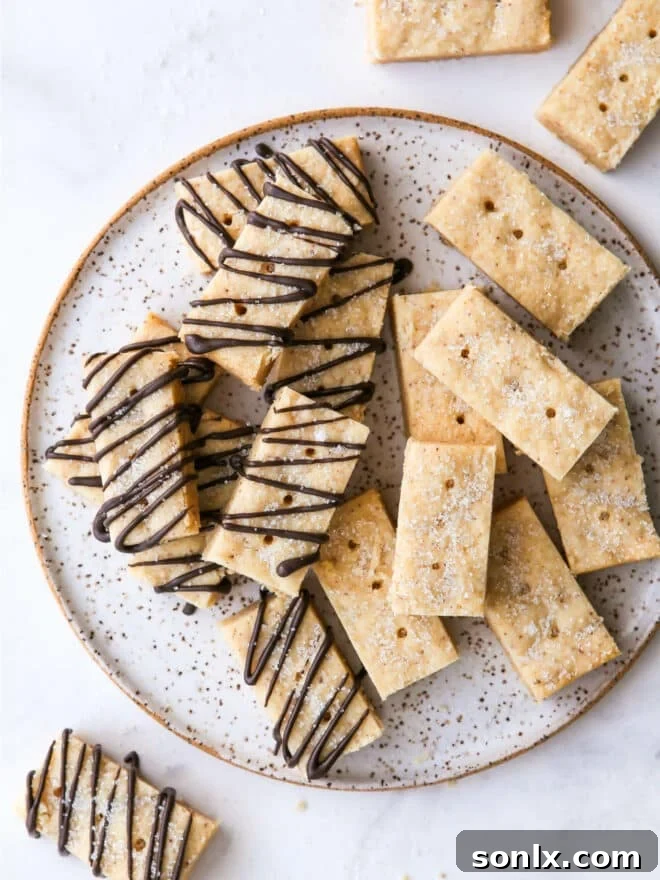
- Add Optional Toppings: Once fully cooled, carefully lift the entire shortbread slab from the pan using the parchment paper handles. Separate the individual cookies along the cut lines. At this point, you can enjoy them in their pure, buttery glory, or enhance them with optional toppings for added visual appeal and flavor. A delicate drizzle of melted dark chocolate adds a touch of elegance and richness, while a sprinkle of coarse sanding sugar provides beautiful sparkle and a pleasing texture. For an intriguing contrast that truly elevates the brown butter’s savory notes, a tiny pinch of flaky sea salt can be sprinkled over the top.
Creative Variations and Flavorful Mix-ins for Your Shortbread
While the pure, unadulterated flavor of brown butter shortbread is absolutely divine on its own, its inherent versatility makes it an excellent canvas for culinary creativity. Don’t hesitate to experiment with additional flavors and delightful mix-ins to tailor these cookies to your personal preferences, seasonal themes, or to suit any special occasion. Here are a few inspiring suggestions to get you started, ensuring your shortbread always delights:
- Citrus Zest: Brighten your shortbread with the vibrant, aromatic oils of freshly grated orange, lemon, or lime zest. The natural acidity and freshness of citrus beautifully cut through the richness of the butter, offering a refreshing and uplifting counterpoint to the nutty flavor.
- Warm Spices: Introduce warmth and complexity with a touch of ground spices. A pinch of ground cinnamon, aromatic cardamom, grated nutmeg, or even a specialized blend like pumpkin pie spice can transform the flavor profile, making these shortbread cookies perfect for autumn or winter celebrations.
- Nut Extracts: To deepen and enhance the inherent nutty character of the brown butter, consider adding a few drops of almond extract, hazelnut extract, or even a rich rum extract. These extracts build on the existing flavors, creating a more complex and sophisticated aromatic experience.
- Chopped Nuts: For added texture and a boost of nutty flavor, fold in finely chopped toasted nuts such as pecans, walnuts, almonds, or hazelnuts. Toasting them beforehand will intensify their flavor, and they complement the brown butter’s nuttiness wonderfully.
- Chocolate Chips or Chunks: Mini chocolate chips, indulgent white chocolate chunks, or even finely chopped pieces of high-quality dark chocolate can be folded into the dough. These additions create delightful pockets of melty goodness that contrast beautifully with the shortbread’s crumbly texture.
- Dried Fruit: Incorporate finely diced dried cranberries, apricots, golden raisins, or cherries for a chewy texture and a burst of fruity sweetness. These add a pleasant chewiness and a touch of tang that balances the rich butter.
- Herbs (Used Sparingly): For an unexpectedly sophisticated and gourmet twist, try a very tiny amount of finely chopped fresh rosemary or lavender. Use these sparingly, as their potent flavors can easily overpower the delicate butter.
Remember, when adding mix-ins, ensure they are finely chopped to maintain the shortbread’s delicate structure and uniform texture. Start with small quantities and adjust to your taste, allowing the brown butter to remain the star of the show.
Expert Baking Tips for Flawless Shortbread
Achieving perfect brown butter shortbread is surprisingly easy, but paying attention to a few expert tips can ensure your cookies are consistently tender, flavorful, and beautifully baked every single time. Master these details, and you’ll be baking shortbread like a seasoned professional!
- Line Your Baking Pan: To guarantee that your shortbread releases cleanly and easily from the pan without sticking, always line the bottom of your baking pan with parchment paper. It’s a simple step that makes a world of difference. Leave a slight overhang of parchment paper on two opposite sides; these will serve as convenient “handles” for lifting the entire slab of shortbread out of the pan after baking and cooling.
- Adjust for Unsalted Butter: If your pantry only holds unsalted butter, there’s no need to despair! You can easily adapt the recipe. Simply add ½ teaspoon of fine sea salt or table salt to your all-purpose flour mixture before combining it with the butter and sugar. This will provide the necessary flavor balance that salted butter naturally offers, preventing your shortbread from tasting flat.
- Do Not Overbake – The Golden Rule: This is arguably the most crucial tip for achieving tender shortbread. Keep a vigilant eye on your cookies as they bake. You want the edges to just barely start to turn a very light golden brown, while the center should still remain relatively pale and appear set. Overbaking is the enemy of tender shortbread; it will lead to a hard, dry, and crunchy texture, completely losing the signature melt-in-your-mouth tenderness that defines this classic cookie. Remember, the shortbread will continue to set and firm up slightly as it cools in the pan.
- Proper Flour Measurement: As highlighted in the ingredients section, measuring flour correctly is absolutely key to the success of your shortbread. Always use the “spoon and level” method to avoid adding too much flour. Excess flour can make your shortbread tough, dry, and crumbly in an undesirable way, rather than delicate and tender.
- Prepare Brown Butter in Advance: For ultimate convenience and to streamline your baking process on busy days, you can brown your butter several days or even weeks ahead of time. Once browned and completely cooled, store it in an airtight container in the refrigerator. When you’re ready to bake, simply take it out and allow it to come to room temperature (to a soft, spreadable consistency) for 30-60 minutes before you begin creaming it with the sugar.
- Cool Completely Before Removing: While you’ll score and re-cut the shortbread while it’s still warm, resist the urge to remove individual pieces from the pan until the entire slab has cooled completely. Shortbread is quite delicate when warm and needs time to set fully and firm up. Removing it too soon can cause it to crumble or break, compromising its beautiful shape. Patience here will be rewarded!
Serving Suggestions and Storage Tips
Once your brown butter shortbread is baked to perfection and beautifully cooled, it’s ready to be savored! Here are some delightful ideas for serving these exquisite cookies, along with practical tips to keep them fresh for longer so you can enjoy them over several days or weeks:
Serving Suggestions:
- The Perfect Companion for Beverages: Shortbread is the quintessential companion to a hot cup of coffee, a soothing mug of tea, or even a rich hot chocolate. Its buttery richness pairs beautifully with warm beverages, making it an ideal treat for a cozy afternoon or a relaxed morning.
- Elegant Dessert Platter: Arrange these elegant cookies on a dessert platter alongside fresh berries (strawberries, raspberries, or blueberries work wonderfully), a dollop of homemade whipped cream, or other small petit fours for a sophisticated and inviting presentation at any gathering.
- Ice Cream Topping: Crumble a few pieces of brown butter shortbread over a scoop of vanilla, caramel, or coffee ice cream. The crunchy shortbread adds a delightful textural contrast and an extra layer of nutty, buttery flavor to your dessert.
- Thoughtful Homemade Gifts: Package your freshly baked shortbread beautifully in a decorative tin, a cellophane bag tied with a ribbon, or a simple gift box. They make incredibly thoughtful and delicious homemade gifts for friends, family, neighbors, or colleagues during the holidays or for any special occasion.
- Simple Snack: Sometimes, the best way to enjoy them is simply on their own, allowing the rich, nutty flavor of the brown butter to truly shine.
Storage Tips:
- Room Temperature Storage: Shortbread keeps exceptionally well due to its low moisture content. Store the completely cooled cookies in an airtight container at room temperature. They will retain their freshness and delicious texture for up to 1-2 weeks. Ensure they are entirely cool before sealing them in a container to prevent any condensation from forming, which could make them soft.
- Freezing for Longer Shelf Life: For longer-term storage, shortbread freezes beautifully, making it perfect for preparing ahead. To freeze, arrange the completely cooled cookies in a single layer on a baking sheet and freeze until solid (this prevents them from sticking together). Once frozen, transfer them to a freezer-safe airtight container or a heavy-duty freezer bag, separating layers with parchment paper if stacking. They can be stored in the freezer for 1 to 2 months without losing quality. When you’re ready to enjoy them, simply thaw the desired quantity at room temperature before serving.
Explore More Shortbread Cookie Recipes
If you’ve fallen in love with the charm, simplicity, and incredible versatility of shortbread, you’ll be thrilled to know there’s a whole world of delightful variations to explore! The possibilities for different flavors and textures are truly endless. Here are some other fantastic shortbread recipes that are sure to satisfy your craving for buttery goodness and inspire your next baking adventure:
Get the Detailed Brown Butter Shortbread Recipe Card
Ready to bake these irresistible brown butter shortbread cookies? Here’s the complete recipe, meticulously detailed to ensure your success in creating this delightful treat. This recipe was originally published in December 2012 and has been cherished by many bakers for its simplicity and exquisite flavor.
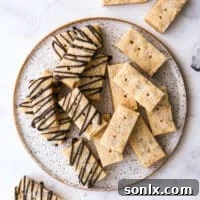
Brown Butter Shortbread
A rich, tender, and intensely flavorful shortbread made simple with the magic of brown butter and just 4 ingredients.
Rating: 5 out of 5 stars based on 5 reviews
Servings: 32 cookies
Prep Time: 10 mins
Cook Time: 35 mins
Total Time: 45 mins
Print Recipe |
Pin Recipe |
Leave a Review
Ingredients
- 8 ounces (225 grams) salted butter, cut into cubes
- ¾ cup (85 grams) powdered sugar, sifted
- ½ teaspoon vanilla extract
- 2 cups (250 grams) all-purpose flour
- Optional: Sanding sugar, for dusting
- Optional: Dark chocolate, melted for drizzle
Instructions
- In a small saucepan, melt the butter over medium-low heat. Continue to cook the butter until it turns deep golden brown, stirring and scraping the bottom of the pan often. Watch it carefully to make sure it doesn’t burn. Pour the butter into a bowl and chill until solidified.
- Preheat oven to 300°F (150°C) and grease an 8-inch square pan, then line with parchment paper for easy removal.
- Remove the solidified brown butter from the fridge and let it come back to room temperature. Cutting it into smaller pieces speeds this process up. You don’t want it to be liquid at all, but it should still be soft and pliable.
- In the bowl of a stand mixer fitted with a paddle attachment, beat the softened brown butter and powdered sugar on medium-high speed until light and fluffy. Add the vanilla extract and mix until combined. Gradually add the flour and mix on low speed until just combined to form a crumbly dough. Be careful not to overmix.
- Press the dough evenly into the prepared pan using your fingers or the bottom of a glass. Use a sharp knife to score the dough into 32 small rectangles (first 16 squares, then halve each). Prick the dough all over with a toothpick or fork to create vents, preventing it from puffing up during baking.
- Bake for approximately 35-40 minutes, or until the edges have turned lightly golden brown. Do not overbake; the center should still be pale and firm.
- Immediately after removing from the oven, while the shortbread is still hot and soft, use a knife to re-cut along the scored lines to separate the cookies. Let the shortbread cool completely in the pan on a wire rack.
- If desired, top with sanding sugar or a drizzle of melted dark chocolate after cooling.
- Store shortbread at room temperature in an airtight container for several days (up to 1-2 weeks).
Notes
- For best results, use a high-quality butter. If using unsalted butter, add 1/2 teaspoon salt along with the flour.
- Recipe adapted from Martha Stewart.
Nutrition Information (per serving)
- Calories: 90 kcal
- Carbohydrates: 9g
- Protein: 1g
- Fat: 6g
- Saturated Fat: 4g
- Polyunsaturated Fat: 0.2g
- Monounsaturated Fat: 1g
- Trans Fat: 0.2g
- Cholesterol: 15mg
- Sodium: 46mg
- Potassium: 10mg
- Fiber: 0.2g
- Sugar: 3g
- Vitamin A: 177 IU
- Calcium: 3mg
- Iron: 0.4mg
Cuisine: American
Course: Dessert
Author: Annalise Sandberg
Have you tried this recipe? I’d love to hear about it! Leave a rating and review below, or take a photo and tag it on Instagram @completelydelicious with #completelydelicious.