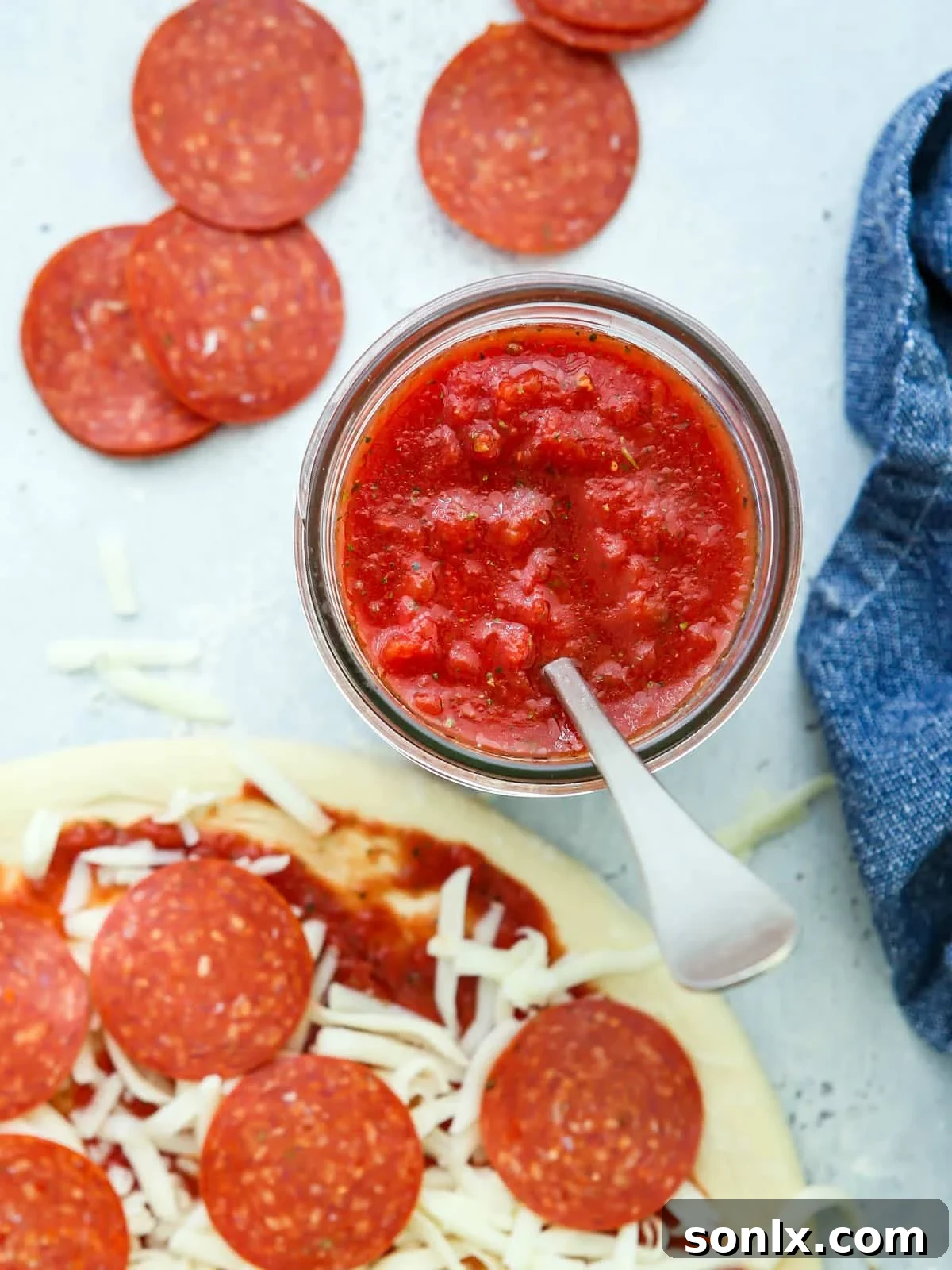
Welcome to your new favorite kitchen staple: the ultimate no-cook homemade pizza sauce recipe! Crafted for incredible flavor and unmatched simplicity, this essential recipe requires just a handful of fresh ingredients and zero cooking time before it hits your dough. If you dream of making delicious, authentic-tasting pizza right in your own kitchen, this vibrant tomato sauce is the cornerstone you’ve been searching for. It promises to elevate every pizza night with its bright, rich tomato essence, perfectly complementing any topping you choose.
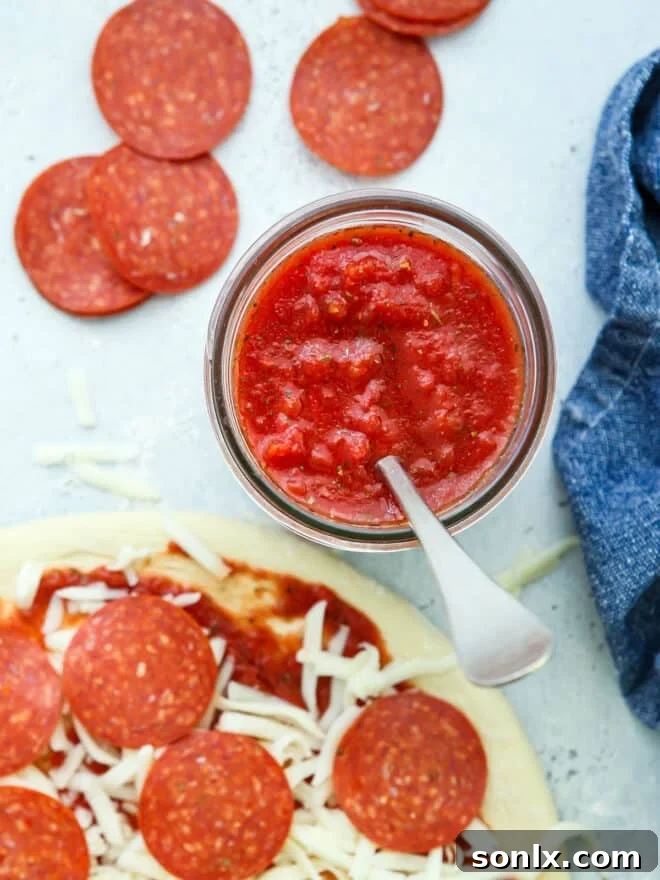
For over a decade, my culinary journey has been deeply rooted in the art of pizza making. What started as a quest to perfect amazing pizza in a standard home oven evolved into experimenting with a portable outdoor pizza oven, and finally culminated in the realization of a lifelong dream: a traditional wood-fired brick oven at our new home. Pizza isn’t just a meal in our household; it’s a weekly ritual, a cherished time for family and friends. Through countless trials and triumphs, perfecting every element of the pizza-making process has been a passion. After finally mastering the best homemade pizza dough – one that’s chewy, crispy, and endlessly versatile – my focus shifted to developing a pizza sauce that was equally simple, flavorful, and perfectly aligned with the fresh character of homemade pizza.
And so, this extraordinary pizza sauce was born. It’s an effortless blend of high-quality crushed tomatoes, concentrated tomato paste for depth, fragrant Italian seasoning, pungent garlic powder, a drizzle of rich olive oil, and a touch of salt to enhance all the natural flavors. This harmonious combination creates a rich, vibrant, and utterly irresistible foundation for all your favorite pizza creations, from a classic Margherita to a loaded supreme. Get ready to transform your pizza nights with a sauce that tastes like it came straight from a gourmet pizzeria, but is incredibly easy to whip up at home!
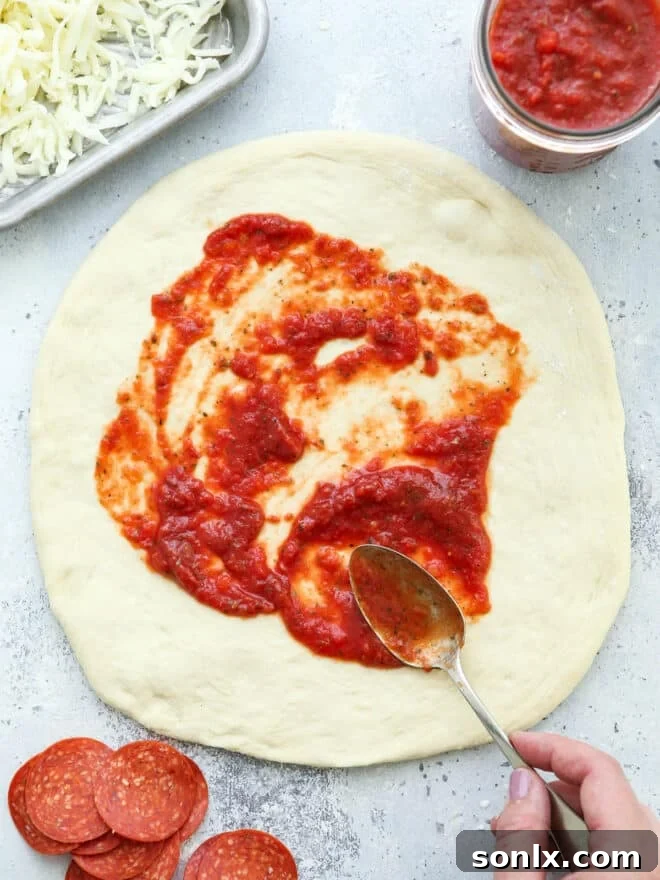
Table of Contents
- The Magic of a No-Cook Pizza Sauce
- Essential Ingredients for the Best Homemade Pizza Sauce
- Why San Marzano Tomatoes Are Superior
- Customizing Your Pizza Sauce
- Step-by-Step: How to Make This Easy Pizza Sauce
- Batch Cooking and Storing Your Homemade Pizza Sauce
- Frequently Asked Questions About Pizza Sauce
- More Pizza Inspirations & Recipes
- Homemade Pizza Sauce Recipe Card
The Magic of a No-Cook Pizza Sauce
Often referred to as a Neapolitan-style sauce, this no-cook pizza sauce technique is cherished for its ability to deliver an exceptionally fresh and vibrant tomato flavor. Unlike traditional pasta sauces that simmer for hours to develop deep, concentrated flavors, a no-cook pizza sauce emphasizes the natural sweetness and acidity of uncooked tomatoes. This approach ensures that the sauce cooks directly on your pizza in the intense heat of the oven, blooming into a perfectly seasoned, bright, and authentic-tasting base that won’t overpower your toppings.
The beauty of this method lies in its simplicity and the unparalleled freshness it imparts. By foregoing a stovetop simmer, we preserve the lively essence of the tomatoes, creating a sauce that tastes genuinely sun-kissed. This style is particularly ideal for pizzas cooked at high temperatures, like those in a wood-fired oven or a dedicated outdoor pizza oven, where the sauce has just enough time to meld with the cheese and crust without becoming overly reduced or bland. The result is a lighter, more dynamic flavor profile that truly celebrates the tomato at its best. It’s a quick, efficient, and incredibly flavorful way to prepare a truly authentic pizza experience.
Essential Ingredients for the Best Homemade Pizza Sauce
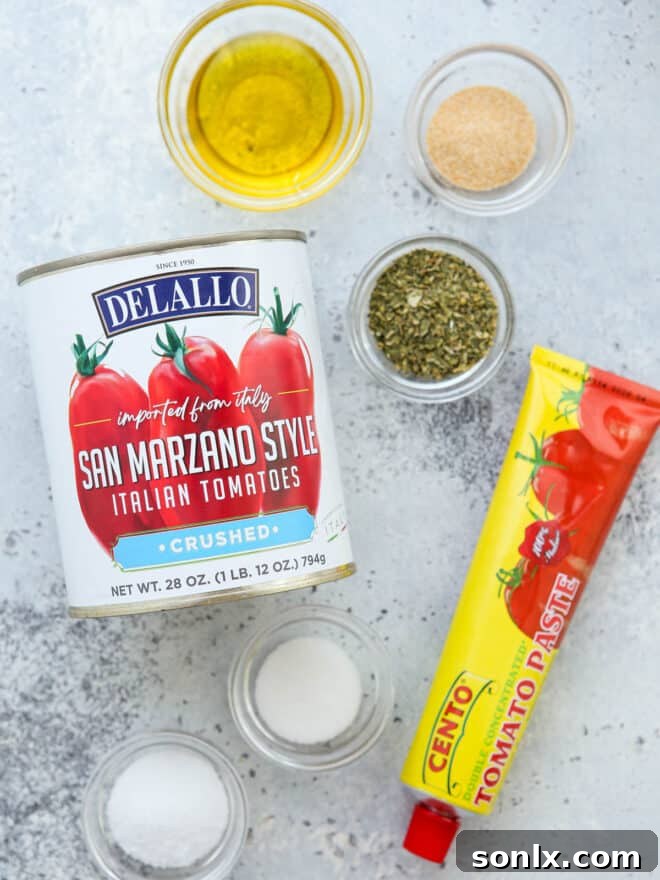
Creating an exceptional pizza sauce doesn’t require a long list of exotic ingredients. Instead, it relies on a few high-quality staples brought together to enhance their natural flavors. Here’s a closer look at what makes this simple sauce so irresistible:
- San Marzano Tomatoes (Whole or Crushed): These are the star of the show. Whether you opt for whole peeled tomatoes to crush yourself or pre-crushed varieties, ensure they are plain and unseasoned to control the flavor profile. Their unique characteristics are key to the sauce’s superior texture and taste.
- Tomato Paste: This concentrated ingredient is a secret weapon, adding a profound depth of flavor and helping to thicken the sauce without excess cooking. It provides a rich umami note that binds all the other flavors beautifully.
- Extra Virgin Olive Oil: A good quality olive oil isn’t just for texture; it significantly enhances the overall flavor of the sauce, adding a smooth, fruity undertone and helping the fat-soluble flavors of the herbs to bloom.
- Italian Seasoning: This classic herb blend typically includes basil, oregano, rosemary, thyme, marjoram, and sage. It provides the quintessential Italian aroma and flavor, making your pizza taste authentic. For best results, use a fresh, vibrant blend.
- Garlic Powder: While fresh garlic has its place, garlic powder offers a consistent, mellow garlic flavor that disperses evenly throughout a no-cook sauce without any harsh raw notes. It’s a subtle yet essential flavor enhancer.
- Salt: Crucial for balancing and elevating all the flavors. Don’t skip it; a good pinch makes all the difference in bringing out the sweetness of the tomatoes and the aroma of the herbs.
- Sugar or Honey (Optional): Canned tomatoes can sometimes be a bit acidic. A small amount of sugar or honey can beautifully cut through this acidity, creating a more balanced and palatable sauce without making it overtly sweet. It’s a personal preference that can significantly impact the final taste.
Make it your own! This recipe is incredibly flexible. Feel free to adjust the ingredient amounts to perfectly match your palate. Want more garlic? Go for it! Craving a little heat? Add a pinch of red pepper flakes. You can also experiment with other flavorings like crushed fennel seeds for an anise note, or a handful of fresh basil leaves torn right into the sauce for an aromatic burst.
Why San Marzano Tomatoes Are Superior
For any serious pizza maker, San Marzano tomatoes are often considered the gold standard, and for good reason. Grown in the volcanic soil of the Agro Sarnese-Nocerino region of Italy, these plum tomatoes boast a distinct flavor profile and texture that sets them apart. They are naturally sweeter, less acidic, and have fewer seeds compared to other canned tomato varieties. This thicker, meatier flesh translates into a richer, less watery sauce, which is ideal for pizza. The lower water content means your sauce won’t make your crust soggy, and its inherent sweetness provides a natural balance that reduces the need for added sugar.
When shopping, look for authentic San Marzano tomatoes that bear the “D.O.P.” (Denominazione d’Origine Protetta) certification, ensuring their origin and quality. Reputable brands like Bianco DiNapoli, Cento, and DeLallo are excellent choices and widely available in most grocery stores. Be mindful of labels that say “San Marzano style” or “Italian tomatoes,” as these may not be true San Marzanos and might not offer the same quality. More importantly, always ensure you’re picking plain tomatoes, not “Italian seasoned” ones, as these can contain unwanted flavors that will disrupt your carefully crafted sauce.
Customizing Your Pizza Sauce
While this recipe provides a fantastic base, don’t hesitate to personalize it. For an extra layer of complexity, consider adding a tiny pinch of dried oregano or basil in addition to the Italian seasoning for a more pronounced herbal note. A dash of onion powder can also complement the garlic powder, adding another dimension to the savory profile. If you’re a fan of spicy food, a small amount of red pepper flakes will introduce a delightful warmth. For a gourmet touch, incorporate a few fresh basil leaves, torn or finely chopped, just before spreading the sauce on the dough; their fresh aroma is activated by the heat of the oven, bringing an unparalleled brightness to your pizza.
Yes, absolutely! While San Marzano tomatoes are highly recommended for their superior flavor and texture, they are not strictly essential. If you can’t find them, don’t worry. The next best alternative would be high-quality whole peeled tomatoes. These typically have less processing than crushed or diced varieties and offer a fresher tomato flavor. You’ll just need to crush them yourself before mixing.
Generally, canned whole peeled tomatoes are preferred because they undergo the least amount of processing, preserving more of their natural, vibrant tomato flavor. They offer the flexibility to control the final texture of your sauce, from chunky to smooth. If you’re seeking a more convenient option without compromising too much on quality, good canned crushed tomatoes are an excellent choice, saving you the step of crushing them by hand or with a blender.
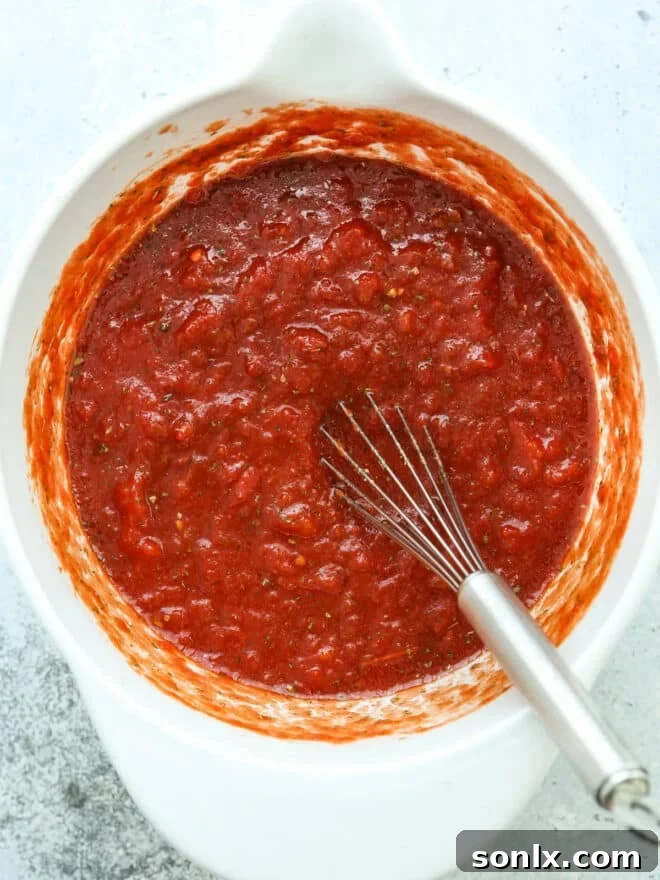
Step-by-Step: How to Make This Easy Homemade Pizza Sauce
Making this incredible homemade pizza sauce couldn’t be simpler. It’s a quick process that ensures maximum flavor with minimal effort.
- Prepare Your Tomatoes (If Using Whole): If you’ve chosen whole peeled tomatoes, you’ll need to crush them first. For a rustic, chunky texture, simply squeeze them by hand directly in a large bowl. If you prefer a smoother sauce, an immersion blender or food processor can achieve your desired consistency quickly. Be careful not to over-blend; a little texture adds to the homemade charm.
- Combine All Ingredients: In a large bowl, combine the crushed tomatoes (or pre-crushed tomatoes), tomato paste, olive oil, Italian seasoning, garlic powder, and salt. If using, add the optional sugar or honey. Using a whisk is the easiest way to ensure all ingredients are thoroughly mixed and evenly distributed, creating a homogenous sauce.
- Taste and Adjust: This is a crucial step! Taste a small spoonful of the sauce. Does it need more salt to brighten the flavors? Could it benefit from a touch more garlic or herb? Is it too acidic, suggesting a bit more sugar or honey? Adjust the seasonings to your personal preference before moving on.
- Use Immediately for Pizza: Once perfected, your fresh pizza sauce is ready for action! Spread approximately ⅓ to ½ cup of sauce evenly over your pre-shaped pizza dough, leaving a small border for the crust. Then, layer with your favorite cheeses and toppings, and bake according to your pizza recipe.
- Store Any Extra for Later: This recipe yields a generous batch, perfect for future pizza cravings. Properly store any leftover sauce in the refrigerator or freezer using the tips provided below to maintain its freshness and flavor.
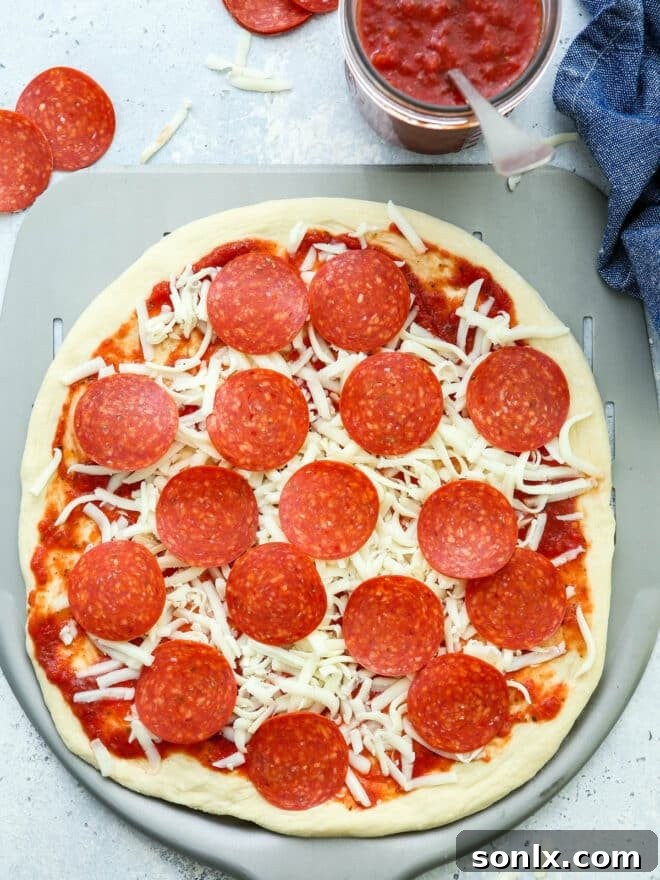
Batch Cooking and Storing Your Homemade Pizza Sauce
This easy homemade pizza sauce recipe is designed to make enough for approximately 8-10 pizzas, which is likely more than you’ll need for a single pizza night. The good news is that pizza sauce freezes exceptionally well! This makes it an ideal candidate for batch cooking, allowing you to prepare a larger quantity and store portions for quick and convenient future pizza nights. Having pre-made sauce on hand is a game-changer for spontaneous pizza cravings or busy weeknights, ensuring a delicious homemade meal is always within reach.
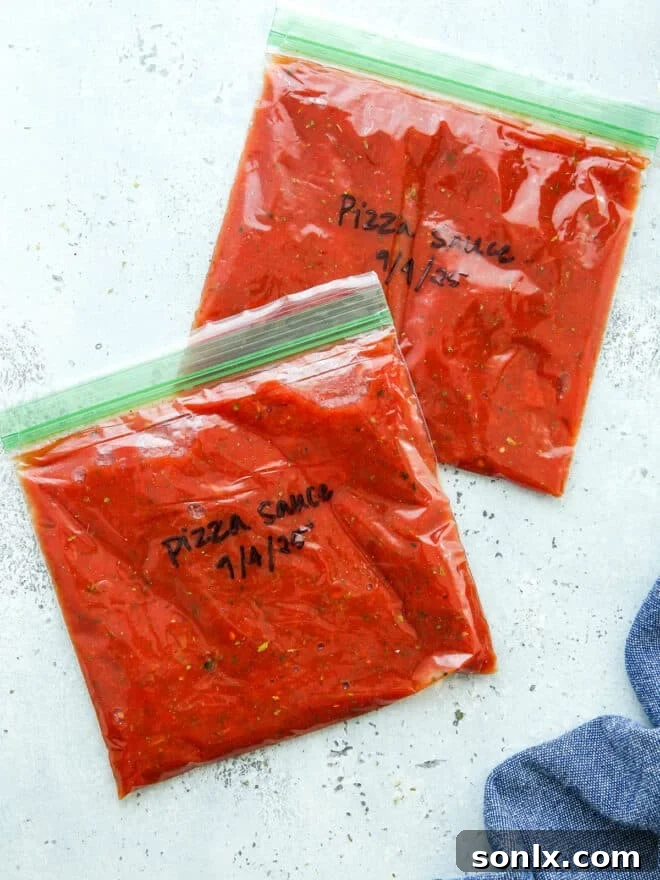
Here’s how to store your fantastic homemade pizza sauce effectively:
In the Fridge: For short-term storage, transfer your leftover pizza sauce into a clean jar or any other airtight container. It will keep beautifully in the refrigerator for up to 1 week. This is perfect if you plan to make pizza again within a few days or want to use the sauce for other dishes.
In the Freezer: Freezing is truly the best method for long-term storage and ultimate convenience. My preferred technique is to portion the sauce into individual 1-cup servings. You can use freezer-safe ziplock bags (pressing out all the air before sealing) or small airtight containers. Lay the ziplock bags flat on a baking sheet until they are solid, then you can stack them vertically or horizontally in the freezer to save space. When you’re ready for your next pizza, simply pull out a portion and let it thaw overnight in the refrigerator. If you’re short on time, you can also thaw it at room temperature for a few hours, or gently in a saucepan over low heat. Frozen sauce maintains its excellent flavor and texture for up to 3-4 months, meaning you’ll always have gourmet pizza sauce ready to go!
Frequently Asked Questions About Pizza Sauce
Can I add fresh herbs to this no-cook sauce?
Absolutely! While dried Italian seasoning works wonderfully, fresh herbs like basil or oregano can be added. If adding fresh basil, tear or chop it and stir it in just before spreading the sauce on the pizza for the freshest flavor burst. For fresh oregano, you might want to lightly bruise the leaves to release their essential oils.
What if my sauce is too thin or too thick?
If your sauce seems too thin, it might be due to the water content of the tomatoes. You can add a bit more tomato paste, or if you prefer a thicker texture, allow some of the liquid to evaporate by gently simmering a small portion on the stovetop (though this deviates from the no-cook method, it’s an option for adjustment). If it’s too thick, simply thin it with a tablespoon of water or a little more olive oil until it reaches your desired consistency.
Can I make this sauce spicier?
Yes! To add a kick, stir in a pinch of red pepper flakes along with the other seasonings. Start with a small amount and add more to taste, depending on your preferred level of heat.
Is it okay to use diced tomatoes?
Diced tomatoes can work in a pinch, but they often contain calcium chloride, which helps them hold their shape. This can result in a sauce that doesn’t break down as smoothly and might feel a bit too chunky or firm for a classic pizza sauce. Whole peeled or crushed tomatoes are generally preferred for a softer, more integrated texture.
More Pizza Inspirations & Recipes

Homemade Pizza Sauce
This is my go-to homemade pizza sauce recipe! It’s a simple no-cook recipe that only requires 5 ingredients. Perfect for making delicious pizza at home!
Pin Recipe
Leave a Review
Ingredients
- 28 oz canned crushed or whole peeled tomatoes, preferably San Marzano (see Notes)
- ¼ cup tomato paste
- 2 tablespoons olive oil
- 1 ½ teaspoon Italian seasoning
- 1 teaspoon garlic powder
- 1 teaspoon salt
- 1 teaspoon sugar or honey (optional, see Notes)
Instructions
- If using whole peeled tomatoes, crush them in a large bowl with your hands. Or you can use an immersion blender or food processor. Leave tomatoes as chunky as you like, or blend till smooth if you prefer a smooth sauce.
- Combine all ingredients in a bowl: tomatoes, tomato paste, olive oil, Italian seasoning, garlic powder, salt and sugar/honey (if using). Taste and adjust seasonings as you like.
- Use immediately, spreading ⅓-½ cup on your shaped pizza dough. Top pizza as desired with cheese and other toppings and cook.
- Store leftover pizza sauce in a jar or other airtight container in the freezer for up to 1 week. You can also freeze in 1 cup portions in individual ziplock bags for easy use later. Simply defrost in the fridge overnight when ready to use.
Notes
- Makes about 3.5 cups of sauce, enough for 7-10 pizzas depending on size. (Nutritional information is for ½ cup, sauce for about 1 pizza.) To make a smaller batch, use a 15oz can of tomatoes and halve the remaining ingredients.
- San Marzano tomatoes are preferred because they have fewer seeds and thicker flesh, which makes for a thick, flavorful sauce without excess wateriness. Look for Bianco DiNapoli, Cento, and DeLallo brands at your grocery store. Other types of tomatoes will work too if you can’t find San Marzano.
- Sugar or honey will cut through the natural acidity of the canned tomatoes, but it is not required.