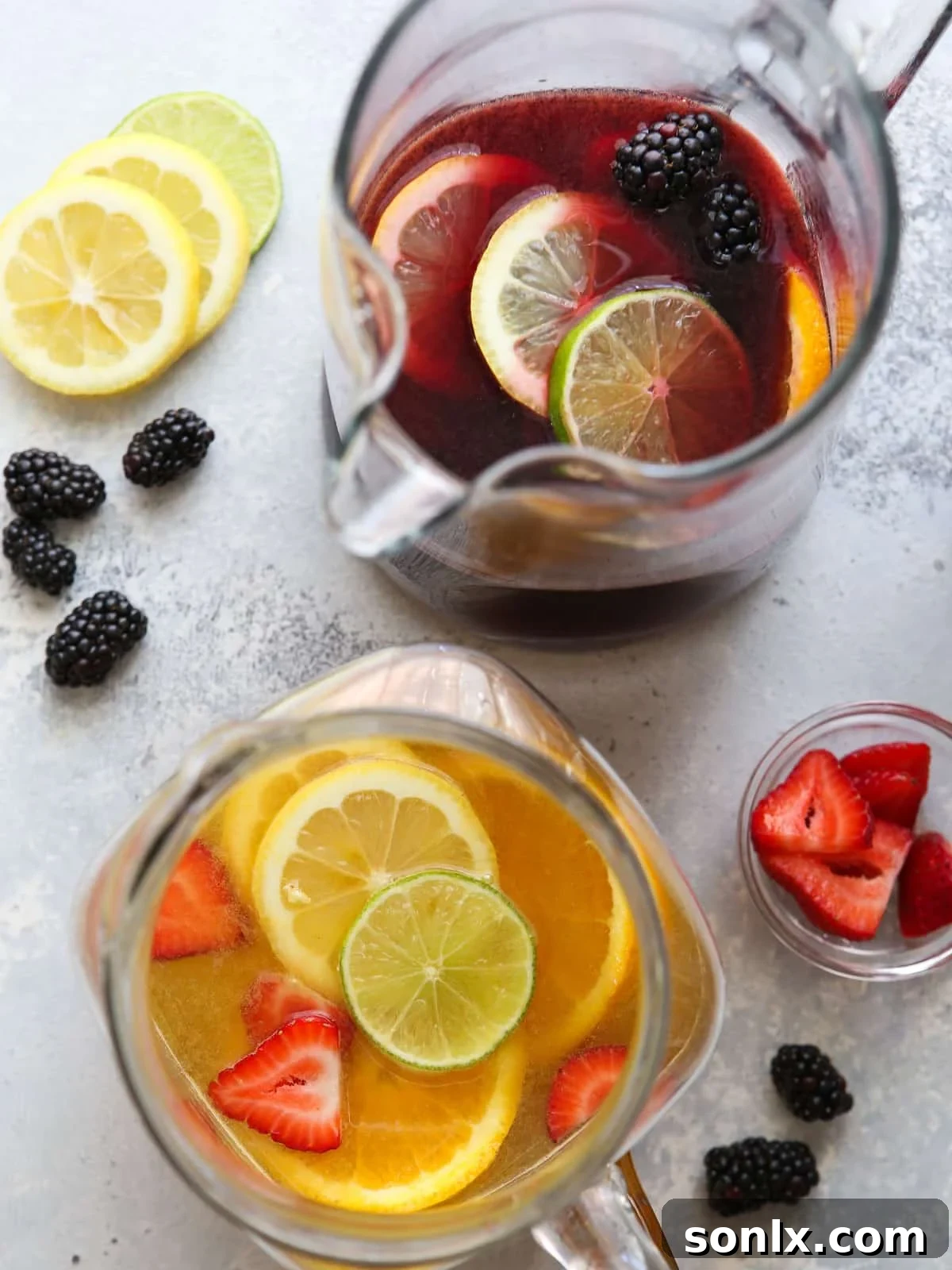
There’s nothing quite like a refreshing glass of sangria to capture the essence of summer. This ultimate guide will walk you through crafting a simple yet spectacular summer sangria, whether you prefer the robust notes of red wine or the crisp lightness of white. It’s perfectly balanced—slightly sweet, bursting with fruity flavors, and incredibly cooling on those warm, sun-drenched days. Best of all, this recipe is designed for sharing, making it the ideal centerpiece for any summer gathering!
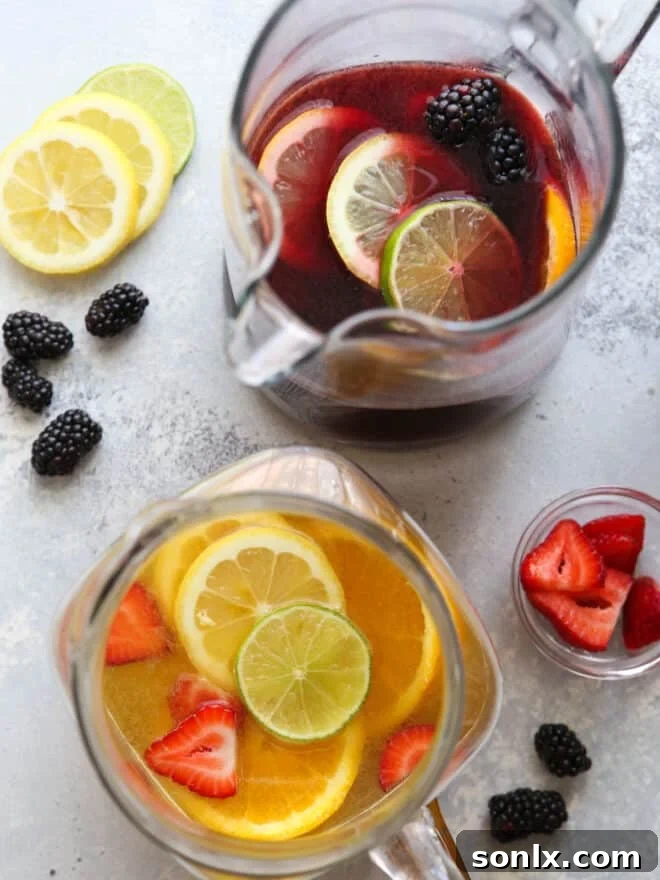
Sangria has long been my go-to beverage for entertaining throughout the warmer months. Over the years, I’ve perfected countless pitchers, and what I’ve discovered is that the best sangria isn’t about following a rigid formula, but rather a flexible approach that allows for personalization. My summer sangria “recipe” is truly more of a versatile guide, empowering you with all the options to create a drink perfectly suited to your taste. Featuring just five core ingredients, this adaptable method works beautifully with either red or white wine and whatever fresh, seasonal fruit you have on hand, ensuring every batch is uniquely delicious and effortlessly prepared.
Table of Contents
- Why Your Summer Needs This Sangria Recipe
- Essential Sangria Ingredients
- Step-by-Step Guide to Making Sangria
- Crafting the Perfect White Wine Sangria
- Mastering Red Wine Sangria
- Exciting Sangria Flavor Variations
- Frequently Asked Questions About Sangria
- Simple Summer Sangria Recipe
Why Your Summer Needs This Sangria Recipe
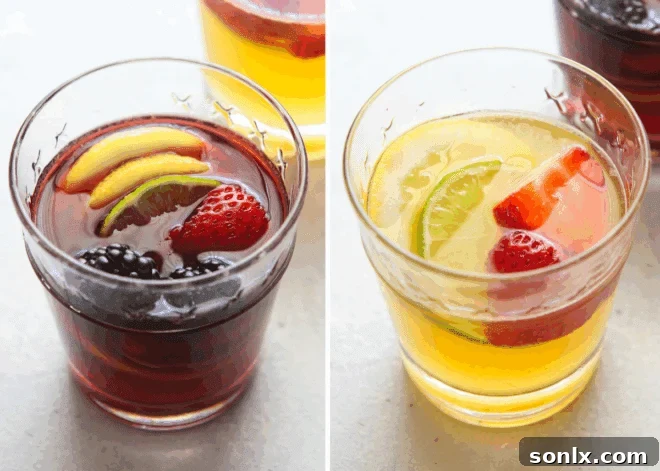
Sangria isn’t just a drink; it’s a celebration in a pitcher, and this particular recipe stands out for several compelling reasons, making it an absolute must-have for your summer repertoire:
- Incredibly Adaptable: Forget rigid rules. This recipe invites you to personalize every element, from your preferred wine to your chosen liqueur and the freshest seasonal fruits. It’s a canvas for your culinary creativity, ensuring every batch is a unique reflection of your taste. Whether you fancy a dry, crisp profile or a richer, sweeter blend, this guide empowers you to craft your ideal drink.
- Effortlessly Easy: With just a few simple steps and minimal fuss, you can whip up a stunning sangria that tastes like it took hours of effort. No complicated techniques or obscure ingredients here, just straightforward instructions that yield impressive results every time. It’s the perfect solution for last-minute gatherings or when you want a sophisticated drink without the stress.
- Perfectly Make-Ahead: The magic of sangria truly unfolds with time. Preparing it in advance not only allows the flavors to meld beautifully but also frees you up to enjoy your guests when the party starts. Simply mix, chill, and serve – a host’s dream come true! This convenience makes it ideal for barbecues, picnics, or any summer celebration.
This sangria is the quintessential adult beverage for any summer occasion. From relaxed backyard gatherings and lively parties to holiday festivities and spontaneous get-togethers, it fits right in. It’s the ultimate crowd-pleaser, always sparking conversations and adding a touch of vibrant sophistication to your event. Its colorful presentation and refreshing taste make it an instant hit, guaranteeing smiles and good times all season long.
While it’s undeniably a summer staple, the beauty of sangria lies in its year-round versatility. Don’t pack away your pitcher with the swimsuits! For those cooler fall and winter months, when you crave something warm and inviting, I wholeheartedly recommend exploring a cozier option like my pomegranate citrus sangria recipe. It brings a different kind of warmth and festivity to the table.
Essential Sangria Ingredients
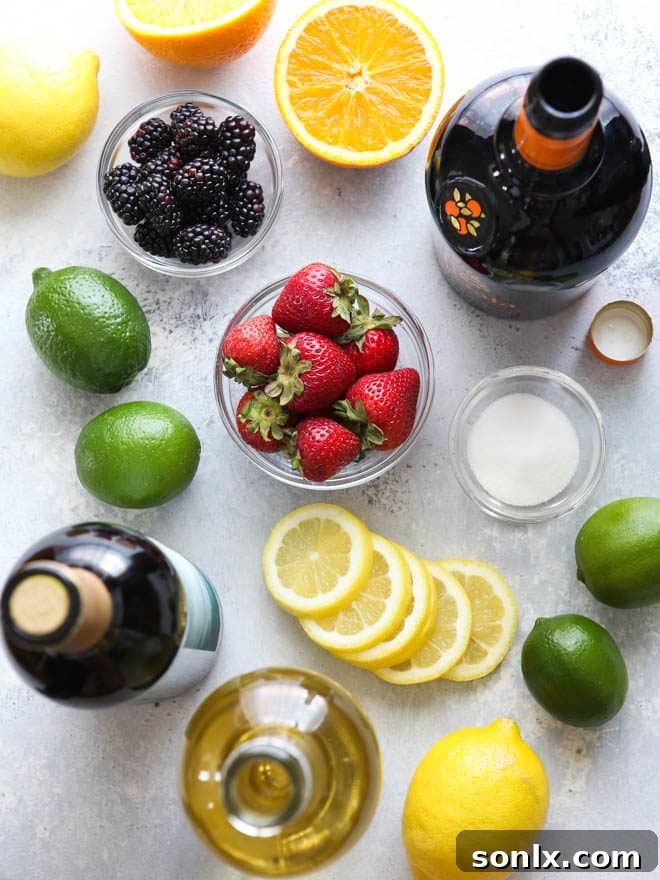
Crafting the perfect sangria begins with understanding the role each ingredient plays. This flexible recipe relies on a harmonious blend of core components, allowing for endless customization to suit your palate. Here’s a closer look at what you’ll need:
- White or Red Wine: The foundation of your sangria, your wine choice dictates the overall character. Red wines typically offer a richer, more intense fruit-forward profile, bringing depth and often a touch of spiciness. White wines, on the other hand, lend a lighter, brighter, and more crisp sensation, perfect for a refreshing pick-me-up. The key is to choose a wine you genuinely enjoy drinking on its own; it doesn’t need to be expensive, but good quality makes a better sangria. Consider a dry wine if you prefer less sweetness, as you can always adjust with added sugar.
- Brandy or Fruit Liqueur: This is where your sangria gains complexity and a subtle boost in alcohol content. Brandy, such as Cognac or a traditional American brandy, adds a classic warmth and depth that complements both red and white wines beautifully. For a more pronounced fruit flavor, explore fruit liqueurs like orange-flavored Grand Marnier, Gran Gala, or Cointreau, or perhaps a peach brandy/schnapps for a summery touch. Chambord (raspberry) or crème de cassis (blackberry) can also add wonderful, concentrated fruit notes, especially with red wines.
- Freshly Squeezed Orange Juice: Absolutely essential for that vibrant, tangy brightness that cuts through the sweetness and enlivens the entire drink. Freshly squeezed juice makes a noticeable difference, offering a natural zest that bottled varieties simply can’t match. If oranges aren’t your favorite, consider fresh lemon, lime, or even a splash of pineapple juice for a tropical twist.
- Sugar: A crucial component for balancing the flavors and enhancing the fruitiness. Granulated sugar is standard, but you can adjust the quantity based on the sweetness of your chosen wine and fruit. For easier dissolution, a simple syrup (equal parts sugar and water, heated until dissolved and then cooled) can be a great alternative. Honey or agave nectar can also be used for a slightly different sweet profile.
- Fresh Fruit of Your Choice: This is where the visual appeal and much of the sangria’s fresh flavor come from. Think seasonal abundance! Berries (strawberries, raspberries, blueberries, blackberries), citrus (oranges, lemons, limes), stone fruits (peaches, nectarines, plums), apples, pears, and even grapes or melon chunks are fantastic choices. Keep berries whole, but larger fruits should be sliced or chopped into bite-sized pieces to maximize flavor infusion and make them easier to eat.
- (Optional) Club Soda or Ginger Ale: These carbonated mixers are perfect if you want to lighten the “booziness” of the sangria, add a refreshing fizz, or extend your servings. Club soda provides pure effervescence without altering the flavor, while ginger ale adds a touch of sweetness and a subtle spicy note. Other sparkling options like sparkling water, lemon-lime soda, or even a splash of Prosecco can also be used just before serving for an extra festive touch.
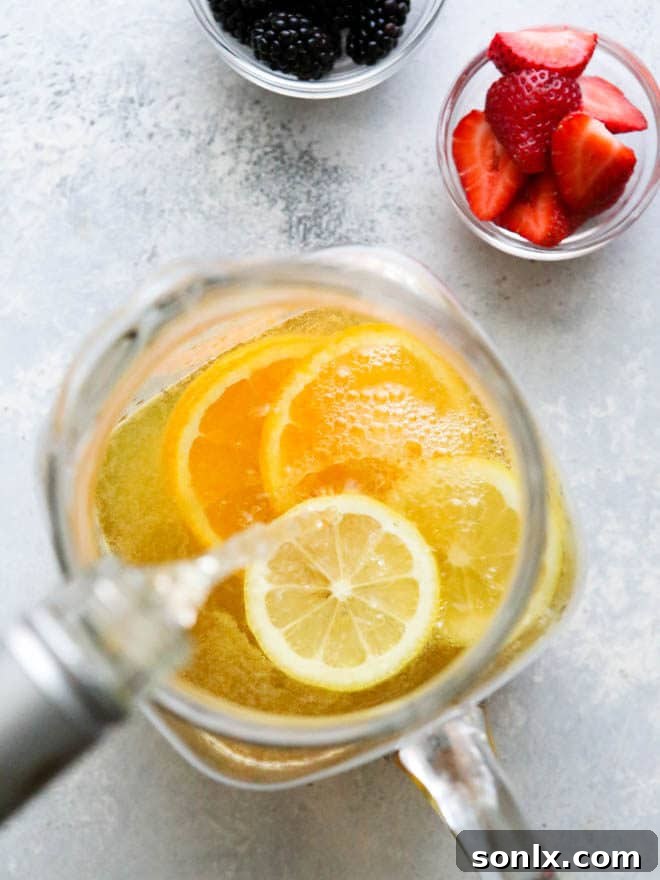
Step-by-Step Guide to Making Sangria
Making sangria is remarkably straightforward, but a few key steps ensure maximum flavor and refreshment. Follow this simple guide to create your perfect pitcher:
- Muddle Brandy, Orange Juice, and Sugar: Begin by combining the brandy (or fruit liqueur), freshly squeezed orange juice, and granulated sugar in a large pitcher. Using a muddler or the back of a wooden spoon, gently muddle these ingredients together for about one minute. This process helps dissolve the sugar more effectively and releases the aromatic oils and initial flavors, creating a robust base for your sangria. Stir until the sugar is completely dissolved, ensuring a smooth, evenly sweetened drink.
- Add Wine and Fruit: Next, pour in your chosen bottle of red or white wine. Then, carefully add your fresh fruit. While berries can remain whole, larger fruits like peaches, apples, and citrus need to be sliced or chopped into manageable pieces. This not only makes them easier to eat but also exposes more surface area, allowing the fruit to infuse its delicious flavors into the wine mixture more thoroughly. Stir everything gently to combine all the ingredients.
- Chill for Flavor Infusion: This is arguably the most crucial step where the magic truly happens. Place your pitcher of sangria in the refrigerator and allow it to chill for at least 2 hours. This chilling period is vital for the flavors to meld and harmonize, transforming individual components into a cohesive and delightful beverage. For optimal taste, chilling for 4-8 hours is ideal, but avoid chilling for more than 12 hours, as some fruits can become too soft or discolor. If you plan to chill for an extended period, you might consider adding delicate fruits like berries closer to serving time.
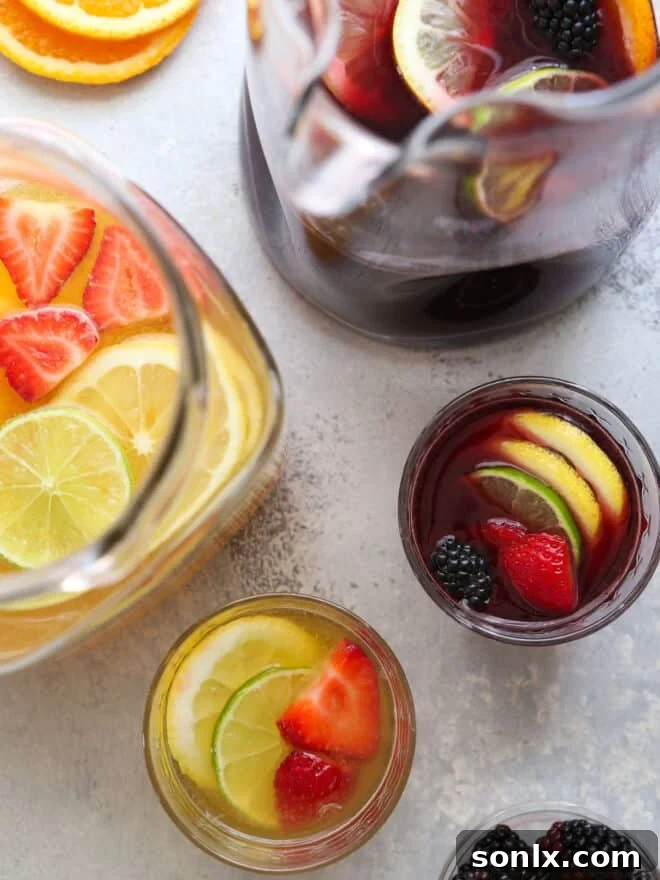
- Serve and Enjoy: Once thoroughly chilled and infused, your sangria is ready to be served! Fill glasses with ice (or use frozen fruit to keep it cold without diluting), then pour generous servings of sangria, making sure each glass gets a good mix of wine-soaked fruit. If desired, top each serving with a splash of club soda, ginger ale, or sparkling water for a refreshing fizz. Garnish with an extra slice of citrus or a fresh mint sprig for an elegant touch. Sip back, relax, and savor your homemade summer sangria!
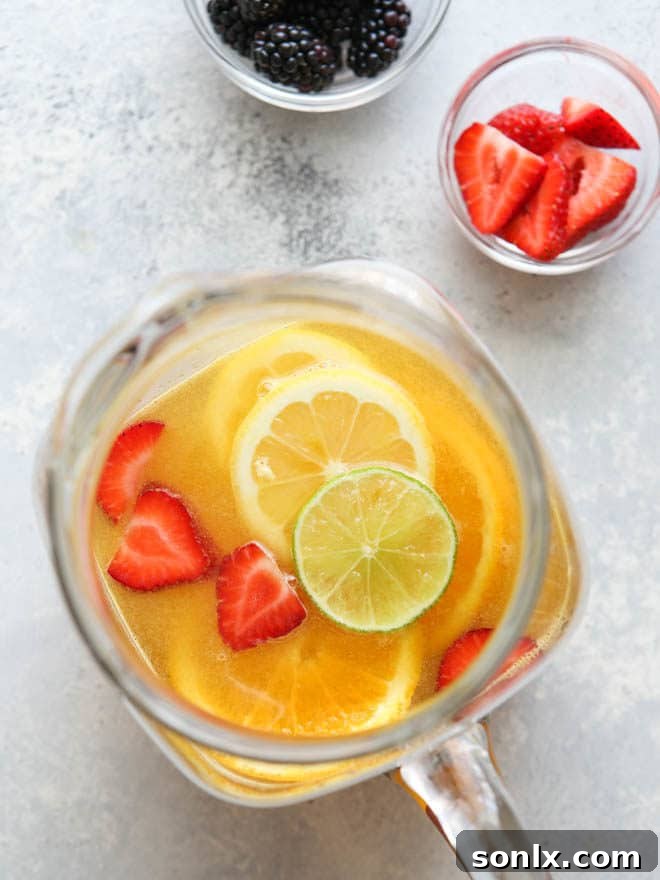
Crafting the Perfect White Wine Sangria
For a truly refreshing and vibrant experience, white wine sangria is an excellent choice, offering a lighter, crisper alternative to its red counterpart. The key is to emphasize bright, aromatic elements. Focus on a generous amount of crisp citrus slices—lemons, limes, and oranges are perfect. Add some colorful berries like strawberries or raspberries for a beautiful pop of color and a touch of sweetness. Fresh herbs, especially mint or basil, can elevate the sangria with their fragrant notes, adding an unexpected layer of freshness. To build depth, opt for flavored brandies such as orange-infused Grand Marnier, Gran Gala, or Cointreau, or consider peach brandy or schnapps to amplify those summery fruit flavors. When selecting your wine, choose light and bright varietals like Pinot Grigio, a dry Riesling, an unoaked Chardonnay, or Sauvignon Blanc. These wines provide a clean canvas that allows the fruit and liqueur flavors to truly shine without being overwhelmed.
Mastering Red Wine Sangria
Red wine sangria is the quintessential classic, beloved for its rich flavors and deep, inviting hues. With red sangria, you have incredible freedom to experiment—almost anything goes! Embrace a bountiful variety of fruits: apples, oranges, berries, and peaches all pair beautifully, contributing layers of flavor and texture. For the brandy component, all the suggestions mentioned previously (Cognac, Grand Marnier, Cointreau, peach schnapps) will work wonderfully here, providing a solid, warming base. Don’t hesitate to experiment with fruit liqueurs to enhance specific fruit notes; Chambord (raspberry) or crème de cassis (blackberry) are fantastic for adding a concentrated, fruit-forward dimension that complements red wine’s inherent richness. When selecting your wine, consider using a medium-bodied, fruit-forward Pinot Noir, a robust Malbec, or a spicy Zinfandel. These wines offer a rich and flavorful foundation that can stand up to the medley of fruits and liqueurs, resulting in a deeply satisfying sangria experience.
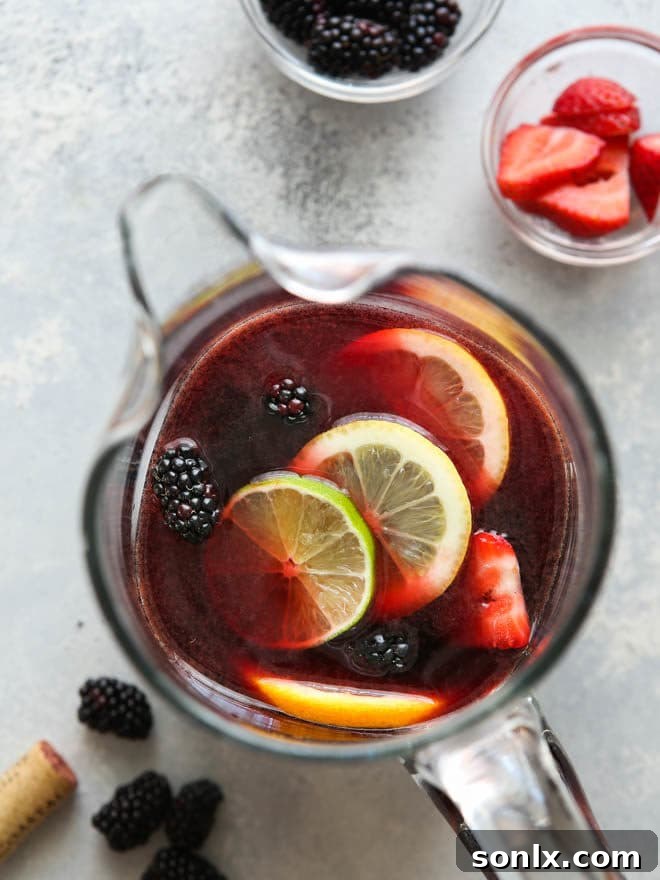
Exciting Sangria Flavor Variations
Beyond the classic red and white recipes, sangria offers an endless canvas for culinary creativity. If you’re looking to tailor your sangria even more towards a specific fruit profile or unique flavor combination, here are a few specific suggestions to inspire your next batch:
Berry Sangria: For a vibrant, juicy experience, use a robust red wine (like Merlot or Zinfandel) and deepen the berry notes with crème de cassis or a berry-flavored brandy. Incorporate slices of orange for balance and a generous mix of fresh strawberries, raspberries, and blackberries. A handful of blueberries will add extra sweetness and color.
Peach Sangria: This delightful variation screams summer. Opt for a crisp white wine such as Pinot Grigio or Sauvignon Blanc, and enhance the peachy sweetness with peach schnapps or a light peach brandy. Load it up with plenty of fresh, ripe sliced peaches, bright lemon slices, and a few sprigs of fresh mint for an aromatic finish. A splash of ginger ale can add a lovely subtle spice.
Raspberry Rosé: Elegant and charming, this sangria uses a beautiful rosé wine. Pair it with Chambord, a luxurious raspberry liqueur, to intensify the berry flavors. Add abundant fresh raspberries and slices of both lemon and lime for a zesty, refreshing kick. Garnish with a fresh lime wedge and a few extra berries for a visually appealing drink.
Tropical Paradise Sangria: Take your taste buds on a vacation with this exotic blend. Start with a light white wine or even a Prosecco for extra sparkle. Pair it with coconut rum or a pineapple liqueur. Infuse with chunks of fresh pineapple, mango, kiwi, and passion fruit. A squeeze of lime juice will brighten all the tropical notes. This is perfect for a pool party!
Citrus Burst Sangria: For those who love a tangy, zesty kick, this variation is a winner. Use a dry white wine like Sauvignon Blanc or a light red like Pinot Noir. Combine with Cointreau or Triple Sec for a potent orange essence. Fill with abundant slices of oranges, lemons, limes, and even grapefruit. A touch of simple syrup might be needed to balance the tartness, and a garnish of candied citrus peel adds a gourmet touch.
Frequently Asked Questions About Sangria
For the absolute best flavor and freshness, this sangria is at its peak when enjoyed within 2 to 12 hours of assembly. The minimum 2-hour chill time is essential for the flavors to properly meld. If you’re planning to chill your sangria for longer than 2 hours, it’s a good idea to hold off on adding more delicate fruits like berries or very ripe peaches until closer to serving. This prevents them from becoming overly soft, mushy, or potentially discoloring the sangria over extended periods.
The golden rule for sangria is simple: use a wine that you genuinely enjoy drinking on its own. While it doesn’t need to be an expensive, top-shelf bottle, a good quality, flavorful wine will always result in a superior sangria. Avoid wines labeled “cooking wine” or those with off-flavors. Refer to our detailed “Tips for making white wine sangria” and “Tips for making red wine sangria” sections above for specific varietal recommendations that pair beautifully with the fruits and liqueurs typically found in sangria.
Absolutely! Crafting a delicious non-alcoholic sangria is entirely possible and makes it inclusive for all your guests. You can easily adapt this recipe by substituting a zero-proof or non-alcoholic wine for traditional wine and simply omitting the brandy or liqueur. For a refreshing sangria-inspired beverage, consider using white grape juice, cranberry juice, or even a mix of fruit juices as your base. Top it off with sparkling water, ginger ale, or lemon-lime soda for that signature effervescence. Load it up with plenty of colorful fresh fruit for a festive and flavorful mocktail!
A large glass pitcher (at least 2-quart capacity) is ideal. Glass allows you to showcase the beautiful colors of the fruit and the sangria itself. Ensure it has a sturdy handle for easy pouring and enough space to accommodate both the liquid and a generous amount of fruit. Clear pitchers also make it easy to see when your sangria is running low!
Yes, frozen fruit is a fantastic option for sangria! It serves a dual purpose: it helps to keep your sangria perfectly chilled without diluting it, and it slowly releases its flavors as it thaws. Just be aware that some frozen fruits might have a slightly softer texture once thawed compared to fresh fruit. Consider using frozen berries, peach slices, or even grapes for an extra cooling effect.
Simple Summer Sangria Recipe

Summer Sangria (with Red or White Wine)
6 servings
5 mins
2 hrs
2 hrs 5 mins
Pin Recipe
Leave a Review
Ingredients
- 2 tablespoons granulated sugar
- ½ cup freshly squeezed orange juice
- ½ cup brandy, or fruit liqueur
- 750 ml bottle red wine or white wine
- 2 cups fresh fruit such as citrus slices, berries, peaches, apples, etc., sliced or chopped as needed
Optional:
- Ice, or use frozen fruit
- Sparkling water or ginger ale, to taste
Instructions
-
Add sugar, orange juice, and brandy to a quart-sized pitcher and stir for about 1 minute until sugar is dissolved.
-
Add red or white wine and fruit and stir until combined.
-
Chill completely in the fridge, at least 2 hours and up to 12 hours. For longer chilling, it is recommended to add the fruit closer to serving time to prevent discoloration.
-
Serve over ice, adding sparkling water or ginger ale if desired.
Notes
- If using a sweeter wine, you may want to omit or significantly reduce the amount of granulated sugar. Taste and adjust accordingly.
- Always use a wine that tastes good on its own; it doesn’t need to be expensive, but quality matters. Pinot grapes, known for their fruitiness, are often excellent choices.
- For white sangria, opt for light and bright wines such as Pinot Grigio, a dry Riesling, an unoaked Chardonnay, or Sauvignon Blanc.
- For red sangria, consider a fruit-forward Pinot Noir, a rich Malbec, or a spicy Zinfandel.
- Beyond traditional brandy, explore other liqueurs: Cognac, Grand Marnier, Gran Gala, or Cointreau (all orange-flavored) are excellent. Peach brandy/schnapps adds a lovely summery note, while Chambord (raspberry liqueur) or crème de cassis (blackberry liqueur) can enhance berry-rich sangrias.
Calories:
130
kcal
,
Carbohydrates:
7
g
,
Protein:
1
g
,
Fat:
1
g
,
Saturated Fat:
1
g
,
Sodium:
5
mg
,
Potassium:
98
mg
,
Sugar:
5
g
,
Vitamin A:
31
IU
,
Vitamin C:
8
mg
,
Calcium:
10
mg
,
Iron:
1
mg
Have you tried this recipe?
I’d love to hear about it! Leave a rating and review below, or take a photo and tag it on Instagram @completelydelicious with #completelydelicious.