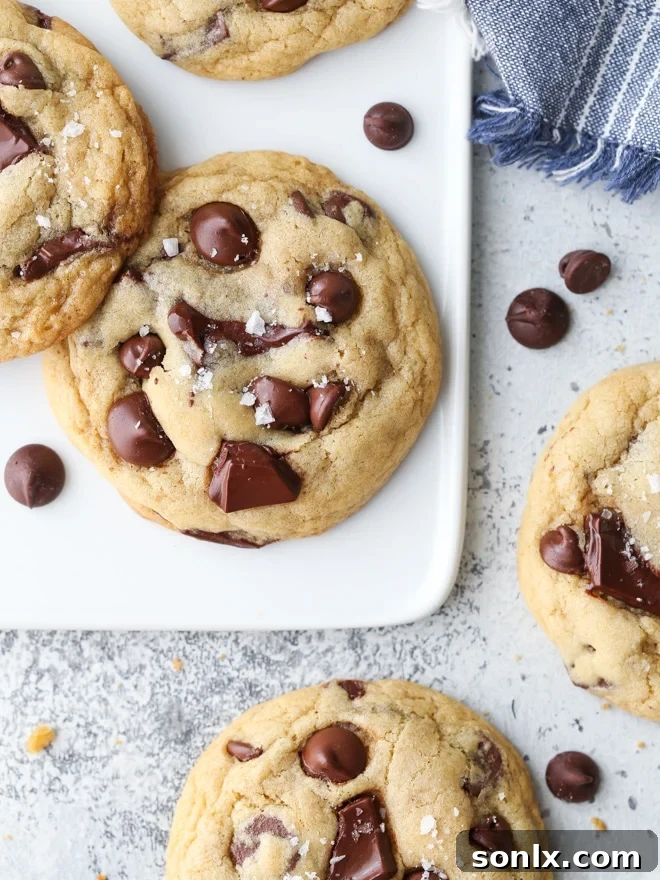
Transform your homemade cookies from simply good to absolutely unforgettable! This comprehensive guide reveals all my top tips and expert tricks for baking picture-perfect cookies – ones that not only tantalize the taste buds with their delicious flavor and perfect texture but also captivate the eye with their stunning appearance. Get ready to impress everyone with your baking prowess!
It’s a universally acknowledged truth that “we eat with our eyes first.” While your homemade cookies might boast an incredible buttery flavor and a wonderfully chewy texture, do they truly look as amazing as they taste? Often, the visual appeal is what elevates a cookie from a delightful treat to a truly exceptional culinary creation.
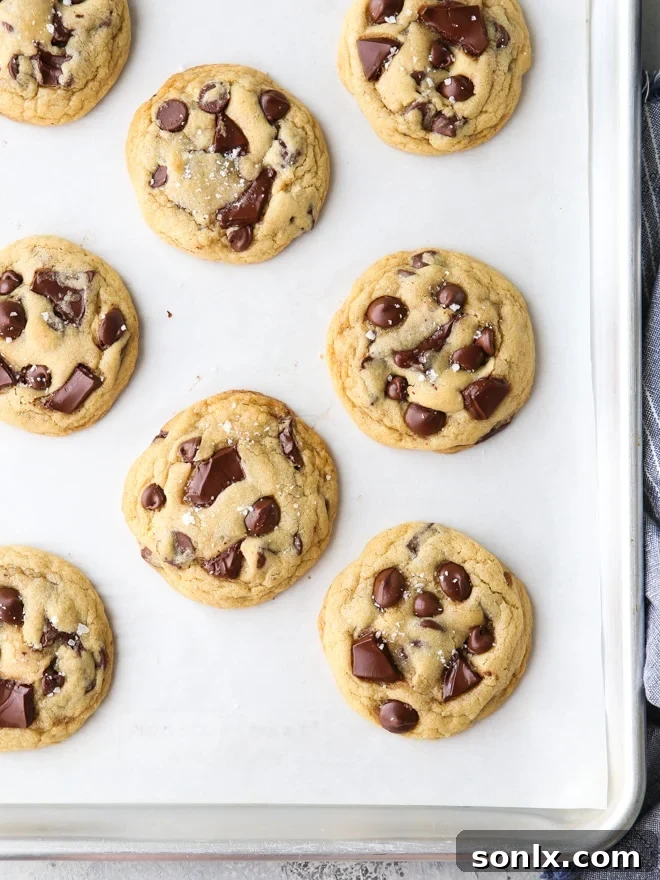
Whenever I share a batch of my cookies with friends, family, or at gatherings, I’m frequently asked how I manage to make them look so consistently perfect. The great news is that achieving this level of visual perfection is far quicker and easier than you might imagine! With just a few simple yet powerful tricks, you can make all the difference in the world, transforming ordinary cookies into show-stoppers.
Continue reading to discover my proven, no-fail methods for crafting the most beautiful, picture-perfect homemade cookies you’ve ever baked. These expert tips will help you consistently achieve cookies that are both delicious and visually stunning, making every bite an experience.
Table of Contents
- How to Bake Picture-Perfect Cookies: A Step-by-Step Guide
- Step 1: Select a Reliable Recipe and Adhere to It Diligently
- Step 2: Ensure Your Butter is at the Optimal Room Temperature
- Step 3: Accurately Measure Your Flour for Ideal Texture
- Step 4: Precisely Portion and Shape Your Cookie Dough
- Step 5: Strategically Garnish with Mix-ins Before Baking
- Step 6: Gently Reshape Cookies into Perfect Rounds Immediately After Baking
- Beyond the Basics: Additional Tips for Flawless Cookies
- My Favorite Cookie Recipes for Inspiration
How to Bake Picture-Perfect Cookies: A Step-by-Step Guide
You are just six simple steps away from baking your most impressive and beautiful batch of cookies yet! These techniques are easy to implement and guarantee a noticeable difference in the final presentation and overall quality of your homemade treats. By focusing on these crucial details, you’ll elevate your baking from good to truly great.
- Choose a Tested Recipe: Start with a well-vetted cookie recipe and follow its instructions precisely for consistent results.
- Optimal Butter Temperature: Ensure your butter is at the correct room temperature before you begin mixing to achieve the perfect dough consistency.
- Accurate Flour Measurement: Measure flour using the proper method to avoid dry or dense cookies.
- Consistent Portioning and Shaping: Use a cookie scoop and roll dough into uniform balls for even baking and attractive shapes.
- Thoughtful Garnish: Add extra mix-ins like chocolate chips or nuts to the top of the dough before baking for visual appeal.
- Post-Bake Reshaping: Gently reshape warm cookies right out of the oven to ensure perfectly round edges.
Step 1: Select a Reliable Recipe and Adhere to It Diligently
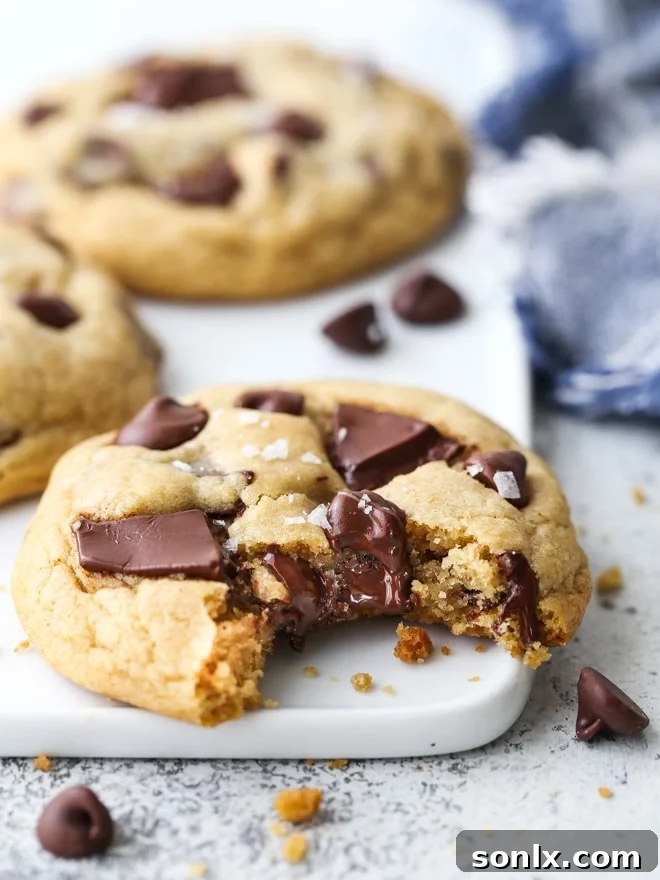
The foundation of any exceptional cookie, whether for its taste or its stunning appearance, begins with a stellar recipe. If you already have a beloved cookie recipe that you trust and have used successfully, stick with it! Familiarity breeds confidence, and confidence leads to consistent results. However, if you’re still on the quest for that perfect base, I wholeheartedly recommend trying the Classic Chocolate Chip Cookies, which are frequently featured and pictured throughout this article as an example of perfection.
For the absolute best results and to minimize any baking surprises, it is paramount to stick to the recipe exactly as it’s written. Most of my own cookie mishaps and less-than-perfect batches have occurred when I’ve tried to stray from the instructions, experimenting with ingredient ratios or making substitutions on a whim. While experimenting with cookie recipes isn’t inherently a bad thing—in fact, some of my most cherished cookie creations have emerged from such spontaneous trials—it’s important to understand that your first attempt at an altered recipe might not yield the most visually appealing or predictable outcome.
If you’re baking cookies for a special occasion, like a potluck, or if you’re aiming to truly impress guests with your baking prowess, it’s generally best to save the culinary experimentation for a day when the stakes are lower. For guaranteed perfection in appearance and taste, a tried-and-true recipe followed meticulously is your safest and most rewarding path.
Step 2: Ensure Your Butter is at the Optimal Room Temperature
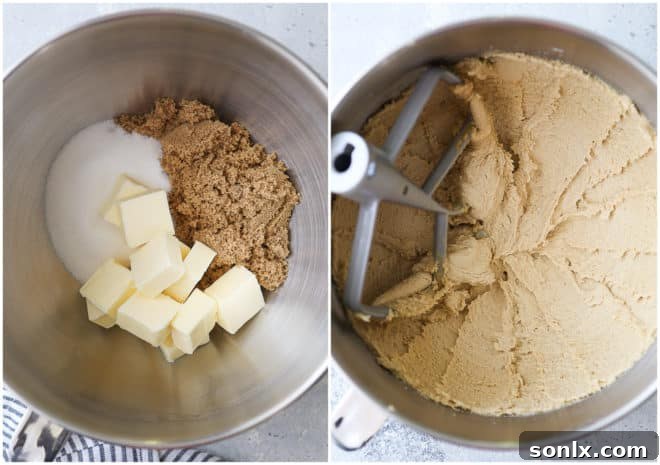
The starting temperature and softness of your butter are critical factors that can either make or break your batch of cookies. Many bakers mistakenly believe “room temperature” butter means very soft, but it’s actually much colder than most people realize. If your butter is too soft, appearing shiny, greasy, or melting, your cookie dough will likely become overly soft as well. This premature softening can cause the butter to melt too quickly in the oven, leading to cookies that spread excessively and become thin, flat, and potentially greasy.
Ideally, butter should be just soft enough that it yields slightly when gently pressed with a finger, leaving a slight indent. However, your finger should not be able to press all the way through the stick of butter. It should still hold its shape.
For consistent and optimal results, I typically let my butter sit out on the kitchen counter for about 30 to 60 minutes before I plan to use it. The exact time can vary depending on the ambient temperature of your kitchen. If you find yourself short on time and need to bring butter to the perfect temperature more quickly, there are several effective methods. You can find detailed instructions and 4 Quick Ways to Bring Butter to Room Temperature in my dedicated guide. Mastering this step is fundamental to achieving that desirable balance of crisp edges and chewy centers in your cookies, contributing significantly to their overall texture and structure.
Step 3: Accurately Measure Your Flour for Ideal Texture
When a friend or reader reaches out for assistance with a problematic cookie recipe, the first two questions I consistently ask are: “How soft was your butter?” and “How do you typically measure your flour?” The answer to the latter often reveals a common pitfall. Using too much flour, a frequent error stemming from improper measurement, can drastically alter the outcome of your cookies, resulting in a dry, crumbly, tough, or even cake-like texture instead of the desired tender and chewy consistency.
The method you employ to measure flour makes an enormous difference in the actual quantity that ends up in your cookie dough. Flour naturally compacts over time as it sits in its bag or container. If you simply scoop your measuring cup directly into the flour and then level it off, you are inadvertently compacting the flour further into the cup. This method often adds an extra tablespoon or two of flour per cup, and these seemingly small excesses accumulate quickly in a recipe, leading to a dough that is too stiff and a cookie that lacks moisture and tenderness.
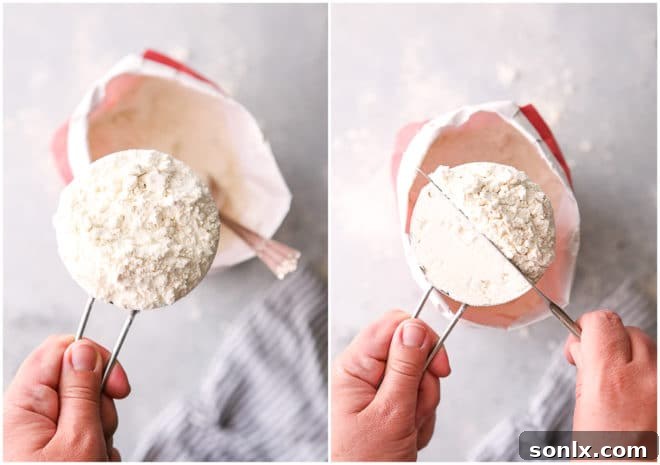
To measure flour correctly and ensure optimal cookie texture, follow these steps:
- Fluff the Flour: Before measuring, use a spoon or whisk to gently fluff up the flour in its bag or container. This aerates it and loosens any compaction.
- Spoon into Cup: Using a spoon, lightly scoop the flour into your dry measuring cup until it is overflowing, creating a small mound on top. Avoid packing it down.
- Level with a Knife: Use the back of a straight knife or another flat edge to gently scrape off the excess flour from the top of the measuring cup, creating a perfectly level surface.
Or, better yet, for unparalleled precision and consistency, invest in and use a kitchen scale! Gram measurements are inherently more accurate because they measure mass, which isn’t affected by compaction. This is precisely why all of my baking recipes provide gram measurements alongside volumetric ones. For even more detailed assistance and comprehensive information on this vital technique, be sure to consult my full post on How to Measure Flour Correctly. This simple step can truly revolutionize your baking results.
Step 4: Precisely Portion and Shape Your Cookie Dough
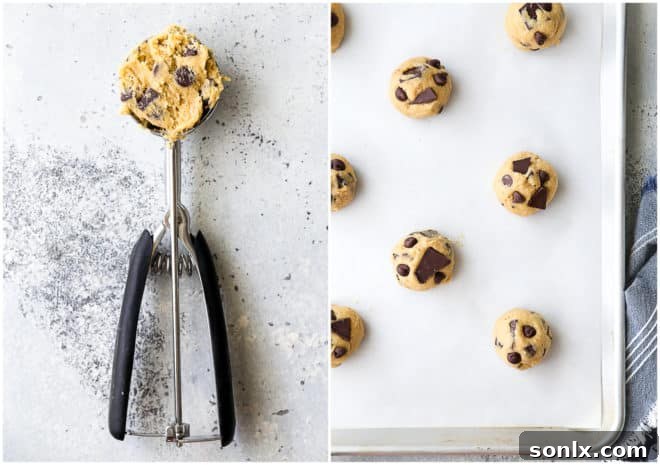
Achieving uniformly baked and visually appealing cookies hinges significantly on consistent portioning. To ensure that all your cookies bake evenly, resulting in identical doneness and texture, it’s crucial to make sure each dough ball is the same size. For creating beautifully large and impressive cookies with that perfect balance of crispy edges and a soft, chewy interior, I highly recommend using a #20 (3 Tablespoon) spring-loaded cookie scoop. This specific size delivers what I consider the ideal amount of dough for a substantial and satisfying cookie experience.
If your preference leans towards smaller, more delicate cookies—perfect for a platter or when you want multiple bites—then a #40 (1.5 Tablespoon) cookie scoop would be an excellent choice. Using a scoop not only ensures consistent size but also makes the process much faster and cleaner.
Once your cookie dough is portioned with the scoop, take an extra moment to gently roll each portion into a smooth, even ball between your palms. This extra step helps eliminate any uneven edges or cracks that might cause the cookie to bake into an irregular shape. Place these perfectly formed dough balls onto a baking sheet pan that has been lined with parchment paper. This method guarantees beautiful, round cookies every time, contributing greatly to their overall professional appearance.
Step 5: Strategically Garnish with Mix-ins Before Baking
Often, delicious mix-ins such as chocolate chips, nuts, or dried fruit tend to get fully incorporated and hidden within the cookie dough during the mixing process. While they contribute immensely to the flavor, their visual presence can be lost. When presenting homemade cookies, we want the delicious additions to be seen and celebrated! This is where strategic garnishing comes into play.
To enhance the visual appeal and clearly communicate what delightful treats await inside, save a portion of your chocolate chips, nuts, dried fruit, or other mix-ins. Just before baking, gently press these reserved garnishes onto the tops and sides of your perfectly portioned cookie dough balls. This simple technique ensures that when the cookies bake and spread, these beautiful elements remain visible on the surface, creating a more attractive and appetizing final product. It’s a small detail that makes a big impact, making your cookies look even more irresistible and professionally crafted.
Step 6: Gently Reshape Cookies into Perfect Rounds Immediately After Baking
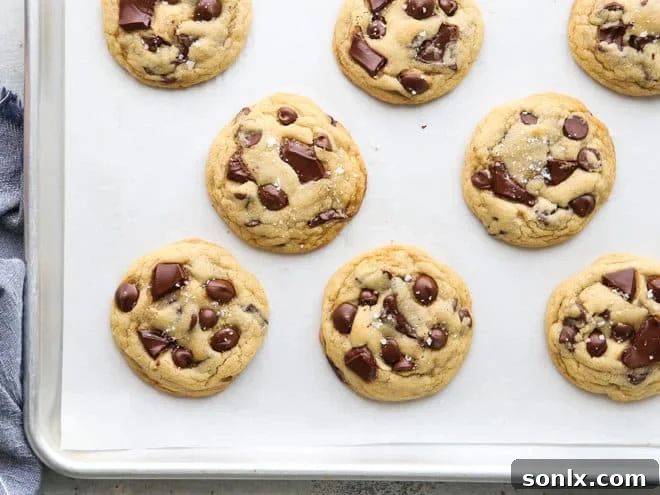
Even with the most careful preparation, cookies sometimes emerge from the oven looking a little less than perfectly round, perhaps with a slight bulge or an irregular edge. Don’t fret—this is an easily fixable situation! The secret to achieving those consistently perfect circular cookies lies in a simple trick performed right after baking.
Immediately after your cookies come out of the oven, while they are still piping hot and pliable, use a spatula, the back of a spoon, or even a round cookie cutter (slightly larger than your cookies) to gently nudge and shape them back into a perfect circle. You can either gently push the edges inward or, if using a cookie cutter, place it around the cookie and swirl it to neaten the edges. It’s crucial to perform this step within the first minute or two after removing them from the oven, as cookies begin to set and firm up very quickly as they cool. Act fast, and you’ll be amazed at how easily you can transform slightly misshapen cookies into a beautifully uniform batch, enhancing their overall presentation and making them look like they came from a professional bakery.
Beyond the Basics: Additional Tips for Flawless Cookies
While the six steps above are fundamental to achieving visually stunning and delicious cookies, there are several other important factors that can significantly impact your baking results. If your cookies aren’t turning out exactly as planned, or if you’re determined to take every possible measure to ensure absolute perfection, consider these additional expert tips:
- Verify Your Oven Temperature: It’s a common misconception that oven temperatures are always accurate. Unfortunately, many home ovens are not precisely calibrated, meaning the temperature displayed might not be the actual temperature inside. An oven that runs too hot can cause cookies to burn or spread too quickly, while an oven that’s too cool can result in pale, underbaked, or overly spread cookies. Invest in an inexpensive oven thermometer to know the exact temperature of your oven. This simple tool is essential for ensuring your cookies bake consistently and as the recipe intends.
- The Right Baking Sheet Matters: The type of sheet pan you use can dramatically affect how your cookies bake. Dark metal pans absorb more heat, often leading to darker, crispier bottoms and faster baking. Lighter, reflective aluminum pans, like my favorites from Nordic Ware, promote more even baking and a golden-brown finish, preventing over-browning on the bottom.
- Always Line Your Pans: To prevent sticking and encourage even baking without excessive spread, always line your baking sheets with either parchment paper or silicone baking mats. Crucially, resist the urge to grease the cookie sheet directly. Greasing can cause cookies to spread too much during baking, leading to thin, flat results.
- Understand When to Chill Cookie Dough: Some cookie recipes explicitly require chilling the dough, and you should always follow these instructions to the letter, as chilling often contributes to flavor development and prevents excessive spreading. However, even if a recipe doesn’t specify it, chilling can be a savior for a dough that feels too soft or sticky, especially if your kitchen is warm. Placing cookie dough balls on the sheet pan in the refrigerator for 15-30 minutes before baking can significantly help firm them up, preventing them from spreading too much in the oven and ensuring a thicker, chewier cookie.
- Embrace the Power of Flaky Salt: Do not underestimate the transformative effect of a sprinkle of flaky sea salt! I almost invariably sprinkle a touch of flaky sea salt onto my baked cookies immediately after they come out of the oven. This not only brilliantly enhances and balances the sweet and salty flavors of the cookie but also adds a delicate visual texture and a touch of sophisticated appeal. It instantly elevates your cookies, making them look gourmet and incredibly inviting.
- Serve Fresh for Peak Presentation: While delicious even a day or two later, cookies invariably look their absolute best on the day they are baked. For this reason, I always plan to bake my cookies fresh on the day I intend to serve them. If you need to prepare ahead, cookie dough is incredibly versatile for make-ahead purposes. You can store portioned cookie dough balls in an airtight container in the refrigerator for up to a week, or freeze them for a month or even longer. When ready to bake, simply thaw the dough and allow it to come to room temperature before popping it into the oven. For comprehensive guidance on preparing and storing dough, refer to my detailed article How to Store Cookie Dough.
My Favorite Cookie Recipes for Inspiration
Now that you’re equipped with all the knowledge to bake perfectly beautiful cookies, it’s time to put those skills to the test! Here are some of my all-time favorite cookie recipes that consistently deliver on both taste and stunning appearance. These recipes are fantastic starting points for applying the techniques you’ve just learned, guaranteeing a delightful baking experience and impressive results every time.