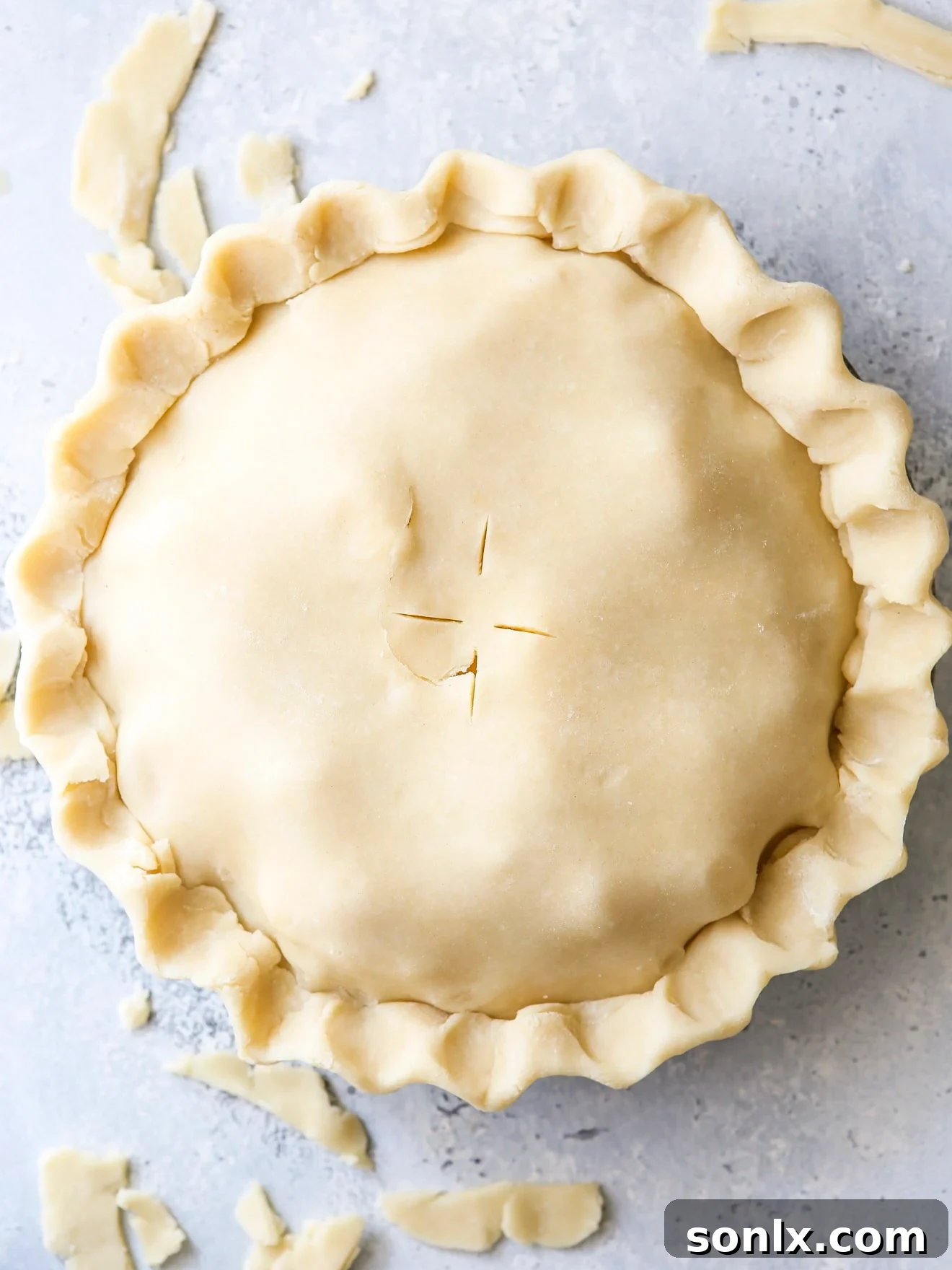
Welcome to the ultimate guide for crafting the most incredible pie crust you’ll ever bake! This isn’t just any pie crust; it’s a buttery, flaky masterpiece infused with the secret ingredient that transforms good pies into truly unforgettable ones: buttermilk. If you’ve been relying on water for your pastry, prepare for a revelation. Once you experience the depth of flavor and tender flakiness that buttermilk brings, there’s no turning back. This isn’t merely a recipe; it’s an upgrade to your entire pie-making repertoire, guaranteed to elevate every sweet and savory creation you dream up.
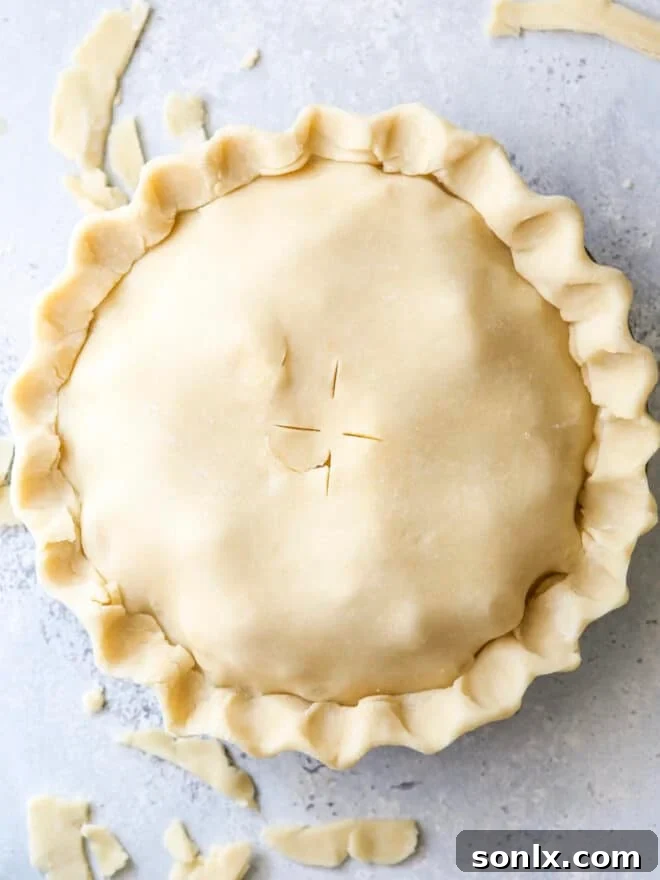
For years, bakers have sought the elusive secret to a pie crust that is both tender and resilient, flaky yet rich. My journey led me to buttermilk, and it has undeniably become my most cherished pie crust recipe. Substituting buttermilk for plain water introduces a subtle tang and a remarkable tenderness that regular water simply cannot replicate. The lactic acid in buttermilk works magic on gluten, creating a softer, more pliable dough, while its inherent fats contribute to an exceptionally rich and delicate flavor profile. This isn’t just a supporting character in your pie; it’s a co-star, making your fillings shine and delivering an unparalleled texture that will earn you rave reviews every single time.
Imagine a pie where every bite offers a delicate crunch followed by a melt-in-your-mouth tenderness, each layer separating effortlessly, carrying the essence of rich butter and a hint of tang. That’s the promise of this buttermilk pie crust. It adds an incredible depth of flavor that complements fruit fillings, creamy custards, and even savory quiches, making them truly spectacular. Forget bland, tough, or dry crusts; this recipe ensures a consistently perfect foundation for all your pie ambitions. Get ready to transform your baking with a crust that’s not just functional, but profoundly flavorful and incredibly easy to achieve with a few simple techniques.
Table of Contents
- The Magic of Buttermilk: Why It’s a Game-Changer
- Essential Ingredients for Your Buttermilk Pie Crust
- Step-by-Step Guide to Making Buttermilk Pie Crust
- Pro Tips for a Perfectly Flaky Crust
- How to Prepare and Store Pie Crust Ahead of Time
- Irresistible Pies to Bake with This Recipe
- Get the recipe
The Magic of Buttermilk: Why It’s a Game-Changer
What sets buttermilk apart from ordinary water in pie crusts? It’s a combination of science and flavor that creates truly superior results. Buttermilk, traditionally the liquid left after churning butter, is now primarily “cultured buttermilk” – skim or low-fat milk that has been fermented with lactic acid bacteria. This fermentation process gives it a slightly sour taste and a thicker consistency, both of which are incredibly beneficial in baking, especially for pie crusts.
Firstly, the acidity in buttermilk tenderizes the gluten in the flour. Gluten development is crucial for structure, but too much can lead to a tough crust. Buttermilk’s acidity gently weakens gluten bonds, resulting in a significantly more tender and delicate texture without sacrificing flakiness. This is why buttermilk pastries often have that desirable melt-in-your-mouth quality.
Secondly, buttermilk adds a subtle, tangy complexity to the flavor profile that water simply can’t. This tang perfectly complements the richness of the butter, creating a more balanced and intriguing taste that enhances, rather than overwhelms, your pie filling. This nuanced flavor makes your pie crust stand out, becoming an integral part of the dessert experience.
Lastly, the thicker consistency of buttermilk means you might use a bit more of it compared to water, ensuring proper hydration of the dough while still maintaining a beautiful flakiness. It interacts with the cold butter to create tiny pockets of steam during baking, which separate the layers of dough, resulting in that coveted airy, flaky texture. Embrace buttermilk, and prepare to elevate your pie game to an entirely new level!
Essential Ingredients for Your Buttermilk Pie Crust
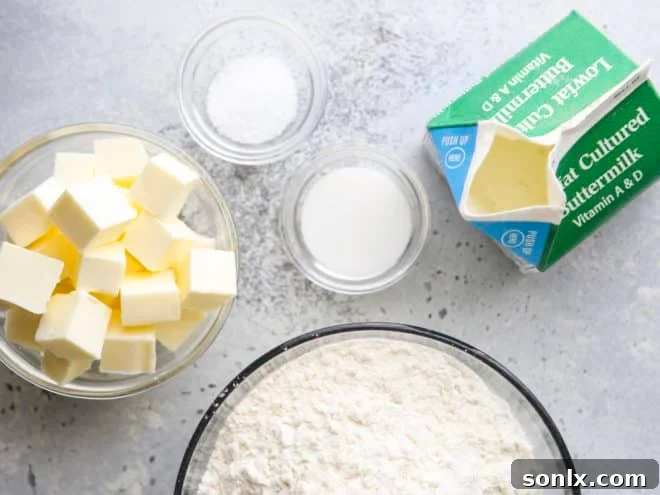
Crafting the perfect pie crust starts with understanding the role of each ingredient. For this exceptional buttermilk pie crust, we rely on a few simple, high-quality components:
- All-Purpose Flour: The foundation of our crust. All-purpose flour strikes the right balance between protein content for structure and tenderness. While specialty flours exist, all-purpose is versatile and readily available, providing consistent results for a flaky crust.
- Cold Unsalted Butter: This is non-negotiable for flakiness and flavor. Using cold butter, cut into small cubes, ensures that the butter remains distinct from the flour rather than fully incorporating. During baking, these butter pockets melt and release steam, pushing apart the layers of dough to create that signature flaky texture. Unsalted butter allows you to control the overall salt content in your recipe.
- Granulated Sugar (Optional): For dessert pies, a touch of granulated sugar adds a subtle sweetness to the crust, enhancing its flavor and contributing to a beautiful golden-brown color. If you’re making a savory pie, you can omit it. I always recommend it for sweet applications to truly make the crust sing.
- Coarse Salt: A pinch of salt is crucial for seasoning the crust and balancing the flavors. It brings out the richness of the butter and the tang of the buttermilk, preventing the crust from tasting bland. Coarse salt dissolves well and distributes evenly.
- Cold Buttermilk: The star ingredient! As discussed, cold buttermilk adds a delightful tang, enhances tenderness by interacting with gluten, and contributes to a rich, complex flavor that water simply cannot. Keeping it cold is key to maintaining the butter’s temperature and ensuring maximum flakiness.
Each ingredient plays a vital role in achieving that sought-after perfect balance of flavor, tenderness, and flakiness that defines an outstanding homemade pie crust.
Step-by-Step Guide to Making Buttermilk Pie Crust
Making a homemade pie crust might seem intimidating, but with the right technique and this amazing buttermilk recipe, you’ll find it incredibly rewarding. This method is versatile, allowing you to prepare the dough using a pastry blender, your hands, or even a food processor. Regardless of your chosen tool, the fundamental steps remain consistent to ensure a perfectly flaky and tender crust.
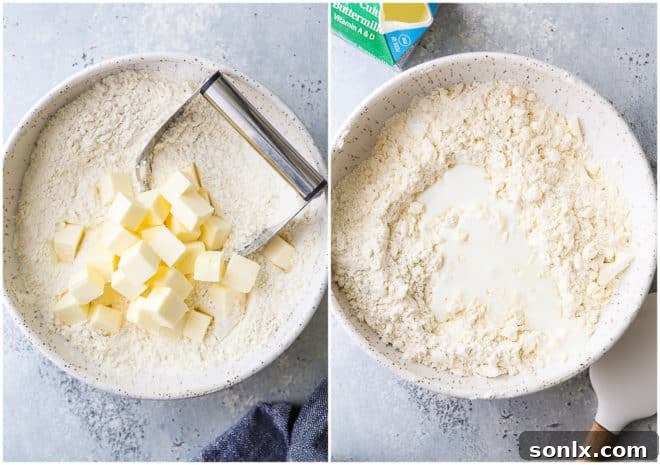
- Combine Dry Ingredients: In a large mixing bowl, whisk together the all-purpose flour, coarse salt, and granulated sugar (if using for a sweet pie). Ensure these dry components are thoroughly combined to guarantee an even distribution of flavor throughout the dough.
- Cut in Cold Butter: Add your cold, cubed unsalted butter to the dry ingredients. The key here is to keep the butter as cold as possible. Using a pastry blender, two knives, or even your fingertips, work the butter into the flour mixture until it resembles coarse crumbs with some pieces of butter still visible, roughly the size of small peas or flattened almonds. These distinct butter pieces are crucial for creating those coveted flaky layers during baking. Avoid overworking the butter, as this will warm it up and melt it into the flour, leading to a less flaky crust.
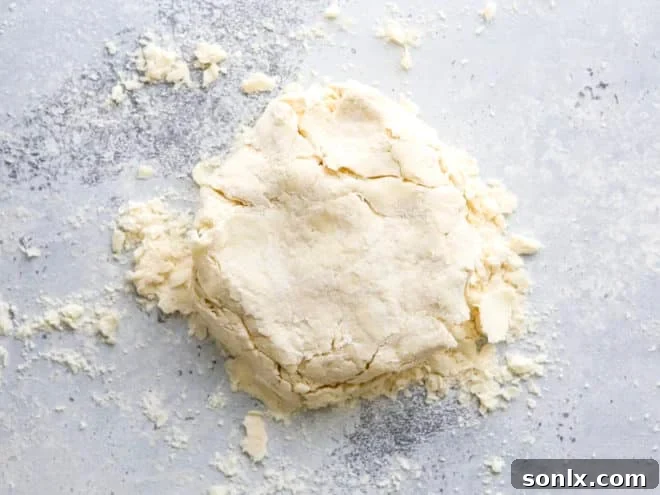
- Incorporate Buttermilk: Pour the cold buttermilk over the butter-flour mixture. Using a sturdy spatula or a wooden spoon, gently stir until the dough just begins to come together. The mixture will still look quite shaggy and dry in parts. At this point, turn the mixture out onto a clean, lightly floured work surface. With clean, cold hands, gently knead the dough a few times, just enough to bring it into a cohesive ball. Be careful not to over-knead, as this develops gluten too much and can result in a tough crust. If the dough feels too dry and crumbly, add an extra teaspoon of cold buttermilk at a time until it just comes together.
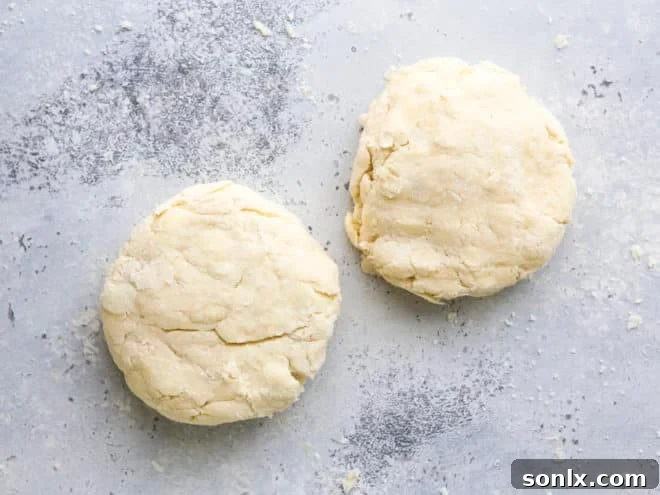
- Shape into Disks: Divide the dough into two equal portions (for a double-crust pie). Gently flatten each portion into a thick disk, about an inch or so thick. This disk shape makes it easier to roll out later.
- Chill Completely: Wrap each disk tightly in plastic wrap. Refrigerate for at least 1 hour, or preferably for 2 hours, before using. Chilling is essential as it allows the gluten to relax, makes the butter firm up again, and integrates the moisture throughout the dough. This makes the dough easier to roll out and contributes significantly to the flakiness and tender texture of the final crust. You can chill the dough for up to 5 days in the refrigerator, or freeze it for longer storage.
Pro Tips for a Perfectly Flaky Crust
Achieving a perfectly flaky, tender, and flavorful pie crust isn’t just about the ingredients; it’s also about technique. These professional tips will help you master your buttermilk pie crust every time:
- Always Start with Cold Ingredients: This is the golden rule of pie crusts. Both your butter and buttermilk (or water) must be as cold as possible. Cold butter prevents premature gluten development and ensures that the butter pieces remain separate within the dough. When the pie bakes, these cold butter pockets melt and release steam, creating distinct layers and that irresistible flakiness. If your kitchen is warm, you can even chill your flour and mixing bowl for 15-20 minutes before starting.
- Understand Buttermilk’s Consistency: Buttermilk is inherently thicker than water. Due to its viscosity, you will typically need to add slightly more buttermilk to achieve the desired dough consistency compared to a water-based recipe. Start with the recommended amount and add more, a teaspoon at a time, if the dough feels too dry and isn’t coming together. Trust the feel of the dough over strict measurements if it seems too dry.
- Cultured Buttermilk is Your Go-To: Most recipes, including this one, refer to “cultured buttermilk,” which is widely available in grocery stores. True traditional buttermilk (the byproduct of churning butter) is difficult to find commercially. Cultured buttermilk works perfectly for this recipe, offering the same tenderizing acidity and tangy flavor. For more insights on the differences, resources like Cook’s Illustrated provide excellent explanations.
- DIY Buttermilk in a Pinch: If you don’t have cultured buttermilk, you can create a decent substitute. Add ½ tablespoon of lemon juice or white vinegar to a liquid measuring cup, then fill the rest of the way to the ½ cup mark with regular milk (whole, 2%, or skim). Let it sit for 5-10 minutes until it slightly curdles. While this works in a pinch and provides some acidity, it won’t have the same rich flavor and thickness as actual cultured buttermilk.
- Don’t Overwork the Dough: Overworking the dough develops too much gluten, which results in a tough, chewy crust instead of a tender, flaky one. Mix just until the ingredients are combined and the dough barely holds together. A few dry crumbs are better than an overmixed, sticky dough.
- Proper Flour Distribution for Rolling: When rolling out your chilled dough, use a lightly floured surface and rolling pin. Too much flour can make the crust dry and tough, while too little will cause it to stick. Aim for a delicate balance. Continuously rotate the dough as you roll to prevent sticking and ensure an even thickness.
- Rest is Best: After rolling and fitting the dough into your pie plate, if you have time, chill it again for 15-30 minutes. This helps the gluten relax one last time and prevents the crust from shrinking too much during baking, ensuring a perfectly shaped pie.
How to Prepare and Store Pie Crust Ahead of Time
One of the many benefits of making homemade pie crust, especially this robust buttermilk version, is its excellent keeping quality. Preparing pie crust ahead of time is a fantastic way to streamline your baking process, making holiday preparations or spontaneous pie cravings much easier to manage. This crust freezes beautifully, allowing you to have a delicious foundation for any pie ready at a moment’s notice.
- Storing Pie Crust in the Freezer: For longer storage, the freezer is your best friend. After shaping your dough into disks, double-wrap each disk tightly in plastic wrap. The double layer provides extra protection against freezer burn. Place the wrapped disks in a freezer-safe zip-top bag, pressing out as much air as possible, or an airtight container. Frozen pie crust dough can be stored for up to 2 months. When you’re ready to use it, transfer the frozen dough to the refrigerator and allow it to defrost overnight. This slow thawing process helps maintain the butter’s integrity and the dough’s texture. Before rolling, let the defrosted dough sit at room temperature for about 10-15 minutes to make it more pliable.
- Storing Pie Crust in the Refrigerator: If you plan to use your pie crust within a few days, the refrigerator is sufficient. After forming the dough into disks, wrap each tightly in a single layer of plastic wrap. Place the wrapped disks in the fridge, where they will keep well for up to about 5 days. Chilling the dough for at least an hour is crucial before use, but extended refrigeration (up to 5 days) actually enhances the flavor as the ingredients meld further, and makes the dough even easier to handle because the butter is thoroughly firm. If you need to store it for longer than five days, it’s best to opt for the freezer method to maintain optimal freshness and quality.
Having pre-made pie crust dough on hand is a game-changer for any baker. It eliminates last-minute stress and ensures that a homemade pie, with its superior flavor and texture, is always within reach.
Irresistible Pies to Bake with This Recipe
This buttermilk pie crust is incredibly versatile and provides the perfect foundation for a wide array of sweet and savory fillings. Its tender flakiness and subtle tang beautifully complement almost any pie, turning a simple dessert into an extraordinary experience. Here are some of my all-time favorite recipes that truly shine when paired with this exceptional crust, always a huge hit with family and friends!
- Mile High Apple Pie: The crisp, buttery layers of this crust are the ideal counterpoint to a mound of spiced, tender apples. The buttermilk’s tang cuts through the sweetness, creating a perfectly balanced bite.
- Sweet Cherry Pie: Imagine vibrant, juicy cherries bursting with flavor, encased in a crust that’s both delicate and sturdy. The buttermilk enhances the fruit’s natural tartness, making each spoonful a delight.
- Cranberry Blueberry Pie: This seasonal favorite gets an extra boost from our special crust. The slight acidity of the buttermilk beautifully marries with the sweet blueberries and tart cranberries, creating a harmonious blend of flavors and textures.
- Classic Pumpkin Pie: For the ultimate holiday dessert, this flaky crust provides the perfect, flavorful base for a smooth, spiced pumpkin filling. The richness of the butter and the subtle tang of the buttermilk elevate this classic to new heights.
Beyond these favorites, consider using this buttermilk pie crust for savory options like a quiche Lorraine, a chicken pot pie, or even individual hand pies filled with seasonal vegetables and cheese. Its robust flavor and tender texture make it suitable for any filling that demands a truly magnificent crust.
Get the recipe
Buttermilk Pie Crust
Pin Recipe
Leave a Review
Ingredients
- 2 ½ cups all-purpose flour (300 grams)
- 1 tablespoon granulated sugar , optional
- 1 teaspoon salt
- 1 cup unsalted butter , cold and cut into cubes (226 grams)
- ½ cup cold buttermilk (120 ml)
Instructions
-
In a large bowl, thoroughly combine the all-purpose flour, granulated sugar (if desired for a sweet pie), and salt. Whisk them together to ensure even distribution.
-
Add the cold, cubed unsalted butter to the dry ingredients. Use a pastry blender or two knives to cut the butter into the flour mixture until the butter pieces are about the size of small peas. Some larger, flattened pieces are fine and contribute to flakiness.
-
Pour in the cold buttermilk. Stir with a spoon or spatula until the mixture begins to come together. Turn the dough out onto a lightly floured surface and gently mix with your hands just until it forms a cohesive ball. If the dough feels too dry and crumbly, add extra buttermilk one teaspoon at a time until it reaches the right consistency. Avoid overworking.
-
Divide the dough into two equal portions and gently flatten each into a disk shape. Wrap each disk tightly in plastic wrap. Chill the dough in the refrigerator for at least 1 hour, and up to 5 days. For longer storage, double-wrap and freeze for up to 2 months.
-
When you are ready to use the dough, let it rest at room temperature for about five minutes to make it easier to roll. On a lightly floured surface, use a rolling pin to roll out one disk of dough into a rough 13-inch circle, approximately ¼ inch thick. Carefully transfer the rolled dough to a 9-inch pie dish and fill with your desired pie filling.
-
Repeat the rolling process with the second disk of dough. You can cut this dough into strips to create a lattice top over your filling, or leave it as a whole circle to completely cover the filling, remembering to cut a few vents with a sharp knife to allow steam to escape during baking.
-
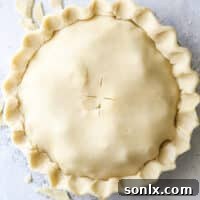
Neatly fold the edges of the top and bottom crusts together, then use your index fingers and thumb to crimp and create a decorative pattern around the rim of the pie dish. For an extra golden finish and sparkle, brush the crust with an egg wash (one egg beaten with a tablespoon of water) and sprinkle with coarse sanding sugar, if desired.
-
Bake your pie according to the specific instructions provided in your chosen pie recipe. Baking temperatures and times will vary depending on the type of filling. Keep an eye on the crust, and if it starts to brown too quickly, loosely cover the edges with foil.
Notes
NOTES
- This recipe yields enough dough for one 9-inch double pie crust, or two single 9-inch pie crusts.
- For optimal flakiness, try to handle the dough as little as possible to keep the butter cold and prevent overworking the gluten.
This recipe was originally published in October 2015 and has been updated and expanded to provide even more comprehensive tips and insights for a flawless buttermilk pie crust.