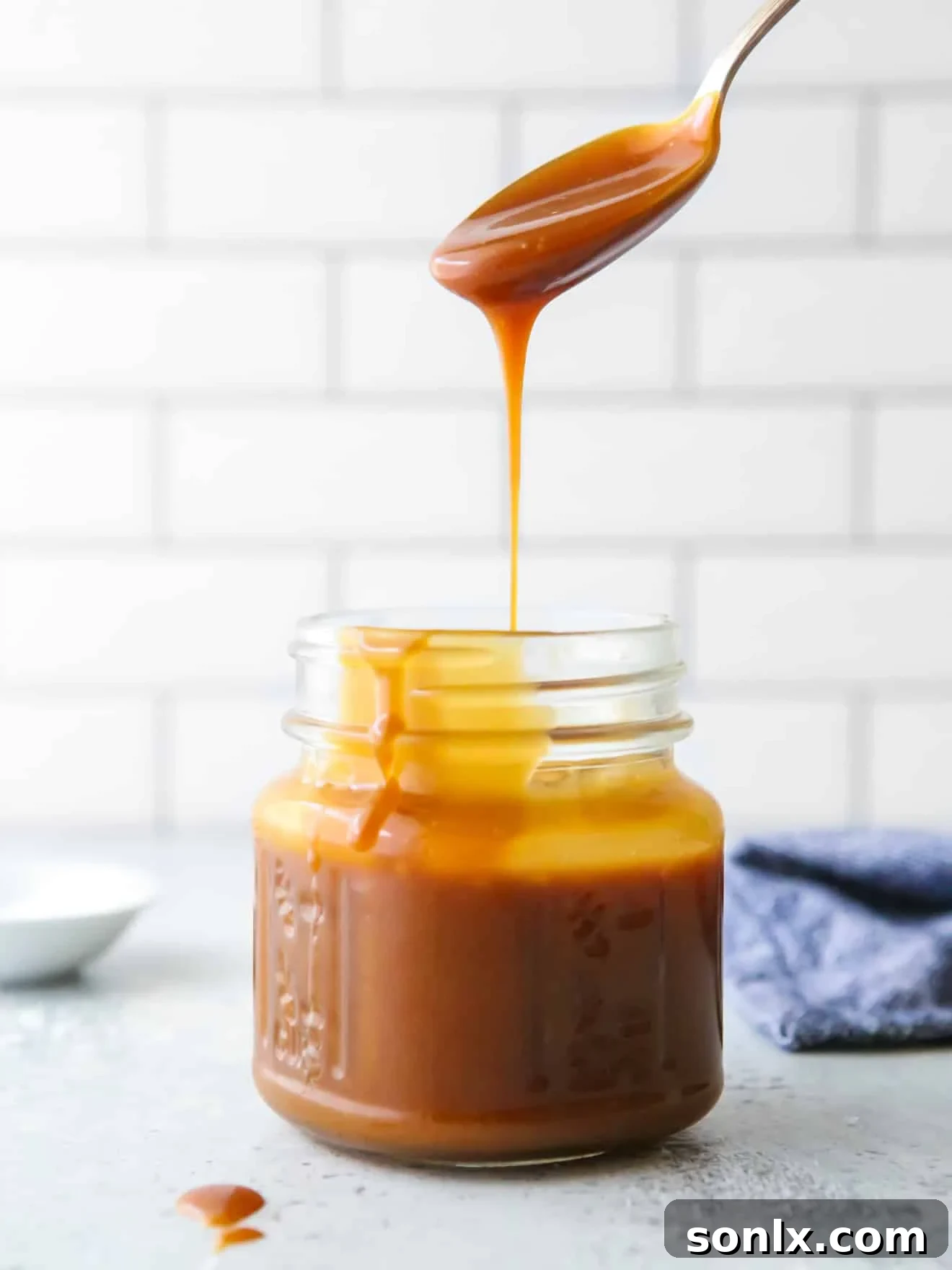
Mastering Homemade Caramel Sauce: Your Guide to Rich, Silky Perfection
Are you ready to unlock the secret to creating luscious, rich caramel sauce right in your own kitchen? Forget store-bought alternatives! This comprehensive guide will show you just how easy it is to make an incredibly smooth and flavorful homemade caramel from scratch using only 5 simple ingredients. Get ready to transform your desserts with this golden elixir!
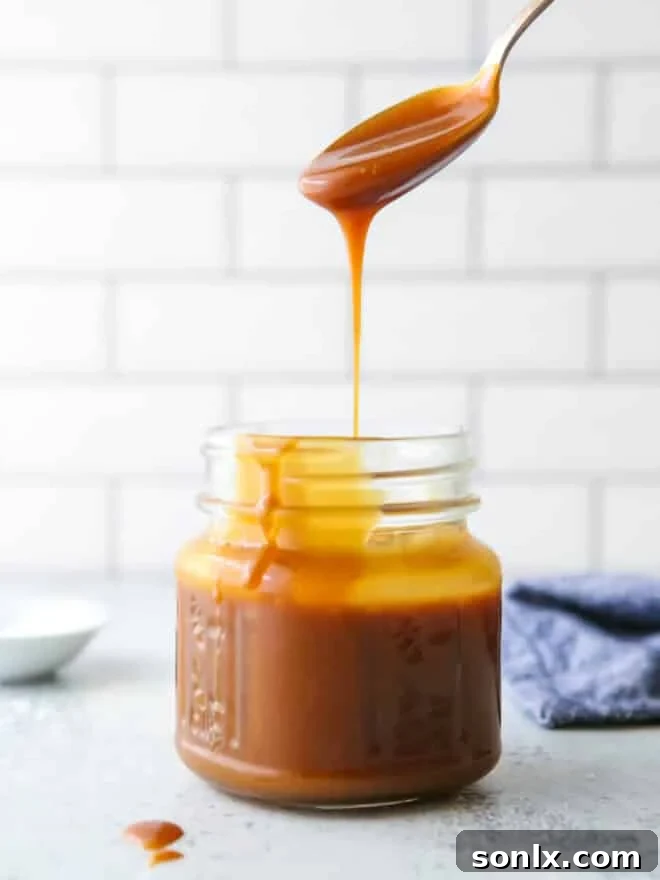
Many home cooks mistakenly believe that making caramel is a daunting task, fraught with potential for burning or crystallization. I understand that apprehension – I’ve been there myself! The idea of caramelizing sugar can seem intimidating, but I’m here to demystify the process. With a little guidance and a few practice runs, you’ll discover that crafting perfect caramel is not only achievable but also incredibly rewarding.
The effort is undeniably worth it. Homemade caramel sauce boasts a depth of flavor and a creamy, luxurious texture that simply cannot be replicated by commercial versions. Its exquisite balance of sweet and salty notes elevates any dessert to an extraordinary experience.
Table of Contents
- Essential Ingredients for Caramel
- How to Make Homemade Caramel Sauce
- Caramelizing Sugar with the Dry Method
- Caramelizing Sugar with the Wet Method
- Finishing the Caramel Sauce: Cream, Butter, Vanilla, and Salt
- Delicious Uses for Homemade Caramel Sauce
- Pro Tips for Perfect Homemade Caramel
- More Caramel Dessert Inspirations
- Homemade Caramel Sauce Recipe
- Troubleshooting Common Caramel Issues
- FAQ About Homemade Caramel Sauce
Essential Ingredients for Caramel
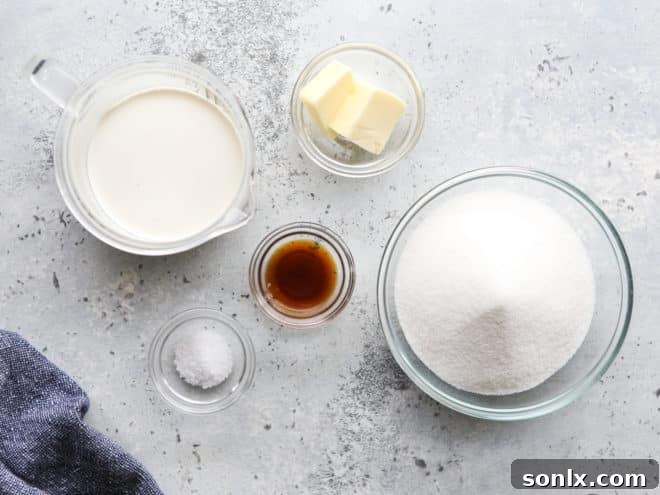
Crafting glorious homemade caramel requires just a handful of staple ingredients. Here’s what you’ll need to gather (a full, printable recipe is available below):
- Granulated Sugar: The foundation of our caramel. Choose standard white granulated sugar for best results.
- Heavy Whipping Cream: Essential for achieving that silky, rich texture and stopping the caramelization process. Full-fat cream is a must here.
- Unsalted Butter: Adds an incredible depth of flavor and a luxurious sheen to the finished sauce.
- Vanilla Extract: A classic flavor enhancer that complements the caramel beautifully. Use a good quality pure vanilla extract.
- Salt: A pinch of salt is crucial for balancing the sweetness and intensifying the caramel’s complex flavors. It transforms the caramel from merely sweet to truly captivating.
Having all your ingredients measured and ready before you begin is key to success, as the caramel-making process moves quickly once the sugar starts to melt.
How to Make Homemade Caramel Sauce
The heart of any great caramel lies in the initial step: caramelizing the sugar. This is where the magic happens, transforming simple sugar crystals into a deep, amber-colored liquid with a rich, bittersweet flavor profile. The goal is to melt the sugar evenly, allowing it to brown without burning, developing those coveted complex notes.
There are two primary methods for caramelizing sugar: the dry method and the wet method. While many recipes opt for one exclusively, I’ll walk you through both. This empowers you to choose the technique you feel most comfortable with, ensuring your journey to perfect homemade caramel is a confident one.
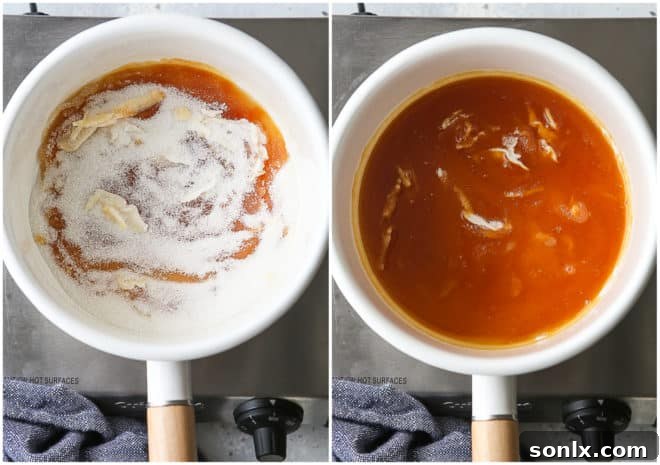
Caramelizing Sugar with the Dry Method
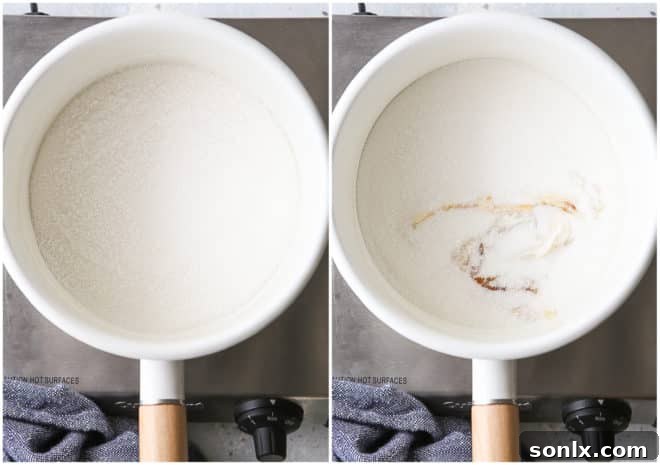
The dry method involves heating sugar directly in a pan without any added water. It’s faster and can produce a thicker sauce. Here’s how:
- Prepare the Pan: Spread your granulated sugar evenly across the bottom of a heavy-bottomed saucepan. Place it over medium heat.
- Observe Melting: After a minute or two, you’ll notice the sugar crystals at the edges of the pan beginning to melt and darken. This process will slowly move inwards.
- Swirl, Don’t Stir: Resist the urge to stir with a utensil! Instead, gently swirl and shake the pan occasionally. This motion helps distribute the melting sugar and ensures even browning. Stirring can lead to crystallization.
- Monitor for Color: Keep a close eye on the sugar. It will progress from clear to light amber, then to a rich, deep amber color. The caramel is done when all sugar lumps have dissolved and it has reached this deep hue, signaling a complex bittersweet flavor. Be cautious not to let it burn, as it can happen quickly once it reaches the ideal color.
Advantages of the Dry Method: This technique is generally quicker, often results in a slightly thicker caramel sauce, and many find the hands-on swirling more engaging.
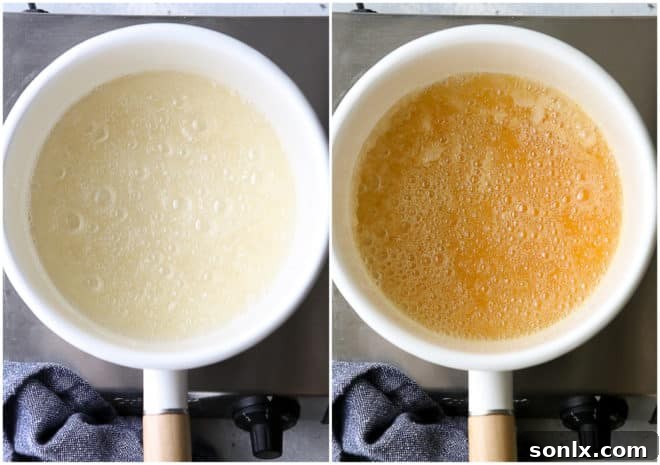
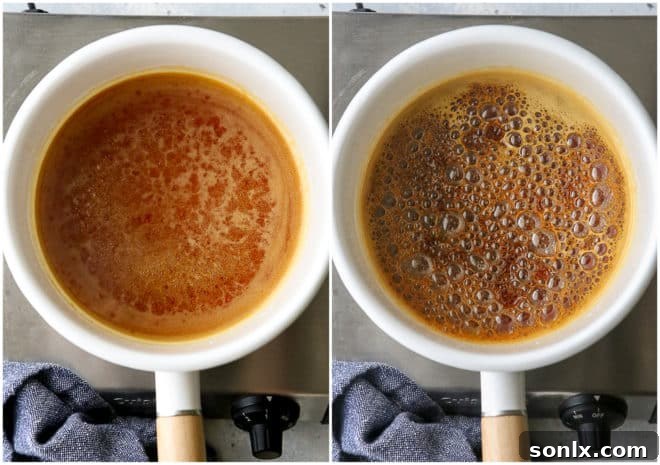
Caramelizing Sugar with the Wet Method
The wet method involves adding a small amount of water to the sugar, which helps dissolve the sugar crystals before caramelization begins. This can make the process feel a bit more forgiving, especially for beginners.
- Combine Sugar and Water: In a heavy-bottomed saucepan, combine the granulated sugar and water. Stir gently with a whisk over medium heat until all the sugar is dissolved. Once dissolved, stop stirring.
- Boil and Darken: Allow the mixture to come to a boil. As the water evaporates, the sugar syrup will begin to thicken and then gradually darken in color. This usually takes a few minutes.
- Cook to Amber: Continue to cook until the syrup transforms into a deep amber hue. Just like with the dry method, occasional swirling of the pan can help promote even caramelization. Be extra vigilant at this stage; sugar can burn very quickly once it reaches the desired color. (The bottom right photo above shows a caramel that was perhaps a moment too long – a clear reminder to watch closely!)
Advantages of the Wet Method: Often considered less intimidating and slightly less prone to burning, making it a great starting point for caramel novices. It also tends to yield a slightly larger quantity of caramel sauce.
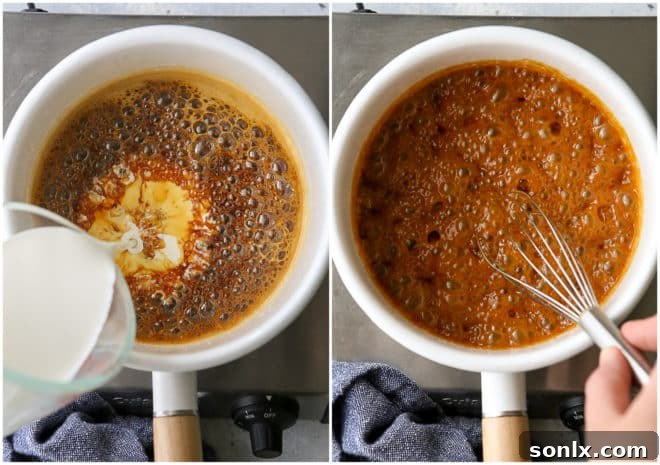
Finishing the Caramel Sauce: Cream, Butter, Vanilla, and Salt
Once you’ve expertly caramelized your sugar, the remaining steps are swift and transform the intensely bittersweet sugar into a smooth, creamy caramel sauce.
- Add Heavy Cream: As soon as your caramelized sugar reaches that perfect deep amber color, immediately reduce the heat to low. Carefully and gradually, whisk in the heavy whipping cream. Expect a vigorous bubbling and steaming reaction – this is perfectly normal! Continue whisking over low heat until the mixture is smooth and any sugar clumps have dissolved.
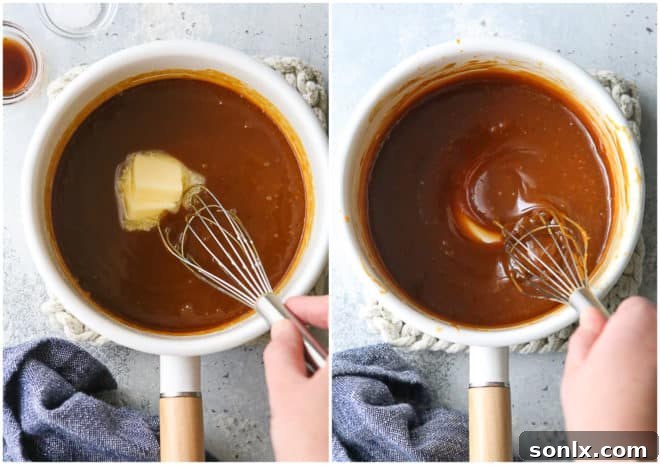
- Stir in Butter, Vanilla, and Salt: Remove the pan from the heat. Now, stir in the softened unsalted butter until fully melted and incorporated. Finally, add the vanilla extract and salt, stirring until everything is combined.
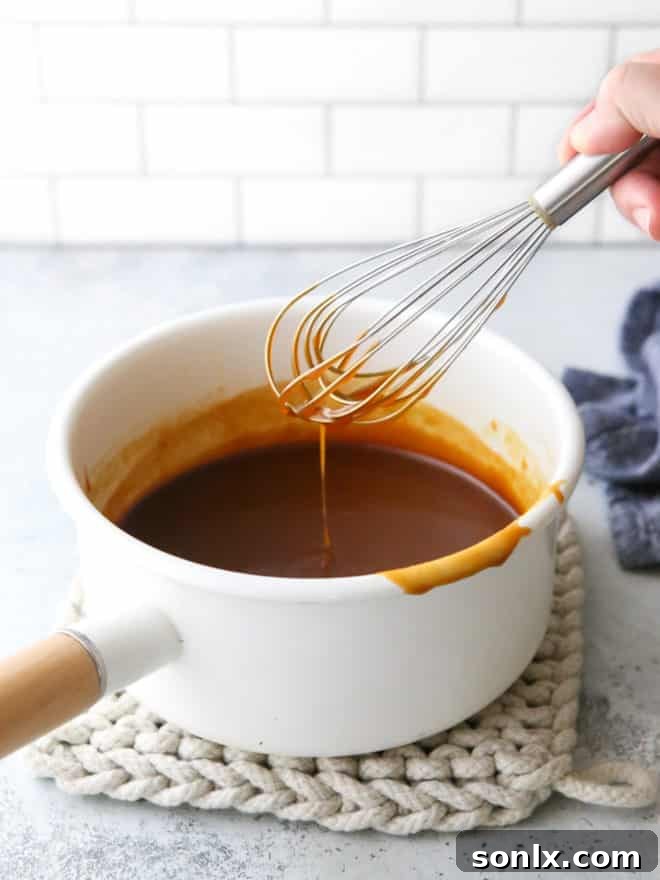
And just like that, you’ve created an exquisite, delicious homemade caramel sauce! It will be quite thin while warm, but will thicken considerably as it cools.
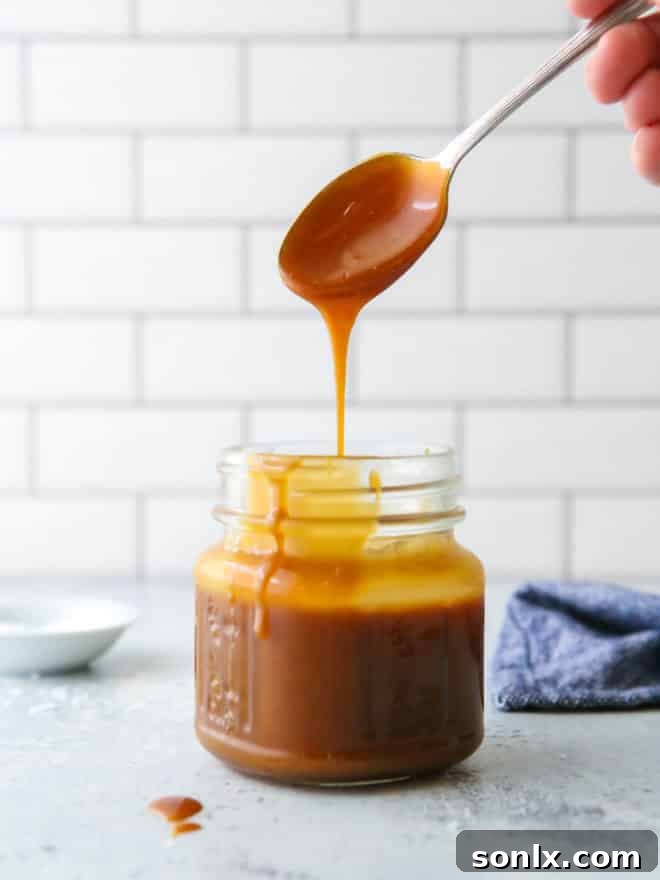
Now that you have this glorious golden sauce, what’s next? Besides, of course, indulging in a spoonful (or three!) directly from the jar – no judgment here!
Delicious Uses for Homemade Caramel Sauce
Homemade caramel sauce is incredibly versatile and can elevate a wide array of desserts and snacks. Here are some delectable ideas:
- Ice Cream Topping: Drizzle generously over your favorite ice cream, sundaes, or even milkshakes.
- Dessert Enhancer: Mix it into rice krispie treats or use it as a filling for a rich cream pie.
- Cake & Brownie Companion: Serve as a decadent topping for cheesecake, gooey brownies, or layered cakes like a zucchini caramel cake.
- Fruity Dip: An irresistible dip for apple slices, pear wedges, pretzels, or even simple crackers.
- Coffee & Drink Sweetener: Stir a spoonful into your coffee, latte, or hot chocolate for a gourmet touch.
- Gift Idea: Package it beautifully in a jar with a ribbon for a thoughtful and delicious homemade gift.
Pro Tips for Perfect Homemade Caramel
Making caramel can feel like a delicate art, but with these expert tips, you’ll achieve perfect results every time:
- Stick to the Recipe: For this specific recipe, I highly recommend using the listed ingredients. If you wish to experiment with substitutions, search for recipes explicitly designed for those ingredients, as ratios can significantly impact the outcome.
- Butter Choice Matters: I prefer unsalted butter to have precise control over the salt content. If using salted butter, start with just ¼ teaspoon of added salt and taste before adding more. You can always add, but you can’t take away!
- Resist the Stirring Urge (During Caramelization): This is perhaps the most crucial rule! Stirring sugar while it’s caramelizing, especially with the dry method, can cause it to clump and crystallize, leading to a grainy, unappetious sauce.
- Swirl, Don’t Stir: Instead of stirring, gently swirl and tilt the saucepan. This technique effectively moves the sugar around, encouraging even caramelization and preventing hot spots where sugar might burn prematurely.
- Combat Crystalization (Sugar Brush): If you notice sugar crystals forming on the sides of the pan during cooking, dip a pastry brush in a small amount of water and gently brush down the crystals from the pan’s edges. The water will help them melt back into the syrup.
- Be Prepared and Act Swiftly: Caramel hardens incredibly fast once removed from heat. This is why I advise adding the heavy cream while the pan is still over low heat. Have all your ingredients measured and within arm’s reach before you even start melting the sugar. Speed and organization are your allies.
- Warm Your Cream: For a smoother, less violent reaction when adding cream to hot sugar, consider warming your heavy cream slightly in the microwave for 30-60 seconds before incorporating it. This reduces the temperature shock and minimizes bubbling and seizing.
- Flavor Variations: Elevate your caramel even further! Consider stirring in the scraped seeds of a vanilla bean pod or a splash (about 1 tablespoon) of quality whiskey or bourbon along with the vanilla extract and salt. These additions introduce wonderful complexity.
- Storage and Reheating: Homemade caramel sauce should be stored in an airtight container in the refrigerator. It will keep well for several weeks. To serve, simply reheat gently in the microwave or a small saucepan over low heat until it reaches your desired consistency.
- Use a Heavy-Bottomed Pan: A good quality, heavy-bottomed saucepan distributes heat more evenly, which is crucial for preventing hot spots and ensuring consistent caramelization, reducing the risk of burning.
- Trust Your Nose: As the sugar caramelizes, you’ll notice a distinct, sweet, nutty aroma. If you start to smell anything acrid or sharply burnt, it’s likely too far gone.
Troubleshooting Common Caramel Issues
Even with the best intentions, things can sometimes go awry. Here’s how to address a few common caramel challenges:
- Grainy Caramel (Crystallization): This is usually caused by sugar crystals not fully dissolving or by stirring during the caramelization process. If it happens, you might be able to salvage it by adding a few tablespoons of warm water and gently simmering, without stirring, until the crystals dissolve. However, severe crystallization often means starting over. Ensure your pan is clean, and avoid stirring the sugar directly.
- Burnt Caramel: If your sugar turns very dark brown or black and smells acrid, it’s burnt beyond repair. Unfortunately, there’s no way to fix burnt caramel; it will taste bitter. Discard it and start fresh, being more vigilant about the color and heat.
- Seized Caramel (Hard Lumps): This occurs when cold cream is added too quickly to hot sugar, causing the sugar to solidify. This is normal to some extent. The key is to keep whisking over low heat. The residual heat from the cream and the pan will eventually melt the lumps back into a smooth sauce. Be patient and persistent.
- Too Thin/Too Thick: Caramel thickens significantly as it cools. If it’s too thick, you can thin it by gently reheating it with a tablespoon or two of heavy cream or water until it reaches the desired consistency. If it’s too thin after cooling, it might be due to not caramelizing the sugar long enough or adding too much liquid. For future batches, let the sugar reach a slightly darker amber color before adding the cream.
More Caramel Dessert Inspirations
Once you’ve mastered this fundamental caramel sauce, a world of caramel-infused desserts awaits!
- Soft Caramel Popcorn: A chewy, sweet, and salty treat perfect for movie nights.
- Caramel Apple Upside-Down Cake: A stunning dessert where apples are caramelized at the bottom of the pan before being topped with cake batter.
- Caramel Stuffed Chocolate Chip Cookies: Imagine biting into a warm chocolate chip cookie to find a gooey caramel center.
- How to Make Homemade Caramel Apples: A classic fall treat, elevated with your homemade sauce.
- Chocolate Covered Caramels: Indulgent squares of soft caramel enrobed in rich chocolate.
This recipe was originally published in October 2014 and has been updated for clarity and expanded tips.
Homemade Caramel Sauce Recipe
Homemade Caramel Sauce
Cook Time: 10 mins
Total Time: 10 mins
Rich and luscious caramel sauce can be yours in just a few minutes with only 5 ingredients!
Pin Recipe
Leave a Review
Ingredients
Making Caramel – Dry Method (Choose One Method)
- 1 cup granulated sugar (200 grams)
Making Caramel – Wet Method (Choose One Method)
- 1 cup granulated sugar (200 grams)
- ¼ cup water (60 ml)
For the Caramel Sauce:
- Caramelized sugar from above
- ¾ cup heavy whipping cream (178 ml)
- 2 tablespoons unsalted butter (28 grams)
- ½-1 teaspoon salt, to taste
- 1 teaspoon vanilla extract
Instructions
Making Caramel – Method 1 (Wet Method):
- Combine sugar and water in a medium saucepan over medium heat. Allow sugar to melt and bring to a boil. Let the mixture caramelize and wait for it to turn dark amber in color. Do not stir, swirl pan as needed to promote even caramelization.
Making Caramel – Method 2 (Dry Method):
- Sprinkle sugar evenly on the bottom of a medium saucepan set over medium heat. Allow sugar to melt and caramelize, swirling as necessary to promote even caramelization. Do not stir.
To make the Caramel Sauce:
- As soon as the caramel is dark amber in color, reduce heat to low, and gradually add the heavy cream while whisking constantly. Caramel will bubble vigorously.
- Stir caramel sauce over low or medium heat until any clumps have dissolved and mixture is smooth.
- Remove from heat and stir in butter, then vanilla and salt.
Notes
- Yields approximately 1 ½ cups of caramel sauce.
- For enhanced flavor, consider stirring in the seeds of 1 vanilla bean pod and/or 1 tablespoon of bourbon or whisky into the sauce along with the vanilla extract.
Nutrition Information (per serving)
Calories: 188kcal, Carbohydrates: 23g, Protein: 1g, Fat: 10g, Saturated Fat: 6g, Cholesterol: 34mg, Sodium: 138mg, Potassium: 15mg, Sugar: 22g, Vitamin A: 369IU, Vitamin C: 1mg, Calcium: 13mg
Course: Dessert
Author: Annalise Sandberg
Have you tried this recipe?
I’d love to hear about it! Leave a rating and review below, or take a photo and tag it on Instagram @completelydelicious with #completelydelicious.
FAQ About Homemade Caramel Sauce
- What kind of sugar is best for caramel?
- Standard granulated white sugar is ideal. Its fine crystals melt evenly and caramelize beautifully. Avoid using powdered sugar or brown sugar for this recipe.
- Why did my caramel turn grainy or seize?
- Graininess, or crystallization, often happens if sugar crystals are present on the sides of the pan or if the sugar is stirred while melting (especially in the dry method). Seizing, where the caramel hardens into a lump when cream is added, is usually due to the temperature difference between the hot sugar and cold cream. Ensure the sugar is fully dissolved (wet method) and avoid stirring during initial caramelization. Warming the cream slightly before adding can help prevent extreme seizing.
- How do I know when the caramel is done?
- Look for a deep, rich amber color, similar to an old penny or dark honey. It should be uniform in color and all sugar lumps should be dissolved. Be careful not to let it turn dark brown or black, as that indicates burning and will result in a bitter taste.
- Can I make this caramel with dairy-free ingredients?
- This specific recipe relies on heavy whipping cream and butter for its classic texture and flavor. While dairy-free caramels exist, they require different ratios and ingredients (e.g., coconut cream, vegan butter). I recommend finding a dedicated dairy-free caramel recipe if you need substitutions.
- How long does homemade caramel sauce last?
- Stored in an airtight container in the refrigerator, homemade caramel sauce can last for 2-3 weeks. It will thicken considerably when chilled, but can be easily reheated.
- Can I freeze caramel sauce?
- Yes, caramel sauce freezes very well. Store it in an airtight, freezer-safe container for up to 3 months. Thaw it in the refrigerator overnight and then gently reheat before serving.