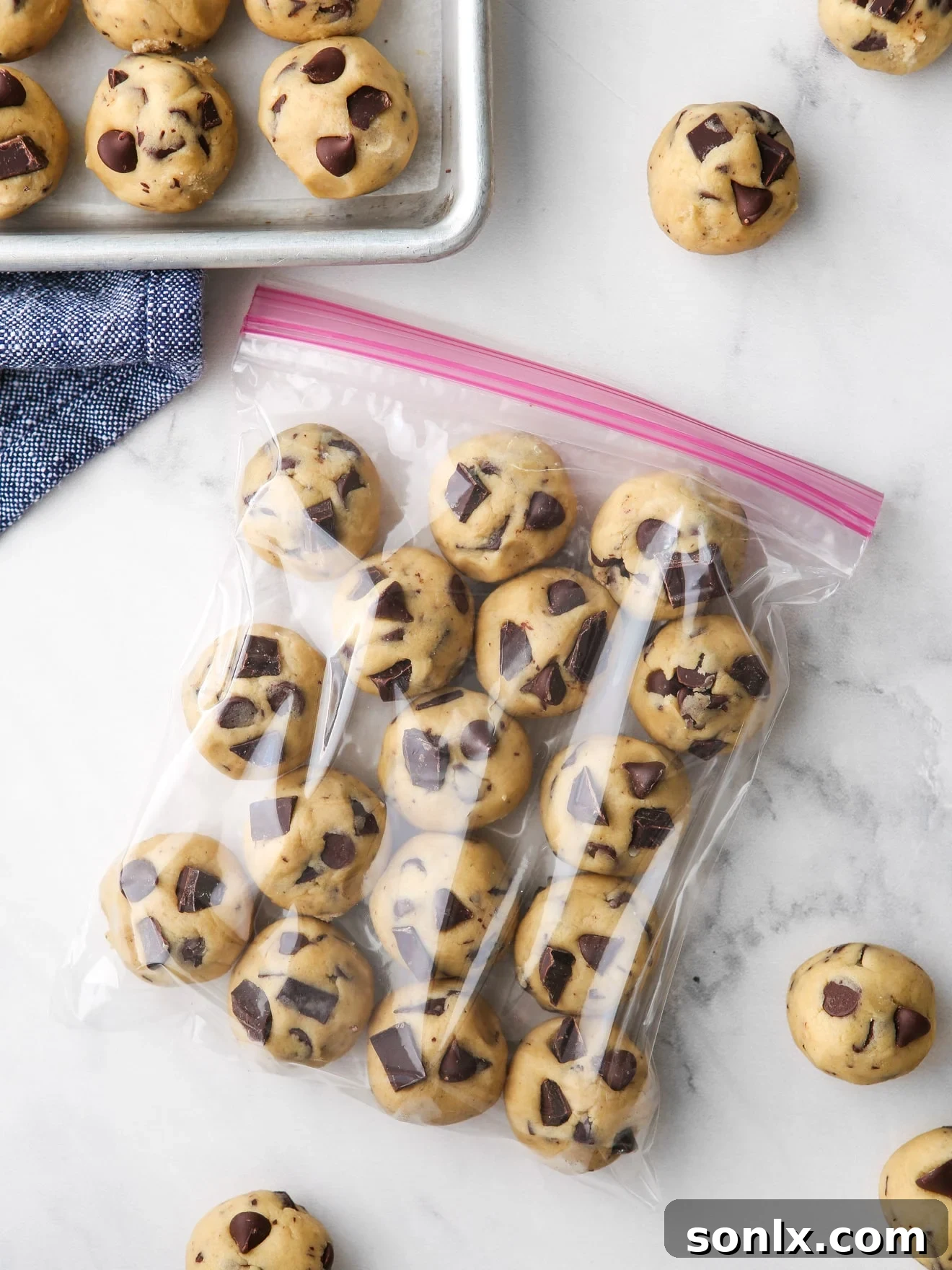
Are you ready to unlock the ultimate baking secret that guarantees warm, fresh cookies anytime you desire? Learning how to freeze cookie dough is a game-changer for any home baker, transforming your kitchen into an instant bakery on demand. This simple yet incredibly effective technique means you’re just minutes away from that comforting aroma and delightful taste of homemade cookies, whether it’s for a spontaneous treat or a planned gathering. Say goodbye to stale leftovers and hello to perpetual freshness!
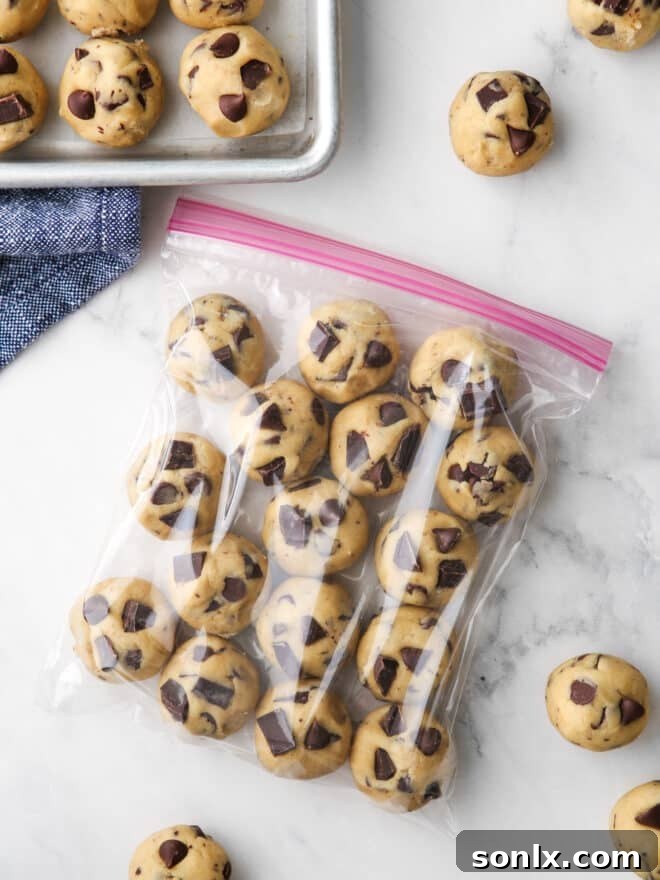
Imagine this scenario: an unexpected craving strikes late at night, friends drop by unannounced, or you need a quick dessert for a school event, and you have absolutely no time to whip up a batch from scratch. This is where your stash of frozen cookie dough becomes your culinary superhero! It’s not just about convenience; it’s about making smart choices in the kitchen that save time, reduce waste, and always deliver on flavor. By portioning and freezing your cookie dough, you gain unparalleled flexibility, allowing you to bake just one cookie or an entire tray, whenever the moment calls for it.
Beyond the sheer convenience, freezing cookie dough also brilliantly tackles the common dilemma of “what do I do with an entire batch of baked cookies?” Often, when we bake at home, a full recipe yields more cookies than we can enjoy before they lose their freshness. My personal strategy involves baking just one sheet pan to satisfy immediate cravings, while the remaining dough gets carefully packaged and tucked away in the freezer. This ensures that every cookie enjoyed is baked fresh, perfectly warm, and wonderfully chewy, just as it should be.
Table of Contents: Your Guide to Freezing Cookie Dough
- Why Freeze Cookie Dough? Unlocking the Benefits
- The Best Way to Freeze Cookie Dough: A Step-by-Step Guide
- Bake Cookies Whenever You Want: From Freezer to Oven
- How to Freeze Baked Cookies for Extended Freshness
- Which Cookie Doughs Freeze Best? My Go-To Freezer Favorites
- Expert Tips and FAQs for Freezing Cookie Dough
Why Freeze Cookie Dough? Unlocking the Benefits
The decision to freeze cookie dough isn’t just a clever trick; it’s a culinary philosophy that enhances your baking experience in numerous ways. Let’s delve into the compelling reasons why this method should become a staple in your kitchen:
- Unmatched Convenience & Time-Saving: This is perhaps the most significant advantage. Imagine having pre-portioned dough balls ready to bake at a moment’s notice. You eliminate the measuring, mixing, and cleanup on busy days, drastically cutting down preparation time. This means fresh, warm cookies can be on your table in under 20 minutes, even if you’re pressed for time.
- Superior Freshness, Always: There’s nothing quite like a cookie straight from the oven. By freezing dough, you ensure that every single cookie you bake is as fresh and flavorful as possible, complete with soft centers and slightly crisp edges. No more stale cookies sitting on the counter for days!
- Perfect Portion Control: A full batch of cookies can be a lot for a small household or if you’re trying to manage your sweet intake. Freezing dough allows you to bake just one, two, or a handful of cookies at a time, preventing overindulgence and ensuring you always have a fresh treat without a mountain of leftovers.
- Reduced Food Waste: How many times have you thrown away stale cookies that just sat around too long? Freezing the dough prevents this. You only bake what you need, when you need it, ensuring that every delicious morsel is enjoyed at its peak.
- Always Prepared for Anything: Unexpected guests? Last-minute potluck invitation? A sudden craving for something sweet during movie night? With frozen cookie dough, you’re always prepared. It’s the ultimate secret weapon for impromptu entertaining or self-indulgence.
- Kid-Friendly Fun: This hack makes baking with kids a breeze. Instead of a long, involved process from start to finish, you can simply pull out some dough, let them place it on a sheet, and enjoy the magic of baking without the extensive prep work.
Embracing the art of freezing cookie dough is truly about elevating your home baking to a new level of ease, efficiency, and deliciousness. It’s a simple change that yields significant rewards, making homemade treats a more frequent and enjoyable part of your life.
The Best Way to Freeze Cookie Dough: A Step-by-Step Guide
Achieving perfectly frozen cookie dough that bakes up beautifully every time requires a few simple, yet crucial, steps. Follow this guide to ensure your cookie dough is stored optimally, ready for its moment in the oven.
- Prepare Your Favorite Cookie Dough: Begin by following your chosen cookie recipe precisely. Whether it’s classic chocolate chip, a rich shortbread, or a chewy oatmeal cookie, ensure your dough is mixed to perfection. The quality of your dough at this stage directly impacts the final baked cookie. Make sure to chill your dough in the refrigerator for at least 30 minutes if your recipe calls for it, as this can make portioning much easier and prevents excessive spreading during baking.
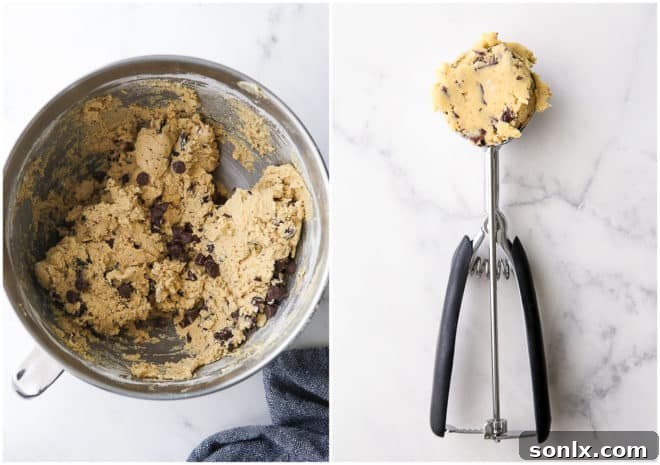
- Portion the Dough into Individual Balls: This step is vital for easy, single-cookie retrieval later. Use a cookie scoop (ranging from 1.5 to 3 tablespoons, depending on your desired cookie size) for consistent portions. If you don’t have a scoop, a regular spoon works perfectly; just aim for uniform sizes. After scooping, you can gently roll each portion into a smooth ball with your hands if you prefer a neater shape, or leave them as scooped for a more rustic look. Consistency in size ensures even baking.
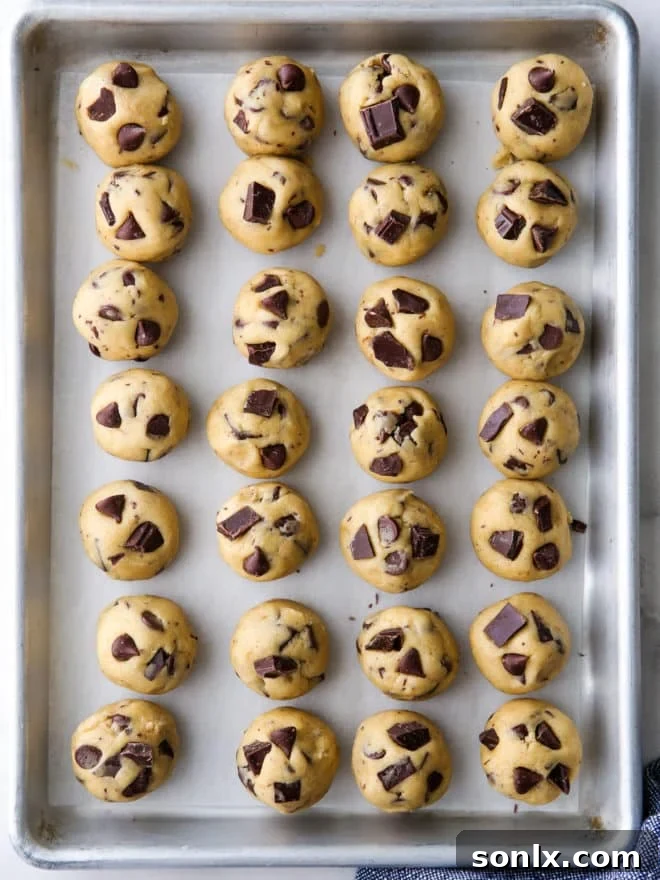
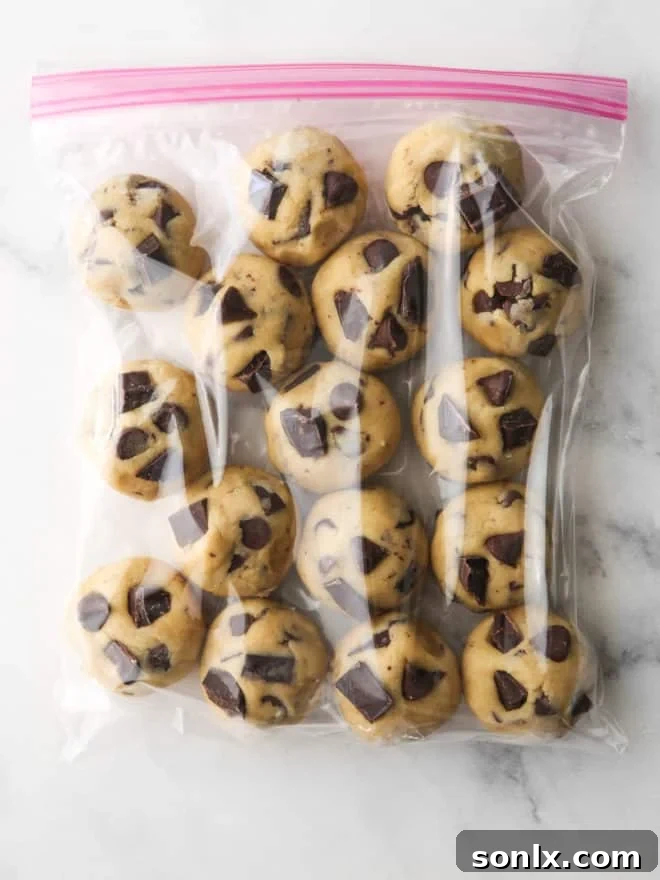
- The Essential “Flash Freeze” Step:1. This quick-freeze technique is paramount. Arrange your portioned cookie dough balls on a baking sheet lined with parchment paper, wax paper, or a silicone baking mat. Crucially, ensure the dough balls are not touching each other. Place the entire baking sheet into the freezer for approximately 30 to 60 minutes. The goal here is to allow each individual dough ball to freeze solid independently. This prevents them from clumping together into one large, unmanageable mass, enabling you to take out just one or two cookies at a time without having to chip away at a frozen block.
- Transfer to an Airtight Freezer Bag or Container: Once the cookie dough balls are solid to the touch (after the flash freeze), transfer them from the baking sheet into a heavy-duty freezer-safe zip-top bag or an airtight container. This is where attention to detail pays off. Press out as much air as possible from the bag before sealing it. Air is the enemy of frozen goods, leading to dreaded freezer burn, which can compromise the flavor and texture of your cookies. For containers, ensure the lid is tightly sealed.
- Label and Date for Optimal Freshness: Don’t skip this critical step! Use a permanent marker to clearly write the type of cookie dough (e.g., “Chocolate Chip”), the date it was frozen, and ideally, the baking temperature and approximate time. This labeling system is invaluable, especially if you have multiple types of dough in your freezer.
- Freeze for Extended Enjoyment: Properly prepared and stored cookie dough can typically be kept in the freezer for up to 3 months. While it might technically be safe to consume beyond this period, I’ve found that cookies taste their absolute best when baked within about a month or two of freezing. This ensures optimal flavor, texture, and overall quality. Always check for signs of freezer burn (discoloration or dry spots) if storing for longer periods.
Bake Cookies Whenever You Want: From Freezer to Oven
The true magic of frozen cookie dough unfolds when it’s time to bake. The process is remarkably simple, allowing you to enjoy warm, homemade cookies with minimal effort. Here’s how to do it:
- Preheat Your Oven: As soon as you decide to bake, turn on your oven to the temperature specified in the original cookie recipe. Proper preheating is crucial for even baking.
- Retrieve and Arrange Dough: Grab as many frozen cookie dough balls as you desire from your freezer stash – whether it’s just a few for a personal treat or an entire batch for a crowd. Arrange them on a baking sheet lined with parchment paper, spacing them according to your recipe’s recommendations. There’s usually no need to thaw the dough completely before baking, though a short rest can be beneficial.
- To Thaw or Not to Thaw? For most drop cookie doughs, you can bake them directly from frozen. However, allowing the dough balls to sit on the baking sheet at room temperature while your oven preheats (typically 10-15 minutes) can result in slightly more even baking and a better spread. If you’re baking larger cookies, or if your recipe is particularly dense, a slightly longer thaw (30-60 minutes) might be beneficial. For cut-out cookies, you’ll definitely need to thaw the dough in the refrigerator until it’s pliable enough to roll and cut.
- Adjust Baking Time: When baking frozen cookie dough, you’ll generally need to add an extra minute or two (sometimes up to 5 minutes, depending on the size of the cookie) to the baking time specified in the original recipe. Keep a close eye on them. Look for the tell-tale signs of doneness: edges that are set and lightly golden, while the centers still look slightly soft and gooey. The exact time will vary based on your oven, the size of your cookies, and whether you thawed them partially or not.
- Cool and Enjoy: Once baked, allow the cookies to cool on the baking sheet for a few minutes before transferring them to a wire rack to cool completely. This helps them set and prevents them from breaking. Then, indulge in your perfectly fresh, homemade cookies!
This effortless method means you’re never far from the simple pleasure of a warm, chewy cookie, making frozen cookie dough a true kitchen hero.
How to Freeze Baked Cookies for Extended Freshness
While freezing cookie dough offers the ultimate fresh-baked experience, there are times when you might want to freeze cookies after they’ve been baked. This is an excellent solution for meal prepping desserts, preparing for future events, or simply ensuring you always have a sweet treat on hand. Most baked cookies, especially drop cookies and bars, freeze exceptionally well. Here’s how to do it right:
- Ensure Complete Cooling: This is the absolute most critical step. Baked cookies must be *completely* cooled to room temperature before freezing. Any residual warmth will create condensation inside your freezer packaging, leading to ice crystals, soggy textures, and freezer burn. Patience is key here; let them cool for several hours on a wire rack, or even overnight.
- Individual Flash Freeze (Optional but Recommended): For cookies that might stick together or are particularly delicate, a quick flash freeze can be beneficial. Place fully cooled cookies in a single layer on a parchment-lined baking sheet and freeze for 30 minutes to an hour, until firm. This prevents them from sticking together when packaged in bulk.
- Proper Packaging is Key: Once cooled and potentially flash-frozen, transfer your baked cookies to an airtight, freezer-safe container or heavy-duty freezer bag.
- For Bags: Arrange cookies in a single layer or stack them with small pieces of parchment paper between each cookie to prevent sticking. Press out as much air as possible before sealing.
- For Containers: Choose a rigid container that fits your cookies snugly to minimize air space and prevent crushing. You can layer cookies, again using parchment paper between layers, especially for soft or frosted varieties.
The goal is to protect the cookies from air exposure and potential freezer burn.
- Protect from Crushing: If you’re using freezer bags, consider placing the bag inside a rigid container (like a plastic storage container or even an empty sturdy cookie tin) once it’s in the freezer. This will prevent your delicate cookies from getting squashed by other items in the freezer.
- Label and Date: As with cookie dough, label your container or bag with the type of cookie and the date it was frozen.
- Storage Duration: Baked cookies can be stored in the freezer for up to 3 months without significant loss of quality. Beyond that, they might still be safe to eat but could start to lose some flavor and texture.
- Thawing and Enjoying:
- Room Temperature: The simplest method is to remove the desired number of cookies from the freezer and let them thaw at room temperature for about an hour, or until soft.
- Microwave (Caution!): For a quick warm-up, you can microwave a single cookie for 10-20 seconds, but be careful not to overheat, as this can make them tough.
- Direct from Freezer: Many hearty cookies, especially those with chocolate chips or nuts, are surprisingly delicious enjoyed straight from the freezer, offering a unique chewy texture.
Freezing baked cookies is a fantastic way to ensure you’re always just a few moments away from a delightful, homemade treat, without any last-minute baking.
Which Cookie Doughs Freeze Best? My Go-To Freezer Favorites
While many cookie doughs are excellent candidates for freezing, some truly shine in their ability to maintain flavor and texture after being stored in the cold. Over the years, I’ve developed a list of reliable recipes that consistently deliver outstanding results from the freezer. These are the cookie doughs you’ll most often find stashed away in my freezer, ready for on-demand baking:
- Classic Chocolate Chip Cookies: Unquestionably the king of freezer-friendly doughs. The robust flavor and forgiving texture of chocolate chip cookie dough make it ideal for freezing and baking later. They bake up perfectly chewy with crisp edges every single time.
- Buttery Shortbread Cookies: The high butter content in shortbread dough helps it freeze beautifully. It’s often best frozen in logs or as cut-out shapes, allowing you to slice and bake or simply bake from frozen for an elegant, tender cookie.
- Soft and Chewy Chocolate Cookies: These decadent, rich chocolate cookies retain their delightful texture even after freezing. The deep chocolate flavor seems to intensify, making them an irresistible treat when baked fresh from the freezer.
- Chewy Gingersnaps: The spicy, sweet notes of gingersnap dough hold up wonderfully in the freezer. Baking them from frozen still yields that perfect balance of a crisp exterior and a satisfyingly chewy interior, bursting with warm spices.
- Brown Butter Snickerdoodles: The nutty depth of brown butter combined with the classic cinnamon-sugar coating makes these snickerdoodles a fantastic freezer choice. The dough bakes up with an incredible flavor profile and tender crumb, making them a personal favorite for spontaneous baking.
Generally, most drop cookies (like chocolate chip, oatmeal, peanut butter) and sturdy slice-and-bake doughs (like shortbread or sugar cookies) are excellent candidates for freezing. Doughs that are very delicate, contain a high amount of liquid, or rely heavily on whipped egg whites (like meringues) might not fare as well. When in doubt, it’s always worth a small test batch!
Expert Tips and FAQs for Freezing Cookie Dough
To truly master the art of freezing cookie dough and ensure consistent success, consider these additional tips and answers to common questions:
- Double Check Your Recipe: While most cookie doughs freeze well, some delicate recipes might not be ideal. Pay attention to recipes specifically labeled “freezer-friendly” or “make-ahead.”
- Prevent Freezer Burn at All Costs: This is the number one enemy of frozen food quality. Always use heavy-duty freezer bags or airtight containers. For extra protection, you can double-bag your cookie dough or wrap individual dough balls in plastic wrap before placing them in the larger freezer bag.
- Don’t Overload Your Freezer: Ensure there’s enough air circulation around your cookie dough when it’s initially freezing. Overloading can slow down the freezing process, potentially leading to larger ice crystals and a compromised texture.
- Consider Dough Logs for Slice-and-Bake: For certain types of cookies, especially shortbread or plain sugar cookies, forming the dough into logs, wrapping them tightly in plastic wrap (then foil or a freezer bag), and freezing them is a fantastic option. You can then simply slice off rounds as needed and bake.
- What if my dough spreads too much? This can happen if the dough wasn’t chilled enough initially or if your oven temperature is slightly off. If baking from frozen, ensure you don’t over-thaw. If it’s a consistent problem, try slightly increasing your flour by a tablespoon or two next time, or ensuring your butter isn’t too soft when mixing the dough.
- Can I freeze dough that has already been thawed? It’s generally not recommended to refreeze raw cookie dough that has fully thawed. This can compromise the texture and introduce food safety risks. Only refreeze if it has remained partially frozen or if it has been baked into cookies first.
- How do I bake larger cookies from frozen? For jumbo cookies, you might need to add 3-7 minutes to the baking time and potentially lower the oven temperature by 10-15 degrees F (around 5-8 degrees C) to ensure the center cooks through without over-browning the edges.
- Beyond Cookies: Freezing Other Doughs: The principles of freezing dough apply to many other baked goods too! Think pie crusts, scone dough, biscuit dough, and even pizza dough. This extends your make-ahead capabilities far beyond just cookies.
By keeping these tips in mind, you’ll be well on your way to becoming a freezer-dough master, enjoying the unparalleled convenience and deliciousness of fresh, homemade cookies whenever the mood strikes.
Embracing the simple yet powerful technique of freezing cookie dough is truly a revelation for any home baker. It’s more than just a kitchen hack; it’s a lifestyle upgrade that brings consistent freshness, unparalleled convenience, and spontaneous joy right to your fingertips. No longer will you dread the clean-up of a full baking session for just a few cookies, nor will you be caught unprepared when a sweet craving strikes. From impromptu gatherings to quiet moments of self-indulgence, your freezer will become a treasure trove of future deliciousness.
By following these straightforward steps, you’ve equipped yourself with the knowledge to always have perfectly portioned, ready-to-bake cookie dough on hand. Dive into your favorite cookie recipes, portion them out, and let your freezer do the heavy lifting. The aroma of freshly baked cookies is now just a preheat away, anytime, all the time. Happy baking!
This comprehensive guide was originally published in March 2014 and has been updated and expanded to provide the most current and detailed information on freezing cookie dough.