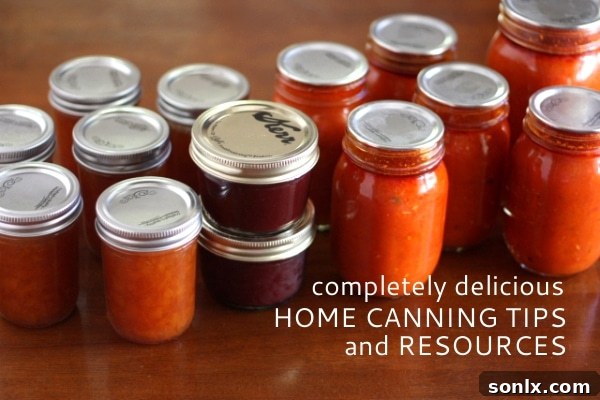
Mastering the Art of Home Canning: Your Essential Guide to Preserving Freshness
There’s a unique joy that comes with the abundance of fresh, seasonal fruits and vegetables. Peaches, plums, apples, berries, corn – the vibrant colors and rich flavors are simply irresistible. But what if you could capture that peak freshness and enjoy it all year round? That’s the magic of home canning. Once a daunting prospect, canning has become a beloved hobby for many, allowing us to savor the taste of summer even in the depths of winter. It might seem a little intimidating at first, but with the right knowledge and a clear guide, you’ll be successfully preserving your favorite produce at home in no time.
Embarking on your home canning journey opens up a world of culinary possibilities. Imagine homemade strawberry jam on your toast in January, or perfectly preserved dill pickles complementing your barbecue in October. Beyond the sheer delight of flavor, canning offers numerous benefits, from greater control over your food’s ingredients to saving money and reducing food waste. Let’s demystify the process and help you unlock the rewarding world of food preservation.
Why Embrace Home Canning? The Benefits Beyond the Jar
Home canning is more than just a method of food preservation; it’s a lifestyle choice that offers a bounty of advantages for both your pantry and your well-being.
Purity and Control Over Your Ingredients
In an age where processed foods often contain a multitude of artificial ingredients and preservatives, home canning allows you to take full control. You decide exactly what goes into your jars: fresh, high-quality produce, minimal sugar if you choose, and no artificial colors or flavors. This ensures that what you’re feeding yourself and your family is wholesome and natural, aligning with healthier eating habits.
Flavor and Freshness Year-Round
The taste of freshly picked, in-season produce is unparalleled. By canning, you capture that peak flavor and aroma, sealing it away for future enjoyment. This means you can indulge in sweet berry jams in the winter or tart tomato sauces long after the harvest season has ended, bringing a touch of summer to every meal, regardless of the calendar.
Cost-Effectiveness and Sustainability
Buying produce when it’s in season and abundant often means lower prices, especially if you visit local farmer’s markets or U-pick farms. Canning allows you to capitalize on these savings by preserving large quantities at their cheapest. Furthermore, by preserving your own food, you contribute to a more sustainable kitchen by reducing food waste. No more letting extra vegetables go bad in the fridge; instead, they become delicious, shelf-stable provisions.
The Rewarding Experience of DIY
There’s immense satisfaction in opening a jar of food you’ve preserved yourself. It’s a tangible connection to your food source, a creative outlet, and a skill that empowers you. Sharing homemade preserves with friends and family also brings a unique sense of accomplishment and generosity, making your culinary efforts even more fulfilling.
Essential Tools for Your Canning Journey
Before you dive into the delicious world of homemade preserves, gathering the right equipment is key. Having the proper tools ensures both safety and success in your canning endeavors. While a comprehensive list could be extensive, here are the fundamental items you’ll need to get started with water bath canning:
- Canning Jars: These are specially designed glass jars that can withstand the high temperatures of the canning process and are crucial for creating a proper seal. They come in various sizes (half-pint, pint, quart) depending on your recipe and storage needs. Always use jars specifically labeled for canning; regular glass jars might break under pressure.
- Lids and Rings: Canning lids consist of two parts: a flat metal lid with a sealing compound and a metal screw band (ring). The flat lid creates the vacuum seal and is single-use, meaning a fresh lid should be used for each canning session. The screw bands are reusable and simply hold the lid in place during processing.
- Jar Lifter: An absolute necessity for safety! This specialized tong allows you to grip hot jars securely from the canner without burning your hands or tilting the jars, which could compromise the seal.
- Jar Funnel: A wide-mouth funnel designed for canning jars helps you neatly fill jars with your prepared food, preventing spills on the jar rims. Keeping rims clean is crucial for achieving a proper seal.
- Boiling Water Canner or Large Pot: For water bath canning, you’ll need a large pot deep enough to fully submerge your jars by at least an inch of water, with enough room for water to boil vigorously. Most dedicated water bath canners come with a rack to keep jars off the bottom and prevent rattling, which helps reduce breakage. If using a regular stockpot, ensure it’s large enough and place a kitchen towel or canning rack at the bottom. (Note: Water bath canning is suitable only for high-acid foods like fruits, jams, jellies, pickles, and some tomatoes. Low-acid foods require a pressure canner for safe preservation.)
A reliable book on canning can also be an invaluable resource. I frequently refer to my copy of Joy of Cooking: All About Canning & Preserving whenever I have questions or need new ideas. You can explore more recommended books and tools in my Amazon store.
Finally, you’ll definitely need some trusted recipes! You can find a few delicious jam recipes in my recipe index. For endless inspiration and expert tips, I also maintain a Pinterest board dedicated to food preservation, filled with links to diverse recipes and helpful advice.
Understanding the Water Bath Canning Process: A Step-by-Step Guide
The canning instructions in recipes can sometimes feel overwhelming. Let’s break down the water bath canning process into simple, manageable steps, demystifying this traditional method of food preservation.
Step 1: Preparing Your Jars and Lids for Canning
Before you even begin preparing your food, it’s crucial to ensure your canning jars and lids are clean and properly sterilized. This step is vital for preventing spoilage and ensuring the safety of your preserved goods.
Wash and Sterilize Jars: Start by thoroughly washing your canning jars, screw bands, and new flat lids in hot, soapy water. Rinse them well. For sterilization, you can boil the jars in a large pot of water for at least 10 minutes. Alternatively, some dishwashers have a “sanitize” cycle that can be used. Keep the jars hot (either in the hot water or in a low oven) until you are ready to fill them. This prevents thermal shock, which could cause the glass to crack when hot food is added.
Prepare Lids: While older canning guides recommended boiling lids, modern lids often only require heating in hot (not boiling) water to soften the sealing compound. Follow the manufacturer’s instructions for your specific brand of lids. Keep them warm until ready to use.
Step 2: Precision in Food Preparation – Follow Your Recipe Exactly
This is perhaps the most critical stage. Canning is a precise science, and improvisation can lead to unsafe products. Always make sure to read through your chosen recipe completely before you begin any food preparation. Follow the instructions meticulously.
The Science of Canning: Unlike regular cooking, where you can freely adjust ingredients, canning recipes are developed and tested to ensure the correct acidity, sugar content, and density for safe preservation. Altering these can affect the pH level, making the food susceptible to harmful bacteria, including Clostridium botulinum, which causes botulism.
Acidity is Key: For water bath canning, only high-acid foods are safe. This includes most fruits, jams, jellies, fruit butters, pickles, relishes, and some tomatoes (often with added acid). Low-acid foods (most vegetables, meats, and seafood) require the higher temperatures achieved only through pressure canning. Many recipes call for bottled lemon juice for a reason – its acidity is consistent and reliable, unlike fresh lemons which can vary. Understanding why acidity levels are important when canning foods is fundamental to safety.
Sugar’s Role: Sugar plays multiple roles in preserves: it aids in gelling, enhances flavor, and acts as a mild preservative. While many recipes include sugar, it’s possible to find guidelines for canning without sugar. Just be aware that reducing sugar can affect the texture and shelf life, so always use tested low-sugar recipes. You can learn more about sugar’s role in home preserved food for deeper insight.
Step 3: Filling Jars and Managing Headspace
Once your food is prepared according to the recipe, it’s time to fill your sterilized, hot jars.
Fill Hot Jars with Hot Food: Using your canning funnel, carefully pour the hot food into the hot jars. The jars must be hot to prevent “thermal shock,” which is the dramatic change in temperature that could cause the glass to break upon contact with the hot food. Fill the jars without overpacking, ensuring an even distribution of solids and liquids.
Observe Headspace: Headspace is the amount of empty space between the food’s surface and the rim of the jar. Recipes will specify the exact headspace (typically ¼ inch for jams/jellies, ½ inch for most other foods). This space is crucial as it allows for the expansion of food during processing and helps create a strong vacuum seal as the food cools. Too little headspace can cause food to boil out, preventing a seal, while too much can lead to discoloration and weaker seals. Find more information on headspace here.
Clean Rims and Secure Lids: After filling, use a clean, damp paper towel to wipe the rims of each jar thoroughly. Any food residue or liquid on the rim can interfere with the sealing compound and prevent a proper seal. Place a clean, warm flat lid centered on each jar, then screw on the metal bands (rings) finger-tight. Do not overtighten, as this can prevent air from escaping during processing, hindering the sealing process.
Step 4: The Water Bath Processing
This is where the magic of preservation truly happens. The heat from the boiling water destroys microorganisms and forces air out of the jar, creating a vacuum seal.
Place Jars in Canner: Carefully place the filled jars into your water bath canner using the jar lifter. Ensure the jars are on a rack and not directly on the bottom of the pot. The water in the canner should be hot, ideally similar in temperature to the jars, to prevent breakage. Add more hot water if necessary, ensuring the tops of the jars are covered by at least 1-2 inches of water.
Boil and Process: Bring the water in the canner to a full, rolling boil. Only once the water reaches a vigorous boil should you start your timer. The processing time varies significantly depending on the food’s density, how it is packed, the shape and size of the jars, and critically, the altitude of your kitchen. Recipes always indicate processing time at sea level.
Adjust for Altitude: If you live at a higher altitude, you will need to adjust your processing time to compensate for the lower boiling point of water. Failing to do so can result in under-processed and unsafe food. Find more information on canning at high altitudes here.
Maintain a constant, full rolling boil for the entire duration of the processing time specified in your recipe. Ensure the jars remain completely submerged throughout this period. If the water level drops, carefully add more boiling water.
Remove Jars: When the processing time is complete, turn off the heat and carefully remove the canner lid. Let the jars stand in the hot water for 5 minutes (this helps prevent “siphoning,” where liquid is drawn out of the jars). Then, using your jar lifter, immediately remove the jars from the water and place them on a clean towel or cooling rack, ensuring they are not touching each other.
Step 5: Cooling, Sealing, and Storing Your Preserves
The final steps involve cooling, checking for proper seals, and storing your delicious creations.
Cooling: Let the jars cool undisturbed for 12 to 24 hours. You’ll often hear a satisfying “ping!” sound as the lids seal, indicating a successful vacuum. Do not tighten the screw bands during cooling, as this can prevent a proper seal from forming.
Check Seals: After the cooling period, check the seals by pressing down on the center of each lid. A properly sealed lid will be concave (curved inward) and will not flex or pop up when pressed. If a lid does pop or move, it wasn’t sealed correctly. These jars are not shelf-stable and should be stored in the refrigerator and consumed within a week, or reprocessed within 24 hours with a fresh lid and increased processing time (though reprocessing often results in overcooked food).
Store and Label: Once sealed, remove the screw bands, wipe the jars clean, and label them with the contents and date of canning. Store your canned goods in a cool, dark, dry place like a pantry or cellar. Exposure to light can degrade the quality and color of your preserves.
Shelf Life and Spoilage: Properly canned goods should be consumed within one year for optimal quality, though they may remain safe for longer. However, it is absolutely critical to check for any signs of spoilage before consuming. If your food shows any indication of spoilage such as leaking, rising bubbles, visible mold, an unusual odor, or discoloration, discard it immediately without tasting. When in doubt, throw it out!
Additional Reliable Canning Resources
For those eager to deepen their knowledge and explore further, here are some excellent resources and guides on home food preservation:
- 40 Preserving Links: Beginner Tips, Pro Tricks from Simple Bites – A curated list of valuable insights.
- Canning 101 from Food in Jars – An extensive archive of canning basics and expert advice.
- All About Home Canning from Pick Your Own – Comprehensive guides for various produce types.
- USDA Complete Guide to Home Canning from the National Center for Home Food Preservation – The gold standard for safe canning practices, based on scientific research.
- Canning Definitions and Signs of Spoilage from Tipnut – Essential terminology and vital safety information.
- Canning Basics: Tutorials, Recipes and More from The Kitchn – A user-friendly collection of guides and recipes.
Embark on Your Canning Adventure!
Home canning is a wonderfully rewarding skill that connects you more deeply with your food and the seasons. While it demands precision and adherence to tested methods, the satisfaction of stocking your pantry with homemade, flavorful preserves is unmatched. From vibrant jams and jellies to savory pickles and sauces, the possibilities are endless once you master the basics of water bath canning. So, gather your tools, choose a trusted recipe, and start preserving the bounty of the season today. Happy canning!
Disclosure: This post contains affiliate links. I make a small percentage of purchases made after following these links. As always, all opinions are my own.