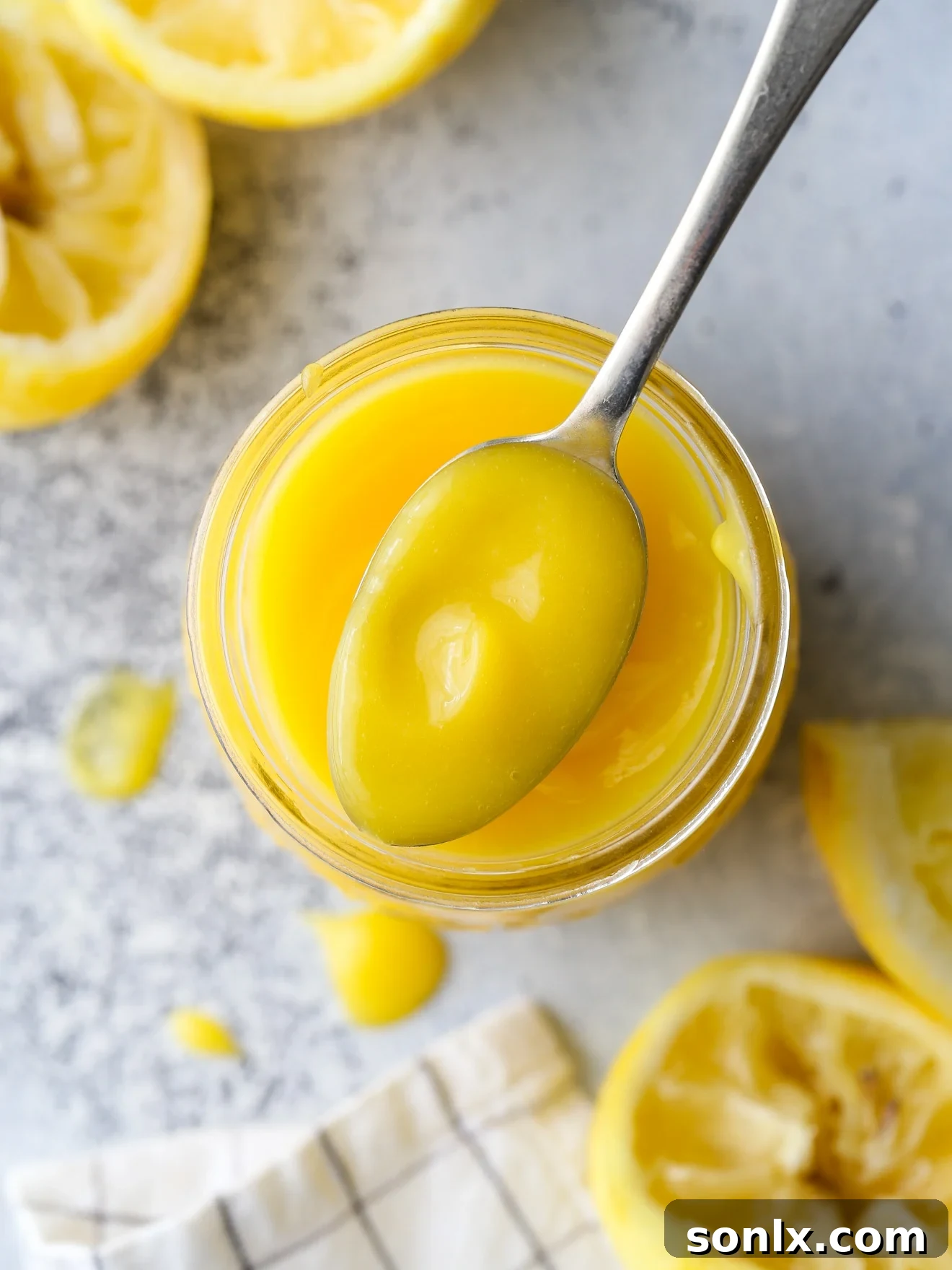
Unlock the secret to a truly exquisite dessert component with this unbelievably simple homemade lemon curd recipe. Forget the pale, often overly sweet, and additive-laden versions from the store; crafting your own vibrant, tangy, and silky-smooth lemon curd at home is not only easier than you might imagine but yields a product that is infinitely superior in flavor and texture. With just four essential ingredients and a mere 10 minutes of active preparation, you can whip up a batch of this golden deliciousness that promises to elevate any dish it graces. Prepare to be amazed by the depth of fresh lemon flavor and the luxurious creaminess that only homemade can deliver.
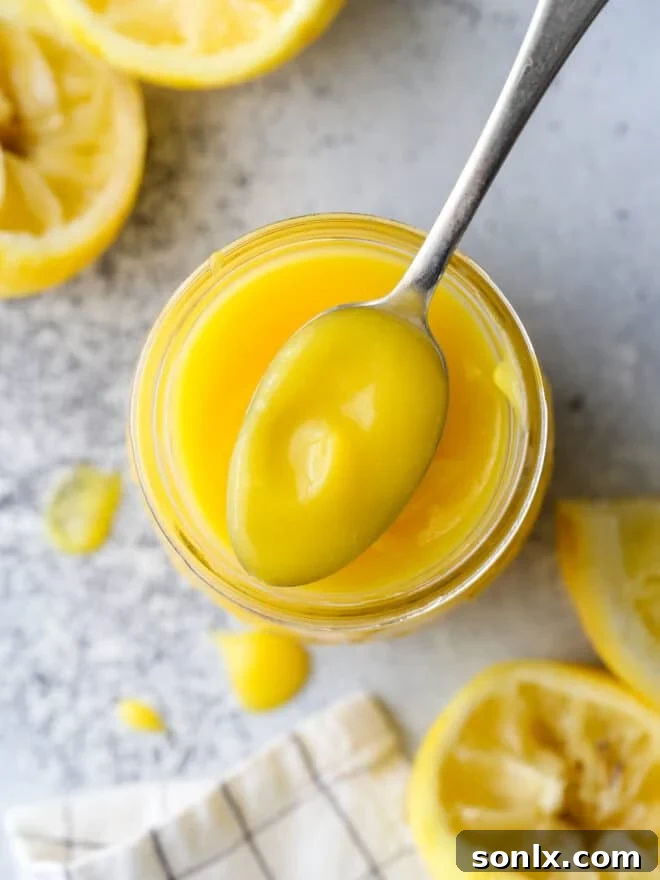
At its heart, lemon curd is a rich, bright, and intensely zesty topping or filling that perfectly balances sweet and tart notes. It’s meticulously crafted from a harmonious blend of simple yet powerful ingredients: luscious egg yolks, the aromatic zest and invigorating juice of fresh lemons, granulated sugar for sweetness, and creamy butter for unparalleled richness. The result is a vibrant, sunshine-yellow concoction with a texture akin to a velvety custard – smooth, spreadable, and utterly irresistible.
This particular recipe has been a steadfast favorite in countless kitchens since 2010, consistently delivering exceptional results that inspire adoration with every batch. It’s more than just a recipe; it’s a time-tested method that guarantees a perfectly balanced, deliciously fresh lemon flavor, complemented by an incredibly smooth and creamy consistency that glides effortlessly across the palate. Once you experience the difference of this homemade rendition, there’s simply no going back to store-bought alternatives.
The versatility of homemade lemon curd is truly remarkable. Imagine spooning its bright, tangy goodness over warm, fluffy biscuits, delicate scones, thin crepes, or stacks of golden pancakes. It transforms a simple angel food cake or a slice of pound cake into an extraordinary dessert. Whether you’re a seasoned baker looking for a reliable go-to or a curious home cook eager to try something new, making lemon curd from scratch is an essential culinary experience. If you’ve yet to savor the delightful taste of lemon curd, or have never ventured into making it yourself, now is the perfect time to discover this truly magical creation.
Essential Ingredients for Perfect Lemon Curd
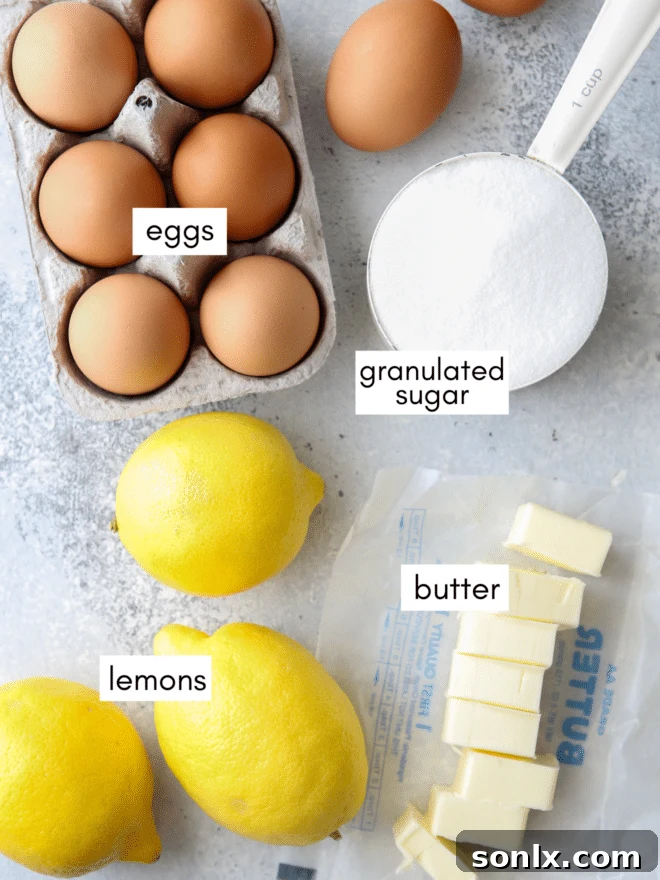
One of the most appealing aspects of this lemon curd recipe is its elegant simplicity, relying on just four core ingredients to achieve a gourmet result. To make the very best lemon curd at home, focusing on fresh, high-quality ingredients is paramount. While the full, detailed recipe is provided at the end of this article, here’s a closer look at what you’ll need and why each component is crucial:
- Fresh Lemons: The star of the show! You’ll need both the zest and the juice. Always opt for fresh, unwaxed lemons, as their vibrant acidity and fragrant oils are what give lemon curd its signature bright, tangy flavor. For the best zest, use a microplane grater to remove only the yellow part of the peel, avoiding the bitter white pith beneath. Rolling your lemons on the counter before juicing can also help extract maximum liquid.
- Granulated Sugar: This provides the necessary sweetness to balance the intense tartness of the lemon, creating a harmonious flavor profile. Sugar also contributes to the curd’s smooth texture and helps preserve it.
- Egg Yolks: These are the key to lemon curd’s rich color, silky texture, and thickening properties. The proteins and fats in egg yolks act as natural emulsifiers, creating a stable and creamy consistency that is characteristic of a perfectly made curd. Using only yolks (and no whites) ensures a luxurious, deeply colored product.
- Unsalted Butter: Butter adds incredible richness, a beautiful sheen, and helps create that desirable smooth, creamy mouthfeel. Using unsalted butter allows you to control the overall saltiness of the curd. If you only have salted butter, you may want to omit any additional salt suggested in the tips.
These humble ingredients, when combined with careful technique, transform into a truly extraordinary lemon curd that will impress even the most discerning palates.
Step-by-Step Guide: Crafting Homemade Lemon Curd
As we’ve established, lemon curd is a delightful combination of lemon juice and zest, egg yolks, sugar, and butter. It shares many characteristics with a classic custard, with its richness and reliance on gentle cooking over the stove to thicken. Don’t be intimidated by the process; it’s quite straightforward and incredibly rewarding. Let’s walk through each step to ensure your homemade lemon curd turns out perfectly smooth, creamy, and bursting with flavor!
- Prepare Your Lemons: Juice and Zest. Begin by washing your lemons thoroughly. Using a microplane zester, carefully remove the bright yellow zest from the lemons, being sure to avoid the white pith underneath, which can impart a bitter flavor. You’ll need the zest from about 3 lemons for maximum fragrance. Then, juice the zested lemons. Typically, 3-4 medium-sized lemons will yield the approximately 1 cup of juice required for this recipe. Ensure all seeds are removed from the juice.
- Separate Your Egg Yolks. This recipe specifically calls for large egg yolks, as they provide the rich color and thickening power needed for the curd. Carefully separate the yolks from the whites. There are several methods for separating eggs: you can gently crack an egg into your hand and let the white slip through your fingers, or use the shell-to-shell method. It’s often easiest to separate cold eggs, as the yolks are firmer. Don’t discard those leftover egg whites! They can be used for a myriad of other delicious recipes, which we’ll discuss later.

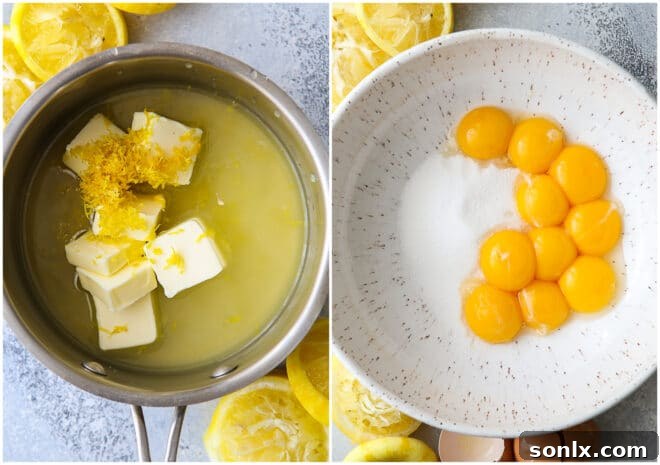
- Combine and Heat Lemon Mixture. In a small, heavy-bottomed saucepan, combine the fresh lemon juice, lemon zest, cubed butter, and half of the granulated sugar specified in the recipe. Place the saucepan over medium heat, stirring occasionally, until the butter has completely melted and the sugar crystals have fully dissolved into the liquid. It’s crucial that the sugar is fully dissolved at this stage to prevent a grainy texture in your finished curd. The mixture should be warm and fragrant, but not boiling.
- Whisk Egg Yolks and Remaining Sugar. In a separate, heat-proof bowl, combine the separated egg yolks with the remaining half of the granulated sugar. Whisk these two ingredients vigorously until the mixture becomes pale yellow and slightly thick. This process, often called “ribboning,” incorporates air and helps to create a smooth base for your curd.
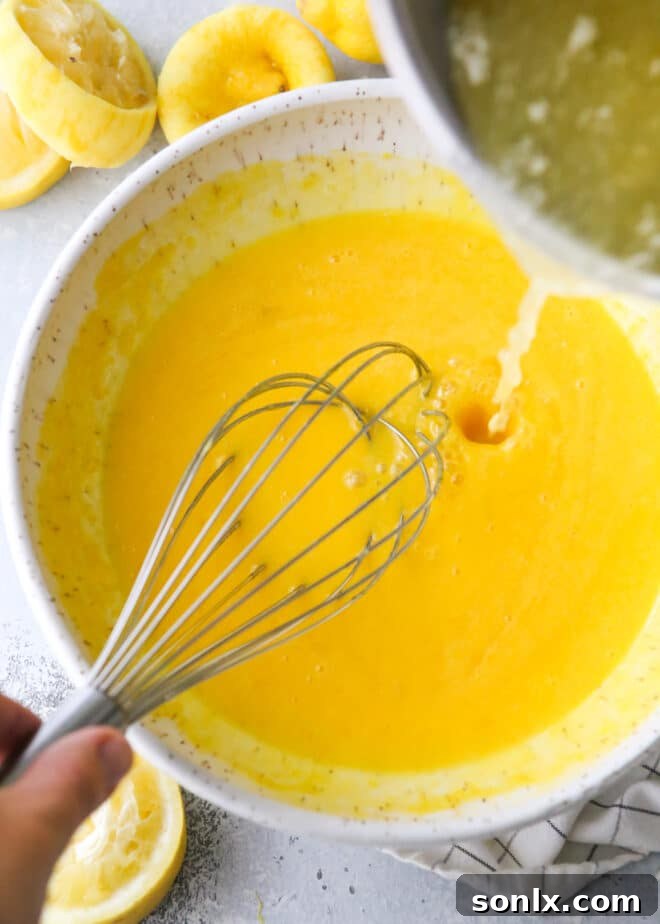
- Tempering the Egg Yolks. This is a critical step to ensure a smooth curd and prevent the egg yolks from scrambling. While continuously whisking the egg yolk and sugar mixture, slowly and gradually pour about a quarter to a third of the warm lemon mixture into the egg yolks in a slow, steady stream. Keep whisking diligently as you pour. This gradual addition of warm liquid slowly raises the temperature of the egg yolks, preventing them from cooking too quickly when they are returned to the saucepan. This technique is known as tempering.
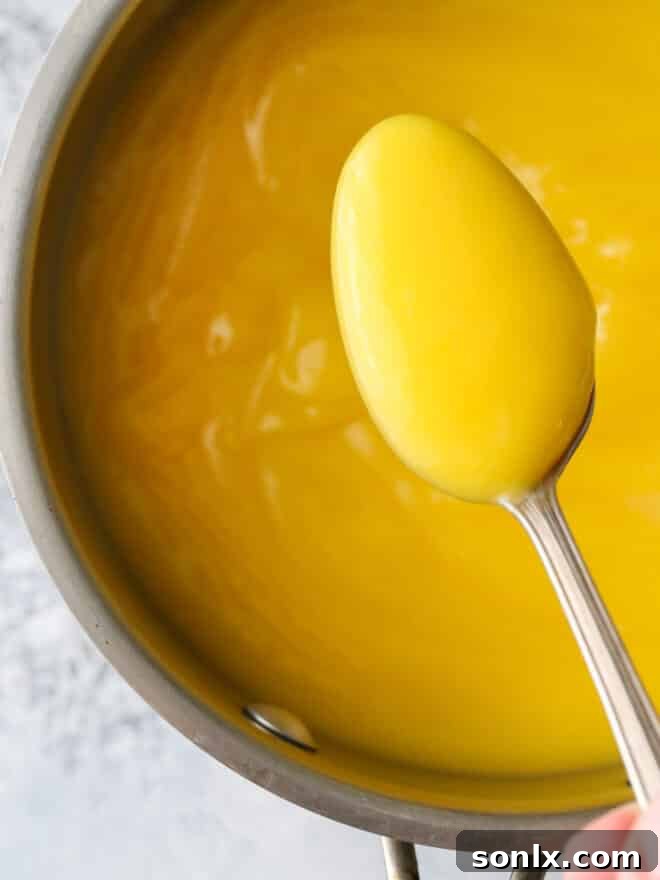
- Cook Until Thickened. Once the tempered egg yolk mixture is thoroughly combined with the rest of the warm lemon liquid, return the entire mixture to the saucepan. Continue to cook over medium heat, stirring constantly with a whisk or a rubber spatula, for several minutes. The curd will gradually thicken. You’ll know it’s ready when it coats the back of a spoon and when you run your finger across the spoon, it leaves a clear trail (this is often referred to as “nappe” consistency). The mixture should be barely simmering, with just a few gentle bubbles appearing at the edges, but it should never come to a rolling boil.
- Strain for Silky Smoothness. Immediately remove the thickened curd from the heat. To achieve that signature silky-smooth texture, pass the hot lemon curd through a fine-mesh strainer set over a clean bowl. This essential step removes any bits of lemon zest and, more importantly, catches any tiny cooked egg lumps that might have formed despite careful tempering. The result will be an incredibly smooth and luxurious curd.
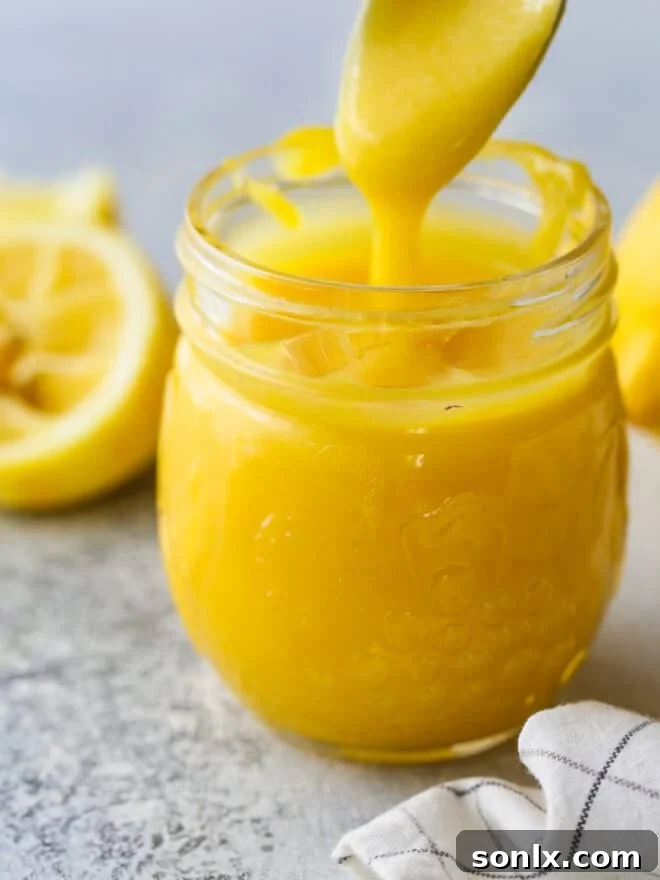
- Cool and Store. Once strained, transfer the hot lemon curd to a clean jar or an airtight container. To prevent a “skin” from forming on the surface as it cools, press a piece of plastic wrap directly onto the surface of the curd, ensuring there are no air bubbles between the wrap and the curd. Allow it to cool at room temperature for a short while, then refrigerate for at least 30 minutes, or until thoroughly chilled and set. Homemade lemon curd can be stored in the refrigerator for 1-2 weeks. For longer storage, it freezes beautifully for a month or more; simply thaw it in the refrigerator before use.
Understanding Tempering: The Key to Smooth Curd
Tempering is a fundamental culinary technique, and in the context of lemon curd, it’s absolutely crucial for achieving that desirable smooth and creamy texture. Essentially, tempering is the controlled process of slowly and gently bringing two ingredients of vastly different temperatures together, specifically to prevent a delicate ingredient from curdling or scrambling. In our lemon curd recipe, this involves gradually incorporating a hot liquid (the lemon juice, butter, and sugar mixture) into a cooler, more sensitive ingredient (the egg yolks).
If you were to simply add the raw egg yolks directly into the hot lemon mixture on the stove, the sudden increase in temperature would cause the egg proteins to seize up and coagulate instantly, resulting in an unappetizing mixture of chunky scrambled eggs within your curd. By slowly streaming a portion of the hot liquid into the whisked egg yolks while continuously stirring, you are progressively raising the temperature of the yolks. This gradual warming allows the egg proteins to adjust to the heat without denaturing too rapidly. The constant whisking further helps to distribute the heat evenly and prevent localized cooking. Once the egg yolks have been sufficiently warmed through this process, they are much less likely to scramble when returned to the saucepan with the rest of the hot liquid, ensuring your lemon curd remains beautifully smooth and emulsified.
Expert Tips for a Flawless Lemon Curd Every Time
Achieving perfect lemon curd is within your reach, and these additional tips will help ensure your batch is nothing short of spectacular:
- Butter Choice and Salt Balance: You can certainly use either salted or unsalted butter in this recipe. However, if you opt for unsalted butter, consider adding a tiny pinch (about 1/8 teaspoon) of fine sea salt to your lemon mixture. Salt isn’t just for savory dishes; in baking and desserts, it acts as a flavor enhancer, cutting through some of the sweetness and brightening the overall lemon flavor.
- Troubleshooting Thickness: If, after several minutes of cooking, your lemon curd doesn’t seem to be thickening sufficiently, don’t despair. You can gently increase the heat slightly, ensuring you continue to stir constantly. Keep an eye on it, as a minor adjustment can often speed up the thickening process. Remember, patience is key, but so is maintaining a consistent, moderate heat.
- The Perfect Simmer: The ideal cooking temperature for lemon curd is a gentle simmer, where you see only a few sporadic bubbles breaking the surface, typically around the edges of the saucepan. It is absolutely crucial to avoid bringing the curd to a rolling boil. Boiling can cause the egg proteins to overcook and curdle, leading to a lumpy texture, or it can cause the emulsion to “break,” resulting in a greasy, separated curd. If you notice it getting too hot, immediately reduce the heat.
- Preventing a “Skin”: As lemon curd cools, a thin, undesirable “skin” can form on its surface. To prevent this, press a piece of plastic wrap directly onto the surface of the still-warm curd once it’s been transferred to its storage container. Ensure the plastic wrap makes full contact, eliminating any air pockets. This technique keeps the surface moist and smooth. Once the curd is thoroughly chilled and set, the plastic wrap can be removed, and the curd will maintain its beautiful, creamy top.
- Restoring Creaminess After Chilling: After your lemon curd has been refrigerated and fully chilled, it will naturally become quite firm and thick. This is completely normal! Before using, simply give it a vigorous stir with a spoon or whisk. This will restore its luxurious creaminess and smooth, spreadable consistency, making it perfect for whatever culinary application you have in mind.
- Citrus Variations: While lemon curd is undeniably delicious, this versatile recipe can easily be adapted for other citrus fruits. Feel free to experiment with lime curd, orange curd, or even grapefruit curd for different flavor profiles. Keep in mind that the acidity levels of other citrus fruits can vary, so you might need to make slight adjustments to the sugar content to achieve your preferred balance of sweet and tart.
- Utilizing Leftover Egg Whites: Since this recipe calls for only egg yolks, you’ll have a bounty of egg whites on hand. Don’t let them go to waste! They can be used to create delightful treats such as light and airy angel food cake, chewy coconut macaroons, delicate meringue cookies, or even a batch of royal icing for decorating cookies. You can also freeze egg whites for later use.
Delightful Ways to Enjoy Your Homemade Lemon Curd
Congratulations! You’ve successfully made a batch of glorious homemade lemon curd. Now comes the fun part: deciding how to enjoy this versatile and vibrant creation. While eating it straight from the jar with a spoon is a perfectly acceptable and highly recommended option, its culinary applications are virtually endless. Lemon curd can serve as an exquisite topping, a luscious filling, or a delightful component in a wide array of sweet treats. Here are just a few ideas to inspire you:
For Breakfast & Brunch:
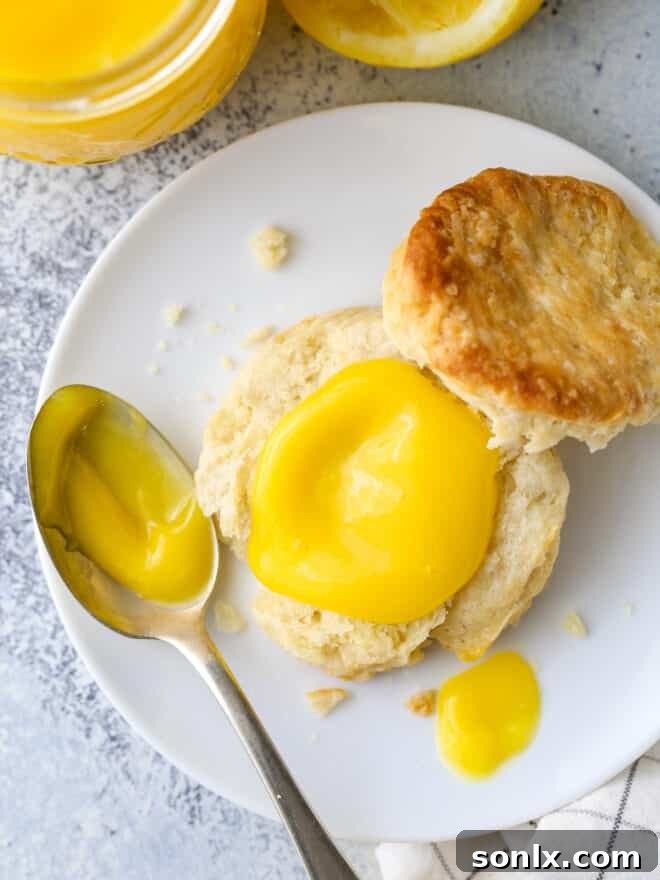
- Biscuits and Scones: The classic pairing! Spread generously on warm buttermilk biscuits or fluffy lemon blueberry scones for a truly decadent start to your day.
- Pancakes & Waffles: Ditch the maple syrup and drizzle lemon curd over a stack of fluffy pancakes or crispy waffles for a bright, tangy alternative.
- French Toast: Elevate your French toast by adding a dollop of lemon curd and some fresh berries.
- Yogurt and Oatmeal: Stir a spoonful into your morning yogurt or oatmeal for a burst of citrus flavor.
- Toast and English Muffins: A simple yet satisfying spread for your daily toast or English muffin.
For Decadent Desserts & Baked Goods:
- Cake Filling: Use it as a vibrant filling between layers of your favorite cake, like a vanilla sponge or a lemon layer cake. It’s fantastic in my lemon vanilla layer cake.
- Tart and Pie Filling: Lemon curd is the quintessential filling for classic lemon tarts and pies.
- Cupcake Topping: Swirl it onto cupcakes, or incorporate it into a buttercream frosting for a tangy twist.
- Pavlova & Meringue: Top crisp meringues or a grand pavlova with lemon curd and fresh fruit for an elegant dessert.
- Trifles: Layer it with cake, whipped cream, and berries in a beautiful trifle.
- Cheesecake Swirl: Swirl lemon curd into your cheesecake batter before baking for a marbled, tangy cheesecake.
- Fruit Dip: Serve it alongside fresh berries and sliced fruit as a delightful dip.
- Muffins & Quick Breads: Swirl a spoonful into muffin batter or quick bread dough for pockets of citrusy goodness.
Some of my personal favorite recipes that beautifully showcase homemade lemon curd include vibrant lemon berry shortcakes, ethereal lemon mousse pie, and the aforementioned lemon vanilla layer cake. With so many delicious options, you’ll find endless reasons to keep a jar of this golden sunshine in your fridge. Enjoy the incredible versatility and bright flavor your homemade lemon curd brings to every bite!
Recommended Tools for Perfect Lemon Curd
While this recipe is incredibly simple, having the right tools on hand can make the process even smoother and more enjoyable. Here are a few recommended items that will assist you in creating flawless homemade lemon curd:
- Fine-Mesh Strainer: Absolutely essential for achieving that silky-smooth texture by removing any zest or tiny egg lumps.
- Microplane Zester: For efficiently zesting lemons without grating into the bitter white pith.
- Whisk: A good quality whisk is key for properly combining ingredients and constant stirring during cooking.
- Heavy-Bottomed Saucepan: Ensures even heat distribution and prevents scorching, which is crucial for delicate custards like lemon curd.
- Heat-Proof Bowls: Necessary for separating egg yolks and for the tempering process.
- Citrus Juicer: Makes extracting fresh lemon juice quick and easy.
- Airtight Jars or Containers: For proper storage of your freshly made lemon curd.
Note: This recipe was originally published in April 2010 and has been refined over the years to ensure consistent, delicious results.
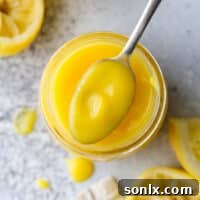
Lemon Curd
Pin Recipe
Leave a Review
Ingredients
- ½ cup (113 grams) unsalted butter , cut into cubes
- 1 cup (200 grams) granulated sugar
- 1 cup (237 ml) freshly squeezed lemon juice , about 3-4 lemons
- Zest of 3 lemons
- 10 large egg yolks
Instructions
-
Add butter, 1/2 cup sugar, lemon zest, and lemon juice to a saucepan and bring to a simmer, stirring occasionally.
-
In another bowl, combine the egg yolks with the remaining 1/2 cup sugar. Slowly add the hot lemon juice mixture into the egg yolk mixture, whisking continuously. When fully combined, return the mixture to the saucepan and continue to cook over medium heat until thickened and the whisk leaves a trail in the curd.
-
Remove from heat and pass through a mesh strainer set over a bowl to remove the zest and any egg clumps. Place plastic wrap directly on top of the curd and let set in the fridge for at least 30 minutes before serving.
-
Store in the fridge for 1-2 weeks. Lemon curd can also be frozen for several month.
Video
Notes
Adapted from Cake Art.