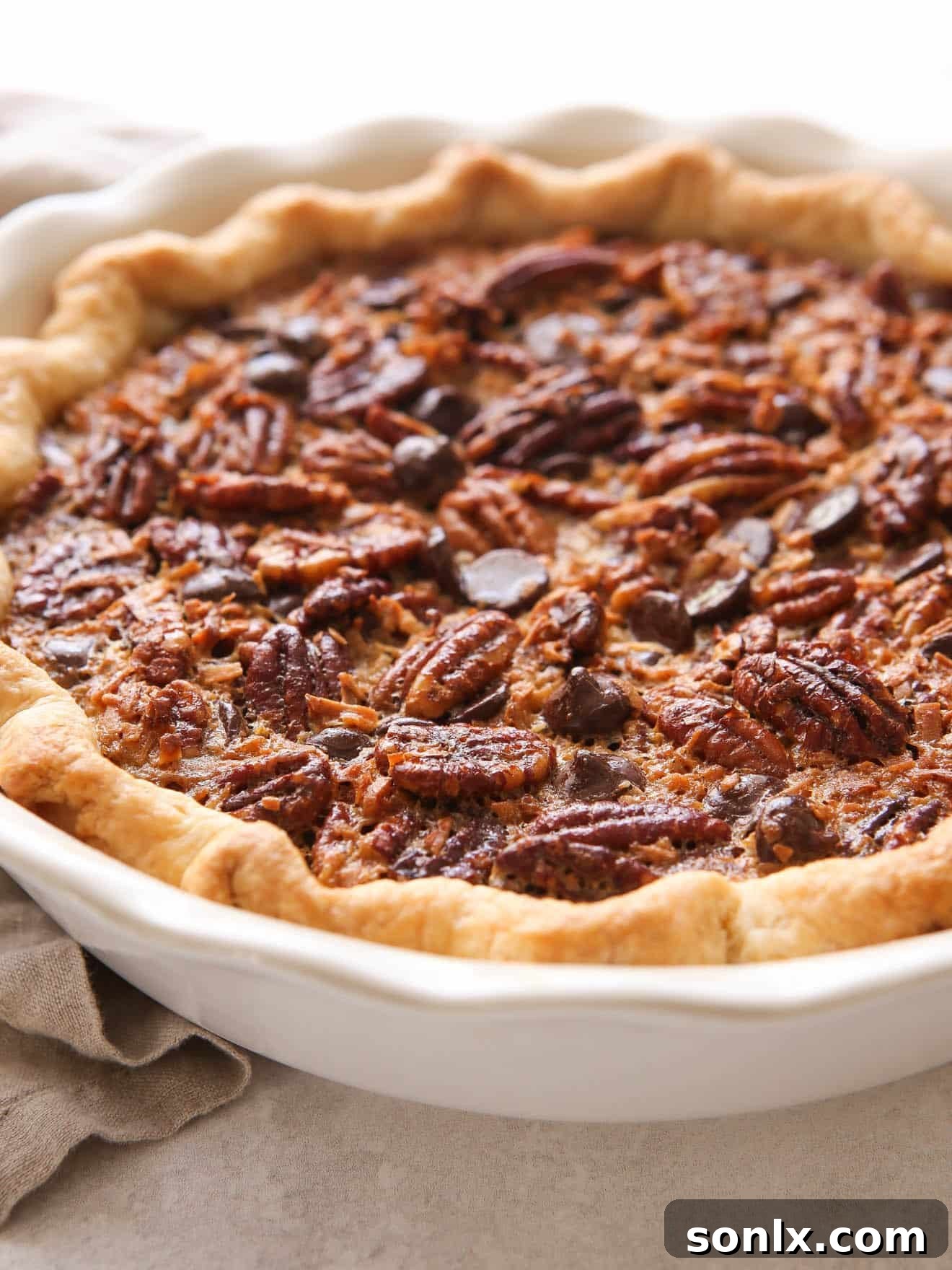
Transform your holiday season into a celebration of flavor and joy with this ultimate Thanksgiving baking timeline. This comprehensive guide offers expert tips on planning your festive baking, mastering make-ahead techniques for rolls, pies, and other delectable desserts, and ensuring a stress-free culinary experience. The secret to a bountiful Thanksgiving spread lies in early preparation, allowing you to bake more delicious treats with ease and enjoyment!
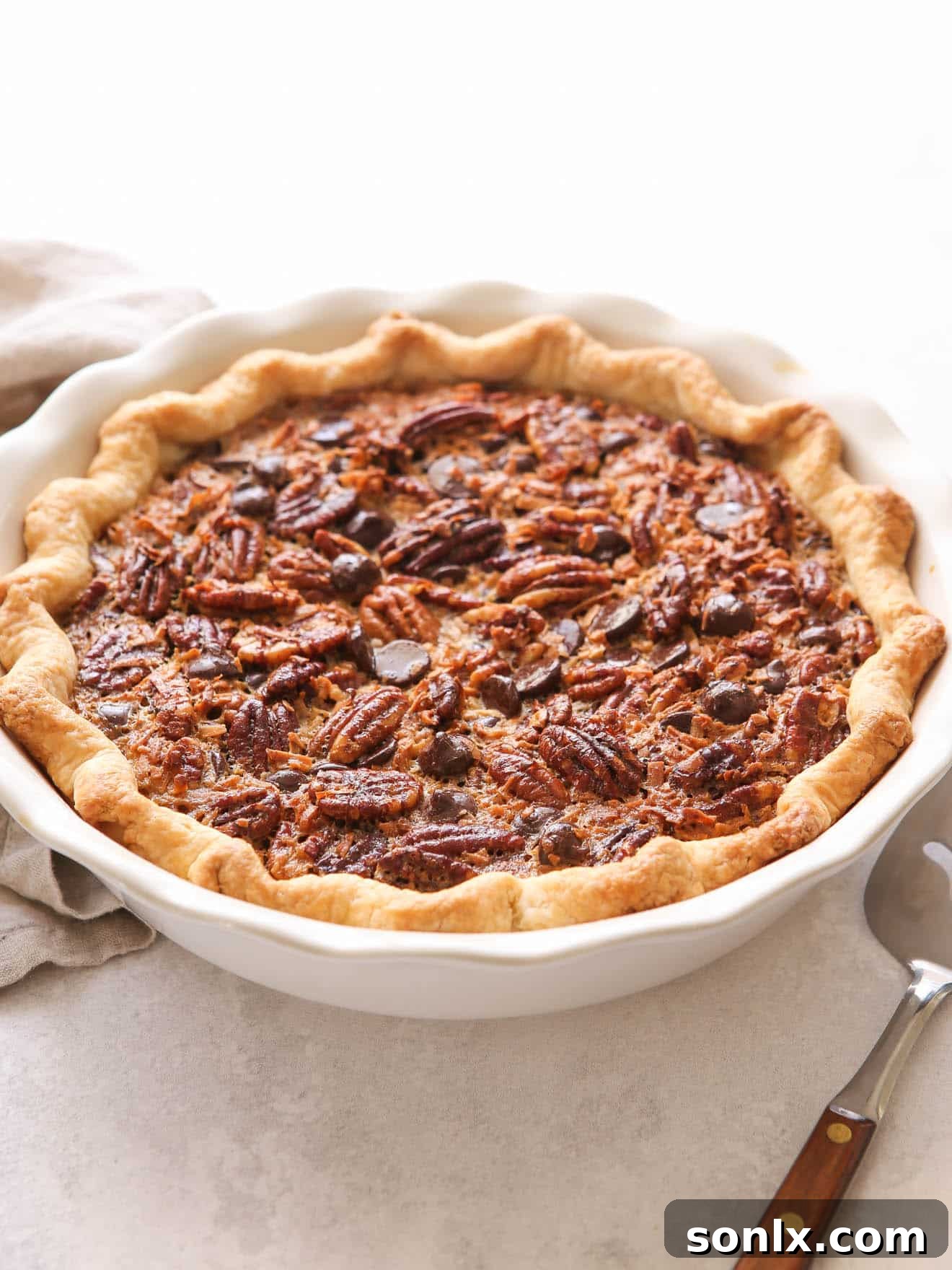
Thanksgiving is fast approaching, and the thought of preparing a grand feast can feel overwhelming. However, a successful and memorable Thanksgiving Dinner doesn’t have to mean endless hours slaving away in the kitchen on the big day. By planning ahead and strategically preparing certain items in advance, you can significantly reduce stress and truly savor the holiday with loved ones. When it comes to essential baked goods like fluffy dinner rolls, decadent pies, and a variety of delightful desserts, remember that many can be made days or even weeks in advance and stored perfectly in your fridge or freezer until they’re needed. Whether you’re orchestrating the entire meal or simply contributing a dish or two, this guide is your key to getting everything done on time, with minimal fuss, and maximum flavor. Keep reading to discover invaluable tips and access your free printable Thanksgiving baking checklist to stay organized!
Table of Contents
- What Baking Items to Plan For This Thanksgiving
- Crafting Your Thanksgiving Baking Timeline
- 2-4 Weeks Before Thanksgiving
- 1-2 Weeks Before Thanksgiving
- 2-3 Days Before Thanksgiving
- The Day Before Thanksgiving
- Thanksgiving Day
- Thanksgiving Make-Ahead Storage Cheat Sheet
- How to Perfectly Rewarm Thanksgiving Pies, Rolls, and More
- Additional Thanksgiving Baking Tips for a Smooth Holiday
What Baking Items to Plan For This Thanksgiving
Beyond the traditional turkey, mashed potatoes, and gravy, Thanksgiving wouldn’t be complete without a magnificent array of baked goods. These are the sweet and savory delights that often require the most planning and preparation. Here are the essential categories of baking recipes we’ll focus on to ensure your holiday table is truly spectacular:
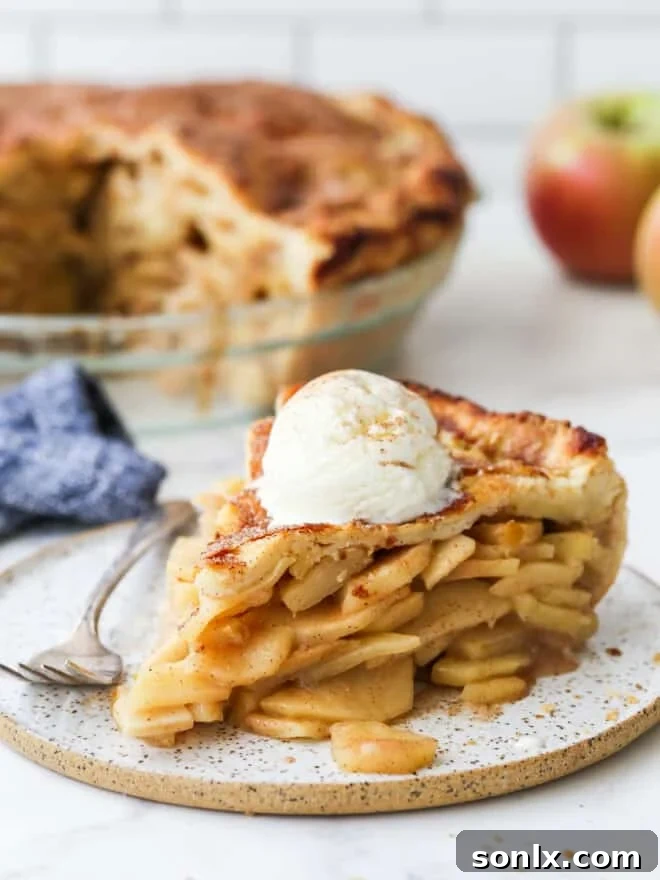
- Pies: The undisputed stars of the Thanksgiving dessert table. From the quintessential classic pumpkin pie and rich pecan pie to the comforting apple pie, these require careful planning for crusts, fillings, and baking times. Consider variations like sweet potato or chocolate cream pie to offer a wider selection.
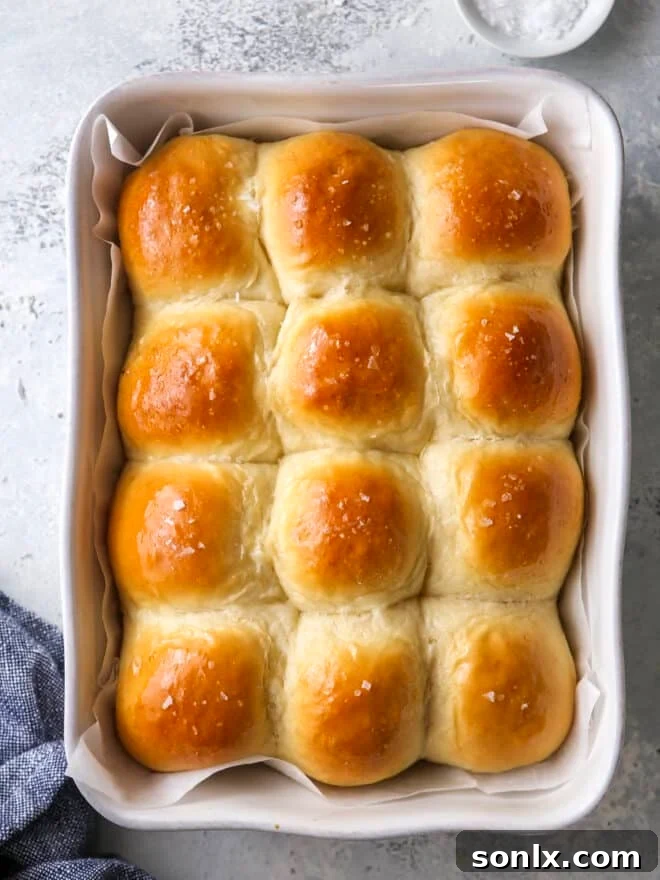
- Rolls and Other Bread: Essential for soaking up gravy and making fantastic leftover sandwiches. This category includes light and fluffy dinner rolls, savory cornbread, and flaky biscuits. Don’t forget specialty breads that complement the meal.
- Desserts: Beyond pies, a variety of other seasonal desserts add sweetness and flair. Think moist cakes, delightful cookies, warm fruit crisps, or even creamy trifles. These offer a lighter alternative or an extra indulgence.
- Miscellaneous Baked Additions: These often overlooked items elevate the entire meal. This could include homemade bread for your stuffing, a buttery streusel topping for a sweet potato casserole, or delicious cinnamon rolls to enjoy on Thanksgiving morning while the turkey roasts.
Crafting Your Thanksgiving Baking Timeline
The earlier you embark on your Thanksgiving baking journey, the more you can accomplish with grace and efficiency. Strategic planning is paramount to integrating all your baking tasks into your busy schedule, minimizing stress, and maximizing enjoyment on the holiday itself. Regardless of where you are in the month of November, it’s never too late to begin! Use this sample timeline as your essential guide to a smoothly executed Thanksgiving feast. Remember, a little preparation goes a long way in ensuring your baked goods are fresh, flavorful, and perfectly timed.
☑️ Click here to get your free printable checklist of the Thanksgiving baking timeline so you can easily track your progress and confidently check off each task as you go!
2-4 Weeks Before Thanksgiving
This is the ideal time to lay the groundwork for a calm and organized baking schedule. Getting these initial steps done early will save you significant time and last-minute panic.
- Plan what you’ll bake: Decide on your complete baking menu. Select the exact recipes you intend to use for pies, rolls, and desserts. Bookmark them online or print them out and organize them in a folder. Consider your guests’ preferences and any dietary restrictions.
- Stock your pantry: Take inventory of your non-perishable baking staples. Ensure you have ample quantities of flour, granulated and brown sugar, butter, baking chocolate, various nuts, corn syrup, sweetened condensed milk, vanilla extract, and any specialty ingredients your chosen recipes require. Buying these items now helps avoid frantic supermarket runs.
- Check expiration dates: Crucial for successful baking! Verify that your yeast is active and your baking powder hasn’t expired. Baking soda and common spices like cinnamon, nutmeg, and cloves can lose their potency over time, impacting flavor. Consider refreshing these items if they’ve been sitting in your pantry for a long while.
1-2 Weeks Before Thanksgiving
Now is the time to tackle tasks that require freezing or advanced purchasing, making the week leading up to the holiday much smoother.
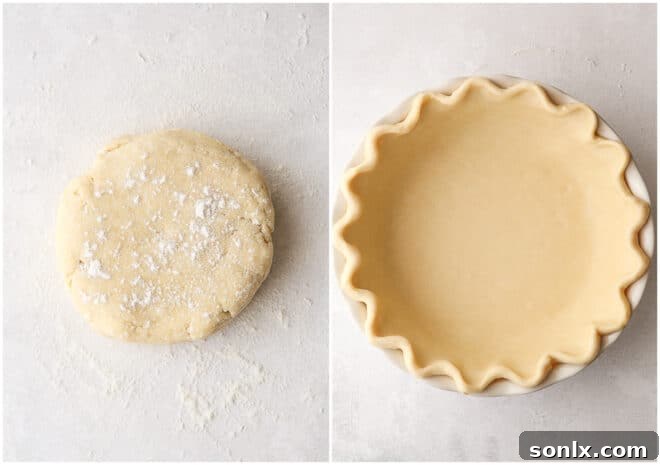
- Make pie crust: Homemade pie crust is a game-changer, and it freezes beautifully for months! Prepare your pie crust dough at least one week ahead, wrap it tightly in plastic wrap (and then foil for extra protection), and store it in the freezer. This step alone eliminates a major task closer to the holiday.
- Make shopping lists: With your pantry stocked, focus on perishable and fresh ingredients. Create detailed shopping lists for items like fresh cranberries, apples, eggs, milk, heavy cream, fresh herbs, and essential accompaniments like vanilla ice cream or whipped cream. Plan to buy these closer to the date for freshness.
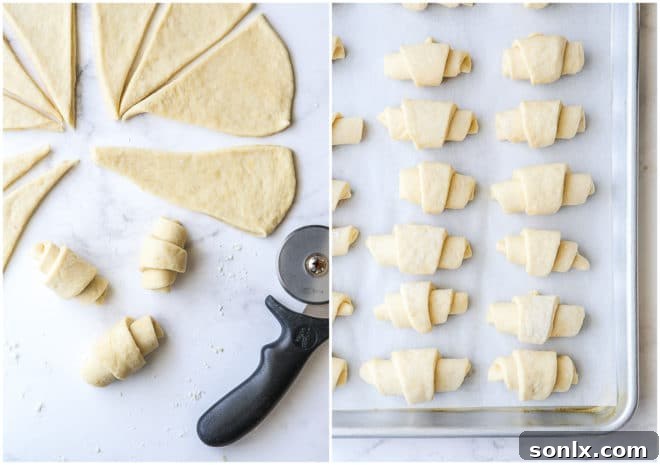
- Freeze shaped dinner rolls: For ultimate efficiency, prepare your dinner roll dough, shape the rolls, and arrange them on a parchment-lined baking sheet. Flash freeze them for an hour or two (skipping the second rise), then transfer the frozen rolls to a freezer-safe ziplock bag. They can be stored for up to a month and baked directly from frozen (with some thawing time).
2-3 Days Before Thanksgiving
The countdown begins! Focus on thawing, pre-baking crusts, and prepping components for your desserts. These actions prevent a bottleneck in your kitchen on the busiest days.
- Thaw pie crusts: If you’ve smartly frozen your homemade pie crusts, transfer them from the freezer to the refrigerator at this stage. They will slowly thaw overnight, making them perfectly pliable for rolling out the day before baking.
- Par-bake pie shells: For single-crust, no-bake pies (like certain cream pies) or pies that require a pre-baked crust (like some pumpkin or fruit pies), bake your butter pie crusts or graham cracker crusts now. Once cooled, store them at room temperature, securely covered in plastic wrap, ready for their filling.
- Prep for other desserts: Get a head start on any other desserts. This is an excellent time to prepare and chill cookie dough, bake cake layers that can be frozen or stored at room temperature, or assemble components for fruit crisps or crumbles.
- Bake bread for stuffing: If you’re going the extra mile with homemade bread for your stuffing, bake it now. Allowing the bread to sit out for a day or two will dry it out slightly, making it ideal for absorbing liquids and achieving a perfect stuffing texture.
The Day Before Thanksgiving
This is the final push before the main event. Prioritize baking your pies and preparing your rolls so they are ready to go or just need a quick finish on Thanksgiving Day.
- Prepare rolls and bread: Make the dough for your dinner rolls. You can shape them and let them undergo their final rise slowly in the refrigerator overnight – this “cold proof” often enhances flavor. Alternatively, you can bake them completely the night before and rewarm them on Thanksgiving Day. If making biscuits, prepare the dough and freeze shaped biscuits overnight.
- Make pies: This is prime pie-baking time! Bake all of your fruit, pumpkin, and pecan pies. For any no-bake pies that require chilling (like cream pies), assemble them fully and place them in the refrigerator to set overnight.
- Make other desserts: Finish assembling any remaining desserts. Bake cookies, frost and decorate cakes, and prepare any other sweet treats that can be stored overnight.
- Bake cornbread: Your cornbread can be baked a day in advance. It will keep perfectly fine when stored at room temperature, covered, and will be ready to serve or use for stuffing on Thanksgiving Day.
Thanksgiving Day
The day is here! With most of your baking done, focus on the final touches and ensuring everything is served at its absolute best. These last steps are quick and rewarding.
- Bake rolls and bread: For the freshest taste and texture, I highly recommend baking shaped rolls and biscuits first thing on Thanksgiving morning. This allows them to be served warm and soft without occupying too much precious oven space during turkey cooking. Remember, refrigerated rolls will need to come to room temperature and puff up a bit before baking, while frozen biscuits can often go straight into the oven.
- Make whipped cream: If you’re serving fresh whipped cream as a decadent topping for your pies or other desserts, prepare it in the morning. Store it in a covered container in the fridge, or carefully spread it directly onto your chilled pies or desserts just before serving.
- Rewarm pies if desired: Many pies, especially fruit pies, are delicious served slightly warm. If you prefer to serve your pies warm, place them in a 300°F (150°C) oven for approximately 20-30 minutes. This gentle warming will enhance their flavor and texture.
Thanksgiving Make-Ahead Storage Cheat Sheet
Understanding how to properly store your make-ahead Thanksgiving baked goods is crucial for preserving their freshness, flavor, and texture. Whether you’re preparing pie crusts, fully baked pies, or dinner rolls in advance, this comprehensive guide provides essential storage instructions and expected shelf lives. Always ensure items stored in the fridge or at room temperature are tightly covered or wrapped with plastic wrap to maintain optimal freshness. For frozen items, double-wrapping or using thick, airtight freezer bags is key to preventing freezer burn, which can compromise taste and texture.
- Pie crust dough: Can be stored in the refrigerator for up to 3 days. For longer storage, freeze for approximately 1 month. Thaw in the fridge overnight before using.
- Un-baked pie crust shells: Press dough into pie dishes, wrap tightly, and freeze for up to 1 month. These can often be baked directly from frozen, adding a few minutes to the baking time.
- Baked single pie crust: Par-baked or fully baked cookie crusts will keep well at room temperature, covered, for about 3 days. Alternatively, freeze for up to 1 month.
- Unbaked fruit pies: Assemble and freeze immediately for up to 1 month. Bake straight from frozen, adding 20-30 minutes to the original baking time. Do not store assembled, unbaked fruit pies in the refrigerator as the crust can get soggy.
- Baked fruit pies: These pies typically last 1-2 days at room temperature, 3-5 days in the refrigerator, or up to 1 month in the freezer. Thaw frozen pies overnight at room temperature for best results.
- Baked custard pies (e.g., pumpkin pie): Due to their egg and dairy content, these pies must be stored in the refrigerator and will remain fresh for 3-5 days. Custard pies generally do not freeze well, as the texture can become watery and separated upon thawing.
- Baked pecan pie or chess/sugar pies: These sturdy pies can be stored at room temperature for 3-5 days or frozen for up to 1 month. If frozen, thaw at room temperature.
- Cream pies (e.g., chocolate cream, banana cream): Always store cream pies in the refrigerator due to their perishable fillings; they will keep for 3-5 days. These pies are not suitable for freezing, as the dairy-based fillings will separate and lose their creamy texture.
- Bulk yeast-risen dough: Dough can complete its first rise (or bulk fermentation) in the refrigerator for up to 12-24 hours. Allow it to come to room temperature for about 20-30 minutes before punching down and shaping.
- Shaped dinner rolls (unrisen): Shaped rolls can undergo their second rise (proof) in the fridge for about 12-18 hours. For longer storage, freeze them on a parchment-lined sheet pan for 30 minutes, then transfer to a ziplock bag and store in the freezer for up to 1 month. Let them thaw and proof at room temperature until puffy before baking.
- Baked dinner rolls: Will stay fresh for 1-2 days at room temperature, or can be frozen for up to 1 month. Thaw at room temperature for a few hours or rewarm gently.
- Baked cornbread: Store unsliced cornbread at room temperature, wrapped, for 1-2 days, or freeze for up to 1 month. Thaw at room temperature.
- Unbaked shaped biscuits: Freeze shaped biscuits on a parchment-lined sheet pan for 30 minutes, then transfer to a ziplock bag and store in the freezer for up to 1 month. Bake directly from frozen, adding a few minutes to the baking time.
- Baked biscuits: Store in the freezer for up to 1 month. Thaw at room temperature or rewarm in the oven for a quick refresh.
How to Perfectly Rewarm Thanksgiving Pies, Rolls, and More
Rewarming your baked goods is a simple yet effective way to refresh them, bringing back that delightful “just baked” quality. This process can restore a crispy crust, soften bread to its original fluffiness, and generally make everything taste more vibrant and fresh. It’s an essential step for make-ahead items to truly shine on your Thanksgiving table.
A reliable rule of thumb for most baked goods is to use a 300°F (150°C) oven for approximately 20-30 minutes. This temperature is gentle enough to warm through without drying out or over-browning. This method works beautifully for baked dinner rolls, other yeast breads, fruit pies, and even pumpkin pie. For best results, rewarm items in the same pan they were originally baked in. If you notice any items starting to brown too much, lightly tent the pan with aluminum foil to protect the surface while the interior warms up. For rolls or biscuits, a quick brush with melted butter before rewarming can add extra moisture and shine. Custard pies like pumpkin pie should be warmed carefully to avoid overcooking the filling; a lower temperature or shorter time might be preferred if you just want to take the chill off.
Additional Thanksgiving Baking Tips for a Smooth Holiday
Beyond the timeline, a few extra strategies can make your Thanksgiving baking experience even more enjoyable and successful. Keep these smart tips in mind as you plan and prepare for your holiday feast:
- Consider quick-rise yeast: To significantly cut down on proofing time for your bread and roll recipes, opt for quick-rise, instant, or rapid-rise yeast. It can typically be substituted 1:1 for active-dry yeast in most recipes, offering a faster and more convenient option without compromising quality.
- Plan roll quantities generously: A good starting point is 1-2 dinner rolls per person. However, if you’re like most families and adore those iconic leftover turkey sandwiches, plan for even more! Extra rolls are always appreciated and rarely go to waste.
- Slice pies strategically: A standard 9-inch pie can yield anywhere from 8 to 12 generous slices. If your guests love to sample multiple pie varieties, you can cut smaller, thinner slices to allow for more tasting opportunities without overindulging on a single piece.
- Utilize cold outdoor spaces: If you live in a colder climate, your covered porch or garage in November can act as a fantastic makeshift refrigerator! This is particularly useful for cooling down large baked goods or chilling items when your indoor fridge is overflowing with other Thanksgiving preparations.
- Pack baked goods securely for travel: If you’re bringing your delicious creations to another location, secure packaging is key. Prevent shifting and spilling by packing items snugly in an open box, using towels or crumpled parchment paper as buffers between dishes, or investing in specialized carriers.
- Allow ample time for recipes: Always allocate more time than you think you’ll need for each recipe, especially if you’re a beginner baker or trying a new technique. Rushing can lead to mistakes and unnecessary stress.
- Stick to tried-and-true recipes: Thanksgiving isn’t typically the best occasion to experiment with an elaborate new recipe or an unfamiliar baking technique. To ensure success and avoid frustration, rely on old family favorites or recipes you’ve mastered. If you absolutely must try something new, consider a practice run a week or two before the big day.
- Embrace flexibility and relax: Despite all the planning, sometimes things don’t go exactly as expected. If a pie crust cracks or rolls don’t rise perfectly, remember to take a deep breath and relax. The spirit of Thanksgiving is about gratitude and gathering, not culinary perfection. Enjoy the process and the company!
See also: Elevate your Thanksgiving preparations with these helpful resources:
- The Ultimate Thanksgiving Pie Guide: Recipes and Tips
- My Favorite Thanksgiving Recipes for a Memorable Feast
- Your Complete List of Baking Pantry Essentials for Every Occasion
No matter your plans for the Thanksgiving holiday, my sincere hope is that you’ll have the opportunity to bake something truly delicious and memorable. By starting your planning now and leveraging these make-ahead strategies, you can significantly reduce your stress and fully immerse yourself in the joy of the season. At the close of the meal, as you loosen your belt and contemplate that coveted second slice of pie, you’ll know that every bit of thoughtful preparation was undoubtedly worth it. Happy baking and a truly Happy Thanksgiving!