Honey Whole Wheat Dinner Rolls: Your Guide to Perfectly Soft and Flavorful Bread
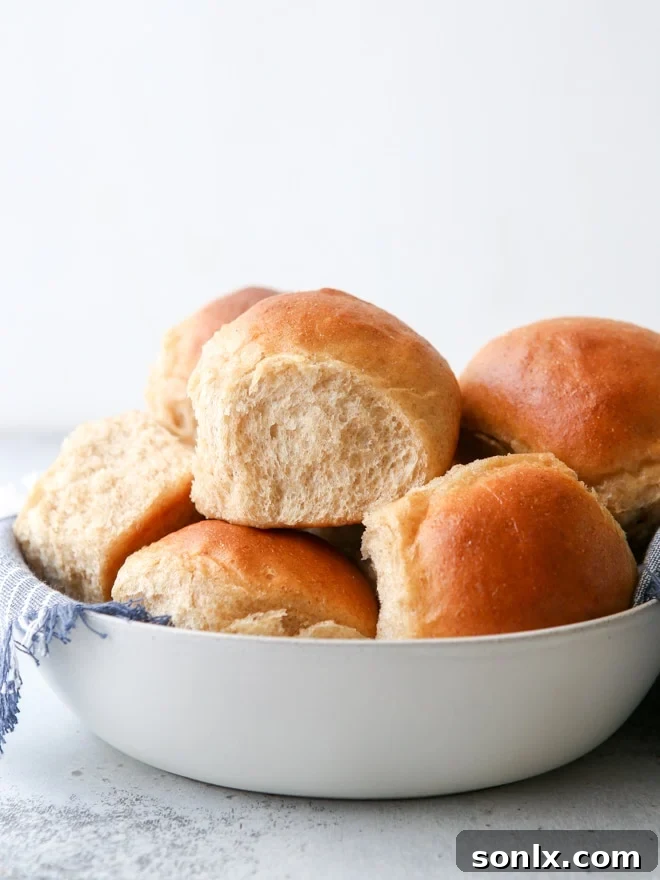
There’s nothing quite like the aroma of freshly baked bread filling your home, and these honey whole wheat dinner rolls deliver an experience that’s both comforting and incredibly delicious. Light, tender, and boasting a subtle, hearty flavor, they are a testament to how simple ingredients can create extraordinary results. Forget dense, heavy rolls – this recipe unlocks the secret to truly fluffy whole wheat perfection.
From Culinary Challenges to Baking Triumph
My journey in the kitchen, especially when it comes to baking homemade rolls, has been a learning curve with its fair share of trials. I vividly recall my early attempts in culinary school – batches of dough that, despite my best efforts, consistently turned out as unappetizingly dense “hockey pucks.” Each attempt was a lesson, a step towards understanding the delicate balance of yeast, flour, and liquid. I can confidently say I’ve come a long, long way since those early days, transforming baking frustrations into genuine successes.
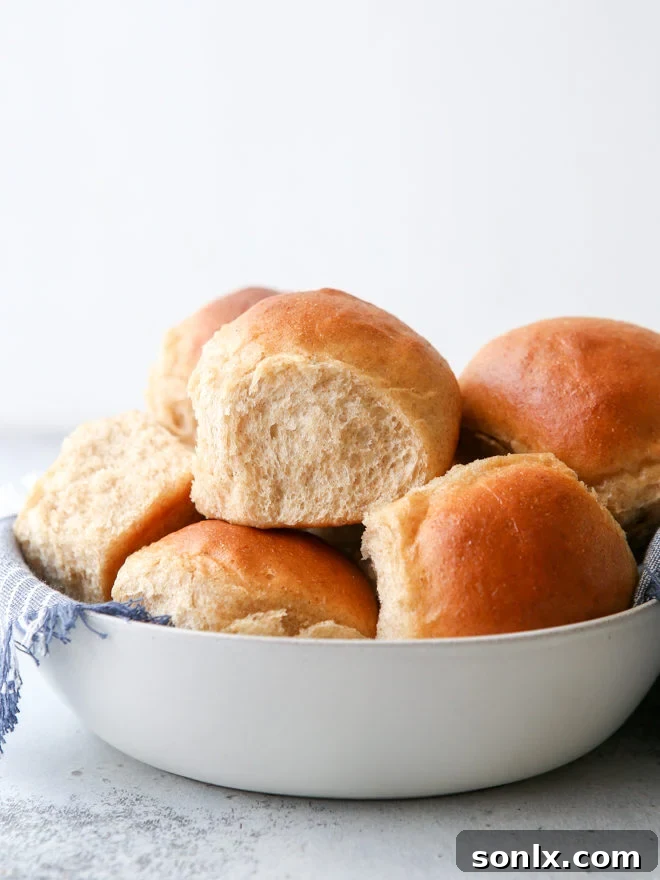
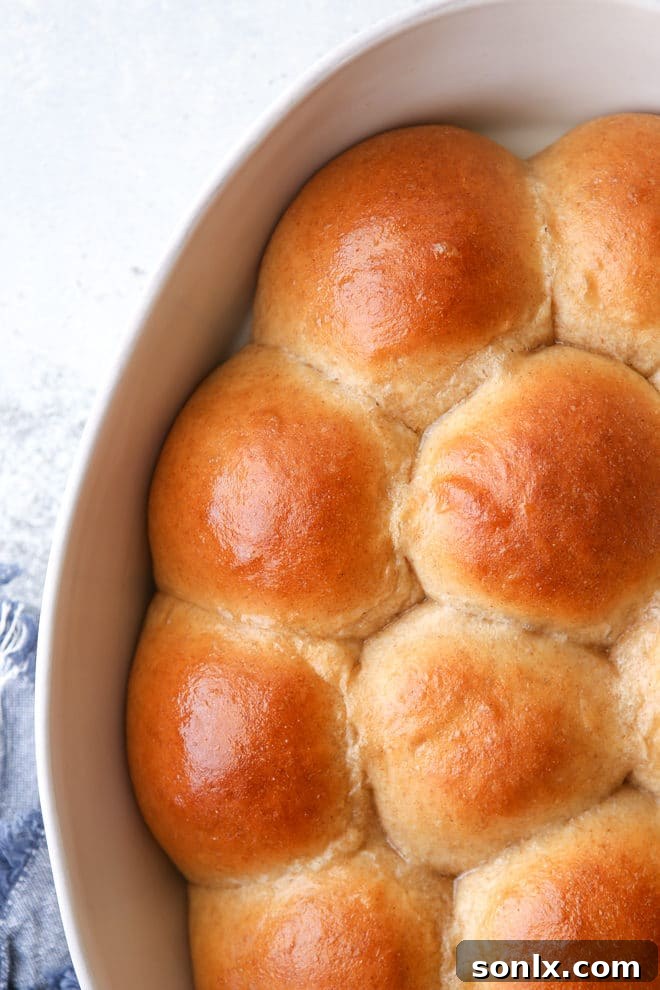
These honey whole wheat rolls are the absolute antithesis of those early failures! They are exquisitely light, wonderfully fluffy, and possess a remarkable tenderness that belies the inclusion of whole wheat flour. Many bakers worry that whole wheat will weigh down their rolls, but in this recipe, it’s used judiciously, lending just enough rustic, hearty flavor without compromising the desired soft texture. Each roll is a perfect symphony of sweetness from the honey and wholesome goodness from the whole wheat, making them an ideal accompaniment to virtually any meal, from a casual weeknight dinner to a festive holiday feast.
Why You’ll Fall in Love with These Honey Whole Wheat Rolls
- Unrivaled Texture: Say goodbye to dry, crumbly rolls. These are unbelievably soft and pillowy, melting in your mouth with every bite.
- Perfectly Balanced Flavor: The natural sweetness of honey beautifully complements the earthy notes of whole wheat flour, creating a rich yet subtle taste profile.
- Wholesome Goodness: Incorporating whole wheat flour adds fiber and nutrients, making these rolls a slightly healthier option without sacrificing deliciousness.
- Versatile Pairing: Whether slathered with butter, dipped in soup, or served alongside a roasted chicken, these rolls elevate any dining experience.
- Easier Than You Think: Don’t be intimidated by homemade bread! This recipe is straightforward, guiding you through each step to ensure success, even for novice bakers.
The Magic Behind the Ingredients
Every ingredient in this recipe plays a crucial role in achieving the rolls’ incredible texture and flavor. Understanding their purpose can help you appreciate the baking process even more:
- Milk: Provides necessary liquid for the dough and helps activate the yeast. Warming the milk ensures optimal yeast activity.
- Unsalted Butter: Adds richness, moisture, and a tender crumb to the rolls. It also contributes to a beautiful golden crust.
- Honey: Beyond its delightful sweetness, honey helps to keep the rolls soft and moist, and provides food for the yeast, contributing to a better rise. It also gives the crust a lovely golden hue.
- Whole Wheat Flour: Offers a nutty, robust flavor and increases the nutritional value. The key is balancing it with all-purpose flour to maintain a light texture.
- All-Purpose Flour: Provides structure and elasticity, essential for a soft, airy roll. It’s the workhorse that ensures the rolls aren’t too dense.
- Salt: Essential for enhancing flavor and controlling yeast activity. Don’t skip it!
- Active Dry Yeast: The leavening agent that makes the rolls rise, creating that characteristic fluffy texture.
- Large Eggs: Contribute to richness, tenderness, and a slightly richer color. They also add structure and help bind the dough.
Mastering the Art of Roll Baking: Tips for Success
Baking homemade rolls is a rewarding experience, and with a few key tips, you can ensure your success every time:
- Temperature Control is Key: Ensure your milk mixture is between 120°-130°F (49°-54°C). Too cold, and the yeast won’t activate; too hot, and you’ll kill it.
- Don’t Be Afraid to Knead: Proper kneading develops the gluten, which is what gives rolls their structure and chewiness. Whether by stand mixer or hand, knead until the dough is smooth and elastic. It should spring back slightly when poked.
- Flour Wisely: The amount of all-purpose flour can vary slightly depending on humidity and how you measure. Add it gradually until the dough just clears the sides of the bowl or is no longer excessively sticky to the touch. It should still feel soft and a little tacky.
- A Warm Place for Rising: Yeast loves warmth. A slightly warm oven (turned off, with the light on), a sunny spot, or even atop a warm dryer can create the perfect environment for your dough to double in size.
- Gentle Handling: After the first rise, gently punch down the dough to release excess gas. When shaping, handle the dough delicately to maintain its airy structure.
- Even Rolls: For consistently sized and baked rolls, consider using a kitchen scale to portion your dough. Aim for about 55-60 grams per roll for 12 rolls.
Baking Tip: 4 Ways to Prepare Rolls in Advance for Stress-Free Entertaining
Homemade rolls are fantastic for entertaining, but who wants to be baking last-minute? Here are several smart ways to prepare these delicious honey whole wheat rolls ahead of time, ensuring fresh, warm bread whenever you need it:
- Rise the Bulk Dough in the Fridge Overnight: After kneading, place your dough in a lightly greased bowl, cover it tightly with plastic wrap, and refrigerate overnight (up to 24 hours). The cold slows down the yeast activity, allowing for a long, slow fermentation that often results in more flavorful rolls. The next morning, simply take the dough out, let it warm up slightly, shape into rolls, allow them to rise in a warm spot, and then bake as directed.
- Rise the Shaped Rolls in the Fridge Overnight: Once you’ve shaped your rolls, arrange them in a greased baking dish or pan lined with parchment paper. Cover snugly with plastic wrap and refrigerate overnight. On baking day, remove the pan from the fridge and let the rolls come to room temperature for 1 to 1 1/2 hours, or until they look puffy and have nearly doubled in size. Then, preheat your oven and bake according to the recipe instructions.
- Freeze Unbaked Shaped Rolls for up to 2 Months: This method is fantastic for ultimate convenience. Shape your rolls and place them on a parchment-lined pan, ensuring they don’t touch. Cover loosely with plastic wrap and freeze for about 1 hour until firm. Once frozen, transfer the rolls to a heavy-duty freezer bag, squeezing out as much air as possible, and store for up to 2 months. When you’re ready to bake, arrange the frozen rolls in a greased baking dish, cover with plastic wrap, and thaw at room temperature for several hours. Allow them to rise until puffy (this might take a bit longer than fresh dough), then bake.
- Freeze Baked Rolls for up to 1 Month in Advance: Bake the rolls as usual and allow them to cool completely on a wire rack. Once cooled, wrap them tightly in aluminum foil, then place the foil-wrapped rolls into a freezer-safe ziplock bag. To reheat, remove from the bag, loosen the foil slightly, and warm in a 300°F (150°C) oven for 20-25 minutes, or until heated through and soft.
Essential Tools for Baking Perfect Rolls
Having the right equipment can make all the difference in your baking journey. Here are some indispensable tools for achieving flawless homemade dinner rolls:
- Stand Mixer with Dough Hook: While not strictly necessary (you can knead by hand!), a stand mixer makes the kneading process effortless and efficient.
- Large Mixing Bowls: For combining ingredients and giving your dough ample space to rise.
- Measuring Cups and Spoons: Accurate measurements are crucial in baking. Consider a kitchen scale for flour for even more precision.
- Small Saucepan: For gently warming your milk, butter, and honey to the ideal temperature for yeast activation.
- Instant Read Thermometer: Absolutely vital for checking the temperature of your liquid mixture to ensure your yeast is happy and active.
- 9×13 Inch Baking Dish (or similar): For baking your shaped rolls. A metal or ceramic dish works well.
- Parchment Paper: Prevents sticking and makes cleanup a breeze, especially when preparing rolls for freezing.
- Plastic Wrap: Essential for covering your dough during rising periods to prevent it from drying out.
- Pastry Brush: Perfect for applying the optional honey butter glaze after baking, giving your rolls a beautiful sheen and extra flavor.

Honey Whole Wheat Dinner Rolls
Pin Recipe
Leave a Review
Ingredients
- ¾ cup milk (180 ml, preferably whole or 2%)
- ¼ cup unsalted butter (56 grams)
- ¼ cup honey (85 grams)
- 1 ½ cups whole wheat flour (170 grams)
- Approximately 1 1/2 cups all-purpose flour (180 grams, plus more for dusting)
- 1 teaspoon salt
- 1 envelope active-dry yeast (2 1/4 teaspoons or 7 grams)
- 2 large eggs
Honey butter glaze (optional):
- 2 tablespoons unsalted butter , melted
- 1 teaspoon honey
Instructions
-
In a small saucepan, combine the milk, butter, and honey. Heat over medium-low heat, stirring occasionally, until the butter is fully melted and the mixture reaches a temperature between 120°F-130°F (49°C-54°C). This temperature is crucial for activating the yeast without killing it.
-
In the bowl of a stand mixer fitted with a dough hook attachment (or a large mixing bowl if kneading by hand), combine all of the whole wheat flour, 1/2 cup of the all-purpose flour, the salt, and the active-dry yeast. Whisk them together briefly to ensure even distribution.
-
Pour the warm milk mixture into the dry ingredients in the bowl. Mix with the dough hook (on low speed) or a sturdy spoon until just combined. The dough will appear very wet and shaggy at this stage. Add the two large eggs and continue mixing until they are fully incorporated into the dough.
-
With the mixer running on medium speed, gradually add the remaining all-purpose flour, a few tablespoons at a time. Continue adding flour until the dough begins to clear the sides of the bowl. It should still be moist and slightly sticky, but it shouldn’t adhere excessively to your fingers when touched. You might not need all the flour, or you might need a tiny bit more – trust the feel of the dough.
-
Once the dough has gathered, continue kneading with the mixer on medium speed for an additional 3-4 minutes, or by hand on a lightly floured surface for 5-7 minutes. The dough should become smooth, elastic, and pass the “windowpane test” (where a small piece can be stretched thin enough to see light through it without tearing).
-
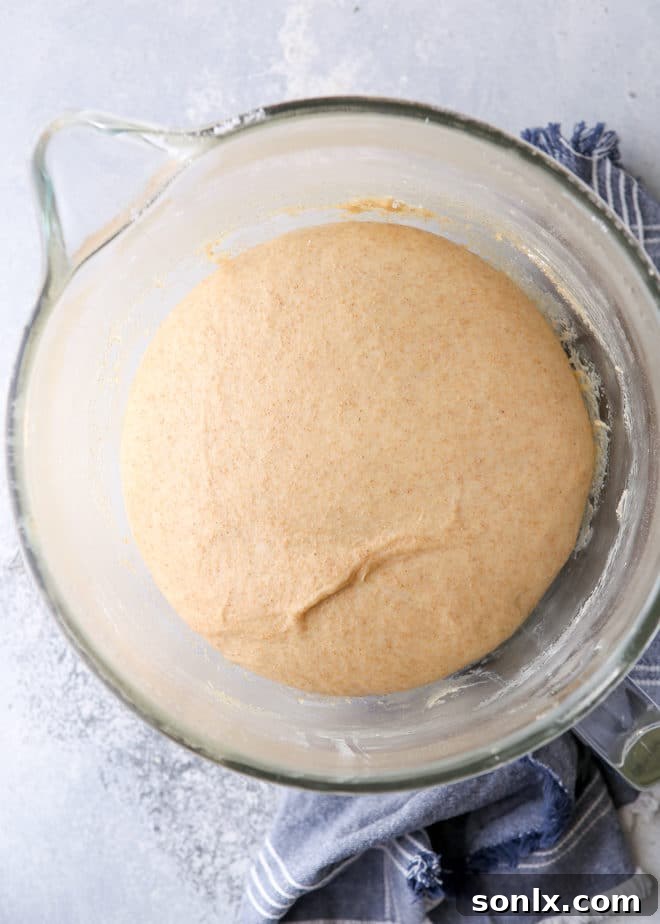
Lightly grease a large bowl with oil or cooking spray. Transfer the kneaded dough to the bowl, turning it once to coat. Cover the bowl tightly with plastic wrap and place it in a warm, draft-free spot. Let the dough rise until it has visibly doubled in size, which typically takes about 1 hour, depending on your room temperature.
-
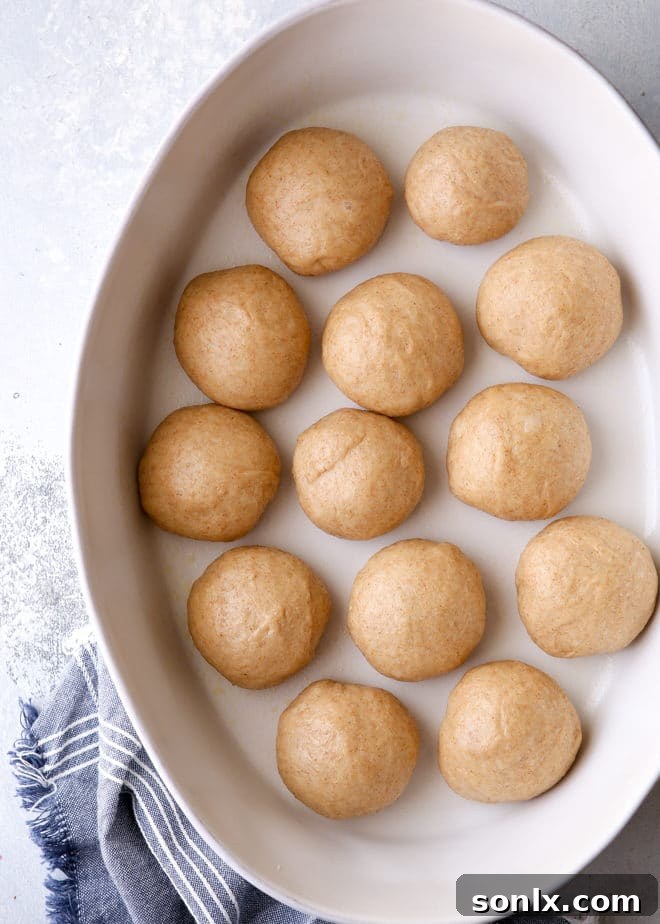
Gently punch down the risen dough to release the air. Turn it out onto a lightly floured surface and knead it a few times to de-gas. Divide the dough into 12 equal portions. For consistent sizing, use a kitchen scale (each roll should be approximately 55-60 grams). Shape each portion into a smooth, round roll by tucking the edges underneath to create a taut surface.
-
Arrange the shaped rolls in a greased 9×13-inch baking dish, leaving a little space between each roll for expansion. Cover the dish loosely with plastic wrap and let the rolls rise again in a warm place until doubled in size and puffy, about 30 minutes more. During the last 10-15 minutes of this second rise, preheat your oven to 350°F (175°C).
-
Bake the rolls in the preheated oven for approximately 20 minutes, or until their tops are beautifully golden brown and they sound hollow when lightly tapped.
-
If using the optional glaze: While the rolls are still hot from the oven, combine the melted butter and honey in a small bowl. Brush this mixture generously over the tops of the warm rolls for an extra touch of sweetness and shine.
-
Serve these delightful honey whole wheat dinner rolls warm and fresh for the best experience. Leftovers can be stored in an airtight container at room temperature for several days, or frozen for longer storage.
More Delicious Roll Recipes to Explore
If you’ve enjoyed these honey whole wheat dinner rolls and are eager to expand your homemade bread repertoire, you’re in luck! My site features a variety of roll recipes, each offering a unique flavor and texture. From classic favorites to intriguing new tastes, there’s a roll for every occasion and preference:
- Classic White Dinner Rolls: The quintessential soft and fluffy roll that pairs with anything.
- Buttery Crescent Dinner Rolls: Elegant, flaky, and rich – perfect for special occasions.
- Braided Challah Rolls: Sweet, rich, and beautifully braided, offering a distinct texture and flavor.
- No-Knead “Fairy” Crescent Rolls: Magical in their simplicity, these rolls require minimal effort for maximum deliciousness.
- Old-Fashioned Parker House Rolls: Known for their distinctive folded shape and incredible tenderness.
- Savory Potato Dinner Rolls: The addition of potato makes these rolls incredibly moist and flavorful.
- Sweet Potato Crescent Rolls with Whipped Honey Butter: A seasonal favorite, offering a touch of sweetness and vibrant color.
Serving Suggestions: The Perfect Pairing
These honey whole wheat dinner rolls are incredibly versatile and can enhance almost any meal. Here are some ideas to inspire you:
- Holiday Feasts: They are a staple on Thanksgiving, Christmas, or Easter tables, perfect for sopping up gravy or serving alongside roasted meats.
- Hearty Soups and Stews: Their slightly rustic flavor and soft texture make them ideal for dipping into a comforting bowl of chili, beef stew, or creamy tomato soup.
- BBQs and Potlucks: A welcome addition to any casual gathering, whether served with pulled pork, grilled chicken, or alongside a fresh salad.
- Breakfast or Brunch: Enjoy them warm with a spread of homemade jam, honey butter, or a dollop of cream cheese for a delightful morning treat.
- Sandwich Sliders: Their perfect size makes them excellent for mini sandwiches with leftover turkey, ham, or even simple egg salad.
Troubleshooting Common Roll Baking Issues
Even seasoned bakers encounter challenges. Here are solutions to common problems you might face when baking rolls:
- Rolls Are Dense or Heavy: This is often due to insufficient kneading (which doesn’t develop enough gluten for a light structure), using too much flour, or not letting the dough rise long enough in a warm enough spot. Ensure your yeast is active and alive.
- Rolls Don’t Rise: The primary culprit is usually inactive yeast. Check the expiration date of your yeast. Also, make sure your liquid mixture is at the correct temperature (120°-130°F / 49°-54°C) – too cold and yeast is sluggish, too hot and it dies. Drafty environments can also hinder rising; find a warm, calm spot.
- Rolls Are Dry: This can happen if you add too much flour, over-bake them, or don’t cover them properly during storage. Always measure flour accurately (preferably by weight), keep an eye on baking time, and store cooled rolls in an airtight container.
- Rolls Stick to the Pan: Ensure your baking dish is adequately greased. Lining it with parchment paper is also an excellent preventative measure.
Final Thoughts: The Joy of Homemade Bread
Baking these honey whole wheat dinner rolls is more than just following a recipe; it’s an act of creating warmth, comfort, and deliciousness from scratch. The journey from simple ingredients to a basket of golden, fluffy rolls is immensely satisfying. Whether you’re a seasoned baker or just starting your bread-making adventure, this recipe is designed to bring you success and endless compliments. So go ahead, tie on your apron, gather your ingredients, and prepare to fill your kitchen with the irresistible aroma of homemade bread. Your taste buds (and your family!) will thank you.