Unlock the secrets to baking perfection by mastering the “creaming method.” This fundamental technique, essential for countless cookie and cake recipes, plays a pivotal role in achieving delectable textures and perfect rise. By understanding the science behind this simple mixing process, you’ll elevate your baking skills and consistently create lighter, fluffier cakes and perfectly structured cookies that impress every time. Dive in to learn how to expertly cream butter and sugar, ensuring every treat you bake is nothing short of delicious!
What is the Creaming Method in Baking?
At its heart, the creaming method is a foundational mixing technique used in baking that incorporates air into fats and sugars, thereby contributing to the leavening, texture, and overall structure of your baked goods. Whenever a recipe instructs you to “cream” or “beat” softened butter (or another solid fat) with sugar, you are employing this crucial method. The magic happens as the sharp edges of the sugar crystals cut into the softened fat, creating myriad tiny air pockets. During baking, these trapped air pockets expand, working in conjunction with chemical leavening agents like baking powder or soda, to help your cakes rise and your cookies achieve that desirable chewiness or crispness.
You’ll encounter the creaming method most frequently in recipes for cookies, cakes, and certain quick breads. It’s often considered one of the most vital steps because its proper execution directly impacts the final product. A correctly creamed mixture will yield cakes that are wonderfully light and airy, boasting a fine crumb, and cookies that maintain their shape beautifully without spreading excessively on the baking sheet. Conversely, an incorrectly creamed mixture can lead to dense, flat cakes or cookies that either spread too much or are too dry. Mastering this technique is a game-changer for any home baker.
So, let’s explore exactly how to do it right and ensure your baked creations are always a success!
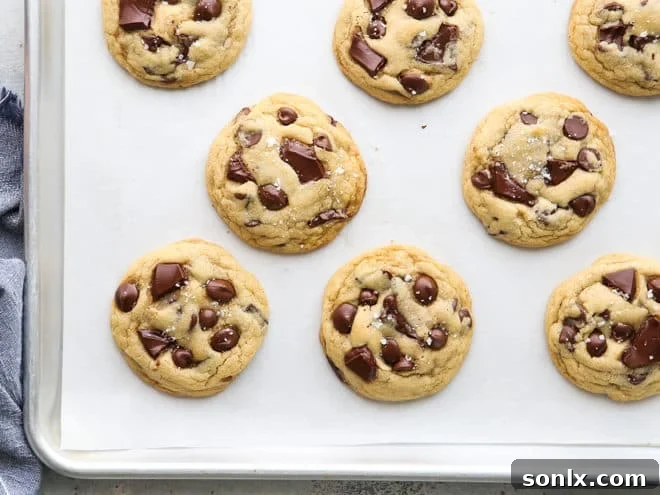
Table of Contents
- What is the Creaming Method?
- Essential Ingredients and Tools for Creaming
- Step-by-Step Guide: How to Use the Creaming Method
- Knowing When to Stop Mixing Butter and Sugar
- Finishing Your Batter or Dough After Creaming
- Top Tips for Creaming Method Success
- Understanding the Reverse Creaming Method
- Popular Recipes Using the Creaming Method
- Explore More Baking Guides
Essential Ingredients and Tools for Creaming
To execute the creaming method successfully, the quality and temperature of your ingredients, along with the right equipment, are paramount. Here’s what you need to know:
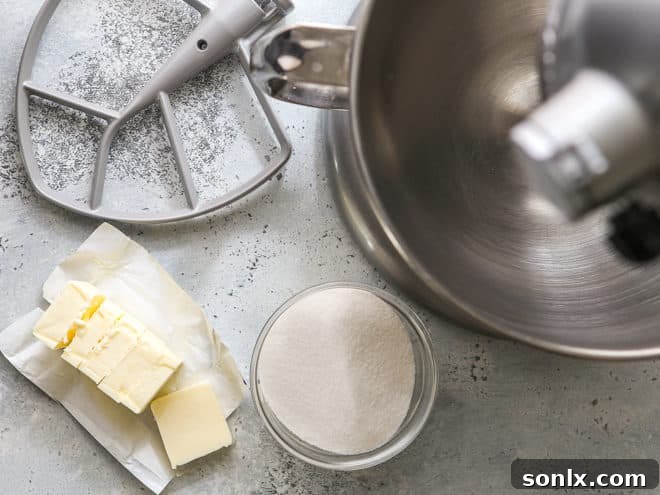
- Fat — The most common fats are unsalted butter or shortening, but other non-liquid fats like coconut oil can also be used depending on the recipe. The critical factor is temperature: your butter should be at a cool room temperature, ideally around 65°F (18°C). It should be soft enough to make a slight indentation with your finger, but not greasy, shiny, or melted in any way. If it’s too cold, it won’t incorporate air effectively. If it’s too warm or melted, the air pockets will collapse, leading to a dense product. (Discover more about why butter temperature is crucial!)
- Sugar — Granulated sugar is the classic choice for creaming due to its sharp crystals, which are highly effective at cutting into the fat and creating air pockets. Brown sugar (light or dark), which contains molasses, can also be creamed, imparting moisture and a chewier texture. Powdered sugar (confectioners’ sugar) can be used, particularly in frostings, but its finer texture incorporates less air. Granular sugar substitutes, such as coconut sugar, generally work well. However, liquid sweeteners like honey or maple syrup are unsuitable for the creaming method itself; if a recipe calls for them, a different mixing technique will be employed.
- Electric Mixer — While theoretically possible to cream by hand with a sturdy whisk and a lot of effort, an electric mixer is highly recommended for optimal results and convenience.
- A stand mixer fitted with a paddle attachment is the most efficient and preferred choice. The paddle attachment is designed to thoroughly combine and aerate the butter and sugar without over-whipping.
- A hand mixer can also be used effectively, though it might take a bit longer to achieve the desired light and fluffy texture. Ensure you scrape down the bowl frequently when using a hand mixer to ensure even incorporation.
Step-by-Step Guide: How to Use the Creaming Method
Following these steps carefully will ensure you master this essential baking technique and achieve consistently excellent results:
- Prepare Your Ingredients: Ensure your butter is at the correct cool room temperature (around 65°F or 18°C). If it’s too cold, microwave it in 5-second bursts until slightly softened, or let it sit on the counter longer. If it’s too warm, refrigerate it briefly.
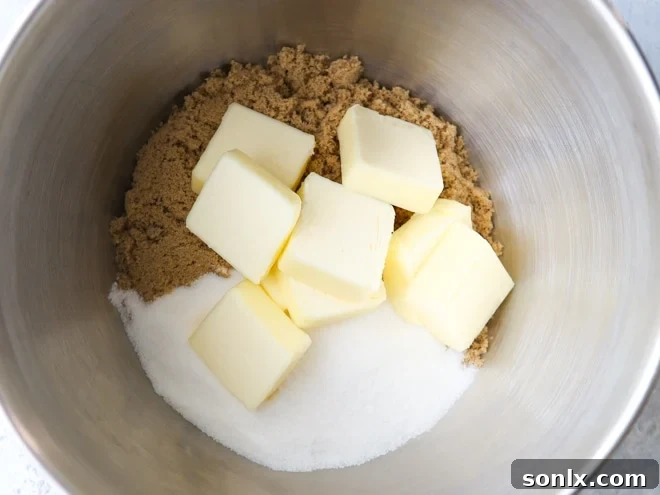
- Combine Butter and Sugar: Place the softened butter and your chosen sugar into the bowl of your stand mixer (fitted with a paddle attachment) or a large mixing bowl if using a hand-held mixer. Begin mixing on low speed to gently combine the ingredients without scattering sugar. Once mostly combined, increase the speed.
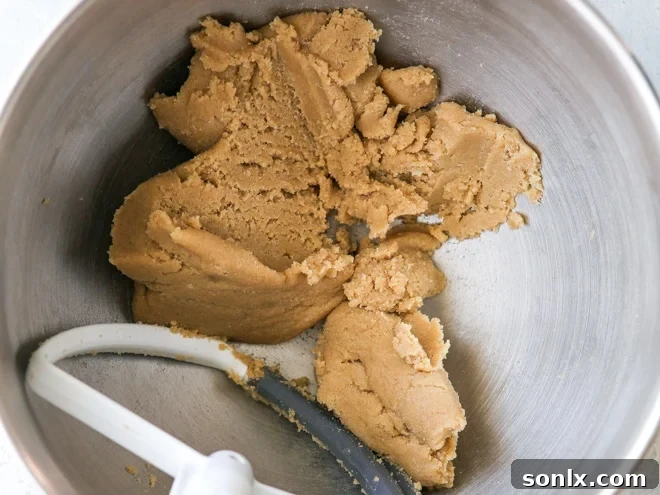
- Initiate the Creaming Process: Increase your mixer speed to medium-high. At this stage, the sugar crystals begin their work, cutting into the butter and creating those vital air pockets. You’ll observe the mixture gradually transforming. Initially, it will appear somewhat crumbly or sandy.

- Scrape and Continue Mixing: Stop the mixer occasionally (every minute or so) and use a rubber spatula to scrape down the sides and bottom of the bowl, as well as the paddle attachment. This ensures all ingredients are evenly incorporated and no pockets of uncreamed butter or sugar remain. This step is crucial for uniform texture.
The photo above shows the butter and sugars beaten just until combined, typically less than 1 minute of mixing on medium-high speed. The mixture is still dense and yellow.
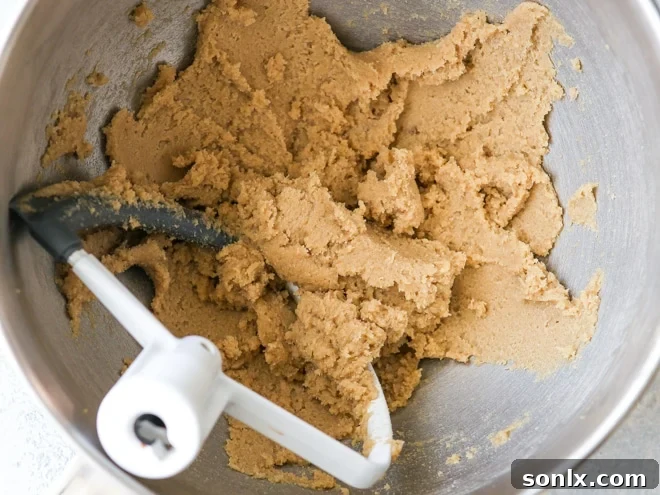
- Observe the Transformation: As you continue beating, the mixture will undergo a significant change. It will lighten in color, transitioning from a deep yellow to a pale, almost white shade. Simultaneously, its texture will become noticeably fluffier and it will increase in volume as more air is incorporated. It will look airy and cloud-like.
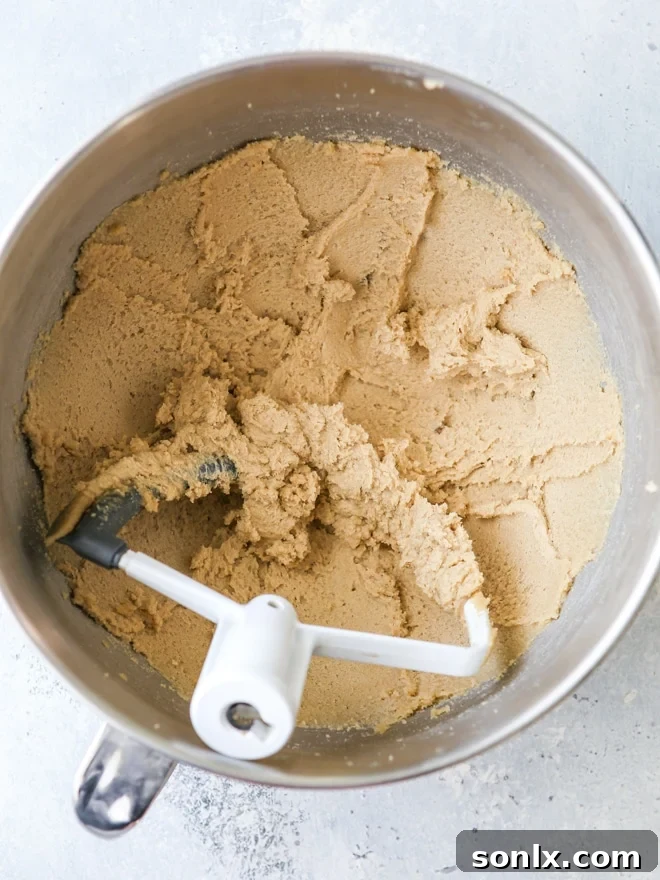
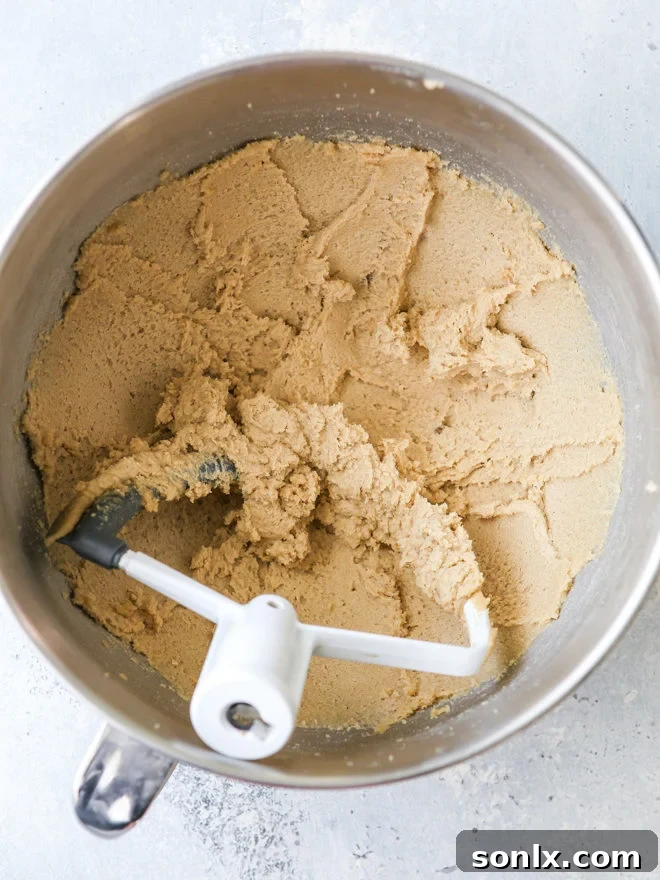
This image depicts the mixture after approximately 2 minutes of beating. It has started to lighten and become fluffier, but it’s not yet fully creamed. Notice how it’s beginning to stick to the sides of the bowl.
- Follow Recipe Specifics: The exact duration for creaming butter and sugar varies based on the recipe, the specific ingredients used (e.g., brown sugar takes longer than granulated), and the desired outcome. Always refer to your recipe’s instructions for guidance on how long to beat and what the final texture and appearance should be.
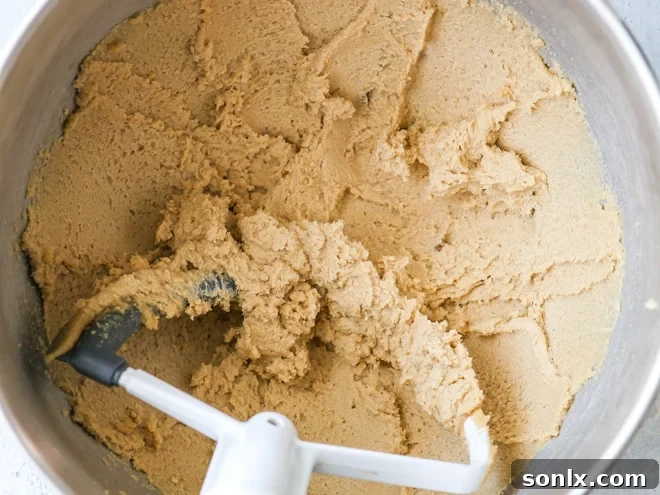
The photo above illustrates the mixture after 3-4 minutes of mixing at medium-high speed. It is significantly lighter in color and much fluffier, having visibly increased in volume. This is often the ideal stage for many recipes.
Knowing When to Stop Mixing Butter and Sugar
Determining the perfect moment to stop creaming is crucial for the success of your baked goods. The exact timing can depend on variables like your mixer’s power, the temperature of your kitchen, and the specific fat and sugar combination. However, there are clear visual and tactile cues that indicate your mixture is properly creamed:
- Lightened Color: The mixture will appear significantly paler, almost white or a very pale yellow, compared to the original butter color. This is a strong indicator of successful aeration.
- Increased Volume: The volume of the butter and sugar mixture will have noticeably increased, almost doubling in size, due to the incorporation of air. It will look fluffy and aerated, not dense.
- Fluffy Texture: The mixture will be light and airy, resembling whipped cream or a cloud. It should not look greasy or separated.
- Sugar Granules (Dis)appearance: While most sugar granules will be suspended and less visible, you should still be able to feel a slight grittiness if you rub a tiny bit of the mixture between your fingers. If the sugar is completely dissolved (which can happen with over-mixing, especially in warmer conditions), you might lose some of the structural benefits.
The Dangers of Under-mixing and Over-mixing
It’s vital to hit the sweet spot:
- Under-mixed: If the butter and sugar are not beaten long enough, the mixture will remain thick, dense, and dark in color. Insufficient air will be incorporated, resulting in cakes that are flat, dense, and heavy, or cookies that are hard and compact, failing to spread adequately. The texture will be tough and less appealing.
- Over-mixed: While less common for the initial creaming step, over-beating can incorporate too much air or warm the butter excessively. This can lead to the air bubbles becoming too large and unstable, which may deflate during baking or cooling. The consequence can be cakes with large, irregular holes or tunnels, or a dry, crumbly texture because the fat and sugar have separated or become too fluid. Over-mixing can also overdevelop gluten once flour is added, leading to tough baked goods.
Finishing Your Batter or Dough After Creaming
Once you’ve perfectly creamed the butter and sugar, the foundation for a successful baked good is laid. Now you can proceed to incorporate the remaining ingredients, always mindful of technique to maintain the delicate air structure you’ve built.
If you’re making a cake (e.g., standard layer cakes, cupcakes):
- Add Eggs Gradually: Incorporate eggs one at a time, beating well after each addition until just combined. Adding them slowly allows the liquid in the eggs to emulsify properly with the fat in your creamed mixture, creating a stable, smooth batter. Rushing this can lead to a curdled appearance, though often remedied with the addition of dry ingredients. Ensure eggs are at room temperature for better emulsification.
- Alternate Dry and Wet Ingredients: Once the eggs are in, add your combined dry ingredients (flour, salt, leavening agents like baking powder/soda, spices) in several additions, alternating with any liquid ingredients (like milk, buttermilk, or yogurt). Typically, you might add 1/3 of the dry, then 1/2 of the wet, 1/3 dry, 1/2 wet, and finally the last 1/3 dry. This method prevents overwhelming the batter, keeps the mixture light, and ensures even distribution without overworking the gluten.
- Mix Until Just Combined: Only mix until the cake batter is combined and no streaks of dry ingredients are visible. Overmixing at this stage will develop the gluten in the flour excessively, resulting in a tough, chewy cake rather than a tender, soft one.
If you’re making cookies (e.g., chocolate chip, sugar cookies):
- Add Eggs One by One: Similar to cakes, add eggs individually, mixing until each is fully incorporated before adding the next. This creates a stable emulsion and ensures proper texture.
- Incorporate Flavorings: Mix in vanilla extract or any other liquid flavorings, extracts, or purees at this stage.
- Add Dry Ingredients Simultaneously: For most cookie recipes, the combined dry ingredients (flour, baking soda/powder, salt, etc.) can be added all at once to the creamed mixture.
- Mix Until Mostly Combined: Mix on low speed until the dough is mostly combined, but a few streaks of dry ingredients still remain. This prevents overmixing.
- Fold in Mix-ins: Gently fold in any additional ingredients like chocolate chips, nuts, dried fruit, or sprinkles by hand with a spatula. Mix just until they are evenly distributed, taking care not to overwork the dough, which could lead to tough cookies.
While cakes and cookies are the most common applications, the creaming method can also be found in recipes for various frostings (like American buttercream), certain quick breads (though less common than the muffin method), and even some scone recipes, showcasing its versatility in the baking world.
Top Tips for Creaming Method Success
Achieving consistently perfect results with the creaming method relies on a few key practices. Keep these tips in mind to enhance your baking:
- Always Refer to Your Recipe: This guide provides general principles, but your specific recipe is your ultimate authority. Follow its precise instructions for quantities, mixing times, and visual cues, as these are tailored to the intended outcome of that particular baked good.
- Prioritize Butter Temperature: As highlighted, the butter’s temperature is perhaps the single most critical factor. Aim for cool room temperature, about 65°F (18°C). If it’s too cold, it won’t cream properly; if too warm, it will melt, and you’ll lose the crucial air pockets. Plan ahead and take butter out of the fridge 30-60 minutes before baking, or use quick softening methods carefully.
- Use a Paddle Attachment for Stand Mixers: If you have a stand mixer, always opt for the paddle attachment when creaming butter and sugar. Its design is ideal for cutting through the fat and incorporating air without over-whipping, which a whisk attachment might do prematurely.
- Scrape Down the Bowl Religiously: Stop your mixer frequently—at least once or twice, sometimes more—to scrape down the sides and bottom of the mixing bowl with a rubber spatula. This ensures that all the butter and sugar are thoroughly combined and aerated, preventing uneven pockets of unmixed ingredients.
- Ensure Room Temperature Eggs and Dairy for Cakes: For cake batters, incorporating room-temperature eggs and other dairy liquids (like milk or buttermilk) after creaming the butter and sugar is essential. Ingredients at a similar temperature emulsify more efficiently, creating a smoother, more stable batter and contributing to a better rise and texture in the final cake.
- Don’t Rush the Process: Creaming takes time. Resist the urge to crank your mixer to high speed for the entire process. Medium-high speed allows the sugar crystals to effectively cut into the butter and incorporate air gradually, building a stable structure.
- Understand Your Sugar: Granulated sugar is best for maximum aeration. Brown sugar will create a slightly denser, chewier, and more moist result due to its molasses content. Adjust your expectations and mixing time accordingly.
Understanding the “Reverse Creaming Method”
While the traditional creaming method is widely used, some recipes call for a fascinating variation known as the reverse creaming method. This technique, particularly popular for certain types of cakes, flips the usual order of operations.
In the reverse creaming method, all the dry ingredients — typically flour, sugar, baking powder/soda, and salt — are first combined in the mixing bowl. Then, the softened butter (or other fat) is added to this dry mixture and beaten until a sandy, crumbly texture forms and the butter coats the flour particles. Only after this stage are the liquid ingredients, including eggs and milk, gradually incorporated.
The primary benefit of the reverse creaming method lies in its ability to inhibit gluten development. By coating the flour particles with fat before any liquid is introduced, gluten formation — which can lead to toughness — is significantly minimized. This results in cakes with an incredibly fine, velvety, and tender crumb, coupled with a surprisingly sturdy structure that makes them excellent for stacking and decorating. It’s an ideal method for cakes that need to be very moist and delicate without being fragile.
Many professional bakers and enthusiasts prefer this method for its consistent production of superior cake texture. You’ll find it featured in recipes for my Southern Coconut Cake or my Brown Sugar Cinnamon Layer Cake, where its benefits truly shine. It’s a testament to the fact that understanding different mixing techniques allows for a broader range of baking possibilities and even better results.
Popular Recipes Using the Creaming Method
The creaming method is a fundamental technique for a vast array of beloved baked goods. From classic comfort foods to elegant desserts, mastering this method opens up a world of delicious possibilities. Here are some fantastic recipes that exemplify the creaming method’s impact on texture and flavor, yielding perfectly light, fluffy, and tender treats:
Explore More Baking Guides & Tips
Expand your baking knowledge with these helpful articles, covering everything from fundamental techniques to perfecting your favorite treats:
- How to Measure Flour Correctly for Consistent Baking Results
- A Step-by-Step Guide to Building a Beautiful Layer Cake
- Baking with Butter: A Comprehensive Guide to Fats in Baking
- Achieve Bakery-Quality Results: How to Bake Picture-Perfect Cookies