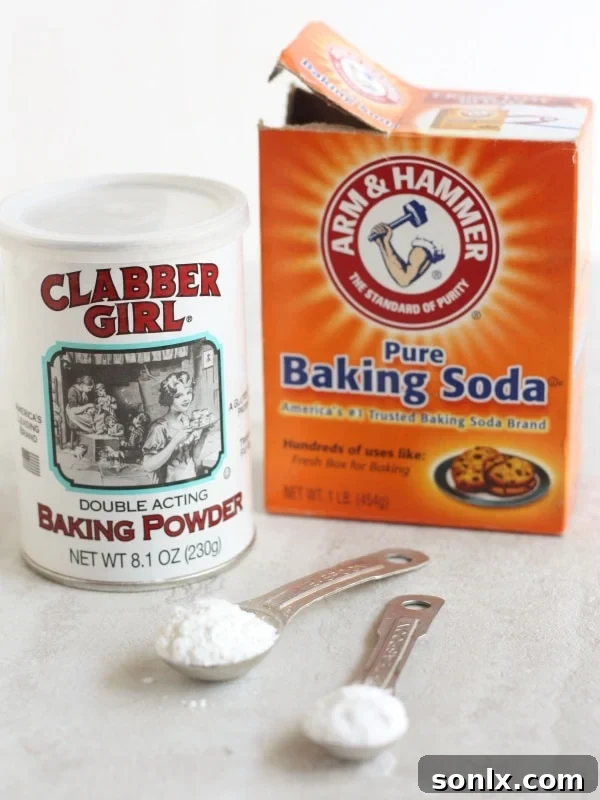
Unlock the secrets of perfect baking by understanding the fundamental differences between two powerhouse leavening agents: baking powder and baking soda. This comprehensive guide delves into the fascinating science behind these essential ingredients, explains how they function independently and in combination, and provides practical advice for using them effectively in your recipes. Say goodbye to flat cakes and dense cookies – mastering these leaveners is your first step towards consistently brilliant baked goods!
Have you ever found yourself staring at a recipe, wondering about the precise role of baking powder or baking soda? Or perhaps you’ve pondered the scientific magic that makes your muffins rise so beautifully? You’re in the right place! This article aims to demystify these crucial leavening agents, providing a clear, concise, and scientifically-backed explanation of their mechanisms, their unique properties, and how to harness their power for optimal baking results. From fluffy cakes to chewy cookies, a deep understanding of these ingredients is key to culinary success.
Table of Contents
- How Leavening Agents Work in Baking Recipes
- What is Baking Soda?
- What is Baking Powder?
- How to Substitute Baking Powder for Baking Soda (& Vice Versa)
- Proper Storage
- More Baking Tips and Help
How Leavening Agents Work in Baking Recipes
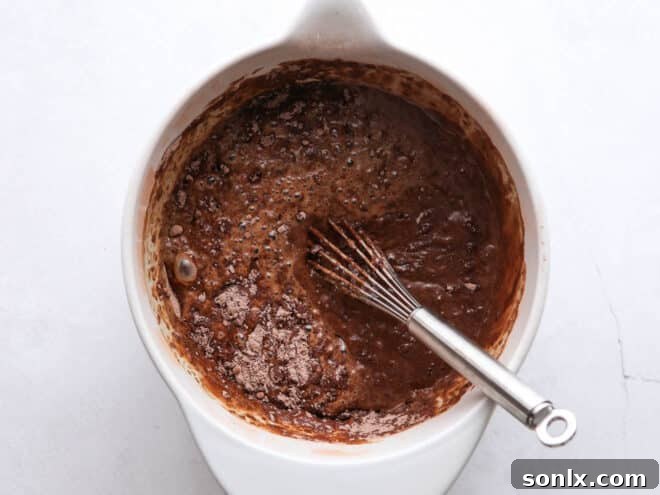
Baking powder and baking soda are categorized as leavening agents, or simply “leaveners.” Their primary function in baking is to introduce gas into doughs and batters, causing them to expand and “rise” when exposed to heat in the oven. This crucial process creates the light, airy, and tender textures we adore in cakes, breads, cookies, and pastries.
The magic behind this rise lies in a fascinating bit of baking chemistry. At its core, the leavening process involves the production of carbon dioxide (CO2) gas. This occurs when sodium bicarbonate – an alkaline (base) ingredient – combines with an acidic ingredient and a liquid. The ensuing chemical reaction generates countless tiny bubbles of CO2 gas, which become trapped within the batter or dough. As the baked good heats up in the oven, these gas bubbles expand, stretching and lifting the surrounding structure, leading to that desirable fluffy texture and increased volume.
Many common baking ingredients naturally contain acid, setting the stage for this reaction. Examples include tangy citrus juices, buttermilk, yogurt, sour cream, vinegar, molasses, and even certain types of chocolate or honey. By understanding the inherent acidity or alkalinity of your ingredients, you can strategically use either baking soda or baking powder (or sometimes both) to achieve the perfect rise, crumb structure, and overall texture in your culinary creations. Now, let’s explore the distinct roles and properties of each.
What is Baking Soda?
Baking soda, chemically known as sodium bicarbonate (NaHCO₃), is a pure alkaline compound. It is an incredibly potent leavening agent, meaning only a small quantity is typically required – often around 1/4 teaspoon per cup of flour, though this can vary by recipe. As a pure base, baking soda requires an acidic ingredient to be present in the recipe to activate it and initiate the production of carbon dioxide gas.
When baking soda encounters an acid in a liquid environment, it reacts almost instantaneously. This rapid reaction means that recipes relying solely on baking soda for leavening often need to be baked immediately after mixing to prevent the gas from escaping before it can contribute to the rise. Beyond its primary role as a leavener, baking soda also offers other benefits in baking. It helps promote browning, contributing to a golden crust, and can result in a delightfully chewy texture, which is highly sought after in many cookie recipes.
Recipes that exclusively utilize baking soda are usually rich in naturally acidic ingredients. Common examples include:
- Easy Buttermilk Biscuits (buttermilk provides the acid)
- Chocolate Sour Cream Cake (sour cream and chocolate contribute acidity)
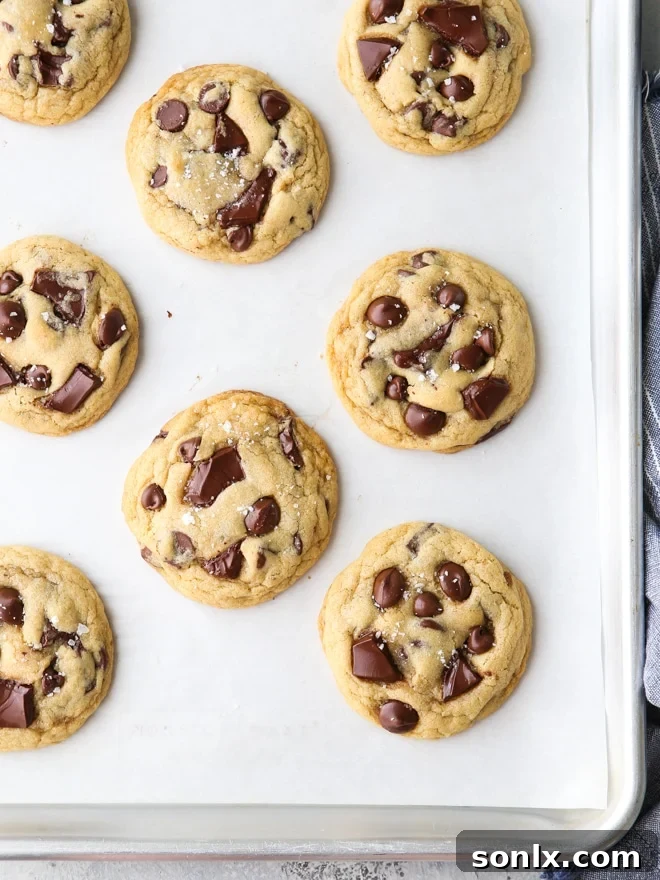
- Chewy Chocolate Chip Cookies (brown sugar, molasses, and sometimes chocolate provide enough acidity for chewiness and spread)
Understanding the role of these acidic components is crucial for successful baking with baking soda. Without sufficient acid, baking soda will not fully react, potentially leaving an unpleasant soapy or metallic aftertaste and a dense, flat product.
What is Baking Powder?
Baking powder is a self-contained leavening powerhouse, distinguishing itself from baking soda by including all the necessary components for a chemical reaction in one convenient package. It is essentially a carefully balanced mixture of sodium bicarbonate (the alkaline component), one or more solid acids (such as cream of tartar, also known as potassium bitartrate, or sodium aluminum sulfate), and a starch (like cornstarch), which serves to absorb moisture and prevent premature activation.
Most baking powders available today are “double-acting.” This means they produce carbon dioxide gas in two distinct phases, offering bakers more flexibility and a consistent rise. The first reaction occurs when the baking powder comes into contact with liquid during the mixing process, creating an initial burst of bubbles. The second, more significant reaction, takes place when the batter or dough is exposed to the heat of the oven. This dual activation ensures a sustained and reliable rise throughout the baking process, contributing to a light and tender crumb structure.
Because baking powder contains its own acid, it is typically used in recipes that do not have a significant amount of naturally acidic ingredients. It is generally less potent than pure baking soda, so recipes often call for a larger quantity, usually around 1 teaspoon per cup of flour. Baking powder is ideal for achieving a delicate, airy, and fluffy texture.
You’ll often find baking powder specified in recipes where natural acids are scarce. Here are a few examples:
- Lemon Blueberry Scones (lemon provides some acid, but not enough for pure baking soda, so baking powder ensures a good rise)
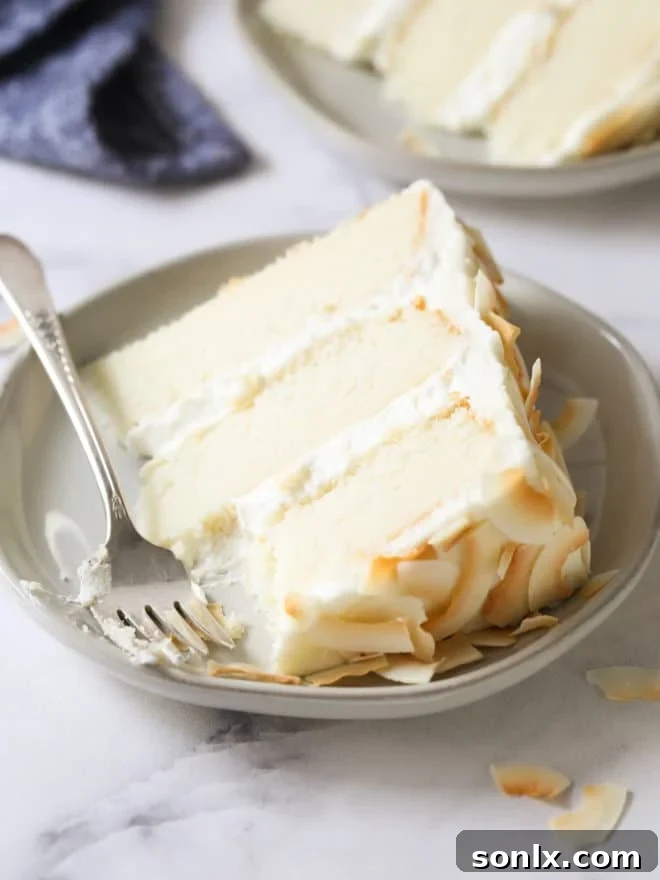
- Light and Fluffy Coconut Cake (often made without strong acidic ingredients, relying on baking powder for its tender crumb)
- Blackberry Cobbler (while blackberries have some acid, baking powder provides consistent leavening for the topping)
Interestingly, some recipes benefit from a combination of both baking powder and baking soda. This usually occurs when a recipe contains a moderate amount of acidic ingredients – enough to activate some baking soda for specific textural benefits and browning, but not enough to achieve the desired rise on its own. The baking powder then compensates for the remaining leavening needs, ensuring a balanced pH and an optimal structure. Examples of recipes requiring both include:
- Yellow Cake with Chocolate Frosting (often has mild acidic elements that work with soda, while powder ensures robust lift)
- Bran Muffins (some recipes use both to achieve a moist, tender crumb and good rise)
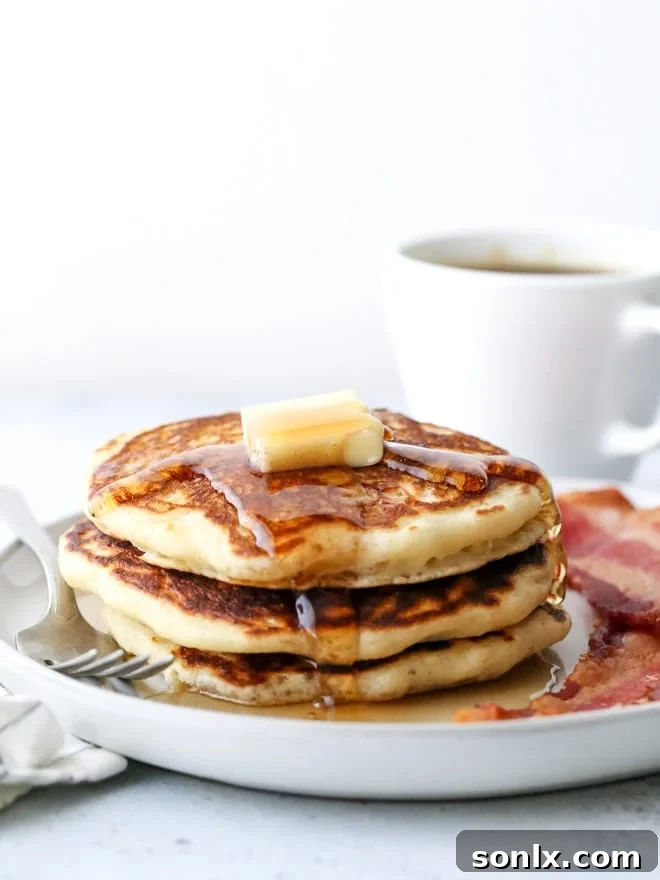
- Buttermilk Pancakes (buttermilk provides acid for baking soda, but baking powder often gives an extra boost for fluffiness)
How to Substitute Baking Powder for Baking Soda (& Vice Versa)
Given their distinct chemical compositions and activation mechanisms, baking powder and baking soda are not interchangeable without careful consideration and adjustments. While it’s always best to adhere to the recipe as written for optimal results, understanding the science allows for informed substitutions in a pinch. However, be aware that flavor, texture, and rise may be affected.
Here are crucial considerations and practical recommendations for substitutions:
- Substituting baking powder for baking soda: This substitution is generally more straightforward, as baking powder contains baking soda. However, since baking powder is less concentrated (it’s diluted with acid and starch), you’ll need a larger quantity. A common guideline is to use approximately 3 times as much baking powder as baking soda (e.g., if a recipe calls for 1/4 teaspoon of baking soda, use 3/4 teaspoon of baking powder). Keep in mind that the resulting texture may be less chewy and more cake-like. Also, using a large amount of baking powder can sometimes impart a slightly metallic or bitter taste, especially if the brand uses sodium aluminum sulfate as its acid component. Additionally, the recipe’s pH balance will shift, as baking powder won’t neutralize acids in the same way pure baking soda would, which might affect flavor and browning.
- Substituting baking soda for baking powder: This is a more complex substitution because baking soda lacks the necessary acidic component to react on its own. You’ll need significantly less baking soda, typically about one-third of the amount of baking powder specified (e.g., for 1 teaspoon of baking powder, use about 1/4 teaspoon of baking soda). Crucially, you must also add an acid to activate the baking soda. Cream of tartar is an excellent choice for this purpose; a good ratio is 1/2 teaspoon of cream of tartar for every 1/4 teaspoon of baking soda. This combination mimics the action of baking powder. Remember that baking soda reacts immediately upon contact with acid and liquid, so any batter or dough made with this substitution should be baked without delay to prevent the loss of gas. Without adequate acid, the baking soda will leave a distinct unpleasant, soapy flavor.
Note: These are general guidelines for emergency substitutions. Results are not guaranteed and can vary significantly based on the specific recipe and other ingredients. Use at your own risk! Understanding the underlying chemistry helps manage expectations.
Proper Storage
The effectiveness of your leavening agents hinges significantly on how they are stored. Improper storage can lead to diminished potency, resulting in flat, disappointing baked goods.
- Baking soda: Often lauded for its longevity, pure baking soda can indeed last indefinitely if stored correctly. The key is to keep it in an airtight container, away from moisture and strong odors. Baking soda is a natural deodorizer and will readily absorb any ambient smells from your pantry or nearby spices if not properly sealed. While it may not expire in the traditional sense, its effectiveness for specific reactions can be compromised by moisture exposure over time, which can trigger a premature, albeit minor, reaction.
- Baking powder: Unlike baking soda, baking powder has a definite shelf life and will gradually lose its effectiveness over time. This is because its acidic component can react slowly with the sodium bicarbonate, especially if exposed to even trace amounts of moisture or humidity. Always check the expiration date on the package and aim to use it before then. To preserve its potency for as long as possible, store baking powder in a tightly sealed, airtight container in a cool, dark, and dry place, such as a pantry cupboard, away from direct heat and humidity. You can test its freshness by adding a teaspoon to a small bowl of hot water; if it fizzes vigorously, it’s still good to go.
More Baking Tips and Help
Mastering baking powder and baking soda is just one step on your journey to becoming a confident baker. Continue to refine your skills and expand your knowledge with these additional baking resources:
- How to Measure Flour Accurately
- Do room temperature eggs make a difference in baking?
- Natural Unsweetened vs Dutch-Process Cocoa Powder
- How Parchment Paper Can Make Baking Easier
- Baking with Butter: A Complete Guide
By understanding the science behind each ingredient and technique, you’ll be well-equipped to tackle any baking challenge and create delicious, perfectly textured treats every time. Happy baking!