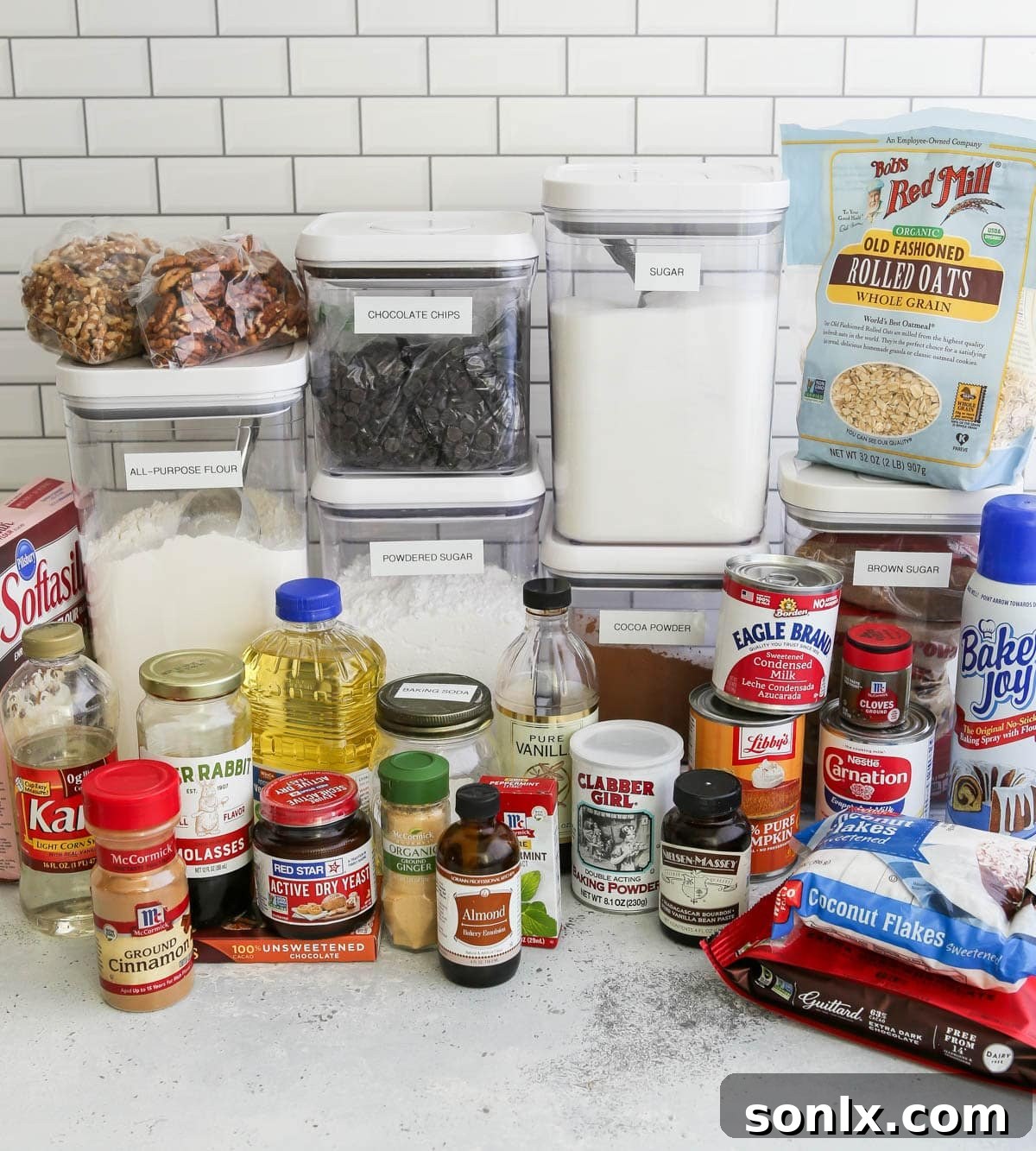
A well-organized and fully stocked baking pantry is the secret weapon of any passionate home baker. It transforms spontaneous cravings into delightful creations and makes preparing for special occasions a joyful, stress-free experience. Imagine being able to whip up a batch of warm chocolate chip cookies on a whim or effortlessly embark on an ambitious multi-layered cake project, all without a last-minute dash to the grocery store. This comprehensive guide will illuminate the essential ingredients every baker should keep on hand, from foundational flours and sugars to versatile flavorings and crucial dairy items, ensuring your kitchen is always ready for any baking adventure that beckons.
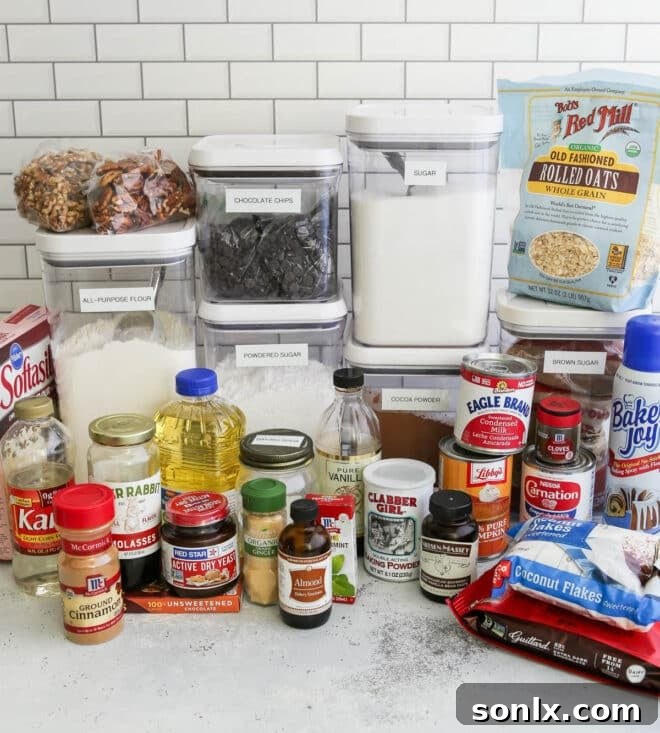
Beyond convenience, a well-curated baking pantry offers significant advantages. It empowers you to experiment with new recipes, ensures consistency in your favorite bakes, and can even save you money by allowing you to buy staples in bulk when they’re on sale. Whether you’re a novice just starting your baking journey or a seasoned pro looking to optimize your ingredient arsenal, having the right supplies means less scrambling and more pure enjoyment in the kitchen. This guide will cover the fundamental items every home baker should consider essential, alongside a selection of “nice-to-have” additions that can elevate your creations and expand your repertoire. With these baking pantry essentials always within reach, you’ll be perfectly equipped for everything from classic brownies to artisan breads, and countless delicious possibilities in between.
Table of Contents
- Baking Pantry Essentials
- Baking Must-Haves
- Additional Flavorings & Mix-ins
- Essential Baking Spices
- Fridge Must-Haves for Bakers
- Pantry Storage Tips for Bakers
- How Long Do Baking Ingredients Last?
- How to Organize Your Baking Pantry
baking tip:How to Build and Restock Your Baking Pantry Efficiently
- Prioritize Essentials First: Begin by stocking the foundational ingredients you’ll use most frequently. These form the backbone of your baking pantry, enabling you to tackle a wide range of recipes from the get-go. Specialty items can be added gradually as your skills evolve and your interests broaden.
- Strategic Bulk Buying: For high-use staples like all-purpose flour, granulated sugar, and baking soda, consider purchasing in larger quantities. This not only offers significant cost savings per unit but also reduces the frequency of your grocery runs, ensuring you’re always prepared.
- Mindful Smaller Purchases: For less frequently used ingredients, such as specific specialty flours (e.g., rye or almond flour) or exotic spices, opt for smaller packages. This approach prevents waste and ensures freshness, as these items can lose potency or spoil if kept too long.
- Explore Bulk Grocery Stores: Visiting bulk food retailers can be a game-changer. They often provide more competitive pricing on many pantry staples and allow you to buy the exact amount you need, cutting down on both cost and unnecessary packaging waste, making your baking more sustainable.
- Seasonal Restocking: Proactively check your baking pantry inventory before peak baking seasons, such as the holiday months. This foresight helps avoid last-minute stress when everyone else is scrambling for ingredients, allowing you to focus on the joy of baking.
- Regular Expiration Date Checks: Make it a habit to review expiration dates every few months. Discarding old or expired ingredients prevents spoiled bakes and ensures the consistent quality and flavor of your culinary creations. A well-maintained pantry is a productive pantry.
Your Comprehensive List of Baking Pantry Essentials
An Important Note on Personalization: While this list provides a robust foundation for any baking enthusiast, remember that your personal preferences, dietary needs, and favorite types of baked goods will inevitably influence your ideal baking pantry. For instance, if your passion lies primarily in crafting delicate cakes and cookies, you might prioritize cake flour over bread flour. Similarly, if you adhere to a gluten-free diet, your selection of flours will naturally look quite different, focusing on alternatives like almond, oat, or rice flours. This guide is designed to be flexible; it serves as a starting point from which you can customize and build your own ultimate list of baking essentials tailored to your unique culinary journey. Regularly assess your baking habits and adjust your inventory to always have the most relevant items on hand.
☑️ Click here to download your free printable baking essentials shopping list! This handy checklist is designed to help you quickly identify and stock up on all the items detailed in the following sections, ensuring you never miss a crucial ingredient.
Core Baking Must-Haves: The Foundation of Every Recipe
These are the foundational baking ingredients that every diligent home baker, especially those who indulge in regular baking, should absolutely keep stocked in their kitchen at all times. They form the backbone of nearly all sweet and savory baked goods.
- Flour: The primary structural component in most baked goods.
- All-Purpose Flour: The quintessential choice for its versatility, suitable for everything from cookies and cakes to quick breads. It has a moderate protein content, offering a good balance of strength and tenderness.
- Cake Flour: Lower in protein than all-purpose, resulting in exceptionally tender and delicate baked goods, perfect for sponges and fine cakes.
- Bread Flour: Higher in protein, which develops more gluten, crucial for chewy textures in yeast breads, bagels, and pizza dough.
- Whole Wheat Flour: Adds a nutty flavor and denser texture, along with increased fiber. Often used in combination with all-purpose flour.
- Sugar: Beyond sweetness, sugar plays vital roles in browning, tenderness, and moisture retention.
- Granulated Sugar (White Sugar): The most common type, providing sweetness and contributing to crust development.
- Brown Sugar (Light and Dark): Contains molasses, which adds moisture, a caramel-like flavor, and a chewier texture to baked goods. Dark brown sugar has more molasses than light.
- Powdered Sugar (Confectioners’ Sugar): Finely ground granulated sugar with a small amount of cornstarch to prevent caking. Ideal for frostings, glazes, and dusting.
- Baking Soda: A chemical leavener that requires an acid (like buttermilk, yogurt, or brown sugar) to activate, producing carbon dioxide for lift.
- Baking Powder: A complete leavener, containing both an acid and a base, typically activated by moisture and heat. It’s often “double-acting,” providing lift in two stages.
- Active Dry Yeast: Essential for all yeast-risen baked goods, from breads to cinnamon rolls. It requires proofing in warm liquid before use. (Consider instant yeast for no-proof recipes).
- Salt: A flavor enhancer that balances sweetness, strengthens gluten, and controls yeast activity. Kosher salt is preferred by many bakers for its larger crystals and purer taste; I personally use Diamond Crystal.
- Cocoa Powder: The source of chocolate flavor in many recipes.
- Natural Unsweetened Cocoa Powder: Slightly acidic, often paired with baking soda. Offers a robust, sometimes fruity chocolate flavor.
- Dutch-Process Cocoa Powder: Treated with an alkali to neutralize its acidity, resulting in a darker color and milder, less bitter flavor. Often paired with baking powder.
- Old-Fashioned Rolled Oats: Adds texture, moisture, and a wholesome flavor to cookies, crumbles, and granola bars.
- Vanilla Extract: An indispensable flavor enhancer that rounds out and deepens the taste of nearly any sweet baked good. Always opt for pure vanilla extract for the best flavor.
- Ground Cinnamon: A versatile warming spice, perfect for cookies, cakes, fruit pies, and quick breads.
- Light Corn Syrup: Used to prevent sugar crystallization, add shine, and provide moisture and chewiness in candies, glazes, and some baked goods.
- Molasses: A byproduct of sugar refining, imparting deep, complex flavors and contributing to moisture and chewiness in gingerbread, dark breads, and some cookies.
- Vegetable Oil: A neutral-flavored fat that contributes moisture and tenderness to baked goods, especially cakes and muffins. Common choices include canola or sunflower oil.
- Sweetened Condensed Milk: A thick, sweet milk product used in no-bake desserts, bars, and certain pies for its rich, creamy texture and sweetness.
- Evaporated Milk: Concentrated, unsweetened milk that adds richness and creaminess to recipes without adding extra liquid, great for custards and pies.
- Peanut Butter or Other Nut Butters: Adds flavor, richness, and moisture to cookies, bars, and fillings. Varieties like almond or cashew butter can also be versatile.
- Semi-Sweet Chocolate Chips: The classic choice for chocolate chip cookies and countless other desserts, providing a balanced chocolate flavor.
Additional Flavorings & Mix-ins: Elevating Your Baking
While not strictly necessary for every recipe, these “nice-to-have” additions are the elements that allow you to customize, experiment, and truly elevate your baked creations, adding layers of flavor, texture, and visual appeal.
- Additional Chocolate Chips or Bars: Expand your chocolate repertoire for diverse flavor profiles and textures.
- Dark Chocolate: For intense chocolate flavor, ranging from bittersweet to semi-sweet.
- Milk Chocolate: A sweeter, creamier option.
- Mini Chocolate Chips: Ideal for smaller baked goods or when you want more even distribution.
- White Chocolate: A sweet, vanilla-flavored choice for contrast and specific recipes.
- Unsweetened Chocolate: For deep, pure chocolate flavor without added sugar, often used in rich brownies or sauces.
- Additional Extracts and Flavorings: Broaden your aromatic palette beyond vanilla.
- Almond Extract: Provides a distinct, strong nutty flavor, excellent in fruit tarts, cookies, and cakes.
- Coconut Extract: Infuses a tropical note into desserts.
- Peppermint Extract: Essential for holiday baking and chocolate-mint combinations.
- Lemon Extract: Concentrated citrus flavor for when fresh lemons aren’t available or an intense burst is desired.
- Whole Vanilla Beans or Vanilla Bean Paste: For a more intense, authentic vanilla flavor with visible flecks, a step above extract for gourmet bakes.
- Maple Syrup: Offers a unique, warm, and earthy sweetness, great for glazes, granola, and fall-themed desserts.
- Jams or Preserves: Perfect for filling tarts, thumbprint cookies, or layering in cakes, offering a burst of fruity flavor.
- Fresh Lemons: Indispensable for their zest, which provides bright, aromatic citrus notes, and their juice, used for acidity and flavor in glazes, curds, and cakes.
- Nuts: Add crunch, richness, and distinct flavors. Store them in the freezer to prevent rancidity.
- Walnuts: Earthy and slightly bitter, excellent in brownies and banana bread.
- Pecans: Buttery and sweet, a staple for pies and pralines.
- Almonds (sliced, slivered, or chopped): Versatile, from delicate pastries to robust cookies.
- Hazelnuts: Rich, toasted flavor, often paired with chocolate.
- Coconut (Shredded or Flaked): Adds texture and a tropical flavor. Available in both sweetened and unsweetened varieties, depending on the desired sweetness level.
- Dried Fruit: Introduces chewiness, sweetness, and concentrated fruit flavor.
- Raisins: Classic in oatmeal cookies and fruit breads.
- Cranberries: Tart and sweet, perfect for muffins and holiday bakes.
- Cherries: Rich and flavorful, great in scones and chocolate combinations.
- Dates: Naturally sweet and caramel-like, good for bars and energy bites.
- Apricots: Tangy and sweet, lovely in tarts and cakes.
- Honey: A natural sweetener that adds a distinct floral flavor and helps retain moisture, especially in breads and granola.
- Baking Chips: Beyond chocolate, these offer a range of unique flavors for creative recipes.
- Butterscotch Chips: Sweet, buttery, and caramel-like.
- Peanut Butter Chips: Intense peanut flavor for pairing with chocolate.
- Mint Chips: Refreshing, often used in holiday desserts.
- White Chocolate Chips: Versatile for flavor and color contrast.
- Canned Pumpkin Puree: A must-have for fall and winter baking, lending moisture and a distinct flavor to pies, muffins, and quick breads. Ensure it’s 100% pumpkin, not pie filling.
- Coconut Oil: Can be used as a dairy-free fat alternative, adding a subtle coconut flavor. Available in refined (neutral) and unrefined (stronger flavor) varieties.
- Cornmeal: Adds a unique texture and flavor to cornbread, muffins, and can be used for dusting baking surfaces to prevent sticking.
- Espresso Powder: Not just for coffee, a small amount enhances chocolate flavor in baked goods without adding a coffee taste.
- Sprinkles: For decoration and fun!
- Rainbow Sprinkles: Classic and cheerful.
- Seasonal Sprinkles: Themed for holidays or occasions.
- Nonpareils: Tiny, colorful balls for a different texture.
Essential Baking Spices & Specialty Additives
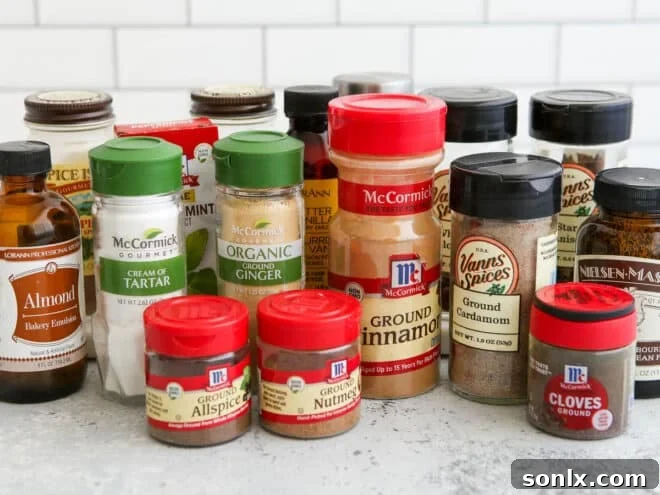
For dedicated bakers, a robust collection of spices is indispensable. These aromatic treasures add depth, warmth, and complexity to your creations. Keeping a fresh supply means your bakes will always be vibrant and flavorful. Remember that ground spices lose their potency more quickly than whole spices, so proper storage is key.
- Nutmeg: A warm, sweet, and slightly peppery spice.
- Ground Nutmeg: Convenient for quick use in custards, pies, and spiced cakes.
- Whole Nutmeg: Best grated fresh for superior aroma and flavor, highly recommended for serious bakers.
- Ginger: Pungent, warm, and slightly sweet. Essential for gingerbread, spice cookies, and pumpkin recipes.
- Cloves: Strongly aromatic, sweet, and pungent.
- Ground Cloves: Used sparingly in spice blends and desserts.
- Whole Cloves: Can be used to infuse liquids or decorate baked hams.
- Allspice: Named for its flavor profile, which resembles a blend of cinnamon, nutmeg, and cloves. Crucial for many Caribbean and fall-themed baked goods.
- Cardamom: A highly fragrant, exotic spice with citrusy, floral, and slightly peppery notes. Excellent in Scandinavian breads, pastries, and some fruit desserts.
- Pumpkin Pie Spice: A convenient pre-blended mix typically containing cinnamon, ginger, nutmeg, allspice, and cloves, perfect for seasonal bakes.
- Cream of Tartar: An acidic powder that stabilizes whipped egg whites (for meringues and soufflés) and prevents sugar crystallization in syrups.
- Cinnamon Sticks: While ground cinnamon is for mixing, sticks are perfect for infusing liquids (like milk for custards) or for decorative garnishes.
- Star Anise: A beautiful, licorice-flavored spice, often used whole for infusing liquids or as a striking garnish.
- Poppy Seeds: Adds a subtle nutty flavor and unique texture to muffins, cakes, and breads, particularly popular in lemon-poppy seed combinations.
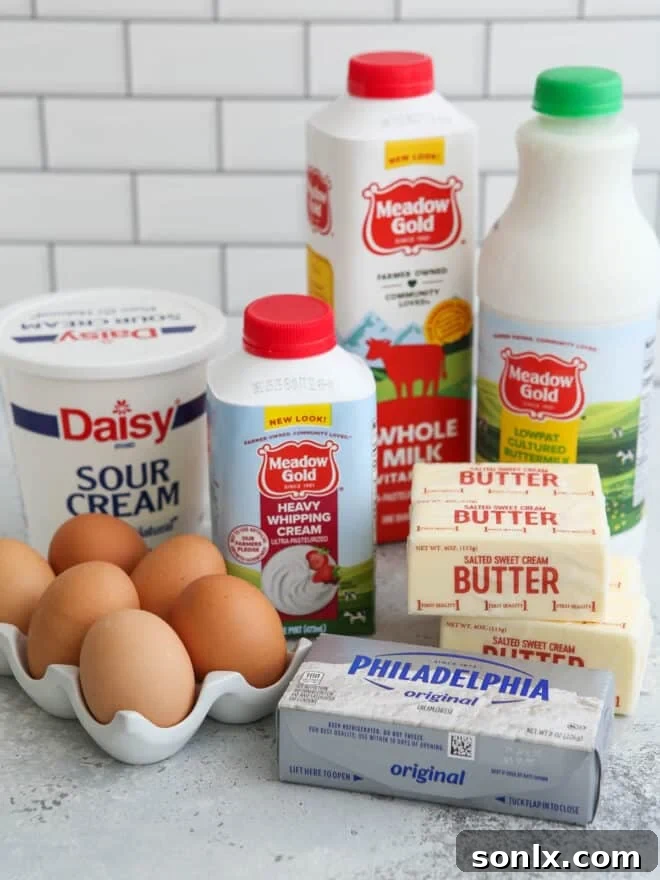
Fridge Must-Haves: Perishable Baking Essentials
While a robust dry pantry is crucial, many essential baking ingredients require refrigeration due to their perishable nature. Keeping your fridge well-stocked with these dairy and egg products ensures you’re always ready to bake. Always pay close attention to expiration dates to ensure freshness and optimal performance in your recipes.
- Butter: The cornerstone of many rich and flavorful baked goods, contributing to texture, tenderness, and taste.
- Salted Butter: My preferred option for general baking, as the salt enhances flavor. If using, you may adjust added salt in recipes.
- Unsalted Butter: Offers more control over the salt content in your recipe. Many professional bakers prefer to stock both for versatility.
- Large Eggs: A versatile powerhouse in baking, providing structure, emulsification, leavening, moisture, and richness. Large eggs are the standard size in most recipes unless otherwise specified.
- Milk: Provides liquid, moisture, and richness.
- Whole Milk: Offers the highest fat content, contributing to rich, tender baked goods.
- 2% Milk: A good all-around option, providing moisture and a decent level of richness.
- (Consider almond or soy milk for dairy-free alternatives if needed).
- Heavy Cream (Heavy Whipping Cream): Contains a high fat content, essential for creating luxurious whipped creams, ganaches, and enriching custards and sauces.
- Buttermilk: Its acidity reacts with baking soda to provide leavening and helps tenderize baked goods, contributing a unique tang to pancakes, muffins, and cakes.
- Sour Cream or Plain Greek Yogurt: Both add incredible moisture, richness, and a subtle tang to cakes, muffins, and quick breads. Greek yogurt offers a higher protein content and thicker consistency.
- Cream Cheese: Indispensable for creating classic cream cheese frostings, cheesecakes, and various rich desserts.
Optimizing Your Baking Pantry: Storage & Organization Tips
Proper storage is just as vital as having the right ingredients. Correctly storing your baking staples helps preserve their freshness, potency, and extends their shelf life, ensuring your baked goods always turn out perfectly. A well-organized pantry also streamlines your baking process, making it more efficient and enjoyable.
Maximizing Freshness: How Long Do Baking Ingredients Last?
Keeping your baking ingredients fresh and ready to use is paramount for successful baking. Here’s a guide to their typical shelf life and the best storage practices:
- Flours and Sugars:
- All-Purpose, Bread, Cake, Granulated, Brown, Powdered Sugar: Should be stored in airtight containers in a cool, dark, and dry place. This prevents moisture absorption, pest infestation, and oxidation. They can last for up to 1 year, though brown sugar may harden and need softening.
- Whole-Grain Flours (e.g., Whole Wheat, Oat, Rye): Due to their higher oil content, these are more prone to rancidity. They keep best in the fridge for up to 6 months or in the freezer for up to 1 year in airtight packaging.
- Nut Flours (e.g., Almond Flour): Also high in oils, these should be refrigerated or frozen to maintain freshness and prevent rancidity, lasting several months.
- Leaveners (Baking Powder and Baking Soda): These lose their strength over time, which can lead to flat baked goods.
- Baking Powder: Replace every 6 to 12 months. Test freshness by mixing a teaspoon with hot water; it should fizz immediately.
- Baking Soda: Replace every 6 months to a year. Test freshness by mixing a teaspoon with vinegar; it should fizz vigorously. I consciously avoid buying these in bulk so that I am prompted to restock them more often, ensuring their effectiveness.
- Spices: Ground spices begin to lose their aromatic compounds and flavor intensity over time, especially when exposed to light, heat, and air.
- Ground Spices (e.g., Cinnamon, Nutmeg, Ginger): Typically remain potent for 6 months to 1 year. If they don’t smell fragrant and vibrant when you rub a small amount between your fingers, it’s time to restock.
- Whole Spices (e.g., Whole Nutmeg, Cinnamon Sticks, Cloves): Retain their flavor much longer, often up to 3-4 years, as their volatile oils are protected. Grind them fresh for superior results.
- Store all spices in cool, dark cupboards, away from direct sunlight and heat-generating appliances.
- Nuts: High in healthy fats, nuts can go rancid if not stored correctly.
- Shelled Nuts (Walnuts, Pecans, Almonds): Can be stored in a cool, dark pantry for up to 6 months. For longer storage and to prevent rancidity, keep them in an airtight container in the freezer for up to 1 year.
- Chocolate: While chocolate doesn’t spoil easily, improper storage can affect its quality and appearance.
- Chocolate Chips, Bars, Cocoa Powder: Will last at least a year (often longer) if stored in a cool, dark place (ideally around 60-70°F or 15-21°C) and sealed well to prevent absorbing odors. It may develop a harmless white bloom (fat bloom) over time due to temperature fluctuations, but it’s still perfectly fine to use.
- Vanilla and Extracts: These alcohol-based flavorings have a remarkably long shelf life.
- Vanilla Extract, Almond Extract, etc.: Last for many years (virtually indefinitely, though flavor might slightly mellow after 2-3 years) when stored in their original dark bottles in a cool cupboard, away from direct sunlight and heat.
Smart Storage: How to Organize Your Baking Pantry for Efficiency
You absolutely do not need to invest in a collection of perfectly matching clear containers to have an effective baking pantry (though you certainly can if that brings you joy!). Your pantry doesn’t have to be picture-perfect for social media to be highly functional. In fact, many of my own ingredients remain in their original packaging, and my spices are in a delightful assortment of mismatched bottles from various brands, and that works perfectly fine. The goal is utility and accessibility, not aesthetics for aesthetics’ sake.
However, here are a few practical tips for maximizing your storage space and enhancing the utility of your baking pantry:
- Utilize Larger, Airtight Bins for Awkward Packaging: Ingredients like large bags of flour and sugar often come in flimsy paper bags that are difficult to seal and prone to spills. Transferring these into sturdy, airtight containers is a game-changer for freshness and tidiness. I personally own and love a set of OXO Good Grips POP Containers, which are excellent for keeping staples fresh and pests out.
- Visibility is Key for Usage: The old adage “out of sight, out of mind” holds true in the pantry. If you can’t easily see an ingredient, you’re much less likely to remember it or reach for it. For deeper shelves, consider incorporating solutions that bring items forward:
- Use pull-out drawers or bins to effortlessly access items at the back.
- A lazy susan (turntable) is perfect for spices, extracts, or smaller bottles, allowing you to spin and select what you need.
- Install a tiered cupboard organizer to make items at the back of shelves visible and easily reachable.
- Maintain Airtight Seals: This is arguably the most crucial tip for ingredient longevity and preventing pest infestations. Whether you use dedicated sealed containers, heavy-duty ziplock bags, or simple bag clips for opened packages, ensure everything is sealed tightly. This practice locks in freshness, keeps moisture out, and creates an impenetrable barrier against unwanted pantry visitors.
- Group Similar Items: Create “zones” within your pantry. Keep all your flours together, all your sugars together, and all your spices in one designated area. This logical grouping makes finding ingredients much faster and helps you keep track of your inventory.
- Label Everything Clearly: Even if you keep items in original packaging, consider adding a label with the purchase date or best-by date. For transferred ingredients, label the container with the ingredient name and expiration date. This simple step prevents confusion and helps with proper stock rotation.
- First-In, First-Out (FIFO): When restocking, place newer items behind older ones. This encourages you to use older ingredients first, minimizing waste and ensuring maximum freshness.