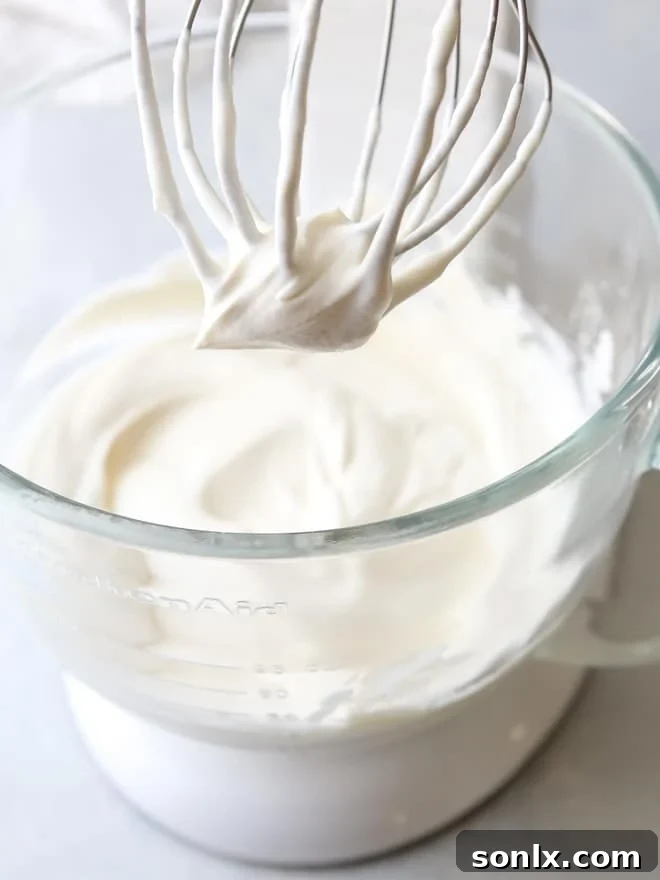
Master the Art of Sweetened Vanilla Whipped Cream: Your Ultimate Guide
Unlock the secrets to crafting the most exquisite, silky, and unbelievably creamy sweetened vanilla whipped cream at home. This simple yet luxurious topping transforms any dessert, from classic pies and decadent cakes to everyday treats, into a gourmet experience. Forget the artificial taste and fleeting texture of aerosol cans – once you taste homemade, there’s no turning back!
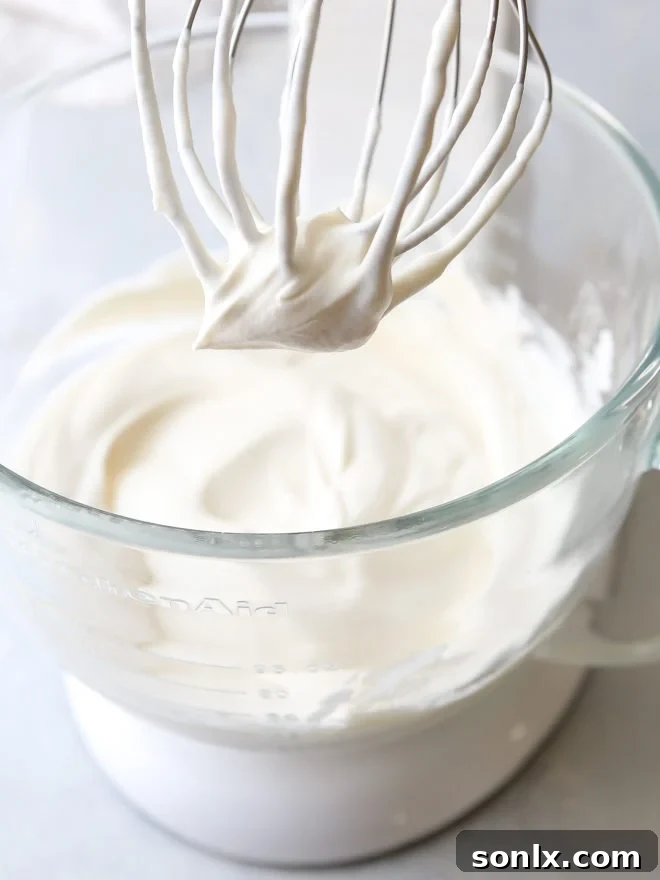
Making sweetened whipped cream is a fundamental skill in any kitchen, yet for many, achieving that perfect balance of sweetness, stability, and ethereal texture remains a bit of a mystery. While I whip up batches so frequently it feels like second nature, I understand the common questions and challenges that arise, from selecting the right ingredients to mastering the technique.
This comprehensive guide is designed to demystify the entire process. I’ll share all my tried-and-true secrets, ensuring you can consistently create flawless whipped cream every time. The best part? It’s incredibly straightforward, requiring just three basic ingredients and a few minutes of your time.
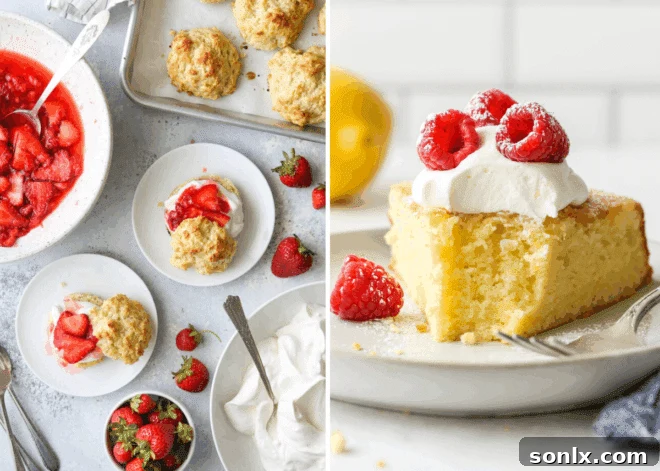
Table of Contents
- Essential Ingredients and Equipment for Perfect Whipped Cream
- The Golden Ratio: Achieving Balanced Sweetness and Texture
- The Art of Whipping: Low and Slow for Stability
- Understanding Peak Stages: Soft, Medium, and Stiff
- Troubleshooting: Rescuing Over-Whipped Cream
- Storage Solutions: Keeping Whipped Cream Fresh
- Endless Possibilities: Creative Uses for Sweetened Whipped Cream
- Your Go-To Recipe for Perfect Whipped Cream
Essential Ingredients and Equipment for Perfect Whipped Cream
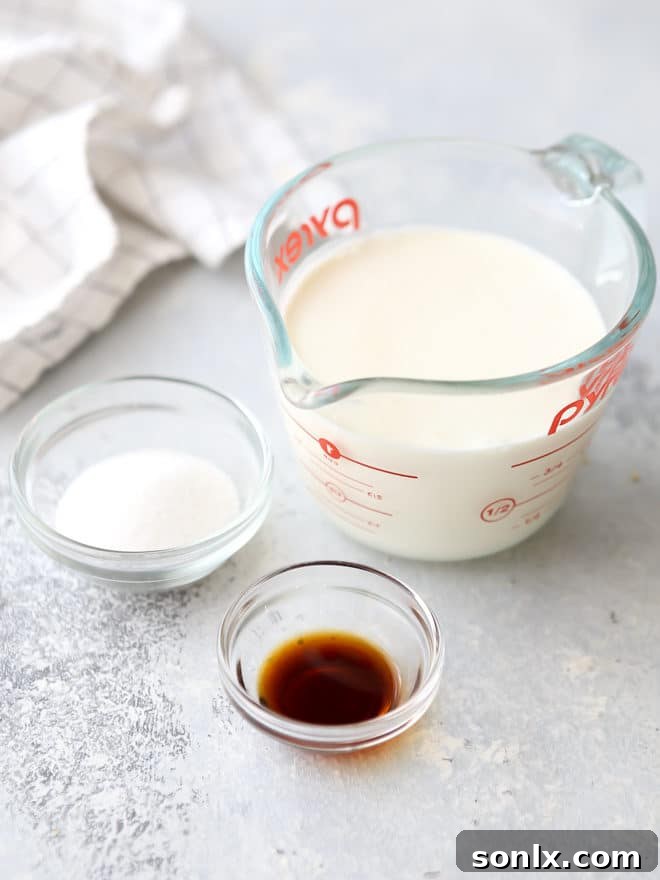
Creating sensational whipped cream starts with understanding your components. While seemingly simple, each ingredient and tool plays a crucial role in achieving that ideal texture and flavor.
The Star Ingredient: Cold Heavy Whipping Cream
- Cold Heavy Whipping Cream: This is non-negotiable. For optimal volume and stability, your heavy whipping cream MUST be very cold, preferably straight from the refrigerator. The colder the cream, the faster the fat globules solidify and emulsify, trapping air more efficiently. Look for “heavy cream” or “heavy whipping cream” with a fat content of at least 36%. Do not substitute with half-and-half, light cream, or non-dairy alternatives if you’re aiming for traditional, stable whipped cream.
Sweetness and Flavor: Sugar and Vanilla
- Granulated Sugar or Powdered/Confectioner’s Sugar: I often use a mix of both! Granulated sugar provides sweetness and dissolves well with proper beating. Powdered sugar (confectioner’s sugar) often contains a small amount of cornstarch, which can contribute to a slightly more stable whipped cream, making it a favorite for those who want extra reassurance against weeping. Choose based on your preference for stability and texture. For ultimate smoothness, powdered sugar is often preferred.
- Vanilla Extract: A touch of vanilla elevates the flavor significantly. Use a good quality pure vanilla extract for the best results. For a more intense vanilla flavor and a beautiful visual appeal, consider vanilla bean paste or the seeds scraped from a whole vanilla bean. Don’t be afraid to experiment with other extracts like almond, peppermint, or even a splash of liqueur for different dessert pairings.
Your Whipping Tools: The Power of a Mixer
- An Electric Mixer: This is truly your best friend for making whipped cream. Both a hand-held mixer or a stand mixer (with the whisk attachment) will work wonders. Electric mixers provide consistent, powerful agitation that incorporates air quickly and evenly, ensuring a light and fluffy result.
- A Whisk (Manual Method): For smaller batches or if you enjoy a bit of a workout, a good old-fashioned whisk and some elbow grease can absolutely get the job done. It takes longer and requires more effort, but the result can be just as lovely. Ensure your bowl is deep enough to prevent splatters.
- Mixing Bowl: Opt for a medium-to-large mixing bowl, preferably one made of metal or glass. These materials tend to retain cold temperatures better, which is beneficial for whipping cream.
Note: Many culinary sources suggest chilling your mixing bowl and whisk/beaters before starting. While this certainly doesn’t hurt, I’ve found it’s not strictly necessary in most home kitchens, especially if your cream is thoroughly chilled. However, if you’re working in a particularly warm environment or struggle with achieving volume, a chilled bowl and whisk can definitely give you an extra edge, helping the cream stay cold and whip up faster.
The Golden Ratio: Achieving Balanced Sweetness and Texture
The beauty of homemade whipped cream lies in its customizable nature. While personal preference plays a huge role, a classic ratio provides a fantastic starting point, ensuring a beautifully balanced and perfectly textured cream that complements rather than overpowers your desserts.
My go-to ratio for sweetened whipped cream strikes a wonderful balance:
- 1 cup cold heavy whipping cream
- 1-2 tablespoons sugar (granulated or powdered, adjusted to your desired sweetness level)
- 1/2 teaspoon pure vanilla extract
This basic ratio is incredibly versatile and can be easily doubled or tripled to meet the needs of your recipe or gathering. Remember that the heavy cream will approximately double in volume once it’s whipped. So, if you start with 1 cup of liquid heavy cream, you can expect to yield about 2 cups of light, airy whipped cream. Always start with less sugar and add more to taste as the cream thickens, tasting frequently to find your perfect sweetness.
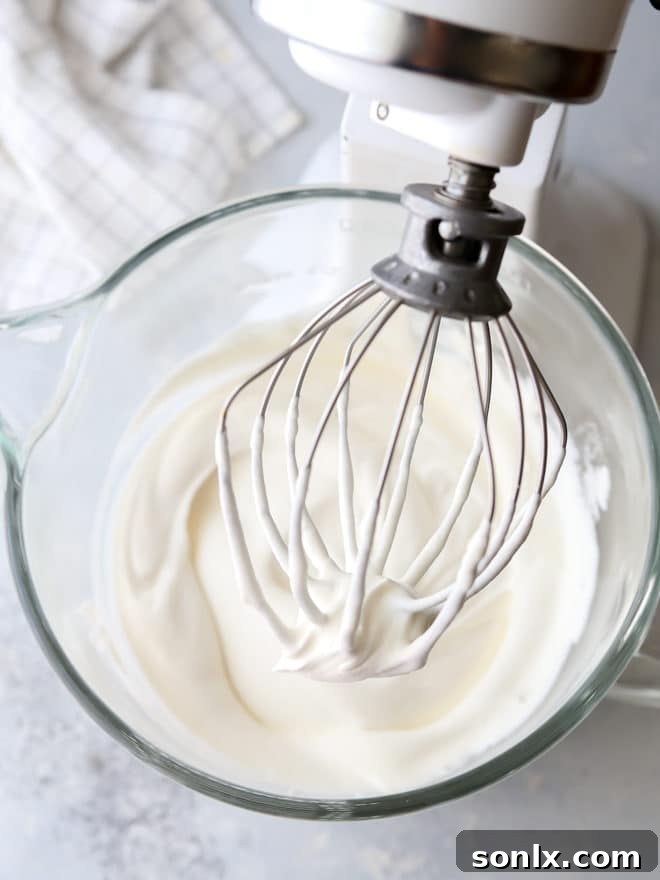
The Art of Whipping: Low and Slow for Stability
When it comes to whipping cream, patience is truly a virtue. The common inclination is to crank your mixer to high speed and get the job done as quickly as possible. However, resisting this urge is key to achieving a stable, luxurious, and long-lasting whipped cream.
If you’re using an electric mixer, the optimal approach is to beat on a medium to medium-high speed, emphatically not on high. Here’s why:
- Smaller, More Stable Air Bubbles: Beating at a moderate speed allows for the gradual incorporation of air into the cream. This creates a multitude of tiny, uniform air bubbles throughout the mixture. These smaller bubbles result in a much more stable foam structure, preventing rapid deflation and weeping.
- Understanding the Science: Whipping cream works by disrupting the fat globules within the cream, allowing them to clump together and trap air. This process forms a stable emulsion of air, fat, and liquid. When you whip too fast, you introduce large, uneven air pockets that are inherently less stable and more prone to collapsing.
- Preventing Over-Beating: Going a little slower also grants you more control over the whipping process. This is crucial because the transition from perfectly whipped cream to over-whipped, grainy cream (and eventually butter) happens very quickly, often in a matter of seconds. A slower speed gives you time to observe the cream’s consistency and stop precisely when it reaches your desired peak stage.
Start with your cold cream in the bowl, turn on your mixer to medium speed (I typically use speed 6 on my KitchenAid stand mixer), and beat until it begins to thicken. This is the ideal moment to add your sugar and vanilla. Continue beating at the same moderate speed, watching closely, until the cream reaches your preferred peak consistency. This “low and slow” method ensures a velvety, robust whipped cream that holds its shape beautifully.
Understanding Peak Stages: Soft, Medium, and Stiff
The texture of your whipped cream is a matter of personal preference and depends largely on its intended use. Instead of watching the clock, train your eye to watch the cream itself – it will tell you when it’s ready!
Soft Peaks: Light and Delicate
- Appearance: When you lift the beaters, the cream will form gentle mounds, with the peaks just barely holding their shape before softly slumping back into the bowl. The consistency will be slightly softer than sour cream or thick yogurt.
- Best Uses: Ideal for dolloping onto hot beverages like coffee or hot chocolate, drizzling over fresh fruit, or as a very light accompaniment to a delicate dessert where you don’t want a firm structure.
Medium Peaks: Versatile and Classic (My Favorite!)
- Appearance: This is the sweet spot for many desserts. When you lift the beaters, the cream will form distinct peaks that hold their shape but still have a graceful, slightly curled tip. The base of the peak will be soft enough to gently slump over the edges of a pie or cake, creating a beautiful, natural cascade (as shown in the images throughout this post). It’s firm enough to hold its shape but still wonderfully airy and luxurious.
- Best Uses: Perfect for topping pies, cakes, tarts, and most fruit desserts. It’s also excellent for filling pastries or serving alongside breakfast items.
Stiff Peaks: Bold and Structured
- Appearance: At this stage, the peaks will stand tall and firm when the beaters are lifted, holding their shape almost completely without slumping. The cream will be very thick and robust. Be careful not to cross into over-whipped territory here, as it happens quickly.
- Best Uses: Ideal when you need whipped cream that holds intricate piped shapes, for filling layered cakes that require more structure, or for desserts that will be sitting out for a short period and need maximum stability.
Always keep a close eye on your cream as it approaches your desired peak stage. It can transition from soft to medium to stiff very rapidly. Stop the mixer frequently to check the consistency by lifting the beaters. This vigilance will prevent you from accidentally over-whipping!
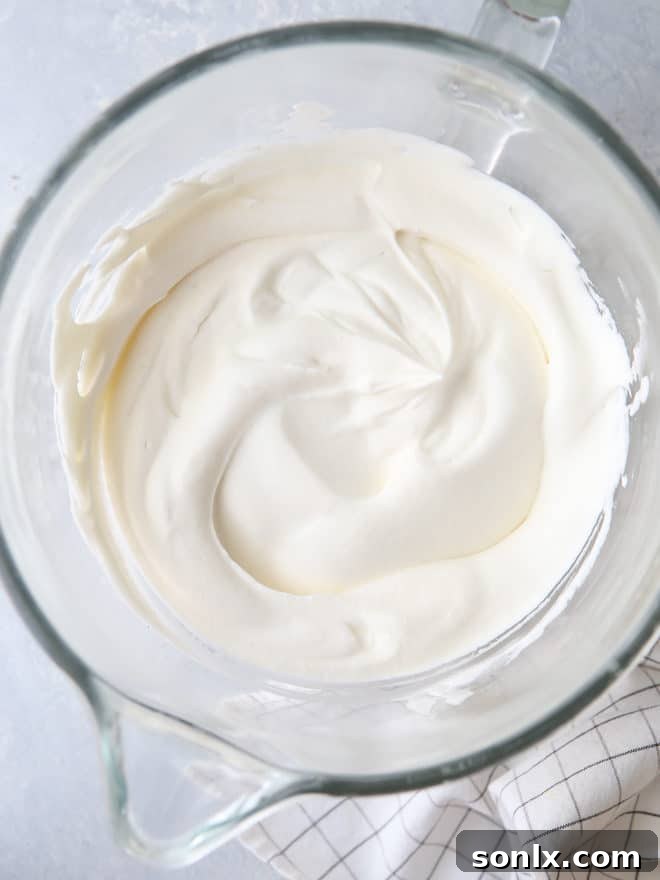
Troubleshooting: Rescuing Over-Whipped Cream
It’s a common kitchen mishap: you step away from the mixer for just a few seconds, only to return to a bowl of lumpy, grainy cream that looks like it’s halfway to becoming butter. Don’t despair! As long as you haven’t completely churned it into solid butter, your over-whipped cream can almost always be salvaged.
The solution is surprisingly simple: gently fold a few tablespoons of cold heavy whipping cream into the over-whipped batch by hand.
- How it works: When cream is over-whipped, the fat globules have clumped together too tightly, squeezing out too much air and liquid, leading to a grainy, separated texture. Adding a small amount of fresh, cold cream helps to re-emulsify the mixture, diluting the over-aerated fat and restoring the smooth, silky consistency.
- The Process: Start by adding 1-2 tablespoons of cold heavy cream. Using a spatula, gently fold the new cream into the lumpy mixture. You’ll notice the texture beginning to loosen and smooth out. Continue adding a tablespoon at a time, folding gently after each addition, until your whipped cream is silky and smooth again. The exact amount of cream needed will depend on how severely it was over-whipped and the total volume of your batch.
This technique works like magic, transforming a seemingly ruined batch into perfectly usable whipped cream. To prevent over-whipping in the future, always beat on a medium speed and pay close attention as the cream approaches your desired peak stage. Stop the mixer frequently and check the consistency – it’s easier to whip a little more than to fix an over-whipped mess!
Storage Solutions: Keeping Whipped Cream Fresh
While homemade whipped cream is undeniably at its best when served immediately, there are certainly times when you’ll want to make it ahead or save leftovers. With proper storage, you can extend its freshness and enjoy its delightful texture for a few days.
Here’s how to store whipped cream effectively:
- Airtight Container: Transfer any leftover whipped cream to an airtight container. This is crucial for preventing it from absorbing odors from the refrigerator and slowing down dehydration.
- Refrigerate Immediately: Place the sealed container in the coldest part of your refrigerator.
- Shelf Life: Properly stored whipped cream will typically remain fresh for 2 to 3 days. Beyond this, it may start to lose volume, weep (separate liquid), or develop an off-flavor.
- Re-fluffing Before Use: When you’re ready to use refrigerated whipped cream, gently stir it by hand with a whisk or spatula. This will help to loosen it and restore some of its airy texture. If the cream was originally whipped to stiff peaks, it might have become quite firm. In this case, you may need to add a teaspoon or two of fresh, cold heavy whipping cream and gently fold it in to bring back its desired consistency. Avoid re-whipping significantly with an electric mixer, as this can easily lead to over-whipping.
For those looking for a longer-lasting or even more stable whipped cream, particularly for piping or warm weather, consider making “stabilized whipped cream.” This involves adding a small amount of gelatin, cornstarch, or even cream of tartar to the cream before or during whipping. These stabilizers help the cream hold its shape for longer periods and significantly reduce weeping, making it ideal for large gatherings or intricate dessert designs. While this guide focuses on the classic 3-ingredient recipe, it’s a valuable technique to explore for advanced applications.
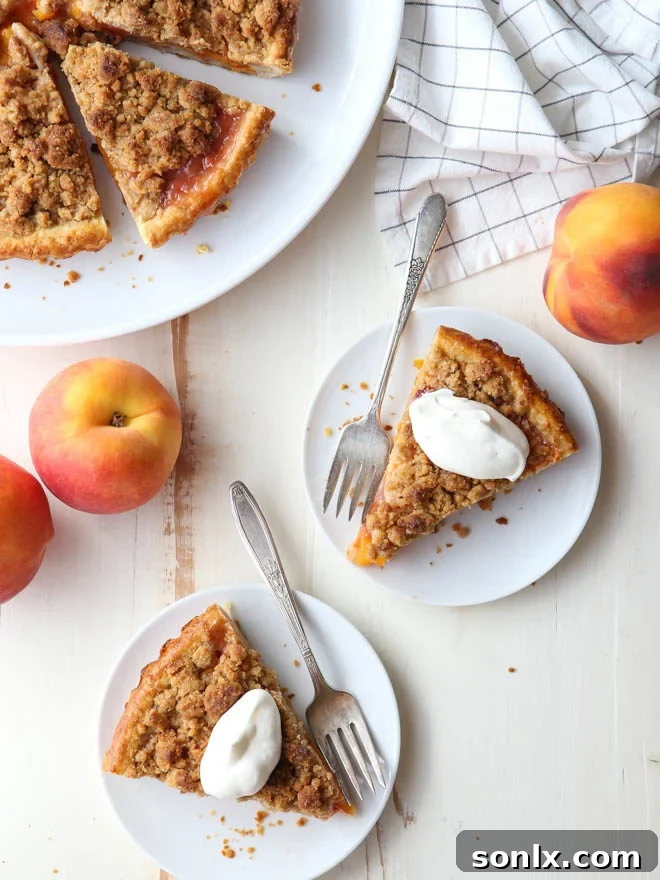
Endless Possibilities: Creative Uses for Sweetened Whipped Cream
Sweetened vanilla whipped cream is far more than just a simple topping; it’s a versatile ingredient that can elevate countless dishes and drinks. Its light, airy texture and delicate sweetness perfectly complement a vast array of flavors, making it a staple in any baker’s repertoire. Here are just some of the delightful ways you can incorporate this creamy creation:
- Classic Dessert Toppings:
- It’s an absolute must for traditional Strawberry Shortcakes and airy Angel Food Cake.
- Add a generous dollop to seasonal favorites like Pumpkin Pie or a warm slice of Apple Pie.
- It’s the perfect, cloud-like crown for creamy desserts such as Banana Cream Pie, chocolate cream pie, or coconut cream pie.
- Elevate fruit tarts, puddings, custards, and trifles with a layer of homemade whipped cream.
- Breakfast and Brunch Enhancements:
- I also love to serve it on fluffy Buttermilk Pancakes, crispy Waffles, or golden French Toast for a touch of indulgence.
- Pair it with delicate Crepes filled with fruit or chocolate.
- Beverage Bliss:
- A dollop melts beautifully into hot chocolate, specialty coffees, or even a spiced cider.
- Top off milkshakes or ice cream floats for an extra treat.
- Creative Culinary Uses:
- Fold it into fruit salads for a creamier texture.
- Use it to lighten mousse recipes or as a delicate filling for eclairs and cream puffs.
- Serve it alongside roasted fruit or grilled pineapple for a simple yet elegant dessert.
The possibilities are truly endless. Don’t be afraid to experiment and discover new ways to enjoy the silky, sweet magic of homemade whipped cream!
Your Go-To Recipe for Perfect Whipped Cream
Ready to put these tips into practice? Here’s the straightforward recipe to create flawless, silky, and creamy sweetened vanilla whipped cream every single time. It’s a fundamental skill that will enhance all your favorite desserts.
Perfectly Whipped Cream
8
servings
5
mins
Pin Recipe
Leave a Review
Ingredients
-
1 cup
(227 grams) heavy whipping cream -
1-2 tablespoons
granulated or powdered sugar -
½ teaspoon
vanilla extract
Equipment
Instructions
-
Add cold heavy whipping cream to a large mixing bowl. Beat by hand with a whisk, or use an electric mixer. If using an electric mixer, beat on medium to medium-high speed (such as speed setting 6 on a KitchenAid stand mixer). Avoid using high speed for a more stable foam.
-
Once the mixture begins to thicken and lighten in color, gradually add the sugar and vanilla extract.
-
Continue to beat for a few more minutes, watching closely, until the cream reaches your preferred consistency: soft, medium, or stiff peaks. Stop mixing as soon as the desired peak stage is achieved to prevent over-whipping.
-
Use immediately for the freshest taste and best texture. Leftovers can be stored in an airtight container in the fridge for several days. Gently stir before serving any refrigerated whipped cream to restore its texture.
Nutrition Information
Carbohydrates: 2g,
Protein: 1g,
Fat: 11g,
Saturated Fat: 7g,
Cholesterol: 41mg,
Sodium: 11mg,
Potassium: 22mg,
Sugar: 1g,
Vitamin A: 437IU,
Vitamin C: 1mg,
Calcium: 19mg
Have you tried this recipe?
I’d love to hear about it! Leave a rating and review below, or take a photo and tag it on Instagram @completelydelicious with #completelydelicious.