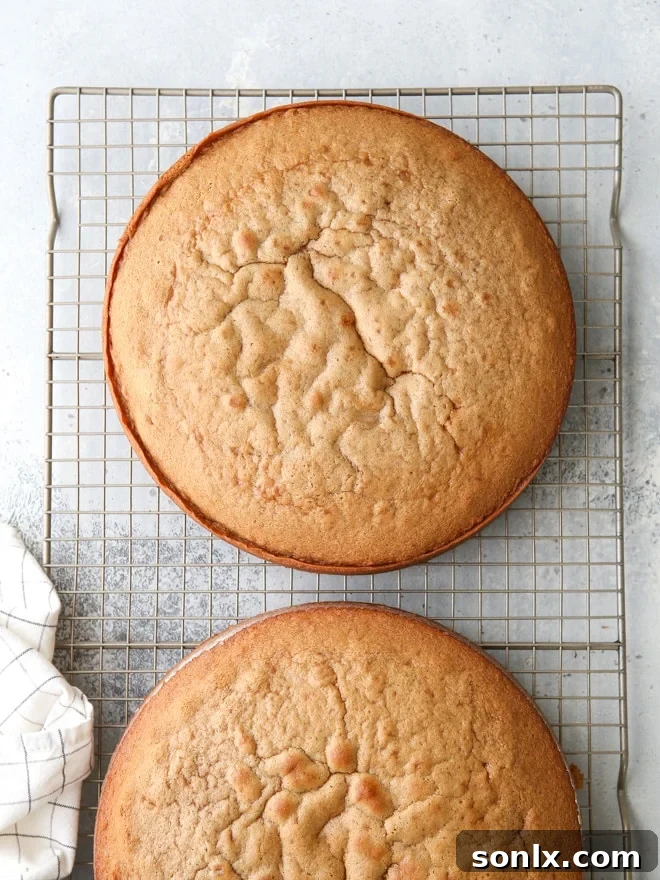
Mastering Cake Release: How to Effortlessly Prevent Cakes from Sticking to the Pan
Baking a beautiful cake is a rewarding experience, but few things are more disheartening than a delicious creation ruined by sticking to the pan. The anticipation of a perfectly baked cake can quickly turn into frustration when you find it crumbling or tearing as you attempt to remove it. If you’ve ever shed a tear over a sticky situation in the kitchen, you’re not alone. The good news? Those days are over! This comprehensive guide will equip you with the essential techniques and insider tips to ensure your cakes release flawlessly from the pan every single time, leaving you with perfectly intact, picture-worthy results.
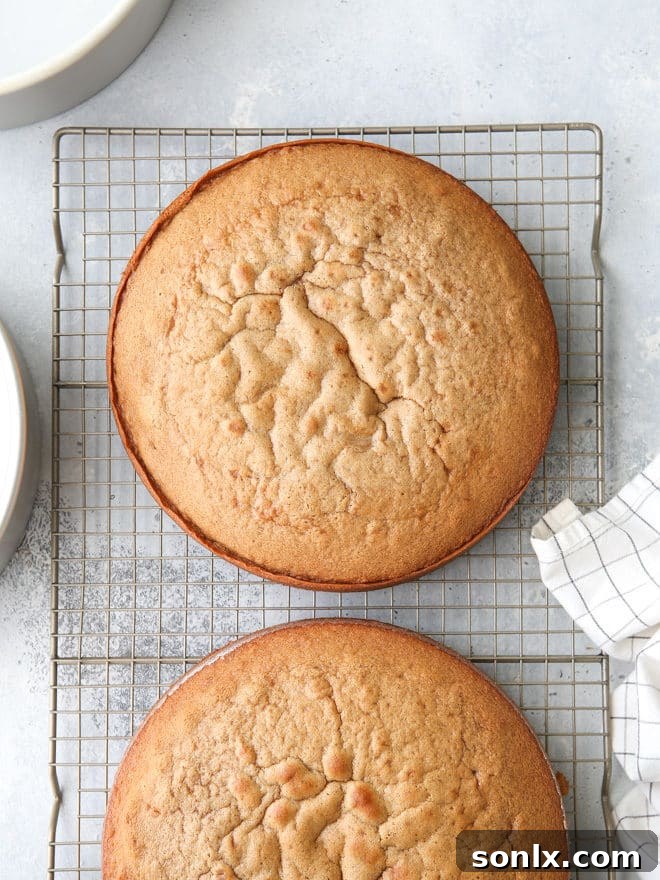
Imagine pulling a golden-brown cake from the oven, its aroma filling your kitchen. You let it cool, and then, with a simple flip, it slides out of the pan, whole and magnificent. This isn’t just a dream; it’s a consistent reality for bakers who understand the crucial steps of proper pan preparation. From the foundational barrier of parchment paper to the protective layer of grease and flour, each technique plays a vital role in guaranteeing a clean release. No more crumbly edges, no more missing tops – just perfect cakes ready for frosting and enjoyment.
Table of Contents
- The Two Non-Negotiable Steps to Prevent Sticking
- The Magic of Parchment Paper: A Bottom Layer of Security
- Greasing and Flouring Your Pan: Creating the Perfect Barrier
- Method 1: Classic Butter and Flour
- Method 2: Convenient Non-Stick Baking Spray with Flour
- Common Mistakes to Avoid When Greasing and Flouring
- Preparing Different Pan Types for Success
- Tips for Effortlessly Removing Your Cakes from the Pan
- The Special Case of Bundt Cakes
- Other Factors Affecting Cake Release
- Elevate Your Baking: Explore More Cake Help
The Two Non-Negotiable Steps to Prevent Sticking
To guarantee your cakes never stick and always emerge pristine, these two preparation steps are absolutely essential. Skipping either one significantly increases the risk of baking disaster:
- Always line the bottom of your cake pans with parchment paper. This creates an immediate, fail-safe barrier between the delicate cake bottom and the pan surface.
- Thoroughly grease and flour the entire interior surface of the pan. This forms a crucial non-stick coating that prevents the cake’s sides from adhering. Alternatively, use a high-quality non-stick baking spray that contains flour.
Let’s delve deeper into each of these fundamental techniques, exploring why they work and how to execute them flawlessly for consistent success in your baking endeavors.
The Magic of Parchment Paper: A Bottom Layer of Security
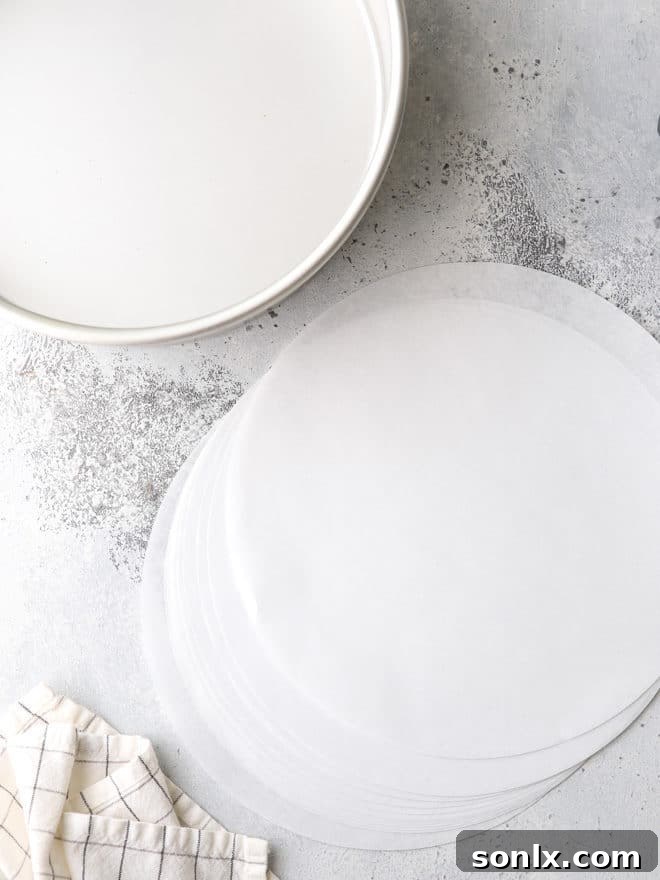
If there’s one secret weapon in a baker’s arsenal for flawless cake release, it’s parchment paper. Once you discover the undeniable benefits of using parchment paper in your baking, you’ll wonder how you ever managed without it. Lining the bottom of your cake pans with a precisely cut circle of parchment ensures that the delicate bottom of your cake cannot possibly stick. This simple step provides an instant, worry-free release, allowing you to lift your cake cleanly and effortlessly.
Parchment paper acts as an impermeable barrier, preventing the sugar and fats in your cake batter from caramelizing and bonding with the metal of the pan. Beyond just preventing sticking, it also contributes to more even baking by slightly insulating the bottom of the cake, helping to prevent overbrowning. For professional results every time, incorporating parchment paper into your cake preparation routine is an absolute must.
Tip: While you can purchase convenient pre-cut parchment rounds that perfectly fit standard pan sizes, making your own is incredibly easy and cost-effective. Simply place your cake pan on a sheet of parchment paper, trace around the outside edge with a pencil, and then cut just inside the traced line for a perfect fit. Always remember to place the parchment paper pencil-side down in the pan to avoid transferring graphite to your cake.
For square or rectangular pans, you can cut strips of parchment to line the bottom and extend up the sides, creating “slings” that make lifting the baked cake out even easier. This method is particularly useful for delicate cakes or brownies where a clean lift is paramount.
Greasing and Flouring Your Pan: Creating the Perfect Barrier
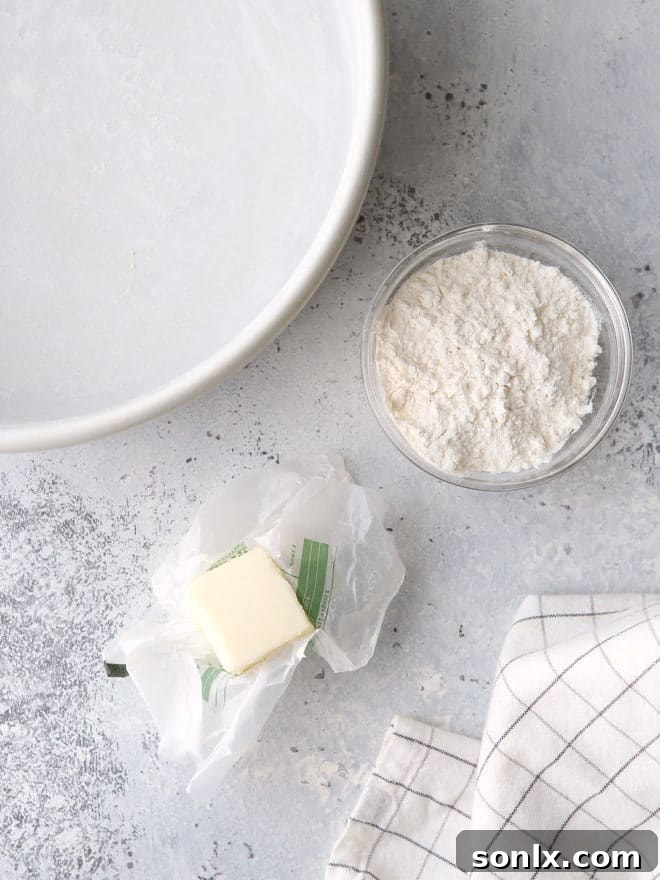
While parchment paper handles the bottom, the sides of your cake still need protection. This is where the time-honored tradition of greasing and flouring comes into play. The combination of a fat (grease) and a dry ingredient (flour) creates a sacrificial layer between your cake batter and the pan, ensuring a smooth, clean release. Simply greasing the pan is often not enough, as the butter or oil can be absorbed or break down during baking, leaving areas where the cake can adhere. The flour adheres to the grease, forming a stable, dry barrier that your cake won’t stick to.
Method 1: Classic Butter and Flour
This traditional method is reliable, effective, and uses ingredients commonly found in any kitchen. It’s perfect for all standard cake pans and provides an excellent release:
- Prepare Your Pan: Start with a clean, dry cake pan. If you’re using parchment paper on the bottom, place it in first.
- Apply the Grease: Using softened butter (at room temperature), margarine, or even shortening, thoroughly rub the entire interior surface of the pan. Pay special attention to the corners and any creases. You can use the wrapper from a stick of butter, a paper towel, or your fingertips for application. The goal is an even, thin layer of fat covering every inch of the pan’s sides.
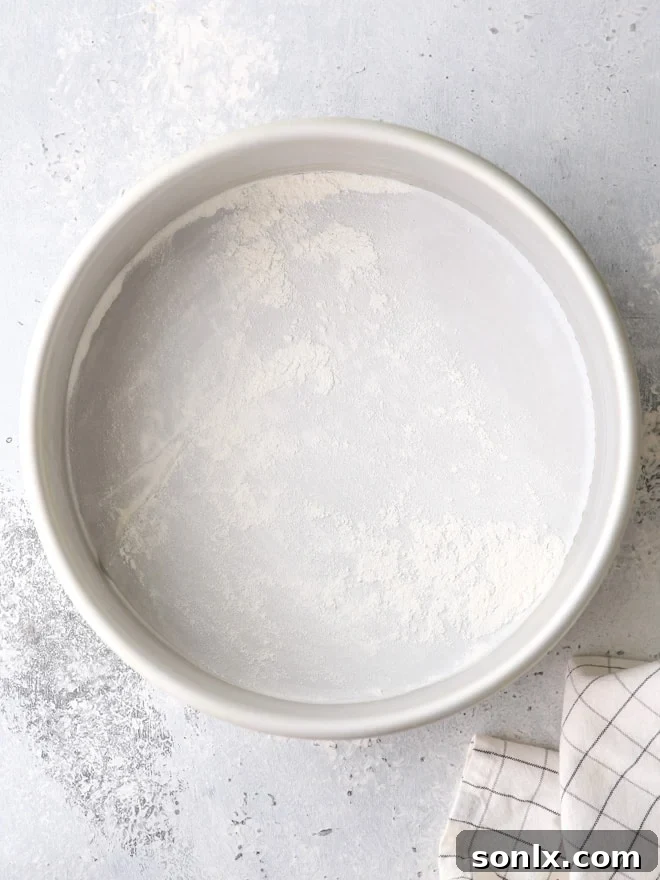
- Dust with Flour: Sprinkle about a tablespoon or two of all-purpose flour into the greased pan (more for larger pans). Hold the pan over a sink or trash can and gently shake and rotate it. Tilt the pan, tapping lightly, to ensure the flour coats every greased surface, including the bottom parchment if you wish (though it’s not strictly necessary for the parchment).
- Remove Excess: Once fully coated, invert the pan and firmly tap out any excess flour. You want a thin, even dusting, not clumps. Too much flour can leave a powdery residue on your baked cake.
This method has been a staple for generations of bakers because of its consistent results. It’s particularly useful when you want to avoid commercial sprays or when baking smaller batches where the effort is minimal.
Method 2: Convenient Non-Stick Baking Spray with Flour
For those who value speed and convenience without compromising on effectiveness, non-stick baking sprays that contain flour are a game-changer. These sprays offer the perfect combination of grease and flour in one easy application:
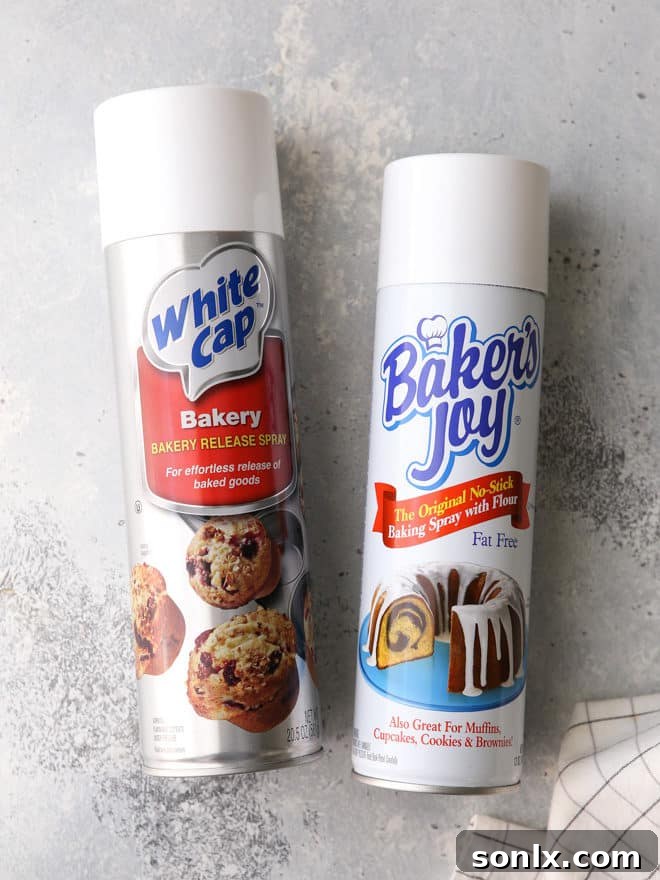
- Choose Your Spray: Look for brands specifically formulated for baking that explicitly state they contain flour, such as Baker’s Joy or White Cap. These are readily available in most grocery stores or specialty baking shops. Standard cooking sprays (like those for frying eggs) are typically not sufficient as they lack the crucial flour component.
- Apply Liberally: Holding the can about 6-8 inches from the pan, spray a generous, even coating over the entire interior surface, ensuring every nook and cranny is covered. Don’t be shy; a thorough coating is key.
- No Excess to Remove: Unlike the butter and flour method, there’s no need to tap out excess with these sprays. They are designed to adhere uniformly.
Many bakers, myself included, have found that these specialized baking sprays work just as beautifully as the traditional butter and flour method, often saving precious time and effort. They are particularly advantageous for intricate pans, like Bundt pans, where reaching every detail with butter and flour can be challenging. However, some bakers prefer the classic method for its natural ingredients and to avoid potential residue build-up that can sometimes occur with continuous spray use over time.
Common Mistakes to Avoid When Greasing and Flouring
Even with the right methods, common errors can lead to sticking. Be mindful of these pitfalls:
- Uneven Coating: Missing a spot, especially in corners or around the rim, creates a weak point where the cake can stick. Be meticulous.
- Too Little Grease: If the grease layer is too thin, it won’t effectively hold the flour or create a sufficient barrier.
- Too Much Flour: While you need enough, excessive flour can create a dry, pasty layer that actually causes sticking, or leaves an unappetizing white film on your cake. Always tap out the excess.
- Using Melted Butter: While convenient, melted butter can separate and doesn’t coat as evenly as softened butter, potentially leading to bare spots.
- Using Non-Flour Spray: Regular cooking sprays are designed for different purposes and lack the essential flour component needed to create a durable non-stick barrier for cakes.
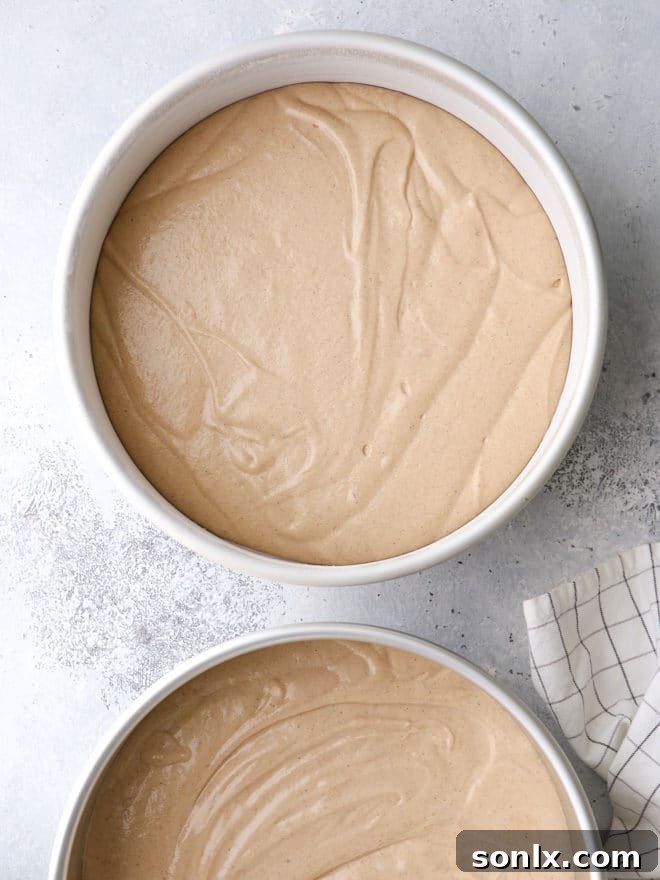
Preparing Different Pan Types for Success
While the core principles remain the same, certain pan shapes and materials might require slight adjustments to your preparation technique:
- Standard Round/Square Pans: These are the easiest. Line the bottom with parchment and grease/flour the sides as described above.
- Loaf Pans: For loaf cakes, it’s often beneficial to create a parchment sling. Cut a strip of parchment paper that’s long enough to cover the bottom and extend up both long sides of the pan, with a couple of inches overhang. Grease the pan first, then press the parchment in, and then grease and flour the remaining exposed sides. This allows you to lift the baked loaf out easily.
- Muffin Tins/Cupcake Pans: For muffins and cupcakes, paper liners are typically used, which negate the need for greasing and flouring the individual cups. However, if baking without liners, a thorough grease and flour (or baking spray) of each cup is essential.
- Springform Pans: These pans are unique because they have removable sides. It’s crucial to line the bottom with parchment paper, especially for cheesecakes or delicate tortes. Lightly grease the bottom, place the parchment, then secure the sides. You can then grease and flour the sides as usual. For liquid batters, it’s also wise to wrap the bottom exterior of the pan tightly with aluminum foil to prevent leaks.
Tips for Effortlessly Removing Your Cakes from the Pan
Proper pan preparation is half the battle; knowing how to gently release your cake is the other. Follow these steps for a clean, damage-free transfer:
- Allow Adequate Cooling Time in the Pan: This is a critical step that many bakers rush. After removing the cake from the oven, let it cool in its pan for 10-15 minutes (or as specified in your recipe). During this time, the cake’s delicate structure firms up, making it less prone to tearing. The cake also slightly contracts as it cools, pulling away from the sides of the pan naturally. Removing it too soon can lead to breakage, while leaving it in too long can cause moisture to build up, making it stick.
- Loosen the Edges with a Knife: If, after cooling, you notice any edges that appear to be clinging to the pan, gently run a thin, flexible knife or an offset spatula around the perimeter of the cake. Keep the knife blade flush against the pan’s edge, using a smooth, even motion to avoid digging into the cake. This extra step provides insurance for a clean release.
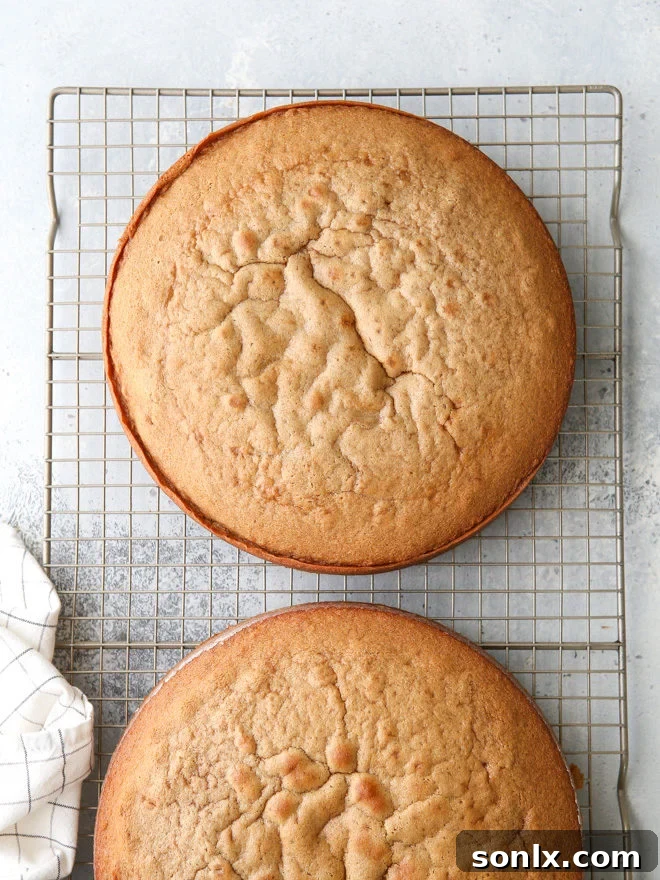
- Carefully Invert the Cake: Place a wire cooling rack (or a sturdy plate) over the top of the cake pan. In one swift, confident motion, carefully flip the pan and rack (or plate) together. The cake should slide out onto the rack. Gently lift the pan away. If you used parchment paper, peel it off the bottom of the cake. I often prefer to then quickly flip the cake back over onto another wire rack so it cools right-side up, which prevents the top from flattening and allows for better air circulation around the cake.
- Avoid Forcing It: Never try to pry a cake out if it’s resisting. Re-evaluate if it needs more cooling time or if any edges need additional loosening. Patience is key.
The Special Case of Bundt Cakes
Bundt cakes, with their beautiful fluted designs, present a unique challenge when it comes to release. Their intricate patterns mean more surface area for the cake to potentially cling to. Success with Bundt cakes starts with choosing the right pan and meticulous preparation.
- Invest in a Quality Bundt Pan: Begin with a Bundt pan you trust. High-quality pans, especially those with good non-stick coatings, make a significant difference. Older pans with scratched or damaged non-stick surfaces are prime candidates for sticking.
- Meticulous Greasing and Flourishing: This is where attention to detail truly pays off. Whether you choose the butter and flour method or a baking spray with flour, you must ensure every single nook, cranny, and crevice of the Bundt pan is thoroughly coated. For butter and flour, use a pastry brush to really work the softened butter into all the intricate designs. Then, dust with flour, rotating and tapping the pan repeatedly to ensure even coverage everywhere, then tap out all excess. If using a baking spray with flour, spray generously, ensuring the spray gets into all the detailed areas.
- The Gentle Shake Test: After your Bundt cake has baked and cooled for the recommended 10-15 minutes, perform a “gentle shake test.” Hold the pan and gently shake it up and down. You should feel the cake subtly bounce or shift slightly within the pan. This indicates that it has successfully pulled away from the sides and is ready for release. If it feels completely rigid, it might need another minute or two to cool and contract further.
- Inverting with Care: Once the shake test is positive, place a wire rack over the Bundt pan and, with confidence, invert the pan onto the rack. Allow it to sit for a few minutes before gently lifting the pan away. If it resists, place the pan back down and give it another few minutes. Sometimes, a gentle tap on the bottom of the pan can help.
- Troubleshooting a Stubborn Bundt: If a Bundt cake still sticks, don’t despair. You can try gently tapping the pan against a counter surface or placing a damp, hot towel over the inverted pan for a few minutes (the steam can help release it).
Other Factors Affecting Cake Release
While pan preparation is paramount, other elements in your baking process can subtly influence whether a cake sticks or releases cleanly:
- Overbaking: An overbaked cake can become dry and brittle, making it more prone to crumbling and sticking to the pan. Always bake until a toothpick inserted into the center comes out clean or with moist crumbs, not wet batter.
- Underbaking: Conversely, an underbaked cake is too delicate and moist, lacking the structural integrity to release cleanly. It will likely tear or leave chunks behind.
- Pan Material and Quality: Darker pans absorb more heat, which can sometimes lead to cakes sticking if not properly prepared. Lighter colored, heavy-gauge aluminum pans tend to bake more evenly and promote easier release. Scratched or damaged non-stick coatings can also cause issues.
- Recipe Type: Some cake recipes, particularly those high in sugar or with very delicate textures (like cheesecakes or sticky toffee puddings), might naturally be more prone to sticking. Extra care in pan preparation is always recommended for these.
Elevate Your Baking: Explore More Cake Help
Mastering the art of cake release is a foundational skill for any baker. With these techniques firmly in your repertoire, you’re well on your way to creating stunning, stress-free cakes every time. But the journey of baking perfection doesn’t stop here! Dive deeper into the world of cake artistry with these helpful resources, designed to enhance your skills from prep to presentation:
- My Favorite Cake Tools: Discover the essential gadgets and equipment that streamline your baking process.
- How to Bake Flat Cake Layers: Learn techniques to achieve perfectly level cake layers, eliminating the need for excessive trimming.
- How to Store and Freeze Cake Layers: Maximize your baking efficiency and always have cake layers ready for assembly.
- How to Build a Layer Cake: Step-by-step guidance on stacking and structuring impressive multi-tier cakes.
- How to Frost a Cake: Techniques for achieving smooth, professional-looking frosting on your masterpieces.
This post was originally published June 2014 and has been updated and expanded to provide the most comprehensive and up-to-date guidance for perfect cake release.